Hair transplant in Turkey has become one of the most in-demand cosmetic procedures worldwide, with Istanbul leading the global market in both quality and volume of successful operations. As we move into 2026, technological advancements, experienced surgeons, and competitive pricing continue to make Turkey the top destination for patients seeking natural-looking, long-lasting hair restoration. With techniques like FUE, DHI, and Sapphire FUE evolving each year, modern procedures now offer higher density, faster recovery, and more precise hairline design than ever before.
For many patients, choosing where and how to undergo a hair transplant can feel overwhelming. Questions about cost, technique, expected results, and how the hairline will look are at the center of every decision. This guide is designed to simplify the process. Whether you want to understand how hair transplantation works in 2026, compare Turkey vs UK & US costs, learn about beard transplant options, or see how long results actually take, this article offers a complete breakdown based on the latest industry standards.
We will explore every stage of the process — from choosing the right clinic to what happens during the procedure, how much you should expect to pay, and what your results may look like at 1 month, 3 months, 7 months, and up to 12 months. With thousands of successful cases performed annually and unmatched medical tourism infrastructure, Turkey remains the world’s most trusted destination for hair restoration.
By the end of this guide, you will clearly understand which technique is best for you, what results to expect, and why Istanbul continues to dominate the global hair transplant landscape in 2026.
What Is the Hair Transplant Procedure in Turkey 2026?
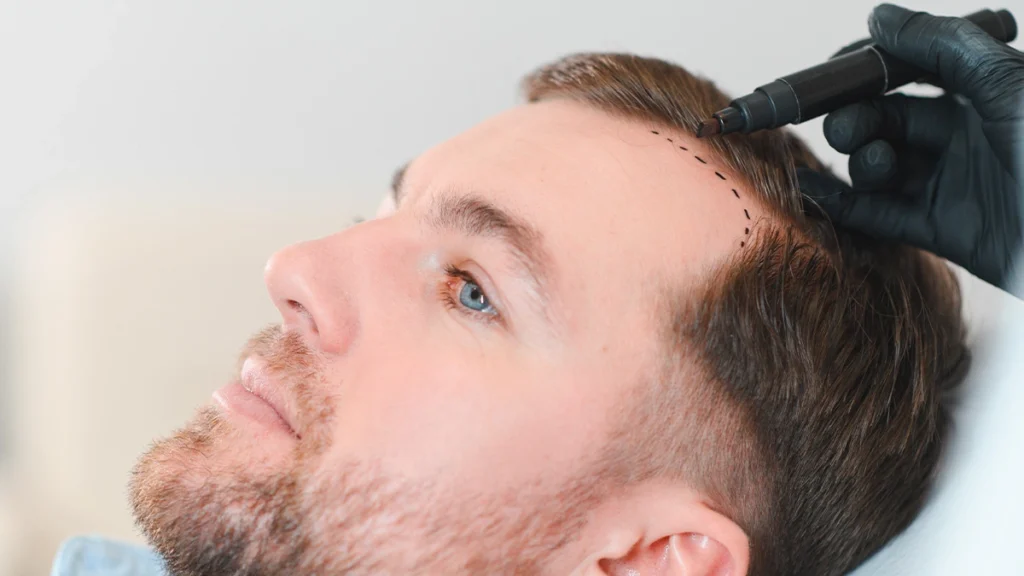
Hair transplant in Turkey has evolved significantly over the last decade, making it a refined medical procedure focused on precision, natural results, and minimally invasive techniques. In 2026, most hair transplants in Istanbul follow a modern, patient-centered approach that combines digital hairline design, advanced extraction tools, and improved graft survival technologies. The procedure involves relocating healthy hair follicles from the donor area (usually the back of the scalp) to areas affected by thinning or baldness, where they continue to grow permanently.
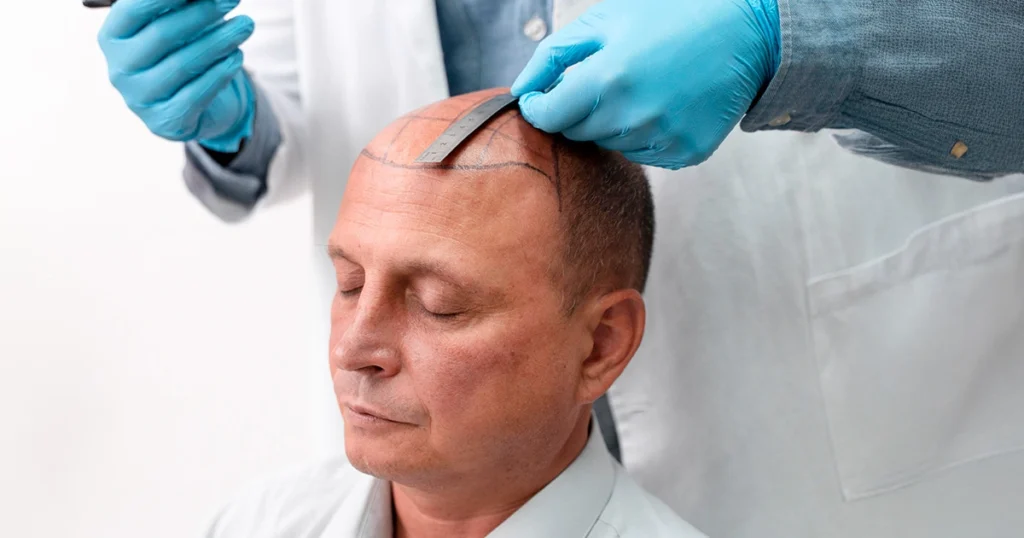
Today, clinics in Turkey rely primarily on FUE, DHI, and Sapphire FUE methods, all of which avoid linear scars and ensure faster healing. The most important aspect of the procedure is hairline design, where the surgeon plans the density, angle, and distribution of grafts to ensure a natural look that matches the patient’s facial structure and future hair growth.
In 2026, the process has become more predictable and comfortable thanks to:
- Digital imaging and simulations
- High-precision micromotors
- Enhanced graft preservation solutions
- Faster procedures with reduced downtime
- Customized transplant plans for density and coverage
Whether for male pattern baldness, crown thinning, or full hairline restoration, Turkey’s updated techniques ensure high success rates with natural and long-lasting results.
Start a Conversation
Contact us through the communication method that suits you





Hair Transplant History and Why Turkey Became the Best Choice
Hair transplantation has come a long way since the early plug techniques of the 1970s and 1980s. Over time, medical innovation shifted the procedure from unnatural “doll hair” results to highly refined follicular extraction methods. With the introduction of FUE (Follicular Unit Extraction) in the early 2000s, followed by DHI and Sapphire FUE, the industry reached a new level of precision, making hair restoration more natural, minimally invasive, and widely accessible.
Turkey quickly became the global hub for hair transplantation due to several key factors:
1. Early Adoption of Modern Techniques
Turkish surgeons were among the first worldwide to specialize in FUE and later in DHI, refining these techniques through high-volume practice and continuous training.
2. Highly Experienced Medical Teams
Istanbul alone performs hundreds of thousands of transplants annually, giving surgeons unparalleled hands-on experience. This consistency translates into predictable, natural results for patients.
3. Affordable Pricing Without Compromising Quality
Compared to the UK, US, and Europe, Turkey offers world-class hair transplants at significantly lower prices due to lower operational costs, not lower standards. Patients receive premium service with advanced tools at a fraction of the price.
4. Advanced Technology & Modern Clinical Standards
Most reputable clinics use:
- Sapphire blades for micro-incisions
- High-precision graft extraction tools
- Modern graft preservation solutions
- Digital hairline design software
5. International Patient Infrastructure
Turkey’s medical tourism system is unmatched — offering multilingual coordinators, airport transfers, post-care support, and luxury-level patient experience.
By 2026, these advantages made Turkey the number one global destination for hair transplantation, trusted by patients from over 100 countries.
Start a Conversation
Contact us through the communication method that suits you
Hair Transplant in Istanbul Step-by-Step (2026 Guide)
Undergoing a hair transplant in Istanbul is a streamlined, patient-focused experience designed to deliver consistent results with minimal downtime. By 2026, the process has become more organized and predictable thanks to digital planning, advanced tools, and highly experienced surgical teams. Here is what patients typically experience step-by-step:
1. Initial Consultation & Digital Hairline Design
Whether online or in person, the first step is assessing:
- Balding pattern
- Donor area density
- Desired hairline
- Expected graft count
Clinics use digital simulation software to design a hairline that matches the patient’s facial proportions and future hair pattern.
2. Pre-Operation Tests & Medical Evaluation
Basic blood tests and scalp examinations ensure the patient is a suitable candidate. Medical history is reviewed to guarantee safety and optimal healing.

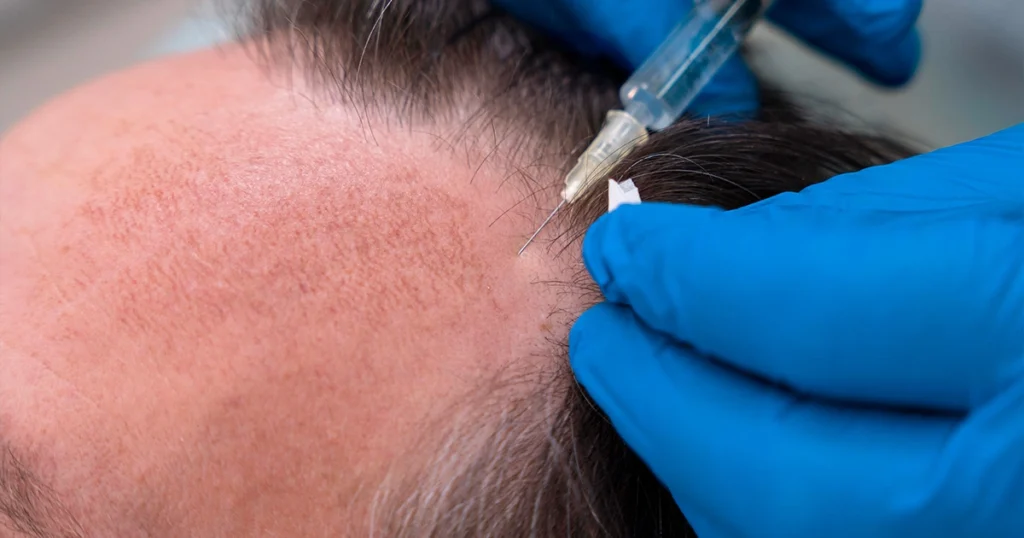
3. Local Anesthesia (Modern Painless Systems)
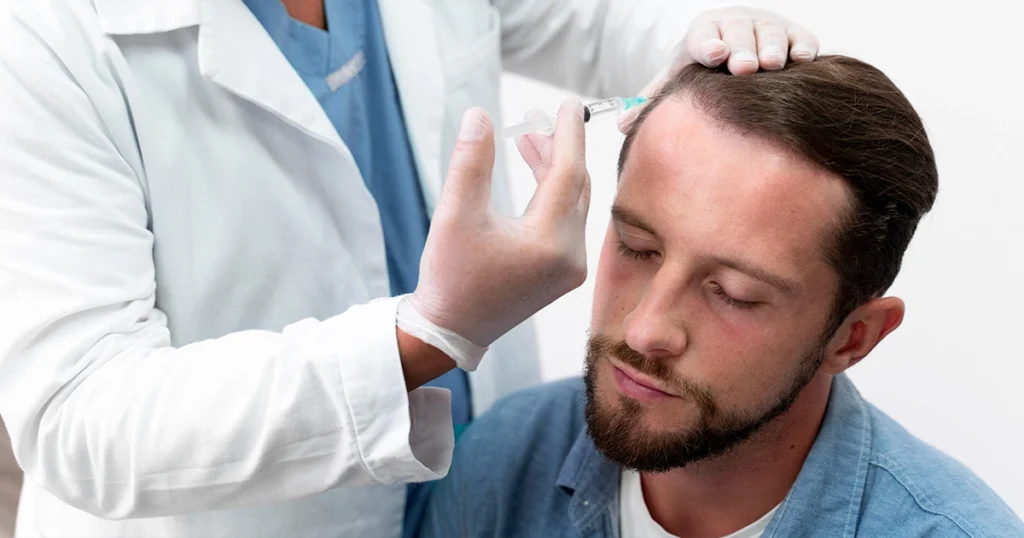
In 2026, most Istanbul clinics and Marina clinic as well use pressure-injection or micro-vibration devices to minimize discomfort during anesthesia.
4. Graft Extraction (FUE or Modified DHI Tools)
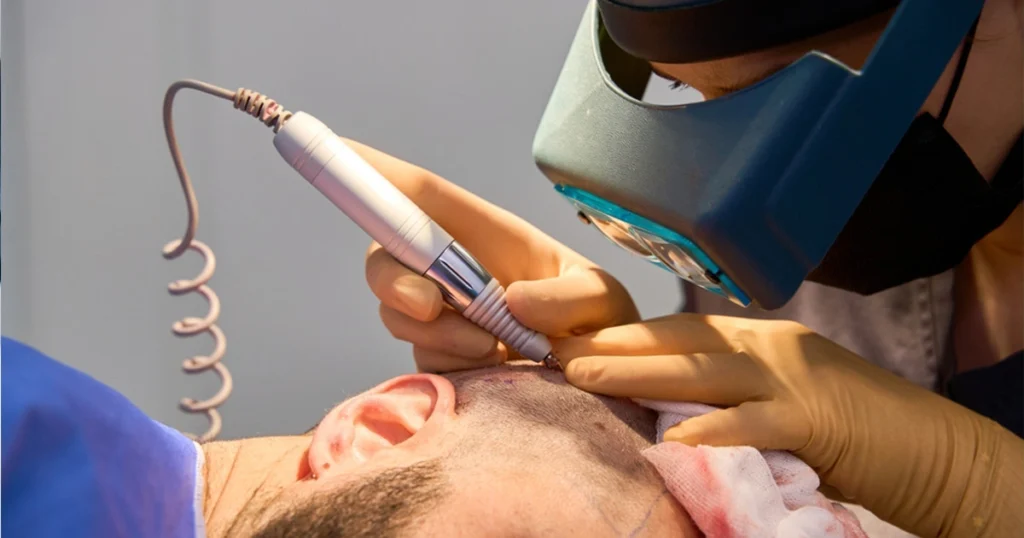
The surgeon extracts follicular units from the donor area using micromotors or manual punches. Each graft is preserved in a cooling solution to maximize survival rate.
5. Channel Opening (Sapphire or DHI Implanters)
- Sapphire FUE uses ultra-fine sapphire blades for micro-incisions.
- DHI uses implanter pens that place the grafts directly without prior channels.
This step determines the density, angle, and natural direction of the new hair.
6. Graft Implantation
Grafts are carefully implanted to achieve a natural hairline, strategic density, and balanced distribution between the front, mid-scalp, and crown.
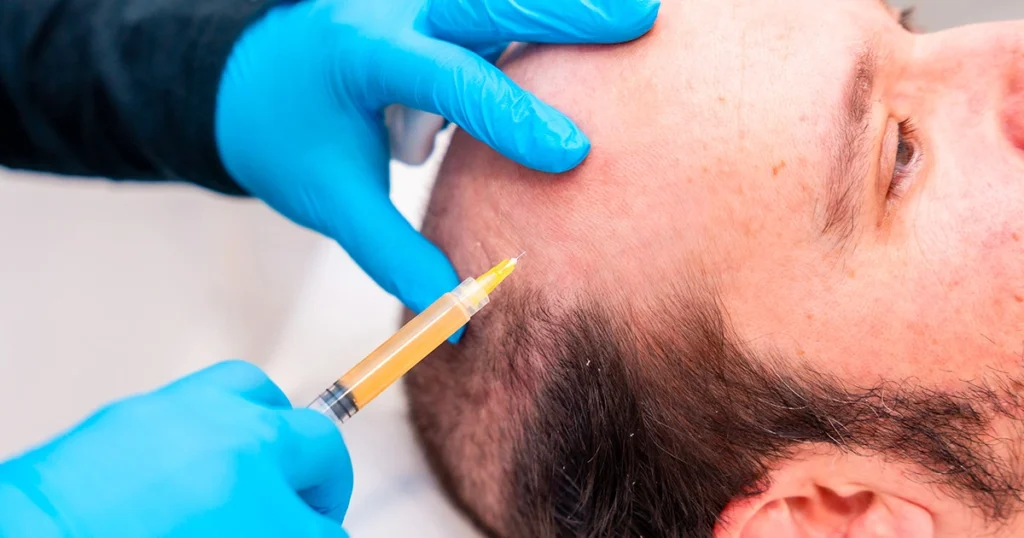
7. Post-Operation Care & PRP Support
Patients receive:
- Post-care instructions
- Special shampoo
- Anti-swelling medications
- Optional PRP therapy to stimulate early growth
8. Follow-Up Schedule
Most clinics arrange follow-ups at:
- Day 1 (first wash)
- 1 month
- 3 months
- 6 months
- 12 months
These checkpoints help monitor progress and ensure consistent results.
What Criteria to Choose the Best Clinic for Hair Transplant
Choosing the right hair transplant clinic in Turkey is the most important factor in achieving natural, long-lasting, and safe results. With hundreds of clinics in Istanbul alone, patients must differentiate between high-quality medical centers and low-cost operations that may compromise safety or long-term success. The following criteria are essential when evaluating any clinic in 2026:
1. Surgeon Expertise & Role in the Procedure
A qualified hair transplant surgeon should:
- Design the hairline personally
- Supervise or perform critical steps (incisions, channels, implantation)
- Have a strong portfolio of consistent before-and-after results
- Be specialized in FUE, DHI, and Sapphire tools
Avoid clinics where the surgeon is absent or performs only a minimal part of the procedure.
2. Transparent Graft Count & Technique Explanation
The clinic should provide an accurate estimate of:
- Grafts needed
- Donor capacity
- Technique recommended (FUE, DHI, Sapphire FUE, or hybrid)
Transparent planning ensures realistic expectations and safe donor usage.
3. Hairline Design Quality
A natural result depends on:
- Hairline symmetry
- Single-hair graft placement
- Correct angles and direction
- Facial proportion analysis
This step is where expert clinics stand out globally.
4. Modern Technology & Sterile Environment
In 2026, Marina clinic use:
- Sapphire blades
- Implanter pens for DHI
- High-quality preservation solutions
- Micromotor extraction with minimal trauma
- Fully sterile surgical rooms (not hotel rooms or apartments)
Marina Clinic that invest in technology significantly improve graft survival and healing.
5. Real Before & After Photos and Verified Reviews
Look for:
- Consistency across many patients
- Results showing density and natural angles
- Reviews on Google, Trustpilot, or medical forums
- Detailed follow-ups up to 12 months
Genuine results are the strongest indicator of clinic quality.
6. Professional Medical Tourism Services
Marina clinic in Istanbul offer:
- Airport pick-up
- Hotel accommodation
- Transportation
- Multilingual coordinators
- Aftercare support
These services improve comfort and patient satisfaction, especially for international visitors.
7. Clear Pricing With No Hidden Fees
A trustworthy clinic provides:
- Fixed price for the procedure
- Transparency about medication and PRP
- No extra charges for “maximum grafts”
- Written treatment plan
This helps avoid the misleading “per graft” upselling seen in some markets.
Understanding Hairline Design (Key Factor in Natural Results)
Hairline design is the most critical element of a successful hair transplant, and it is the primary factor that separates an average result from a truly natural, undetectable one. In Istanbul’s leading clinics, hairline design in 2026 follows strict medical and aesthetic principles to ensure the final appearance matches the patient’s facial proportions, age, and long-term growth pattern.
A properly designed hairline must consider:
1. Facial Symmetry & Golden Ratio
The position and curvature of the hairline should enhance facial balance. Surgeons use digital tools to map proportions and create a hairline that aligns with natural anatomical landmarks.
2. Age-Appropriate Design
A very low or aggressive hairline may look unnatural as patients age. In 2026, surgeons prefer mature, natural hairlines that remain aesthetically stable long-term.
3. Single-Hair Grafts for Natural Edges
The first 1–2 rows of the hairline use only single follicular units to mimic the natural irregular, feathered look of real hair growth.
4. Direction, Angle, and Density
Hair must be implanted at the correct angle and direction to match native hair.
Key indicators of a professional clinic:
- Lower angles in the front zone
- Gradual density increase toward the center
- Consistent flow with remaining hair
5. Customization Based on Ethnicity & Hair Characteristics
Hairline shapes differ among ethnic groups (Middle Eastern, European, African, Asian). Istanbul clinics specialize in creating culturally appropriate and personalized hairlines.
6. Lifetime Planning
A good surgeon evaluates future hair loss progression, ensuring the transplanted hairline remains natural even if more thinning occurs over the years.
Hair Transplant Cost in Turkey
Turkey has become the most cost-effective destination for hair transplantation, offering world-class techniques at significantly lower prices than the UK, US, or Europe. The affordability comes from Turkey’s strong medical tourism infrastructure, high procedure volume, and lower operational costs—not from reduced quality.
By 2026, Istanbul remains the global hub where patients receive advanced FUE, DHI, and Sapphire FUE procedures performed by experienced surgeons at competitive, all-inclusive prices.
Hair transplant pricing in Turkey typically includes:
- Maximum grafts or graft range
- Surgeon-led hairline design
- Local anesthesia
- Post-care products
- First post-op wash
- PRP session (optional in some clinics)
- Hotel + transportation packages for international patients
This all-inclusive model makes the cost more transparent and predictable.
Request pricing
By sending, you agree we may contact you on WhatsApp with pricing.
Got it! We’ll WhatsApp you the pricing shortly.
How Much Does a Hair Transplant Cost in Istanbul?
Prices in Istanbul vary depending on:
- Technique (FUE, DHI, Sapphire)
- Number of grafts
- Surgeon experience
- Clinic reputation
Typical price ranges in 2026:
- FUE Hair Transplant: 1,300€ – 1,900€
- DHI Hair Transplant: 1,500€ – 2,200€
- Sapphire FUE: 1,500€ – 2,400€
- Hybrid FUE + DHI: 1,700€ – 2,500€
These ranges cover the majority of reputable clinics performing high-quality work.
Request pricing
By sending, you agree we may contact you on WhatsApp with pricing.
Got it! We’ll WhatsApp you the pricing shortly.
Hair Transplant Cost Comparison: Turkey vs UK & US
Below is a clear comparison table showing how Turkey’s affordability remains unmatched:
| Country | Average Cost | Notes |
| Turkey | 1,300€ – 2,500€ | All-inclusive packages, experienced surgeons |
| UK | £4,000 – £8,000 | Often priced per graft (higher total cost) |
| US | $6,000 – $12,000 | Premium clinics may exceed $15,000 |
| Europe (Germany, Spain) | 4,000€ – 8,000€ | Higher labor & clinic costs |
Turkey consistently offers equal or better results at a fraction of the cost.
Beard Transplant Cost in Turkey
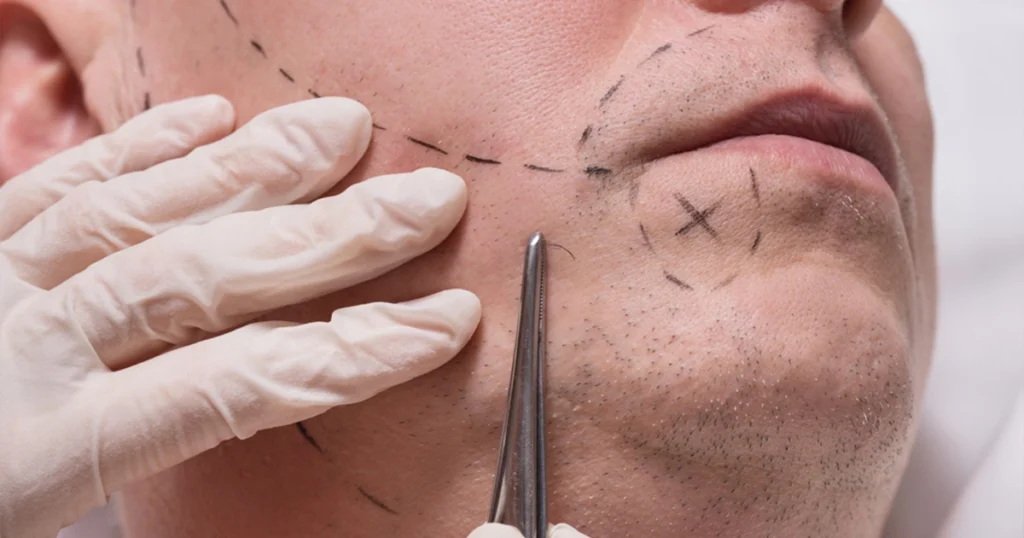
Beard transplants follow the same FUE-based principles and are popular among international patients.
- Typical cost: 1,200€ – 1,800€
- Price varies based on desired density and graft count (2,000–4,000 grafts on average)
Beard transplants in Turkey also include shaping, symmetry design, and density planning.
Toupee (Hair System) Cost in Turkey
Non-surgical hair replacement systems remain an option for patients not suitable for transplantation.
- Toupee Cost: 200€ – 600€ depending on material and customization
- Monthly maintenance services cost extra (40€ – 100€ per visit)
While cheaper upfront, long-term costs often exceed a surgical transplant.
PRP Treatment Cost in Turkey
PRP (Platelet-Rich Plasma) is often used to support hair growth and improve graft survival after transplant.
- PRP session cost: 80€ – 150€
- Many clinics include 1 session post-operation
- Full PRP packages (3–6 sessions): 200€ – 500€
PRP is a highly recommended supporting therapy, especially in the first 3–6 months post-transplant.
Why Hair Transplant in Turkey Is More Affordable
Turkey maintains lower pricing due to:
- Lower operational & staffing costs
- High-volume clinics with optimized workflows
- Government-supported medical tourism sector
- Competitive market driving innovation and pricing efficiency
Importantly, the lower cost doesn’t mean lower quality. Top clinics use advanced technology, highly trained teams, and internationally recognized standards.
Start a Conversation
Contact us through the communication method that suits you
Hair Transplant Techniques Used in Turkey 2026
FUE Hair Transplant Technique in Istanbul 2026
FUE (Follicular Unit Extraction) remains the most widely performed hair transplant technique in Istanbul, and in 2026 it continues to set the standard for minimally invasive, high-density hair restoration. The procedure involves extracting individual follicular units from the donor area using a micro punch between 0.6–0.9 mm, causing minimal trauma and no linear scarring.
Why FUE is preferred in 2026:
- Faster healing and minimal downtime
- High graft survival rate due to improved preservation solutions
- Ability to extract 2,500–4,000 grafts in a single session
- Natural hairline design using single grafts
- Suitable for full hairline, crown, and mid-scalp restoration
Clinics in Istanbul use advanced micromotors and sapphire blades with FUE to enhance density, precision, and overall result quality.
DHI Hair Transplant Technique in Istanbul 2026
DHI (Direct Hair Implantation) is a modified form of FUE where grafts are implanted directly using Choi Implanter Pens without creating pre-made channels. This technique is ideal for cases requiring maximum control over angle and direction, making it popular for refining the hairline and increasing density in targeted zones.
Advantages of DHI in 2026:
- No channel opening step — grafts are implanted directly
- Higher precision in angle and direction
- Faster recovery and less bleeding
- Ideal for hairline restoration and density enhancement
- Grafts spend less time outside the body = improved survival
DHI is typically used for smaller to medium sessions (1,500–3,000 grafts), or combined with FUE in hybrid procedures.
Sapphire FUE Technique (Latest Innovation)
Sapphire FUE uses ultra-fine sapphire blades to create micro-incisions for implanting grafts. The hardness and sharpness of sapphire allow surgeons to open cleaner, more precise channels, improving density and natural hair growth alignment.
Benefits of Sapphire FUE:
- Smaller incisions = faster healing
- Higher density potential
- Better graft anchoring
- Reduced scabbing and inflammation
- More natural-looking angles and direction
Sapphire FUE has become the standard for premium FUE procedures in Istanbul due to its superior healing profile and aesthetic results.
Which Technique Is Best for You? (FUE vs DHI vs Hybrid)
Choosing the right technique depends on the patient’s hair loss pattern, donor area, and goals:
FUE is best for:
- Large graft sessions (2,500–4,000+)
- Crown and mid-scalp restoration
- Patients wanting maximum coverage
DHI is best for:
- Dense packing in the frontal zone
- Fine-tuning the hairline
- Patients wanting minimal downtime
Sapphire FUE is ideal for:
- High-density work
- Natural directional flow
- Faster healing and minimized scabbing
Hybrid techniques (FUE + DHI) are used for:
- Large sessions with detailed hairline refinement
- Patients needing both coverage and precision
In 2026, top Istanbul clinics design a customized technique plan based on donor strength, expected density, and the individual’s hairline goals.
Start a Conversation
Contact us through the communication method that suits you
Hair Transplant Timeline (2026 Recovery Guide)
Understanding the recovery timeline is essential for setting realistic expectations after a hair transplant. In Istanbul’s advanced clinics, the healing and growth process follows predictable stages, with noticeable improvement each month. Below is the detailed timeline patients can expect throughout their first year.
Real Hair Transplant Reviews & Patient Experiences
Real patient experiences consistently show that the first year after a hair transplant is a gradual transformation. While some phases may cause concern—such as swelling or shedding—the progression is normal and expected. Most patients in Turkey report a positive journey with clear improvements at each milestone.
Below are key checkpoints in the hair transplant journey:
1 Month After Hair Transplant – What to Expect
The first month is the healing stage.
What patients typically experience:
- Redness and scabbing resolve within 10–14 days
- Swelling (if any) disappears
- The transplanted hair begins to shed (shock loss), which is normal
- Donor area recovers quickly
Key reminders:
- Shedding does NOT mean failure — it’s part of the growth cycle
- Avoid scratching, sweating excessively, or sun exposure
- PRP therapy may be recommended to support early healing

3 Months After Hair Transplant – Shock Loss & Early Growth
At the 3-month mark, patients enter the “activation phase.”
Typical changes:
- New baby hairs begin emerging
- These hairs are thin, weak, and colorless at first
- Texture gradually improves
- Redness (if persistent) fades significantly
What to expect:
- Visible growth begins, but density is still low
- The growth direction starts forming naturally
This is the stage where excitement builds because the first true results appear.
7 Months After Hair Transplant – Visible Density Begins
This is the transformation phase.
Improvements at this stage:
- 50–70% of the final result is now visible
- Hairs thicken and darken
- Density becomes noticeable, especially in the frontal zone
- Direction and angle of hair appear natural
Crown area may develop slower, but noticeable improvement is present.
12 Months After Hair Transplant – Final Results
By 12 months, patients achieve their final, fully matured result.
Characteristics of the final stage:
- Density reaches 90–100%
- Hair texture becomes identical to native hair
- Growth is strong and uniform
- The hairline appears fully blended and natural
- Patients can cut, shave, or style the hair freely
Some individuals—especially those with thicker grafts or crown work—may continue to see refinement up to 15 months.
Results & What to Expect from a Hair Transplant in Turkey
Turkey has become the global reference point for natural-looking, high-density hair transplant results. With advanced techniques, refined hairline design, and highly experienced surgical teams, patients choosing Istanbul in 2026 can expect predictable outcomes that continue improving over 12 months. Below is a detailed breakdown of the type of results patients typically achieve, supported by real growth patterns and graft-case insights.
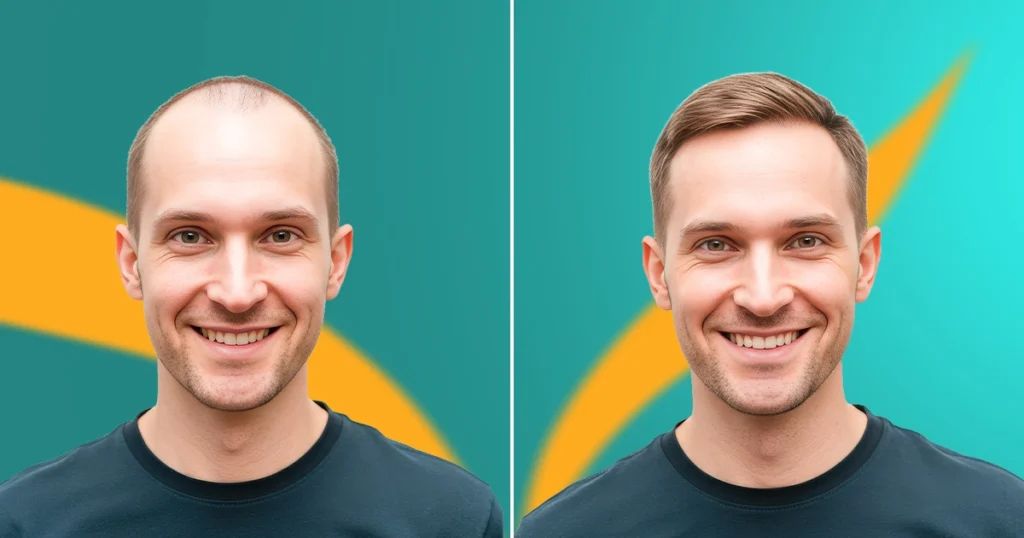
Before and After Hair Transplant Results in Turkey 2026
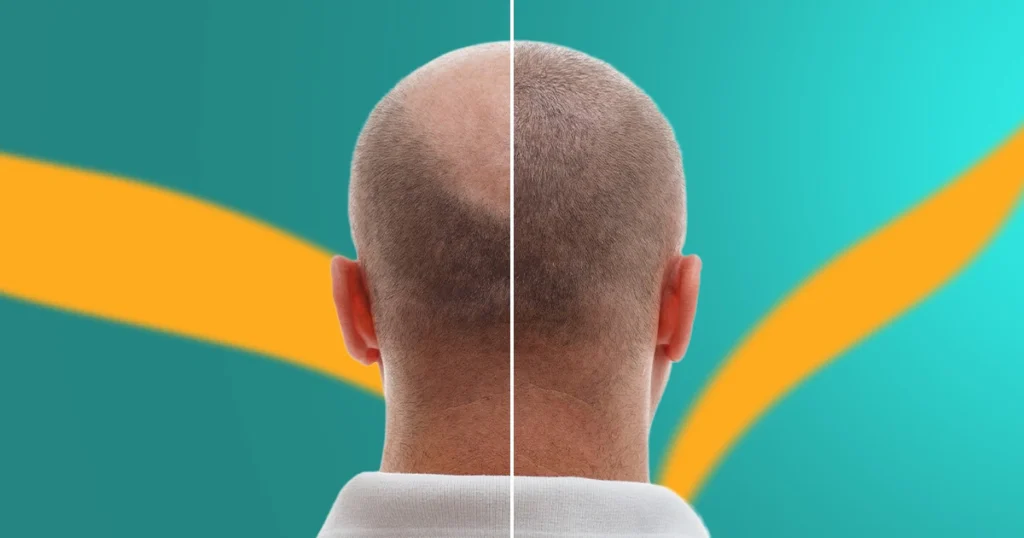
Before-and-after transformations from Turkey consistently show:
- Fuller, natural-looking hairlines
- Increased density across the frontal, mid-scalp, and crown areas
- Smooth, undetectable donor extraction zones
- Improved facial symmetry and youthful appearance
What makes Turkey stand out is the precision of graft placement, where surgeons combine single-hair grafts for the hairline with multi-hair grafts for density. Results look organic, even under close inspection.
Patients often report dramatic improvements in confidence, appearance, and styling versatility.
Start a Conversation
Contact us through the communication method that suits you
What to Expect in Terms of Density, Hairline & Growth Cycle
A successful hair transplant in Turkey offers realistic, stable, and natural results:
Density:
- Average density achieved: 35–55 grafts per cm² depending on donor capacity
- Hybrid techniques (FUE + DHI) maximize density in the hairline and front zone
Hairline:
- Soft transitions with micro-irregularities
- Customized height and curvature
- Natural angulation matching native growth
Growth Cycle:
- Months 0–3: Shedding & new growth activation
- Months 4–7: Thickness and early density
- Months 8–12: Full maturation
- Final result stabilizes at 12 months (up to 15 in some crown cases)
Patients can expect permanent, lifelong growth because transplanted follicles resist DHT-related hair loss.
3500 Grafts Hair Transplant Before and After (Case Insight)
A 3500-graft hair transplant is one of the most common procedures performed in Istanbul and typically delivers a major transformation.
What 3500 grafts can achieve:
- Full restoration of the frontal zone
- Strong coverage of the mid-scalp
- Partial improvement in the crown, if needed
- Natural density and proportional hairline design
Donor Area Impact:
- Minimal visible scarring due to micro FUE punches
- Even extraction pattern to preserve donor density
Result Expectations:
- Month 6: Noticeable improvement and first-stage fullness
- Month 12: Complete transformation with thick, natural hair
This graft count suits most male pattern baldness cases from Norwood 2.5 to early Norwood 4.
Request pricing
By sending, you agree we may contact you on WhatsApp with pricing.
Got it! We’ll WhatsApp you the pricing shortly.
Factors That Affect Final Results (Age, Donor Area, Technique)
Multiple factors play a role in determining the final outcome of a hair transplant:
1. Age & Hair Loss Progression
Younger patients (<25) may require conservative hairline design to match future changes.
2. Donor Area Quality
Thick, dense donor hair yields better density and coverage.
3. Technique Used (FUE, DHI, Sapphire)
- FUE: Best for large graft sessions
- DHI: Best for hairline precision
- Sapphire FUE: Best for density and healing
4. Surgeon’s Skill
The most important factor. Expertise affects:
- Hairline shape
- Incision angle
- Graft survival rate
- Natural blending
5. Aftercare Compliance
Following instructions affects healing speed and graft success.
6. Patient’s Biology
Growth rate, hair texture, and skin type play a natural role.
By understanding these variables, patients can set realistic expectations and choose the technique that aligns with their specific goals.
Why Choose Turkey for Hair Transplant in 2026?
Turkey has solidified its position as the world’s leading destination for hair transplantation, attracting hundreds of thousands of patients every year. By 2026, advances in medical tourism, improved techniques, and highly experienced surgical teams have made Istanbul the global benchmark for quality, affordability, and natural-looking results. Below are the reasons why Turkey remains the top choice for hair restoration procedures.
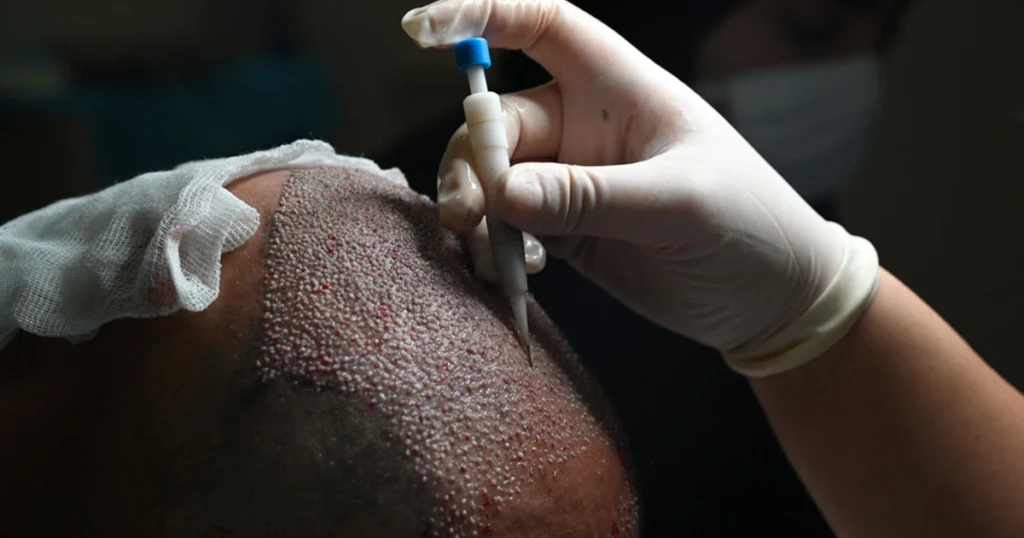
Advanced Technology & Modern Techniques
Clinics in Turkey consistently invest in the latest technologies, ensuring that every patient receives state-of-the-art treatment. In 2026, leading centers use:
- Sapphire blades for micro-incisions
- High-precision micromotors for FUE extraction
- DHI implanter pens for accurate angle control
- Graft preservation solutions to improve survival
- Digital hairline design systems for personalized results
This combination of innovation and expertise ensures faster healing, higher density, and more natural outcomes.
Affordable Pricing Compared to Competitors in 2026
One of the strongest reasons patients choose Turkey is the significant cost advantage. Compared to the UK, US, and most of Europe:
- Turkey offers equal or superior quality
- At 30–50% of the price in other countries
- With all-inclusive packages that simplify the experience
This pricing efficiency stems from lower operating costs, high patient volume, and a well-developed medical tourism infrastructure — not from reduced quality.
Experienced Surgeons & High-Volume Successful Cases
Turkey’s surgeons are among the most experienced in the world due to:
- High procedure volume — Istanbul performs more transplants annually than any city globally
- Years of specialization in FUE, DHI, and Sapphire techniques
- Extensive before-and-after portfolios
- Continuous training and technique refinement
High-volume practice leads to consistently natural and reliable results.
Istanbul as the World’s Hair Transplant Capital
Istanbul remains the center of global hair transplantation thanks to its:
- Advanced, internationally accredited clinics
- Comprehensive patient services (hotel, transfer, translators)
- Proven track record with international patients from 100+ countries
- Seamless integration of tourism and medical care
- Competitive market that pushes innovation and excellence
The city has earned its reputation through consistent, high-quality outcomes that meet international standards.
Which treatment are you interested in?