
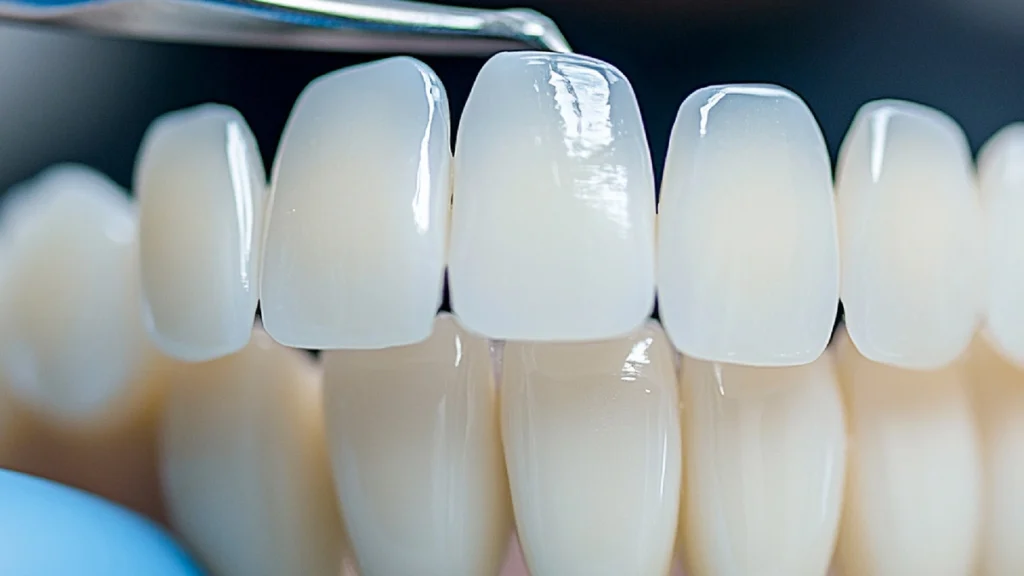
Dental veneers are one of the most commonly discussed treatments in cosmetic dentistry, yet they are often misunderstood. Some people believe veneers are only about whitening teeth, while others assume they are suitable for everyone.
In reality, dental veneers are a specific cosmetic solution designed for certain dental concerns and certain patients. Understanding what veneers are, how they work, and when they are appropriate is essential before considering them as part of a smile makeover or Hollywood Smile.
What Are Dental Veneers?
Dental Veneers Explained in Simple Words
PAA: What are dental veneers and what do they do?
Dental veneers are thin shells that are bonded to the front surface of teeth to improve their appearance. They are used to change the color, shape, length, or overall look of teeth that are visible when smiling.
Veneers focus on aesthetics rather than structural repair. They enhance how teeth look, not how they function internally.
Start a Conversation
Contact us through the communication method that suits you





What Problems Dental Veneers Are Designed to Fix
Dental veneers are commonly used to address:
- Permanent tooth discoloration that does not respond to whitening
- Minor shape irregularities
- Small gaps between teeth
- Worn or uneven tooth edges
What Dental Veneers Cannot Fix
It is equally important to understand their limitations. Veneers do not:
- Replace missing teeth
- Strengthen severely damaged teeth
- Correct major bite problems
- Treat active gum disease
In such cases, other dental treatments are required.
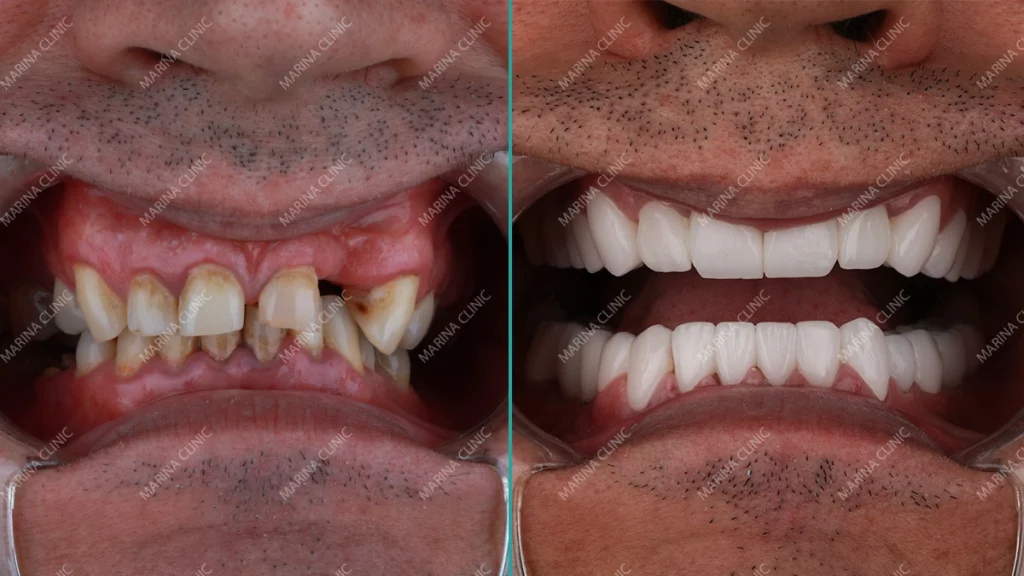
How Dental Veneers Work in Cosmetic Dentistry
How Veneers Are Placed on Teeth (Step-by-Step Overview)
PAA: How do dental veneers work?
The veneer process typically includes:
- Dental examination and planning
- Minimal tooth preparation (if required)
- Impression or digital scan
- Fabrication of veneers
- Final bonding to the teeth
The goal is to achieve a natural-looking result that blends with the surrounding teeth.
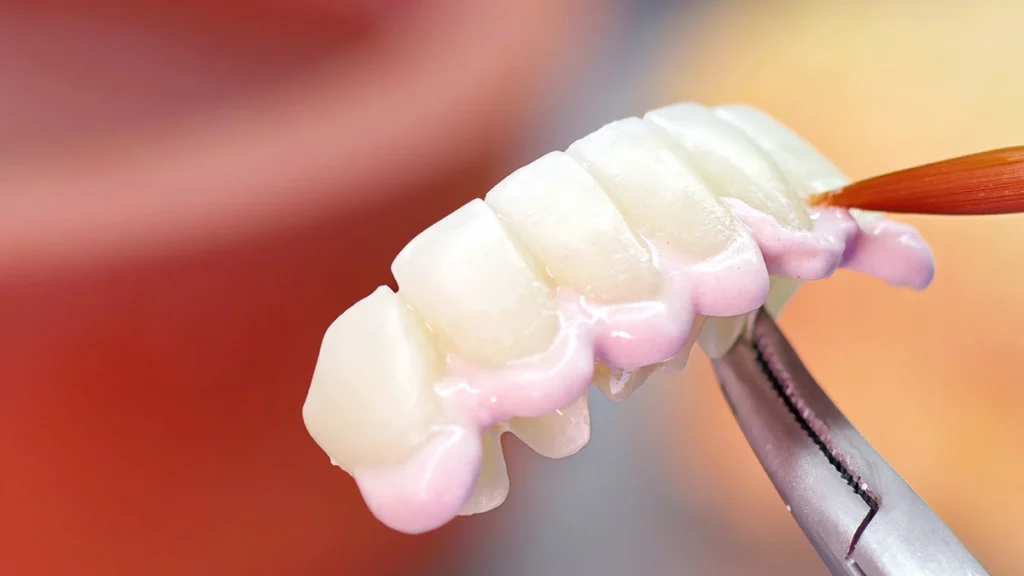
Tooth Preparation Explained Simply
Tooth preparation involves removing a very thin layer of enamel so the veneer fits naturally without appearing bulky. The amount of preparation depends on the veneer type and the desired outcome.
Temporary vs Final Veneers
Temporary veneers may be used while permanent veneers are being prepared. Final veneers are custom-made and bonded permanently.
Start a Conversation
Contact us through the communication method that suits you
Types of Dental Veneers
Dental Veneers Types Explained in Simple Words
PAA: What are the different types of dental veneers?
Not all veneers are the same. Different materials are used depending on aesthetic goals, durability needs, and tooth condition.
Porcelain Veneers
Porcelain veneers are known for their balance between strength and aesthetics. They resist staining and maintain their appearance over time, making them a common choice for front teeth.
E.max Veneers
E.max veneers are made from lithium disilicate ceramic. They are valued for their high translucency, which closely mimics natural enamel, making them ideal for the smile zone.
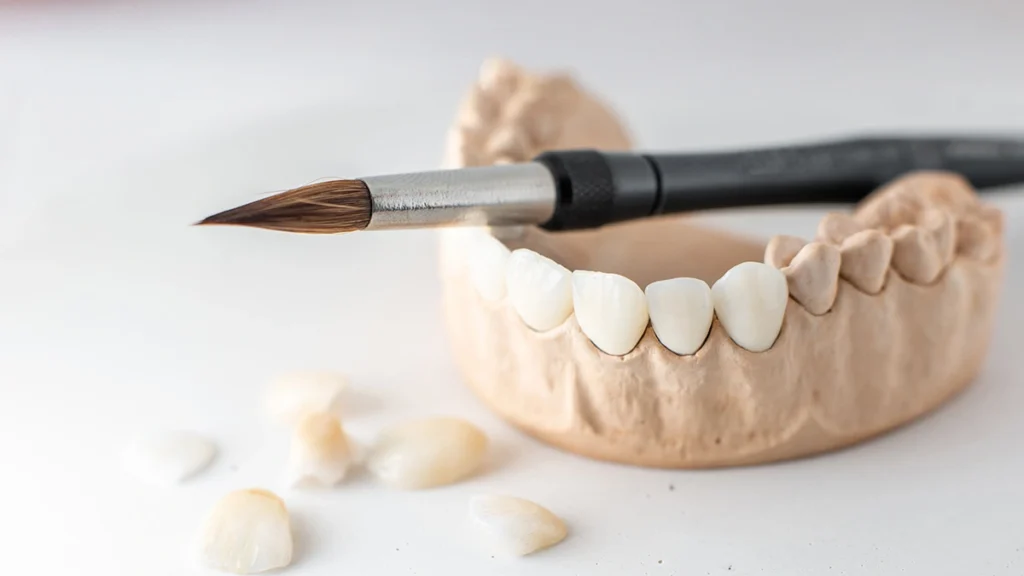
Zirconia Veneers
Zirconia veneers are stronger than other ceramic options. They are typically chosen when durability is a priority, although they may appear slightly less translucent than E.max.
Composite Veneers
Composite veneers are applied directly to the teeth in a single visit. They are more affordable but generally less durable and more prone to staining over time.
Lumineers and Minimal-Preparation Veneers
These veneers require very little enamel removal. While conservative, they are not suitable for all cases, especially when teeth are severely discolored or misaligned.
Comparison of Dental Veneer Types
| Veneer Type | Aesthetic Quality | Durability | Tooth Preparation | Typical Use |
| Porcelain | High | High | Moderate | Front teeth |
| E.max | Very High | High | Conservative | Smile zone |
| Zirconia | Moderate–High | Very High | Moderate | High-load areas |
| Composite | Moderate | Low–Moderate | Minimal | Minor corrections |
| Lumineers | Moderate | Moderate | Very minimal | Mild cosmetic cases |
Which treatment are you interested in?
Who Is a Good Candidate for Dental Veneers?
Veneer Candidacy Explained in Simple Words
PAA: Who should get dental veneers?
Dental veneers are suitable for patients whose primary concern is cosmetic improvement and who have otherwise healthy teeth.
Ideal Candidates for Veneers
Good candidates usually have:
- Healthy enamel
- Stable bite alignment
- No active gum disease
- Cosmetic concerns rather than structural damage
When Veneers Are Not Recommended
Veneers may not be appropriate for patients with:
- Severe tooth decay
- Weak tooth structure
- Heavy teeth grinding without protection
Start a Conversation
Contact us through the communication method that suits you
Dental Veneers vs Other Cosmetic Treatments
Veneers vs Teeth Whitening
PAA: Are veneers better than teeth whitening?
Teeth whitening changes only the color of natural teeth. Veneers change both color and shape, making them suitable when whitening alone is insufficient.
Request pricing
By sending, you agree we may contact you on WhatsApp with pricing.
Got it! We’ll WhatsApp you the pricing shortly.
Veneers vs Dental Crowns
PAA: What is the difference between veneers and crowns?
Veneers cover only the front surface of a tooth, while crowns cover the entire tooth. Crowns are used when strength and protection are needed.
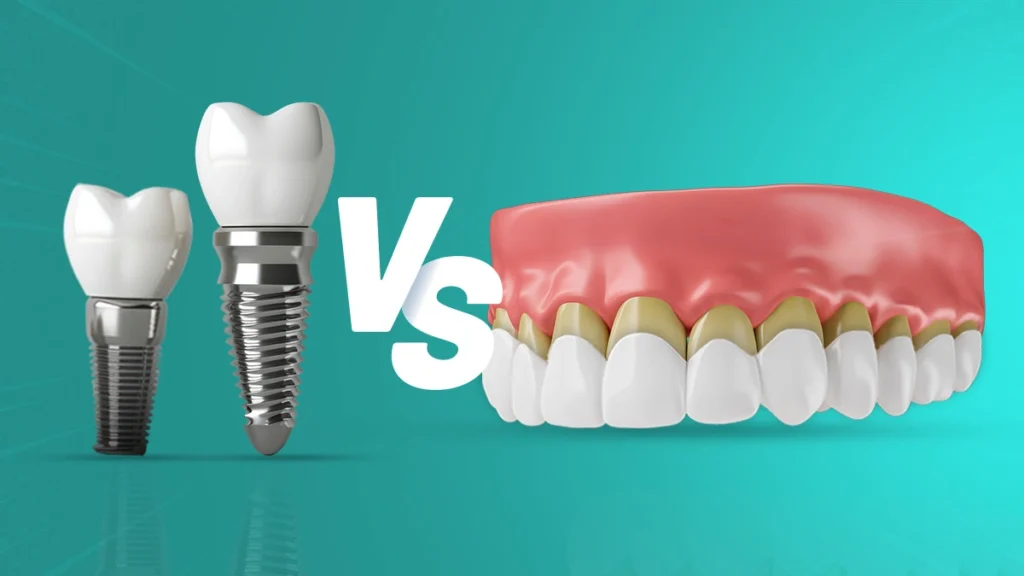
Veneers vs Whitening vs Crowns
| Treatment | Changes Color | Changes Shape | Tooth Coverage | Longevity |
| Whitening | Yes | No | None | Short–Medium |
| Veneers | Yes | Yes | Front surface | Long-term |
| Crowns | Yes | Yes | Full tooth | Long-term |
Dental Veneers as Part of a Smile Makeover or Hollywood Smile
Veneers in a Smile Makeover Explained Simply
PAA: Are veneers part of a Hollywood Smile?
Yes, veneers are often used in Hollywood Smile designs, but they are only one part of the overall plan.
When Veneers Alone Are Enough
If teeth are healthy and cosmetic issues are minor, veneers alone may achieve the desired result.
When Veneers Are Combined with Crowns or Implants
In more complex cases, veneers may be combined with crowns or dental implants to ensure both aesthetics and function.
Start a Conversation
Contact us through the communication method that suits you
How Long Do Dental Veneers Last?
Veneer Longevity Explained in Simple Words
PAA: How long do dental veneers last?
With proper care, veneers can last many years. Longevity depends on material choice, oral hygiene, and bite forces.
Factors That Affect Veneer Lifespan
Key factors include:
- Daily oral care
- Avoiding excessive biting forces
- Regular dental check-ups
Request pricing
By sending, you agree we may contact you on WhatsApp with pricing.
Got it! We’ll WhatsApp you the pricing shortly.
Risks, Limitations, and Common Misconceptions
Dental Veneers Risks Explained Simply
PAA: Are dental veneers safe?
Dental veneers are considered safe when properly planned and placed. As with any dental procedure, careful case selection is essential.
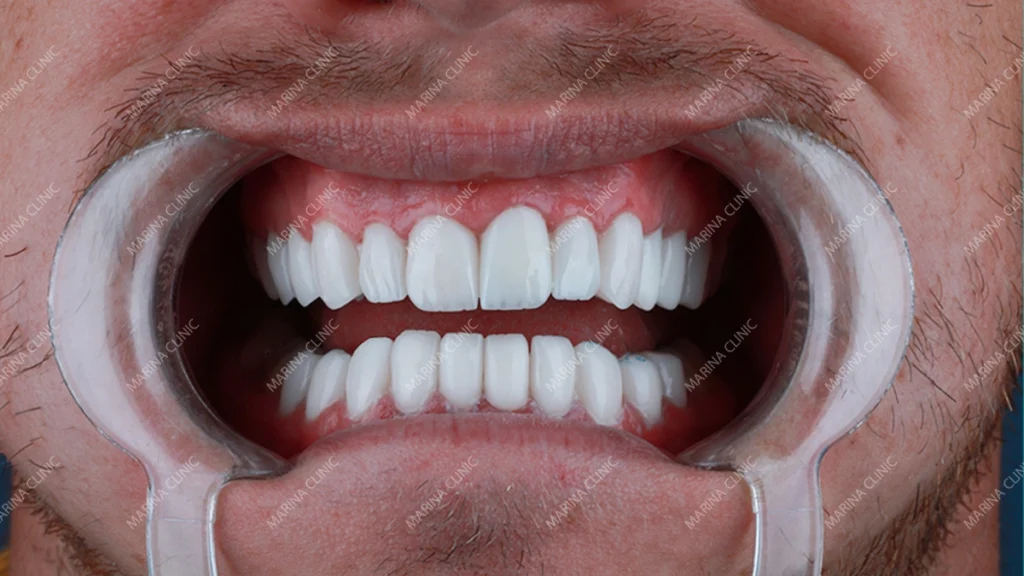
Common Myths About Veneers
- “Veneers ruin teeth” – Modern techniques aim to preserve enamel.
“Veneers always look fake” – Natural results depend on design and material choice.
Which treatment are you interested in?
Veneers are considered a long-term solution, although they may need replacement over time.
The procedure is generally comfortable, with minimal discomfort.
Yes, veneers can be replaced if needed.
They require the same care as natural teeth: brushing, flossing, and regular check-ups.
When properly designed, veneers can closely resemble natural teeth.
Read More: Veneers Price in Turkey: Cost in Istanbul, Veneers vs Whitening & Turkey Teeth Explained