
Dental implants are widely considered one of the most advanced solutions for replacing missing teeth. Unlike removable options, implants are designed to function as a long-term replacement that closely mimics natural teeth in both appearance and performance.
To understand whether dental implants are the right solution, it is important to know what they are, how they work, and in which cases they are medically recommended.
What Are Dental Implants?
Dental Implants Explained in Simple Words
PAA: What are dental implants and how do they work?
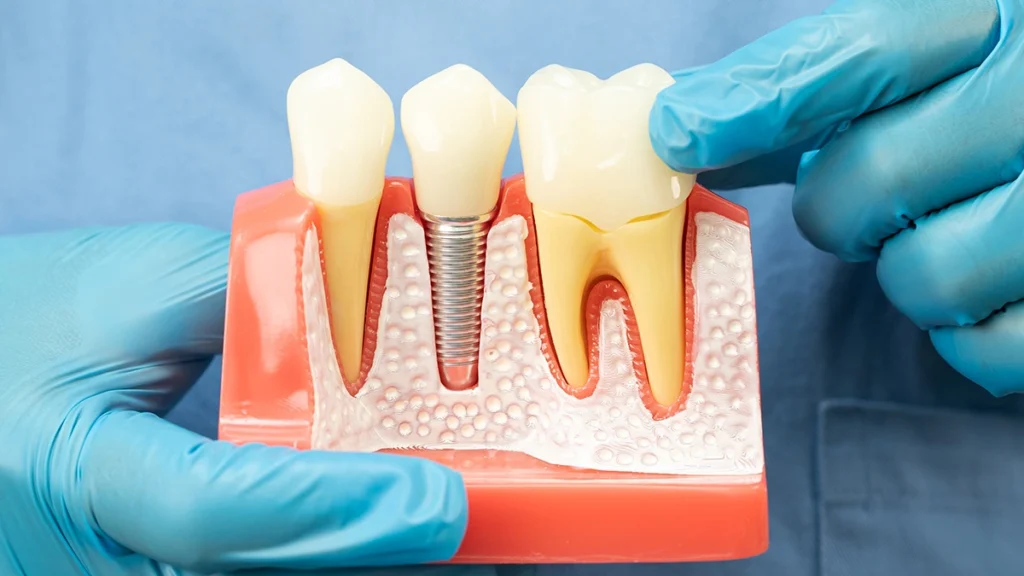
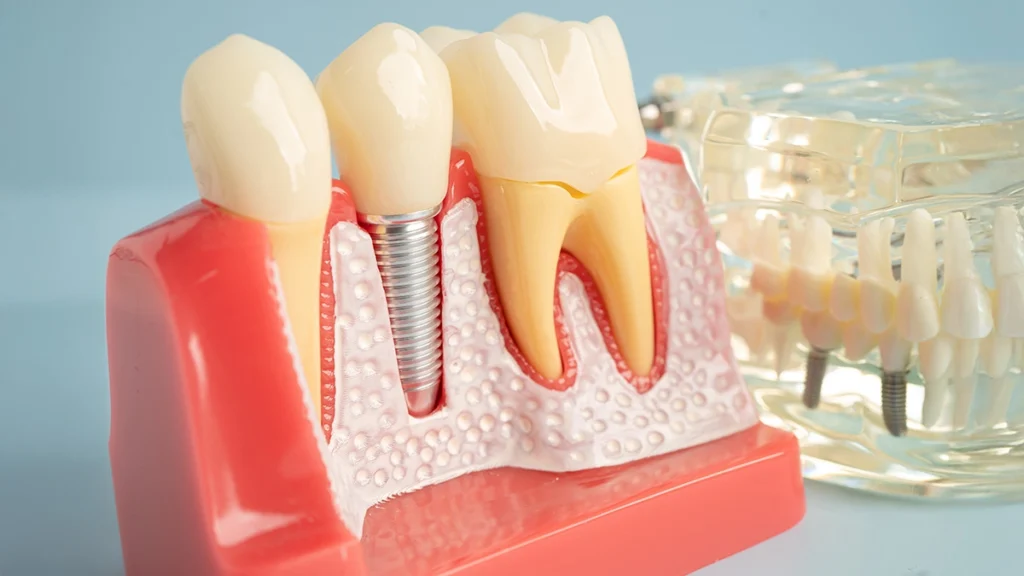
A dental implant is a small medical post that is placed into the jawbone to replace the root of a missing tooth. Once integrated with the bone, it serves as a stable foundation for a dental crown, bridge, or full-arch restoration.
Dental implants do not sit on the gums. Instead, they become part of the jaw structure, providing strength and stability similar to natural teeth.
What Parts Make Up a Dental Implant?
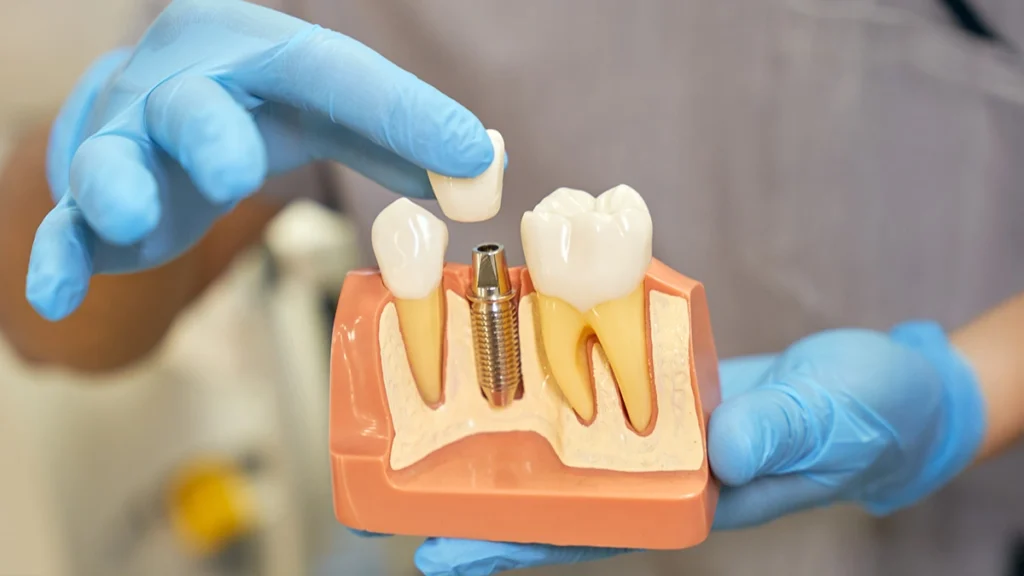
A complete dental implant system consists of three main components:
- Implant fixture: The post placed inside the jawbone
- Abutment: The connector between the implant and the crown
- Crown: The visible tooth replacement
Each part plays a role in ensuring function, comfort, and durability.
What Dental Implants Are Designed to Replace
PAA: What do dental implants replace?
Dental implants are used to replace:
- A single missing tooth
- Multiple missing teeth
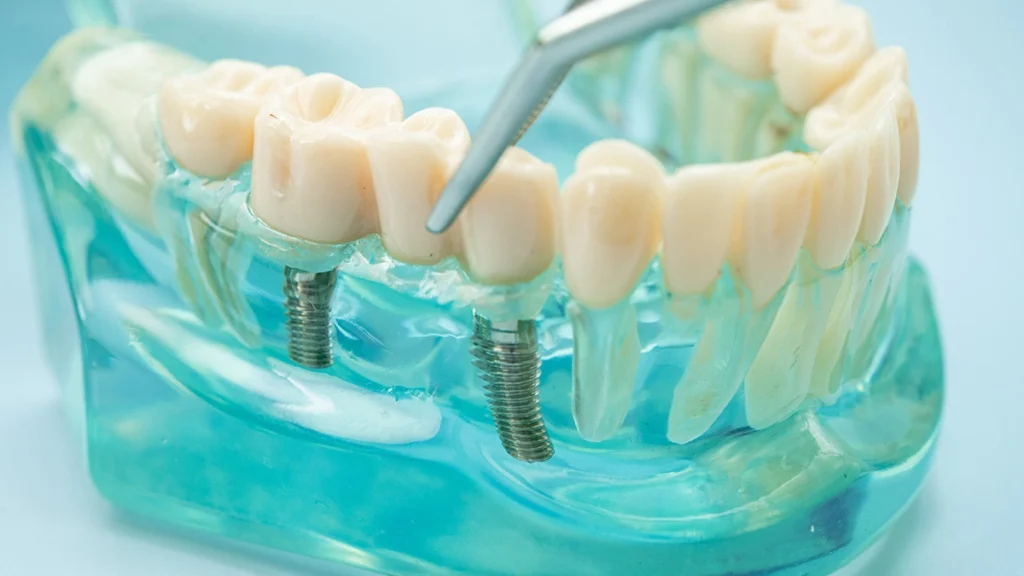
- All teeth in a full arch
They restore both chewing ability and natural appearance.
Start a Conversation
Contact us through the communication method that suits you





How Dental Implants Work Inside the Jaw
Osseointegration Explained in Simple Words
PAA: How do dental implants attach to the jawbone?
Osseointegration is the biological process in which the implant fuses with the jawbone. Over time, bone cells grow around the implant surface, anchoring it firmly in place.
This process is what allows dental implants to remain stable and functional for many years.
How Long Dental Implants Take to Integrate
Integration typically takes several weeks to a few months, depending on bone quality, implant material, and individual healing response.
What Makes Dental Implants Stable and Long-Lasting
Implant stability depends on:
- Bone density and volume
- Proper placement technique
- Implant design and surface technology
Types of Dental Implants
Types of Dental Implants Explained Simply
PAA: What are the different types of dental implants?
Different implant types are used based on bone availability and treatment complexity.
Endosteal Dental Implants
These are the most common type. They are placed directly into the jawbone and are suitable for most patients with sufficient bone.
Subperiosteal Dental Implants
Placed on top of the jawbone but under the gum, these implants are used when bone height is insufficient and grafting is not an option.
Zygomatic Dental Implants
Zygomatic implants are anchored in the cheekbone and are used in severe cases of bone loss in the upper jaw.
Request pricing
By sending, you agree we may contact you on WhatsApp with pricing.
Got it! We’ll WhatsApp you the pricing shortly.
Dental Implant Materials
Dental Implant Materials Explained in Simple Words
PAA: What materials are dental implants made of?
Dental implants are made from materials that are biocompatible, meaning they integrate safely with human bone.
Titanium Dental Implants
Titanium is the most widely used implant material due to its strength, durability, and excellent compatibility with bone.
Zirconia Dental Implants
Zirconia implants are metal-free and offer high aesthetic value, especially for patients seeking a holistic or metal-free solution.
Titanium vs Zirconia Implants: Key Differences
Dental Implant Materials Comparison
| Material | Biocompatibility | Strength | Aesthetics | Typical Use |
| Titanium | Very high | Very high | Moderate | Most implant cases |
| Zirconia | High | High | Very high | Metal-free solutions |
When Are Dental Implants Needed?
Cases That Need Dental Implants Explained Simply
PAA: Who needs dental implants?
Dental implants are recommended when missing teeth affect function, comfort, or long-term oral health.
Missing One Tooth
A single implant can replace one missing tooth without affecting neighboring teeth.
Missing Multiple Teeth
Implants can support bridges that replace several teeth efficiently.
Full-Arch Tooth Loss
In cases of complete tooth loss, implants can support full-arch restorations for improved stability.
Start a Conversation
Contact us through the communication method that suits you
Dental Implants vs Other Tooth Replacement Options
Dental Implants vs Bridges
PAA: Are dental implants better than bridges?
Implants do not require altering adjacent teeth, whereas bridges rely on support from surrounding teeth.
Dental Implants vs Dentures
PAA: Implants vs dentures: which is better?
Implants provide superior stability and help preserve jawbone structure compared to removable dentures.
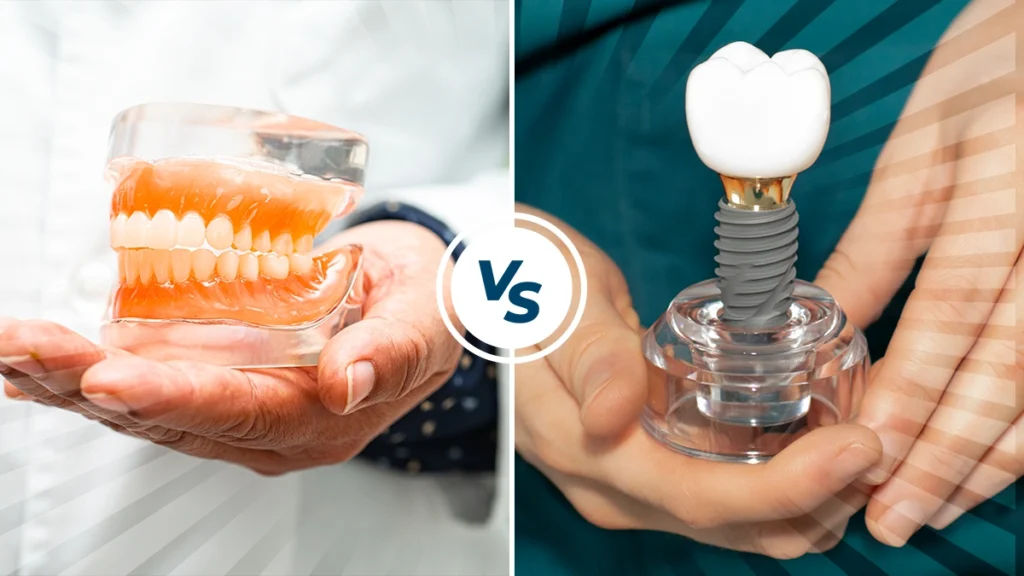
Implants vs Bridges vs Dentures
| Option | Bone Preservation | Stability | Impact on Other Teeth | Longevity |
| Implants | Yes | High | None | Long-term |
| Bridges | No | Moderate | Requires tooth preparation | Medium |
| Dentures | No | Low | None | Short–Medium |
Who Is a Good Candidate for Dental Implants?
Dental Implant Candidacy Explained in Simple Words
PAA: Who is a good candidate for dental implants?
Candidates typically have healthy gums, sufficient bone, and good general health.
Bone Quality and Volume Requirements
Adequate bone is required to support the implant. In some cases, bone augmentation may be considered.
General Health Considerations
Certain medical conditions may influence healing, making individual assessment essential.
Which treatment are you interested in?
Dental Implants as Part of Full Mouth Restoration
Dental Implants in Smile Makeover and Hollywood Smile
PAA: Are dental implants part of a Hollywood Smile?
Yes. Implants are often used to replace missing teeth before veneers or crowns are placed.
When Implants Are Combined with Crowns and Veneers
This combination ensures both structural stability and aesthetic harmony.
Risks, Safety, and Common Misconceptions
Are Dental Implants Safe?
PAA: Are dental implants safe?
Dental implants are considered safe and predictable when planned and placed correctly.
Common Myths About Dental Implants
- “Implants are painful” – Modern techniques minimize discomfort.
- “Implants are only for older patients” – Age alone is not a limitation.
Start a Conversation
Contact us through the communication method that suits you
How Long Do Dental Implants Last?
Dental Implant Longevity Explained in Simple Words
PAA: How long do dental implants last?
With proper care, dental implants can last for decades.
Factors That Affect Implant Lifespan
- Oral hygiene
- Smoking habits
- Bite forces
- Regular dental follow-ups
Which treatment are you interested in?
Most patients report minimal discomfort during and after the procedure.
Treatment time varies but often spans several months.
Failure is rare but possible if healing is compromised.
In selected cases, immediate implant placement may be possible.
They are designed as a long-term solution.
Read More: Veneers Price in Turkey: Cost in Istanbul, Veneers vs Whitening & Turkey Teeth Explained