
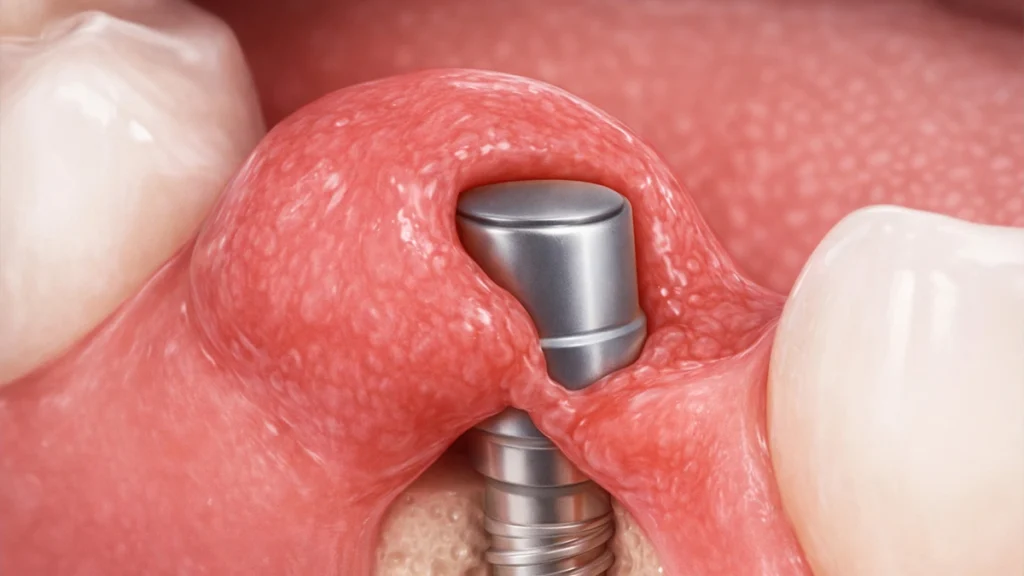
Gum tissue growing over a healing abutment is a common concern during dental implant recovery. This condition, often referred to as gingival overgrowth around an implant healing abutment, can occur when the gum heals faster or becomes inflamed around the implant site.
While it may look alarming, it is usually manageable with proper care and timely treatment. Understanding why it happens — and when to act — is essential to protect your implant results.
Quick Answer: Why Does Gum Grow Over a Healing Abutment?
Gum can grow over a healing abutment due to inflammation, improper healing, or poor oral hygiene around the implant site. In most cases, it can be treated with simple dental adjustments, improved cleaning, or minor gum reshaping by a specialist. Early intervention helps prevent complications and ensures proper implant healing.
What Is a Healing Abutment?
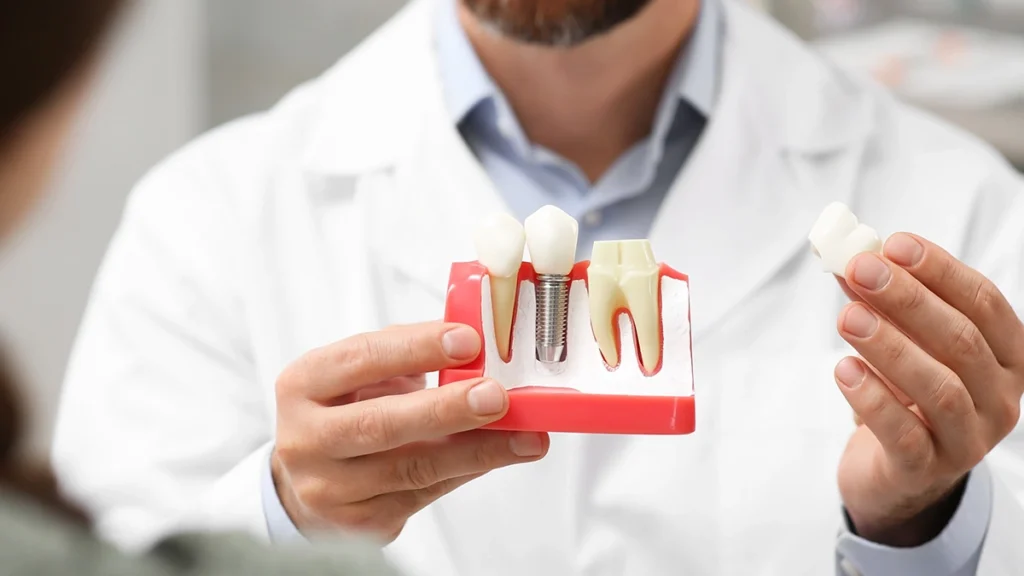
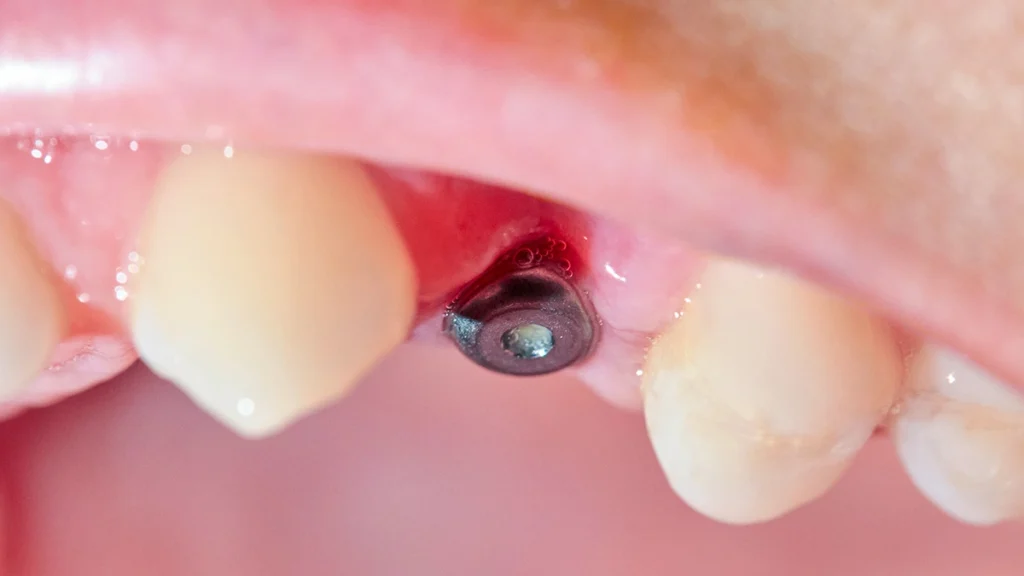
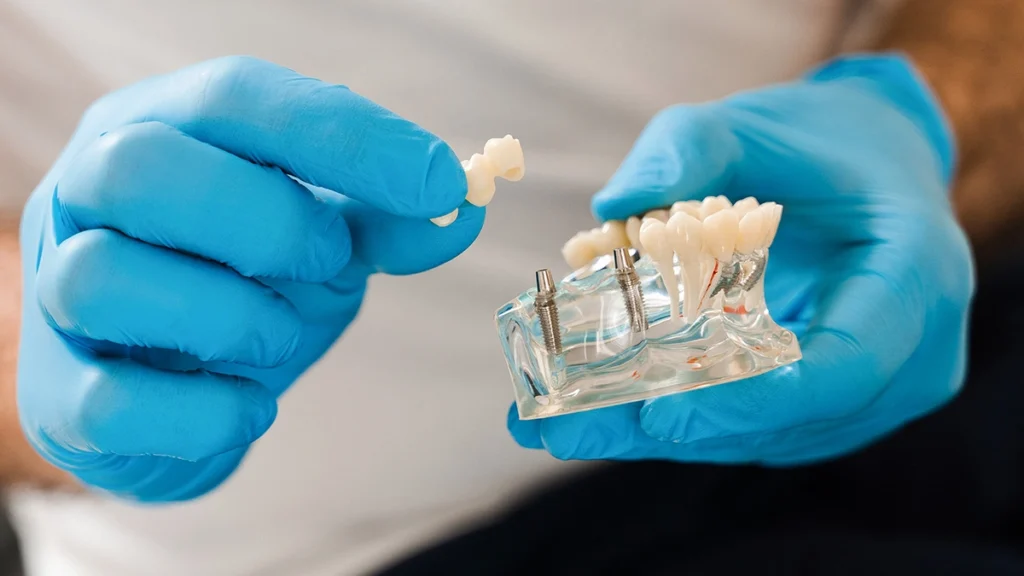
A healing abutment is a small component placed on top of a dental implant after surgery. It helps guide the gum as it heals and prepares the area for the final crown.
Role of the Healing Abutment in Dental Implants
The healing abutment plays an important role in implant recovery. It connects the implant to the gum tissue, helps shape the gum for the final crown, and keeps the implant site open and accessible during healing.
How the Gum Should Heal Around a Healing Abutment
The gum should heal in a smooth and stable shape around the healing abutment without covering it. Healthy healing usually means the tissue looks pink, feels only mildly tender, and adapts closely around the abutment.
Why Is Gum Growing Over the Healing Abutment?
Gum overgrowth around a healing abutment usually happens because the tissue becomes inflamed, swells, heals too quickly, or is not being properly supported by the abutment.
Gingival Inflammation Around Healing Abutment
Inflammation is one of the most common reasons the gum starts to swell and grow over the healing abutment.
Plaque Accumulation
Plaque can collect around the healing abutment if the area is not cleaned properly. This can irritate the gum and lead to redness, swelling, and tissue overgrowth.
Poor Oral Hygiene
If brushing and cleaning around the implant are inconsistent, bacteria and food debris can build up. This increases the risk of inflammation and makes the gum more likely to cover part of the abutment.
Swelling and Healing Response
In some cases, gum growth over the healing abutment is part of the body’s strong healing response rather than a serious problem.
Swelling Around a Healing Abutment
After implant surgery, some swelling is expected. If swelling remains for too long, the tissue can rise around the healing abutment and begin to partially cover it.
Soft Tissue Overgrowth Tendency
Some patients naturally develop thicker or faster-growing soft tissue. In these cases, the gum may close around the healing abutment more quickly than expected.
Improper Healing Abutment Size or Position
If the healing abutment is too short or does not sit correctly above the gum line, it may not hold the tissue open properly. This allows the gum to grow over it more easily.
Early Tissue Closure Over Implant
Some implant sites heal rapidly, especially if there is limited follow-up after the procedure. Without timely review, the tissue may begin closing over the implant area before the issue is noticed.
Read more: Understanding Dental Implants: What You Need to Know (2026 Guide)
Start a Conversation
Contact us through the communication method that suits you





Signs of Infection or Complications Around Healing Abutment
Not every case of gum overgrowth is serious, but some symptoms can suggest infection or another complication.
Pain Around a Healing Abutment
Mild soreness can be normal after implant placement. However, pain that becomes stronger, lasts longer than expected, or returns after improving may need attention.
Redness and Swelling
A small amount of redness is common early on, but increasing redness and visible swelling around the healing abutment may indicate irritation or infection.
Bleeding Around Implant
Light bleeding may happen in the first stage of healing, but repeated or ongoing bleeding is not ideal and may be a sign of inflamed tissue.
Pus or Discharge
Pus, fluid, or a bad taste around the implant site should always be checked by a dental professional.
When It Indicates a Serious Problem
If discharge appears together with strong pain, swelling, bad smell, or persistent redness, it may indicate infection. In that case, a dental implant specialist should examine the area as soon as possible.
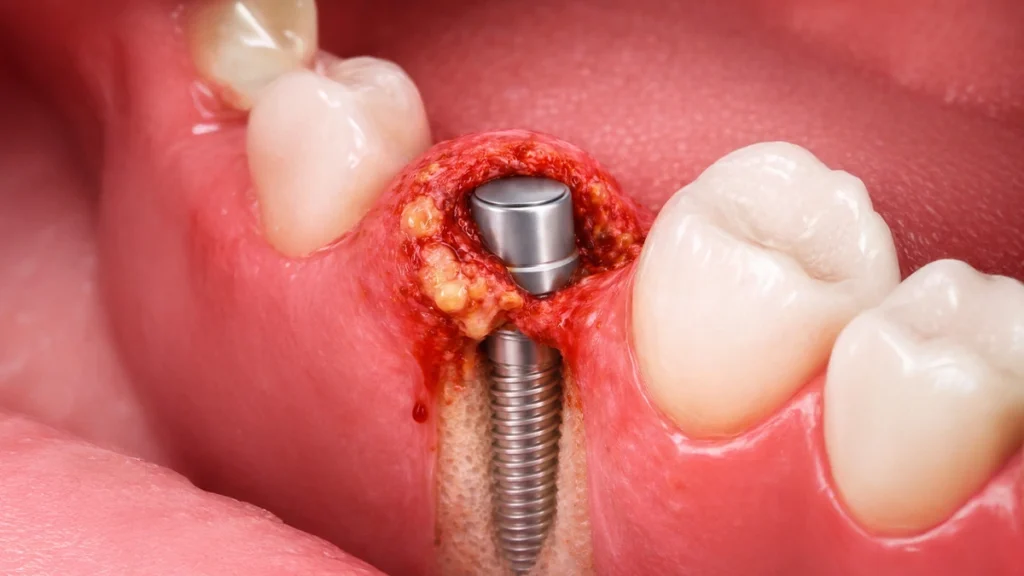
Gum Around Healing Abutment — Normal vs Abnormal Healing
The difference between healthy healing and a possible complication is usually visible in the way the gum looks and feels around the healing abutment.
| Condition | Normal Healing | Problematic Signs |
| Gum shape | Even contour | Overgrowth or covering |
| Color | Pink | Red / inflamed |
| Pain | Mild discomfort | Persistent pain |
| Swelling | Minimal | Excessive swelling |
If the tissue looks abnormal or symptoms continue to worsen, a dental implant specialist should evaluate the area.
Read more: The Benefits of Dental Implants: Restoring Function and Long-Term Oral Health (2026 Guide)
How to Clean Around a Healing Abutment Properly
Keeping the area clean is one of the best ways to reduce inflammation and prevent gum problems around an implant.
Daily Cleaning Routine
Use a soft toothbrush and clean gently around the healing abutment every day. If your dentist recommends it, antibacterial rinses can also help reduce bacteria and keep the site clean.
What to Avoid
Certain habits can worsen irritation and slow healing around the implant.
Hard Brushing
Brushing too hard can injure the healing tissue and cause extra bleeding or swelling.
Food Trapping
Food particles trapped around the healing abutment can increase plaque buildup and irritation if not removed carefully.
Professional Cleaning Importance
Professional cleaning and follow-up visits help remove buildup from hard-to-reach areas and allow the dentist to check whether the gum is healing in the right shape.
Read more: The Importance of Flossing: Techniques for Healthy Teeth and Gums (2026 Guide)
Treatment for Gum Growing Over Healing Abutment in Istanbul
Treatment depends on the cause and severity of the gum overgrowth. In many cases, the solution is simple and effective when handled early.
Minor Gum Adjustment (Gingivectomy)
A small gum reshaping procedure may be done to uncover the healing abutment and allow the tissue to heal properly around it.
Abutment Replacement or Adjustment
If the healing abutment is too short or not supporting the gum correctly, the dentist may replace or adjust it.
Antibiotics for Infection Cases
If infection is present, antibiotics may be prescribed along with professional cleaning and monitoring.
Monitoring and Follow-Up
Mild cases may only need improved cleaning and regular follow-up visits to make sure the area is healing well.
Can Gum Overgrowth Affect Implant Success?
Gum overgrowth does not always mean implant failure, but it can interfere with proper healing if ignored.
Impact on Crown Placement
If the gum heals over the abutment or forms the wrong contour, it may make the final crown stage more difficult.
Risk of Infection
Overgrown tissue can trap plaque and bacteria, making the area harder to clean and increasing the risk of infection.
Delayed Healing Timeline
If extra treatment is needed to correct the tissue, the overall implant timeline may become longer.
Read more: What Are Dental Implants? How They Work and When They Are Needed
Gums Around Healing Abutment Retreating — Is It Normal?
Not all gum changes involve overgrowth. Sometimes patients notice the gum pulling back instead.
Causes of Gum Recession
Gum recession may happen because of thin tissue, hard brushing, pressure around the implant area, or natural tissue settling after swelling goes down.
When It Requires Treatment
If the recession is obvious, uncomfortable, or affects the look of the gum line, it should be evaluated by a specialist.
How to Prevent Gum Problems Around Healing Abutment
Prevention is one of the most important parts of a smooth implant recovery.
Proper Oral Hygiene
Gentle and consistent daily cleaning helps reduce plaque and lowers the risk of inflammation.
Regular Dental Visits
Regular check-ups help your dentist monitor the healing process and spot early problems before they become more serious.
Following Post-Implant Instructions
Following your dentist’s advice on cleaning, food, and aftercare helps support healthy healing and reduces complications.
When Should You Contact a Dental Implant Specialist?
Some symptoms should be checked promptly rather than monitored at home.
Persistent Pain or Swelling
If pain or swelling does not improve, or starts getting worse, it is best to contact your dentist.
Gum Covering the Abutment
If the gum is partially or fully covering the healing abutment, an evaluation is recommended.
Signs of Infection
Pus, bleeding, redness, bad smell, or severe swelling should not be ignored.
People Also Ask About Healing Abutments
Is it normal for gum to grow over a healing abutment?
How do you clean around a healing abutment?
What happens if gum covers the implant abutment?
Is pain around the healing abutment normal?
How long does gum take to heal around the implant?
These are some of the most common questions patients ask when healing around a dental implant does not seem to be progressing normally.
Read more: Full Mouth Dental Implants in Istanbul: Cost and Treatment Process
Final Insight — Healing Abutment Issues Are Manageable
Gum overgrowth around a healing abutment is common and usually manageable. In most cases, it happens because of inflammation, swelling, or fast tissue healing. Early treatment, good oral hygiene, and regular follow-up can prevent bigger problems and help keep the implant process on schedule.
Which treatment are you interested in?
FAQ
It can happen during healing, especially if the tissue is inflamed or heals quickly.
Use a soft toothbrush, gentle cleaning technique, and antibacterial mouthwash if your dentist recommends it.
If left untreated, it may delay healing and increase the risk of infection around the implant.
Common causes include plaque buildup, poor oral hygiene, and irritation during healing.
You should see a dentist if you notice pain, swelling, bleeding, discharge, or gum covering the abutment.
Most treatments are minor and usually involve minimal discomfort.