Enhance your smile with Marina in Istanbul — a trusted destination for high-quality dental and aesthetic services. We combine the latest technology with outstanding expertise to deliver excellent and affordable results.
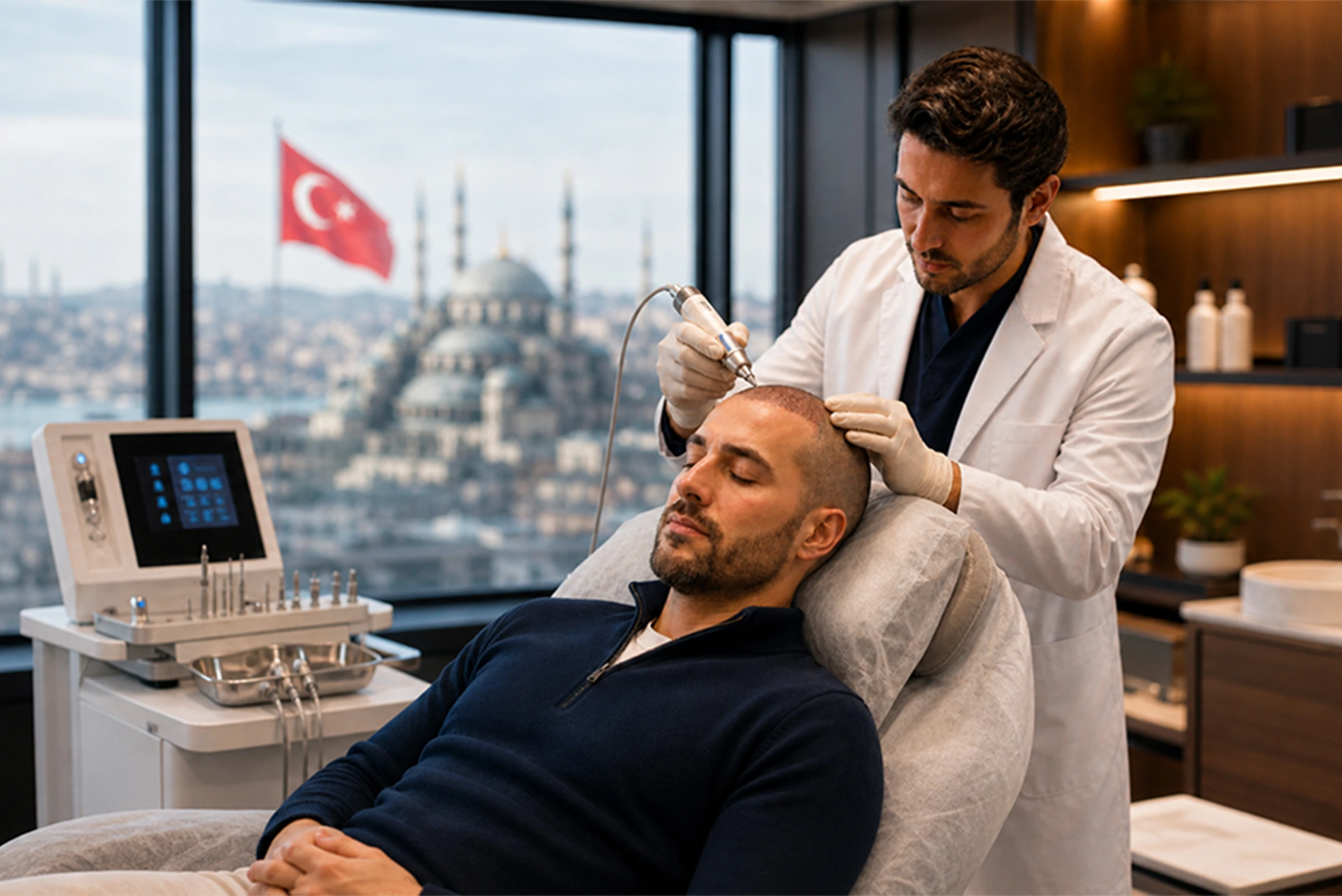
Hair loss can affect confidence, appearance, and the way patients feel about themselves. At Marina Clinic, hair transplant treatment is planned around the cause of hair loss, the stability of the donor area, the pattern of thinning, and the long-term design of the hairline. A transplant is not simply about moving grafts. It is about choosing the right candidate, the right technique, and the right graft strategy for a natural result that still works as hair loss changes over time. Hair transplantation is a procedure that moves hair from a stable donor area, usually the back of the scalp, to thinning or bald areas, and works best in appropriately screened patients with stable patterned hair loss and sufficient donor density.
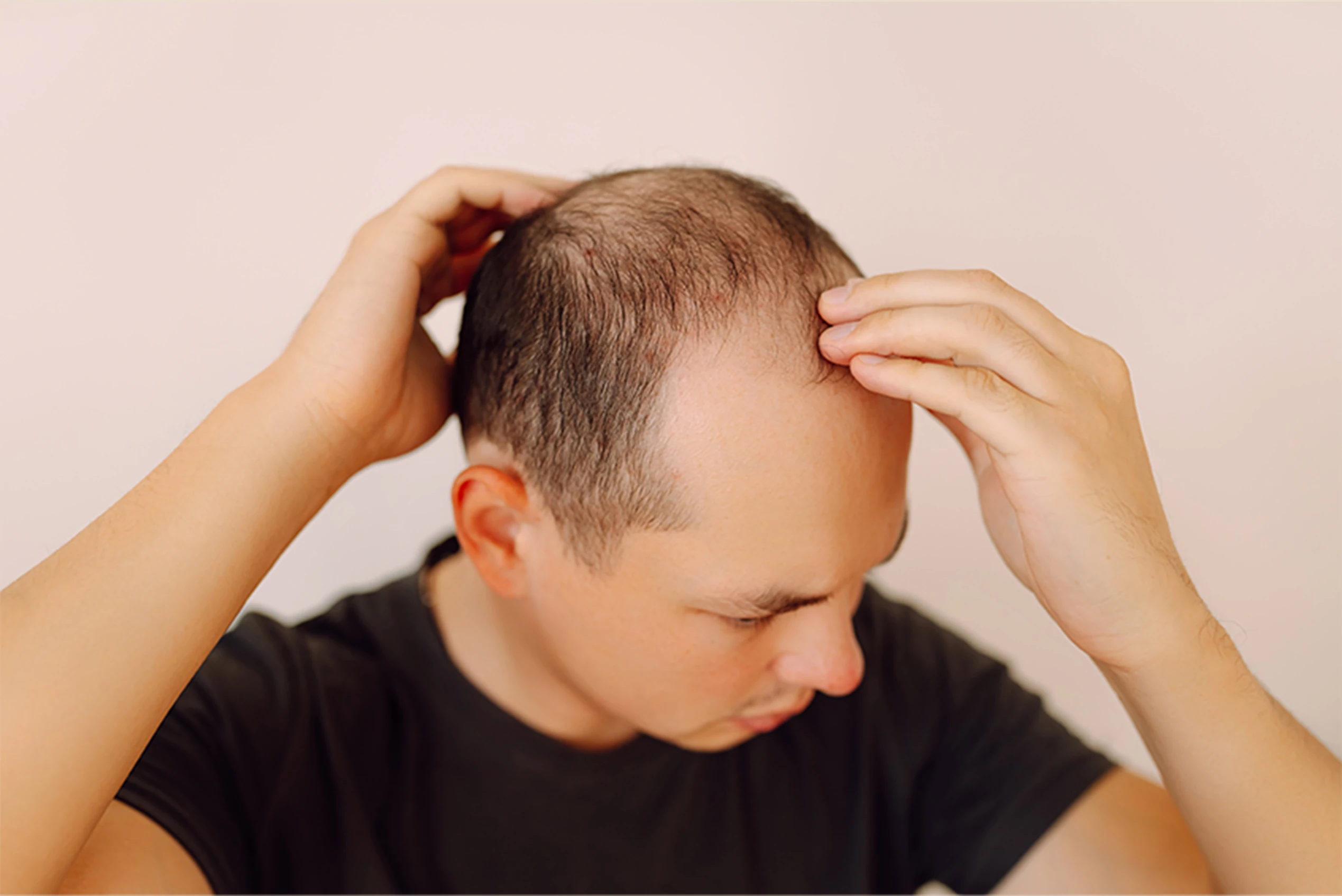
Hair loss, also called alopecia, refers to thinning, shedding, recession, or bald patches affecting the scalp and sometimes other parts of the body. It may be temporary or permanent and can result from heredity, hormonal change, aging, medical conditions, stress, nutritional issues, or mechanical damage such as long-term traction from tight hairstyles. Patterned hair loss is the most common form seen in transplant candidates.
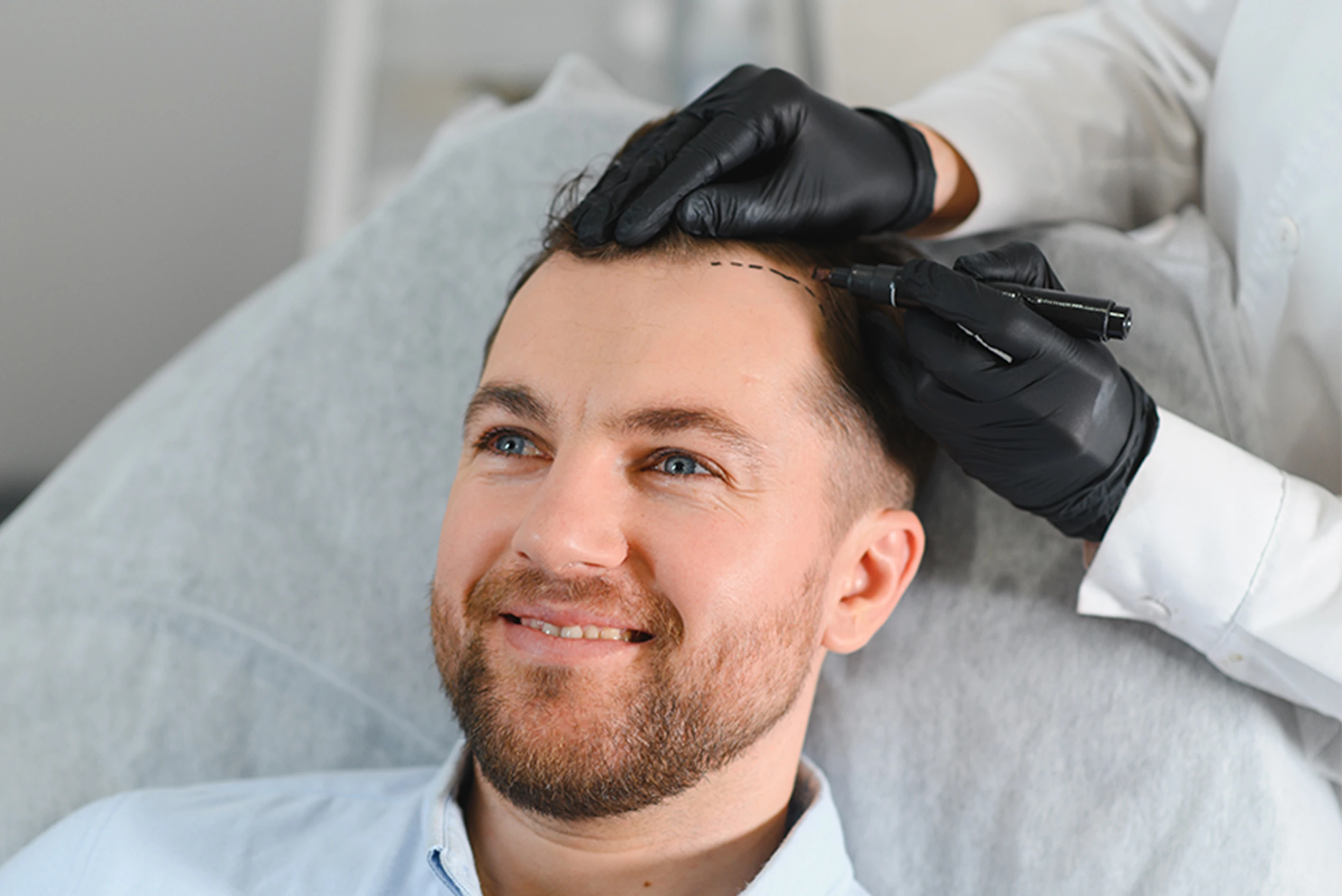
A hair transplant is a surgical hair restoration procedure in which healthy follicles are harvested from a donor area and implanted into areas with visible thinning or baldness. The goal is not to recreate the exact density a patient had before hair loss, but to create the illusion of natural density with a stable, age-appropriate design and good graft survival. Proper screening is essential because a transplant is most successful when hair loss is stable, the donor area is strong, and expectations are realistic.
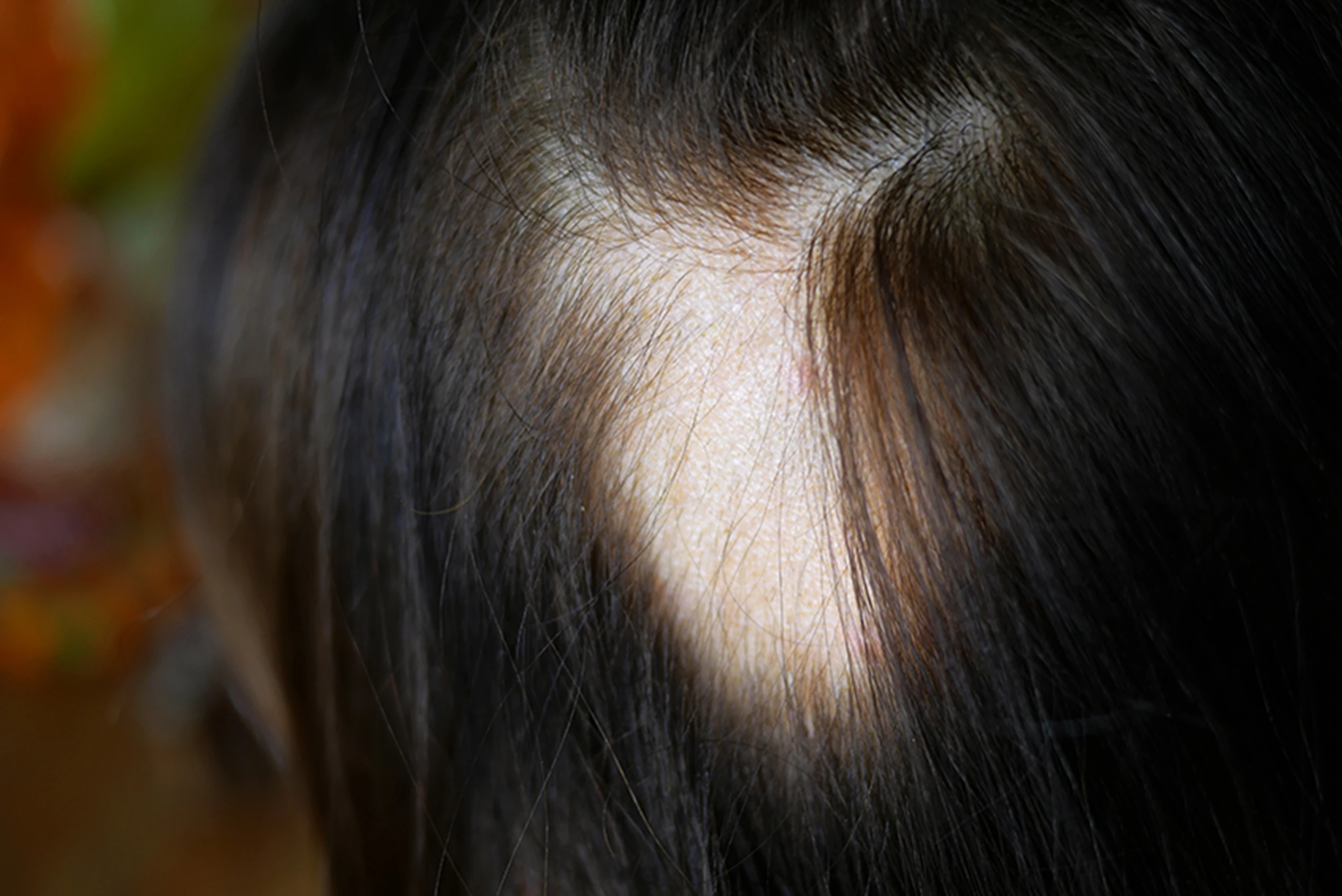
This is the most common cause of hair loss worldwide and the most common reason patients seek a hair transplant. It causes progressive thinning, miniaturization, and recession, especially along the hairline, mid-scalp, and crown. In men, recession often starts at the temples or crown. In women, thinning is more often diffuse across the top while the frontal hairline may be preserved.
This type of hair loss happens when the hair is repeatedly pulled by tight hairstyles such as braids, buns, ponytails, or cornrows. Early traction alopecia may improve if tension is stopped, but long-standing traction can become permanent and may later require restoration.
This is diffuse shedding that can happen after major stress, illness, surgery, pregnancy, thyroid disease, iron deficiency, malnutrition, rapid weight loss, or some medications. It usually causes overall shedding rather than stable patterned baldness, which is why it often requires diagnosis and treatment first rather than immediate transplantation.
This is an autoimmune condition that often causes sudden patchy hair loss. It is not usually a routine transplant indication while active, because outcomes can be unpredictable and recurrence may affect graft survival.
Some inflammatory and cicatricial alopecias permanently damage follicles. In active disease, transplantation is generally contraindicated because the procedure can fail or worsen the condition. In selected patients with long-term inactive disease, transplantation may still be considered carefully.
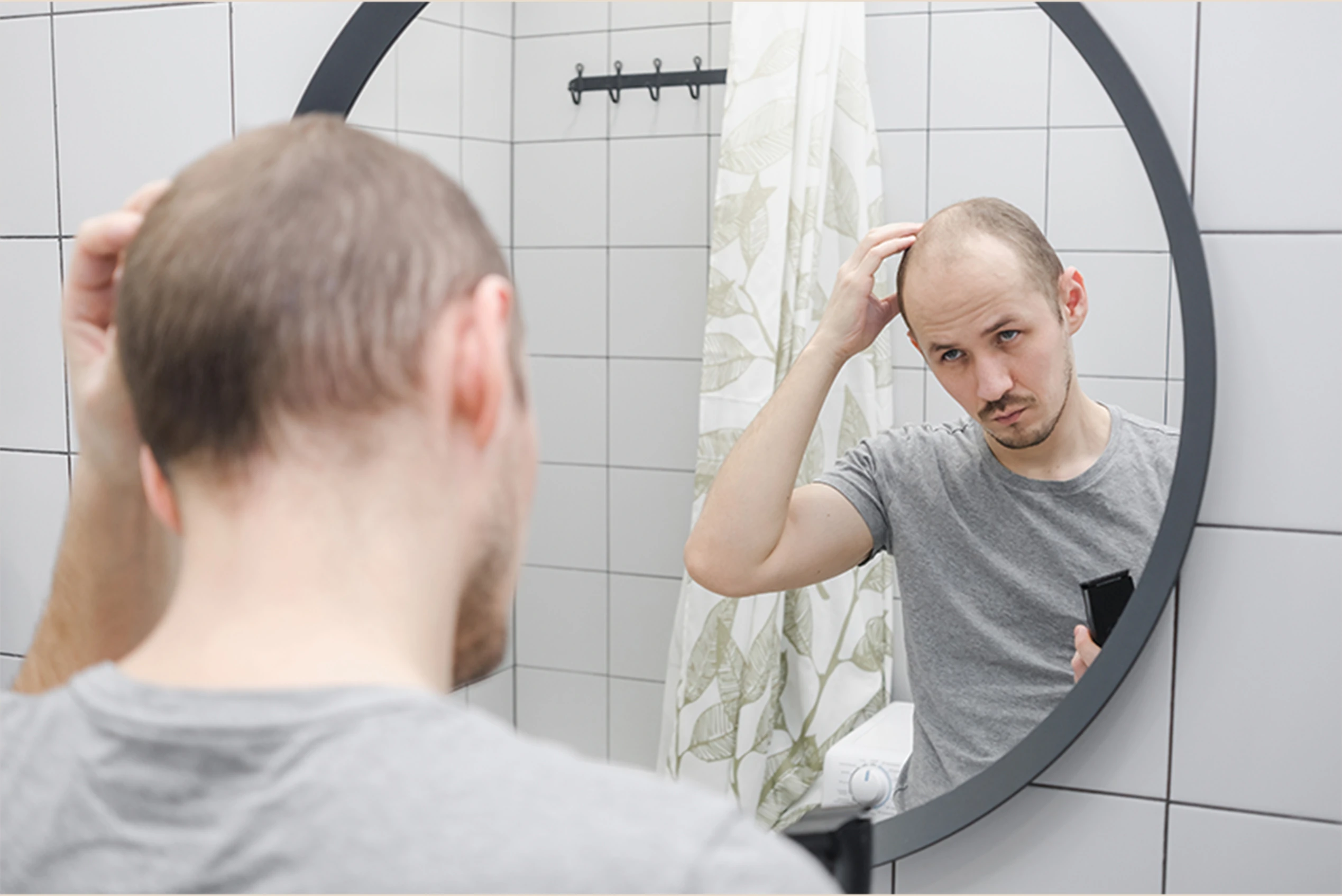
Not every patient with hair loss should move directly to surgery. The cases that need the most careful assessment are the ones where transplant planning can easily go wrong.
If hair loss is still actively progressing, especially in younger patients, transplanting too early can create an unnatural pattern later and use up donor grafts too soon. Medical stabilization is often advised first.
A transplant depends on harvesting follicles from a stable donor area. If donor density is weak or affected by diffuse thinning, the final result may be limited and overharvesting can damage appearance in the donor zone.
When thinning also affects the typical donor areas, transplantation becomes much less reliable because there may be no stable reserve to harvest from.
Redness, scaling, itching, pustules, or inflammatory/scarring scalp disease should be evaluated before planning surgery. Active disease can reduce graft survival and may worsen with surgery.
Patchy autoimmune hair loss is not the same as stable patterned baldness. These patients usually need medical diagnosis and disease control first.
A transplant does not restore childhood density. The real objective is natural-looking coverage and a long-term plan that matches future hair loss. Patients who expect unlimited density, very low aggressive hairlines, or total reversal of baldness need detailed counseling before surgery.
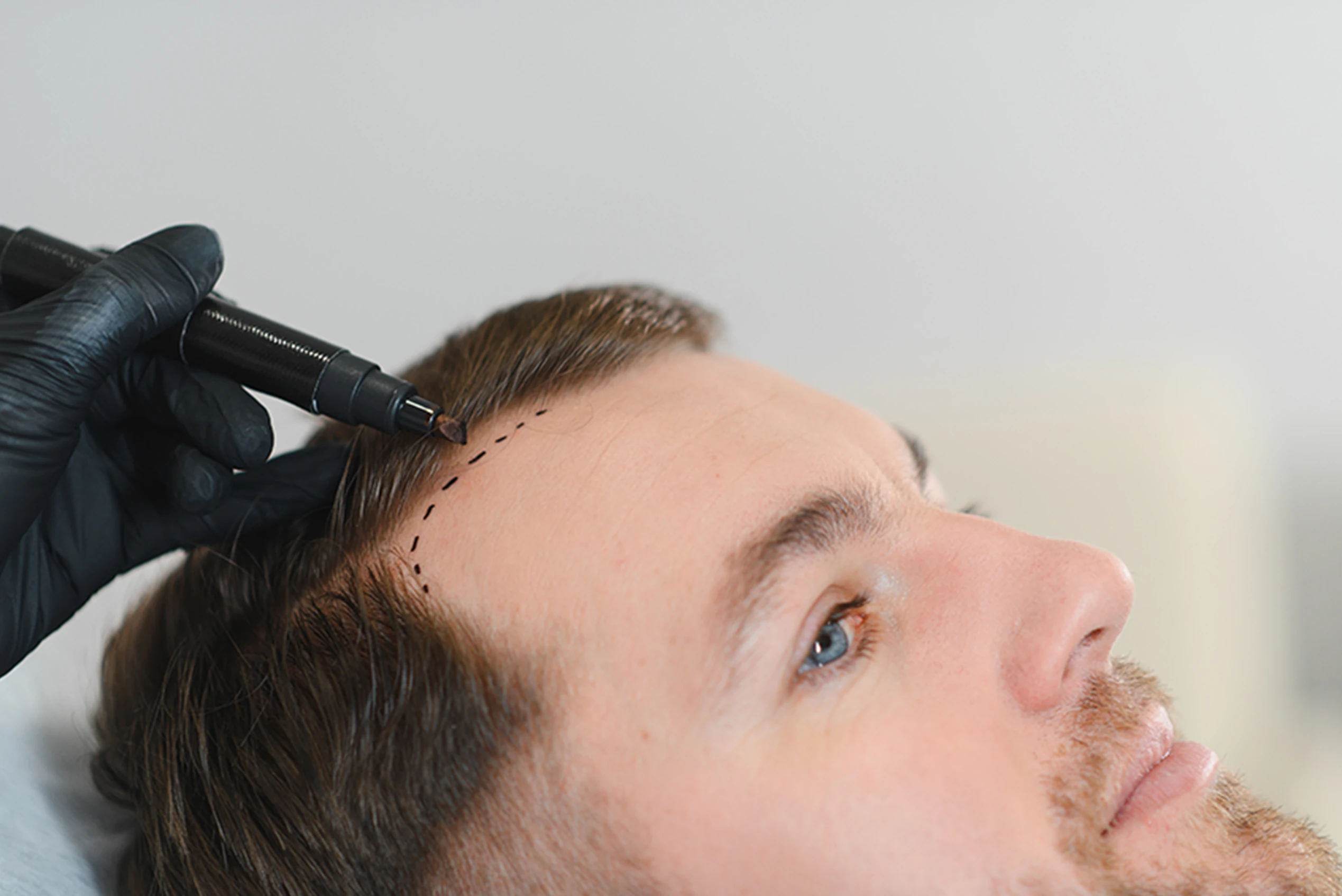
The first step is to identify the type of hair loss, assess the donor area, estimate graft needs, review medical history, and plan a conservative, natural hairline. Appropriate candidates usually have stable patterned loss, a healthy scalp, and realistic expectations.
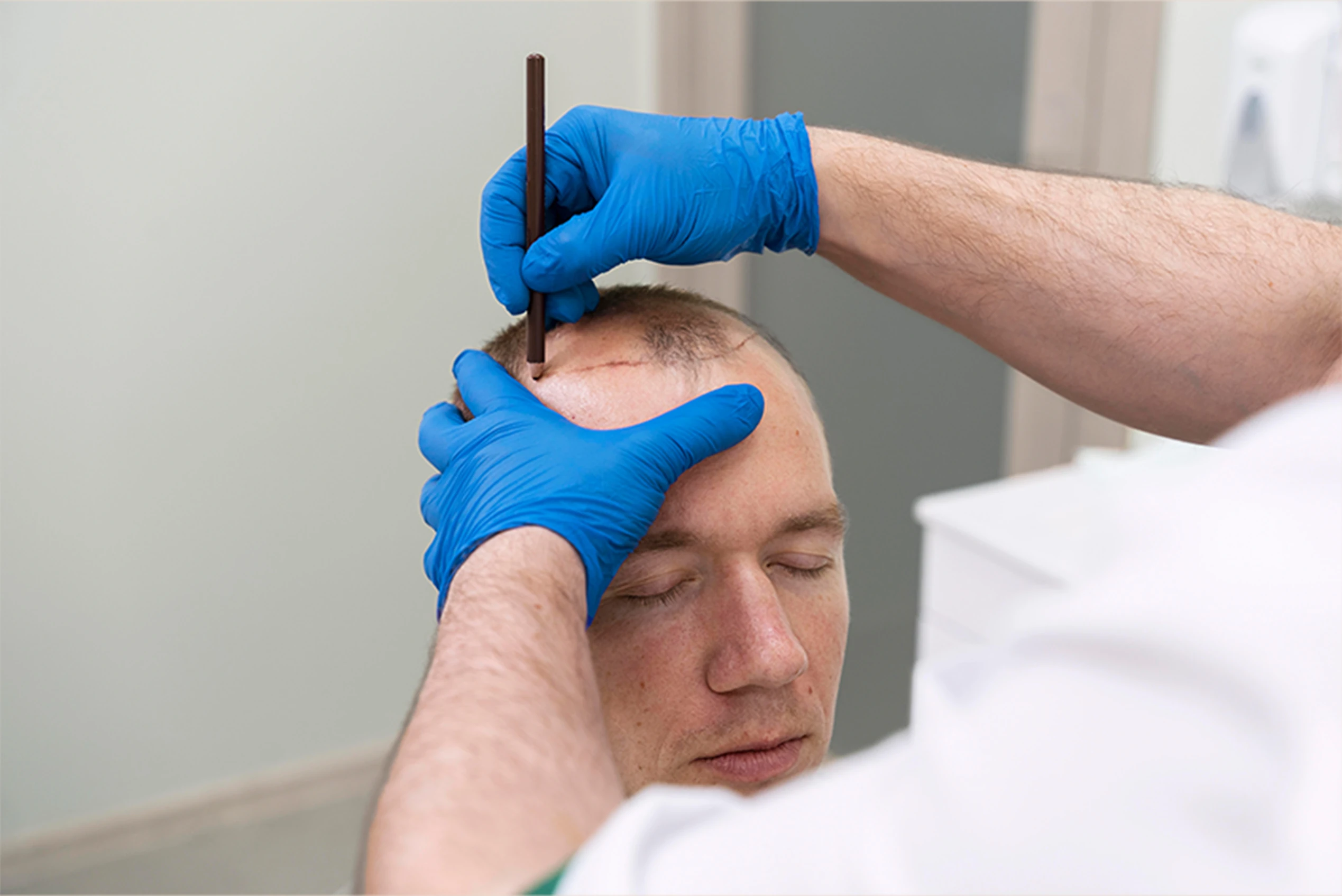
The surgeon maps the frontal line, temples, mid-scalp, or crown based on facial proportions, age, and future hair-loss risk. Conservative design is important because overaggressive hairlines can consume too many grafts early.
The donor area, usually the back of the scalp, is prepared and local anesthesia is used. Hair transplantation is typically done under local anesthetic, often as a day procedure.
Follicular units are extracted using the selected technique, such as FUE or DHI-related workflows. In FUT, a strip is removed and dissected into grafts, but many modern clinics focus mainly on FUE-based methods. The harvesting method affects scarring pattern, graft handling, and recovery.
Depending on the technique, recipient sites are created first and then grafts are placed, or grafts are implanted more directly using an implanter pen. Angle, direction, and density planning are critical for a natural result.
Each graft is placed according to the design plan. Single grafts are usually prioritized for the front line, while larger follicular units may be used behind that to build density.
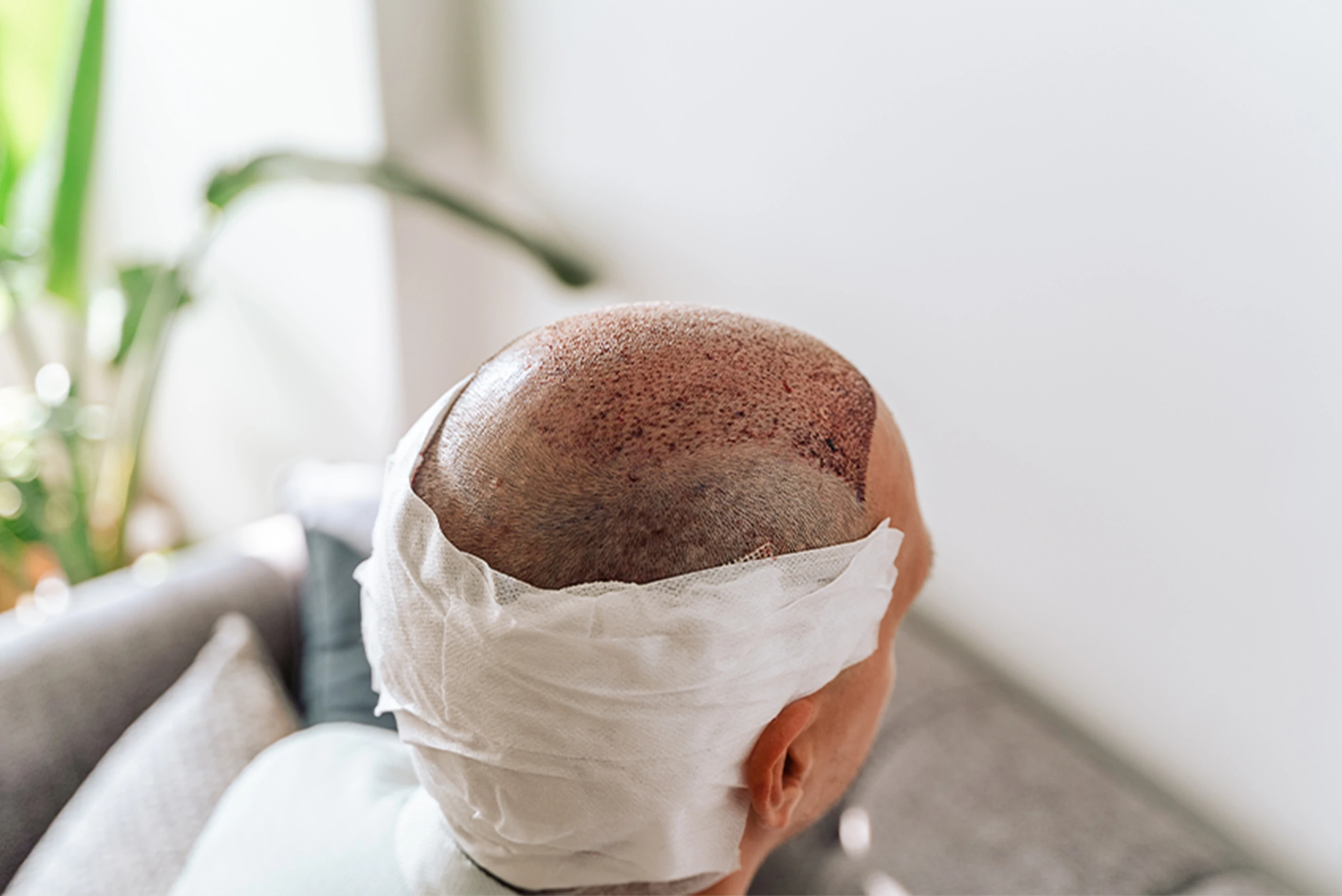
The grafts are delicate in the first days. Scabbing, swelling, and temporary shedding are common. The transplanted hair often sheds after a few weeks, early regrowth commonly starts around month 4, and fuller results are usually evaluated over roughly 10 to 18 months.
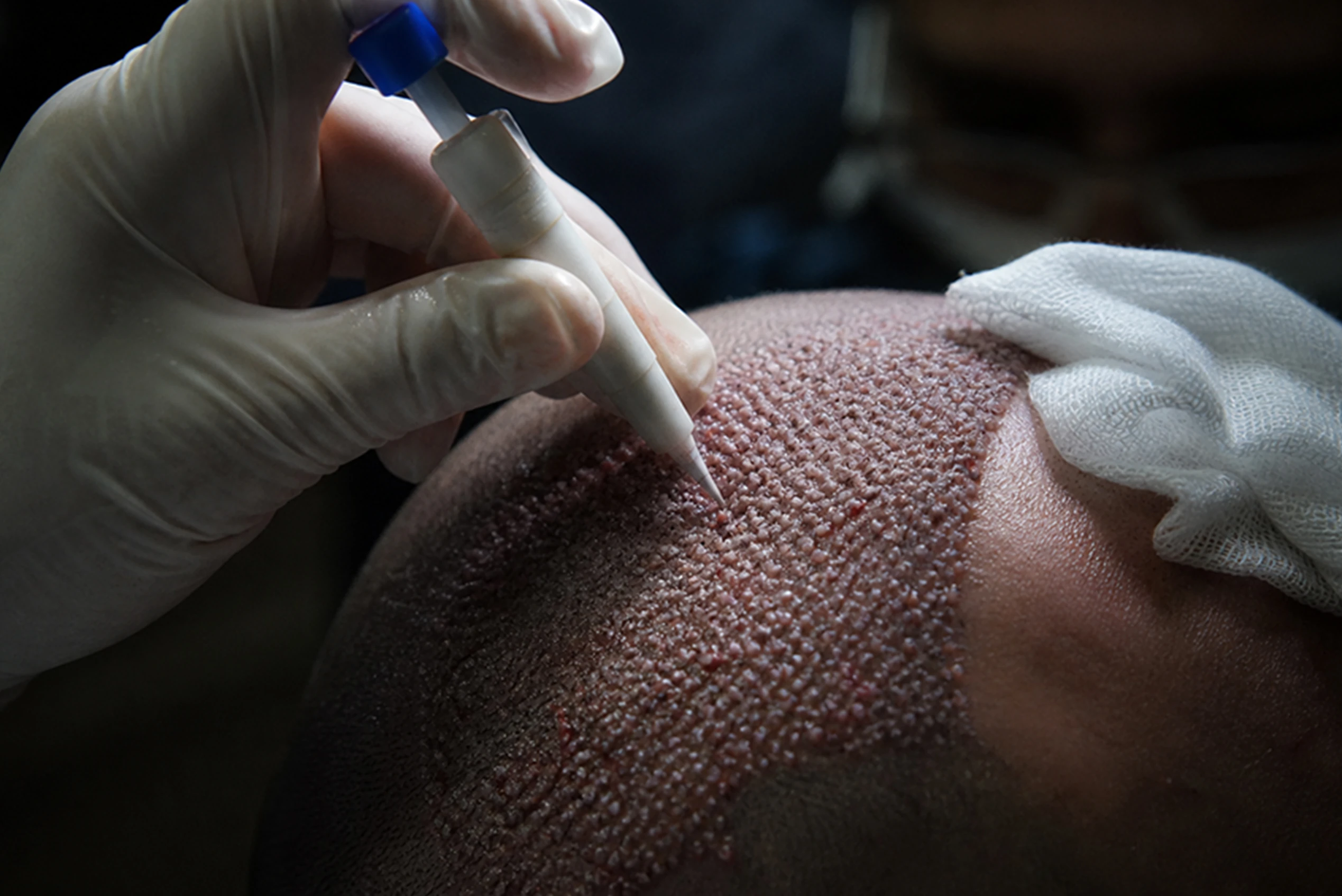
DHI, or Direct Hair Implantation, is a hair transplant method that uses a specialized implanter pen to place grafts into the recipient area with very controlled direction and placement. It is generally built on follicular extraction rather than strip surgery.
Hair follicles are harvested individually from the donor area. The grafts are then loaded into an implanter pen and implanted into the target area with careful control over angle, direction, and spacing.
DHI is often chosen when the goal is:
FUE, or Follicular Unit Extraction, is one of the most common modern hair transplant methods. Individual follicular units are extracted one by one from the donor area and implanted into thinning or bald areas.
The surgeon harvests grafts individually, usually from the occipital donor area. Recipient channels are then created, and the grafts are placed into those sites.
FUE is often effective for:
The NHS identifies FUE and FUT as the two main procedural families. In FUE, individual follicles are removed and transplanted, while FUT removes a strip of scalp that is then dissected into grafts.
Sapphire FUE is a variation of FUE in which sapphire blades are used to create recipient channels. The extraction principle remains FUE, but the channel-opening stage uses sapphire-tipped blades rather than conventional steel blades.
After FUE graft harvesting, sapphire blades are used to open recipient sites with attention to direction, density, and incision quality. Grafts are then implanted into those channels.
Sapphire FUE is commonly selected for:
FUT, also called the strip method, removes a narrow strip of scalp from the donor area and divides it into grafts for transplantation.
A donor strip is removed, closed with stitches, and then microscopically dissected into follicular units before implantation.
FUT may be considered when maximizing graft numbers from a single donor strip is important, but it leaves a linear scar and is not the preferred option for all patients.
The NHS notes that FUT involves removing a thin strip of skin with hair from the back of the head, dividing it into grafts, and closing the donor area with stitches, which leaves a scar that is usually concealed unless the hair is very short.

The best technique depends on:
In practical terms:
FUT may still be relevant in selected cases, but many patients now prefer FUE-based approaches.
The exact graft number should always be confirmed after scalp analysis. Still, these are useful planning tiers.
Suitable for:
This package is often considered when the patient does not need extensive crown or mid-scalp work.
Suitable for:
This is one of the most common planning ranges for men with visible pattern hair loss.
Suitable for:
Large sessions require careful donor management and realistic density planning, especially in patients who may continue to lose native hair over time. Overuse of donor grafts can compromise long-term strategy.
Hair transplant prices vary depending on the technique, the extent of hair loss, and the number of grafts required. Below are the current prices for our main hair transplant procedures.
Treatment | Price |
DHI Hair Transplant | €1,650 |
FUE Hair Transplant | €1,400 |
Sapphire FUE Hair Transplant | €1,650 |
Second DHI Hair Transplant Session | €1,100 |
Your final treatment plan and price are confirmed after a hair analysis and donor area assessment.
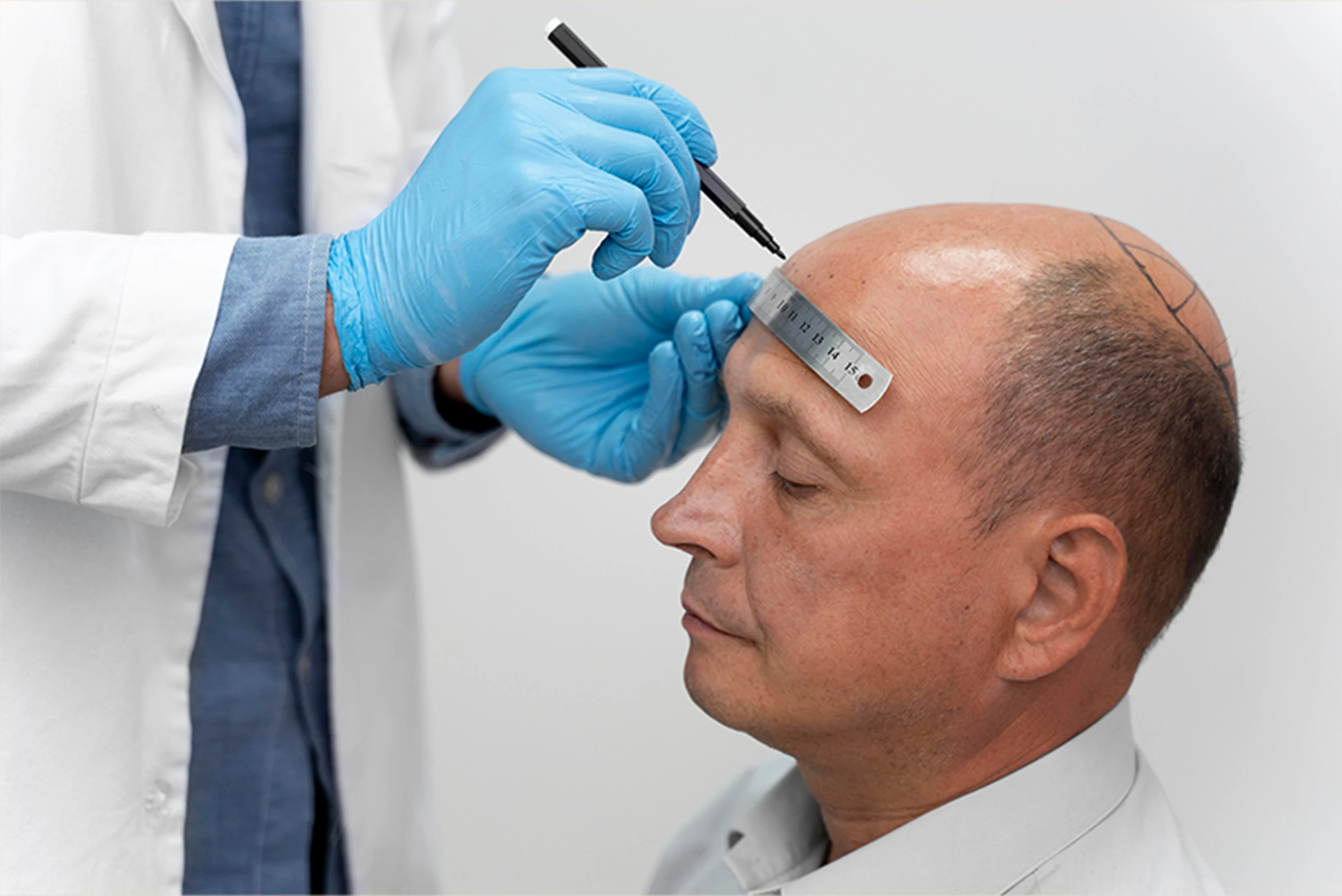
A good candidate usually has:
Hair transplantation is generally most suitable for permanent patterned baldness and less suitable for conditions such as active alopecia areata or active inflammatory/scarring alopecia. Young patients with rapidly progressive loss often need stabilization and long-term planning first.
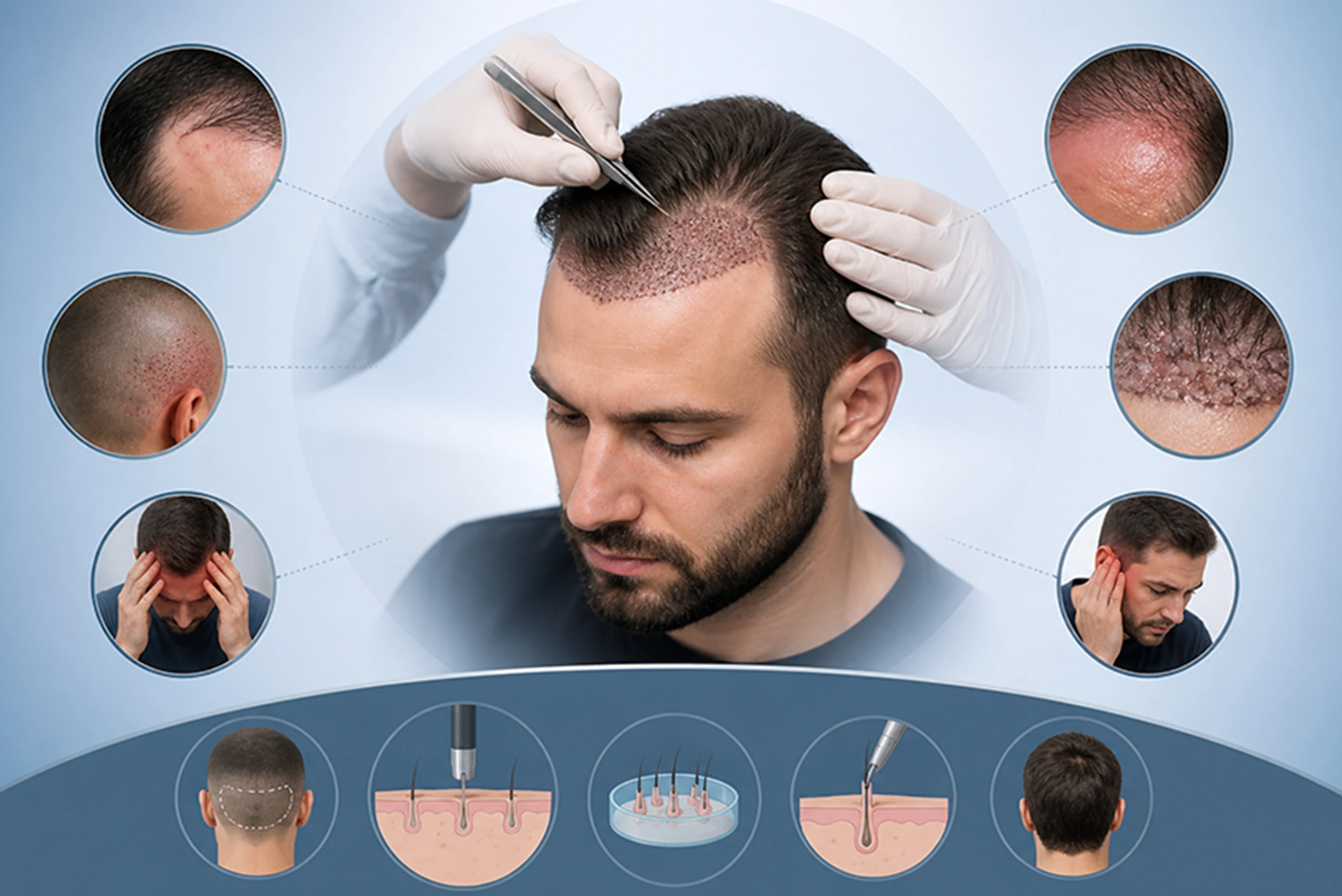
Hair transplantation is generally safe, but temporary side effects can occur during recovery, including:
Less common risks include infection, visible scarring, poor graft survival, or the need for an additional session.

Most patients return gradually to daily activities, but the first two weeks are especially important because the grafts are still securing. Temporary shedding after a few weeks is common and does not mean the transplant failed. New hair often starts becoming visible around month 4, while fuller maturation may take 10 to 18 months.

At Marina Clinic, hair transplant planning should be based on diagnosis first, not only graft numbers. The right approach starts with understanding the cause of hair loss, assessing donor capacity, selecting the most suitable technique, and designing a natural hairline that still looks right over time.
That depends on the extent of recession, the size of the bald area, donor density, hair caliber, contrast between hair and scalp, and whether the target is the hairline, mid-scalp, crown, or all three. A proper scalp analysis is always needed before confirming graft numbers.
The transplanted follicles are usually taken from more resistant donor zones, so they are generally long-lasting. However, existing non-transplanted hair may continue to miniaturize over time, which is why long-term planning matters.
The procedure is typically performed under local anesthesia, so patients are usually awake without feeling operative pain. Some soreness, tightness, swelling, or discomfort afterward is common.
Early shedding is common after surgery. New growth often starts around month 4, and fuller results are generally judged over 10 to 18 months.
Shock loss is temporary shedding that can affect transplanted hairs and sometimes nearby native hairs after the procedure. It is one of the most common concerns patients ask about during recovery. In unstable hair loss, the risk to native miniaturizing hair is more important, which is why proper candidate selection matters.
Not automatically. DHI is often chosen for precision-focused implantation, while FUE is a broader extraction approach widely used for many patterns of hair loss. The better choice depends on the case, not the marketing label.
Yes, selected women can be candidates, especially in stable female pattern hair loss or selected traction/scar cases. The cause of hair loss must be diagnosed first because diffuse shedding and autoimmune conditions may need medical treatment instead.
Possibly. Younger patients often continue to lose hair, which can make an early transplant age poorly if the hairline is designed too aggressively or the donor area is used too heavily. Ideally, the pattern should be stable and medically assessed before surgery.
Yes. The transplant does not stop future loss in your native, non-transplanted hair. That is why some patients still need medical therapy and long-term follow-up.
In many cases, yes, but correction depends on donor reserves, scar quality, hairline design, and what went wrong originally. Repair cases often require a more conservative strategy.
Some scarring is expected with any transplant. FUE usually leaves many tiny scars, while FUT leaves a linear scar at the donor site. Visibility depends on healing, technique, and haircut length.
Possibly. Minoxidil or finasteride may be recommended to help preserve existing non-transplanted hair, depending on the cause of your hair loss and your medical suitability.
If you are noticing recession, thinning, patchy loss, or a weak hairline, the first step is a professional analysis. A proper consultation can determine:

Enhance your smile with Marina in Istanbul — a trusted destination for high-quality dental and aesthetic services. We combine the latest technology with outstanding expertise to deliver excellent and affordable results.
Copyright © 2026 All Rights Reserved to Marina Clinic. by OwliO
Choose the service you would like to analyze
Analyze hair loss and get graft estimates
Comprehensive dental health analysis
Analyzing your hair...