
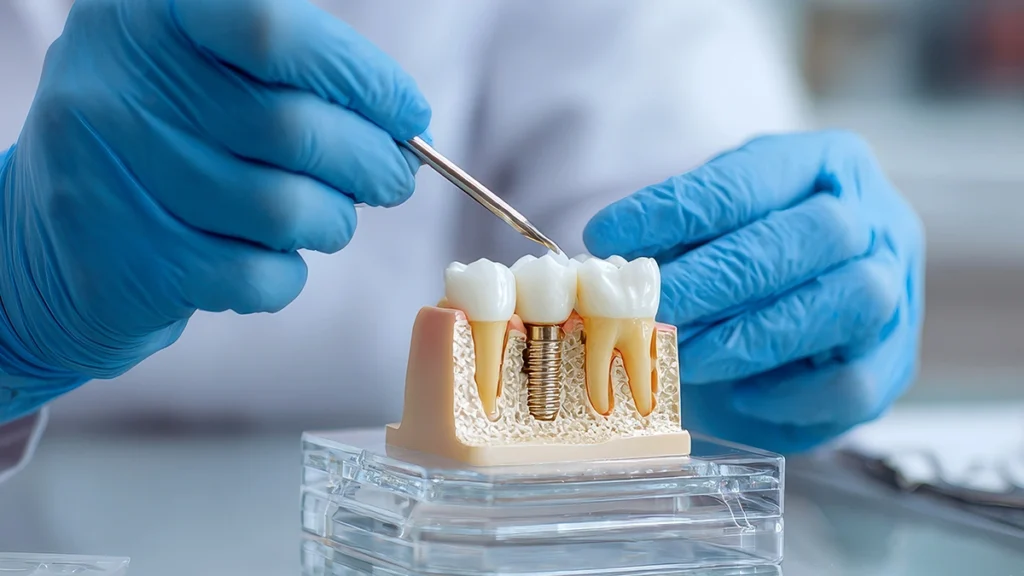
Pregnancy can change how dental treatment is planned, but it does not mean every procedure must wait until after delivery. Patients considering a dental implant before pregnancy should allow enough time for surgery, healing, and final restoration placement. Necessary dental care may still be completed during pregnancy to control pain, protect damaged teeth, and prevent infection, while elective implant surgery is usually postponed until after delivery.
Quick Answer: Can You Get a Dental Crown or Implant During Pregnancy?
Many pregnant patients can safely receive necessary dental care, including dental crowns when clinically appropriate. However, dental implant surgery is usually postponed until after pregnancy unless there is an exceptional medical reason. Dentists evaluate the stage of pregnancy, the urgency of treatment, overall health, and recommendations from the patient’s healthcare provider before creating a treatment plan.
Is Dental Treatment Safe During Pregnancy?
Dental treatment during pregnancy is usually planned according to the type of procedure, the patient’s symptoms, and whether the care is necessary or elective.
Routine Dental Care During Pregnancy
Routine dental examinations, Professional dental cleanings, cavity treatment, and gum care can generally continue during pregnancy. Pregnant patients should tell the dental team how far along they are, which medications they use, and whether they have any pregnancy-related health concerns.
Emergency vs Elective Dental Treatment
Emergency dental problems such as severe pain, infection, swelling, trauma, or a broken tooth should not be unnecessarily delayed. Elective procedures that are not urgently needed can often be postponed until after delivery.
Why Treatment Planning Changes During Pregnancy
Dentists consider the stage of pregnancy, the patient’s comfort, appointment length, medication needs, and the urgency of the dental condition. The goal is to provide necessary care while avoiding procedures that can safely wait.

Start a Conversation
Contact us through the communication method that suits you





Can You Get a Dental Crown During Pregnancy?
A dental crown may be completed during pregnancy when an existing tooth needs protection from further damage or infection.
When a Crown May Be Recommended
A dentist may recommend a crown when a tooth has:
- Extensive decay
- A large or failing filling
- A significant fracture
- Weak remaining tooth structure
- Previous root canal treatment
- An old crown that is damaged or leaking
Restoring the tooth may prevent further breakage, pain, bacterial leakage, or the need for more extensive treatment later.
Dental Crown in Early Pregnancy
A dental crown can be provided in early pregnancy when clinically necessary. If the tooth is stable and the procedure is not urgent, the dentist may use a temporary restoration and schedule the final crown later.
Which Trimester Is Usually Preferred for Non-Urgent Treatment?
The second trimester is often preferred for planned, non-urgent dental procedures because early pregnancy symptoms may have improved and the patient may still feel comfortable in the dental chair. Necessary care can still be provided during any trimester.
Materials and Local Anesthesia Considerations
Dentists select restorative materials and local anesthetics according to the patient’s medical history, pregnancy stage, and treatment needs. Properly selected local anesthesia may be used when necessary to control pain and reduce stress during treatment.
Can You Get Dental Implants During Pregnancy?
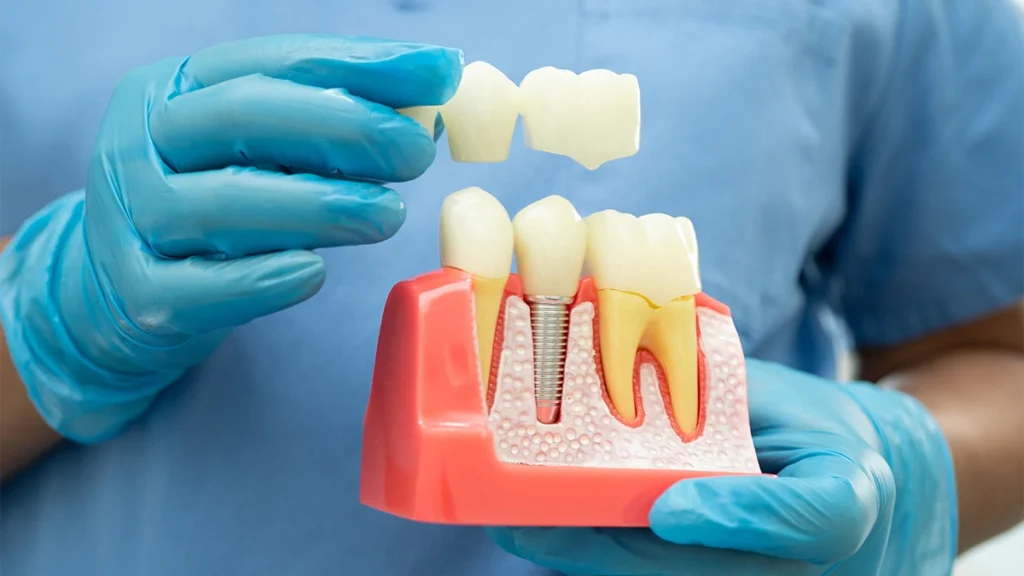
Dental implant surgery is usually postponed during pregnancy because it is generally an elective procedure involving surgery, healing, imaging, and follow-up care.
Why Implant Surgery Is Usually Delayed
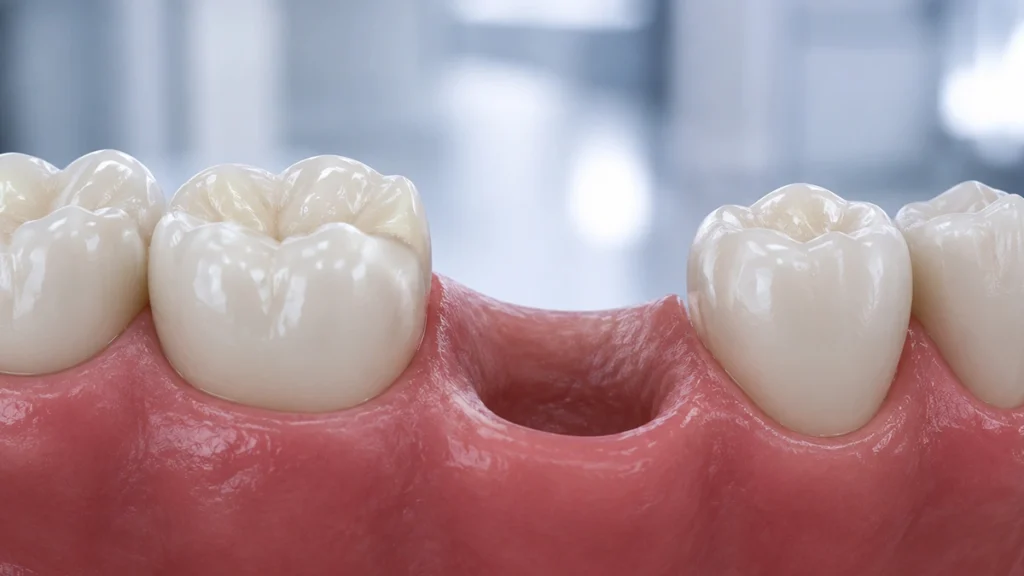
A missing tooth does not usually require immediate implant placement, especially when the area is healthy and free from infection. Delaying surgery avoids unnecessary treatment during pregnancy and allows the complete implant process to be planned more comfortably after delivery.
Bone Healing and Surgical Considerations
Dental implants need several months to integrate with the jawbone. This healing period may include postoperative medications, follow-up appointments, bite adjustments, and temporary restoration care, which are easier to coordinate outside pregnancy.
When Implant Planning Can Begin
An implant consultation may still take place during pregnancy. The dentist can examine the missing-tooth area, discuss temporary options, review the expected stages of treatment, and create an initial plan for after delivery.
Why Postpartum Treatment Is Often Recommended
After delivery, the dentist can reassess bone support, gum health, medication needs, and the patient’s recovery before scheduling surgery. Breastfeeding, general health, and the ability to attend several appointments may also affect timing.
Dental Crowns vs Dental Implants During Pregnancy
Crowns and dental implants serve different purposes, so they require different treatment decisions during pregnancy.
| Treatment | During Pregnancy | Typical Recommendation |
| Dental crown | May be appropriate when clinically necessary | Individual evaluation |
| Dental implant surgery | Usually postponed | Often planned after pregnancy |
| Implant consultation | Yes | Helpful for future treatment planning |
| Emergency dental care | Yes | Should not be unnecessarily delayed |
A crown protects an existing tooth, while an implant replaces a missing tooth through a surgical procedure. This difference explains why crown treatment may proceed while implant placement is often delayed.
Why Dentists Often Recommend Implants Before or After Pregnancy
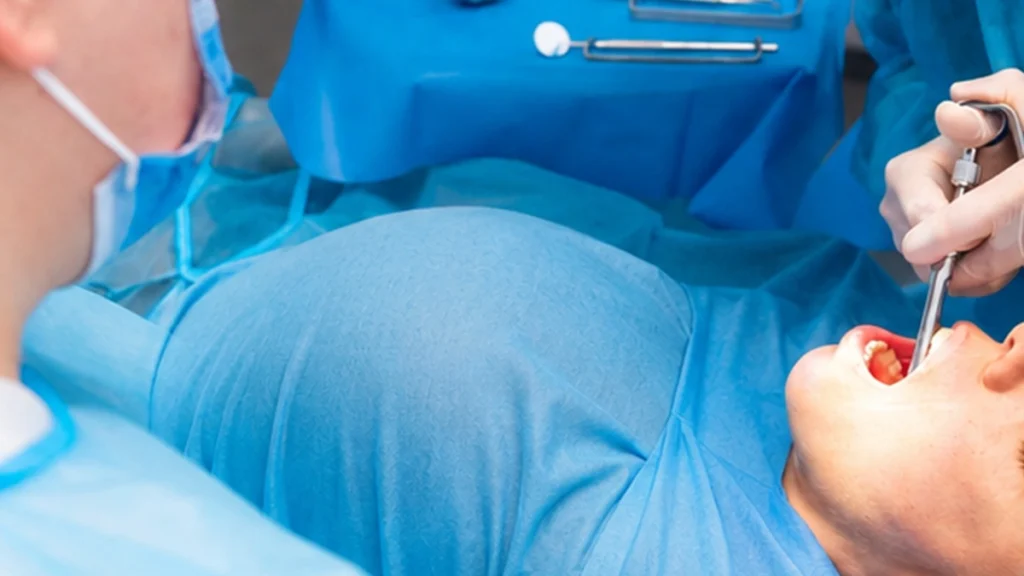
Implant treatment usually involves several stages, making it easier to complete before pregnancy or begin after delivery.
Planning Treatment Before Pregnancy
Patients who already know they need implants may choose to begin treatment before becoming pregnant. The available time should be long enough for surgery, healing, restoration placement, and any required bone grafting.
Completing Implant Healing Before Pregnancy
When an implant is placed before pregnancy, dentists may prefer the surgical site to heal and become stable before pregnancy begins. Once the implant site has healed and the implant has integrated with the jawbone, it generally requires less intensive follow-up than a recently placed implant.
Waiting Until After Delivery
Waiting until after delivery is often the most practical option when implant treatment is not urgent. Temporary solutions may help preserve appearance, chewing ability, and tooth spacing during the waiting period.
Personalized Treatment Timing
The appropriate timing depends on more than pregnancy alone. The dentist may evaluate:
- Whether the tooth is already missing
- Whether infection is present
- The amount of available bone
- Gum health
- The location of the missing tooth
- Bite pressure
- The need for bone grafting
- The patient’s general health
- Future pregnancy plans
A personalized timeline is safer and more useful than applying the same recommendation to every patient.
What Dentists Evaluate Before Treating a Pregnant Patient
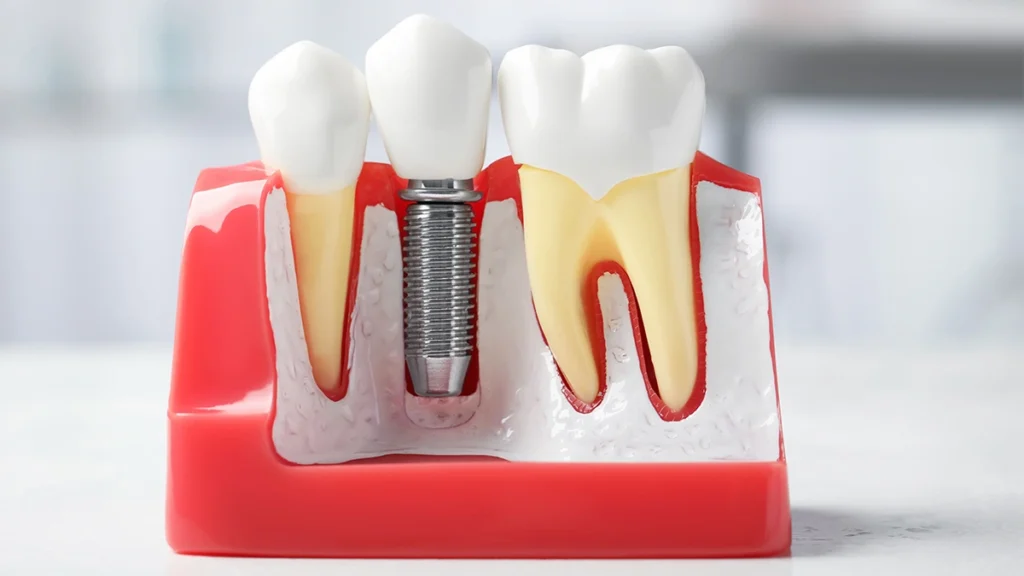
A safe treatment plan begins with understanding both the dental condition and the patient’s pregnancy-related health information.
Stage of Pregnancy
The pregnancy stage helps the dentist plan appointment timing, treatment length, chair position, and whether a non-urgent procedure should be delayed. Necessary treatment can still be provided throughout pregnancy.
Pain and Urgency
Persistent pain, swelling, fever, difficulty eating, or sleep disruption may indicate a condition requiring prompt care. The dentist decides whether the tooth needs immediate treatment, temporary protection, or monitoring.
Oral Infection
Dental infection should not be ignored because it may progress into surrounding tissues and cause increasing pain or swelling. Treating the source of infection is usually safer than allowing it to worsen.
Medical History
The dentist reviews current medications, allergies, pregnancy complications, diabetes, blood pressure concerns, bleeding conditions, and other health factors that may affect treatment decisions.
Communication With the Obstetrician When Needed
Communication with the obstetrician may be recommended for patients with high-risk pregnancies, complex medical conditions, uncertain medication choices, or treatment requiring additional planning.

Dental X-Rays, Medications, and Pregnancy
Dental X-rays and medications may be used when clinically necessary, but every decision should be based on professional evaluation.
When Dental X-Rays May Be Appropriate
Dental X-rays may be needed to diagnose deep decay, root infection, bone loss, impacted teeth, or other conditions that cannot be fully evaluated through a visual examination. Dentists avoid unnecessary imaging while obtaining the information required for safe treatment.
Pregnancy-Safe Local Anesthesia
Local anesthesia numbs the treatment area and helps prevent pain during dental care. Dentists choose the anesthetic and dose according to the procedure, medical history, and pregnancy status.
Antibiotics and Pain Medication
Some antibiotics and pain medications may be used during pregnancy, while others may not be suitable. The dentist reviews allergies, pregnancy stage, existing prescriptions, and medical conditions before recommending any medication.
Why Self-Medication Should Be Avoided
Pregnant patients should not take leftover antibiotics, painkillers, herbal products, or other medications without professional advice. Medication may temporarily reduce symptoms while allowing the underlying dental problem to continue.
Read more: Dental Implants and Medical Conditions in Turkey 2026: Safety, Risks & Treatment Guide
Upload your photos and receive a free AI-powered preliminary analysis in minutes. No commitment required.
Can Missing Teeth Wait Until After Pregnancy?
In many cases, a missing tooth can be temporarily managed until implant treatment can be completed after pregnancy.
Temporary Treatment Options
Possible temporary options include:
- A removable partial denture
- A clear retainer containing a temporary tooth
- A temporary bonded restoration
- A temporary bridge in selected cases
- Temporary monitoring without tooth replacement
Each option has limitations. The dentist will consider appearance, bite forces, comfort, oral hygiene, and the condition of neighboring teeth.
Protecting Adjacent Teeth
Nearby teeth may gradually tilt or move into an untreated space, while the opposing tooth may over-erupt. A temporary appliance may help preserve the space until permanent treatment begins.
Maintaining Oral Function
Missing front teeth may affect appearance and speech, while missing back teeth may reduce chewing efficiency and alter force distribution. Temporary replacement can help maintain comfort and function.
Planning Future Implant Treatment
The dentist may create a preliminary implant plan during pregnancy and complete updated imaging after delivery. This helps determine whether sufficient bone is present or whether grafting may be needed.
How to Maintain Oral Health During Pregnancy
Consistent oral hygiene and dental monitoring can reduce gum inflammation, decay, discomfort, and the need for more complex treatment.
Daily Oral Hygiene
Brush twice daily with fluoride toothpaste and clean between the teeth using floss or another interdental cleaning method. Patients with nausea may find a smaller toothbrush or milder toothpaste more comfortable.
Managing Pregnancy-Related Gum Changes
Hormonal changes may increase gum redness, swelling, tenderness, and bleeding. Gentle cleaning should continue because stopping brushing or flossing can allow plaque and inflammation to worsen.
Regular Dental Check-Ups
Routine check-ups help identify cavities, gum inflammation, damaged restorations, and infection before they become severe. Patients should inform the dental team about the pregnancy before treatment begins.
Healthy Nutrition for Teeth and Gums
A balanced diet and regular water intake support oral health during pregnancy. Frequent sugary snacks and drinks may increase the risk of decay, particularly when eating patterns change because of nausea or cravings.
Read more: Dental Crowns Cost in Turkey 2026: Zirconia vs Porcelain Prices
Upload your photos and receive a free AI-powered preliminary analysis in minutes. No commitment required.
Who Is a Good Candidate for Dental Implant Treatment After Pregnancy?
Implant suitability after pregnancy depends on recovery, gum health, bone support, and readiness to complete the treatment process.
Healthy Healing After Delivery
The patient should have recovered sufficiently from delivery before undergoing elective implant surgery. Timing may depend on general health, the type of delivery, medications, breastfeeding, and medical advice.
Stable Gum Health
Healthy gums are important for implant healing and long-term stability. Active gum disease or persistent inflammation should be treated before implant placement.
Adequate Bone Support
Dental implants need enough healthy jawbone for stability. If bone volume has decreased after tooth loss, bone grafting or a modified implant approach may be recommended.
Comprehensive Implant Evaluation
A complete evaluation may include:
- Gum and bone assessment
- Bite analysis
- Review of missing-tooth space
- Medical and medication history
- Dental imaging
- Evaluation of adjacent teeth
- Discussion of temporary and permanent restorations
This planning helps determine whether an implant, bridge, removable restoration, or another option is most appropriate.
Read more: Can You Get Dental Implants with Gum Disease? What to Know Before Treatment
People Also Ask About Pregnancy and Dental Treatment
These common questions address the main concerns patients may have about crowns, dental implants, X-rays, and anesthesia during pregnancy.
- Can I get a dental crown while pregnant?
- Can I get dental implants during pregnancy?
- Is local anesthesia safe during pregnancy?
- Can I have dental X-rays while pregnant?
- Should I wait until after pregnancy for dental implants?
Final Insight: Timing Helps Protect Both Mother and Long-Term Dental Health
Pregnancy may change when certain dental procedures are completed, but necessary treatment should still be evaluated and provided when appropriate.
Necessary Dental Care Should Not Be Ignored
Pain, swelling, infection, and damaged teeth should be examined promptly. Delaying clinically necessary treatment may allow a manageable problem to become more serious.
Crowns and Implants Require Different Treatment Planning
A dental crown protects an existing tooth and may be completed during pregnancy when needed. A dental implant replaces a missing tooth through surgery and is usually planned after delivery.
Pregnancy Is Part of Personalized Dental Care
Dentists consider pregnancy stage, symptoms, medical history, medications, and treatment urgency before making recommendations. Pregnancy alone does not determine whether all dental care should stop.
Planning Ahead Leads to Better Long-Term Outcomes
Completing necessary dental work before pregnancy or arranging temporary care during pregnancy may reduce treatment difficulties and simplify future implant planning.
Which treatment are you interested in?
FAQ
Yes. When clinically necessary, many pregnant patients can safely receive a dental crown after evaluation by their dentist.
Dental implant surgery is generally postponed until after pregnancy because it is an elective procedure requiring surgery, healing, and postoperative care.
Yes. Many patients choose to complete implant treatment before pregnancy so surgery and healing can occur beforehand.
Dentists may use appropriately selected local anesthetics when necessary and adjust treatment according to the patient’s pregnancy stage and health.
Dental X-rays may be taken when clinically necessary using appropriate safety procedures and professional guidance.
In many cases, yes. A dentist may recommend a temporary replacement until implant treatment can be completed after delivery.
Pregnancy does not normally damage a properly fitted crown, but hormonal changes may increase gum sensitivity and inflammation around it.
Tell your dentist how far along you are, which medications you take, whether the pregnancy is high-risk, and any advice given by your obstetrician.