
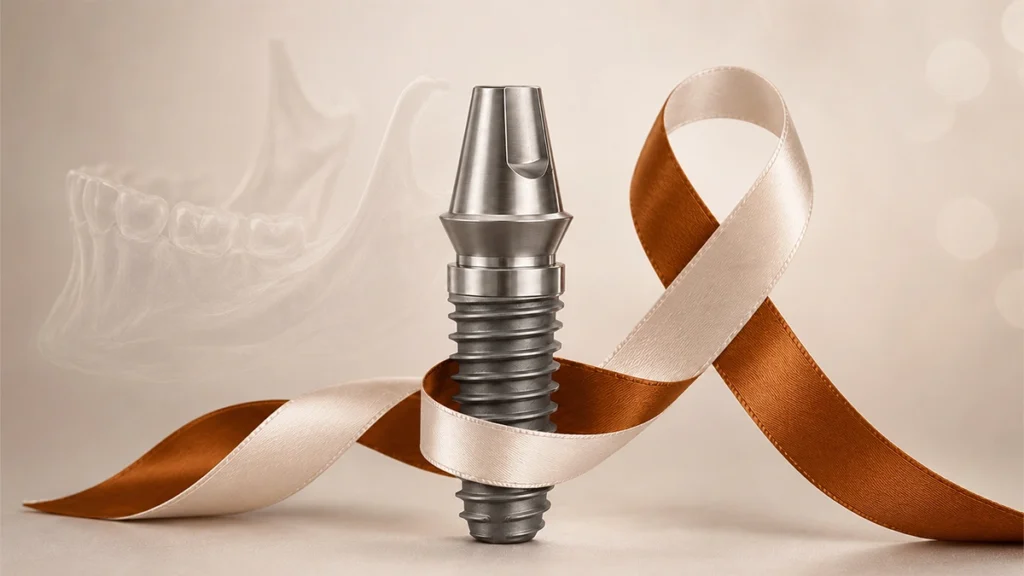
Many cancer patients can get dental implants after recovery, but careful evaluation is essential. Cancer treatment may affect the jawbone, gums, and healing ability. Therefore, the dental team must review the patient’s cancer history, radiation exposure, medications, and general health before surgery.
Quick Answer: Can Cancer Patients Get Dental Implants?
Yes, many cancer survivors can still receive dental implants after completing treatment. Whether implants are appropriate depends on factors such as the type of cancer, radiation dose, healing of the jawbone, overall health, and clearance from the oncology team. Dental implants are not suitable for every patient, but careful evaluation and treatment planning can make implant rehabilitation possible for many people after oral cancer or radiation therapy.
Can Cancer Patients Get Dental Implants?
A history of cancer does not automatically prevent dental implant treatment. The decision depends mainly on how cancer therapy affected the mouth, jawbone, immune system, and healing ability.
Why Cancer Does Not Automatically Prevent Implant Treatment
Cancer treatments affect patients differently. Treatment outside the head and neck may have little direct effect on the jaws. In contrast, oral surgery or radiation near the proposed implant site may make healing less predictable.
Which Patients May Still Be Candidates
Patients may still qualify if they have stable general health, no active cancer in the area, healed jawbone, healthy gums, and good oral hygiene. The expected benefit of treatment should also outweigh the surgical risks.
The Importance of Individual Medical Assessment
The dentist or oral surgeon should review the patient’s treatment records, current medications, previous surgery, radiation details, and healing history. This helps determine whether implants are appropriate or whether treatment should be modified or delayed.

Start a Conversation
Contact us through the communication method that suits you





Can You Have Dental Implants After Radiation?
Some patients can receive dental implants after radiation therapy. However, radiation can cause lasting changes in the bone, blood vessels, saliva, and surrounding soft tissues.
Why Radiation Therapy Changes Treatment Planning
Radiation may reduce blood flow and the ability of bone and gums to heal after surgery. It can also cause dry mouth, tissue stiffness, and a higher risk of oral infection. These effects may continue long after cancer treatment ends.
Radiation Dose and Jawbone Health
The dentist needs to know how much radiation reached the proposed implant site. Radiation dose, location, jaw involved, and current bone condition all influence risk. A high total dose does not always mean every part of the jaw received the same exposure.
Why Timing After Radiation Matters
There is no single waiting period that is suitable for every patient. Treatment is usually considered only after acute side effects have resolved, the tissues have healed, and the oncology team confirms that elective dental surgery is appropriate.
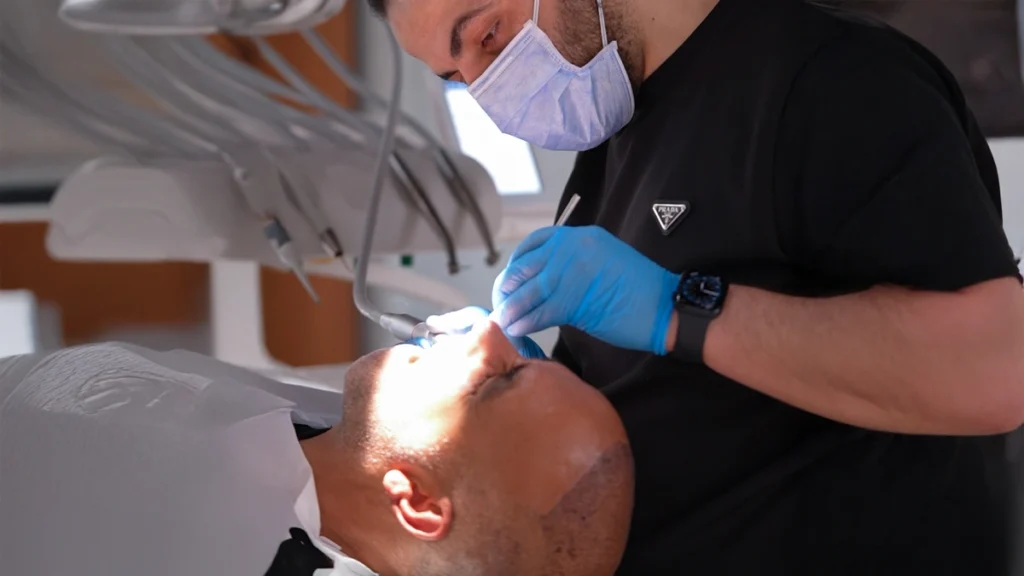
Dental Implants After Oral Cancer: What Changes Treatment Planning
Oral cancer treatment may involve tooth removal, jaw surgery, radiation, chemotherapy, or reconstructive surgery. These treatments can alter the anatomy needed for implant placement.
Bone and Soft Tissue Changes
Patients may have reduced bone, scar tissue, limited mouth opening, dry mouth, or changes in tongue movement. The implant plan must account for these changes and provide teeth that the patient can use and clean comfortably.
Surgical Reconstruction After Oral Cancer
Some patients have parts of the jaw rebuilt with transplanted bone. Implants may sometimes be placed in reconstructed areas, but the team must evaluate bone dimensions, blood supply, fixation plates, soft tissue, and the intended final restoration.
Restoring Function and Quality of Life
Implant-supported teeth may improve chewing, speech, facial support, and denture stability. They may also help retain an obturator or another maxillofacial prosthesis after cancer surgery.
Upload your photos and receive a free AI-powered preliminary analysis in minutes. No commitment required.
Are Dental Implants Safe After Radiation Treatment?
Dental implants may be safe for carefully selected patients. Safety depends on the condition of the bone and tissues, the type of surgery planned, and the patient’s ability to maintain regular follow-up.
Factors That Influence Safety
Important factors include the radiation dose at the implant site, jaw location, gum condition, dry mouth, diabetes, smoking, nutrition, immune status, and oral hygiene. Certain medications may also affect bone healing and require additional assessment.
The Risk of Osteoradionecrosis
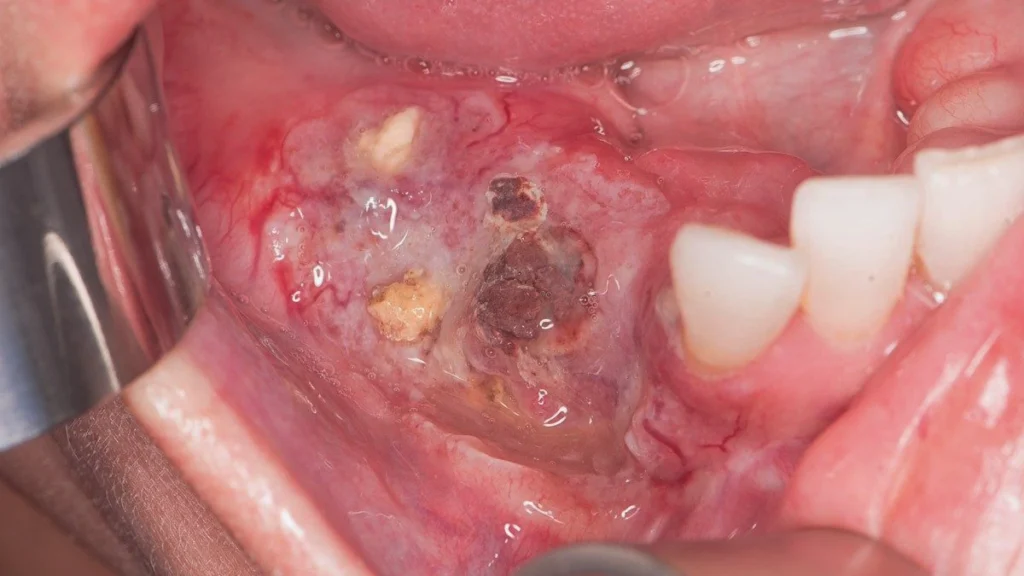
Osteoradionecrosis is a serious condition in which irradiated jawbone becomes damaged and fails to heal normally. It may cause exposed bone, pain, infection, swelling, or drainage.
Oral surgery can trigger this complication in some patients, which is why the risk must be evaluated before implant placement.
How Dentists Reduce Potential Risks
The dental team may review the radiation dose map, treat gum disease and tooth decay, improve oral hygiene, and use conservative surgical techniques. The surgeon may also adjust the number, position, or size of the implants to reduce unnecessary trauma.
Will Radiation Treatment Affect Dental Implants?
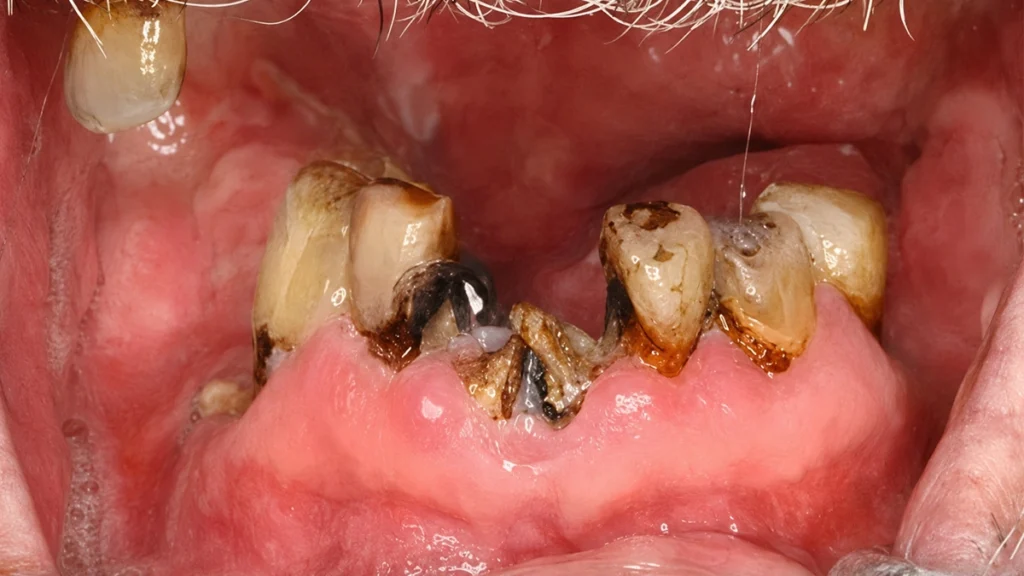
Radiation may affect both early implant healing and long-term success. However, this does not mean that every implant placed after radiation will fail.
Healing Around the Implant
The gums must close around the surgical site while the bone begins healing. Irradiated tissues may recover more slowly, so the surgeon may allow a longer healing period and schedule more frequent reviews.
Osseointegration After Radiation
Osseointegration is the process through which the implant connects with the surrounding bone. Radiation-related changes may make this process less predictable, particularly when the implant site received a high dose.
Long-Term Implant Survival
Dental implants can remain functional for years after cancer treatment. However, survival rates may be lower in irradiated bone than in bone that has not received radiation. Long-term maintenance is therefore essential.
Read more: Dental Implants Guide 2026: Cost, Types, Procedure & Full Mouth Options
How Radiation Affects Healing and Implant Success
Radiation can influence the biological processes that allow the jawbone and gums to recover after surgery.
Blood Supply to the Bone
Healthy bone depends on adequate blood flow. Radiation may reduce the number and function of small blood vessels, limiting the delivery of oxygen, nutrients, and immune cells to the surgical area.
Soft Tissue Healing
The gums and oral lining may become thinner, stiffer, or more sensitive. Scar tissue can also make it harder to close the surgical site without tension.
Infection Prevention
Periodontitis, tooth decay, and poor plaque control should be treated before implant surgery. Patients should contact their dentist if they develop increasing pain, swelling, discharge, fever, exposed bone, or implant movement.
Long-Term Maintenance
Regular care helps protect implants and surrounding tissues. Follow-up usually includes professional cleaning, gum assessment, bite checks, oral cancer screening, and imaging when needed.
Patients with dry mouth or limited hand movement may also need specialized cleaning aids.
When Dental Implants May Still Be an Option After Cancer Treatment
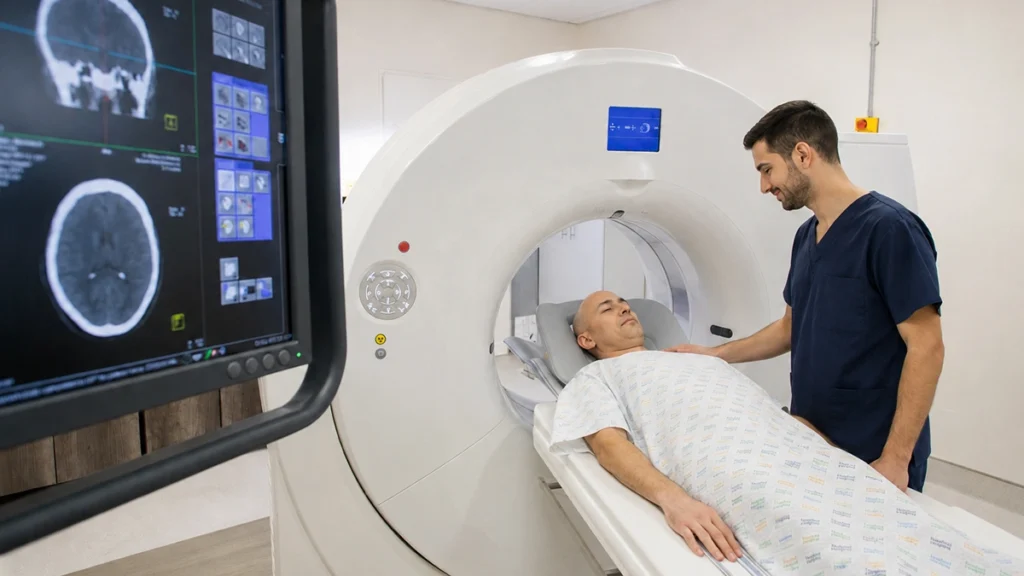
Implants may be considered when the tissues have healed well, the medical condition is stable, and the expected functional benefit justifies surgery.
Patients With Well-Healed Bone
Adequate bone volume and healthy soft tissue provide a better foundation for treatment. If bone is limited, the dentist may consider shorter implants, alternative positions, or a removable restoration instead of extensive grafting.
Patients Cleared by Their Oncology Team
The oncology team can provide information about current cancer status, previous treatment, ongoing medications, and medical concerns. Their involvement is especially important when treatment is recent or systemic therapy is continuing.
Modern Implant Planning and Digital Imaging
Three-dimensional imaging allows the dentist to assess bone volume, nerves, sinuses, reconstructed areas, and fixation plates. Digital planning can also help position implants according to the final teeth.
Individualized Treatment Planning
Every patient needs a personalized plan. One person may receive a fixed implant bridge, while another may be better suited to an implant-retained denture or a non-surgical restoration.
What Dentists Evaluate Before Recommending Dental Implants
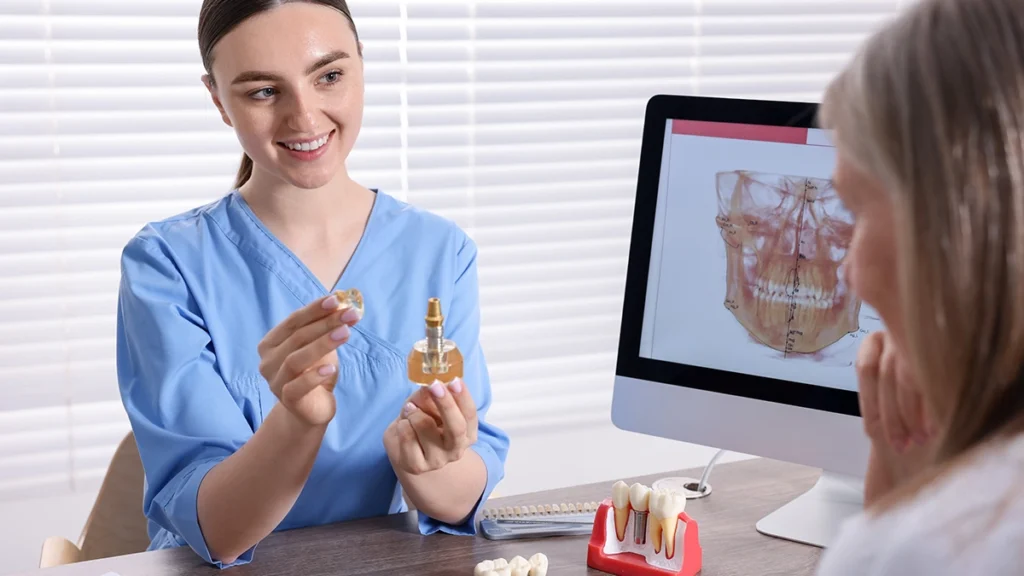
The dentist combines medical records, oral examination, imaging, and the patient’s treatment goals before making a recommendation.
Medical History
The evaluation includes chronic conditions, diabetes control, smoking, nutrition, immune status, bleeding risk, allergies, and current medications.
Cancer Treatment History
The dentist needs to know the type and location of cancer, treatment dates, previous surgery, chemotherapy or radiation history, and current follow-up status.
Radiation Dose and Location
Radiation records or a dose map can show how much exposure reached the proposed implant site. This information helps the surgeon assess healing risk more accurately.
Bone Quality and Volume
Three-dimensional imaging helps measure bone height, width, defects, and nearby anatomical structures. The dentist must also confirm that the implants can support functional and cleanable teeth.
Gum Health
Active periodontitis and gingival inflammation should be managed before surgery. The patient must also be able to clean around the final restoration effectively.
Overall Healing Capacity
Healing depends on blood supply, general health, nutrition, medications, smoking, and immune function. The dentist also considers whether the patient can attend follow-up appointments and follow postoperative instructions.
Read more: Dental Implants and Medical Conditions in Turkey 2026: Safety, Risks & Treatment Guide
Upload your photos and receive a free AI-powered preliminary analysis in minutes. No commitment required.
Questions to Ask Your Dentist or Oral Surgeon Before Treatment
Before proceeding, patients may want to ask:
- Am I a suitable candidate based on my cancer treatment history?
- Has the proposed implant site healed sufficiently?
- Do you need my radiation records or oncology report?
- What complications are more likely in my case?
- Would a removable or non-surgical option be safer?
- How will my implants be monitored after treatment?
Can Dental Implants Cause Cancer?
Patients who have experienced oral cancer may worry about placing an implant near previously affected tissues.
Why This Question Is Common
Inflammation around dental implants can occasionally resemble other oral conditions. Cancer may also appear near an implant in someone who already has risk factors, but this does not prove that the implant caused the disease.
What Current Scientific Evidence Shows
Current scientific evidence does not show that dental implants cause oral cancer. Reports of cancer near implants are uncommon and often involve patients with previous oral cancer, tobacco exposure, or other existing risk factors.
Dental Implants and Oral Cancer Are Different Conditions
A dental implant replaces a missing tooth root. Oral cancer develops when cells grow abnormally and become malignant. Implant inflammation and bone loss are not the same as cancer.
Why Regular Oral Examinations Remain Important
Cancer survivors should continue regular oral screening. An unexplained ulcer, lump, bleeding area, numbness, or tissue change that does not heal should be examined promptly.
Why Choose an Experienced Implant Team After Cancer Treatment?
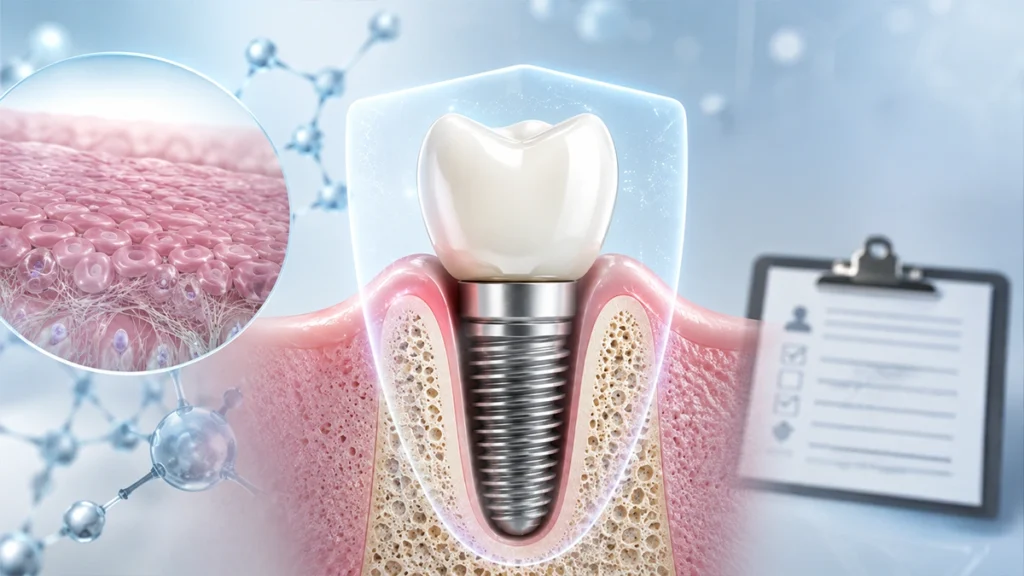
Implant rehabilitation after cancer treatment may require cooperation between several dental and medical specialists.
Collaboration With Oncology Specialists
Communication with the oncologist, radiation oncologist, oral surgeon, or head and neck surgeon helps the dental team understand previous treatment and current medical priorities.
Advanced Digital Treatment Planning
Digital imaging can help the team avoid important structures and choose implant positions that support functional, comfortable, and easy-to-clean teeth.
Personalized Implant Rehabilitation
The final restoration may be a fixed bridge, removable implant-supported denture, obturator, or another custom prosthesis. The design should reflect the patient’s anatomy, speech, chewing ability, and hygiene needs.
Long-Term Follow-Up Care
Regular follow-up allows the team to monitor gum inflammation, implant stability, bone levels, dry mouth, bite forces, and suspicious tissue changes. This ongoing care remains important for many years.
Which treatment are you interested in?
FAQ
Yes. Many cancer survivors can receive implants after their health, bone condition, medications, oral hygiene, and healing capacity have been assessed.
Yes, in some cases. However, previous surgery, jaw reconstruction, or radiation therapy may require additional imaging and coordinated planning with medical specialists.
Some patients can. Suitability depends on radiation exposure, tissue healing, medical history, and the condition of the jawbone.
Yes. Radiation may reduce blood supply and healing ability, making osseointegration and long-term success less predictable.
They may be safe for selected patients, but risks such as delayed healing, infection, implant failure, and osteoradionecrosis must be evaluated.
Current evidence does not show that dental implants cause cancer. Unusual tissue changes around implants should still be examined promptly.
There is no fixed waiting period. Timing depends on healing, radiation history, cancer follow-up, and medical advice.
Provide your cancer diagnosis, surgery and radiation records, medication list, medical conditions, and any recommendations from your oncology team.