
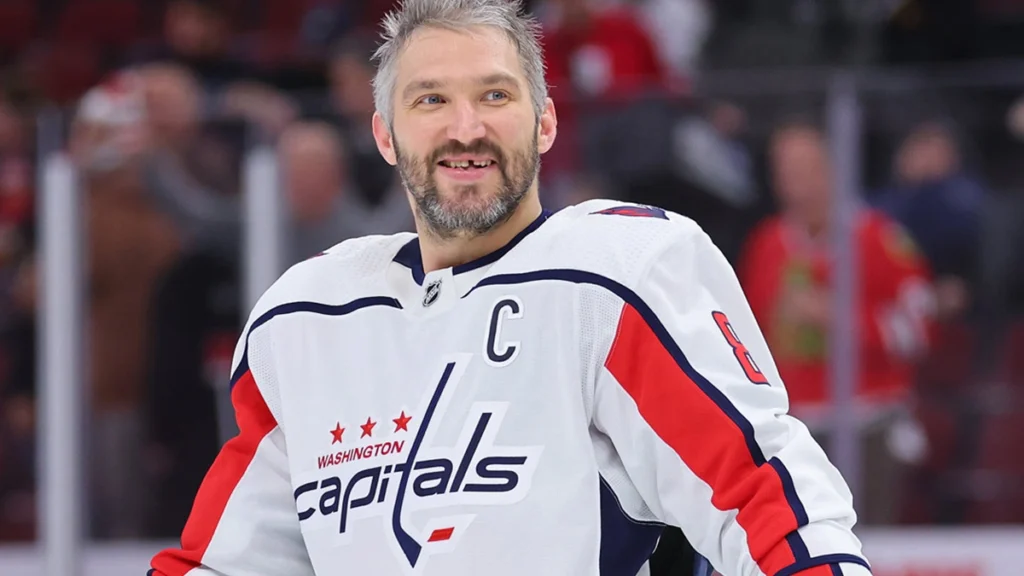
Alexander Ovechkin is known around the world for powerful goals, championship success, and a distinctive smile that has become part of his public image. Like many professional hockey players, visible gaps in his front teeth reflect the physical nature of a sport where dental injuries can happen even with protective equipment. His smile also raises broader questions about sports dentistry, including why hockey players lose teeth so frequently, why some athletes delay permanent dental treatment, and how younger players can reduce their own risk.
Quick Answer: Why Is Alexander Ovechkin’s Smile So Famous?
Alexander Ovechkin’s smile is one of the most recognizable in professional hockey. Years of competing in the NHL resulted in several missing front teeth, a common consequence of high-impact contact sports. His story highlights the importance of sports dentistry, mouth protection, and long-term oral health for professional athletes while showing that dental injuries do not define athletic success.
Why Fans Search for Alexander Ovechkin’s Smile
Ovechkin’s smile attracts attention because it has become closely linked to his public image. Missing teeth are common enough in hockey, but his long career and global fame have made his smile especially recognizable.
A Legendary NHL Career
Alexander Ovechkin has spent years competing at the highest level of professional hockey, becoming known for powerful scoring and physical play. NHL competition also exposes players to repeated contact, falls, sticks, pucks, and collisions that can lead to dental injuries.
Why His Smile Became Part of His Public Identity
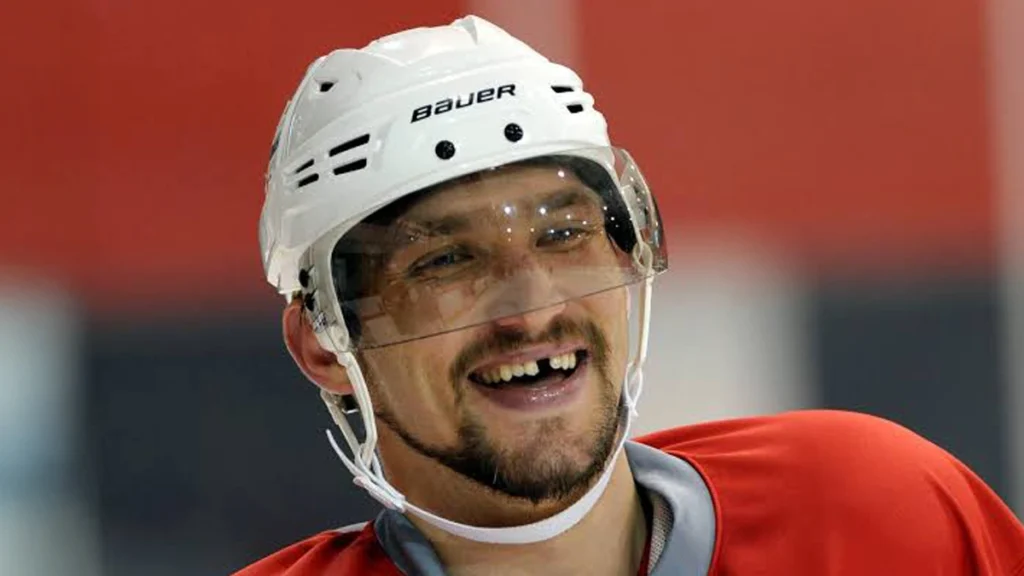
Ovechkin’s missing front teeth have been visible during games, interviews, celebrations, and public appearances for years. Over time, his smile became part of the image fans associate with him, although photographs alone cannot confirm his full dental history.
The Stanley Cup Celebration That Fans Still Remember
Ovechkin’s championship celebrations produced some of the most memorable images of his career, and his distinctive smile became even more closely associated with his personality. For many fans, it also reflects the physical toughness traditionally linked with hockey.
Start a Conversation
Contact us through the communication method that suits you





Why Is Alexander Ovechkin Missing Teeth?
Questions about why Alexander Ovechkin is missing teeth are among the most common searches about his smile. The main reason is the high risk of dental trauma faced by professional hockey players.
Hockey Injuries and Dental Trauma
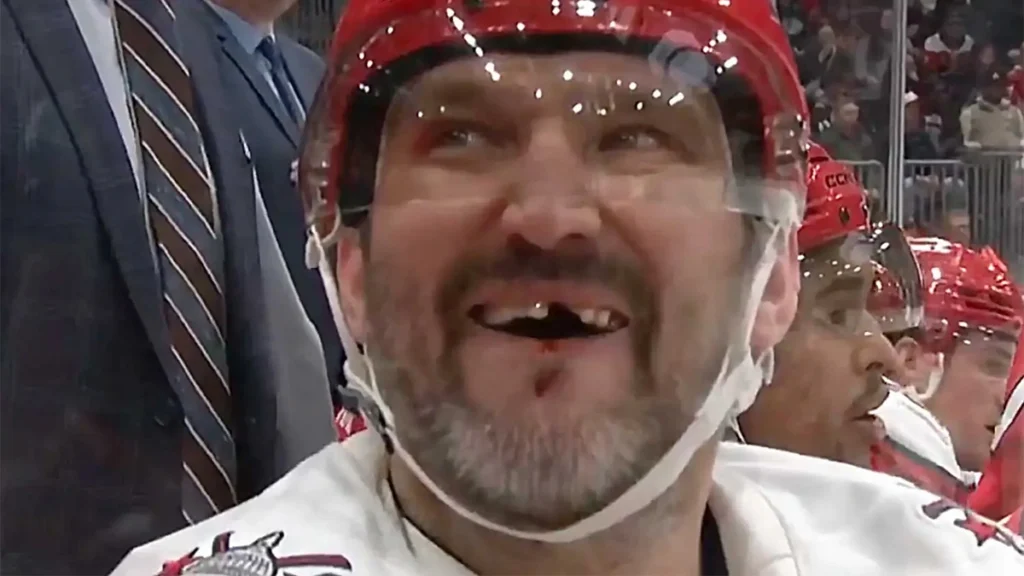
Hockey players can be struck by pucks, sticks, other players, the boards, or the ice. These impacts may chip, fracture, loosen, or completely knock out a tooth, with front teeth being particularly vulnerable.
Why Missing Teeth Are Common in the NHL
Professional hockey combines high speed with frequent physical contact, making dental injuries difficult to avoid completely. Helmets, visors, and mouthguards can reduce risk, but they cannot prevent every injury.
How Contact Sports Affect Oral Health
Sports injuries can damage more than the visible part of a tooth. Athletes may experience root damage, gum injuries, jaw problems, fractures, or bite changes, which is why significant facial trauma should be assessed by a dental professional.
Why Many Players Delay Permanent Dental Treatment
Some athletes delay permanent restorative treatment because they remain at risk of further impacts during the season. Temporary care may be used until a more suitable time for long-term treatment.
How Professional Hockey Players Protect Their Teeth
Hockey players cannot eliminate dental injury risk, but proper protective equipment, regular dental care, and quick treatment after trauma can reduce the severity of many problems.
Custom Sports Mouthguards
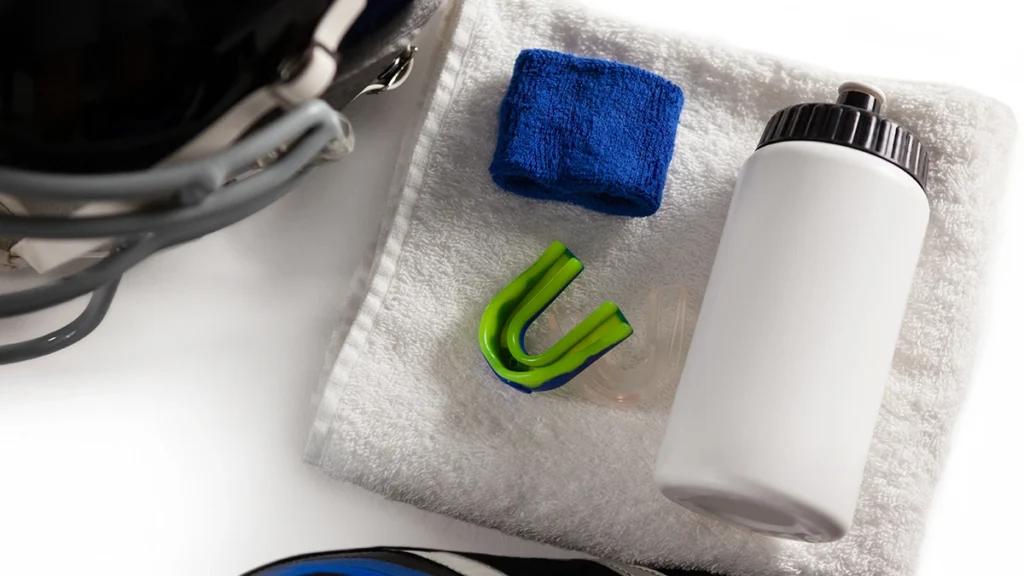
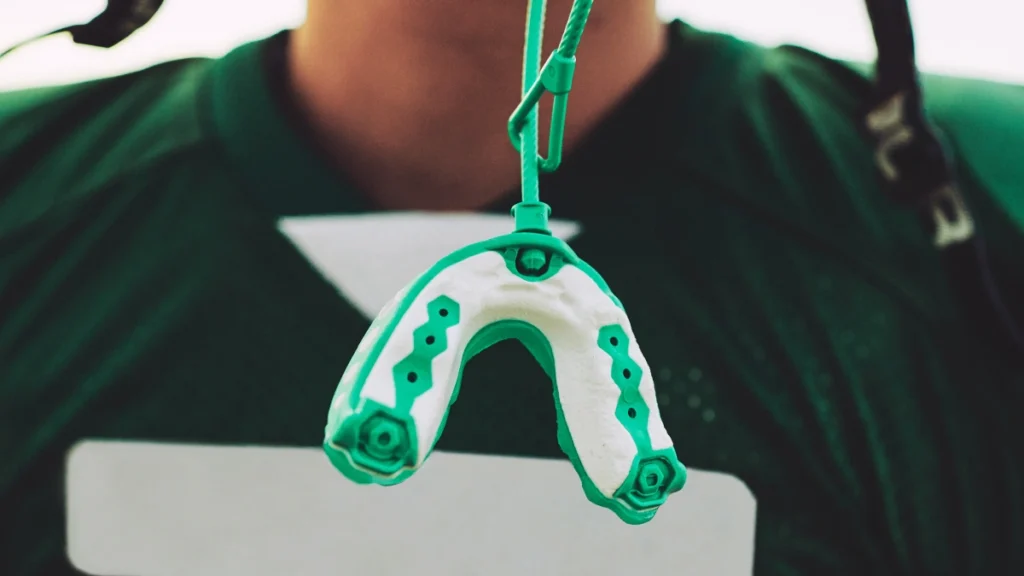
Custom sports mouthguards are designed to fit an athlete’s teeth and bite, helping absorb and distribute forces during impact. A better fit can also improve comfort, stability, and ease of communication.
Preventing Dental and Jaw Injuries
Mouthguards, helmets, facial protection, safe playing techniques, and proper equipment all help reduce the risk of dental and jaw injuries. No single measure offers complete protection, so prevention usually relies on several strategies together.
Regular Dental Examinations During the Season
Regular dental examinations can identify cracks, weakened teeth, damaged restorations, or problems caused by previous trauma. These visits also allow athletes to check whether their mouthguards still fit properly.
Emergency Dental Care for Professional Athletes
When a tooth is fractured, displaced, or knocked out, prompt dental care can affect treatment options and recovery. Professional athletes may therefore have access to dental teams experienced in sports-related trauma.
Request pricing
By sending, you agree we may contact you on WhatsApp with pricing.
Got it! We’ll WhatsApp you the pricing shortly.
Why Oral Health Matters for Elite Athletes
Healthy teeth and gums support more than appearance. Oral health can influence eating, communication, comfort, confidence, and overall well-being throughout an athlete’s career.
Better Nutrition and Recovery
Painful or damaged teeth can make chewing uncomfortable and interfere with normal eating. Maintaining good oral health helps athletes follow the nutrition needed for training and recovery.
Clear Communication on the Ice
Significant dental problems can sometimes affect speech, comfort, or pronunciation. While missing teeth do not always cause major communication issues, restoring oral function may help when problems develop.
Confidence During Media Appearances
Professional athletes regularly appear in interviews, advertising, and public events. Some are comfortable with visible dental gaps, while others may choose restorative or cosmetic treatment based on personal preference.
Long-Term Performance and Well-Being
Untreated dental trauma may lead to pain, infection, bite changes, or further tooth damage. Regular monitoring helps athletes manage these problems before they become more serious.
Upload your photos and receive a free AI-powered preliminary analysis in minutes. No commitment required.
Why Don’t NHL Players Replace Missing Teeth Immediately?
Alexander Ovechkin’s smile reflects how common missing teeth are in professional hockey, where players may delay permanent treatment due to the risk of further injury.
Ongoing Risk of Additional Injuries
A newly restored tooth may be damaged again if another collision, puck, or stick strikes the same area. Dentists may therefore consider future injury risk before completing permanent treatment.
Waiting Until the Off-Season
The off-season can provide more time for healing, appointments, and follow-up care. Some athletes may therefore schedule definitive treatment when they are less exposed to regular competition, although urgent dental problems should never be ignored.
Long-Term Treatment Planning
Replacing a missing tooth requires careful evaluation of the bone, gums, bite, neighboring teeth, and previous trauma. Detailed planning can improve the function and durability of the final restoration.
Balancing Function and Competition
Professional athletes often need to balance dental treatment with training, travel, and competition. Temporary solutions may sometimes be used until more permanent care becomes practical.
Read more: Smile Restoration Cost in 2026: Solutions for Missing, Broken, or Damaged Teeth in Turkey
How Dentists Restore Teeth Lost Through Sports Injuries
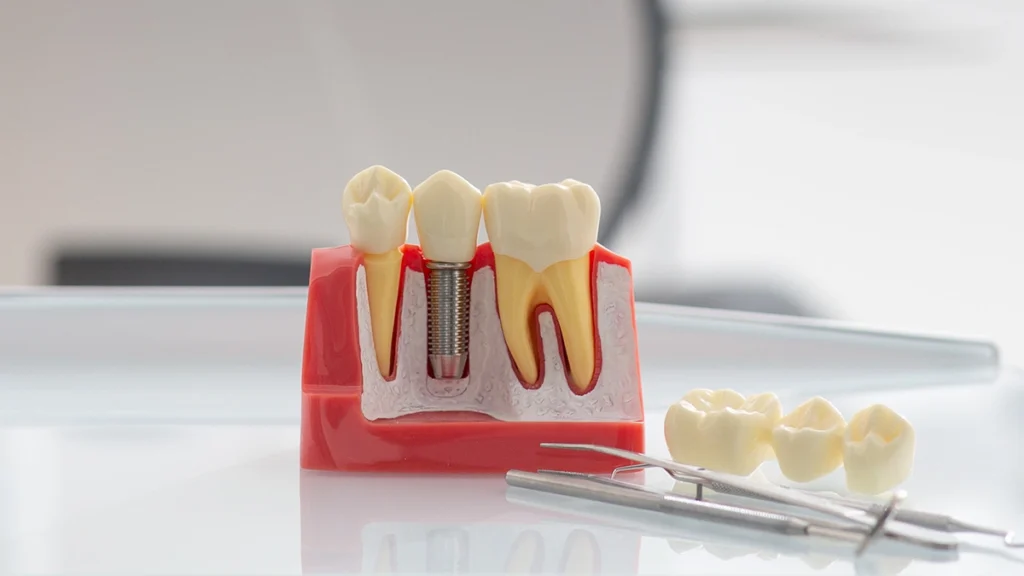
Dentists can restore sports-related tooth loss in several ways depending on the injury, remaining tooth structure, bone condition, bite, age, and overall oral health.
Dental Implants
A dental implant replaces the root of a missing tooth and supports a crown. It may provide a stable long-term solution for suitable patients with healthy bone and gums.
Dental Bridges
A dental bridge replaces a missing tooth by using neighboring teeth or another form of support. It may be considered when an implant is not suitable or when other dental factors make a bridge more appropriate.
Dental Crowns
If a damaged tooth can still be saved, a dental crown may cover and protect the remaining structure. In some cases, root canal treatment may also be needed before the crown is placed.
Choosing the Right Restorative Treatment
The best treatment depends on the type of injury, tooth position, bone support, bite forces, future injury risk, and individual preferences. A dentist can assess these factors before recommending the most suitable option.
Sports Dentistry: Helping Athletes Protect Their Smiles
Sports dentistry focuses on preventing and treating oral injuries linked to athletic activity. In discussions about Alexander Ovechkin’s smile, it can help explain how repeated impacts in contact sports may affect the teeth and why athletes often need protective equipment, emergency care, restorative treatment, and long-term monitoring.
Preventing Future Dental Injuries
Dentists can evaluate an athlete’s teeth, bite, previous injuries, and restorations to identify vulnerable areas. They can then recommend protective strategies based on the athlete’s sport and dental needs.
Managing Facial Trauma
Sports-related trauma can affect the teeth, gums, lips, jaw, and surrounding facial structures. Significant injuries should be assessed promptly to determine whether dental or medical treatment is required.
Custom Protective Equipment
Dentists shape custom mouthguards around an athlete’s teeth to create a secure and comfortable fit. Athletes with braces, crowns, previous injuries, or other dental work can especially benefit from this added protection.
Long-Term Oral Health Monitoring
A tooth that survives an impact can still develop problems later, including sensitivity, discoloration, mobility, or nerve damage. Regular follow-up helps dentists detect these changes early.
What Young Athletes Can Learn From Alexander Ovechkin
Ovechkin’s smile can help start an important conversation about preventing sports-related dental injuries. Young athletes can reduce their risk by combining protection with good oral care and prompt treatment after trauma.
Never Ignore Dental Injuries
A chipped, loose, or painful tooth should always be assessed after a sports injury. Damage may extend below the visible surface and may not cause obvious symptoms immediately.
Wear a Properly Fitted Mouthguard
A properly fitted mouthguard should stay secure while allowing comfortable breathing and communication. Good fit also makes athletes more likely to wear it consistently.
Schedule Regular Dental Check-Ups
Routine dental visits help identify cavities, weakened teeth, gum problems, and previous injuries before they become more difficult to manage. They also allow the dentist to check mouthguard fit.
Protect Your Smile Throughout Your Career
Dental protection should begin before an injury occurs. Good oral hygiene, regular examinations, proper protective equipment, and prompt treatment can help athletes preserve their teeth throughout their careers.
Read more: Why Regular Dental Check-Ups Matter for Your Oral Health (2026 Guide)
Athletes Who Show Why Dental Health Matters
Ovechkin is not the only elite athlete whose smile attracts public attention. Across different sports, fans frequently search for information about athlete teeth, dental appearance, and oral health, although specific treatments should never be assumed without reliable confirmation.
Patrick Mahomes
Patrick Mahomes is one of the most recognizable figures in professional football, another contact sport where facial and oral protection can be important.
Kylian Mbappé
Kylian Mbappé frequently appears in interviews, advertisements, and international media, which has created considerable interest in his smile.
Vinícius Jr.
Vinícius Jr.’s smile has also attracted interest from fans searching for information about athlete dental appearance and cosmetic dentistry.
Harry Kane
Harry Kane is another football player whose teeth and smile generate online searches, showing how appearance often becomes part of an athlete’s public image.
Mohamed Salah
Mohamed Salah’s smile is widely recognizable among football fans and frequently appears in interviews and public appearances.

Final Perspective — A Champion’s Smile Reflects Strength and Preparation
Alexander Ovechkin’s smile may be famous because of his missing teeth, but the wider story is about the physical demands of professional hockey and the value of dental protection. Sports injuries can happen quickly, while restoring oral health often requires careful treatment and long-term planning.
Dental Health Is Part of Athletic Performance
Healthy teeth support normal chewing, speaking, and comfort, making oral care an important part of overall health for athletes at every level.
Prevention Protects Careers
Proper protective equipment cannot prevent every injury, but it can reduce the likelihood and severity of dental trauma. Regular check-ups and prompt treatment provide additional protection.
Sports Dentistry Supports Long-Term Oral Health
Sports dentistry helps athletes manage immediate injuries and their long-term effects, from fractured teeth to missing tooth replacement. The aim is to preserve function, comfort, and oral health.
A Healthy Smile Matters On and Off the Ice
Ovechkin’s missing teeth have become part of one of hockey’s most recognizable smiles, but his experience also reminds younger athletes to take dental protection seriously. Mouthguards, oral hygiene, regular check-ups, and prompt care after injuries can help protect teeth throughout a sporting career.
Which treatment are you interested in?
Frequently Asked Questions
Alexander Ovechkin has visible missing front teeth associated with the dental trauma that can occur during professional hockey. Pucks, sticks, falls, and player collisions can all cause significant injuries to the mouth.
Some players may delay permanent treatment because they remain at risk of another impact that could damage a new restoration. Timing depends on the injury, treatment needs, and competition schedule.
Professional hockey players commonly use mouthguards and other protective equipment, although specific equipment choices vary. Mouthguards can reduce the severity of dental trauma but cannot prevent every injury.
Hockey involves high-speed contact, sticks, hard pucks, boards, and falls, all of which can cause direct injuries to the teeth and jaw.
Missing teeth may affect chewing, speech, bite function, or comfort depending on their location and the athlete’s oral health, although many athletes can continue competing while planning treatment.
Treatment may include dental implants, bridges, crowns, bonding, or other restorative procedures depending on the type of injury and the patient’s oral health.
No. Mouthguards can reduce the likelihood and severity of dental trauma, but they cannot completely eliminate injury risk in high-impact sports.
Young athletes can protect their smiles by wearing properly fitted mouthguards, maintaining good oral hygiene, attending regular dental check-ups, and seeking prompt care after dental injuries.