
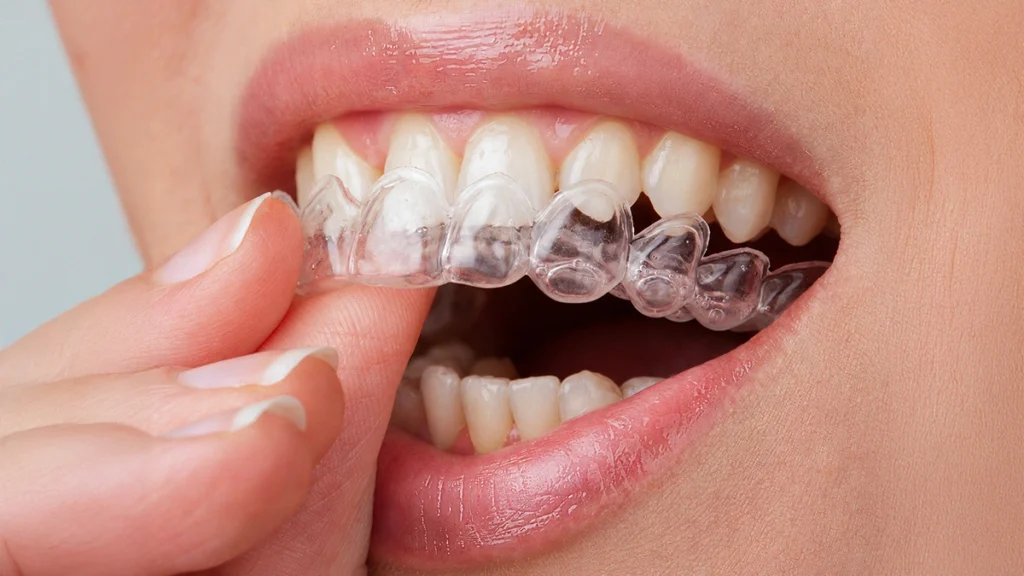
Invisalign can correct many common orthodontic concerns, including crowded teeth, gaps, crooked teeth, and several types of bite problems. However, what Invisalign can fix depends on the complexity of the case, the relationship between the teeth and jaws, and the tooth movements needed to create a balanced and functional bite.
Quick Answer: What Can Invisalign Fix?
Invisalign can treat many common orthodontic problems, including overbites, overjets, crowded teeth, gaps, crossbites, open bites, and mild to moderate tooth rotations. Whether Invisalign is suitable depends on the severity of the case, bite relationship, and personalized treatment planning. A digital scan and orthodontic assessment help determine if Invisalign is the right option.
What Can Invisalign Fix?
Invisalign can improve both tooth alignment and certain bite problems, depending on the condition and the movements required.
The Most Common Problems Invisalign Can Treat
Invisalign is commonly used for crowded or overlapping teeth, gaps, crooked teeth, overbites, overjets, crossbites, open bites, and some underbites. It can also correct certain rotated teeth and dental midline discrepancies.
How Orthodontists Decide If Invisalign Is Suitable
An orthodontist considers tooth position, available space, bite relationship, jaw alignment, and the amount of movement required. Digital scans, photographs, and X-rays may also support treatment planning.
Why Every Case Is Different
Two patients with similar-looking problems may need different treatment. For example, one overbite may involve mainly tooth position, while another may be related to jaw alignment.
Start a Conversation
Contact us through the communication method that suits you





Can Invisalign Fix an Overbite?
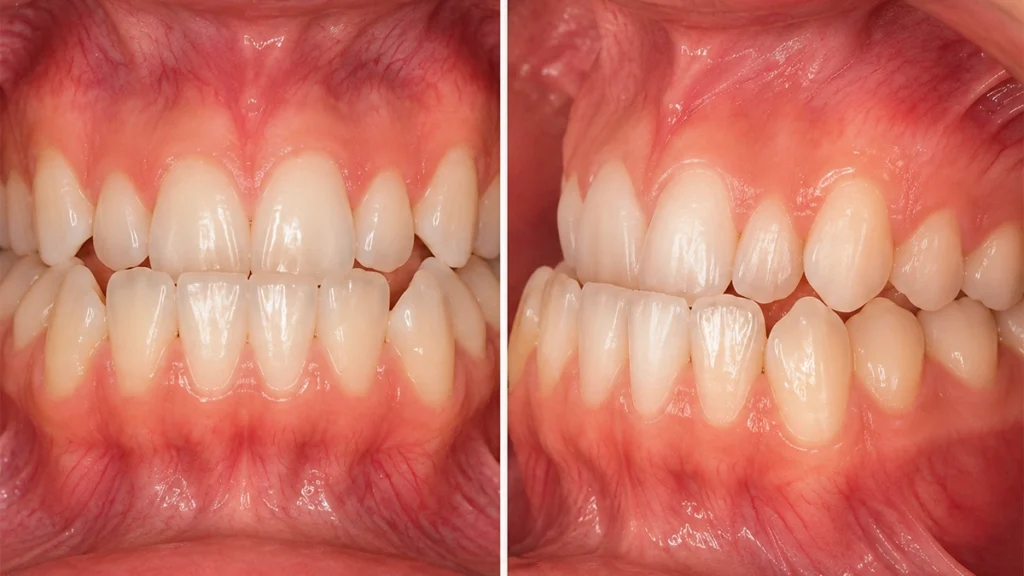
Yes, Invisalign can correct many overbites by gradually adjusting the upper and lower teeth. The amount of correction depends on the cause and severity.
What Is an Overbite?
An overbite describes how much the upper front teeth vertically overlap the lower front teeth. Excessive overlap is often called a deep bite.
How Invisalign Corrects an Overbite
Clear aligners can move selected teeth vertically or adjust their position and angle to reduce excessive overlap and create a more balanced bite.
When Additional Orthodontic Attachments May Be Needed
Small tooth-colored attachments may help the aligners control certain movements more effectively. Elastics may also be recommended for additional bite correction.
Can Severe Overbites Be Treated?
Some severe overbites can be treated with Invisalign using attachments or additional orthodontic techniques. However, significant skeletal jaw problems may require braces, combined treatment, or another approach.
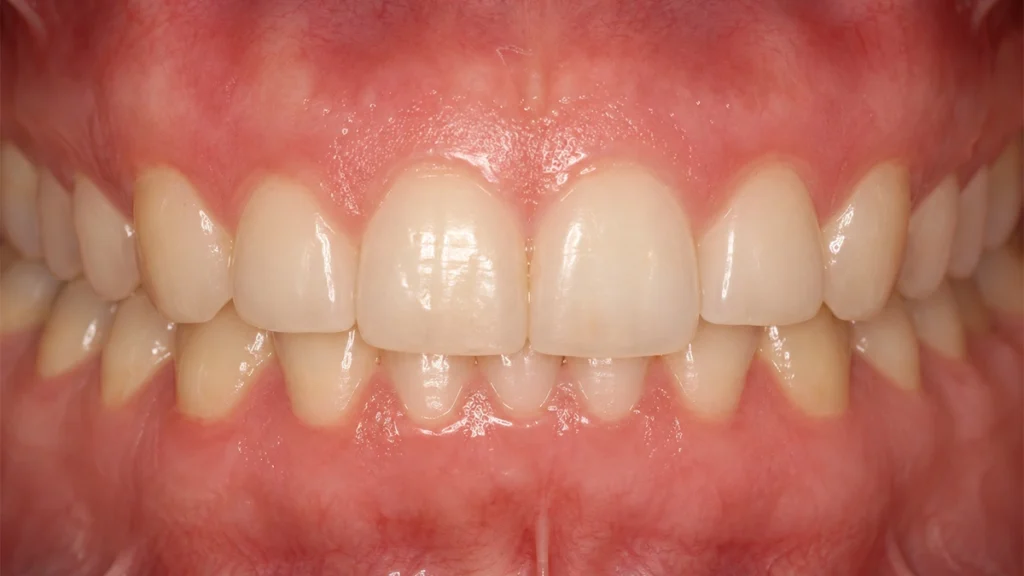
Can Invisalign Fix an Overjet?
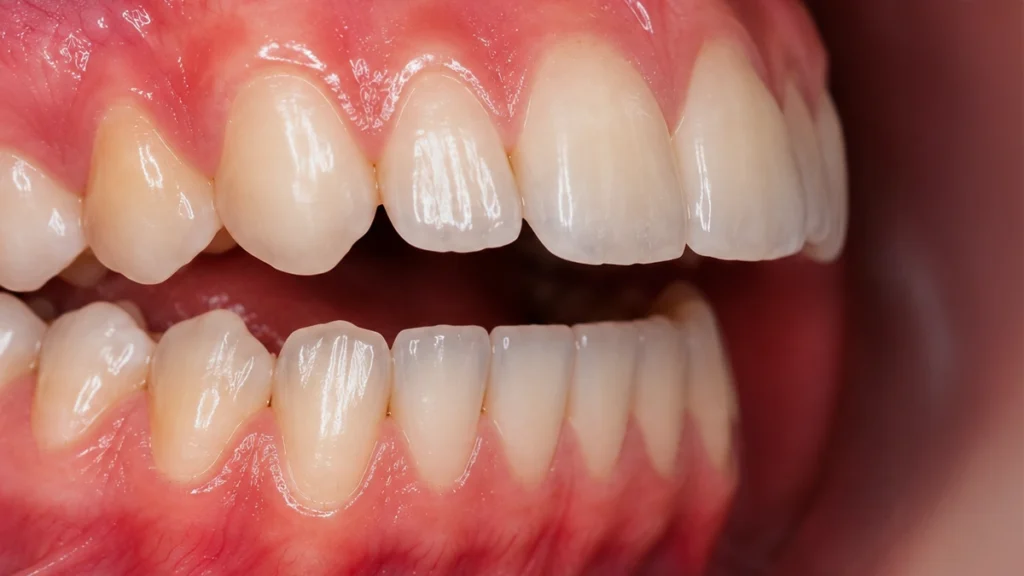
Invisalign can help correct many cases of excessive overjet by repositioning protruding front teeth. Treatment depends on the cause and whether enough space can be created safely.
Overjet vs Overbite: What’s the Difference?
An overbite refers to vertical overlap between the front teeth, while overjet describes how far the upper teeth extend horizontally in front of the lower teeth.
How Invisalign Moves Protruding Front Teeth
Aligners can gradually move protruding teeth backward while adjusting nearby teeth to create the necessary space.
Treatment Planning for Different Overjet Cases
An overjet caused by tooth position may respond differently from one caused by a jaw discrepancy, which is why proper diagnosis is important before treatment.
Request pricing
By sending, you agree we may contact you on WhatsApp with pricing.
Got it! We’ll WhatsApp you the pricing shortly.
Can Invisalign Fix an Underbite?
Some underbites can be treated with Invisalign, especially when the problem mainly involves tooth position. More significant skeletal underbites may require another or combined approach.
Mild and Moderate Underbites
In suitable cases, Invisalign can reposition upper and lower teeth so they meet in a healthier relationship. The amount of correction depends on jaw structure and tooth position.
When Invisalign May Be Combined With Other Orthodontic Approaches
Attachments, elastics, braces, or other orthodontic appliances may be combined with Invisalign when additional control is needed.
Cases That May Require Alternative Treatment
Severe underbites caused mainly by jaw position or size may not respond sufficiently to orthodontic treatment alone and can sometimes require jaw surgery.
Upload your photos and receive a free AI-powered preliminary analysis in minutes. No commitment required.
Can Invisalign Fix Crowded or Overlapping Teeth?
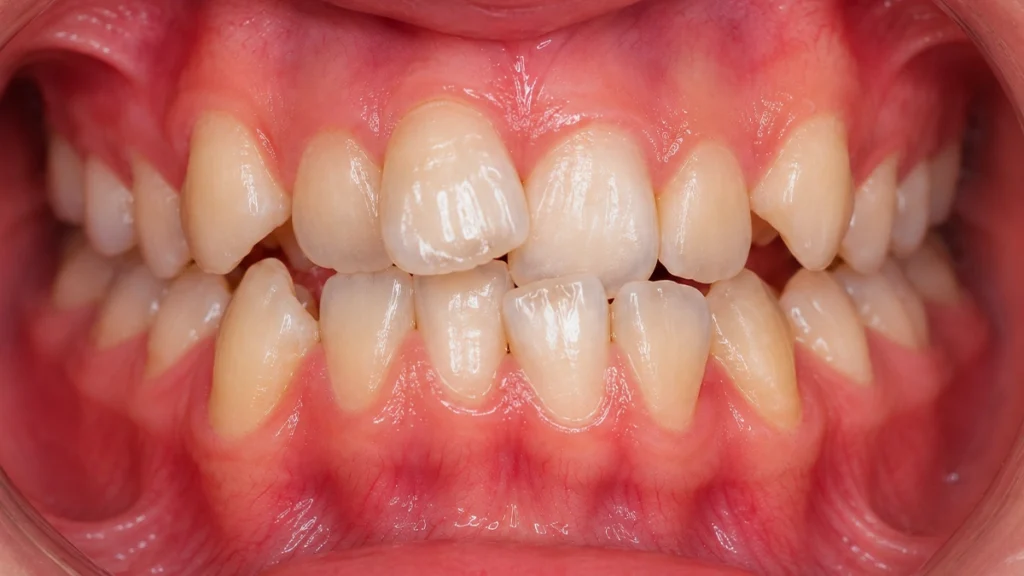
Crowded teeth are among the most common problems treated with Invisalign. Clear aligners gradually create or redistribute space so the teeth can move into better alignment.
Mild Crowding
Mild crowding usually requires relatively small movements to guide the teeth into more even positions.
Moderate Crowding
Moderate crowding may require additional space, sometimes through careful arch expansion or creating small amounts of space between selected teeth.
Overlapping Front Teeth
Overlapping front teeth can often be treated with Invisalign, although significantly rotated teeth may require attachments for better control.
Crowding Combined With Bite Problems
When crowding occurs with an overbite, crossbite, or another bite issue, treatment should address both alignment and bite balance.
Can Invisalign Fix Gaps Between Teeth?
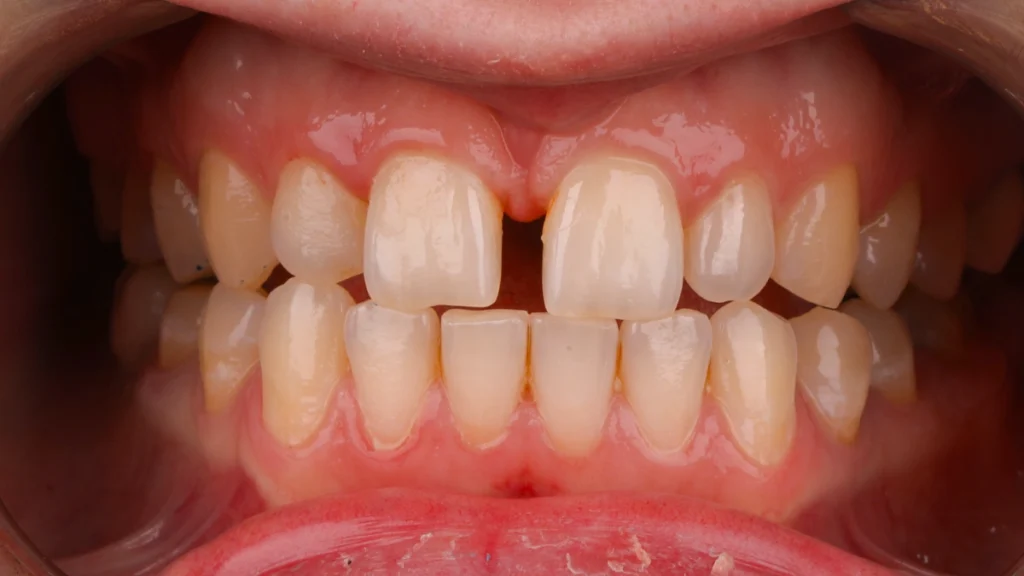
Yes, Invisalign can close many gaps by gradually moving neighboring teeth toward each other. The size and cause of the space influence treatment planning.
Small Gaps
Small spaces are often suitable for clear aligner treatment and may require relatively simple movements.
Wide Spaces Between Teeth
Larger spaces may also be treated, although additional planning may be needed to maintain balanced tooth proportions and a stable bite.
Front Tooth Gaps (Diastema)
A gap between the upper front teeth, known as a diastema, can often be closed with Invisalign. Tooth size, gum tissue, and other contributing factors should also be considered.
Maintaining Results After Treatment
Retainers are important after closing gaps because teeth can gradually shift again. Wearing them as recommended helps maintain the result.
Can Invisalign Fix a Crossbite?
Invisalign can correct many dental crossbites by gradually repositioning the upper and lower teeth. Treatment depends on the teeth involved and whether the problem affects the wider dental arches.
Front Crossbite
A front crossbite occurs when one or more upper front teeth sit behind the lower teeth. Invisalign may correct this when enough space is available.
Posterior Crossbite
A posterior crossbite affects teeth at the sides or back of the mouth. Some cases respond to aligners, while larger jaw-width differences may require additional treatment.
How Invisalign Corrects Bite Alignment
The aligners coordinate the upper and lower teeth so they fit together more naturally instead of moving only the visibly misaligned tooth.
Can Invisalign Fix an Open Bite?
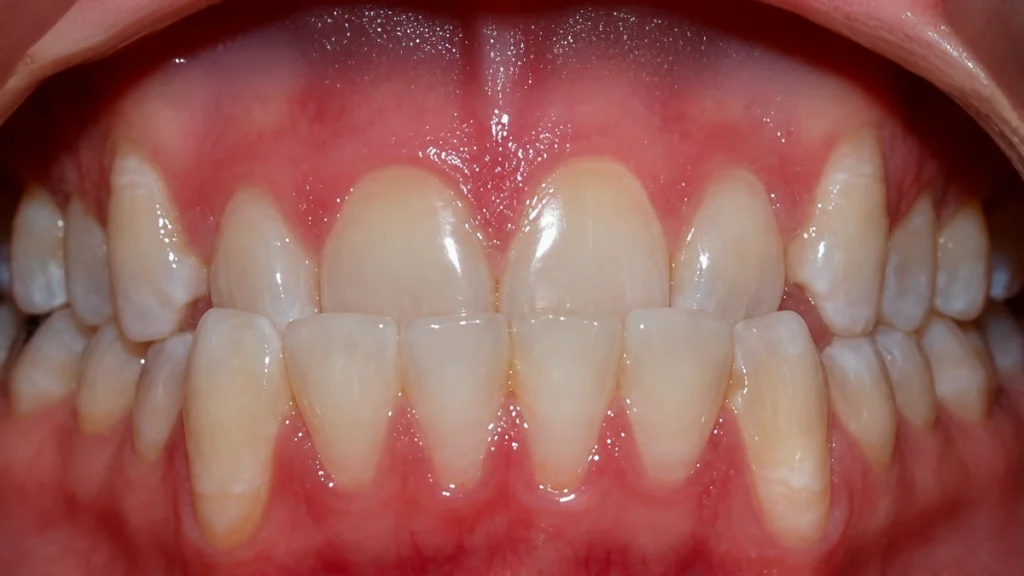
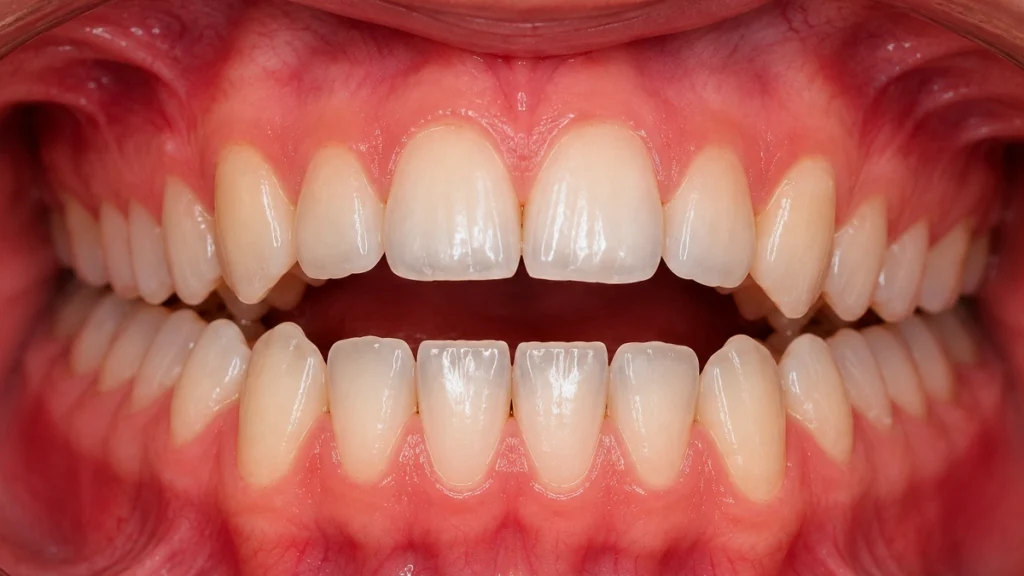
Invisalign can treat some open bites, particularly when tooth position is a major factor. Because open bites can have several causes, careful assessment is important.
Why Open Bites Develop
An open bite occurs when some upper and lower teeth do not touch when the mouth is closed. Causes may include tooth position, jaw growth, tongue posture, or long-term oral habits.
Invisalign for Mild to Moderate Open Bites
Clear aligners can move teeth vertically and adjust their angles to improve contact between the upper and lower arches in suitable cases.
When Additional Treatment May Be Needed
Complex open bites involving significant jaw differences or persistent functional factors may require additional orthodontic treatment or surgical assessment.
Request pricing
By sending, you agree we may contact you on WhatsApp with pricing.
Got it! We’ll WhatsApp you the pricing shortly.
Can Invisalign Fix a Dental Midline Shift?
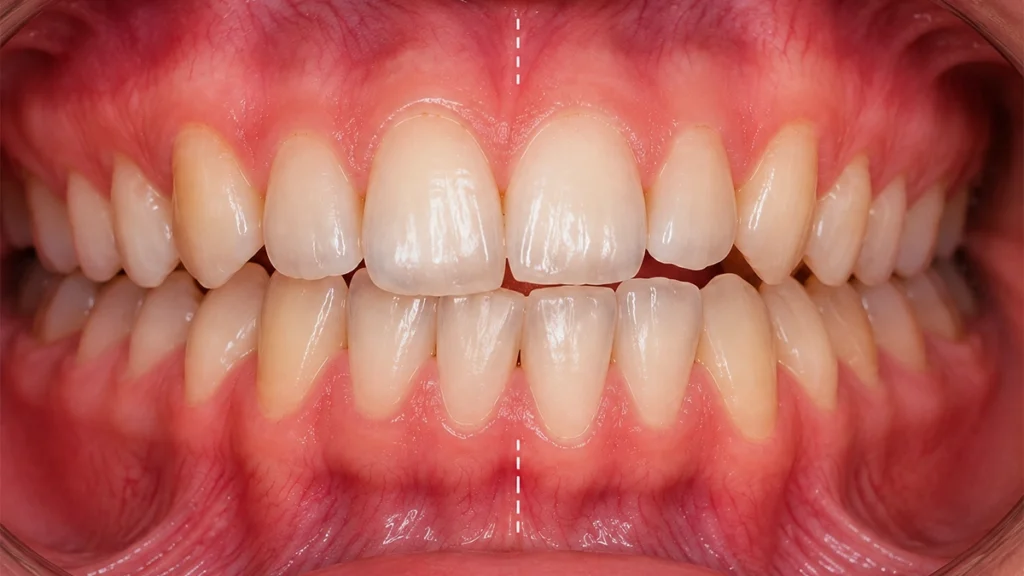
Invisalign can correct many dental midline discrepancies when the shift is mainly caused by uneven tooth position or space distribution.
What Is a Midline Shift?
A dental midline shift occurs when the line between the upper or lower front teeth is noticeably off-center.
Correcting Off-Center Teeth
Aligners can move teeth differently on each side to redistribute space and bring the dental midline into a more balanced position.
Bite Balance and Smile Symmetry
The goal is not always perfect visual symmetry. Treatment also considers how comfortably and functionally the teeth meet.
Can Invisalign Fix Crooked, Rotated, or Protruding Teeth?
Invisalign can correct many individual tooth-position problems, although some movements respond more predictably than others. Tooth shape, available space, and the degree of rotation can all influence treatment.
Crooked Teeth
Invisalign can usually move crooked teeth gradually into better positions through a planned sequence of aligners.
Rotated Teeth
Invisalign can treat many rotated teeth, but larger rotations may require attachments or additional orthodontic techniques.
Protruding Teeth
Invisalign may move protruding teeth backward when enough space is available and the surrounding gums and bone can safely support the movement.
Buck Teeth
“Buck teeth” usually refers to prominent upper front teeth or increased overjet. Invisalign may help when tooth position is the main cause, while major jaw discrepancies may need additional treatment.
Upload your photos and receive a free AI-powered preliminary analysis in minutes. No commitment required.
What Can Invisalign Not Fix?
Invisalign can manage many orthodontic problems, but clear aligners alone are not suitable for every case. Complex skeletal conditions and difficult movements may require other approaches.
Severe Skeletal Jaw Problems
Invisalign moves teeth but cannot independently change the size or position of an adult jaw. Significant skeletal discrepancies therefore need a broader treatment assessment.
Complex Orthodontic Cases
Major tooth rotations, difficult root movements, severe crowding, or complex bite problems may sometimes be treated more predictably with braces or a combined approach.
Cases That May Need Surgery
Severe skeletal underbites, open bites, jaw asymmetry, and other major jaw discrepancies may require orthognathic surgery alongside orthodontic treatment.
Why a Professional Assessment Is Essential
Photographs alone cannot show the full bite, root positions, bone support, or jaw relationship. A professional examination is needed to determine whether Invisalign can work predictably.
Read more: Braces vs Veneers in Turkey: 2026 Cost & Best Option
How Do You Know If Invisalign Can Fix Your Case?
The most reliable way to know whether Invisalign is suitable is to have a dentist or orthodontist assess your teeth, bite, and jaw relationship.
Clinical Examination
During the examination, the dentist or orthodontist checks tooth alignment, gum health, available space, bite contacts, and other factors that could affect treatment. The clinician may also need to address existing dental problems before starting orthodontic treatment.
Digital Smile Scan
A digital scan creates a detailed three-dimensional representation of the teeth and their current positions. The scan gives the clinician the information needed to design the aligners and plan how different teeth should move during treatment.
Bite Analysis
Bite analysis examines how the upper and lower teeth meet rather than focusing only on whether the smile appears straight. This is particularly important for patients with overbites, underbites, crossbites, open bites, or noticeable asymmetry.
Invisalign Consultation in Turkey
An Invisalign consultation in Turkey should include a full assessment rather than simply provide a price or treatment duration. At Marina Clinic, our dental team considers your individual alignment, bite, dental health, and treatment goals before recommending clear aligners.
Personalized Treatment Planning
Once the clinician completes the examination and digital records, they can map the sequence of tooth movements and determine whether you may need attachments, elastics, refinements, or other techniques. This detailed planning also allows the clinician to estimate treatment duration more accurately for your individual case.
Read more: How Much Does Invisalign Cost in Turkey in 2026? Prices, Treatment Time & Quotes
Why Treatment Planning Matters More Than the Type of Bite
Knowing that you have an overbite, crowded teeth, or a crossbite is only the beginning of orthodontic diagnosis. Successful Invisalign treatment depends on understanding the cause of the problem and planning each tooth movement in relation to the rest of the bite.
Every Smile Is Unique
The same visible problem can result from different combinations of tooth position, available space, jaw structure, and facial proportions. For this reason, one patient’s Invisalign plan should never be assumed to apply to another patient with a similar-looking smile.
Digital Orthodontic Planning
Digital planning allows the clinician to determine which teeth should move, in what direction, and in what sequence. The predicted movements then guide the design of the aligners, while professional monitoring is used to check whether treatment is progressing as intended.
Long-Term Stability
Finishing treatment with straight-looking teeth is not the only objective. A well-planned result should also consider bite function and stability, followed by an appropriate retention plan to help maintain the corrected tooth positions.
Which treatment are you interested in?
FAQ
Yes. Invisalign can correct many mild to moderate overbites, while more complex cases may need attachments, elastics, or additional treatment.
Yes. Invisalign commonly treats crowded and overlapping teeth by creating space and gradually improving alignment.
Yes. Invisalign can close many small and moderate gaps, although larger spaces may need more detailed treatment planning.
Invisalign can treat some underbites, particularly when tooth position causes the problem. Severe skeletal cases may need other orthodontic treatment or jaw surgery.
Yes. Invisalign can correct many dental crossbites, depending on the teeth involved and the severity of the problem.
Invisalign alone may not correct severe skeletal jaw discrepancies or certain complex orthodontic movements. These cases may need braces, combined treatment, or jaw surgery.
Your orthodontist or dentist can use a clinical examination, digital scan, and bite assessment to determine whether Invisalign can safely achieve the movements your case requires.
Treatment time depends on the complexity of the case, the amount of movement required, how consistently you wear your aligners, and whether you need refinement aligners.