
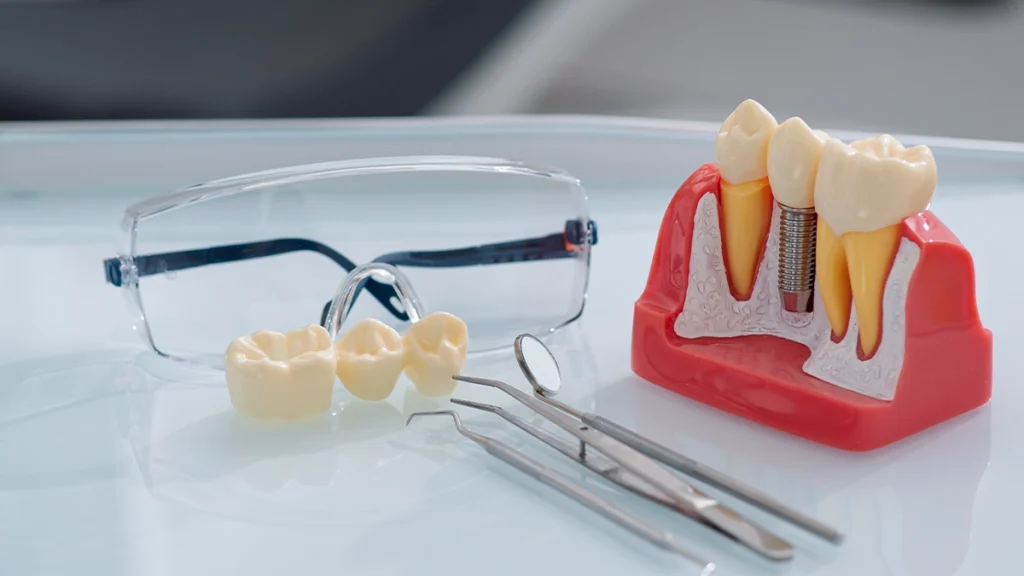
Dental implants are designed to provide a stable, long-term replacement for missing teeth, but their lifespan is not determined by the implant alone. The quality of treatment, bone and gum health, oral hygiene, smoking, bite forces, implant system, crown material, and regular maintenance can all influence how well an implant performs over time.
Quick Answer: How Long Do Dental Implants Last?
Dental implants can function successfully for decades when they are properly planned, placed, and maintained. Long-term research on modern implant systems commonly reports survival above 90% at 10 years. The implant fixture inside the jaw may remain stable much longer than the crown or bridge attached to it, which can eventually need repair or replacement because of wear or mechanical complications.
How Long Do Dental Implants Last?
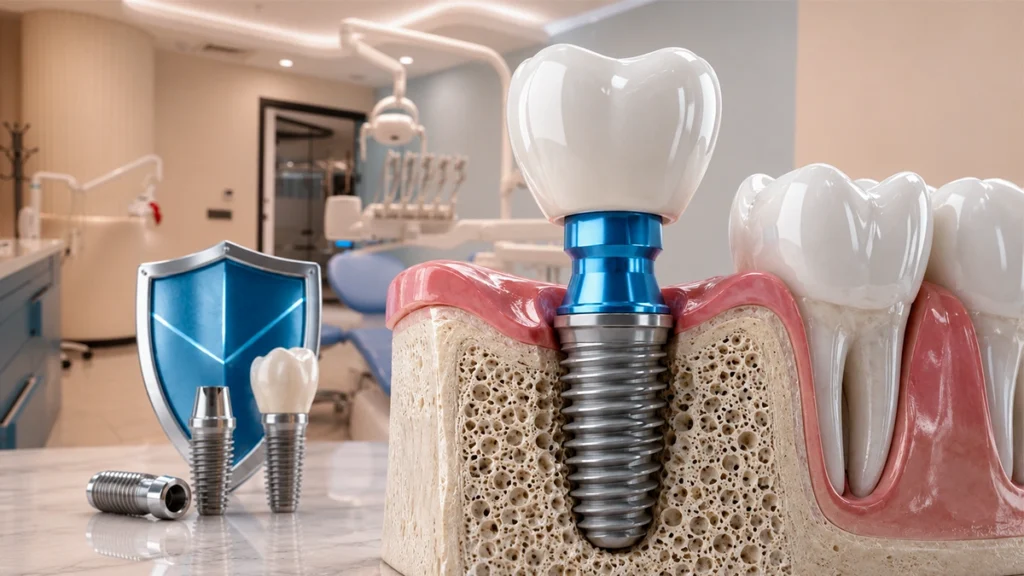
The lifespan of a dental implant is easier to understand when the implant fixture and the visible restoration are considered separately.
Implant Fixture vs Crown Lifespan
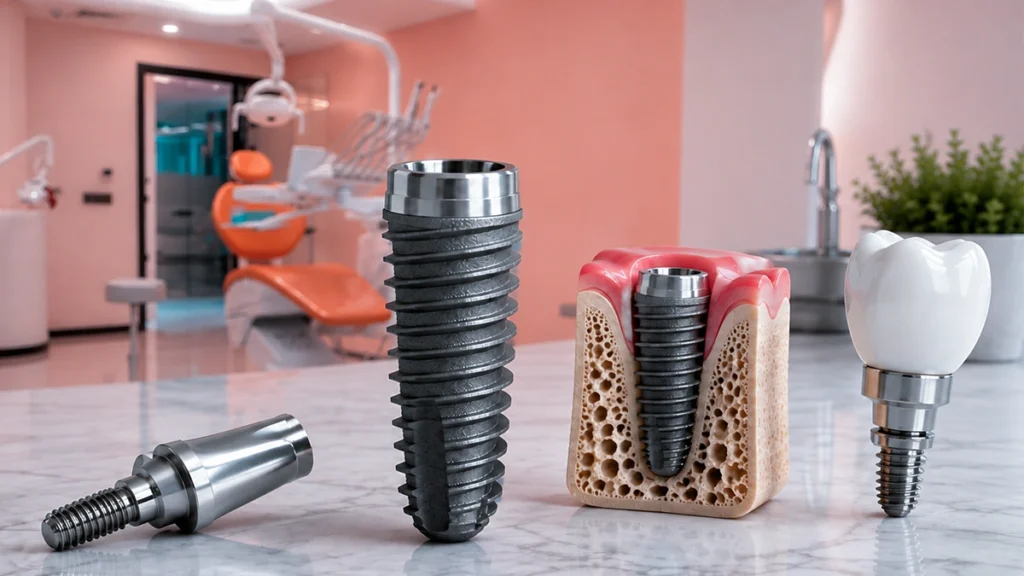
The implant fixture can remain functional for decades when it stays healthy and well integrated with the jawbone. The crown may need repair or replacement sooner because of wear, chipping, or loosening.
Average Long-Term Survival of Dental Implants
Research suggests dental implant survival is around 93–96% at 10 years, depending on how follow-up data are analyzed. For this reason, implant lifespan should be viewed as a probability rather than a guarantee.
What Determines Implant Longevity?
Long-term success depends on factors such as bone and gum health, implant position, bite forces, smoking, oral hygiene, overall health, prosthetic design, and regular professional care.
Start a Conversation
Contact us through the communication method that suits you





Do Dental Implants Last Forever?
Dental implants are intended for long-term use, but no dentist or implant manufacturer can promise that an implant will last forever.
Why No Implant Has a Guaranteed Lifetime
Bone, gums, overall health, and restorations can change over time, so even successful implants require ongoing monitoring.
Biological and Mechanical Factors
Inflammation, peri-implant disease, smoking, plaque buildup, and mechanical problems affecting the crown, screw, or abutment can reduce implant longevity.
Why Maintenance Matters
Regular dental checkups help monitor the gums, bone, bite, crown, and implant components, supporting long-term implant health.
Which Dental Implant Brands Last the Longest?
Patients often compare implant brands when trying to choose a durable treatment, but long-term success cannot be ranked by brand alone.
Why Implant Brand Matters
Established implant systems may offer strong clinical documentation, precise manufacturing, tested surface technologies, compatible components, and easier access to replacement parts. These advantages can be especially valuable many years after treatment.
Straumann Dental Implants
Straumann has substantial long-term clinical documentation. Research involving more than 1,600 Straumann tissue-level implants followed for up to 10 years reported generally stable marginal bone levels, supporting its long clinical track record.
Nobel Biocare Dental Implants
Nobel Biocare also has a long history in implant dentistry, with well-documented restorative and full-arch protocols. Published studies include follow-up of around 10 years for selected Nobel-related treatment concepts.
Other Established Implant Systems
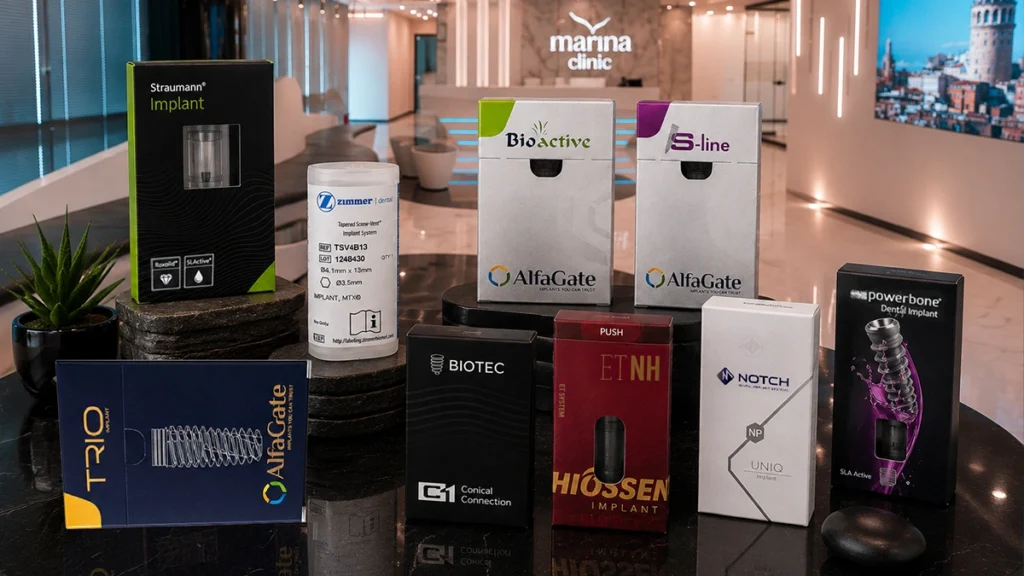
Other systems, including Zimmer, Hiossen, and Alfa Bio, may also be suitable depending on the case. Component availability, treatment planning, and the dentist’s experience with the system are also important.
Why There Is No Universal “Best” Brand
No single implant brand lasts the longest in every situation. Bone anatomy, implant position, restoration design, bite force, oral hygiene and clinician experience can all significantly influence long-term results.
Does Implant Brand Affect Durability?
The implant system can affect certain aspects of treatment quality and long-term maintenance, although the brand alone cannot predict implant lifespan.
Manufacturing Precision
Accurate manufacturing is important because the implant, abutment, screw and restoration need to connect precisely. Well-established implant systems generally use tightly controlled manufacturing processes designed to maintain component consistency.
Implant Surface Technology
Modern implant surfaces are designed to support the biological process through which bone integrates with the implant. Surface design is therefore one consideration when the dentist selects an implant for a particular bone condition and treatment plan.
Prosthetic Component Compatibility
Implants depend on compatible abutments, screws and restorative components. Using a documented implant system can make it easier to identify and replace these components if maintenance or repair is needed later.
Long-Term Availability of Components
An implant may remain in the mouth for decades, so future access to compatible components matters. A widely supported implant system can make long-term repairs and prosthetic maintenance easier if a crown, abutment or screw eventually needs attention.
Titanium vs Zirconia Dental Implants
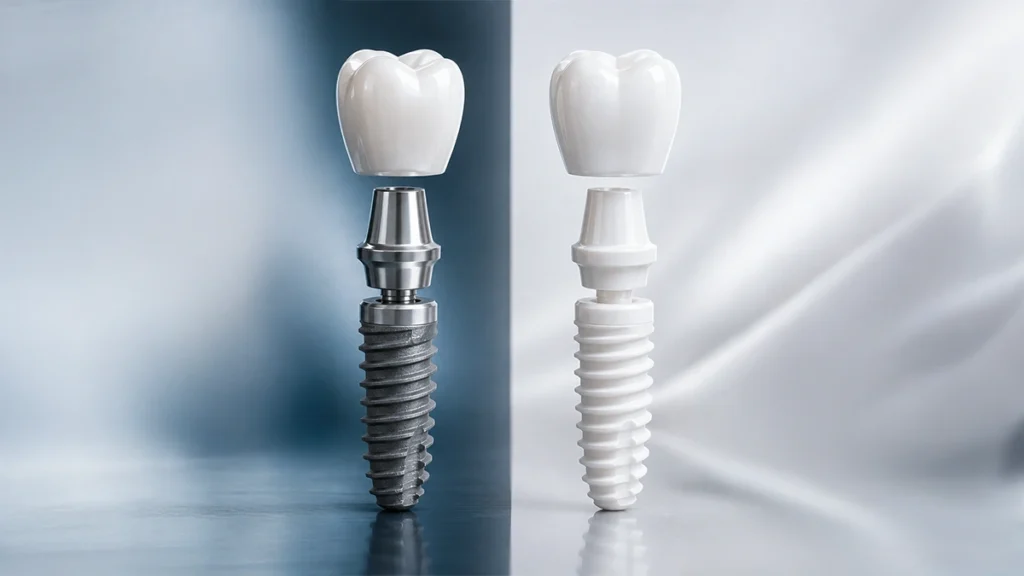
Both titanium and zirconia are used in implant dentistry, but they differ in clinical history, design options and the amount of long-term evidence available.
Titanium Dental Implants
With decades of clinical use, titanium remains the most extensively studied dental implant material. Its mechanical strength, biocompatibility and extensive long-term documentation make it a standard choice for many implant treatments.
Zirconia Dental Implants
Zirconia implants provide a metal-free alternative and may be considered in selected clinical or aesthetic situations. Available systems and prosthetic designs can be more limited than with titanium.
Durability and Clinical Evidence
Current comparative research generally provides a stronger and longer evidence base for titanium. Zirconia implants can perform successfully, but studies comparing the two materials indicate that longer-term evidence for zirconia remains more limited.
Which Material May Be More Suitable?
The choice should be based on bone anatomy, restoration type, aesthetic requirements, implant position, bite forces and individual preferences. A dentist should evaluate these factors rather than choosing an implant material based on one advantage alone.
Upload your photos and receive a free AI-powered preliminary analysis in minutes. No commitment required.
Why Do Dental Implant Prices Vary?
Dental implant prices vary because treatment includes much more than the implant fixture itself, and two quotes may contain very different services and materials.
Implant Brand
Premium implant systems generally cost more because of manufacturing, research, component systems, international distribution and long-term product support.
Surgeon Experience
Treatment cost can also reflect the clinician’s experience and the complexity of surgical planning. Precise implant positioning is important for both biological health and the final restoration.
Diagnostic Imaging and Planning
X-rays, CBCT scans and digital treatment planning may be required to evaluate bone volume, anatomical structures and the planned implant position before surgery.
Bone Grafting and Additional Procedures
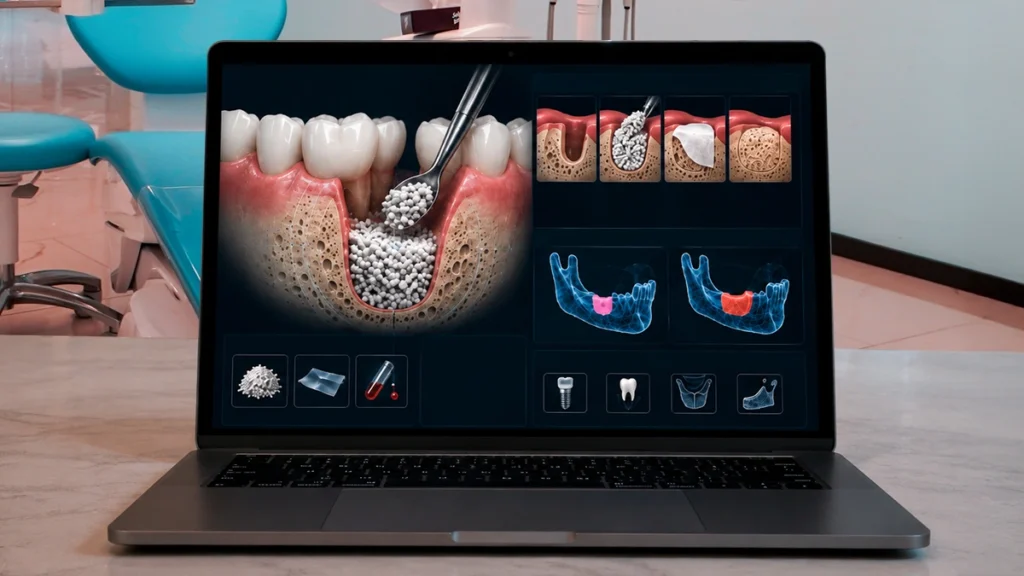
Some patients need extraction, bone grafting, sinus lifting or other procedures before or during implant placement. These steps add treatment time and cost but may be necessary to create suitable support.
Crown Material
The final crown or bridge has its own material and manufacturing cost. Zirconia, ceramic and other restorative options may differ in price, aesthetics and technical characteristics.
Laboratory Quality
Implant crowns and bridges require precise laboratory work. Fit, bite design, contact points and restoration quality can influence comfort and the amount of maintenance required later.
Follow-Up Care
A complete treatment plan may also include examinations, bite adjustments and post-treatment monitoring. Patients should check whether these services are included when comparing prices.
| Factor | Effect on Cost | Potential Effect on Longevity |
| Implant Brand | High | Moderate |
| Surgeon Experience | High | High |
| Implant Material | Medium | Moderate |
| Crown Material | Medium | High |
| Bone Quality | High | High |
| Oral Hygiene | Low | Very High |
| Smoking | Low | Very High |
| Maintenance | Low | Very High |
These categories are general guidance rather than guarantees. In particular, smoking has been associated with a significantly higher risk of early implant failure, while the effect of implant brand depends strongly on the complete clinical situation.
Request pricing
By sending, you agree we may contact you on WhatsApp with pricing.
Got it! We’ll WhatsApp you the pricing shortly.
Dental Implant Prices by Brand in Turkey (2026)
In Turkey, dental implant prices vary based on the implant brand, treatment complexity, restorative materials and any additional procedures required. To give you a clearer idea of the cost, the figures below provide an indicative price guide for different implant systems.
Implant Price Range by Brand
The implant brand can affect treatment cost in Turkey. The table below shows indicative 2026 prices in Turkey for the implant fixture only, before the cost of any additional restorative or surgical procedures.
| Implant Brand | Indicative Price |
| Alfa Gate M+ / Treo | €250 |
| Alfa Bio Active | €650 |
| Hiossen | €650 |
| Zimmer | €850 |
| Nobel | €950 |
| Straumann | €1,000 |
These prices do not represent the total cost of a fully restored dental implant. Additional costs may include the abutment, crown, imaging, or other procedures.
What Is Included in the Treatment Price?
Dental implant quotes can vary depending on the treatment plan. Patients should confirm whether the quoted price includes:
- Implant fixture
- Abutment
- Crown or bridge
- CBCT imaging
- Temporary restoration
- Follow-up visits
- Any additional procedures required
Factors That May Increase Treatment Cost
The final cost may increase if you need additional treatment, such as tooth extraction, bone grafting, sinus lifting, more complex surgery, additional implants or premium restorative materials. Your dentist can determine the complete price after a clinical examination and radiographic evaluation.
Read more: Dental Implants Cost in Turkey 2026: Full Price Breakdown
Request pricing
By sending, you agree we may contact you on WhatsApp with pricing.
Got it! We’ll WhatsApp you the pricing shortly.
Are Cheap Dental Implants Worth It?
An affordable dental implant is not automatically a poor-quality implant, just as an expensive implant does not automatically guarantee a better outcome.
Looking Beyond the Lowest Price
Patients should first understand what the price represents. A lower price may reflect local operating costs, a different implant system or a straightforward clinical case rather than reduced treatment quality.
What’s Sometimes Excluded From Very Low Quotes?
Very low advertised prices may sometimes cover only the implant fixture. Clinics may charge separately for other parts of treatment, including:
- Abutment
- Crown
- CBCT imaging
- Extraction
- Bone grafting
- Temporary tooth
- Follow-up care
Comparing Complete Treatment Plans
The most useful comparison looks at complete written treatment plans. Marina’s implant pricing reference also separates the implant fixture price from the total treatment cost, since patients may still need additional restorative or surgical procedures.
Read more: Dental Implants in Turkey 2026: Types, Prices in EUR & USD, and Best Brands
How Implant Quality Influences Long-Term Success
Implant quality is important, but it works together with correct diagnosis, surgical placement, prosthetic design and patient maintenance.
Implant Surface Design
Modern surface designs are intended to support predictable integration between the implant and surrounding bone. The appropriate surface and implant design depend on the clinical situation.
Connection Stability
The connection between the implant and abutment must tolerate repeated chewing forces. Accurate components and appropriate tightening help create a stable restorative connection.
Prosthetic Precision
A well-designed crown or bridge should fit accurately and distribute bite forces appropriately. Poor fit or excessive forces can contribute to loosening, chipping or other technical problems.
Long-Term Maintenance
Quality also includes what happens after surgery. Documentation of the implant system, access to original or compatible components and professional follow-up can make future maintenance easier.
Read more: Understanding Dental Implants: What You Need to Know (2026 Guide)
How Often Do Dental Implants Need Replacing?
Healthy dental implants do not follow a routine replacement schedule. Dentists decide whether treatment is necessary based on the implant’s condition rather than its age alone.
Implant Fixture
A stable implant does not normally require replacement simply because it has been in place for many years. Long-term studies show that many implants continue to function well beyond 10 years.
Crown Replacement
The crown may need attention before the implant fixture because chewing forces act directly on it. Long-term studies show high crown survival but also report complications such as chipping, loss of retention and screw loosening.
Abutments and Small Components
An abutment or prosthetic screw may occasionally loosen, wear or require replacement while the implant itself remains healthy. Knowing which implant system your dentist used can therefore make future repairs and maintenance easier.
Signs Replacement May Be Needed
A dentist should assess persistent pain, swelling, bleeding, pus, movement, a fractured restoration or a noticeable change in the bite. Seek professional evaluation promptly if the implant fixture itself feels mobile.
How to Compare Dental Implant Quotes
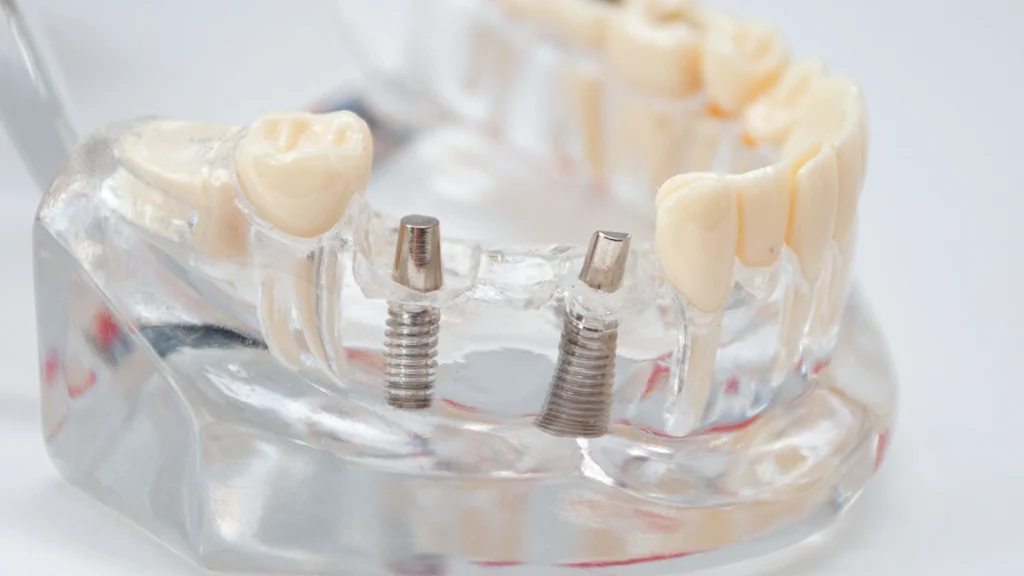
Comparing dental implant prices correctly means looking at the complete treatment rather than one headline figure.
Confirm the Implant Brand
Ask for the exact manufacturer and implant system. This information helps with documentation, future component identification and long-term maintenance.
Ask About Crown Material
Confirm what type of crown or bridge the quote includes, as the final restoration represents a significant part of the treatment and may differ between providers.
Understand What Is Included
Check whether the quote covers the implant, abutment, crown, imaging, temporary teeth, extraction and any additional procedures, or charges for them separately.
Review Follow-Up Care
Ask what follow-up care the clinic provides after implant placement and after fitting the final crown. Regular visits can help identify bite problems, gum inflammation or technical complications early.
Long-Term Maintenance Support
Ask how the clinic handles future maintenance if the crown, screw or abutment requires repair or replacement.
Questions to Ask When Comparing Dental Implant Quotes
When comparing dental implant quotes, the following questions can help you determine whether you are comparing similar levels of treatment, materials and long-term support.
| Question | Why It Matters |
| Which implant brand is used? | Long-term support |
| Is the implant documented? | Authenticity and identification |
| Which crown material is included? | Restoration longevity |
| Are original components used? | Future maintenance |
| Are follow-up visits included? | Long-term care |
| What happens if repairs are needed? | Ongoing support |
A lower quote may not always offer better value if it excludes important treatment or follow-up costs. Comparing the full plan helps you understand what each quote really includes.
Read more: All‑on‑X Prosthetics Compared: Zirconia vs PFM vs Acrylic – What’s Best?
Which Dental Implant Is Best for You?
The best dental implant is the one that suits your anatomy, health, bite and final restoration rather than simply the most expensive or best-known brand.
Bone Quality
Bone height, width and density can influence implant size, position and the need for grafting. Your dentist may use CBCT imaging when a three-dimensional assessment provides useful information.
Medical History
Your dentist should review medical conditions, medications and smoking history before treatment. Some factors may influence healing or require changes to the timing and planning of surgery.
Bite Forces
Strong bite forces, tooth grinding or clenching can influence restoration design and mechanical loading. Your dentist should assess these factors before choosing the implant and final crown or bridge.
Smile Zone
Implants replacing visible front teeth require careful attention to gum position, bone support, implant positioning and crown design because aesthetic requirements are higher.
Personalized Treatment Planning
No implant system works best for every patient. At Marina Clinic, the dental team chooses the most suitable option after evaluating the bone, gums, bite, missing tooth position, restorative needs and treatment goals.
Upload your photos and receive a free AI-powered preliminary analysis in minutes. No commitment required.
FAQ
With proper treatment and care, dental implants can last for decades. However, longevity varies between patients.
Not necessarily. Their lifespan depends on oral health, hygiene, bite forces, treatment quality and maintenance.
No single brand is proven to last the longest for everyone. Established systems such as Straumann and Nobel Biocare have strong long-term clinical histories.
Not necessarily. Implant longevity depends more on treatment quality, suitability and maintenance than price alone.
Titanium has the longer clinical track record. However, zirconia may also be suitable for selected patients, depending on their individual clinical needs.
Prices can be lower because operating, laboratory and treatment costs differ between countries. The full treatment package should still be compared carefully.
There is no fixed replacement schedule. A crown may last many years before wear, damage or other problems require repair or replacement.
Compare the implant brand, crown material, included procedures, follow-up care and maintenance. Also check whether the price covers the complete restored implant or only the implant fixture.