
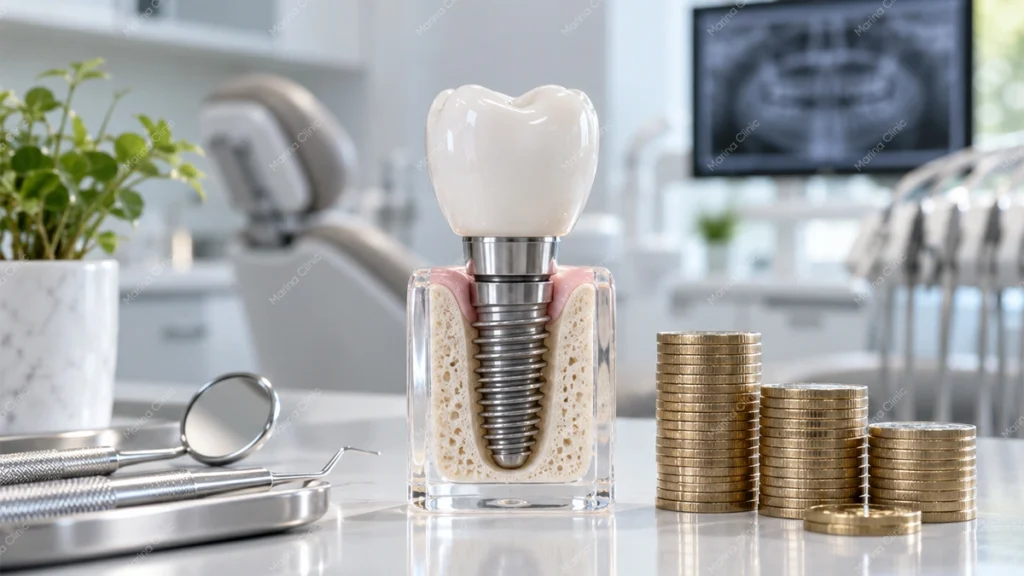
Dental implants can restore missing teeth, but their cost may make treatment feel out of reach. Fortunately, choosing affordable dental implants does not have to mean accepting unsafe materials, rushed planning, or an unnatural result. The key is to understand where clinics can reduce costs responsibly and where cutting corners may create future problems. By comparing the implant system, diagnostic process, restoration, clinician experience, and aftercare, patients can identify a treatment plan that protects both their budget and long-term oral health.
Are Affordable Dental Implants Worth It?
Affordable dental implants do not automatically mean lower quality. The overall value of treatment depends on factors such as the implant brand, the dentist’s experience, treatment planning, diagnostic imaging, laboratory quality, and long-term follow-up care. Comparing complete treatment plans—not just the advertised price—helps patients make informed decisions and achieve predictable long-term results.
What Are Affordable Dental Implants?
Affordable treatment provides the care a patient actually needs at a reasonable total price. It should reduce unnecessary expenses without weakening essential clinical standards.
Affordable vs Cheap Dental Implants
Affordable dental implants balance cost, safety, function, and long-term support. In contrast, the phrase cheap dental implants often describes an offer promoted mainly through a very low starting price. That offer may still be appropriate, but patients need to check whether it includes the implant fixture, abutment, crown, imaging, medication, and follow-up visits.
Why Lower Cost Doesn’t Always Mean Lower Quality
Clinics in different countries may have different staffing, laboratory, rent, and operating costs. As a result, inexpensive dental implants can sometimes use reputable materials and careful treatment protocols while costing less than similar care elsewhere. Lower pricing becomes concerning when it comes from incomplete diagnostics, unsuitable components, weak infection-control procedures, or limited aftercare.
What Patients Should Compare Beyond Price
Compare the clinician’s implant experience, diagnostic process, proposed dental implant brands, restoration material, laboratory standards, hygiene protocol, and follow-up policy. Patients should also examine how clearly the clinic explains risks, alternatives, healing stages, and possible extra costs. These details reveal more about implant quality than a promotional number does.
Start a Conversation
Contact us through the communication method that suits you





Why Are Dental Implant Prices Different?
No single price applies to every patient because implant treatment contains several clinical and restorative stages. The final cost reflects the case’s complexity and what the clinic includes in its plan.
Implant Brand
Dental implant brands differ in design, research history, component range, distribution, and pricing. A suitable system should have clear product identification and compatible restorative parts. Ask for the exact brand and model, then keep that information in your dental records in case another dentist needs to maintain or repair the restoration later.
Diagnostic Planning
A clinical examination and appropriate radiographs help the dentist assess the gums, available bone, bite, and nearby anatomical structures. Some patients also need three-dimensional imaging, although the dentist should choose it according to individual clinical needs. Good planning adds to the initial dental implant cost but can reveal challenges before surgery and support safer implant positioning.
Laboratory Quality
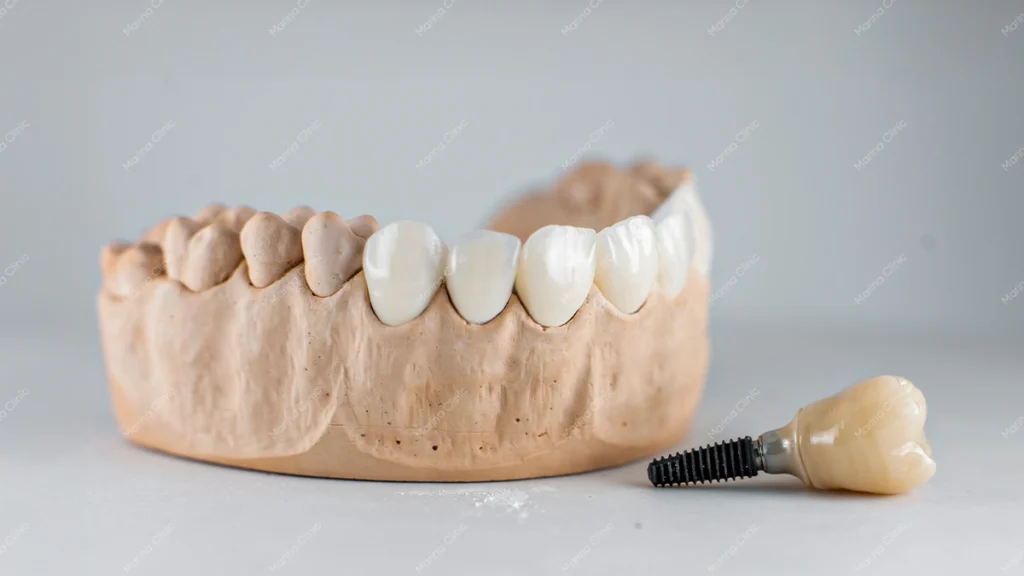
The implant fixture is only one part of the treatment. A dental laboratory also designs the crown, bridge, or denture that fits over it. Accurate impressions or digital scans, suitable materials, natural contours, a balanced bite, and a cleansable design all affect comfort, appearance, and maintenance.
Additional Procedures
Tooth extraction, bone grafting, sinus lifting, gum treatment, temporary teeth, or sedation can change the total price. Not every patient needs these procedures. A reliable plan should explain why each addition is recommended, when it will occur, and how much it will cost.
Follow-Up Care
Implant care continues after surgery and placement of the final restoration. Follow-up appointments allow the dental team to monitor healing, examine the bite, check the surrounding gums, and respond to discomfort or looseness. An offer that excludes aftercare may look cheaper initially but provide less overall value.

What Is Included in an Affordable Dental Implant Treatment Plan?
A complete plan should separate every major treatment stage and its price. This transparency helps patients compare affordable dental implants on equal terms.
Consultation and Digital Assessment
An implant consultation usually begins with a medical and dental history, an examination, and appropriate imaging. The dentist assesses missing teeth, gum health, bone availability, bite forces, and the condition of nearby teeth. The clinic should also explain suitable alternatives, important risks, the estimated timeline, and the expected number of visits.
Implant Surgery
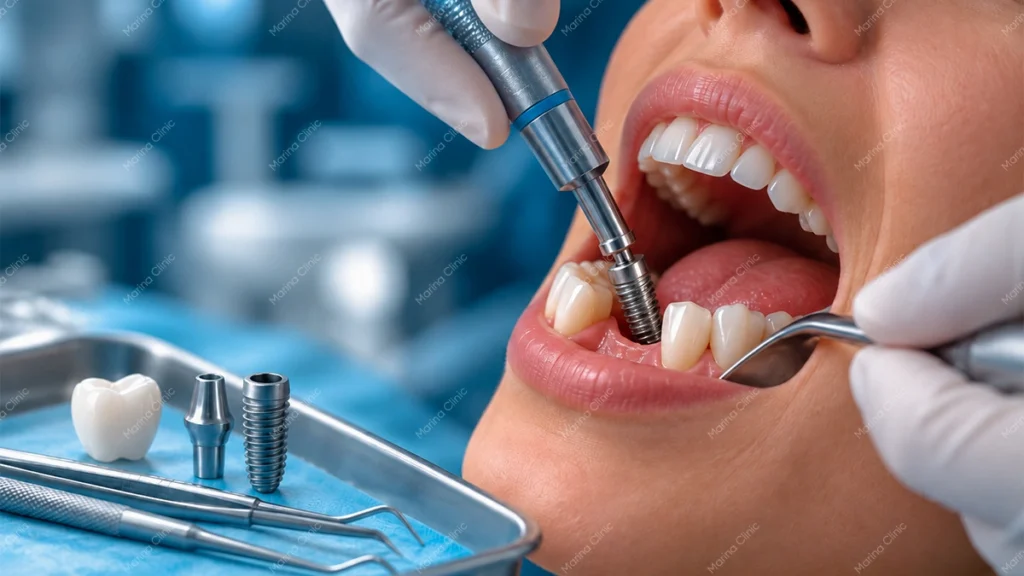
This stage includes placement of the implant fixture into the jawbone under local anesthesia, with sedation only when appropriate and agreed upon. The written plan should identify the implant system, number of implants, surgical fees, and any required extra procedure. It should also state whether the quoted price includes postoperative checks and prescribed medication.
Abutment and Crown
The abutment connects the implant to the visible restoration, while the crown replaces the missing tooth above the gum. Some low-cost dental implants are advertised at a price that covers only the implant fixture. Patients should confirm whether the abutment, crown, laboratory work, temporary restoration, and any custom components appear in the quote.
Follow-Up Visits
Early reviews help the dentist monitor soft-tissue healing and implant stability. Later visits may include scans or impressions, fitting the restoration, adjusting the bite, and checking cleaning access. Before paying, ask how many follow-up appointments the clinic includes and what happens if an adjustment becomes necessary.
Long-Term Maintenance
Dental implants require daily cleaning and regular professional assessment, just like natural teeth require ongoing care. The exact maintenance schedule depends on gum health, cleaning ability, smoking, medical conditions, and previous periodontal disease. Budgeting for preventive visits can help protect both the implant and the surrounding tissues.
Request pricing
By sending, you agree we may contact you on WhatsApp with pricing.
Got it! We’ll WhatsApp you the pricing shortly.
Affordable Dental Implants vs Premium Implant Systems
The difference between an affordable and a premium system is not simply “bad versus good.” The best choice depends on the clinical situation, restorative plan, available components, and dentist’s familiarity with the system.
Implant Materials
Manufacturers commonly use titanium or zirconia-based materials for dental implant systems. Material name alone does not determine whether one option suits a particular patient. The dentist must also consider system design, supporting evidence, bone conditions, restoration type, medical history, and any relevant sensitivities.
Manufacturing Standards
Reputable systems should meet the medical-device rules and recognized manufacturing standards that apply in the market where they are supplied. Patients can ask whether the system has traceable product information and approved components. An unusually low fee deserves closer review if the clinic will not disclose what it plans to use.
Long-Term Component Availability
Implant-supported teeth may eventually need a new screw, abutment, or restoration even when the implant remains stable. A system with identifiable, accessible components can make future maintenance easier. Ask the clinic how it records the product details and whether replacement components are likely to remain available through recognized distributors.
When Premium Brands May Be Recommended
A dentist may suggest a premium system when a complex case requires a broader component range, a specific restorative connection, or stronger local technical support. However, a higher price does not automatically guarantee a better result. The recommendation should connect to the patient’s clinical needs rather than brand reputation alone.
Read more: Dental Implants Cost in Turkey 2026
Upload your photos and receive a free AI-powered preliminary analysis in minutes. No commitment required.
How to Compare Dental Implant Quotes
The safest comparison places the same treatment stages side by side. A detailed dental implant quote makes exclusions and potential extra charges easier to recognise.
Confirm the Implant Brand
Ask for the full manufacturer, system, and model rather than accepting a general phrase such as “European implant” or “premium implant.” Confirm whether the proposed parts come from the same system or include compatible third-party components. After treatment, request a record or implant passport containing the product details.
Ask What Is Included
Before comparing prices, confirm whether the dental implant quote includes:
- Clinical examination and diagnostic imaging
- Implant fixture and surgical placement
- Healing component and abutment
- Temporary restoration, when needed
- Final crown, bridge, or denture
- Dental laboratory fees
- Prescribed medication
- Follow-up visits and adjustments
For treatment abroad, also confirm the required number of visits, expected length of stay, and aftercare arrangements.
Understand Additional Costs
A quote should list known additional procedures and explain which costs can only be confirmed after examination or imaging. Ask about grafting, extractions, sinus lifting, sedation, temporary restorations, and treatment for existing gum disease. Also review the policy for adjustments, component replacement, and managing complications after you return home.
Compare Total Treatment Value
Total value combines clinical suitability, transparent pricing, restoration quality, communication, and continuing care. One quote may cost more because it includes stages that another clinic charges for separately. Compare like with like, and do not let a small deposit or limited-time offer replace a careful clinical decision.

When Full-Mouth Dental Implants Can Still Be Affordable
Replacing every missing tooth with a separate implant is not always necessary. Some patients can restore a full arch using fewer implants to support a larger prosthesis.
Implant-Supported Bridges
An implant-supported bridge can replace several adjacent teeth with fewer implants, potentially reducing surgery and component costs. The number and position of implants still depend on bone, bite forces, bridge design, and cleaning access.
All-on-4 and All-on-6 Solutions
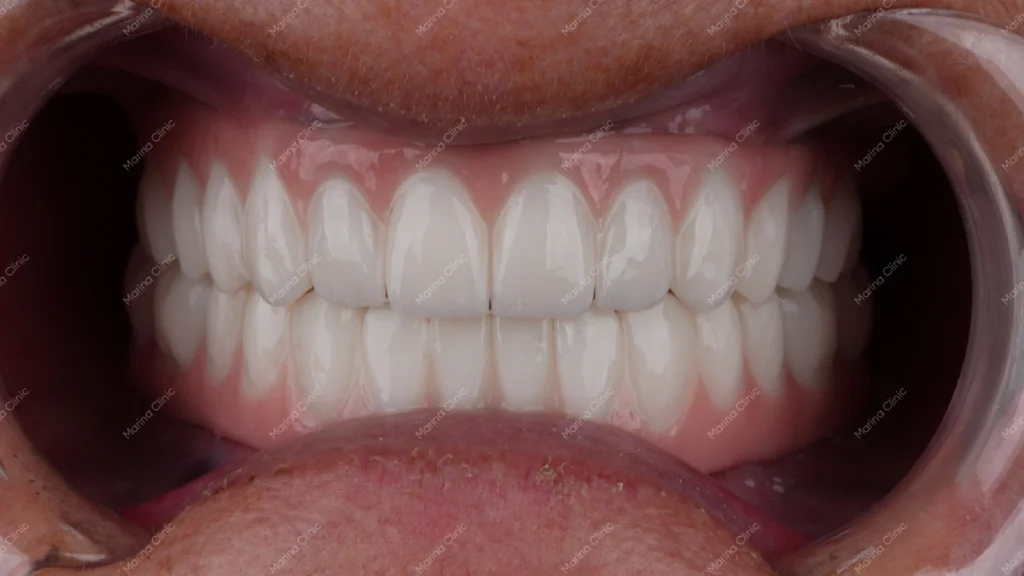
All-on-4 and All-on-6 use four or six implants to support a full-arch restoration. They may provide a cost-effective option for suitable patients, depending on bone distribution, anatomy, bite, health, and prosthetic space.
Personalized Treatment Planning
Patients with similar numbers of missing teeth may still need different treatment. Individual planning helps direct the budget toward procedures that are clinically necessary rather than a fixed package.
How Dentists Help Patients Balance Cost and Quality
A responsible dentist aims for the simplest treatment that can safely meet the patient’s clinical and functional needs.
Choosing the Right Implant System
The dentist considers bone conditions, implant position, restoration type, component availability, and experience with the system. A more affordable implant may work well for a routine case, while complex situations may require another option.
Prioritizing Long-Term Success
Long-term success depends on implant positioning, healthy gums, restoration design, bite forces, cleaning access, oral hygiene, and professional maintenance. Saving on non-essential extras is reasonable, but essential clinical care should not be reduced.
Avoiding Unnecessary Procedures
Good planning does not add grafting, extra implants, or premium components without a clinical reason. Patients should ask about the purpose, alternatives, benefits, and limitations of every proposed step.
Creating a Personalized Treatment Plan
The final plan should reflect oral health, medical history, priorities, travel possibilities, and budget. When several suitable options exist, the dentist can compare their costs, maintenance needs, and limitations.
Read more: How Long Do Dental Implants Last?
Request a Personalized Dental Implant Quote
Online prices provide a starting point, but only an individual assessment can determine the treatment a patient may actually need.
What Information to Prepare
Prepare recent dental radiographs or scans if available, a list of missing or problematic teeth, relevant medical conditions, current medication, and previous dental treatment. Photographs can support an initial remote review but cannot replace an in-person examination. If you are considering affordable dental implants in Turkey, also provide your expected travel dates and length of stay.
What Happens During Your Consultation
The dentist examines the teeth and gums, reviews medical factors, assesses the bite, and selects any necessary imaging. The consultation should also cover treatment alternatives, implant system, healing stages, possible additional procedures, risks, maintenance, and expected results.
Understanding Your Written Treatment Plan
A written plan should identify the number and location of implants, implant brand, restoration type, treatment stages, timeline, inclusions, exclusions, and payment terms. Review each item before accepting the quote.
Which treatment are you interested in?
FAQ
Yes, affordable dental implants can be reliable when treatment includes proper assessment, a suitable implant system, careful placement, a quality restoration, and continuing maintenance.
Prices may differ because of local operating expenses, laboratory costs, wages, exchange rates, and package structures, not because of treatment quality alone.
Price alone cannot predict longevity. Planning, implant selection, placement, restoration design, oral hygiene, smoking, health factors, and professional maintenance all influence outcomes.
Check the dentist’s experience, diagnostic process, implant brand, restoration materials, infection-control standards, included services, possible extra fees, and follow-up policy.
No. Lower prices may reflect operating costs or package structure, but patients should confirm the system, treatment stages, materials, and aftercare before deciding.
Yes. Implant-supported bridges, removable implant-retained dentures, or All-on-4 and All-on-6 concepts may reduce costs for suitable patients after a complete assessment.
Usually not. Compare the complete plan, clinician experience, implant system, restoration, possible additional charges, and long-term care instead of the advertised starting price.
Complete a clinical examination with appropriate imaging so the dentist can assess your teeth, gums, bone, bite, health, and need for additional procedures.