
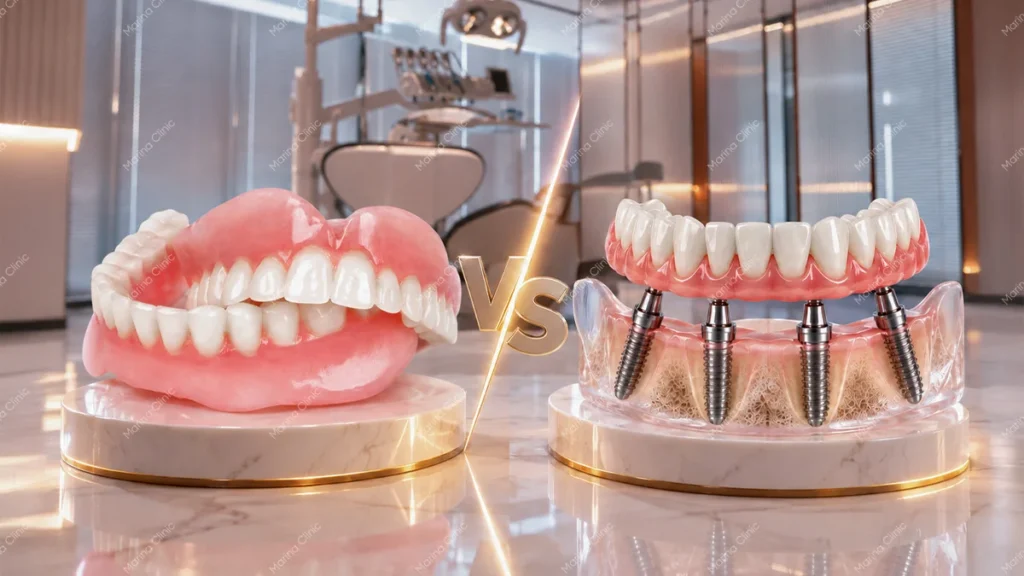
Replacing a full arch of missing teeth is about more than restoring your smile. It also affects how comfortably you eat, speak, and manage your daily routine. Snap-on dentures vs All-on-4 is a common comparison for patients considering implant-supported teeth. Both treatments offer greater stability than conventional dentures, but they differ in design, maintenance, and cost. Understanding these differences can help you choose a solution that fits your needs.
Should You Choose Snap-On Dentures or All-on-4?
All-on-4 is generally better for patients who want fixed teeth, while snap-on dentures may suit those who prefer a removable, easier-to-clean, and more affordable option. Both treatments use dental implants to improve stability, but neither is automatically the best choice. Your bone condition, oral hygiene, lifestyle, budget, and treatment expectations determine which approach is more appropriate.
Snap-On Dentures vs All-on-4: What Is the Main Difference?
The main difference is how the replacement teeth attach to the implants and whether patients can remove them at home.
Removable vs Fixed Teeth
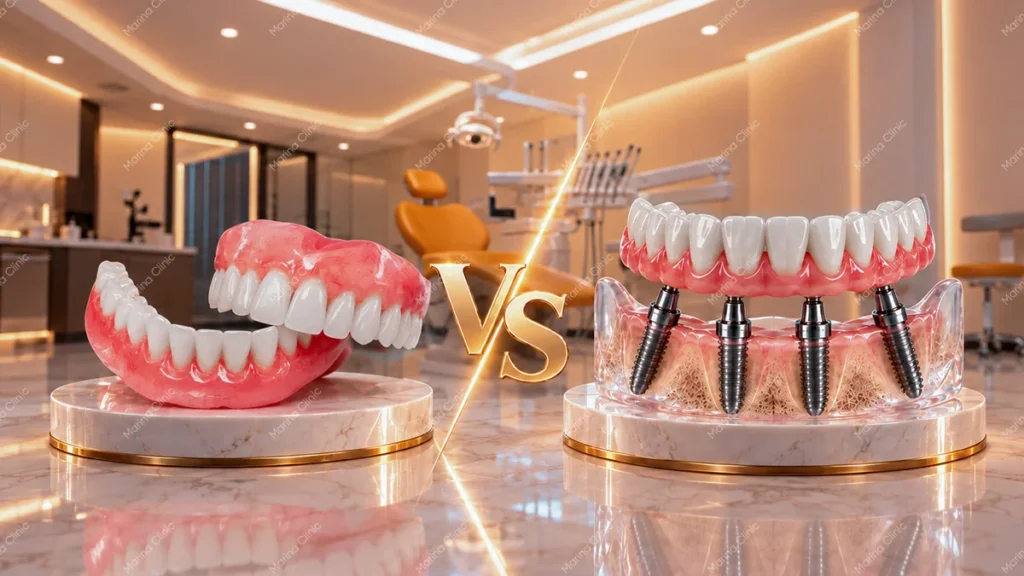
Snap-on dentures attach to implants through special connectors and can be removed at home. All-on-4 uses a fixed full-arch bridge supported by four implants. Only a dental professional can remove it, making it feel more like natural, fixed teeth.
Number and Role of Implants
Snap-on dentures commonly use two to four implants in the lower jaw, while the upper jaw often requires four or more. All-on-4 uses four strategically positioned implants to support a fixed bridge. The exact number depends on bone anatomy, jaw location, and restoration design.
Daily Wear and Maintenance
Patients remove snap-on dentures daily to clean the prosthesis and attachments. All-on-4 remains fixed and requires careful brushing and cleaning beneath the bridge. Both need professional maintenance, although their daily cleaning routines differ.
Stability and Chewing Function
Both improve retention compared with conventional dentures. However, All-on-4 generally feels more stable because the bridge stays fixed. Snap-on dentures may move slightly during chewing, depending on their fit, design, and attachment system.
Start a Conversation
Contact us through the communication method that suits you





Understanding Snap-On Dentures and All-on-4
Both treatments use dental implants to replace missing teeth, but their prosthetic designs differ.
What Are Snap-On (Implant-Retained) Dentures?
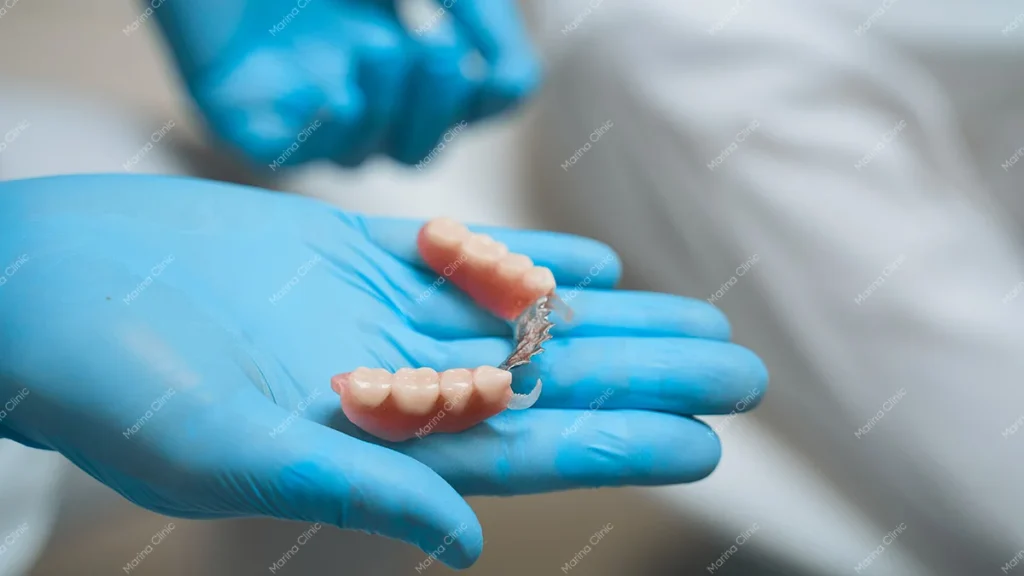
Snap-on dentures, also called implant-retained overdentures, are removable teeth that connect to implants through locator-style attachments, bars, or other retention systems. Depending on their design, they receive support from implants, gums, or both. Patients can remove them independently for cleaning.
What Are All-on-4 Dental Implants?
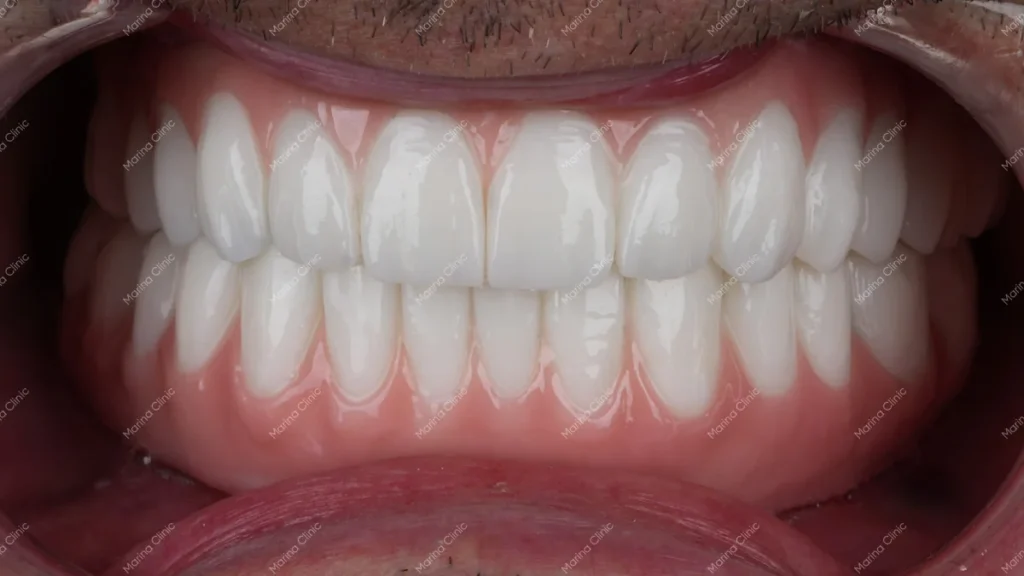
All-on-4 is a full-arch rehabilitation concept using four implants to support a fixed bridge. Typically, two implants sit toward the front and two are angled toward the back to maximize available bone. Eligible patients may receive a temporary fixed bridge shortly after surgery, followed by a final restoration after healing.
How the Two Treatments Differ
Snap-on dentures use attachments designed for repeated removal, while All-on-4 uses a fixed framework secured to the implants. Consequently, their cleaning methods, materials, repair procedures, and treatment costs differ.
Which Option Feels More Stable?
Stability is a major consideration for patients who have experienced discomfort or movement with conventional dentures.
Chewing Efficiency
Both treatments improve chewing compared with traditional dentures. All-on-4 may provide greater confidence when eating firmer foods because the bridge cannot lift from its attachments. However, properly fitted snap-on dentures can also restore effective chewing.
Speech
Both restorations can improve speech, although patients may need time to adapt. All-on-4 eliminates movement associated with removable dentures, while snap-on dentures provide secure retention. Speech also depends on tooth positioning, prosthesis thickness, and available tongue space.
Comfort
All-on-4 may feel more natural to patients who prefer fixed teeth. However, some snap-on dentures provide additional gum and lip support, which benefits patients with significant tissue loss. Proper fit remains essential for either option.
Confidence During Daily Activities
Patients concerned about dentures moving while talking, laughing, or eating may prefer All-on-4. Its fixed design provides stability without daily removal. Nevertheless, snap-on dentures also improve confidence by reducing unwanted movement.
Cleaning and Maintenance
Snap-on dentures are generally easier to clean outside the mouth, allowing direct access to attachments. All-on-4 requires cleaning around and beneath the bridge using brushes, floss, or water irrigation. Both need a prosthetic design that supports effective hygiene.

Request pricing
By sending, you agree we may contact you on WhatsApp with pricing.
Got it! We’ll WhatsApp you the pricing shortly.
Implant-Supported Dentures vs All-on-4: Which Is Better?
The better choice depends on your priorities for comfort, convenience, maintenance, and long-term use.
Long-Term Comfort
All-on-4 may suit patients who dislike removing dentures or having a denture base resting against their gums. Snap-on dentures can also be comfortable, especially when they provide additional tissue support. Both may need adjustments over time.
Lifestyle Considerations
Patients with active lifestyles or frequent public speaking may appreciate All-on-4’s fixed design. Others prefer snap-on dentures for their removable structure and easier cleaning. After healing and adjustment, both should support normal daily activities.
Maintenance Requirements
Snap-on dentures may require replacement retention inserts, adjustments, or relining. All-on-4 avoids removable attachments but may need repairs involving teeth, screws, or bridge components. Therefore, fixed does not mean maintenance-free.
Patient Preferences
Some patients prioritize fixed teeth despite higher costs, while others prefer affordability and simpler cleaning. Dentists should explain both options so patients can make informed decisions without compromising clinical suitability.
Upload your photos and receive a free AI-powered preliminary analysis in minutes. No commitment required.
Snap-On Dentures vs All-on-4 Cost: What Should You Compare?
Snap-on dentures generally cost less initially, but the final price depends on the complete treatment plan.
Implant Number
Implant quantity affects surgical costs but does not determine the total alone. A two-implant lower overdenture may cost less than a four-implant fixed bridge. However, extractions, bone grafting, or additional implants can increase either treatment’s price.
Attachment System
Snap-on dentures use individual attachments or connecting bars, each with different component and laboratory costs. All-on-4 requires specialized connections for its fixed bridge. Patients should confirm which components their quote includes.
Temporary Prosthesis
Some All-on-4 plans include a temporary fixed bridge shortly after surgery when implant stability permits. Snap-on denture patients may use an existing or temporary removable denture during healing. Always confirm temporary restoration costs.
Final Restoration
The final prosthesis significantly affects treatment costs. Snap-on dentures commonly use acrylic-based structures, sometimes reinforced with metal. All-on-4 bridges may use acrylic, composite, zirconia, or other materials. Each affects durability, appearance, cost, and repair options.
Maintenance and Replacement Parts
Snap-on dentures may need replacement inserts, repairs, or relining. All-on-4 can involve more expensive bridge or framework repairs. Both require regular implant examinations and professional cleaning, so maintenance fees should be considered.
Long-Term Value
The lowest initial price does not always provide the best value. Compare restoration materials, maintenance needs, and potential repairs. All-on-4 may justify its higher cost for patients seeking fixed teeth, while snap-on dentures offer good function at a lower starting price.
Request pricing
By sending, you agree we may contact you on WhatsApp with pricing.
Got it! We’ll WhatsApp you the pricing shortly.
Which Option Lasts Longer?
Both treatments can function successfully for many years, although implant survival and prosthesis lifespan are separate considerations.
Implant Longevity
Implants used in either treatment can remain functional for many years with healthy surrounding tissues. Longevity depends on placement, oral hygiene, regular examinations, and individual risk factors. Neither treatment guarantees lifetime implant survival.
Prosthetic Wear
Prosthetic teeth and materials can wear, chip, stain, or fracture. Snap-on dentures may need relining or replacement, while All-on-4 bridges may require repairs or eventual replacement. Lifespan depends on materials, bite forces, and maintenance.
Attachment Maintenance
Snap-on denture attachments gradually wear through repeated removal and insertion, requiring occasional replacement. All-on-4 has no removable retention inserts, but its screws and restorative components still need periodic inspection.
Oral Hygiene
Poor cleaning increases plaque buildup, inflammation, and the risk of peri-implantitis, which can cause bone loss. Snap-on dentures allow easier access after removal, while All-on-4 requires cleaning beneath the bridge. Consistent hygiene is essential for both.
Smoking, Alcohol, and Bruxism
Smoking increases implant complication risks and can delay healing. Heavy alcohol use may affect recovery, while bruxism adds pressure to prosthetic components. Patients with these habits may need closer monitoring, protective appliances, or treatment adjustments.

Who Is the Best Candidate for Each Treatment?
Suitability depends on bone support, oral health, medical history, and the restoration required.
When Snap-On Dentures May Be Recommended
Snap-on dentures may suit patients seeking better retention than conventional dentures without choosing a fixed bridge. They are also suitable for some patients with limited budgets, those preferring removable teeth, or individuals needing easier cleaning access.
When All-on-4 May Be Recommended
All-on-4 may suit patients missing all or most teeth in one arch who prefer fixed replacements. Candidates need suitable bone anatomy, adequate implant stability, and the ability to maintain daily hygiene and attend regular examinations.
Bone Availability
Bone height, width, density, and distribution affect implant placement. All-on-4 uses angled posterior implants to maximize available bone and may reduce grafting needs in selected cases. However, severe bone loss can complicate either treatment and require alternative implant positions or additional procedures.
Medical Considerations
Uncontrolled diabetes, untreated gum disease, certain medical conditions, or medications affecting bone healing may require further evaluation. These factors do not always prevent treatment but can influence healing, implant risks, and restoration choices.
Treatment Expectations
Patients should consider their priorities for appearance, chewing, speech, and maintenance. Those seeking fixed teeth may prefer All-on-4, while patients valuing removable access or additional tissue support may benefit from snap-on dentures.
Read more: All-on-4 Dental Implants Cost and Procedure: Is This the Right Full-Arch Treatment for You?
How Does a Dentist Decide Between Snap-On Dentures and All-on-4?
Dentists combine clinical findings with each patient’s functional needs, preferences, and long-term goals.
Clinical Examination
The dentist evaluates the gums, remaining teeth, soft tissues, and overall oral health. Infections, failing teeth, or poorly fitting dentures may affect planning and indicate a need for extractions or periodontal treatment.
CBCT Scan and Bone Assessment
A cone-beam computed tomography (CBCT) scan provides three-dimensional images of the jawbone and surrounding structures. It helps assess bone availability, plan implant positions, and identify anatomical limitations involving nerves or sinuses.
Bite Analysis
The dentist examines jaw relationships, chewing forces, and available prosthetic space. A balanced bite helps distribute pressure across implants and restorations. Patients who grind their teeth or have limited space may need specific design adjustments.
Lip and Facial Support
Tooth loss and bone resorption can reduce lip and facial support. Some removable dentures replace lost tissue volume, while fixed bridges have different limitations. Dentists evaluate facial proportions, smile lines, and lip positions before recommending treatment.
Oral Hygiene Ability
The dentist assesses whether patients can effectively clean around implants and beneath a fixed bridge. Limited hand dexterity or difficulty using cleaning tools may make removable dentures more practical. However, both require consistent hygiene and professional follow-up.
Budget and Long-Term Goals
Treatment planning includes restoration materials, potential repairs, maintenance visits, and future replacements. Considering these factors helps patients compare long-term expenses alongside stability, appearance, and daily convenience.
Read more: Full Mouth Dental Implants in Istanbul: Cost and Treatment Process
Which Full-Arch Solution Is Right for You?
Choosing between snap-on dentures and All-on-4 becomes easier when you understand the clinical and practical differences.
Questions to Ask During Your Consultation
Before deciding, ask your dentist:
- Am I a suitable candidate for both treatments?
- How many implants will I need, and why?
- Will I need bone grafting or tooth extractions?
- What materials will be used for my final teeth?
- What maintenance and repair costs should I expect?
- What is included in the treatment quote?
These questions help you compare clinical suitability, overall costs, and long-term care.
Why Personalized Treatment Planning Matters
Patients with similar tooth loss may need different treatments because of differences in bone anatomy, bite, facial support, and oral health. Personalized planning helps ensure the restoration provides adequate support, allows proper cleaning, and meets functional and aesthetic goals.
Request a Customized Full-Arch Treatment Plan
At Marina Clinic in Istanbul, patients considering snap-on dentures or All-on-4 can receive an individualized assessment. A consultation helps clarify implant requirements, restoration materials, expected maintenance, and overall costs before making a decision.
Final Verdict
All-on-4 often suits patients seeking fixed, stable replacement teeth, while snap-on dentures provide a removable, generally more affordable alternative with easier cleaning. Both can improve chewing, comfort, and confidence when properly planned and maintained. However, the best choice depends on bone condition, bite, oral hygiene, lifestyle, and budget. At Marina Clinic in Istanbul, clinical assessment and digital treatment planning help identify the most appropriate full-arch solution.
Which treatment are you interested in?
FAQ
Snap-on dentures attach to implants but remain removable. All-on-4 uses four implants to support a fixed bridge that only a dentist removes.
All-on-4 generally feels more stable because the bridge is fixed. However, properly designed snap-on dentures also provide secure retention and effective chewing.
Snap-on dentures are generally easier to clean because patients can remove them. All-on-4 requires cleaning beneath and around the fixed bridge.
Yes, snap-on dentures generally have lower initial costs. However, implant numbers, attachments, materials, and maintenance affect the final expense.
Both can last many years. Implant health, restoration materials, bite forces, hygiene, and maintenance determine their long-term performance.
Sometimes, but existing implants must have suitable positions and support. Additional implants or a new treatment plan may be required.
Patients missing most or all teeth in one arch who prefer fixed teeth may qualify if their bone anatomy and general health permit.
Dentists assess bone anatomy, CBCT scans, bite, facial support, hygiene ability, medical history, budget, and treatment expectations before recommending a solution.