
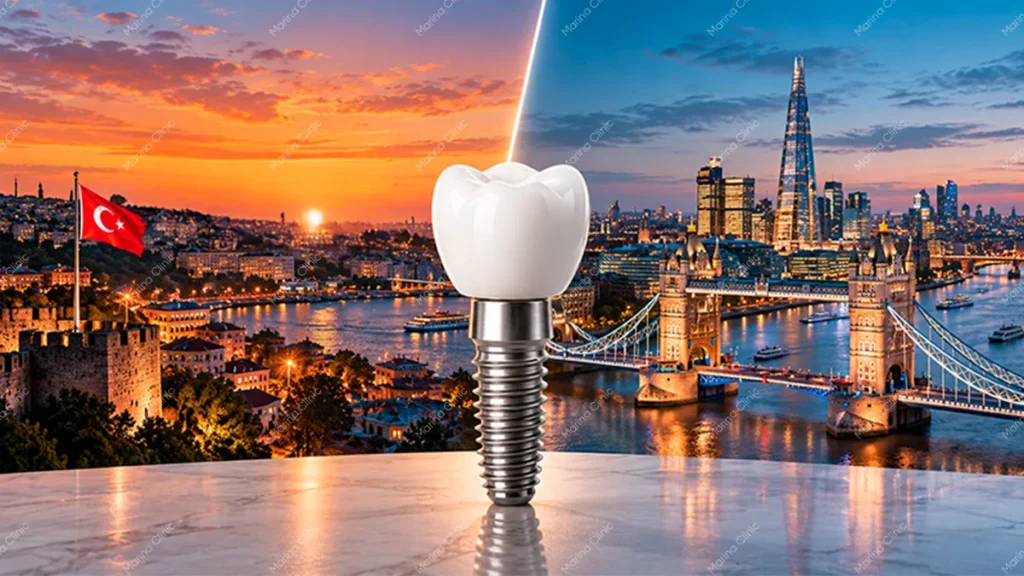
Dental implants in Turkey are often cheaper than in the UK, but treatment prices are only part of the decision. Patients should also compare clinical standards, implant brands, travel expenses, treatment visits, and aftercare. Understanding these differences helps UK patients assess the overall cost and convenience of receiving dental implants abroad.
Are Dental Implants in Turkey Cheaper Than in the UK?
Dental implants in Turkey often have lower treatment prices than in the UK, but the final cost depends on the number of implants, implant brand, bone grafting, and restoration materials. UK patients should also consider flights, accommodation, multiple treatment visits, and aftercare. Both countries have clinics offering advanced implant treatment, but standards and services vary between providers. Comparing complete treatment plans, including guarantees and follow-up arrangements, is more useful than comparing implant prices alone.
Dental Implants in Turkey vs the UK: What Is the Main Difference?
| Factor | Turkey | UK |
| Treatment location | Requires international travel | Usually local |
| Pricing | Often lower treatment fees | Generally higher private fees |
| Treatment visits | May require separate trips | Appointments arranged locally |
| Implant brands | Vary by clinic | Vary by clinic |
| Treatment standards | Depend on provider and regulations | Depend on provider and regulations |
| Follow-up | Remote support or return visits | Easier local access |
| Additional expenses | Flights and accommodation | Domestic transport and time off |
The main difference between dental implants in Turkey and the UK is the balance between affordability and convenience. Turkey may offer lower treatment costs, while UK clinics generally provide easier access to routine appointments and adjustments.
Treatment Pathway and Number of Visits
Dental implant treatment involves examination, implant placement, healing, and final restoration. Patients travelling to Turkey often complete these stages over two trips, while UK patients can schedule appointments locally over several months.
Cost Structure and Package Inclusions
Turkish clinics may offer packages combining dental treatment with accommodation or transfers. UK clinics usually provide treatment-based quotations. Patients should confirm whether the price includes implant fixtures, abutments, temporary teeth, and final restorations.
Follow-Up Access and Long-Term Convenience
UK patients usually have easier access to their treating dentist for reviews and adjustments. After treatment in Turkey, follow-up may involve remote communication, local UK dental care, or a return visit.
Start a Conversation
Contact us through the communication method that suits you





Dental Implant Cost in Turkey vs the UK: What Do Patients Actually Pay?
In Turkey, the cost of dental implants is generally lower than private treatment prices in the UK, particularly for full-mouth procedures. The following approximate price ranges highlight these differences, although actual costs vary depending on treatment complexity and the materials used.
| Treatment Type | Turkey | UK |
| Single implant fixture | €800–€1,000 | Usually not advertised separately from the complete treatment |
| Implant, abutment and crown | Price determined by the selected components and crown | Approximately £2,000–£3,500 for a complete single-tooth implant at private clinics |
| All-on-4 per arch | €3,000–€6,000 | Starting from approximately £9,750 at some providers |
| All-on-6 per arch | €4,000–€7,000 | Starting from approximately £12,500 at some providers |
| Bone grafting or sinus lift | Depends on the procedure | Depends on the procedure |
| Temporary dentures | €180–€230 | Depends on the treatment plan |
| Final bridge | Depends on the number of teeth and materials used | Depends on the number of teeth and materials used |
Single Dental Implant Cost in Turkey vs the UK
A single dental implant fixture in around €800–€1,000, while the total price, including the abutment and crown, depends on the selected components and materials. In the UK, a complete single-tooth implant typically costs around £2,000–£3,500 at private dental clinics.
Full Mouth Dental Implants and All-on-4 Costs
Full-mouth dental implants involve several implants supporting a complete arch of teeth. All-on-4 uses four implants per arch, while All-on-6 uses six. Patients should check whether quotations include the permanent bridge and whether prices cover one or both jaws.
What Is Included in the Implant Price?
Implant packages vary between clinics. Before booking, patients should confirm whether their quotation covers:
- Consultation, X-rays, and CBCT scans.
- Implant surgery and necessary extractions.
- Abutments, temporary teeth, and final restorations.
- Follow-up appointments and adjustments.
- Accommodation and transfers, where advertised.
Additional Treatment Costs Patients Should Consider
Bone grafting, sinus lifts, extractions, gum treatment, and upgraded restoration materials may increase costs. Patients travelling to Turkey should also budget for unexpected treatment changes or additional visits.
Request pricing
By sending, you agree we may contact you on WhatsApp with pricing.
Got it! We’ll WhatsApp you the pricing shortly.
Are Dental Implant Treatment Standards Different in Turkey and the UK?
Dental implant treatment standards depend on the clinic, clinician, and applicable regulations rather than location alone. UK dental professionals are regulated by the General Dental Council, while Turkish providers operate under Turkish healthcare regulations. Patients should verify qualifications, clinical procedures, and facility authorisations before choosing a provider.
Dentist Qualifications and Clinical Experience
Patients should check their dentist’s professional registration, implant training, and experience with similar procedures. Complex treatments, including full-mouth reconstruction and bone grafting, require appropriate clinical expertise.
CBCT Scans and Digital Implant Planning
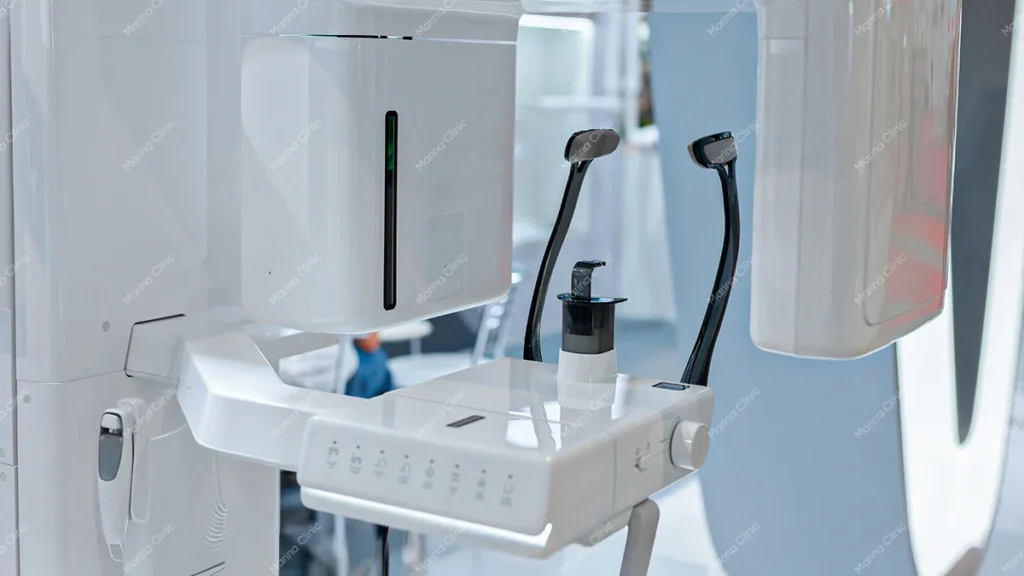
CBCT scans provide three-dimensional images of the jawbone and nearby anatomical structures when clinically required. Digital planning helps dentists assess bone availability, determine implant positioning, and plan restorations.
Sterilization, Surgical Protocols and Laboratory Standards
Clinics should follow appropriate sterilisation, infection-control, and surgical procedures. Patients should also ask about laboratory quality, restoration materials, and the manufacturing processes used for crowns and bridges.
Patient Records, Consent and Treatment Documentation
Patients should receive a written treatment plan explaining procedures, risks, costs, and alternatives. Copies of scans, implant details, and treatment records are particularly important for international patients arranging future care in the UK.
How Many Visits Are Needed for Dental Implants in Turkey vs the UK?
Many conventional dental implant treatments require a surgical visit and a later restorative visit. In Turkey, this often means two trips, while UK appointments can be arranged locally. Additional visits may be necessary for complex procedures or delayed healing.
First Visit: Examination, Extractions and Implant Placement
The first visit usually includes clinical assessment, imaging, necessary extractions, and implant surgery. Temporary teeth may be fitted when clinically appropriate, depending on implant stability and treatment requirements.
Healing Period and Osseointegration
Dental implants typically require approximately two to six months to integrate with the jawbone. Healing times vary according to bone quality, patient health, grafting requirements, and treatment complexity.
Second Visit: Final Crown or Bridge Placement
After sufficient healing, the dentist takes impressions or digital scans and fits the final crown or bridge. Additional adjustments may be needed to achieve a comfortable bite and suitable appearance.
When Is It Safe to Fly After Dental Implant Surgery?
Flying after dental implant surgery depends on recovery and the extent of treatment. Patients undergoing bone grafting or sinus procedures may need additional precautions and should obtain clearance from their treating dentist before travelling.
Upload your photos and receive a free AI-powered preliminary analysis in minutes. No commitment required.
What Is the Total Trip Cost for Dental Implants in Turkey?
The total cost of dental implants abroad includes treatment fees and travel-related expenses. Even when dental implants Turkey packages include accommodation or transfers, patients should calculate the cost of all planned visits and allow for unexpected expenses.
Flights and Airport Transfers
Flight prices depend on departure airport, travel dates, and baggage requirements. Some Turkish clinics include airport transfers, while others charge separately.
Hotel Accommodation and Local Transport
Accommodation costs depend on the length of stay and hotel selection. Patients should confirm whether hotel bookings and transport between the clinic and accommodation are included in their package.
Meals, Companion Expenses and Time Off Work
Meals, companion travel, and time away from work can affect the overall budget. Patients undergoing extensive surgery may also need additional recovery time before resuming normal activities.
Second-Visit and Unexpected Return Travel Costs
A second trip is often needed for permanent teeth. Patients should budget for additional flights, accommodation, and possible unexpected appointments if healing or restoration adjustments require further treatment.
Read more: Dental Tourism in Turkey: What You Need to Know Before Booking
Which Dental Implant Brands and Restoration Materials Should You Compare?
Dental implant brands and restoration materials influence treatment prices, component compatibility, and future maintenance. Both Turkish and UK clinics use different systems, making it important to compare the exact products included in each treatment plan.
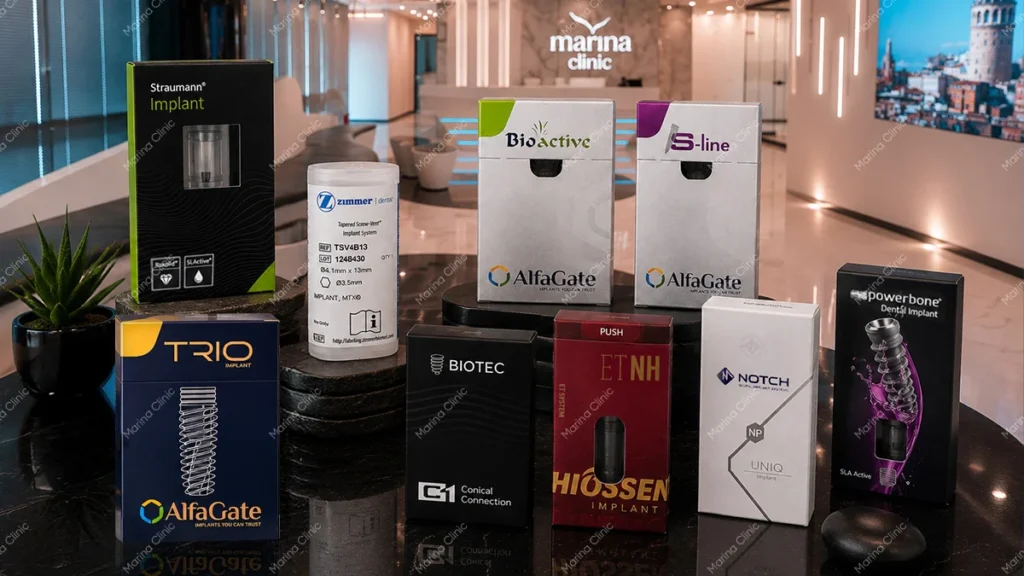
Straumann, Nobel Biocare, Hiossen and Other Implant Systems
Straumann, Nobel Biocare, and Hiossen are established implant manufacturers used by dental professionals internationally. Patients should confirm the specific implant system and whether replacement components are available in the UK.
Implant Fixtures, Abutments and Original Components
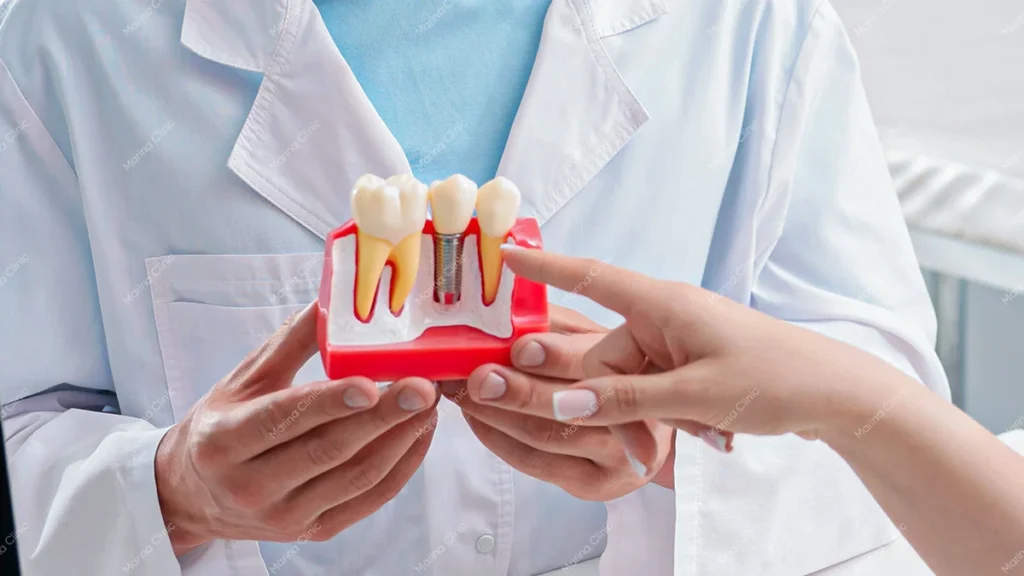
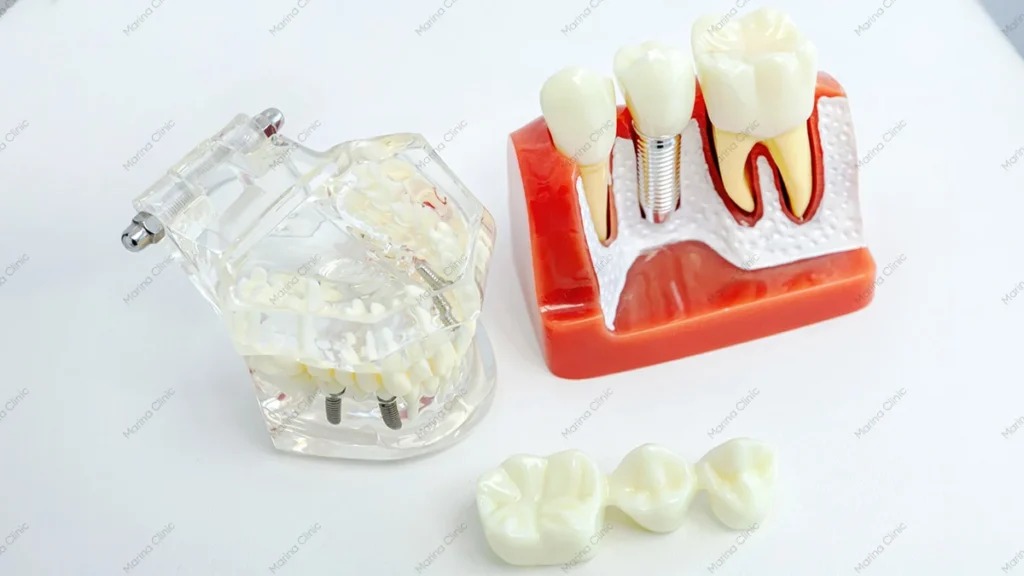
An implant restoration consists of the implant fixture, connecting abutment, and crown or bridge. Patients should ask whether original manufacturer components are used and retain their implant identification records.
Zirconia, Porcelain and Acrylic/Composite Restorations
Zirconia, porcelain-based materials, and acrylic or composite restorations offer different durability, appearance, and repair characteristics. The appropriate material depends on the patient’s bite, treatment requirements, and preferences.
Laboratory Quality and Long-Term Component Availability
Laboratory expertise affects the fit and finish of implant restorations. Patients should confirm where their restorations are manufactured and whether compatible components will remain accessible for future adjustments or repairs.
What Do Dental Implant Guarantees and Follow-Up Actually Cover?
Dental implant warranties vary between clinics and may cover specific implant components or restorative problems. Patients should request written guarantee conditions, including exclusions, maintenance requirements, and responsibility for corrective treatment.
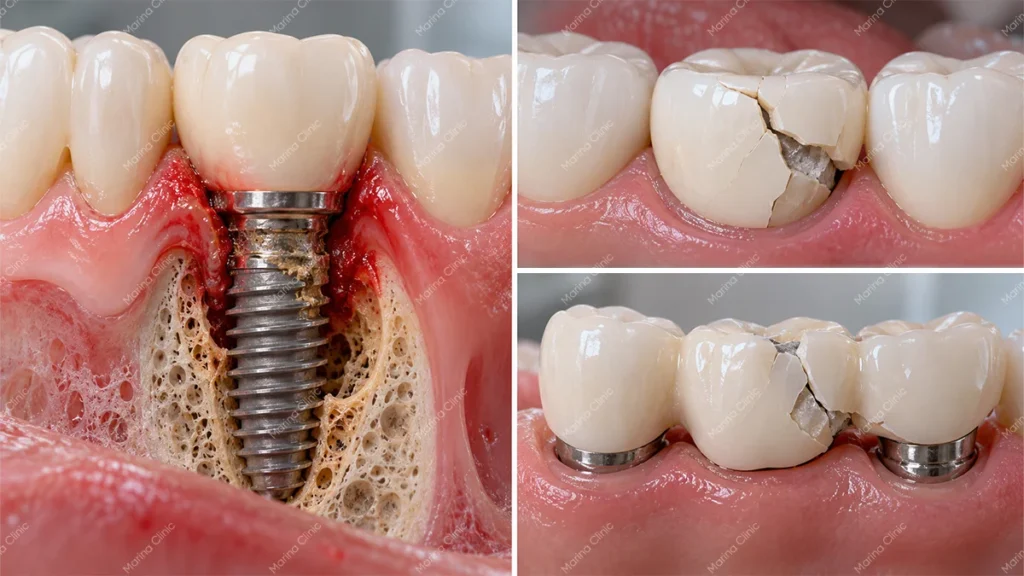
Implant Failure vs Crown or Bridge Damage
Implant failure involves problems with the implant’s integration or stability, while crown and bridge damage affects the restoration. These issues may have different causes, treatment requirements, and warranty coverage.
What Is Usually Excluded From a Guarantee?
Guarantees may exclude accidental damage, poor oral hygiene, normal wear, smoking-related complications, or unauthorised modifications. Patients should check the exact exclusions before accepting treatment.
Routine Reviews and Maintenance Requirements
Dental implants require regular examinations, professional cleaning, and good daily oral hygiene. Some warranties also require documented maintenance appointments to remain valid.
Who Pays for Additional Treatment or Return Travel?
Guarantees may cover certain corrective procedures without covering flights, hotels, or treatment by another dentist. Patients should clarify these responsibilities in writing before travelling.
Request pricing
By sending, you agree we may contact you on WhatsApp with pricing.
Got it! We’ll WhatsApp you the pricing shortly.
What Happens If Your Implant or Bridge Needs Adjustment After Returning to the UK?
Dental implant aftercare in the UK may be necessary if a restoration becomes uncomfortable, loose, or damaged after treatment abroad. Patients should contact their original clinic and arrange a local assessment when symptoms require attention.
Common Issues: Bite Discomfort, Loose Components and Prosthetic Damage
Bite discomfort, loose screws, chipped restorations, and cleaning difficulties can occur after implant treatment. Persistent pain, swelling, discharge, or implant movement requires prompt professional assessment.
Can a Local UK Dentist Adjust or Repair the Restoration?
Some UK dentists can adjust or repair implants placed abroad, depending on their expertise and access to compatible components. Complete treatment records can make future maintenance easier.
When Is Returning to Turkey Necessary?
Returning to Turkey may be appropriate for complex repairs, bridge replacement, or treatment covered by the original clinic’s guarantee. Urgent dental problems should be assessed locally rather than delayed until international travel is possible.
How to Arrange Follow-Up Before Leaving Turkey
Patients should obtain their implant details, treatment records, aftercare instructions, and guarantee documents before returning home. They should also establish how to contact the clinic and arrange routine maintenance with a UK dentist.
Read more: Dental Implants Guide 2026: Cost, Types, Procedure & Full Mouth Options
Final Verdict: Dental Implants in Turkey or the UK?
Choosing between dental implants in Turkey and the UK involves more than comparing the price of a single implant. Patients should evaluate treatment standards, implant brands, restorative materials, the number of required visits, travel expenses, guarantees, and access to follow-up care.
Turkey may offer substantial treatment-cost savings for some patients, particularly those requiring multiple implants or full-mouth restoration. However, the practical value depends on the complete treatment plan and how postoperative care will be managed after returning home.
At Marina Clinic in Istanbul, Turkey, international patients considering dental implants can request a personalized assessment to understand their treatment options, expected visit schedule, restorative materials, and estimated costs before travelling. A clearly documented plan and realistic aftercare arrangements are essential to making an informed decision.
Which treatment are you interested in?
FAQs
Yes, dental implants in Turkey are often cheaper than private UK treatment. However, patients should compare complete treatment costs, including crowns, travel, accommodation, and follow-up.
Many patients need two trips: one for implant placement and another for the permanent restoration. Complex cases may require additional visits.
Dentists in both Turkey and the UK can perform dental implant procedures safely. Safety depends on the dentist’s clinical expertise, accurate diagnosis, strict infection control, quality materials, and appropriate aftercare.
Flying may be possible once the treating dentist confirms that recovery is progressing appropriately. Extensive surgery or sinus procedures may require a longer recovery period.
Some UK dentists can repair or adjust implants placed abroad, depending on the implant system, available records, and clinical problem.
Some packages include accommodation and airport transfers, while others cover treatment only. Patients should confirm all inclusions before booking.
Patients should seek prompt assessment from a qualified dentist. Treatment options and guarantee coverage depend on the cause of failure and clinical findings.
It may be worthwhile when the total savings, treatment standards, restoration materials, and aftercare arrangements meet the patient’s needs.


