
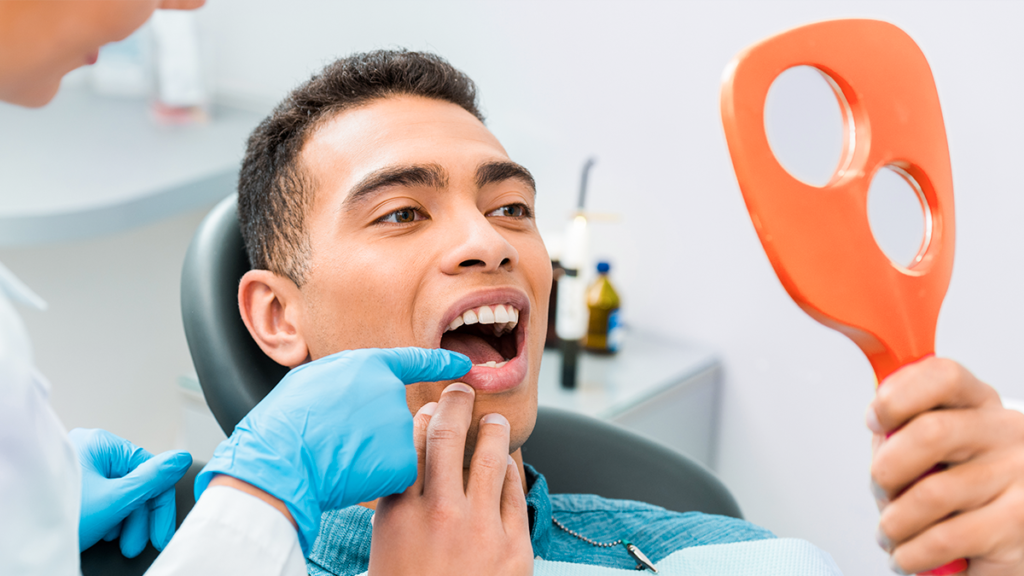
Maintaining good oral health goes far beyond having a bright smile. Regular dental check-ups play a critical role in protecting your teeth, gums, and overall health. In 2026, preventive dental care remains one of the most effective ways to avoid complex and costly dental treatments in the future.
This guide explains why dental check-ups are important, how often you should visit the dentist, and which daily habits help keep your smile healthy.
Why Regular Dental Check-Ups Are Essential
Regular dental visits are designed to prevent problems before they become serious. Many dental issues develop silently and show no symptoms in the early stages.
Early Detection of Dental Problems
Routine check-ups allow dentists to detect:
- Tooth decay and cavities
- Gum disease
- Cracked or weakened teeth
- Early signs of oral infections
Identifying these issues early makes treatment simpler, faster, and more affordable.
Preventing Gum Disease and Tooth Decay
Plaque and tartar buildup cannot be completely removed by brushing alone. Professional dental cleanings help prevent:
- Gingivitis
- Periodontal disease
- Tooth loss caused by untreated infections
Protecting Your Overall Health
Oral health is closely linked to general health. Studies continue to show connections between gum disease and conditions such as heart disease, diabetes, and inflammation-related illnesses. Regular dental check-ups support both oral and systemic well-being.
How Often Should You Visit the Dentist?
One of the most common questions patients ask is how frequently dental visits are necessary.
Why Dentists Recommend a Check-Up Every Six Months
For most people, visiting the dentist every six months is ideal. This schedule allows:
- Continuous monitoring of oral health
- Regular professional cleaning
- Early intervention if problems arise
When You May Need More Frequent Visits
Some patients may require more frequent check-ups, including those who:
- Have a history of gum disease
- Smoke
- Have dental implants or restorations
- Experience frequent cavities
Your dentist can recommend a personalized schedule based on your oral health condition.
What Happens During a Dental Check-Up?
Understanding what to expect during a dental visit helps patients feel more comfortable and prepared.
Oral Examination and X-Rays
The dentist examines your teeth, gums, and bite to check for signs of:
- Cavities
- Gum inflammation
- Structural damage
X-rays may be taken when needed to detect issues below the surface.
Professional Teeth Cleaning
Dental hygienists remove plaque and tartar buildup, polish the teeth, and help reduce surface stains that brushing cannot eliminate.
Personalized Oral Care Advice
Patients receive tailored advice on brushing techniques, flossing, diet, and preventive care based on their individual needs.
Daily Habits That Support Healthy Teeth and Gums
Daily oral care routines are essential for maintaining the results of regular dental check-ups.
Proper Brushing and Flossing Techniques
Brushing twice a day with fluoride toothpaste and using a soft-bristled toothbrush helps protect enamel and gums. Proper technique is just as important as frequency.
Why Flossing Makes a Big Difference
Flossing removes food particles and plaque from areas a toothbrush cannot reach. Daily flossing helps prevent:
- Gum inflammation
- Cavities between teeth
- Bad breath
The Role of Mouthwash in Oral Hygiene
Using an antimicrobial mouthwash can:
- Reduce plaque
- Support gum health
- Freshen breath
Mouthwash should complement brushing and flossing, not replace them.
Start a Conversation
Contact us through the communication method that suits you





How Diet Affects Your Oral Health
Nutrition plays a major role in maintaining strong teeth and healthy gums.
Foods That Strengthen Teeth
A balanced diet rich in calcium and minerals supports tooth enamel. Foods such as:
- Dairy products
- Leafy greens
- Nuts
help maintain dental strength.
How Sugar Contributes to Tooth Decay
Sugary foods and drinks feed harmful bacteria in the mouth, increasing the risk of cavities. Limiting sugar intake is essential for long-term oral health.
The Importance of Staying Hydrated
Drinking plenty of water helps wash away food particles, keeps the mouth hydrated, and supports saliva production, which naturally protects teeth.
Final Thoughts on Preventive Dental Care
Small Daily Steps That Protect Your Smile
Consistent oral hygiene and regular dental visits work together to protect your teeth and gums over time.
Why Prevention Is Always Better Than Treatment
Preventive dental care reduces the need for complex procedures and helps maintain a healthy, confident smile well into the future.
Which treatment are you interested in?
Read More: Veneers vs Crowns: Which Is Better for a Perfect Smile in 2026?