

In Istanbul, breast augmentation remains popular in 2026 for patients seeking experienced surgical teams, modern facilities, and coordinated care for travelers. The two main approaches are breast implants and fat transfer (fat grafting). Both can improve volume, shape, and symmetry, but they differ in size potential, predictability, and long-term maintenance.
Quick Answer: Implants or Fat Transfer, Which Is Better in 2026?
Breast augmentation in Istanbul 2026 can be performed using silicone implants or fat transfer. Implants provide greater volume increase and shape control, while fat transfer offers a more natural enhancement using the patient’s own fat. The best option depends on body type, desired size, skin elasticity, and long-term safety considerations.
What Is Breast Augmentation? Cosmetic Surgery 2026 Perspective
Breast augmentation is designed to enhance breast volume and contour, and understanding the basics helps patients choose the most suitable method and plan safely.
Definition of Breast Augmentation
Breast augmentation increases breast volume and improves contour for volume enhancement, shape correction, and symmetry improvement. Volume enhancement restores fullness, shape correction refines projection and profile, and symmetry improvement helps balance uneven breasts.
Why Breast Augmentation in Istanbul Is Popular in 2026
Patients often choose Istanbul due to high surgical volume, access to modern implant technology, and international patient programs that support travel logistics and follow-up planning.
Start a Conversation
Contact us through the communication method that suits you





Who Is a Suitable Candidate for Breast Augmentation?
Good candidates typically have stable weight, good skin elasticity, and realistic expectations based on tissue limits and safe sizing.
When Breast Augmentation Is Not Recommended
Surgery is commonly postponed with an active infection, severe uncontrolled medical conditions, or unrealistic size expectations that exceed safe tissue support.
Next, the two main methods are explained so patients can compare how each one creates volume.
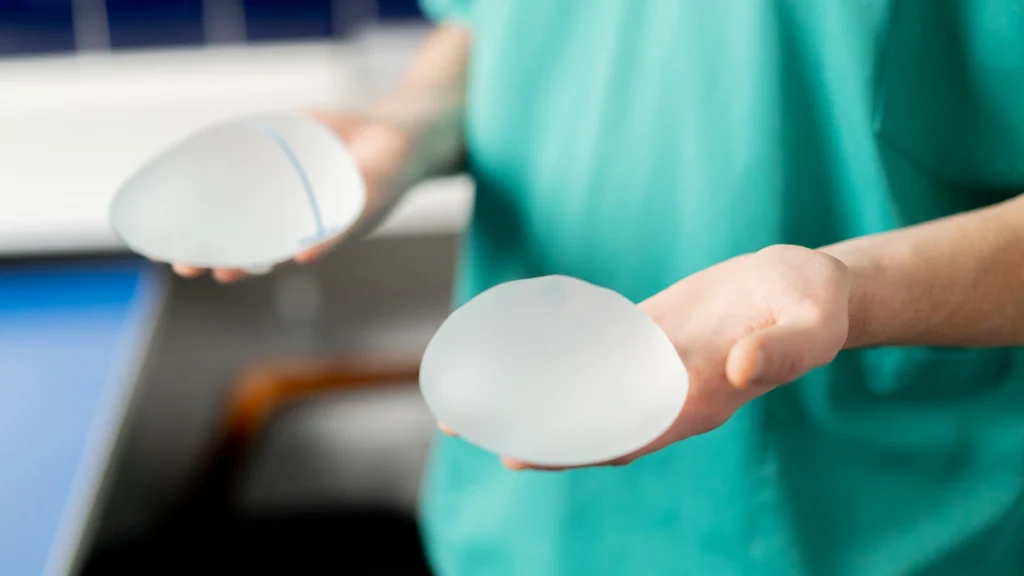
Breast Implants in Istanbul 2026: Structure, Volume and Projection
Implants are a structured option that can deliver a clearer size change and more predictable shaping.
Types of Breast Implants
- Silicone implants
The most popular choice for a softer feel and a more natural-looking contour, especially for patients with less natural breast tissue. - Saline implants
Filled with sterile saltwater. They can feel firmer and, in very slim frames, may show rippling more easily than silicone.
Implant Placement Options
Implants may be placed subglandular (over the muscle), submuscular (under the muscle), or using a dual-plane technique, which can improve upper coverage while maintaining a natural lower shape.
Advantages of Breast Implants
Implants are often selected for significant volume increase, defined upper pole fullness, and predictable shape control, especially when a larger or more precise change is desired.
Limitations of Breast Implants
Key considerations include foreign material insertion, capsular contracture risk, and a future replacement possibility due to device issues or natural tissue changes over time.
If a patient wants a subtler change and prefers using their own tissue, fat transfer becomes the main alternative.
Which treatment are you interested in?
Fat Transfer Breast Augmentation: Natural Enhancement in 2026
Using the patient own fat add softness and modest volume, often with body contouring benefits.
How Fat Transfer Works
Fat transfer involves liposuction harvesting, fat purification, and injection into breast tissue in small layers to support blood supply and improve survival.
Who Benefits Most from Fat Transfer?
It suits patients seeking a mild to moderate size increase, a natural feel, and simultaneous body contouring from liposuction of donor areas.
Fat Survival Rate — What Patients Must Understand
With fat transfer, not all fat survives, so some early reabsorption is expected. Multiple sessions may be needed for larger goals, and volume increase is limited by how much fat can be safely placed and retained.
Limitations of Fat Transfer
Fat transfer often cannot achieve a large cup increase, it depends on available body fat, and resorption variability can make final volume less predictable than implants.
A quick comparison helps match goals to the method that fits best.
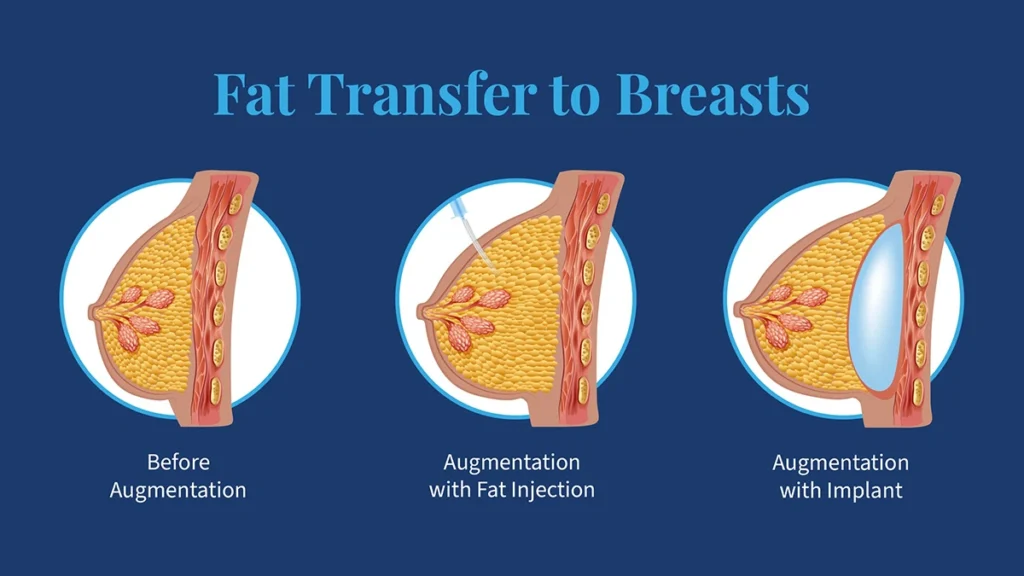
Comparison Table: Implants vs Fat Transfer (Breast Augmentation Istanbul 2026)
This table highlights the key differences most patients use to compare implants and fat transfer.
| Feature | Breast Implants | Fat Transfer |
| Volume Increase | Moderate to large | Mild to moderate |
| Foreign Material | Yes | No |
| Natural Feel | Very good | Very natural |
| Scarring | Minimal incisions | Liposuction plus injection sites |
| Longevity | 10 to 20+ years (monitoring needed) | Long-lasting (stable fat survives) |
| Ideal For | Significant change | Subtle enhancement |
After method choice, safety planning is the next priority.
Request pricing
By sending, you agree we may contact you on WhatsApp with pricing.
Got it! We’ll WhatsApp you the pricing shortly.
Breast Augmentation Safety in 2026: What Patients Should Know
Both methods can be safe when planned well, but each has a different risk profile.
General Surgical Risks
Both options carry general surgical risks such as infection, bleeding, and anesthesia risks, which is why proper screening and aftercare matter.
Implant-Specific Risks
Implant risks include capsular contracture, implant rupture, and implant displacement, which can affect comfort or shape and may require correction.
Fat Transfer–Specific Risks
Fat transfer risks include fat necrosis, irregular absorption, and oil cyst formation, along with bruising and swelling in donor areas from liposuction.
How Modern Planning in Istanbul Improves Safety
Safety planning often includes pre-operative imaging when indicated, strict sterile protocols, and careful patient screening for factors such as smoking and clot risk.
Another common point of confusion is the difference between male chest reduction and breast augmentation.
People Also Ask About Breast Augmentation in Istanbul
- Is breast augmentation safe in 2026?
- How long do breast implants last?
- Is fat transfer safer than implants?
- Does fat transfer look more natural?
- Can breast implants affect breastfeeding?
The answers depend on your anatomy, health profile, and surgical plan, so the safest next step is discussing these points directly with your surgeon.
Male Chest Surgery vs Breast Augmentation: Understanding the Difference
These procedures both involve the chest area, but they aim for opposite outcomes.
What Is Male Breast Reduction (Gynecomastia Surgery)?
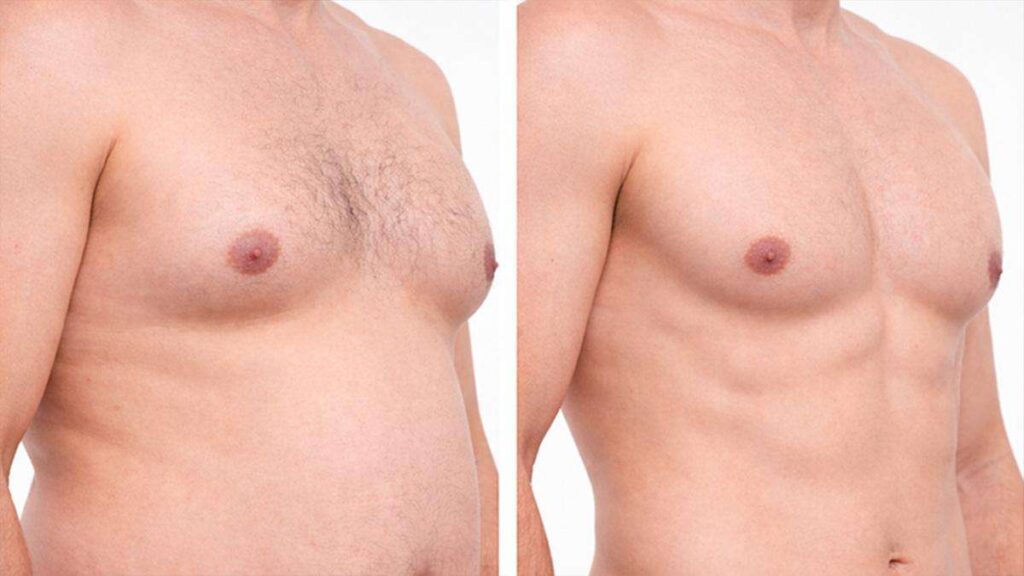
Gynecomastia surgery reduces chest volume through removal of excess glandular tissue, reduction of localized fat (sometimes via liposuction), and chest contour reshaping for a flatter, firmer appearance. It may also address hormonal or structural enlargement. It is designed to reduce chest fullness, not add projection.
What Is Breast Augmentation?
Breast augmentation increases size and projection through implants or fat transfer, focusing on volume, symmetry, and feminine contour. It is an enlargement procedure, most commonly performed for patients seeking added fullness or reshaping.
Key Structural Differences Between the Two Procedures
The core contrast is reduction vs volume enhancement, with goals of masculine chest contour vs feminine breast projection. Gynecomastia involves tissue removal, while augmentation uses implant or fat addition, meaning flattening the chest vs increasing fullness.
Why These Procedures Are Often Confused
They are often confused because both are categorized under aesthetic surgery, both reshape the chest area, and online marketing may group them under “breast surgery”, especially when anatomical differences are not explained clearly.
Clinical Perspective — Same Category, Different Objectives
Both are cosmetic procedures, but they treat different patient needs and pursue opposite structural outcomes.
Recovery Expectations After Breast Augmentation in Istanbul 2026
Recovery varies by technique and lifestyle, but most patients follow a similar pattern.
First Week After Surgery
The first week often includes swelling and use of compression garments or a supportive surgical bra, plus tightness and limited upper-body strain.
Return to Work Timeline
Many desk-based patients return in about a week, while physically demanding work often requires longer, especially if lifting is involved.
Exercise & Physical Activity Restrictions
Strenuous activity and heavy lifting are usually restricted for several weeks, and chest workouts are commonly delayed until healing is stable.
When Final Results Become Visible
Implants typically settle over weeks, while fat transfer results refine over months as swelling resolves and retained fat stabilizes.
Long-term expectations are just as important as early healing.
Start a Conversation
Contact us through the communication method that suits you
Is Breast Augmentation Permanent in 2026?
Results can last many years, but change is possible with aging, pregnancy, and weight fluctuations.
Implant Longevity Expectations
Implants can last many years, but revision may be needed later due to device issues or tissue changes with aging or pregnancy.
Fat Transfer Longevity
Surviving fat can be long-lasting, but results can change with weight fluctuations and natural aging.
When Revision Surgery May Be Needed
Revision may be needed due to implant-related issues, aging-related sagging, size preference changes, or uneven fat retention.
With permanence in mind, the decision becomes easier when tied to anatomy and goals.
Choosing Between Implants and Fat Transfer in Istanbul 2026
The best choice is the one that fits the desired change, available donor fat, and long-term preferences.
Desired Cup Size
For a larger, more predictable change, implants are usually preferred. For a subtle enhancement, fat transfer can be a better fit.
Body Fat Availability
Fat transfer requires enough donor fat; if donor fat is limited, implants may be more reliable.
Skin Elasticity & Breast Tissue Thickness
Elasticity and tissue thickness influence safe sizing, implant coverage, and whether a lift is needed for sagging.
Long-Term Maintenance Considerations
Implants may involve future monitoring and revision, while fat transfer avoids a device but may require staged sessions and has more variability.
Finally, planning standards help patients choose safer care, especially when traveling.
Request pricing
By sending, you agree we may contact you on WhatsApp with pricing.
Got it! We’ll WhatsApp you the pricing shortly.
Cosmetic Surgery in Turkey 2026: Planning and Standards
Strong planning supports safety, smoother recovery, and clearer follow-up after travel.
Surgeon Qualification
Look for formal training and consistent results in body types similar to yours.
Facility Accreditation
Prefer accredited facilities with appropriate anesthesia coverage and safety readiness.
International Patient Follow-Up
Prioritize written aftercare, a scheduled follow-up before departure, and a clear plan for support after you return home.
Which treatment are you interested in?
FAQ: Breast Augmentation Istanbul 2026
It can be safe when performed by a qualified surgeon in an accredited facility with strong screening and aftercare planning.
Implants suit larger changes; fat transfer suits subtle enhancement and a natural feel if donor fat is available.
Many return to desk work in about one week, with exercise limits lasting several weeks.
Possibly. Some patients keep implants for many years, while others need revision earlier due to complications or changes over time.
Yes. Gynecomastia surgery reduces chest fullness and reshapes the chest for a flatter contour.
Read more: Tummy Tuck Turkey Before and After: Real Transformations