
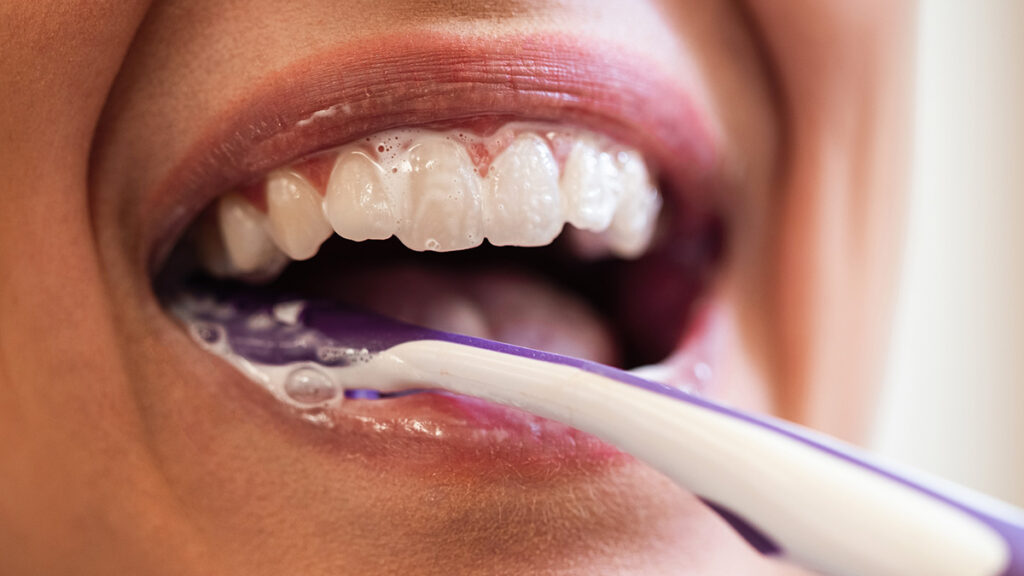
Maintaining oral health is essential not only for a bright smile, but also for overall well-being. Daily brushing, flossing, a balanced diet, and regular dental check-ups form the foundation of good oral hygiene. Within this routine, mouthwash plays a supportive role, helping to enhance cleanliness, protect gums, and freshen breath.
In this guide, we explain how to choose the right mouthwash, how it fits into daily oral care, and why proper hygiene is especially important for people interested in cosmetic dental treatments such as veneers or a Hollywood Smile.
Why Mouthwash Matters in Daily Oral Hygiene
Mouthwash is not a replacement for brushing or flossing, but it can be a valuable addition to your routine.
How Mouthwash Supports Oral Health
A properly selected mouthwash can:
- Reduce plaque buildup
- Help prevent gum disease
- Reach areas missed by brushing and flossing
- Freshen breath
Antimicrobial mouthwashes are particularly useful for controlling bacteria that contribute to gum inflammation.
Start a Conversation
Contact us through the communication method that suits you





Brushing and Flossing: The Foundation of Oral Care
Before choosing a mouthwash, it is important to understand that daily cleaning habits come first.
The Importance of Proper Brushing
Brushing twice a day with fluoride toothpaste removes plaque and helps protect tooth enamel. Correct technique is just as important as frequency.
Why Flossing Cannot Be Skipped
Flossing removes food particles and plaque from between the teeth, where a toothbrush cannot reach. Daily flossing helps prevent:
- Gum disease
- Cavities between teeth
Flossing daily is a small habit that makes a significant difference in oral health.
Choosing a Mouthwash with Fluoride
When selecting a mouthwash, fluoride content is an important factor.
The Role of Fluoride in Mouthwash
Fluoride helps:
- Strengthen tooth enamel
- Reduce the risk of tooth decay
- Support long-term dental health
This is especially important for patients who have cosmetic restorations or are considering treatments such as veneers.
Mouthwash and Preventive Dental Care
Mouthwash works best when combined with professional care.
Regular Dental Check-Ups Still Matter
Visiting the dentist every six months allows for:
- Early detection of cavities and gum disease
- Professional cleaning
- Personalized oral care advice
Preventive care today helps avoid more complex dental problems tomorrow.
Your mouth is a window into your overall health, and routine check-ups help keep it healthy.
Diet, Oral Hygiene, and Long-Term Results
A balanced diet supports both natural teeth and cosmetic dental work.
Foods That Strengthen Teeth
Calcium- and phosphate-rich foods such as dairy products, leafy greens, and nuts help strengthen enamel.
Limiting Sugar Intake
Sugary foods and drinks contribute to tooth decay and can negatively affect both oral health and cosmetic results.
Drinking plenty of water helps wash away food particles and maintain proper hydration in the mouth.
Start a Conversation
Contact us through the communication method that suits you
Oral Hygiene and Cosmetic Dentistry Considerations
Good oral hygiene becomes even more important for patients interested in cosmetic dental treatments.
Mouthwash Use After Veneers or a Hollywood Smile
Patients who invest in aesthetic treatments often become more mindful of daily care. Maintaining excellent hygiene helps protect results and prolong their lifespan.
When people research topics such as hollywood smile cost, price hollywoodsmile, or pricing veneers turkey, they often focus on aesthetics and cost. However, daily oral care—including proper brushing, flossing, and mouthwash use—is essential for maintaining long-term results regardless of the treatment chosen.
Final Thoughts on Choosing the Best Mouthwash
Choosing the right mouthwash can enhance your daily oral care routine, but it should always complement—not replace—brushing and flossing. Combined with a healthy diet and regular dental visits, mouthwash helps support gum health, protect enamel, and maintain a clean, fresh mouth.
Healthy teeth and gums are the foundation of a confident smile and overall well-being. Consistent preventive care today helps protect both your oral health and any future dental investments.
Which treatment are you interested in?