
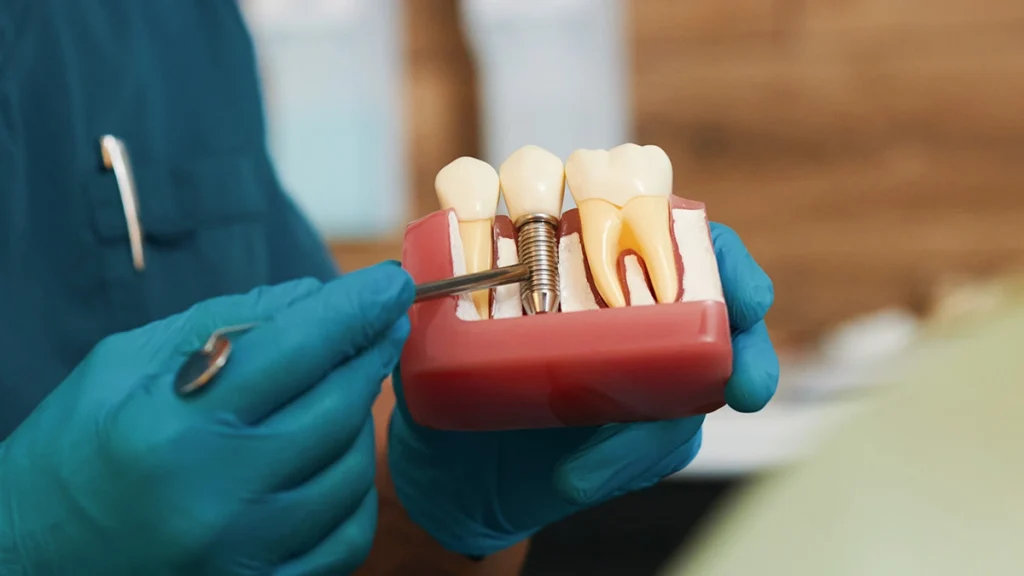
Dental implants have become the most reliable and long-lasting solution for replacing missing teeth, offering strength, stability, and a natural appearance that traditional dentures cannot match. In 2026, implant dentistry continues to advance with high-quality titanium and zirconia fixtures, digital planning systems, and same-day restoration options that allow patients to restore their smile faster than ever. Whether you are researching dental implant cost, comparing All-on-4 vs. All-on-6 systems, or exploring full mouth dental implant solutions in Turkey, this guide will walk you through every detail. From implant types and materials to healing timelines and aftercare, you will find everything you need to make an informed decision about your dental implant treatment.
What Are Dental Implants?
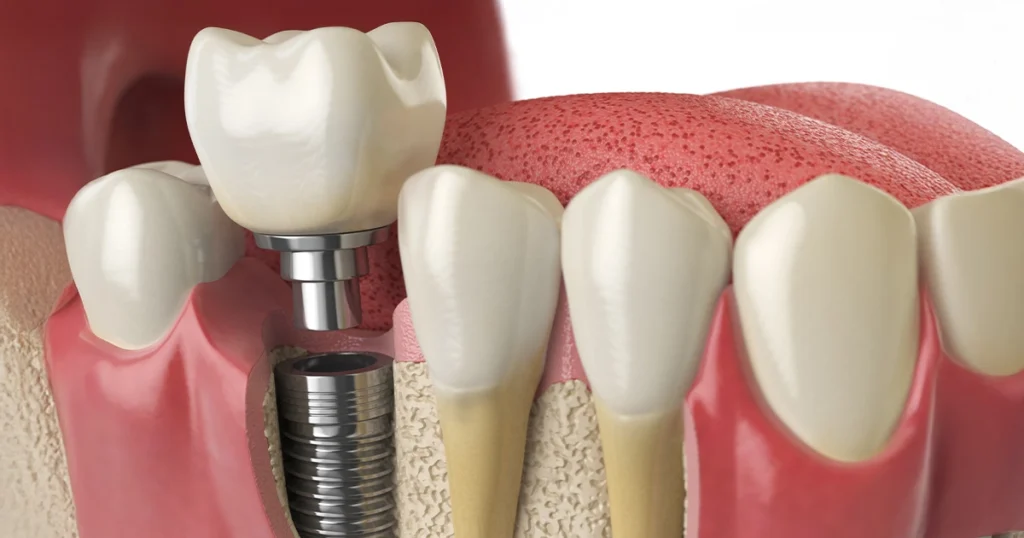
Dental implants are artificial tooth roots made of biocompatible materials—most commonly titanium or zirconia—designed to replace missing teeth with a permanent, stable, and natural-looking solution. Once placed inside the jawbone, the implant fuses with the bone through a process called osseointegration, creating a strong foundation for crowns, bridges, or full arch restorations.
Unlike removable dentures, dental implants do not move, slip, or affect speech. They preserve jawbone density, maintain facial structure, and restore bite strength to nearly the same level as natural teeth. In modern dentistry, implants have become the gold standard for long-term tooth replacement due to their durability, aesthetics, and high success rates.
Materials and Cost of Dental Implants
Dental implants are manufactured from highly durable, biocompatible materials designed to integrate seamlessly with the jawbone. The two most widely used materials in 2026 are:
- Titanium Implants:
Considered the industry standard for implant dentistry. Titanium offers exceptional strength, long-term stability, and excellent osseointegration. It is the preferred choice for most full mouth implant cases. - Zirconia Implants:
A metal-free ceramic alternative used for patients who prefer a holistic or highly aesthetic option. Zirconia is strong, white in color, and suitable for patients with metal sensitivities.
The cost of a dental implant depends on several factors, including the material, the brand of the implant system, the need for bone grafting, and the type of restoration (single crown, bridge, or full arch). In Turkey, average implant prices are known globally for being more affordable compared to Europe, the UK, and the USA — while maintaining high clinical standards and advanced technology.
Start a Conversation
Contact us through the communication method that suits you





How Much Do Dental Implants Cost in Turkey?
The average cost of dental implants in Turkey varies depending on the implant brand, case complexity, and additional procedures. Typically:
- Single Titanium Implant (fixture + abutment): ranges between 350€ to 700€
- Single Zirconia Implant: ranges between 500€ to 900€
Additional procedures may influence total cost:
- Bone Grafting: 150€ – 350€
- Sinus Lift (internal/external): 250€ – 600€
- Temporary crown: 50€ – 100€
- Final crown (Zirconium/E-max): 110€ – 200€
These ranges reflect common pricing in Istanbul’s leading dental centers, offering a balance of high-quality materials and competitive costs.
Full Mouth Dental Implant Cost
Full mouth dental implant solutions such as All-on-4, All-on-6, and All-on-8 are designed for patients who have lost most or all of their teeth. The cost depends on the number of implants, type of prosthesis, and materials used. On average in Turkey:
- All-on-4 Full Arch: 2,500€ – 4,500€
- All-on-6 Full Arch: 3,000€ – 6,000€
- All-on-8 Full Arch: 4,000€ – 8,500€
These costs usually include:
Implant fixtures, abutments, temporary prosthesis, final fixed bridge, panoramic/3D scans, and treatment planning.
Patients often choose Turkey for full mouth implants due to the combination of surgical expertise, advanced technology, and affordability.
Request pricing
By sending, you agree we may contact you on WhatsApp with pricing.
Got it! We’ll WhatsApp you the pricing shortly.
Dental Implant Financing
While implant financing options vary from clinic to clinic, most international patients choose Turkey because the total treatment cost is significantly lower compared to their home country, reducing the need for financing. However, some clinics allow:
- Treatment to be paid in stages (surgery first, final teeth later)
- Partial payments before final prosthesis delivery
- Discounts for full arch restoration cases
Financing options are generally more common in the USA and UK, but the reduced prices in Turkey make implants accessible without long-term payment plans.
What Are the Types of Dental Implants?
Dental implant treatments vary depending on the patient’s oral condition, bone structure, and the number of missing teeth. In 2026, implant dentistry offers multiple advanced systems designed to restore single teeth, multiple teeth, or entire arches with maximum stability and aesthetics. Below are the most common and effective types of dental implants used worldwide.
All-on-4 Dental Implants
The All-on-4 system uses four strategically placed implants to support a full arch of fixed teeth. It is ideal for patients with moderate bone loss because the two posterior implants are placed at an angle to maximize stability.
Benefits include:
- Faster treatment with fewer implants
- Immediate temporary teeth (same-day smile in many cases)
- Lower cost compared to traditional full mouth implants
- Effective for patients who previously could not get implants due to bone loss
All-on-6 Dental Implants
The All-on-6 technique uses six implants to support a full arch, offering increased stability and better load distribution.
Recommended for:
- Patients with moderate to good bone density
- Those seeking a more durable long-term solution
- Full mouth restorations requiring higher bite strength
This system provides excellent stability and is widely used for premium full arch reconstruction.
All-on-8 Dental Implants
All-on-8 is considered the most robust option for full mouth restoration, as eight implants are placed across the arch to provide maximum support.
Ideal for patients who:
- Have sufficient bone volume
- Want the highest level of durability
- Prefer a long-lasting fixed prosthesis with the least risk of complications
This system mimics the natural distribution of tooth roots, offering the highest chewing efficiency.
Full Arch Dental Implants
Full arch dental implants refer to restoring an entire upper or lower jaw with fixed prosthetic teeth supported by multiple implants (usually 4, 6, or 8).
They provide:
- High chewing performance
- Permanent, non-removable teeth
- Natural aesthetics similar to real teeth
- Significant improvement in speech and bite force
This is the preferred solution for patients who want a long-term, stable alternative to dentures.
Mini Implants vs. Regular Implants
Mini dental implants are narrower and smaller than traditional implants, used mainly for stabilizing dentures or in cases of limited bone.
Mini Implants:
- Less invasive
- Faster healing
- Lower cost
- Mostly used for denture stabilization
Regular (Standard) Implants:
- Larger diameter and greater strength
- Suitable for crowns, bridges, and full arch restorations
- Longer lifespan and superior stability
Mini implants are not typically recommended for full mouth restorations requiring heavy chewing force.
Partial Teeth Implants
Partial implants are used when a patient is missing only one or a few teeth in specific areas. They support single crowns or small bridges without affecting neighboring healthy teeth.
They provide a conservative solution by replacing only the missing teeth without shaving down adjacent natural teeth, as required with dental bridges.
What Is an Implant Fixture?
An implant fixture is the titanium or zirconia screw placed into the jawbone, acting as an artificial root. It is the foundational component of every dental implant system.
It supports:
- The abutment (connector)
- The crown or bridge
- Full arch prosthesis
High-quality fixtures integrate with the bone, ensuring long-term durability and a stable foundation for replacement teeth.
Replacing Dental Implants
While dental implants have a very high success rate, there are rare situations where an implant may need to be replaced due to infection, trauma, failed osseointegration, or incorrect positioning.
Replacement involves:
- Removing the failed implant
- Bone grafting if needed
- Placing a new implant after healing
Modern techniques significantly reduce the risks of implant failure.
Who Performs Dental Implants?
Dental implants should be performed by:
- Oral and Maxillofacial Surgeons
- Periodontists (Gum Specialists)
- Experienced Implant Dentists
For full mouth implant cases, expertise and planning are essential. Multidisciplinary teams — like those found in leading Istanbul clinics — typically include implant surgeons, prosthodontists, and digital planning specialists.
Partial Dentures vs Implants
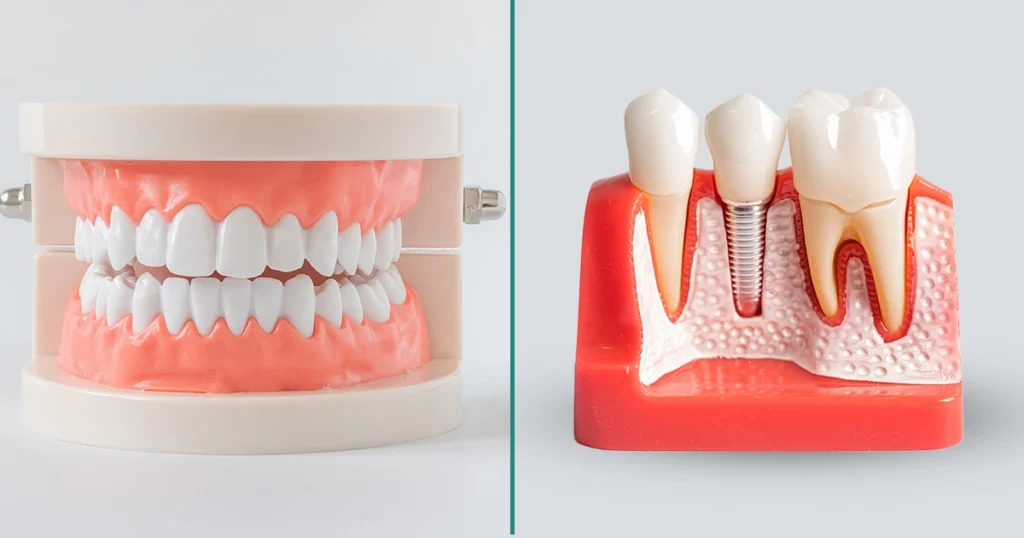
Patients missing several teeth often compare partial dentures to dental implants to determine which solution offers better comfort, aesthetics, and long-term functionality. While partial dentures provide a budget-friendly option, implants deliver superior stability and a more natural feel. In 2026, most dental professionals recommend implants whenever possible because they preserve jawbone health and function more like real teeth.
Permanent Dentures vs Implants
Permanent dentures (also known as fixed dentures or implant-supported dentures) are attached to implants rather than resting on the gums like traditional dentures.
Benefits of Permanent Dentures:
- More stable and secure
- No slipping or discomfort
- Stronger chewing ability
- Longer lifespan
In comparison, traditional dentures can become loose over time due to gum and bone shrinkage. Implant-supported options provide a much more reliable and natural alternative.
Start a Conversation
Contact us through the communication method that suits you
Dental Bridge vs Implants
A dental bridge replaces one or more missing teeth by relying on the adjacent natural teeth. While bridges are effective, they require shaving down healthy teeth to support the structure.
Dental Implants vs Bridges:
- Implants preserve natural teeth and bone density
- Bridges require grinding adjacent teeth
- Implants last longer and look more natural
- Bridges may need replacement after 7–10 years
Implants are generally the preferred modern solution because they do not compromise surrounding healthy teeth.
Alternatives to Dental Implants and Dentures
For patients unable or unwilling to undergo implant surgery, alternatives include:
- Dental Bridges
- Removable Partial Dentures
- Resin-bonded Bridges (Maryland bridges)
- Flexible partial dentures
However, these alternatives do not provide the same stability, comfort, or bone preservation benefits as implants.
Dental Implants vs Snap-In Dentures
Snap-in dentures (implant-retained dentures) use 2 to 4 implants with attachments that allow the denture to “snap” into place.
Comparison:
- Snap-in dentures are removable but more stable than traditional dentures
- Full implants provide fixed, permanent teeth that do not need removal
- Snap-in dentures are more affordable
- Fixed full arch implants offer superior chewing strength and comfort
Snap-in dentures are ideal for patients seeking better stability without the cost of full fixed implants.
If You Have Dentures, Can You Get Implants?
Yes. Most denture wearers can switch to implants, even after years of bone loss. Advanced techniques such as bone grafting and sinus lifts allow many patients to qualify for implants.
Even with minimal bone, options like All-on-4 allow placement at strategic angles to avoid areas of low bone density. Many patients in their 50s, 60s, and even 70s successfully transition from dentures to implants for a more natural and stable smile.
Dental Implant Aftercare
Proper aftercare is essential for achieving long-term success with dental implants. Following professional guidelines helps ensure smooth healing, prevents infection, and supports the stability of the implant as it integrates with the bone. In 2026, implant recovery has become more predictable thanks to advanced surgical techniques and improved implant materials, but patient care during the healing process remains a key factor in achieving optimal results.
Dental Implant Infection
An implant infection, known as peri-implantitis, can occur if bacteria accumulate around the implant site.
Common signs include:
- Swelling of the gums
- Persistent pain or throbbing
- Bad taste or discharge
- Bleeding when brushing
- Redness around the implant
Early detection is crucial, as mild infections can be treated with antibiotics and deep cleaning. Severe cases may require removing and replacing the implant. Good oral hygiene and regular check-ups significantly reduce the risk of infection.
Early Implant Failure Symptoms
Although dental implants have a high success rate, early failure may occur when the implant does not integrate properly with the bone.
Symptoms to watch for include:
- Mobility or movement of the implant
- Sharp or persistent pain
- Swelling that does not improve
- Difficulty chewing
- Loosening of the temporary crown
If any of these symptoms appear, immediate evaluation by an implant specialist is necessary. Early intervention can often save the implant.
Problems With Implant Teeth
Most implant cases heal without complications, but some patients may experience:
- Gum recession around the implant
- Loose abutment screw
- Broken crown or bridge
- Bite misalignment
- Mild discomfort when chewing
These issues are typically manageable with minor adjustments or component replacements. High-quality materials and proper surgical planning reduce the likelihood of long-term problems.
What Can I Eat After Dental Implants?
During the first days after implant surgery, patients should follow a soft-food diet to protect the implant site. Suitable foods include:
- Mashed potatoes
- Soups and broths
- Scrambled eggs
- Yogurt and smoothies
- Soft pasta
- Steamed vegetables
Avoid crunchy, hard, or sticky foods for several weeks. As healing progresses, patients can gradually return to a normal diet based on their dentist’s recommendations.
How to Heal Faster After Dental Implants
To speed up healing and support proper osseointegration, patients should:
- Follow all post-operative instructions
- Maintain excellent oral hygiene
- Use warm saltwater rinses
- Avoid smoking or vaping
- Limit caffeine during the first days
- Take prescribed medications on time
- Get adequate rest
- Avoid touching the surgical site with the tongue or fingers
Healthy lifestyle habits and proper care significantly improve implant success rates and reduce recovery time.
Which treatment are you interested in?
Read More: Hollywood Smile 2026 Complete Guide to Smile Makeover & Veneers