
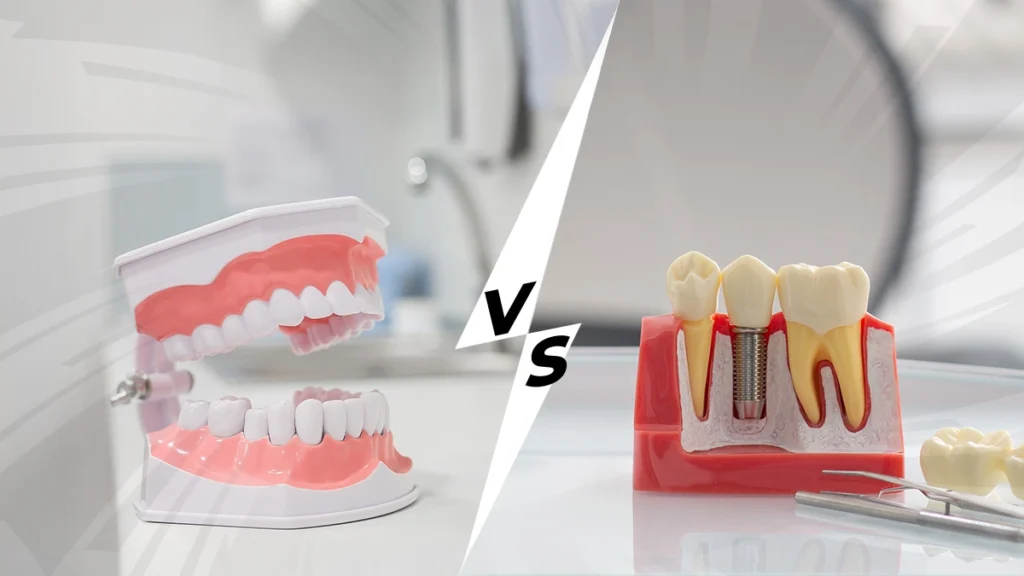
When a tooth is missing, the decision is no longer limited to appearance alone. Modern dentistry focuses on stability, comfort, long-term oral health, and quality of life. As a result, patients frequently compare dental implants and dentures to determine which solution best meets their needs.
This article explains the real clinical differences between implants and dentures, how dentists evaluate each option, and why one solution is often preferred for long-term tooth replacement while the other may serve as a temporary or transitional choice.
Understanding Dental Replacement Options
Why Missing Teeth Must Be Replaced — Beyond Appearance
Why is tooth replacement medically important?
Replacing missing teeth is essential for maintaining proper chewing function, speech clarity, jawbone health, and facial structure. When a tooth is left unreplaced, surrounding teeth shift, bone volume decreases, and bite balance becomes compromised, which can lead to additional dental problems over time.
This functional perspective explains why dentists treat tooth replacement as a medical necessity rather than a purely cosmetic decision.
Start a Conversation
Contact us through the communication method that suits you





Overview of Modern False Teeth Alternatives
Today, patients can choose between fixed and removable dental replacement options. Dental implants provide a fixed solution, while dentures offer a removable alternative, each serving different clinical situations and patient needs.
Fixed vs Removable Tooth Replacement — Core Differences
Fixed solutions integrate with the jawbone, whereas removable solutions rest on the gums. This fundamental difference directly affects stability, comfort, and long-term outcomes, which leads us to a closer look at dental implants.
Request pricing
By sending, you agree we may contact you on WhatsApp with pricing.
Got it! We’ll WhatsApp you the pricing shortly.
What Are Dental Implants? Stability and Long-Term Function
Dental Implants Explained in Simple Clinical Terms
What exactly is a dental implant?
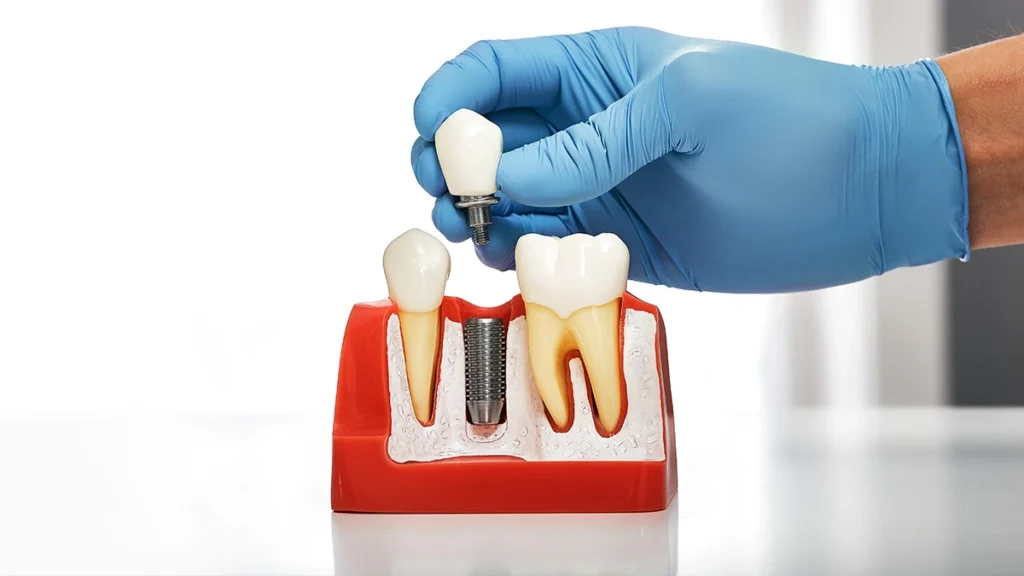
A dental implant is a titanium post placed into the jawbone to replace a missing tooth root. Once healed, it supports a crown that looks and functions like a natural tooth, providing a stable and permanent replacement.
Because implants anchor directly to bone, they restore chewing efficiency and prevent bone loss, making them a cornerstone of modern restorative dentistry.
Different Types of Dental Implants and Their Uses
Dentists use different implant types depending on the number of missing teeth:
- Single-tooth implants
- Multiple implants supporting bridges
- Full-arch implant solutions for complete tooth loss
Each option aims to restore function while preserving long-term oral health.
Why Dental Implants Are Considered the Most Stable Option
Implants fuse with bone through a process called osseointegration, creating unmatched stability. This biological integration sets implants apart from removable solutions and naturally leads to questions about healing time.
How Long Does It Take for a Tooth Implant to Heal?
Osseointegration Explained in Simple Words
How long does it take for a dental implant to heal?
Osseointegration is the process by which the jawbone grows around the implant, securing it firmly in place. This process is essential for implant success and long-term stability.
Healing Timeline — What Patients Can Expect
Most implants require 3 to 6 months to fully integrate before the final crown is placed. During this time, patients can often use temporary restorations, maintaining function and appearance.
Factors That Affect Implant Healing Time
Healing depends on bone quality, oral hygiene, overall health, and whether additional procedures such as bone grafting are needed. Proper planning helps ensure predictable outcomes, which contrasts with the faster but less stable nature of dentures.
Start a Conversation
Contact us through the communication method that suits you
What Are Dentures? Comfort, Flexibility, and Limitations
Dentures Explained for Patients
What are dentures and how do they work?
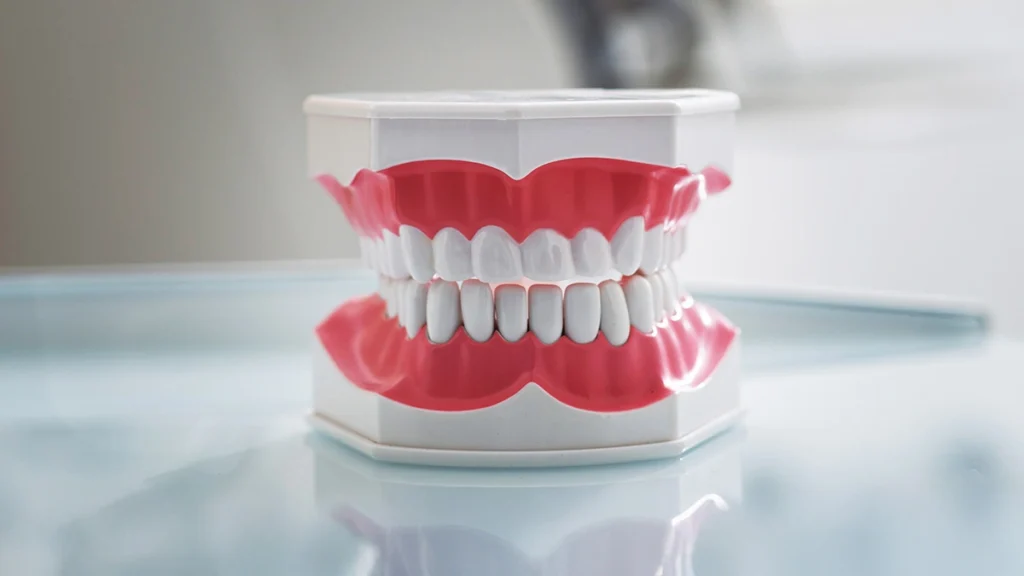
Dentures are removable appliances designed to replace missing teeth and surrounding tissues. They rest on the gums and can replace a single tooth, several teeth, or a full arch.
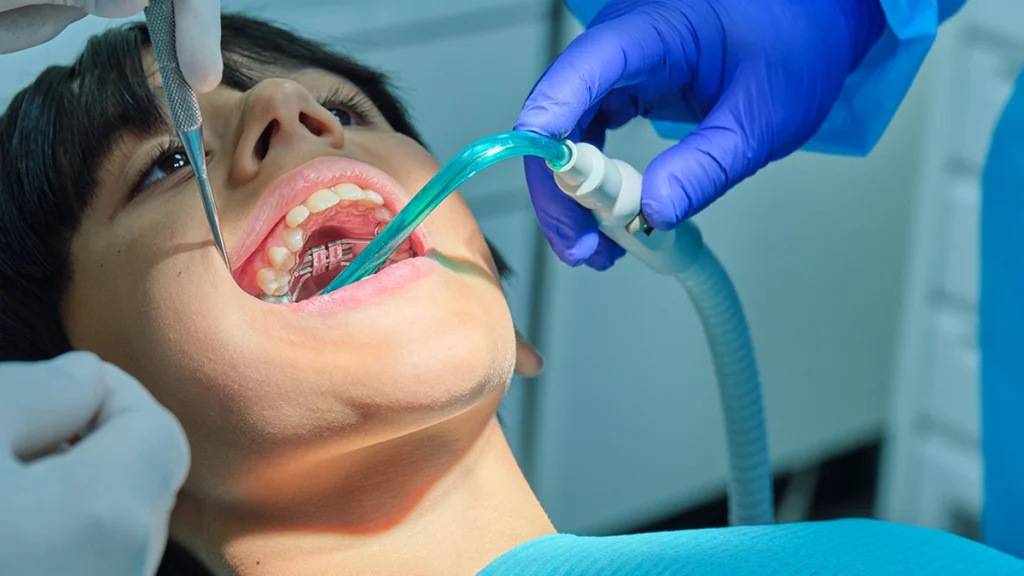
Dentures provide a non-surgical solution, which makes them accessible to many patients, especially in temporary situations.
Types of Dentures Used Today
Modern denture options include:
- Single tooth dentures
- Temporary dentures for one tooth
- Immediate dentures placed right after extraction
- Flexible full upper dentures for improved comfort
Each type serves a specific purpose depending on timing, comfort needs, and long-term plans.
Why Dentures Are Considered a Removable Solution
Because dentures do not anchor to bone, they rely on suction or adhesives for retention. This limitation affects stability and chewing efficiency, which becomes clearer when compared directly to implants.
Request pricing
By sending, you agree we may contact you on WhatsApp with pricing.
Got it! We’ll WhatsApp you the pricing shortly.
Dental Implants vs Dentures — Clinical Comparison
Dentists compare implants and dentures based on stability, comfort, bone preservation, and longevity, not convenience alone. This comparison helps patients understand why the two solutions serve very different roles.
Comparison Table: Dental Implants vs Dentures
| Clinical Factor | Dental Implants | Dentures |
| Stability | Fixed, integrated with bone | Removable, may shift |
| Comfort | Feels like natural teeth | May cause pressure or irritation |
| Bone Preservation | Prevents bone loss | Does not prevent bone loss |
| Longevity | Long-term to permanent | Requires replacement or adjustment |
| Maintenance | Similar to natural teeth | Daily removal and cleaning |
| Best For | Long-term tooth replacement | Temporary or non-surgical option |
This table shows why implants are often recommended when long-term stability is the priority, while dentures remain useful in specific scenarios.
Stability and Chewing Efficiency
Implants restore near-natural chewing ability, while dentures may move during eating, reducing efficiency and confidence.
Comfort, Speech, and Daily Life
Implants feel natural and remain stable during speech, whereas dentures may affect pronunciation or cause sore spots over time.
Why Implants Are Often Preferred for Long-Term Solutions
Are dental implants better than dentures?
For many patients, implants offer superior comfort, stability, and long-term health benefits, which explains their growing preference.
Read More: What Are Dental Implants? How They Work and When They Are Needed
Longevity and Long-Term Side Effects of Dental Implants
Expected Lifespan of Dental Implants
With proper care, dental implants can last decades and often a lifetime, making them one of the most durable tooth replacement options available.
Possible Long-Term Side Effects — What Is Realistic
Long-term side effects are rare but may include peri-implant inflammation if oral hygiene is neglected. Regular dental care minimizes these risks effectively.
Why Proper Planning Minimizes Implant Risks
Thorough diagnosis, correct implant placement, and follow-up care significantly reduce complications, reinforcing the importance of professional treatment planning.
Dentures as Temporary or Transitional Solutions
When Dentures Are Used Temporarily
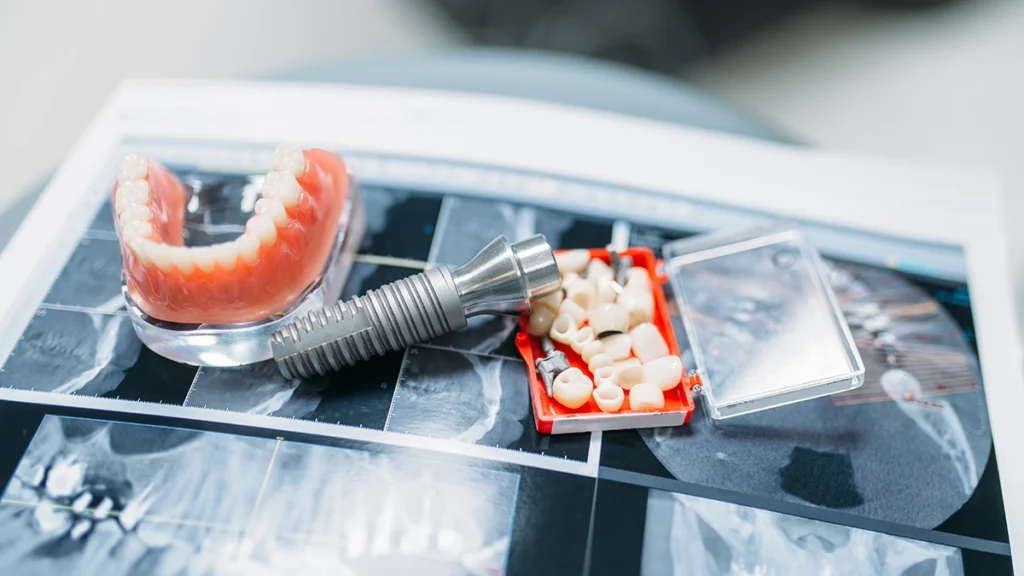
Dentists often recommend dentures as a temporary solution during healing periods or when implants are planned for a later stage.
Immediate Dentures vs Long-Term Dentures
Immediate dentures restore appearance quickly after extraction, but they often require adjustments as gums heal.
Why Dentures Are Sometimes a Step Toward Implants
Many patients start with dentures and later transition to implants once conditions allow, creating a staged treatment approach.
Start a Conversation
Contact us through the communication method that suits you
Single Tooth Replacement — Implant or Denture?
Single Tooth Implant vs Single Tooth Denture
A single tooth implant offers stability and bone preservation, while a single tooth denture provides a faster, removable option.
Clinical Factors That Influence the Decision
Bone health, budget, timing, and long-term goals all influence the choice, highlighting the need for individualized evaluation.
Dental Implants vs Dentures in Long-Term Oral Health
Impact on Jawbone and Facial Structure
Implants maintain bone volume and facial contours, while dentures allow gradual bone loss.
Oral Hygiene and Maintenance Differences
Implants require routine brushing and flossing, whereas dentures need daily removal and specialized cleaning.
Quality of Life Considerations
Comfort, confidence, and dietary freedom often improve significantly with implants, which explains their role as a long-term solution.
Which treatment are you interested in?
FAQ
Dental implants are designed to be long-term and often last a lifetime with proper care.
Yes, but they require regular adjustments and do not prevent bone loss.
Discomfort is usually mild and temporary during healing.
They can be appropriate in temporary or non-surgical cases.
Yes, many patients transition from dentures to implants over time.
Read More: Dental Implants vs Bridges: Which Is the Better Long-Term Solution?