
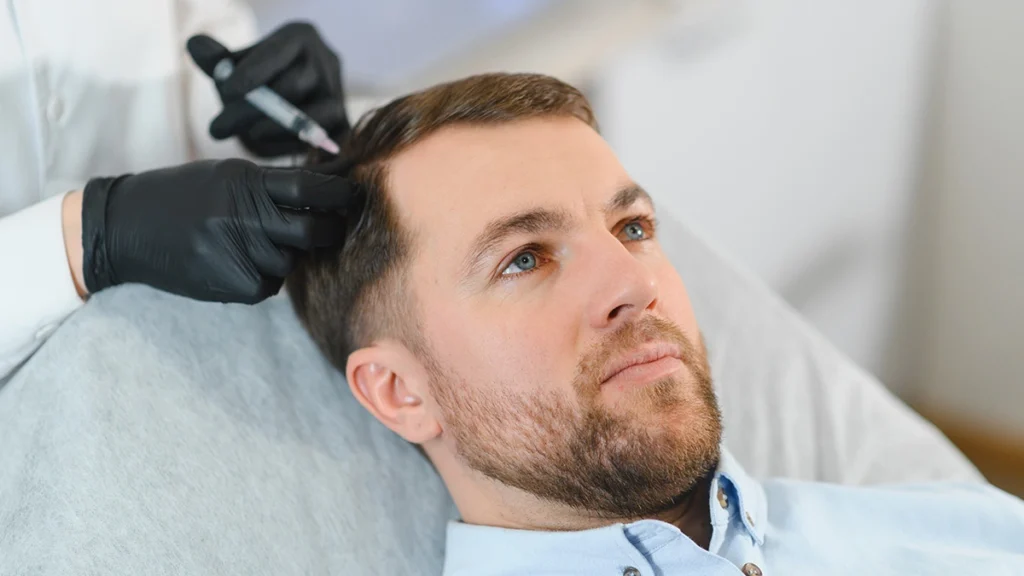
Istanbul remains a major destination for hair restoration, but in 2026 results depend less on technique names and more on planning, donor protection, and clinical oversight. Whether you choose FUE, Sapphire FUE, or DHI, the goal is the same: a natural hairline, reliable graft survival, and a recovery plan that protects newly implanted follicles. This guide explains how each method works, what the growth timeline looks like, and what to expect during recovery.
Quick Answer: What Is a Hair Transplant in 2026?
A hair transplant in Turkey 2026 is a minimally invasive surgical procedure that relocates healthy hair follicles from a donor area (usually the back of the scalp) to areas affected by thinning or baldness. Modern hair transplant techniques such as FUE hair transplant, Sapphire FUE hair transplant, and DHI hair transplant allow natural-looking density with controlled recovery timelines. Results depend on graft survival, scalp condition, and post-operative care.
What Is a Hair Transplant? (Cosmetic Surgery 2026 Perspective)
A hair transplant is cosmetic surgery focused on natural design, realistic density, and long-term donor preservation.
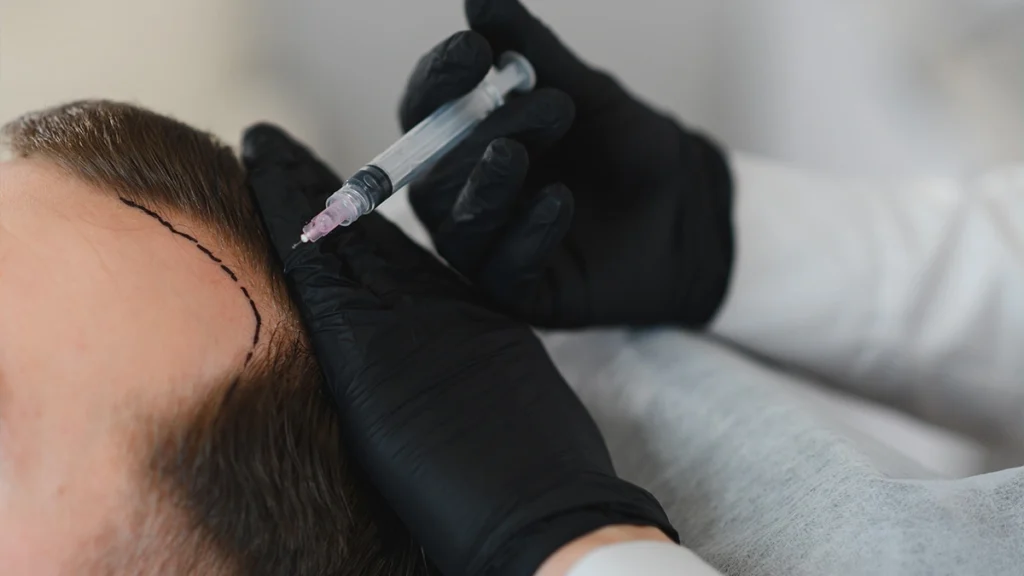
How Hair Transplantation Works
- Extract follicles from the donor zone.
- Protect grafts (hydration, less handling).
- Implant with correct direction, angle, and spacing.
Why Hair Transplant in Turkey Became Popular
Turkey became popular because clinics handle a high number of procedures and offer well-organized support for international patients, including coordinated travel, communication, and packaged treatment plans.
Who Is a Suitable Candidate for Hair Transplant?
Good candidates usually have a stable hair loss pattern, sufficient donor density, and realistic expectations about coverage and timeline.
When Hair Transplant Is Not Recommended
A transplant may be delayed or avoided if there is active scalp disease, rapidly progressing or diffuse thinning, or an inadequate donor area for safe extraction.
Start a Conversation
Contact us through the communication method that suits you





Hair Transplant Techniques in Istanbul 2026
The main options in 2026 are FUE, Sapphire FUE, and DHI. The difference is mostly how recipient sites are created and how much control the team has during implantation.
FUE Hair Transplant (Follicular Unit Extraction)
How Standard FUE Works
Follicles are extracted one by one, channels are opened in the recipient area, then grafts are implanted to match the planned angle and direction.
Advantages of FUE Hair Transplant
FUE avoids a linear scar and works well for larger areas when donor extraction is kept within safe limits.
Sapphire FUE Hair Transplant
What Makes Sapphire FUE Different?
Sapphire blades are used to open channels, which can allow more precise incisions and smoother site creation.
Who Benefits Most from Sapphire FUE?
Often chosen when aiming for dense packing and detailed hairline refinement where channel precision matters.
Request pricing
By sending, you agree we may contact you on WhatsApp with pricing.
Got it! We’ll WhatsApp you the pricing shortly.
DHI Hair Transplant (Direct Hair Implantation)
How DHI Differs from FUE
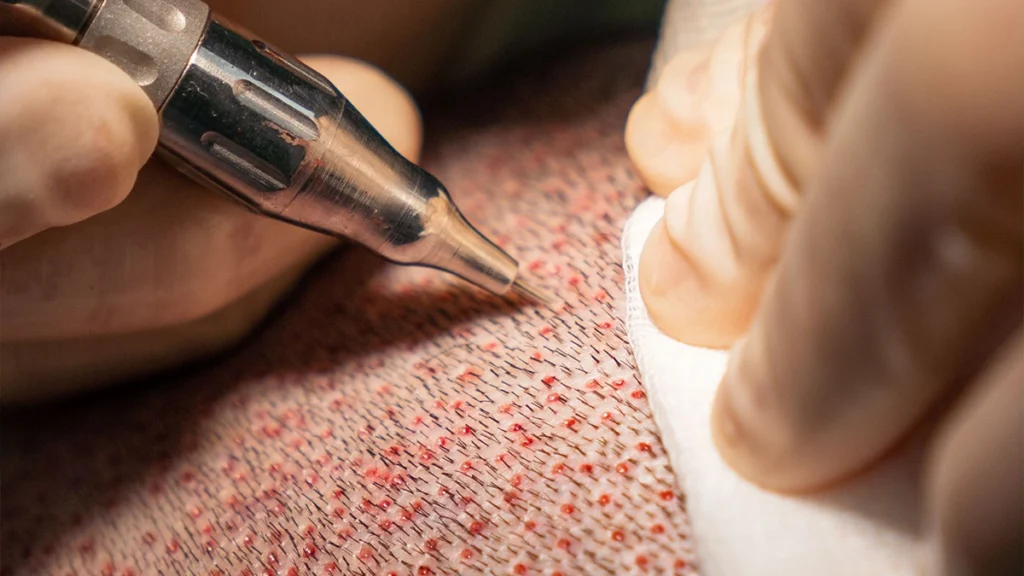
DHI places grafts with an implanter pen, improving control over depth, angle, and direction during implantation.
When DHI Is Preferred
Commonly used for smaller zones and high-detail work such as hairline design, beard transplants, or eyebrow refinement.
Comparison Table: Hair Transplant Techniques in Turkey 2026
| Technique | Channel Opening | Ideal For | Density Control | Recovery |
| FUE Hair Transplant | Yes | Large areas | Good | Moderate |
| Sapphire FUE | Sapphire blade | Dense packing | High precision | Moderate |
| DHI Hair Transplant | Direct implantation | Hairline or small areas | Very precise | Similar to FUE |
With the technique selected, the next step is understanding hair transplant before and after changes through the early healing phase and the growth timeline.
Hair Transplant Before and After — What Results Look Like
Results build gradually. Immediate appearance shows placement, while true density comes from healing and growth.
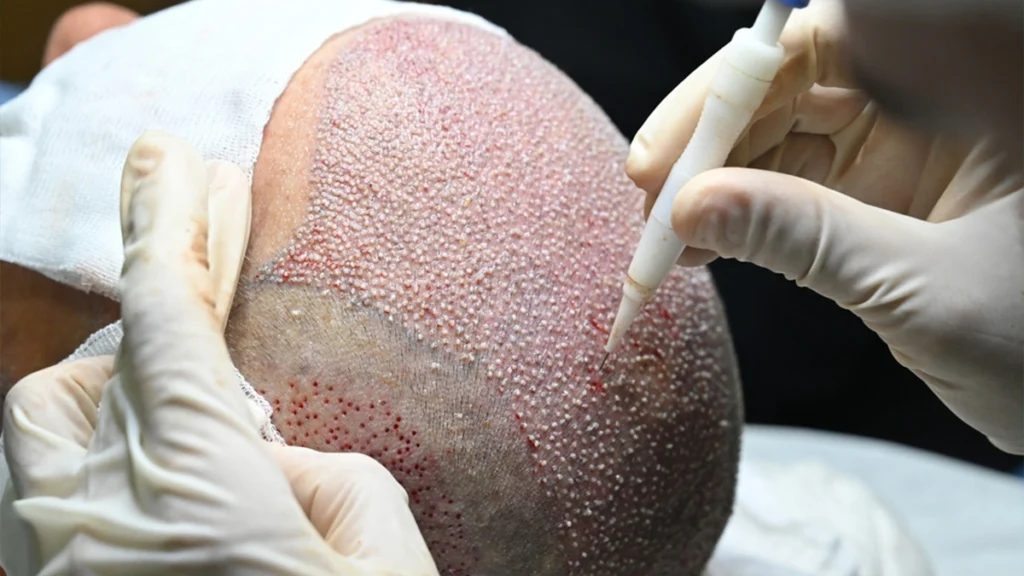
Immediate Post-Procedure Appearance
Redness, small graft sites, and mild swelling are common early.
The Shedding Phase (Shock Loss Explained)
Shedding is common in the first weeks as follicles reset; temporary shock loss can affect nearby native hair.
Timeline of Visible Growth
- 1 month: sparse after shedding
- 3 months: early regrowth
- 6 months: clearer coverage
- 9 to 12 months: thickening and blending
When Final Density Is Achieved
Final density is typically assessed around 12 months overall.
People Also Ask About Hair Transplant Results
- How long does a hair transplant last?
- Is hair transplant permanent?
- When will I see full results?
- Does transplanted hair fall out again?
Let’s break down hair transplant recovery in 2026 so you know what healing and restrictions typically involve.
Start a Conversation
Contact us through the communication method that suits you
Hair Transplant Recovery in 2026 — What to Expect
Recovery is usually smooth when grafts are protected and washing is gentle.
First 7 Days After Hair Transplant
- Do not rub, scratch, or press grafts.
- Avoid heat, sweat, and heavy exercise.
Scabbing and Healing Process
Scabs loosen with careful washing; do not pick.
When Can You Return to Work?
Desk work is often possible in a few days; physical or helmet-based work may need longer.
Exercise, Sun Exposure & Lifestyle Restrictions
Avoid intense exercise and strong sun early on; avoid smoking during healing.
Signs of Normal Healing vs Warning Signs
Normal: mild redness, itch, swelling.
Warning: worsening pain, spreading redness, discharge, fever, or increasing swelling.
The same healing logic applies to facial procedures, but the placement details are more demanding for natural-looking results.
Beard Transplant and Eyebrow Transplant in Turkey 2026
Facial transplants demand higher precision because natural results depend on strict angle, direction, and spacing.
Beard Transplant — Facial Density Restoration
Beard transplants help fill patchy areas or camouflage scars, with grafts placed to match the natural beard flow.
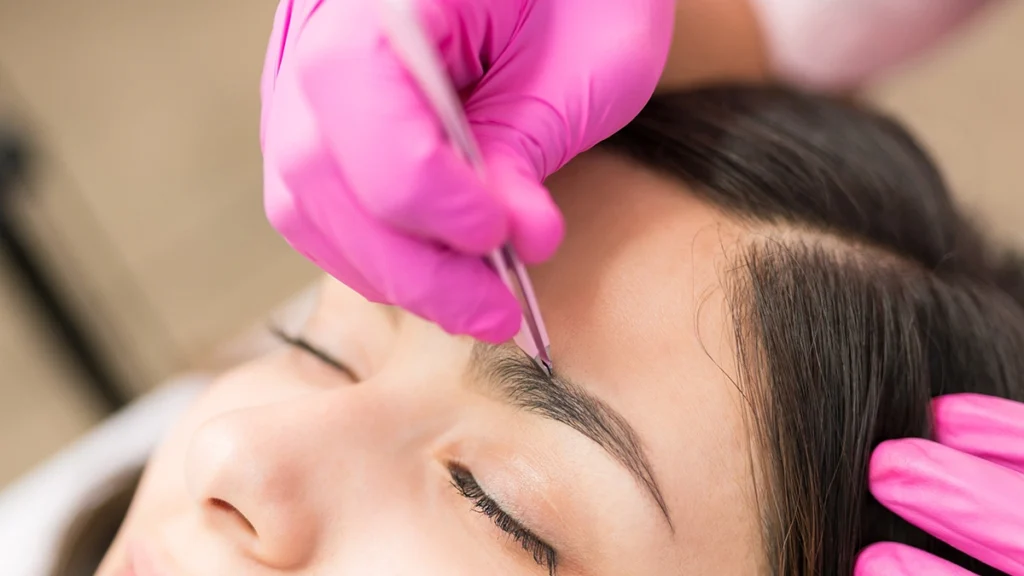
Eyebrow Transplant — Precision Placement
Eyebrow transplants restore thin brows and refine shape, requiring very flat angles and careful direction for a realistic look.
How Facial Transplants Differ from Scalp Transplants
Facial skin moves more and hair exits at flatter angles, so placement has less room for error than on the scalp.
Request pricing
By sending, you agree we may contact you on WhatsApp with pricing.
Got it! We’ll WhatsApp you the pricing shortly.
Hair Transplant in Turkey — Does Location Affect Results?
Results are shaped more by clinic standards than by location itself.
Planning Standards in Istanbul Clinics
Strong clinics plan hairline design, graft allocation, and density distribution around scalp condition and future loss.
Surgeon Experience vs Technician-Driven Clinics
Surgeon-led cases tend to be more consistent, while technician-driven clinics can vary when speed overrides control.
Importance of Donor Management Strategy
Donor supply is limited, so safe extraction and long-term planning prevent overharvesting.
Risks, Limitations & Realistic Expectations
A hair transplant has limits, mainly donor supply and graft survival.
Common Risks in Hair Transplant 2026
- Overharvesting and donor thinning
- Unnatural hairline design or wrong angles
- Low graft survival from handling or aftercare issues
Limitations Based on Donor Capacity
Coverage must match what can be safely extracted, and large cases may need staged sessions.
Why Density Is Not Infinite
Overcrowding grafts can compromise healing and cause uneven growth.
Is a Hair Transplant Permanent in 2026?
A hair transplant can be long-lasting, but native hair can continue thinning around transplanted areas.
What “Permanent” Means in Hair Transplantation
It usually means transplanted follicles keep donor resistance and can grow for years.
Native Hair vs Transplanted Hair
Native hair may miniaturize, which is why long-term planning and medical stabilization can matter.
When Additional Sessions May Be Needed
Additional sessions may be needed if loss progresses or if crown work is staged.
Hair Transplant vs Medical Hair Loss Treatment
A hair transplant restores hair where it is gone, while medical treatment aims to slow thinning and protect native hair.
Finasteride & Minoxidil
These may help stabilize ongoing loss and improve blending with surrounding hair.
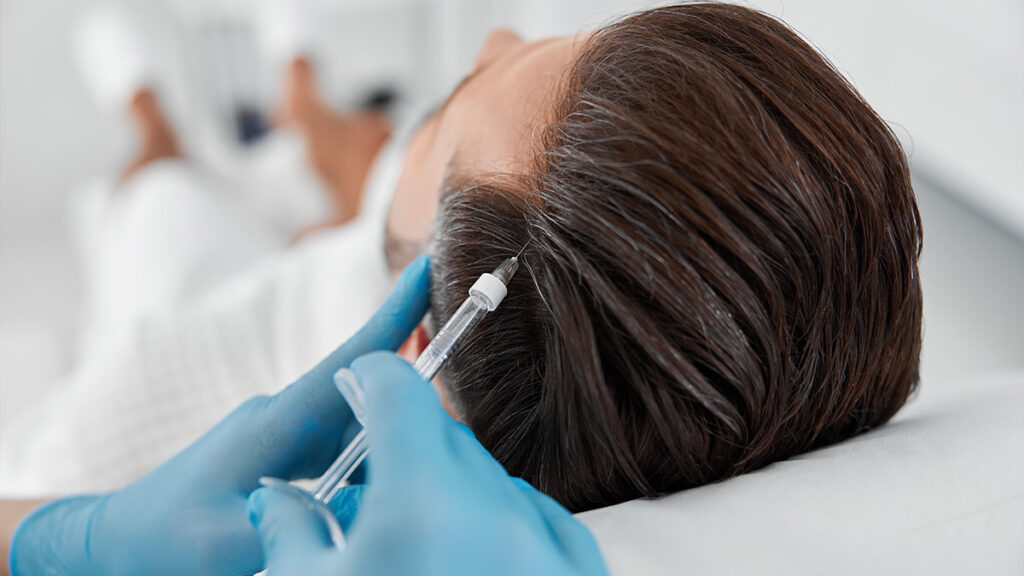
PRP Therapy
Often an adjunct for scalp support, but not a substitute for surgery in bald areas.
When Surgery Is the Only Effective Option
Surgery is the main option when medication cannot create visible coverage.
Request pricing
By sending, you agree we may contact you on WhatsApp with pricing.
Got it! We’ll WhatsApp you the pricing shortly.
How Surgeons Plan a Safe Hair Transplant in Istanbul 2026
A safe plan in 2026 focuses on donor protection, natural hairline design, and realistic density goals based on long-term hair loss patterns.
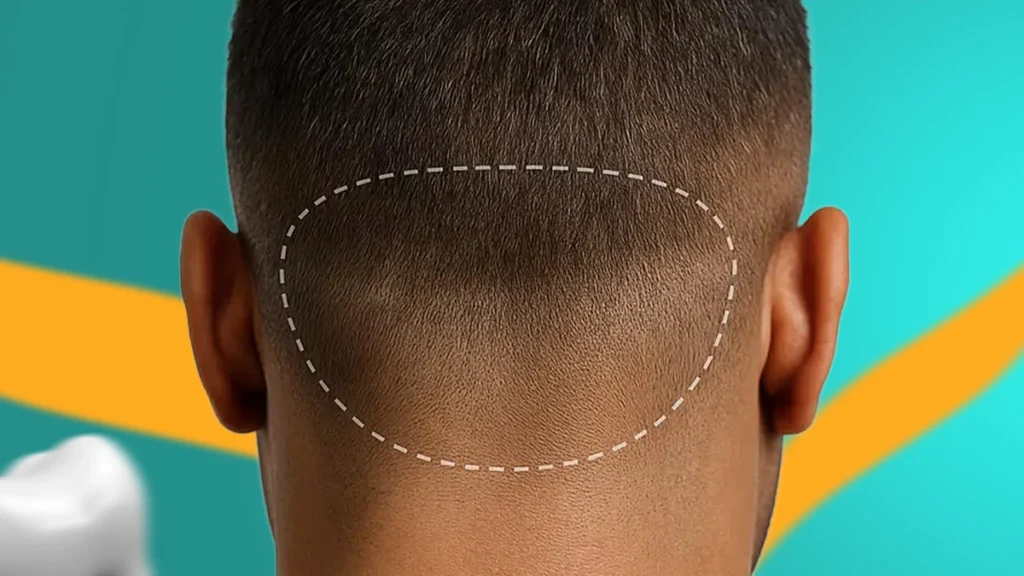
Donor Area Assessment
Surgeons evaluate donor density and set safe extraction limits to prevent overharvesting and preserve future options.
Hairline Design Principles
Hairlines are designed to suit facial proportions and age, using soft irregularity for a natural look instead of sharp, artificial lines.
Density Distribution Strategy
Grafts are allocated strategically, usually prioritizing the frontal zone, with conservative crown planning when donor supply is limited.
Age & Long-Term Planning
Planning considers future thinning so the result stays balanced and consistent as hair loss progresses.
Which treatment are you interested in?
FAQ — Hair Transplant in Turkey 2026
Safety depends on clinic standards and supervision.
Usually mild after anesthesia.
About 1 to 2 weeks for healing.
Yes, with precise angle and direction.
Depends on area size and donor capacity.
Read more: Hair Transplant in Turkey 2026: Costs, Techniques, Results & Expected Hairline