

Teeth whitening has become one of the most demanded cosmetic dentistry treatments, especially among patients searching for fast, safe, and effective ways to brighten their smile. With so many options available today—from professional whitening treatments like laser and Zoom, to at-home whitening kits such as pens, gels, and strips—many people struggle to understand what truly works and what is worth the cost. The rise of digital recommendations and countless whitening brands has also made it harder for patients to distinguish between temporary cosmetic results and clinically-proven whitening methods.
In this guide, we break down everything you need to know about teeth whitening, including the differences between professional and home-based whitening, how laser teeth whitening works, the real whitening cost in 2026, and when veneers may be a better alternative. With clear comparisons and expert insights, this article helps you choose the safest and most effective whitening solution for your smile.
What Is Teeth Whitening? (Procedure Explained)
Teeth whitening is a cosmetic dental procedure designed to lighten the natural shade of the teeth by removing stains caused by coffee, tea, smoking, certain foods, or natural aging. Whitening treatments work by using safe bleaching agents—usually hydrogen peroxide or carbamide peroxide—that penetrate the enamel to break down deep discoloration.
Today, whitening can be performed in two main ways: professional whitening done in a dental clinic, and home whitening kits that offer mild to moderate results. While both methods aim to brighten the teeth, there is a significant difference in strength, safety, and longevity of results. Professional whitening delivers faster, stronger, and more even whitening, while home kits are more affordable and convenient but deliver varying outcomes depending on the product quality.
Professional Teeth Whitening
Professional whitening is performed by a dentist using high-concentration whitening agents and advanced systems such as laser teeth whitening or Zoom whitening. Because the procedure is supervised by a specialist, it is considered the safest and most consistent whitening method. Patients often choose this option when they want dramatic results within a single session or when they have deep stains that home kits cannot remove.
Laser Teeth Whitening
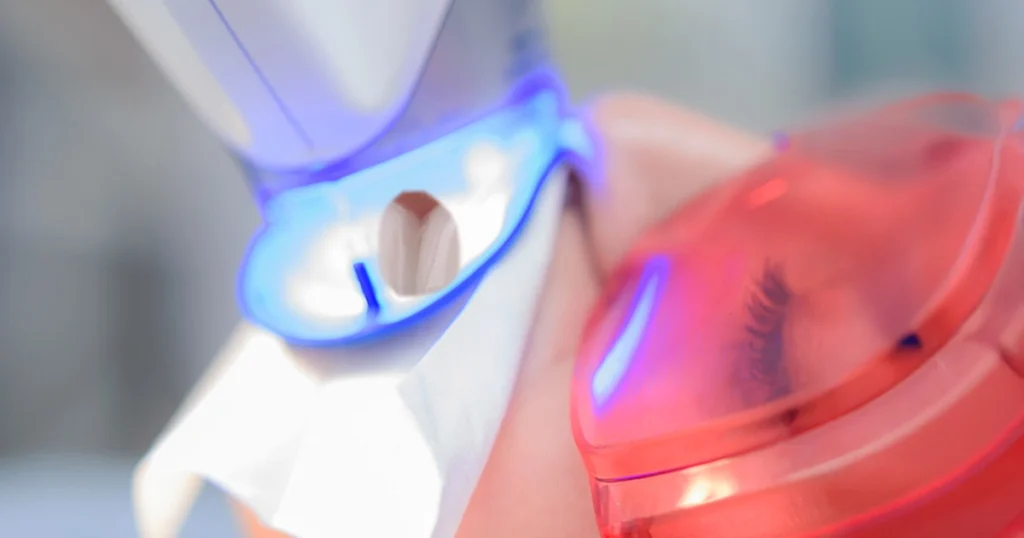
Laser teeth whitening uses a specialized dental laser to activate the whitening gel applied to the teeth. The laser accelerates the chemical reaction, allowing stains to break apart faster and more effectively.
Laser whitening benefits include:
- Faster results (1 session)
- Stronger shade improvement
- High precision and safety
- Effective for deep internal stains
Laser systems vary, which is why results depend on the dental technology used.
Start a Conversation
Contact us through the communication method that suits you





Laser Treatment for Teeth Cleaning
Many patients confuse laser cleaning with laser whitening.
Laser cleaning removes plaque, tartar, and bacteria from around the gums—especially in sensitive areas—while whitening focuses on brightening the enamel surface. Laser cleaning improves gum health but does not change tooth color.
Dental Laser Treatment (General Use)
Dental lasers are also used for gum contouring, treating sensitivity, and disinfecting root canals. These treatments support overall oral health but are separate from the cosmetic purpose of laser teeth whitening.
Skin Lightening Treatment (Clarification Point)
Although both procedures use “light” technology, skin lightening is unrelated to dental laser whitening. This point clarifies a common misconception among patients searching cosmetic treatments across different fields.
Home Teeth Whitening Kits
Home whitening kits are popular for their affordability and convenience, but they offer less intense results compared to professional treatments. They come in multiple forms, each with different levels of effectiveness.
Teeth Whitening Pens
Whitening pens provide a quick way to brighten surface stains but usually deliver temporary results. They are best for touch-ups rather than full whitening treatments.
Teeth Whitening Gel
Whitening gels used with trays can brighten teeth moderately, depending on peroxide strength. Results vary widely based on product quality and user consistency.
Whitening Mouthwash – Does It Work?
Whitening mouthwash helps remove surface stains only. It is not strong enough to produce real whitening or change the internal color of the teeth. It works best as a maintenance product after professional whitening.
Teeth Cleaning vs Teeth Whitening (Key Differences)
Teeth cleaning removes tartar, plaque, and bacterial buildup. Whitening removes deep discoloration and brightens natural enamel. Cleaning prepares the mouth for whitening but does not whiten teeth by itself.
Start a Conversation
Contact us through the communication method that suits you
Does Teeth Whitening Damage Enamel?
Modern teeth whitening treatments, whether professional or at-home, do not damage enamel when used correctly. Whitening gels are formulated to penetrate the enamel safely and break down stains without weakening the tooth structure. However, misuse of whitening kits, overuse of peroxide products, or using low-quality whitening strips can temporarily irritate the enamel and gums.
Professional whitening at a dental clinic is the safest option because the dentist controls the strength of the gel, protects the gums, and monitors the procedure to prevent sensitivity or over-whitening. Home kits should always be used according to instructions to avoid unnecessary complications.
Whitening and Tooth Sensitivity
Sensitivity is the most common side effect of teeth whitening. It usually occurs because:
- Whitening gel opens microscopic pores in the enamel temporarily
- The inner dentin becomes more reactive to temperature changes
- Whitening sessions are done too frequently
Sensitivity after whitening is usually mild and lasts 24–48 hours. Dentists may recommend:
- Desensitizing toothpaste
- Fluoride gel
- Shorter whitening sessions
- Lower concentrations for patients with sensitive teeth
Professional whitening significantly reduces the risk of severe sensitivity.
Do Whitening Strips Damage Teeth?
Whitening strips can be effective, but their results vary depending on:
- Peroxide concentration
- Application time
- Product quality
Cheap or poorly formulated whitening strips may cause:
- Gum irritation
- Temporary enamel dehydration
- Uneven whitening
They generally do not cause permanent damage, but overuse can lead to sensitivity or gum irritation. Strips are best used as a supplement—not a replacement—for professional whitening.
Sharp Pain After Teeth Whitening
A sudden “zinger” or sharp nerve pain after whitening is common and temporary. It occurs when the dentinal tubules (tiny nerve channels) become more reactive during whitening.
To manage sharp pain:
- Avoid extremely hot or cold foods for 24 hours
- Use a desensitizing toothpaste
- Apply a fluoride or remineralizing gel
- Pause whitening sessions to allow enamel recovery
If the sharp pain persists, a dentist should evaluate possible underlying issues such as enamel erosion or gum recession.
Teeth Whitening Cost in Turkey 2026
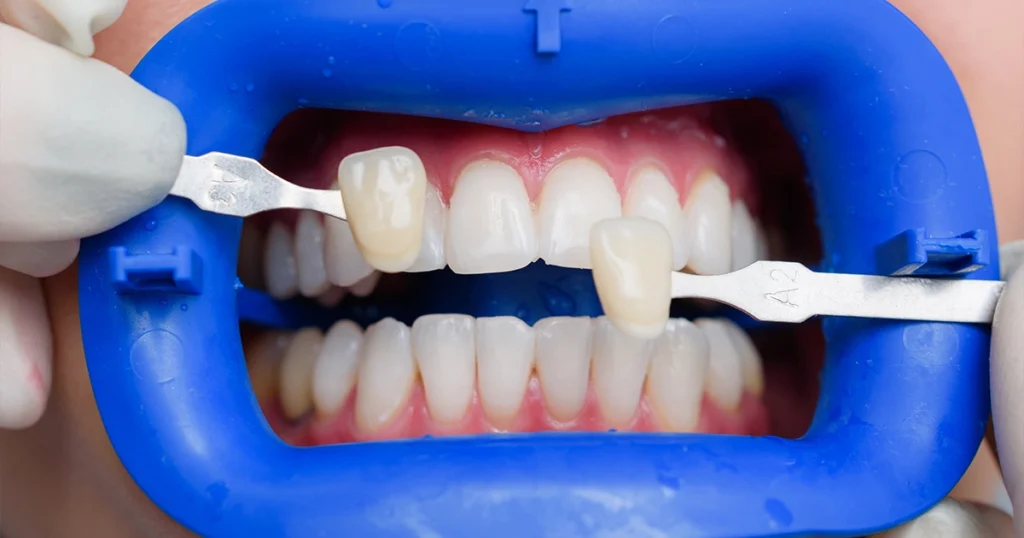
The cost of teeth whitening varies widely depending on the type of treatment, the technology used, and whether the procedure is performed professionally or at home. Professional whitening is more expensive but offers stronger, longer-lasting results, while home kits provide a more affordable option with milder effects. Understanding these differences helps patients choose the whitening method that fits their goals and budget.
Cleaning Teeth Cost
Teeth cleaning is not a whitening procedure, but it is often the first step before whitening to ensure stains and tartar do not interfere with results. Cleaning costs in Turkey vary depending on the clinic and the depth of cleaning required.
Typical cost ranges:
- Basic dental cleaning: 40€ – 80€
- Deep cleaning (scaling & root planing): 100€ – 250€
Professional cleaning enhances whitening results but cannot brighten the intrinsic color of the teeth by itself.
Request pricing
By sending, you agree we may contact you on WhatsApp with pricing.
Got it! We’ll WhatsApp you the pricing shortly.
How Much Does Zoom Whitening Cost?
Zoom whitening is one of the most well-known in-clinic whitening systems, known for its fast and dramatic results in a single session.
Price range in most dental centers:
- Zoom Whitening Session: 150€ – 300€
Patients prefer Zoom because it is safe, fast, and produces a noticeable shade improvement in just 45–60 minutes.
Cosmetic Dentistry Whitening Cost
Cosmetic dentistry packages may include:
- Laser whitening
- Zoom whitening
- At-home whitening trays
- Follow-up maintenance kits
- Fluoride or enamel-protection treatment
Package prices vary but generally range between:
- Cosmetic Whitening Packages: 150€ – 450€
Clinics often combine whitening with cleaning or polishing to enhance results.
Request pricing
By sending, you agree we may contact you on WhatsApp with pricing.
Got it! We’ll WhatsApp you the pricing shortly.
Is There Extra Charge for Tooth Extraction?
Tooth extraction is not part of whitening, but some patients require the removal of damaged or infected teeth before cosmetic procedures.
Extraction costs typically vary based on:
- Tooth location
- Complexity of removal
- Need for surgical extraction
General ranges:
- Simple extraction: 30€ – 60€
- Surgical extraction: 80€ – 150€
These costs are separate from whitening treatments but may affect overall cosmetic treatment planning.
Teeth Bleaching vs Teeth Whitening
Although the terms teeth bleaching and teeth whitening are often used interchangeably, they describe two different concepts in cosmetic dentistry.
Teeth Whitening
Whitening refers to removing stains from the enamel and restoring the natural shade of the tooth. It targets discoloration caused by:
- Coffee, tea, and colored beverages
- Smoking
- Surface stains
- Mild internal discoloration
Whitening brings teeth back to their original natural color, but does not typically make them whiter than their natural shade.
Teeth Bleaching
Bleaching, on the other hand, uses higher concentrations of peroxide to change the internal shade of the tooth and make it whiter than the natural color.
This is the technique used in:
- Laser whitening
- Zoom whitening
- Strong in-clinic bleaching systems
Bleaching produces stronger, more dramatic results and is ideal for patients who want a bright Hollywood-style smile or have deeper stains that standard whitening cannot remove.
Which Option Is Better?
- Whitening is suitable for mild to moderate discoloration.
- Bleaching is ideal for strong cosmetic enhancement or intrinsic staining.
- Professional bleaching gives the safest and most consistent results.
Teeth Whitening vs Veneers – Which Gives Better Results?
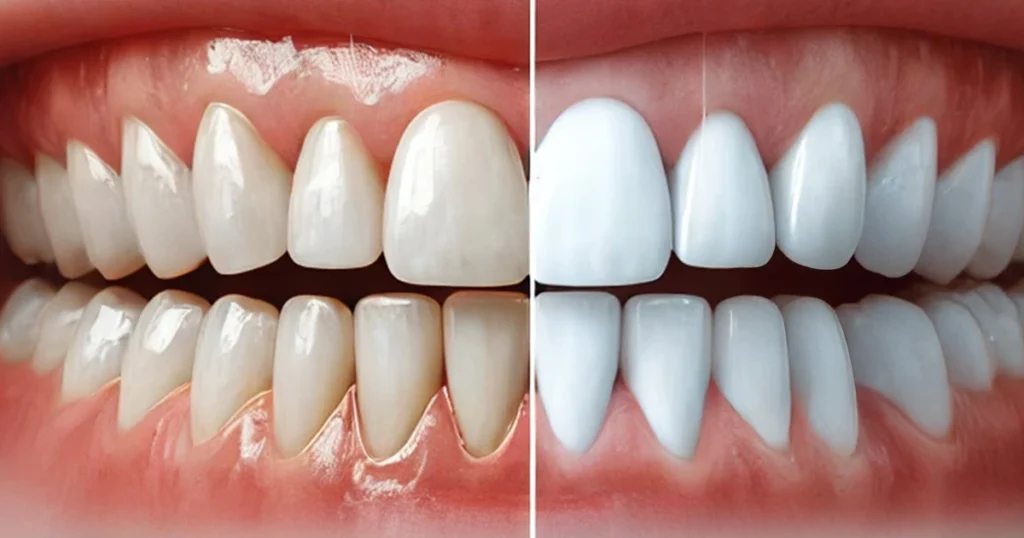
While whitening improves the color of natural teeth, veneers offer a complete cosmetic transformation in both color and shape. Each option serves a different purpose depending on the patient’s goals, tooth condition, and expectations.
When to Choose Whitening
Whitening is ideal if you want to:
- Brighten your natural teeth
- Remove discoloration
- Improve shade without altering tooth shape
- Achieve results quickly and affordably
It works best for patients whose teeth are healthy and well-shaped but discolored.
When to Choose Veneers
Veneers are the preferred option when the patient wants to correct:
- Shape, size, alignment, or length of teeth
- Chips or cracks
- Gaps between teeth
- Deep stains whitening cannot remove
- Multiple cosmetic flaws in one treatment
Veneers provide consistent, long-term aesthetic control that whitening cannot match.
Request pricing
By sending, you agree we may contact you on WhatsApp with pricing.
Got it! We’ll WhatsApp you the pricing shortly.
Are Veneers Suitable for You?
Veneers may be a better solution than whitening if you have:
- Uneven or small teeth
- Persistent stains (fluorosis, tetracycline)
- Teeth worn down due to grinding
- Gaps you want to close
- Desire for a “Hollywood Smile” result
A dental evaluation determines whether your enamel is suitable for veneers and which material (E-max, zirconium, or composite) best matches your goals.
Teeth Whitening and Veneers at Marina Clinic
Many patients combine whitening and veneers for maximum aesthetic results. At Marina Clinic:
- Whitening is performed to brighten natural teeth
- Veneers are placed on the teeth that need reshaping or coverage
- Smile Design technology helps choose the right shade and proportions
- The treatment plan is customized depending on facial structure and patient desires
This blended approach ensures a balanced, natural-looking smile rather than an overly bright or mismatched result.
Which treatment are you interested in?
Read More: Veneers vs Crowns: Which Is Better for a Perfect Smile in 2026?