
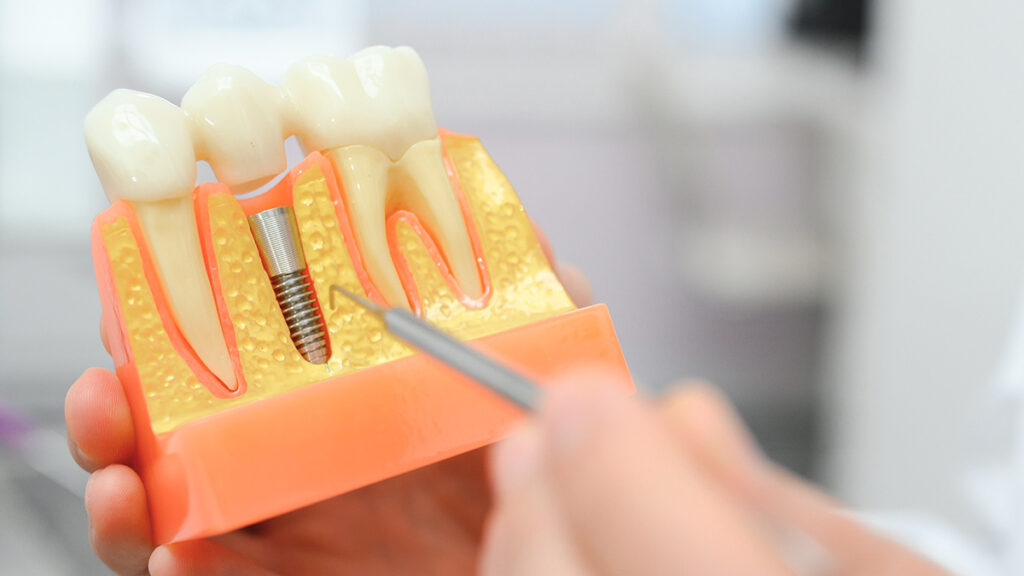
Dental implants are one of the most effective solutions for replacing missing teeth and restoring oral function. Beyond improving appearance, implants play an important role in maintaining chewing ability, supporting jawbone health, and preserving overall well-being.
In this guide, we explain the key benefits of dental implants and why daily oral care, proper hygiene, and regular dental check-ups are essential for long-term implant success.
Why Dental Implants Are Important for Oral Health
Missing teeth affect more than just your smile. Without proper replacement, tooth loss can lead to functional and structural problems.
Restoring Chewing and Speaking Function
Dental implants help:
- Restore normal chewing efficiency
- Improve speech clarity
- Provide stability compared to removable solutions
This functional restoration supports better nutrition and overall comfort.
Start a Conversation
Contact us through the communication method that suits you





Dental Implants and Long-Term Oral Stability
Unlike other tooth replacement options, implants integrate with the jawbone.
Supporting Jawbone Health
When a tooth is lost, the jawbone in that area may begin to shrink. Dental implants help:
- Stimulate the bone
- Preserve facial structure
- Prevent further bone loss
This makes implants a long-term solution rather than a temporary fix.
Daily Oral Hygiene and Implant Success
Although dental implants are artificial, they require consistent care.
The Role of Brushing and Flossing
Proper brushing and daily flossing help remove plaque around implants and natural teeth. Flossing is especially important for cleaning areas that a toothbrush cannot reach, helping to prevent gum inflammation.
Flossing daily is a small habit that makes a significant difference in maintaining implant health.
Using Mouthwash as a Supportive Tool
An antimicrobial mouthwash can:
- Reduce plaque buildup
- Support gum health
- Freshen breath
Mouthwash should complement brushing and flossing, not replace them.
Request pricing
By sending, you agree we may contact you on WhatsApp with pricing.
Got it! We’ll WhatsApp you the pricing shortly.
The Importance of Regular Dental Check-Ups with Implants
Professional care is essential for monitoring implant health.
Why Dental Visits Matter
Visiting the dentist every six months allows for:
- Early detection of gum disease or implant-related issues
- Professional cleaning around implants
- Personalized oral care recommendations
Preventive monitoring helps protect both oral health and the long-term value of implant treatment.
Nutrition and Its Impact on Implant Longevity
Diet plays a key role in maintaining strong teeth and healthy gums.
Foods That Support Oral Health
Calcium- and phosphate-rich foods help maintain bone and tooth strength. These include:
- Dairy products
- Leafy green vegetables
- Nuts
Limiting Sugar Intake
Sugary foods and drinks contribute to plaque buildup and gum disease, which can negatively affect both natural teeth and implants.
Drinking plenty of water helps wash away food particles and supports saliva production.
Request pricing
By sending, you agree we may contact you on WhatsApp with pricing.
Got it! We’ll WhatsApp you the pricing shortly.
Dental Implants, Prevention, and Long-Term Value
Dental implants are designed to last many years when properly cared for.
Prevention Helps Reduce Future Treatment Needs
Maintaining good oral hygiene and attending regular check-ups helps:
- Prevent complications
- Avoid additional treatments
- Protect the long-term investment in dental implants
From a cost perspective, preventive care supports implant longevity and reduces the likelihood of future dental expenses.
Start a Conversation
Contact us through the communication method that suits you
Oral Health, Overall Well-Being, and Quality of Life
Oral health is closely connected to overall health. Restoring missing teeth with implants improves comfort, confidence, and daily function.
Your mouth is a window into your overall health, and maintaining implants properly supports long-term wellness.
Final Thoughts on the Benefits of Dental Implants
Dental implants offer more than cosmetic improvement. They restore function, support jawbone health, and contribute to long-term oral stability. When combined with proper brushing, flossing, a balanced diet, mouthwash use, and regular dental check-ups, implants can remain healthy and functional for many years.
By focusing on preventive care, patients can protect their oral health and maximize the long-term value of dental implant treatment.
Which treatment are you interested in?