
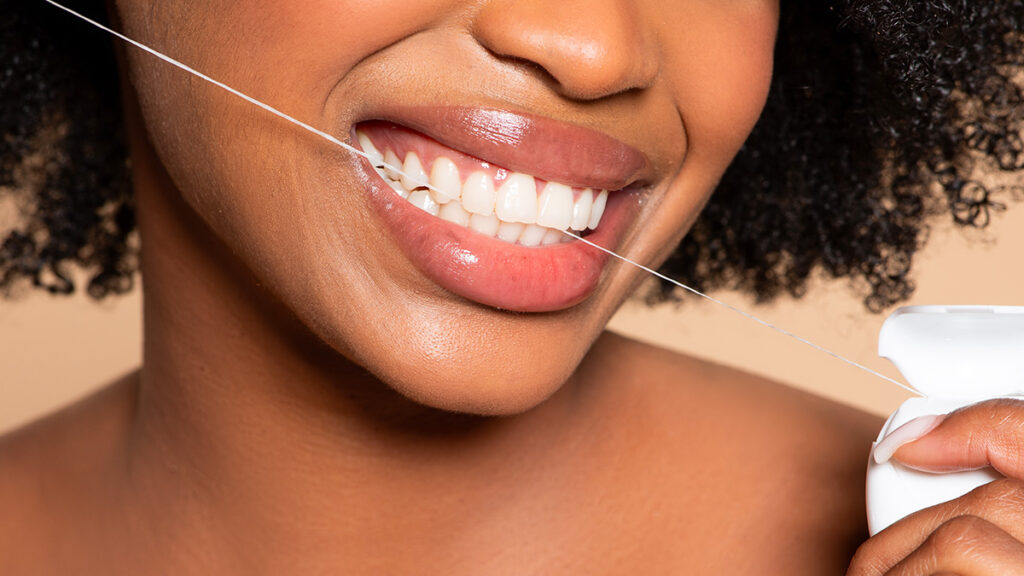
Maintaining oral health is essential not only for a bright smile, but also for overall well-being. Daily habits such as brushing, flossing, healthy eating, and regular dental check-ups play a major role in preventing common dental problems.
Among these habits, flossing is one of the most overlooked, despite being one of the most effective ways to protect teeth and gums and reduce long-term dental treatment needs.
Why Flossing Is Essential for Oral Health
A toothbrush cleans the surface of the teeth, but it cannot reach the tight spaces between them.
How Flossing Protects Teeth and Gums
Flossing helps remove:
- Food particles trapped between teeth
- Plaque buildup along the gumline
Daily flossing significantly reduces the risk of:
- Gum disease
- Cavities between teeth
- Inflammation and bleeding gums
This simple habit plays a key role in maintaining healthy teeth and gums over time.
Proper Flossing Techniques for Best Results
Using floss correctly is just as important as using it regularly.
Step-by-Step Flossing Technique
- Use about 18 inches of dental floss
- Wrap most of it around your middle fingers
- Gently slide the floss between each tooth
- Curve it around the tooth and move it slightly under the gumline
- Use a clean section of floss for each tooth
Flossing once a day is enough to make a noticeable difference in oral health.
Start a Conversation
Contact us through the communication method that suits you





Flossing and Preventive Dental Care
Preventive care focuses on avoiding problems before they require treatment.
Why Prevention Costs Less Than Treatment
When flossing is skipped, plaque buildup can lead to:
- Gum disease
- Tooth decay
- More frequent dental treatments
Regular flossing helps reduce the likelihood of costly procedures such as fillings, deep cleanings, or restorative treatments. From a cost perspective, daily flossing is one of the most affordable preventive habits in dentistry.
The Role of Dental Check-Ups in Gum Health
Flossing works best when combined with professional care.
Why Regular Dental Visits Matter
Visiting your dentist every six months allows for:
- Early detection of cavities and gum disease
- Professional cleaning
- Personalized oral hygiene advice
Regular check-ups help control dental problems early, often reducing the overall cost of dental care over time.
Start a Conversation
Contact us through the communication method that suits you
Diet, Oral Hygiene, and Gum Protection
What you eat directly affects your oral health.
Foods That Support Strong Teeth and Gums
A balanced diet rich in calcium and phosphates helps strengthen enamel. Beneficial foods include:
- Dairy products
- Leafy green vegetables
- Nuts
Limiting Sugar Intake
Sugary foods and beverages increase the risk of tooth decay and gum disease. Reducing sugar intake supports both oral health and long-term dental cost control.
Drinking plenty of water helps wash away food particles and keeps the mouth hydrated.
Flossing, Mouthwash, and Daily Oral Care
Flossing works best as part of a complete routine.
Using Mouthwash as a Complement
An antimicrobial mouthwash can:
- Reduce plaque
- Support gum health
- Freshen breath
Mouthwash should never replace brushing or flossing, but it can enhance overall results when used correctly.
Oral Health, Well-Being, and Long-Term Value
Oral health is closely connected to general health. Healthy teeth and gums improve comfort, confidence, and quality of life.
Small Habits, Long-Term Benefits
Flossing daily may seem like a small step, but it:
- Protects gum health
- Reduces the risk of dental disease
- Helps avoid expensive treatments in the future
From both a health and cost perspective, flossing is one of the smartest daily oral care habits.
Final Thoughts on the Importance of Flossing
Flossing is a simple yet powerful tool for maintaining healthy teeth and gums. When combined with proper brushing, a balanced diet, mouthwash, and regular dental check-ups, it forms the foundation of effective preventive dental care.
By investing a few minutes a day in flossing, you can protect your oral health, reduce future dental problems, and maintain a healthy smile for years to come.
Which treatment are you interested in?