
When patients explore cosmetic and restorative dental treatments, one of the most common questions they ask is whether they need veneers or crowns. While both options improve appearance, dentists do not choose between them based on looks alone. Instead, the decision is made tooth by tooth, guided by structure, function, and long-term dental care principles.
This article explains how dentists clinically evaluate each tooth, why veneers and crowns serve different purposes, and how these treatments are used responsibly—especially for patients considering veneers or crowns in Turkey in 2026.
What Are Veneers in Modern Dental Care?
Veneers Explained in Simple Clinical Terms
What are veneers used for in dental care?
Dental veneers are thin restorations bonded to the front surface of teeth to improve color, shape, and minor alignment issues. Dentists recommend veneers when the natural tooth structure is healthy and strong enough to support an aesthetic enhancement without compromising function.
Because veneers preserve most of the natural tooth, they are considered a conservative cosmetic solution within modern dental care.
Start a Conversation
Contact us through the communication method that suits you





What Veneers Can Treat — and Their Clinical Limits
Veneers are commonly used to correct:
- Discoloration that does not respond to whitening
- Small chips or surface defects
- Minor gaps between teeth
- Subtle shape irregularities
However, veneers cannot restore weakened teeth, repair deep fractures, or correct bite instability. For that reason, dentists carefully evaluate structural integrity before recommending them, which naturally leads to considering crowns in certain cases.
Why Veneers Are Chosen for Aesthetic Corrections, Not Structural Repair
From a clinical perspective, veneers enhance appearance but do not reinforce tooth strength. When strength or protection is required, dentists look beyond veneers to more comprehensive restorative options.
Request pricing
By sending, you agree we may contact you on WhatsApp with pricing.
Got it! We’ll WhatsApp you the pricing shortly.
What Are Dental Crowns and When Are They Needed?
Dental Crowns Explained for Patients
What does a dental crown actually do?
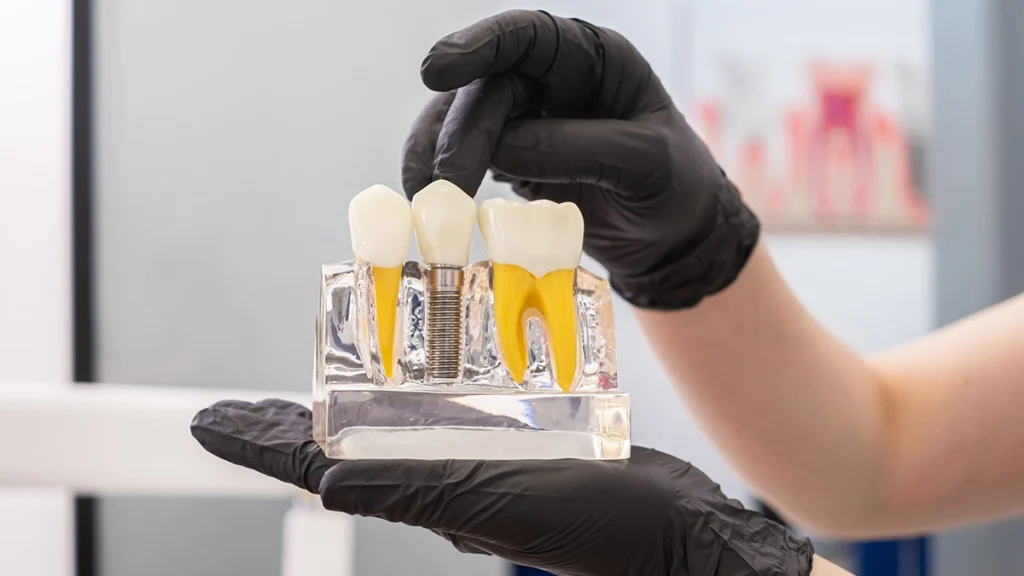
A dental crown is a full-coverage restoration that surrounds the entire tooth. Dentists use crowns to restore strength, protect damaged teeth, and re-establish proper bite function, making them a core element of restorative dental care.
Unlike veneers, crowns play both a functional and aesthetic role.
Conditions That Require Crowns Instead of Veneers
Dentists recommend crowns when a tooth has:
- Extensive decay
- Large fillings
- Cracks or fractures
- Root canal treatment
- Severe wear or enamel loss
In these situations, veneers would not provide adequate protection, which highlights why crowns are essential in preserving long-term oral health.
How Crowns Restore Strength, Not Just Appearance
Crowns distribute chewing forces evenly and protect weakened teeth from further damage. This functional role explains why dentists prioritize crowns when tooth survival is at risk, even in cosmetic cases.
Veneers vs Crowns — How Dentists Decide Tooth by Tooth
Dentists do not choose between veneers and crowns based on preference or trends. Instead, they evaluate each tooth individually, considering structure, bite forces, and long-term prognosis before recommending the appropriate solution.
Clinical Comparison Table: Veneers vs Crowns
| Clinical Factor | Veneers | Crowns |
| Tooth Coverage | Front surface only | Full tooth coverage |
| Primary Purpose | Aesthetic enhancement | Structural restoration |
| Tooth Strength Required | Must be structurally sound | Can restore weakened teeth |
| Effect on Bite | Minimal | Can significantly affect bite |
| Tooth Reduction | Minimal | Moderate to extensive |
| Longevity Expectation | Long-term with correct case selection | Long-term even in damaged teeth |
This comparison shows clearly why veneers and crowns are not interchangeable. In fact, many smile treatments combine both, depending on the condition of each tooth.
Tooth Structure, Enamel Loss, and Fracture Risk
Dentists assess how much natural enamel remains before choosing veneers. If enamel loss is significant, crowns provide safer and more predictable outcomes.
Bite Forces, Grinding, and Jaw Function
Patients who grind their teeth or exert high bite forces often require crowns for durability. Veneers alone may fail under such conditions, which reinforces the importance of functional assessment.
Read More: What Are Dental Veneers? Types, Uses, and Who They Are For
Why One Smile Can Contain Both Veneers and Crowns
Is a crown better than a veneer?
In many cases, dentists use veneers on healthy front teeth and crowns on structurally compromised teeth within the same smile plan, ensuring both beauty and durability.
Request pricing
By sending, you agree we may contact you on WhatsApp with pricing.
Got it! We’ll WhatsApp you the pricing shortly.
Veneers and Crowns as Part of Comprehensive Dental Care
Preventive vs Restorative Decision-Making in Dentistry
Veneers align with preventive and aesthetic dentistry, while crowns belong to restorative care. Dentists balance these approaches to protect oral health while achieving cosmetic goals.
Why Aesthetic Goals Must Follow Medical Criteria
Aesthetic improvements should never compromise tooth strength or bite stability. For that reason, dentists always prioritize medical criteria before cosmetic preferences.
Long-Term Oral Health vs Short-Term Cosmetic Results
Short-term aesthetics may look appealing, but long-term dental care depends on correct material selection and planning, which frames the discussion around treatment choices in Turkey.
Start a Conversation
Contact us through the communication method that suits you
Veneers in Turkey 2026 — When Dentists Recommend Them
Ideal Candidates for Veneers in Clinical Practice
Dentists in Turkey recommend veneers for patients with:
- Healthy tooth structure
- Stable bite
- Primarily cosmetic concerns
Veneers as Part of Smile Design, Not a Standalone Fix
In many cases, veneers are integrated into broader smile design plans rather than used as isolated solutions, ensuring balanced results.
Why Veneers in Turkey Follow the Same Medical Standards
Despite cost advantages, veneers in Turkey must meet the same clinical standards applied worldwide, which preserves safety and predictability.
Crowns in Turkey 2026 — When Structural Protection Comes First
Teeth That Require Crowns for Long-Term Stability
Crowns are essential for teeth that cannot safely support veneers due to damage or weakness.
Crowns in Complex Smile and Bite Rehabilitation
Dentists often use crowns in full-mouth rehabilitation cases to restore bite balance and protect remaining teeth.
Medical Criteria Over Cosmetic Trends in Crown Selection
Treatment decisions in Turkey remain medically driven, ensuring crowns are chosen for protection—not trends.
Request pricing
By sending, you agree we may contact you on WhatsApp with pricing.
Got it! We’ll WhatsApp you the pricing shortly.
Common Misconceptions About Veneers and Crowns
“Veneers Are Always Better Than Crowns”
This belief ignores the structural needs of damaged teeth and can lead to premature failure.
“Crowns Are Only for Severely Damaged Teeth”
Crowns are also used preventively to protect teeth at risk, not only those already compromised.
Why These Assumptions Can Lead to Poor Outcomes
Misunderstanding treatment roles often results in inappropriate choices, emphasizing the need for professional evaluation.
Start a Conversation
Contact us through the communication method that suits you
How Dentists Decide What Each Tooth Needs
Clinical Examination and Diagnostic Imaging
Dentists rely on visual exams, X-rays, and digital scans to assess tooth condition accurately.
Bite Analysis and Functional Assessment
Evaluating how teeth meet and function ensures restorations remain comfortable and durable.
Personalized Treatment Planning vs One-Size-Fits-All Solutions
How does a dentist decide between veneers and crowns?
Only personalized planning ensures the correct balance between aesthetics, strength, and longevity.
Which treatment are you interested in?
FAQ
Yes, many smile treatments combine both based on individual tooth needs.
Yes, crowns provide full structural protection, while veneers are primarily aesthetic.
Longevity depends on planning and care, but crowns often last longer in weakened teeth.
It depends on tooth strength, bite forces, and cosmetic goals.
Yes, when performed according to medical standards and proper planning.
Read More: Veneers vs Whitening: Which Treatment Actually Changes Your Smile?