
Many people considering a hair transplant ask the same question:
Am I actually a good candidate, or will the results be limited?
The answer depends on more than just hair loss. Factors like donor area strength, hair density, and the type of hair loss — whether diffuse thinning, crown loss, or overall thin hair — all play a critical role in determining success.
Quick Answer: Who Is a Good Candidate for a Hair Transplant?
A good hair transplant candidate has a stable hair loss pattern, a strong donor area, and enough grafts to achieve natural density. Suitability also depends on the type of hair loss, such as diffuse thinning, crown thinning, or general thin hair. Not all patients are ideal candidates, especially if donor density is weak or hair loss is too advanced.
What Makes Someone a Good Hair Transplant Candidate?
A hair transplant moves healthy follicles from the donor area, usually the back and sides of the scalp, to thinning or bald areas. Since donor hair is limited, doctors must check whether enough grafts are available for a natural result.
Donor Area Strength
The donor area is one of the most important factors. A strong donor area has good density, healthy follicles, and enough thickness to provide coverage after extraction.
Doctors usually evaluate:
- Donor hair density
- Hair thickness and texture
- Follicle strength
- Safe extraction capacity
- Risk of overharvesting
Patients with thick, dense donor hair often achieve better visual coverage than those with very fine or sparse donor hair.
Hair Loss Pattern Stability
Stable hair loss is a key sign of candidacy. If hair loss is progressing quickly, a transplant may look unnatural later as native hair continues to thin.
Doctors consider age, family history, current hair loss speed, and whether treatment is needed before surgery.
Realistic Density Expectations
A hair transplant can improve coverage, but it cannot restore original teenage density. Good candidates understand that the goal is natural improvement, not unlimited thickness.
The best plans focus on:
- Natural-looking coverage
- Better facial framing
- Strategic density
- Long-term balance
General Health and Scalp Condition
Good overall health supports healing and graft survival. Scalp conditions such as infection, severe inflammation, or untreated dermatitis may need treatment before surgery.
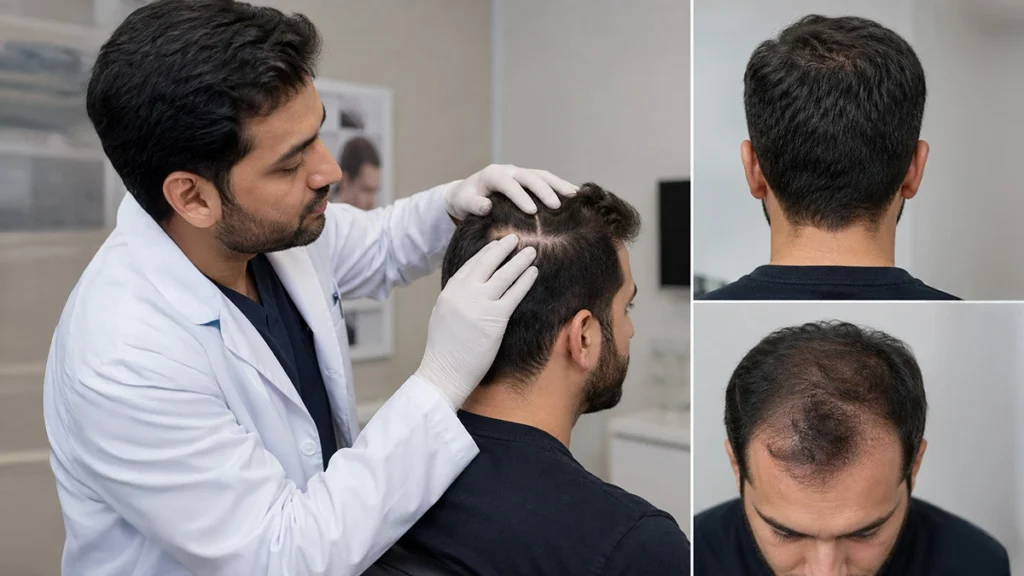
Hair Transplant Candidate Comparison
| Hair Loss Situation | Candidate Potential | Main Concern | Typical Approach |
| Receding hairline with strong donor area | High | Future hair loss | Careful hairline design |
| Mild crown thinning | Moderate to high | High graft demand | Conservative crown filling |
| Diffuse thinning | Case-dependent | Shock loss and weak donor | Detailed assessment |
| Very thin hair | Case-dependent | Limited density effect | Realistic planning |
| Advanced baldness | Limited to moderate | Not enough grafts | Prioritize visible areas |
| Weak donor area | Low | Poor graft supply | Consider alternatives |
| Aggressive hair loss | Low initially | Continued thinning | Stabilize before surgery |
Start a Conversation
Contact us through the communication method that suits you





Can You Get a Hair Transplant With Diffuse Thinning?
Diffuse thinning means hair is thinning evenly across the scalp instead of in one clear bald area. This can make transplant planning more complicated.
What Is Diffuse Thinning?
Diffuse thinning appears as general density loss across the top, crown, mid-scalp, or sometimes even the donor area. The scalp becomes more visible because many hairs become thinner at the same time.
Hair Transplant Diffuse Thinning: Challenges
Diffuse thinning is challenging because existing hairs are often still present in the recipient area. Implanting grafts between weak native hairs requires precision and may increase the risk of temporary shock loss.
If the donor area is also thinning, the patient may not have enough strong grafts for a reliable result.
When Diffuse Thinning Is Treatable
Diffuse thinning may be treatable when the donor area is strong, the pattern is stable, and the surgeon can identify areas where graft placement will improve coverage.
When It Is Not Recommended
A transplant may not be recommended if thinning affects the entire scalp, the donor area is weak, or there is no clear density difference between donor and recipient areas.
Because diffuse thinning can involve both zones, doctors must assess donor strength, stability, and shock loss risk before surgery.
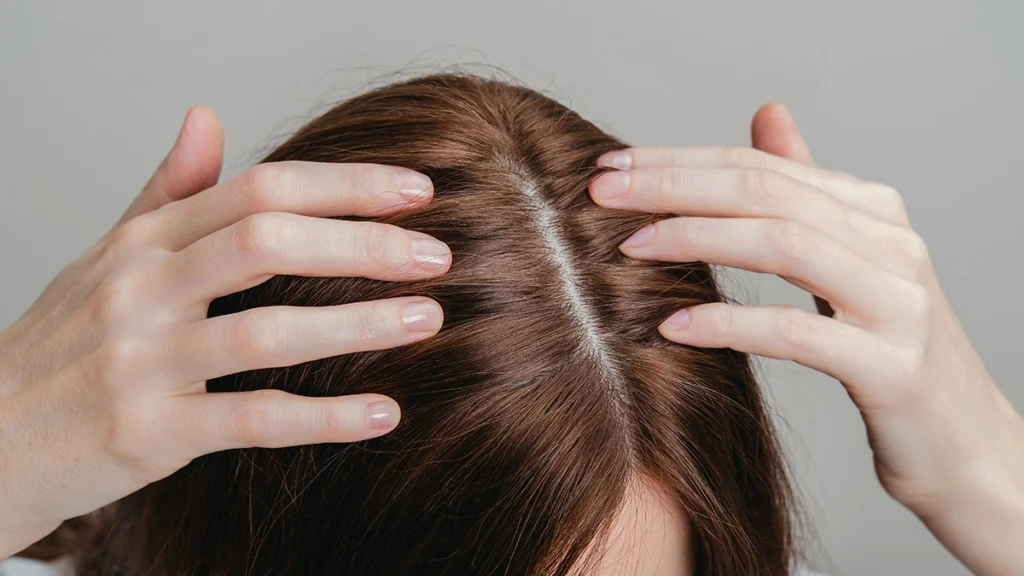
Is a Hair Transplant Good for Thin Hair?
A hair transplant can help some people with thin hair, but results depend on whether the issue is natural fine hair, true hair loss, or follicle miniaturization.
Difference Between Thin Hair and Hair Loss
Some people naturally have fine hair strands, while others have thinning caused by shrinking follicles. This matters because fine hair provides less coverage per graft than thick hair.
Hair Transplant for Thinning Hair: What to Expect
A transplant can improve visual density and reduce scalp visibility. However, it may not create a very thick look if the donor hair itself is fine.
Doctors usually focus on strategic placement in the hairline, frontal scalp, and visible thinning zones.
Hair Transplant Very Thin Hair Cases
Very thin hair cases need realistic expectations. If donor follicles are weak or miniaturized, final density may be limited.
Thin hair can be treated in selected cases, but final density depends on hair caliber, donor strength, and realistic coverage planning.
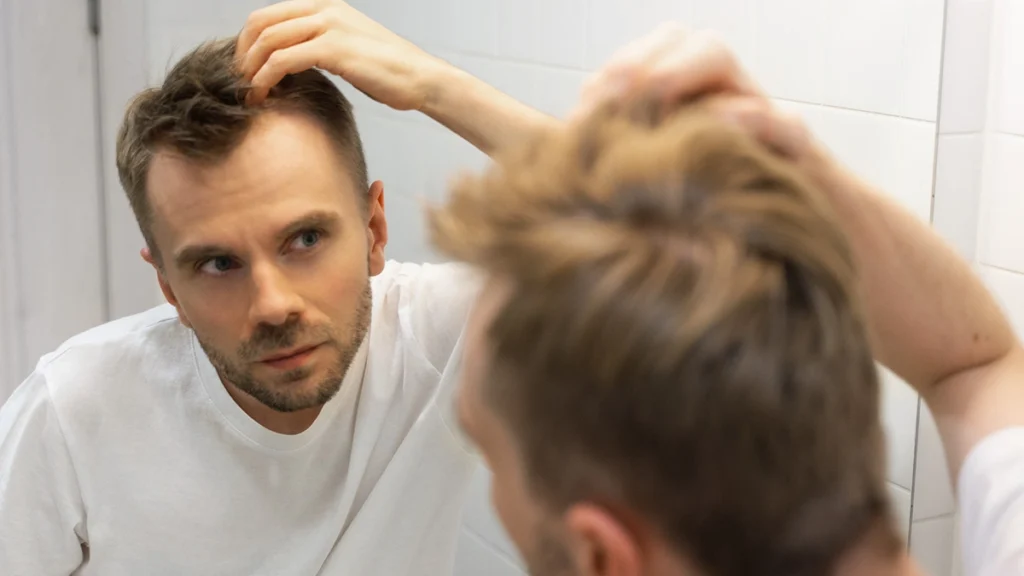
Are You a Good Candidate if Your Crown Is Thinning?
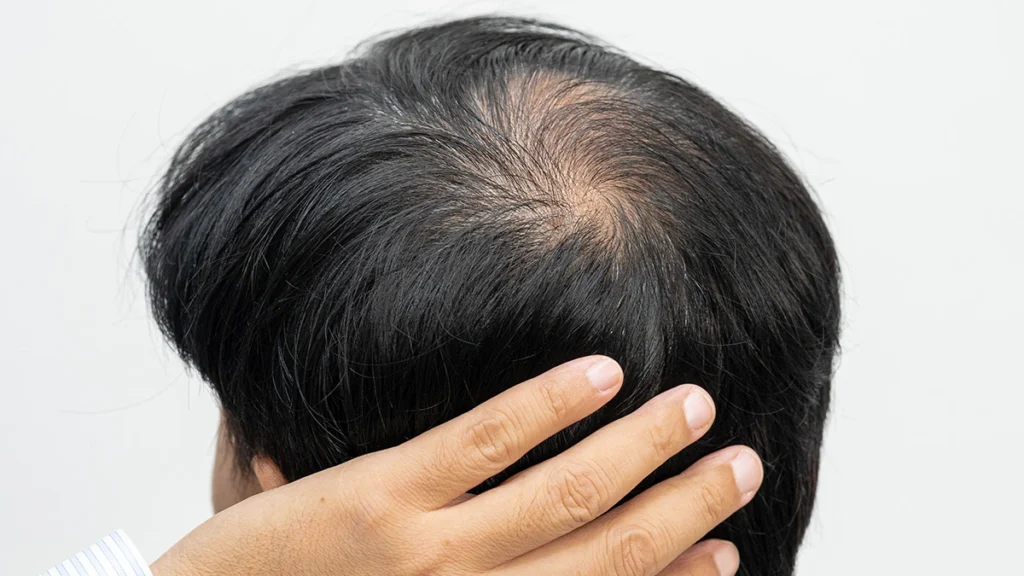
Crown thinning is common, but the crown is one of the hardest areas to restore because it often needs many grafts.
Why the Crown Area Is More Difficult
The crown has a natural swirl pattern, which makes graft direction more complex. It can also continue expanding if hair loss progresses.
Graft Requirements for Crown Area
Crown restoration may require several thousand grafts, especially when the thinning area is large.
Doctors may prioritize the hairline and frontal scalp first because these areas usually have a stronger visual impact.
Best Techniques for Crown Hair Loss
FUE is often used for crown restoration because grafts can be placed carefully at the right angle and direction. Sapphire techniques may also be used, but results depend mainly on planning, donor quality, and surgeon skill.
Crown transplants usually need more grafts and patience because the area is larger, has a swirl pattern, and may take longer to show full density.
Request pricing
By sending, you agree we may contact you on WhatsApp with pricing.
Got it! We’ll WhatsApp you the pricing shortly.
When Are You Not a Good Candidate for Hair Transplant?
Not everyone with hair loss is suitable for surgery. In some cases, a transplant may produce limited results or use valuable donor grafts without enough benefit.
Poor Donor Area
A weak donor area is one of the most common reasons for ineligibility. If the back and sides of the scalp do not have enough strong follicles, surgery may not provide enough coverage.
Advanced Hair Loss
Advanced hair loss does not always disqualify a patient, but it can limit the result. If the bald area is too large and donor supply is too small, full coverage may not be possible.
Unstable Hair Loss
If hair loss is still aggressive, surgery may need to be delayed. A transplant does not stop future hair loss in non-transplanted hair.
Unrealistic Expectations
Patients expecting full original density, a very low hairline, or complete coverage despite limited donor supply may not be suitable candidates.
Read more: Hair Transplant in Istanbul 2026: Techniques, Results & What to Expect
How Doctors Evaluate Hair Transplant Candidacy
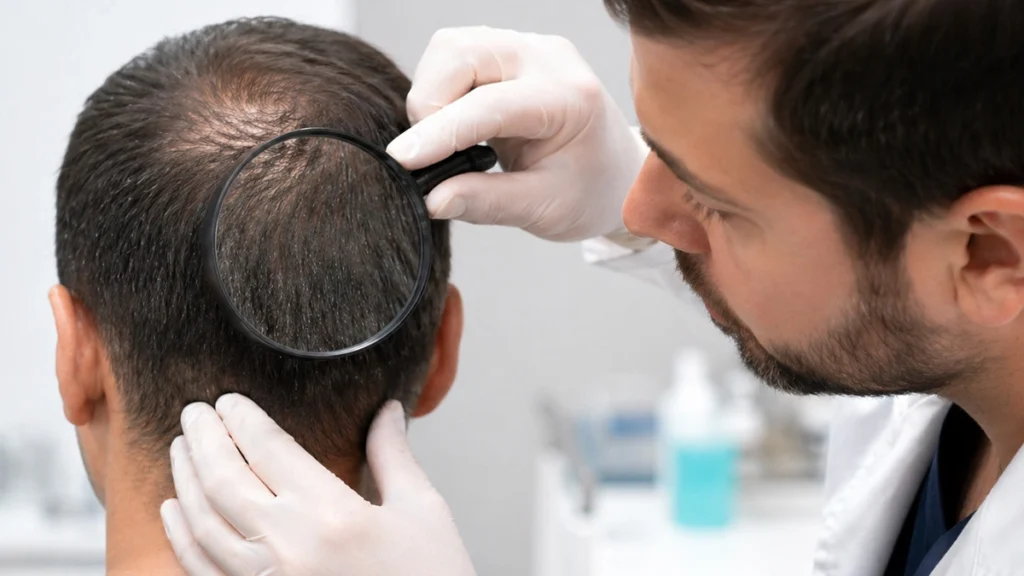
A proper consultation looks at the donor area, recipient area, hair type, scalp health, and long-term hair loss pattern.
Donor Area Assessment
Doctors estimate how many grafts can be safely extracted without making the donor area look thin or patchy.
Hair Type and Thickness
Thick, coarse, or curly hair often creates better coverage than fine, straight hair. This is why two patients with the same graft count can have different outcomes.
Hairline Planning and Coverage Strategy
A natural hairline should match the patient’s age, face shape, donor capacity, and future hair loss risk. Conservative planning often creates better long-term results.
Why Online Self-Diagnosis Is Misleading
Photos and graft calculators can help with general education, but they cannot accurately measure donor quality, miniaturization, or scalp condition.
How Many Grafts Do You Need?
The number of grafts depends on the size of the thinning area, hair type, donor density, and desired coverage.
Mild Hair Loss
Mild hair loss may require around 1,000 to 2,000 grafts, especially for small hairline or temple areas.
Moderate Hair Loss
Moderate hair loss may require around 2,000 to 3,500 grafts, depending on whether the front, mid-scalp, or crown is treated.
Advanced Hair Loss
Advanced hair loss may require around 3,500 to 5,000 grafts or more, often across multiple sessions.
When Grafts Are Not Enough
Sometimes the required graft number is higher than what the donor area can safely provide. In these cases, doctors may recommend partial coverage, staged surgery, or non-surgical options.
Read more: Hair Transplant Turkey vs Europe 2026: Medical Standards, Cost & Techniques Compared
People Also Ask About Hair Transplant Candidates
Am I a good candidate for hair transplant?
Can you do a hair transplant on thinning hair?
Is hair transplant good for diffuse thinning?
How do I know if I qualify for hair transplant?
What disqualifies you from a hair transplant?
Final Insight: Candidacy Depends on Strategy, Not Just Hair Loss
A good hair transplant candidate has enough donor hair, stable hair loss, healthy scalp condition, and realistic expectations. Hair type affects density, donor strength determines the limits, and technique selection affects the final result.
Diffuse thinning, crown thinning, and very thin hair can sometimes be treated, but they require careful planning. The most important step is a professional evaluation that considers current hair loss and future progression.
Read more: FUE vs DHI vs Sapphire Hair Transplant: Which Technique Is Better in 2026?
Which treatment are you interested in?
FAQ
You may be a good candidate if you have a strong donor area, stable hair loss, healthy scalp condition, and realistic expectations.
Yes, but results depend on donor strength, hair density, and whether the thinning pattern is stable.
It can work in selected cases, but it requires careful planning and a strong donor area.
No. Temporary shedding after a transplant is common and does not usually mean failure.
Yes. Many patients are still in the early growth stage at four months. More visible growth often appears between months six and twelve.
It depends on donor area availability, not just hair loss severity.
Most patients need between 1,000 and 5,000 grafts, depending on the case.