
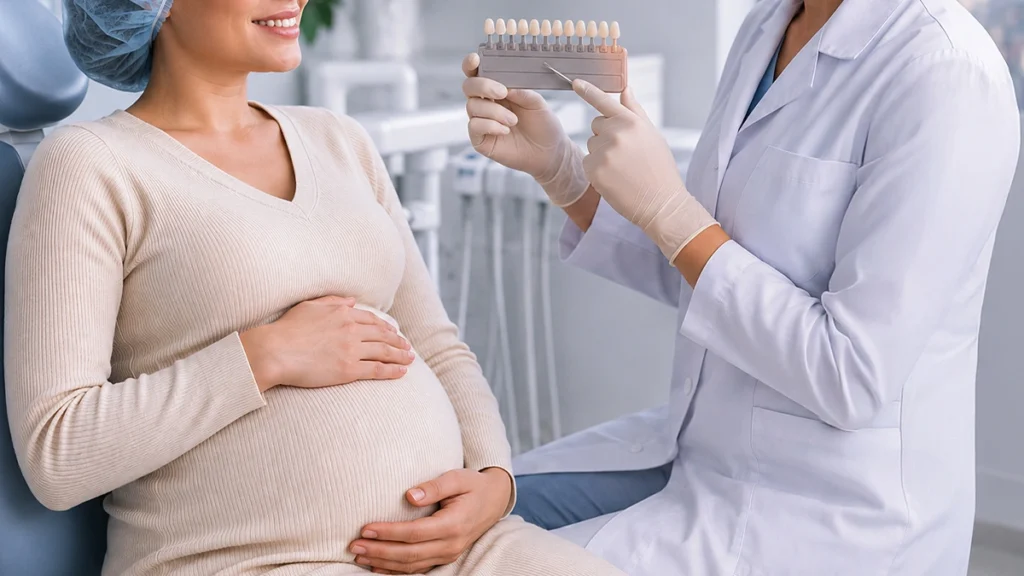
Many pregnant women wonder whether cosmetic dental treatments like veneers are safe during pregnancy.
While veneers are generally considered minimally invasive compared to surgical procedures, dentists usually evaluate timing, medications, oral health, and pregnancy stage before starting treatment. The goal is always to protect both the mother and the baby while avoiding unnecessary risks.
Quick Answer: Can You Get Veneers During Pregnancy?
In some cases, veneers may be possible during pregnancy, especially if the treatment is simple and does not require extensive medication or invasive procedures. However, many dentists prefer delaying elective cosmetic treatments until after pregnancy unless there is a functional or urgent dental need. Timing, medications, and overall pregnancy health are important factors before proceeding.
Are Veneers Safe During Pregnancy?
Veneers during pregnancy may be possible in selected cases, but they should never be approached as a routine cosmetic procedure without proper assessment. Pregnancy can affect the gums, immune response, comfort during treatment, and tolerance for longer dental sessions.
Veneers as an Aesthetic Procedure
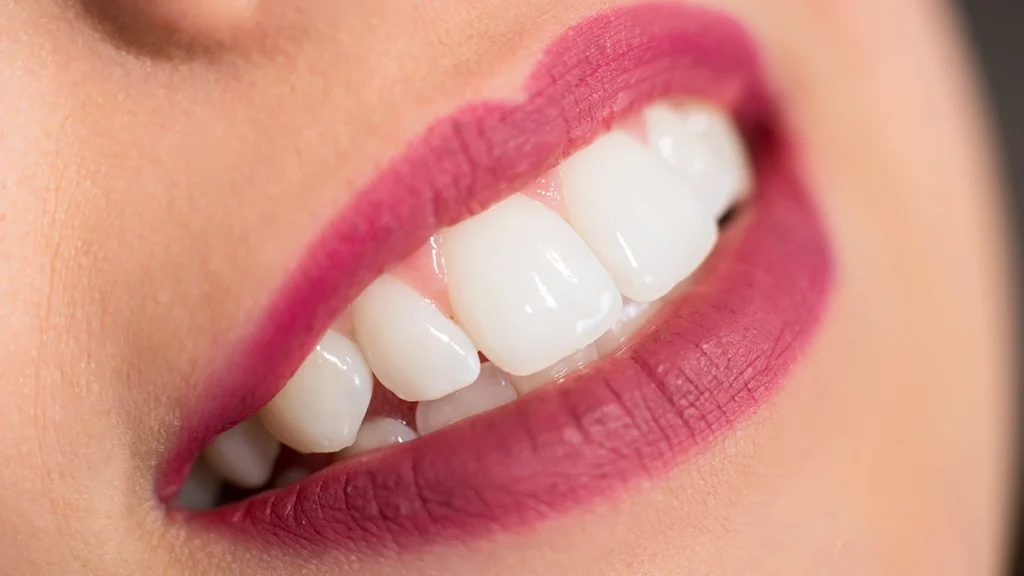
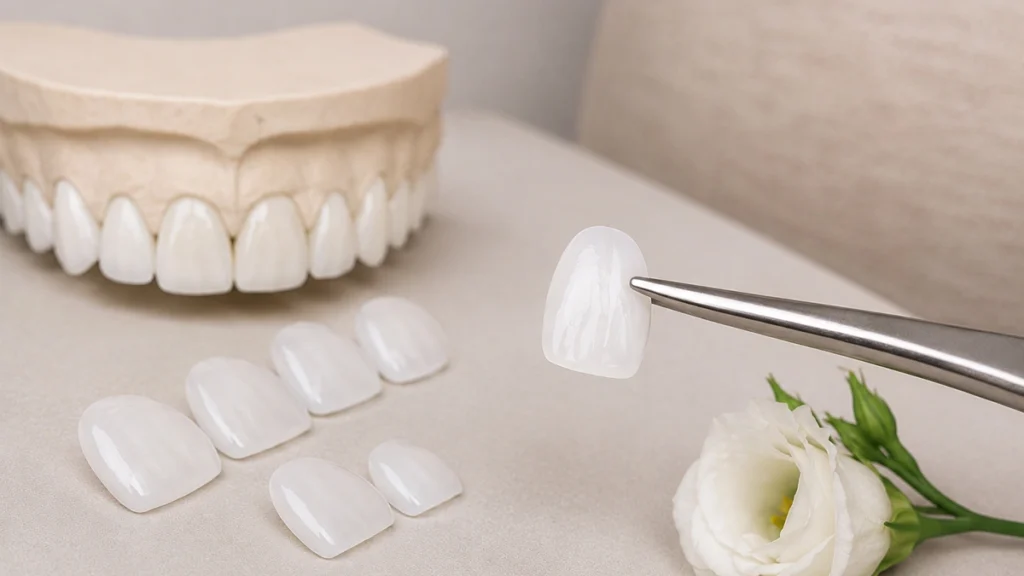
Dental veneers are thin restorations placed over the front surface of teeth to improve color, shape, size, or the appearance of mild alignment concerns. They are commonly used for smile enhancement and are often part of a cosmetic dentistry plan.
Because veneers are usually elective, they are not always considered necessary during pregnancy. If there is no pain, infection, tooth fracture, or functional problem, the dentist may recommend waiting until after childbirth.
Why Cosmetic Treatments Are Evaluated Carefully During Pregnancy
During pregnancy, dentists consider more than the teeth alone. They also evaluate how treatment may affect the patient’s comfort, stress level, medication exposure, and gum condition.
Even when a procedure is low-risk, unnecessary treatment may be delayed to avoid avoidable discomfort or medical concerns. This is especially important for cosmetic procedures that can safely wait.
When Dentists Prefer Conservative Treatment Planning
A dentist may recommend a conservative approach if the patient has gum inflammation, dental sensitivity, pregnancy-related nausea, high anxiety, or a high-risk pregnancy. In these cases, oral hygiene support, gum care, temporary cosmetic solutions, or post-pregnancy planning may be safer options.
Why Elective Treatments Are Sometimes Delayed
Elective treatments are often delayed because pregnancy is temporary, while veneers are long-term restorations. A rushed cosmetic decision during pregnancy may not be ideal if gum swelling, bite changes, or oral inflammation are present.
What Dentists Evaluate Before Veneers During Pregnancy
Before considering veneers during pregnancy, a dentist should perform a careful clinical evaluation. In many cases, communication with the patient’s obstetrician or medical provider may also be recommended.
Pregnancy Stage and Trimester
The trimester of pregnancy can influence dental treatment planning. Some stages may be less comfortable for longer appointments, while the second trimester is often easier for routine care.
Overall Maternal Health
The dentist may ask about blood pressure, pregnancy complications, diabetes mellitus, medication use, bleeding risk, nausea, fatigue, or any condition that may affect dental treatment safety.
Patients with high-risk pregnancies usually require more cautious planning, and elective cosmetic treatment is commonly postponed.
Gum Health and Oral Condition
Healthy gums are important before veneers. Pregnancy hormones may increase gum sensitivity and inflammation, making the gums more reactive during dental treatment.
If pregnancy gingivitis, bleeding gums, periodontal disease, or poor oral hygiene is present, these conditions should be managed before veneer placement.
Current Medications and Medical Advice
Some medications used in dental care may require additional caution during pregnancy. Dentists evaluate whether local anesthesia, pain relief medication, antibiotics, or other supportive treatments are needed.
Why Communication Between Patient and Dentist Matters
Patients should always tell their dentist that they are pregnant, how many weeks pregnant they are, and whether the pregnancy is considered high-risk. This helps the dentist plan treatment safely and avoid unnecessary procedures.

Which Pregnancy Stage Is Most Comfortable for Dental Treatment?
Dental treatment during pregnancy depends on urgency, procedure type, and patient comfort. Routine care is often possible, but elective cosmetic dentistry requires more careful timing.
First Trimester Considerations
The first trimester is an important stage of fetal development. Because early fetal development is occurring, dentists usually avoid unnecessary medications and purely elective procedures when possible.
During this stage, nausea, vomiting, fatigue, and dental sensitivity may also make longer appointments uncomfortable.
Second Trimester and Dental Care
The second trimester is often considered the most comfortable stage for routine dental care. Many patients experience less nausea and can tolerate dental appointments more easily.
If a dental procedure is necessary during pregnancy, dentists often prefer planning it during the second trimester when clinically appropriate.
Third Trimester Challenges
During the third trimester, long dental appointments may become uncomfortable. Lying back for extended periods can cause pressure, back discomfort, breathing difficulty, or dizziness in some patients.
Positioning adjustments and shorter appointments may be needed.
Why Timing Affects Cosmetic Dentistry Decisions
Veneers often require planning, preparation, impressions or digital scans, temporary restorations, and final placement. Because this may involve multiple sessions, timing is an important part of deciding whether treatment should proceed during pregnancy.
Read more: Veneers and Medical Conditions in Turkey 2026: Safety, Risks & Dentist Guide
What Could Affect the Baby During Dental Procedures?
Many pregnant patients ask what can affect the baby during pregnancy when dental treatment is being considered. In dentistry, the main concerns are usually medication exposure, unnecessary radiation, stress, infection, and prolonged discomfort.
Medication Use During Dental Treatment
Some dental procedures may require medications such as pain relievers, antibiotics, or anesthetics. Not all medications are suitable during pregnancy, so the dentist must choose carefully and consider medical guidance when needed.
Local Anesthesia Considerations
Local anesthesia may be used in some dental procedures to keep the patient comfortable. During pregnancy, the type and amount of anesthesia should be carefully selected by the dentist.
If veneers require significant tooth preparation, anesthesia may be needed. If the case is very minimal, anesthesia may not always be necessary.
Stress and Long Appointments
Stress, anxiety, and long treatment sessions may affect the patient’s comfort. Pregnant patients may become tired more quickly, especially in the later stages of pregnancy.
For this reason, dentists may recommend shorter appointments or postpone non-urgent cosmetic work.
X-rays and Radiation Precautions
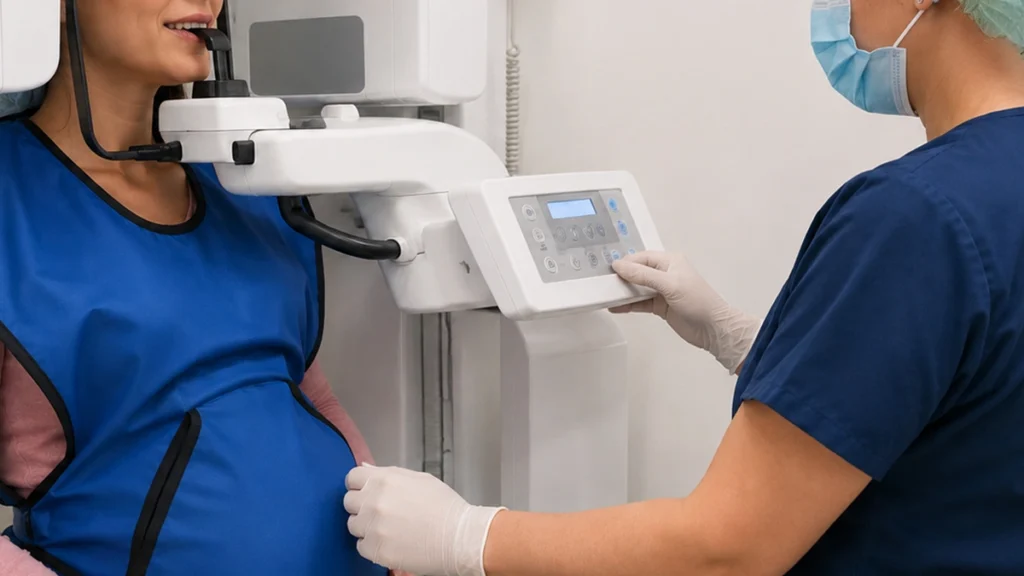
Dental X-rays are not usually part of simple cosmetic planning unless clinically necessary. If imaging is required, dentists use protective precautions and only take X-rays when the benefit outweighs the risk.
Why Dentists Avoid Unnecessary Procedures During Pregnancy
The safest dental approach during pregnancy is to treat urgent or necessary problems while delaying purely elective procedures when possible. This helps reduce avoidable exposure to stress, medications, and lengthy appointments.
Pregnancy and Dental Care — Why Oral Health Matters
Pregnancy and dental care are closely connected. Hormonal changes can affect the gums and increase the risk of inflammation, bleeding, and sensitivity.
Good oral health during pregnancy is important not only for comfort but also for the success of future cosmetic dental treatments such as veneers.
Hormonal Changes and Gum Sensitivity
Pregnancy hormones can make gum tissues more sensitive to plaque and bacteria. Even patients with good oral hygiene may notice increased gum swelling or bleeding.
Pregnancy Gingivitis
Pregnancy gingivitis is a common condition involving gum redness, swelling, tenderness, and bleeding. It should be controlled before cosmetic treatment is started.
Placing veneers while the gums are inflamed may affect accuracy, comfort, and the final aesthetic result.
Increased Gum Inflammation Risk
If gum inflammation is severe, the dentist may recommend professional cleaning, periodontal evaluation, and improved home care before considering veneers.
Why Healthy Gums Matter Before Veneers
Veneers need a stable gum line for proper appearance and fit. Inflamed or swollen gums can change the way the smile looks and may interfere with the final veneer margins.
Pregnancy and Hollywood Smile Treatment
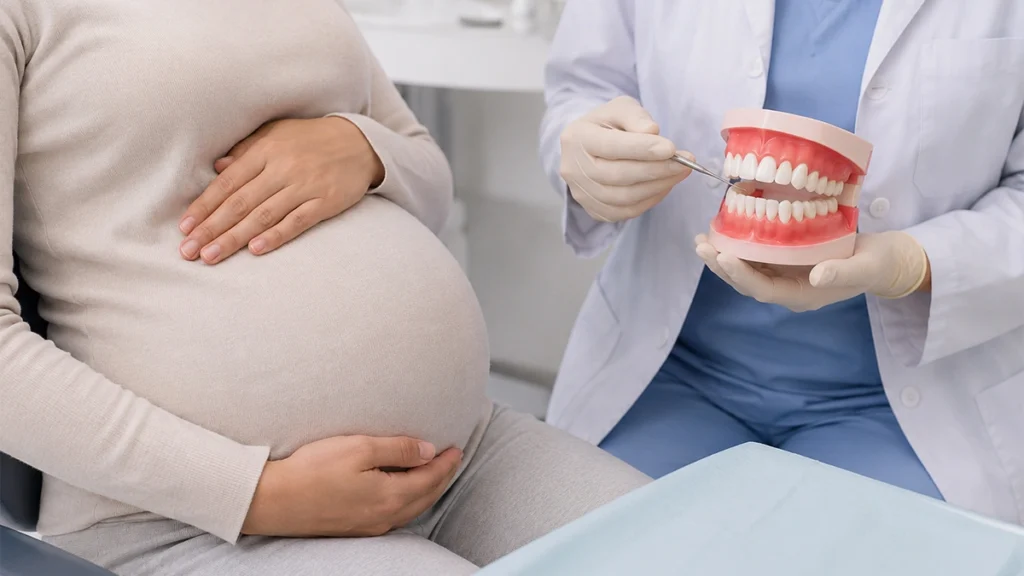
Pregnancy and Hollywood smile treatment should be approached with caution. A Hollywood smile usually involves more than one cosmetic dental procedure, which may increase treatment time and complexity.
Why Full Smile Makeovers Are Often Delayed
A full smile makeover may include veneers, crowns, whitening, gum contouring, fillings, or bite adjustments. Because this can require multiple appointments and longer sessions, dentists often recommend postponing it until after pregnancy.
Multiple Procedures and Longer Sessions
Long cosmetic sessions may be uncomfortable for pregnant patients, especially during the third trimester. Multiple procedures may also increase the chance of needing anesthesia, medication, or additional imaging.
Functional vs Purely Cosmetic Treatment
If the patient has pain, broken teeth, infection, or chewing problems, dental care may be necessary during pregnancy. However, if the goal is only aesthetic enhancement, treatment is often safer to delay.
Why Smile Design Planning May Still Be Discussed During Pregnancy
Even if treatment is postponed, patients can still discuss smile design, veneer materials, expected results, and treatment stages during pregnancy. Planning can help make the post-pregnancy treatment process smoother.
Read more: Hollywood Smile in Turkey (2026): Common Risks and Misconceptions Explained
Veneer Materials and Pregnancy Considerations
In most cases, the choice of veneer material can affect treatment planning, preparation level, appointment length, and final appearance. The most common options include porcelain veneers, zirconium veneers, and minimal-preparation veneers such as Lumineers.
Porcelain Veneers
Porcelain veneers are commonly used for cosmetic smile enhancement. They provide a natural appearance and good color stability. However, they may require tooth preparation and multiple appointments.
If the treatment is purely cosmetic, porcelain veneers are often delayed until after pregnancy.
Zirconium Veneers
Zirconium restorations may be used in more advanced aesthetic or restorative cases. They can require more preparation than minimal veneers and may be recommended when strength or coverage is important.
Because zirconium cases may be more complex, careful planning is especially important during pregnancy.
Lumineers and Minimal Preparation Cases
Lumineers or minimal-preparation veneers may involve less tooth reduction in selected cases. Because they can be simpler, they may be considered more suitable than complex veneer cases during pregnancy.
However, even minimal-preparation treatment should still be evaluated carefully.
Veneer Types and Pregnancy Considerations
Different veneer materials can require different levels of preparation, which may affect whether treatment is suitable during pregnancy.
| Veneer Type | Procedure Complexity | Pregnancy Consideration |
| Porcelain Veneers | Moderate | Usually delayed if elective |
| Zirconium Veneers | Moderate to advanced | Requires careful planning |
| Lumineers | Minimal preparation | May be simpler in selected cases |
Based on the material, treatment complexity, and pregnancy condition, the dentist may recommend proceeding cautiously or waiting until after delivery.
When Veneers May Be Delayed During Pregnancy
Veneers may be delayed if treatment could create unnecessary risk, discomfort, or stress. This is especially true when the procedure is cosmetic rather than medically necessary.
Severe Gum Inflammation
If the gums are swollen, bleeding, or infected, veneers should usually be postponed until the gum condition improves.
High-Risk Pregnancy
Patients with high-risk pregnancies should avoid elective procedures unless approved by their medical provider and dentist.
Need for Extensive Dental Work
If the veneer plan requires multiple teeth, bite correction, gum treatment, root canal therapy, or other complex procedures, postponement may be safer.
Significant Anxiety or Stress Risk
Dental anxiety can make treatment more difficult during pregnancy. If the patient feels very stressed, delaying cosmetic treatment may be the better choice.
Why Waiting Can Sometimes Be Safer
Waiting until after pregnancy allows the patient to receive treatment with fewer limitations. It also gives the gums time to stabilize and allows the dentist to plan a more predictable cosmetic result.
Read more: How a Hollywood Smile Is Planned Safely in Turkey in 2026: What Dentists Check Before Treatment
Request pricing
By sending, you agree we may contact you on WhatsApp with pricing.
Got it! We’ll WhatsApp you the pricing shortly.
Who Is a Good Candidate for Veneers During Pregnancy?
Candidacy for veneers during pregnancy depends on several clinical and medical factors. Not every pregnant patient is a suitable candidate.
Stable Pregnancy and Good Oral Health
A patient may be a better candidate if the pregnancy is stable, the patient has no major complications, and oral health is good.
Minimal Treatment Complexity
Simple cases that require little or no tooth preparation may be easier to manage. However, the dentist still needs to evaluate whether treatment is necessary at that time.
Controlled Gum Health
Healthy gums are essential for veneer success. If gum inflammation is controlled and oral hygiene is good, treatment planning becomes more predictable.
When a Patient May Not Be a Suitable Candidate Yet
A patient may not be suitable for veneers during pregnancy if she has uncontrolled gum disease, severe nausea, high-risk pregnancy, active dental infection, or a need for extensive cosmetic work.
Read more: Who Should Get a Hollywood Smile in 2026? Candidacy, Risks, and What to Expect
Pregnancy and Smile Makeover Planning
Pregnancy and smile makeover planning can still happen even if the final treatment is postponed. This allows the patient to understand options without rushing into permanent cosmetic changes.
Temporary vs Permanent Cosmetic Decisions
Some patients may benefit from temporary aesthetic options before making permanent decisions. A dentist may discuss mock-ups, digital smile design, or post-pregnancy treatment planning.
Why Long-Term Planning Matters
Veneers are long-term restorations. The shape, color, and design should be chosen carefully. Pregnancy may not be the ideal time to make permanent aesthetic decisions if the patient is uncomfortable, tired, or experiencing gum changes.
Balancing Aesthetics and Safety
A beautiful smile is important, but during pregnancy, safety and timing matter more than speed. The best treatment plan is one that protects the patient’s health while still respecting her cosmetic goals.
Which treatment are you interested in?
People Also Ask About Veneers During Pregnancy
Can you get veneers while pregnant?
Is cosmetic dentistry safe during pregnancy?
Can local anesthesia affect the baby?
Are veneers better postponed until after pregnancy?
Can pregnant women get Hollywood smile treatment?
Final Insight — Safety and Timing Matter More Than Speed
Veneers during pregnancy may be possible in carefully selected cases, but they are not always the best choice during this sensitive period. Pregnancy can change gum health, increase inflammation, and affect comfort during dental appointments.
For most pregnant patients, the safest approach is to maintain excellent oral hygiene, treat urgent dental problems, and postpone elective cosmetic procedures until after delivery. If veneers are being considered, the decision should be made after a full dental evaluation and, when needed, medical consultation.
Healthy gums, stable oral conditions, and proper timing all improve veneer success. During pregnancy, the dentist’s priority is not only the appearance of the smile but also the safety of the mother and baby.
Read more: Can Patients With TMJ or Bruxism Have Veneers? Treatment Guide in Turkey 2026
FAQ
Sometimes yes. Veneers may be possible during pregnancy depending on the pregnancy stage, oral health, treatment complexity, and medical condition of the patient.
Veneers may be safe in selected cases, but dentists often prefer delaying elective cosmetic dental work until after pregnancy.
Some medications require careful evaluation during pregnancy. The dentist should review any medication needs before treatment begins.
The second trimester is often considered more comfortable for many routine dental procedures, but every case should be evaluated individually.
Full Hollywood smile treatment is usually postponed until after pregnancy unless there is a functional or urgent dental need.