
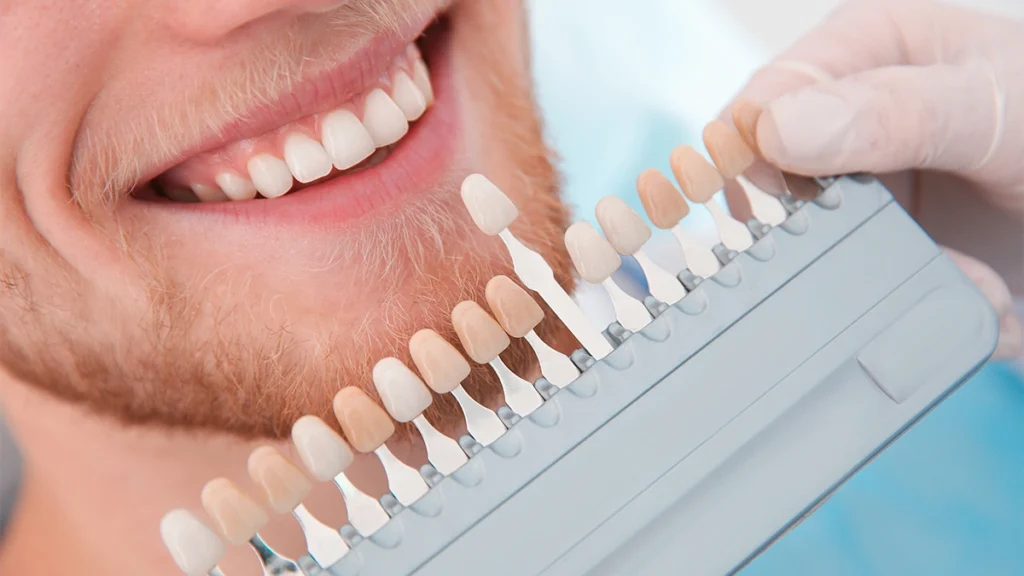
Choosing the right veneer color is essential for a natural-looking smile. The best veneer shade is not always the whitest one; it should match your skin tone, facial features, lip shape, age, tooth proportions, and aesthetic goals.
In Turkey, many dentists use digital smile design, shade guides, mock-ups, and facial analysis to help patients choose veneers that look bright, balanced, and realistic.
Quick Answer: How Do Dentists Choose the Right Veneer Color?
Dentists do not choose veneer color based on tooth whiteness alone. The ideal veneer shade depends on skin tone, facial features, age, smile design, lip line, and personal preferences. The goal is to create a natural-looking smile that complements the patient’s appearance rather than simply choosing the brightest shade available.
Why Veneer Color Matters More Than Most Patients Think
Veneer color affects the whole face, not just the teeth. A shade that looks beautiful on one person may look too bright, dull, or artificial on another.
The Difference Between a Natural Smile and an Artificial Smile
A natural smile has balance, brightness, depth, translucency, and harmony with the face. Natural-looking veneers are not flat white; they reflect light like real enamel.
Why “The Whitest Veneers” Are Not Always the Best Choice
Many patients want the whitest veneers for a dramatic transformation. However, very white veneers can look unnatural if they do not match the skin tone, lips, and facial contrast.
How Veneer Color Influences Overall Facial Appearance
A balanced shade can make the face look fresher and more youthful. A shade that is too dark may not create enough change, while one that is too white may create harsh contrast.
Dentists consider skin tone, lip line, eye color, hair color, and facial proportions when selecting veneer color.
Start a Conversation
Contact us through the communication method that suits you





How Dentists Choose the Best Veneer Shade
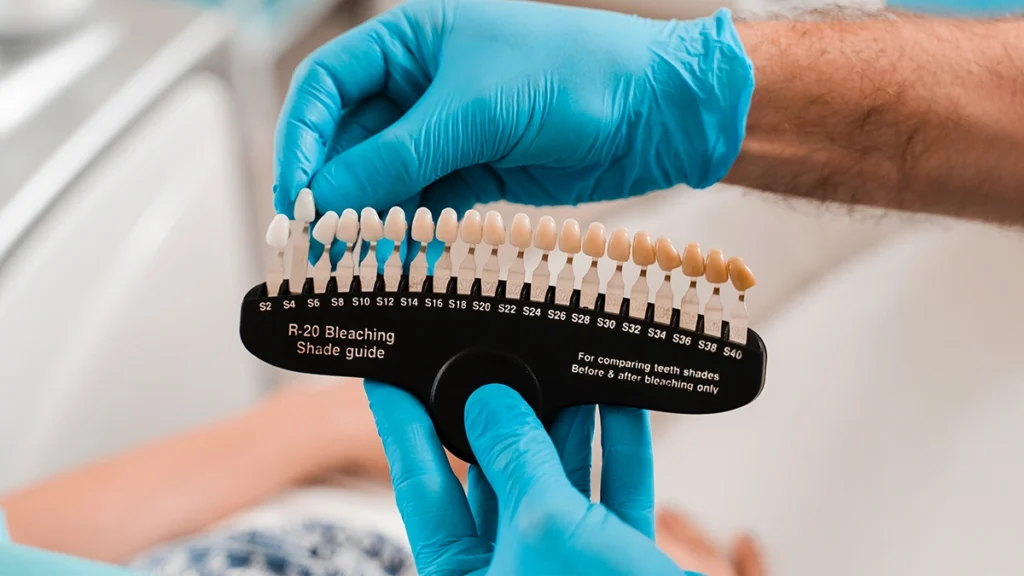
Choosing the best veneer shade is both clinical and aesthetic. Dentists often use shade guides, digital smile design, photographs, mock-ups, and patient preferences to customize the result.
Skin Tone Evaluation
Skin tone is one of the main factors in veneer shade selection. Fair, medium, olive, and darker skin tones all create different levels of contrast.
Tooth Proportions and Smile Design
Achieving a beautiful smile requires more than just picking a color. Factors like tooth shape, size, alignment, and gum visibility are just as critical. Even a brilliant shade can seem artificial if the teeth appear overly large, square, or uniform, whereas realistic proportions help even bright veneers blend in naturally.
Facial Features and Lip Line
Your lip line dictates how much of your veneers are revealed during speech or smiling, making precise shade planning essential for patients with high visibility. While softer facial features often harmonize better with milder tones, more pronounced facial contrast can accommodate brighter veneer options.
Age and Natural Appearance Expectations
Your age can shape your preferences; younger patients often favor brighter shades, whereas older individuals may lean towards a more natural look. Regardless, bright veneers can be successful at any age if they are balanced by appropriate translucency, well-designed tooth shapes, and overall facial harmony.
Personal Preferences vs Clinical Recommendations
While your personal taste is important, dentists can provide valuable guidance to avoid shades that might appear unnatural. The most successful outcomes typically arise from a collaboration that blends your desired look with the dentist’s clinical expertise.
Which Veneer Color Matches Your Skin Tone?
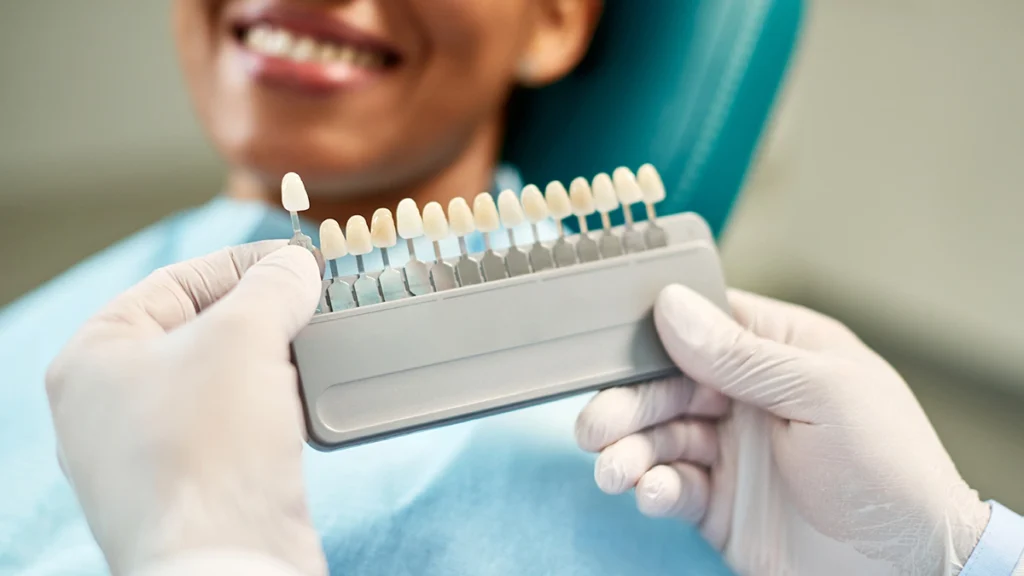
The most suitable veneer color depends on how the shade contrasts with the skin tone. The aim is not to match the teeth directly to the skin, but to create flattering harmony.
Best Veneer Shades for Fair Skin
Fair skin often suits bright but soft shades such as B1, A1, or selected bleach shades. Extremely white veneers may look noticeable if they lack translucency.
Common options for fair skin may include:
- B1 for a bright natural result
- A1 for a softer natural white
- Selected bleach shades for a Hollywood smile effect
Best Veneer Shades for Medium or Olive Skin
Medium and olive skin tones often suit A1 or A2 shades. These shades can create brightness without looking too sharp or artificial.
Dentists may recommend warmer or more translucent shades to avoid a blue-white or opaque effect.
Common options for medium or olive skin may include:
- A1 for a bright but natural smile
- A2 for a softer, more realistic result
- B1 for patients who want a visibly whiter smile
Best Veneer Shades for Darker Skin Tones
Darker skin tones can create beautiful contrast with lighter veneers. However, the brightness level should be chosen carefully.
A2, B1, or customized shades may be recommended depending on facial features and smile goals.
Common options for darker skin tones may include:
- A2 for a natural and balanced look
- B1 for a brighter smile with contrast
- Customized bleach shades for a Hollywood smile
Why Contrast Matters More Than Brightness
A veneer shade is always seen next to the skin, lips, gums, and facial features. This is why contrast matters more than simple brightness.
Veneer Shades by Skin Tone
| Skin Tone | Common Natural Veneer Shades |
| Fair Skin | B1, A1 |
| Medium / Olive Skin | A1, A2 |
| Darker Skin | A2, B1 |
| Customized Smile Design | Based on facial analysis |
Final veneer shade selection should always be based on a professional consultation and smile design evaluation.
What Is the Most Natural Veneer Color?
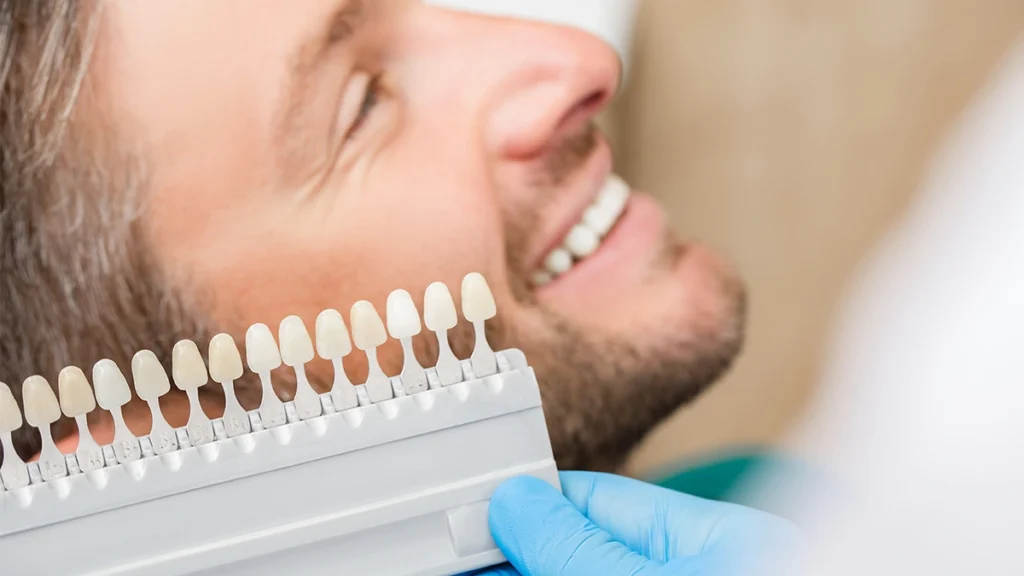
The most natural veneer color is usually bright but realistic. A1 and B1 are popular because they offer a clean white look without always appearing extreme.
However, there is no single best shade for everyone. Skin tone, face shape, lip line, age, tooth shape, and material all matter.
Why A1 and B1 Are Popular Choices
A1 often creates a soft natural white result, while B1 looks brighter and cleaner.
Patients who want a noticeable improvement may prefer B1. Patients who want a softer transformation may prefer A1 or A2.
Understanding Natural Translucency
Natural teeth are not fully opaque. They have depth and allow some light to pass through, especially near the edges.
Veneers with proper translucency usually look more realistic than flat, chalky, or overly opaque veneers.
How Light Reflects From Veneers
Veneer color changes depending on material, thickness, cement color, and the natural tooth underneath.
Porcelain and E-max veneers can reflect light in a way that resembles natural enamel when designed properly.
Why Natural-Looking Smiles Age Better
Natural-looking veneer shades often remain attractive over time. Extremely bright or trendy shades may not age as well with the patient’s face.
This is why many dentists recommend a timeless shade rather than only the brightest option.
Should You Choose Hollywood White Veneers?
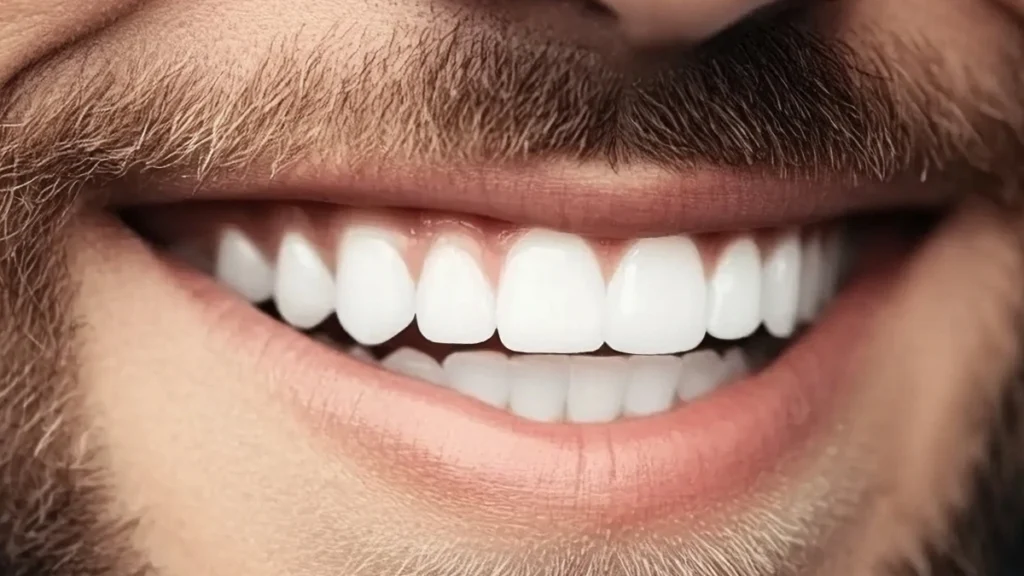
Hollywood white veneers create a very bright, eye-catching smile. They are popular with patients who want a dramatic cosmetic change.
What Is a Hollywood Smile Shade?
A Hollywood smile shade usually means very white veneers, often brighter than natural tooth shades. These may include bleach shades.
The term does not refer to one exact color. It usually describes a full smile design with bright teeth, improved shape, symmetry, and high visibility.
When Very White Veneers Can Look Natural
Very white veneers can look natural when the full smile design is planned carefully. This depends on:
- Appropriate tooth size
- Realistic tooth shape
- Good translucency
- Balanced gum line
- Harmony with skin tone and lips
- High-quality veneer material
When these details are managed well, a bright smile can still look elegant.
When Bright White Veneers May Look Artificial
Bright white veneers may look artificial if they are too opaque, too uniform, or too strong for the patient’s face.
They may also look fake if the teeth are too large or too identical.
Balancing Brightness and Realism
Patients who want a Hollywood smile do not always need the brightest shade available.
A slightly softer white can still create a glamorous result while looking more natural.
Read more: Hollywood Smile in Turkey (2026): Common Risks and Misconceptions Explained
Upload your photos and receive a free AI-powered preliminary analysis in minutes. No commitment required.
Veneer Shade Guide: Bleach Shades vs Natural Shades
Veneer shades are often grouped into natural shades and bleach shades. Understanding the difference helps patients choose the right result.
What Are Bleach Shades?
Bleach shades are very white dental shades that are lighter than many traditional natural shades. They are often used for Hollywood smile or bright cosmetic smile makeovers.
Differences Between Bleach White and Natural White
While natural white shades like A1 or B1 are designed to enhance the smile with a realistic brightness, bleach white shades offer a more striking, cooler, and noticeably more dramatic aesthetic.
Why Some Patients Prefer Ultra-White Veneers
These vibrant shades are particularly well-suited for patients seeking an impactful cosmetic change through a highly visible and polished dental appearance.
Long-Term Considerations for Bright Shades
When opting for a very bright shade, it is important to evaluate how the smile will appear in various environments, such as professional settings, natural daylight, and photography.
Read more: Hollywood Smile vs Veneers: Clinical Differences, Results, and Limitations
How Veneer Materials Affect Color Results
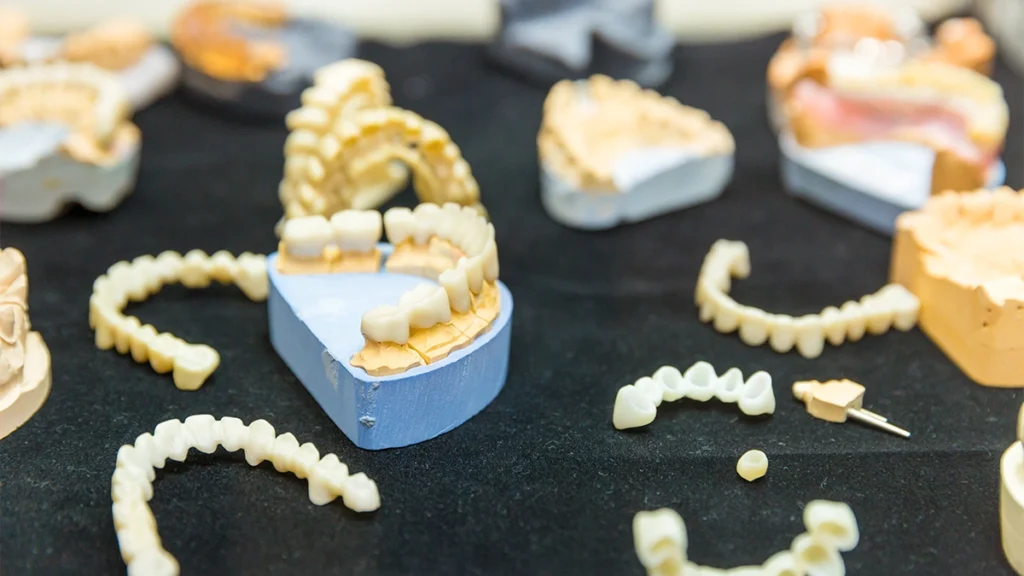
Veneer material affects the final color, even when the same shade name is used. Materials differ in translucency, opacity, brightness, thickness, and color stability.
E-max Veneers and Shade Customization
E-max veneers are highly favored for their ability to blend durability with lifelike translucency. Dentists can tailor these veneers to specific brightness levels, allowing patients to achieve anything from a subtle, natural glow to a more pronounced, white smile design.
Porcelain Veneers and Long-Term Color Stability
Renowned for their exceptional aesthetic quality and color stability, porcelain veneers can maintain their intended shade for years with consistent care. This material mimics the light-reflective properties of natural enamel, ensuring the final result is both realistic and beautifully balanced.
Lumineers and a Natural-Looking Finish
Lumineers are ultra-thin veneers that often require minimal tooth preparation. Because of their thin design, the natural color of the tooth underneath may have a stronger influence on the final shade. Lumineers may suit patients who want a conservative and natural-looking result, but they may not be the best option for covering severe discoloration.
Choosing the Right Veneer Material for Smile Design
The best veneer material depends on several factors, including the patient’s natural teeth, bite, desired shade, budget, and overall smile goals. Dentists consider shade, durability, translucency, thickness, and long-term function before recommending the most suitable veneer material.
Why Some Veneers Look Fake
Veneers often look fake when the smile design is not personalized. Shade, tooth shape, gum line, material, translucency, and facial harmony all affect the result.
Choosing a Shade That Is Too White
One common reason veneers look fake is choosing a shade that is too white for the face.
Bright veneers can look beautiful, but the brightness must match the patient’s full appearance.
Poor Tooth Proportions
Veneers that are too long, wide, square, or identical may look artificial even with a good shade.
Natural teeth usually have subtle differences in shape and proportion.
Lack of Translucency
Veneers without translucency may look flat or opaque.
Good veneer design includes depth, layered color, and realistic light reflection.
Ignoring Facial Harmony
Veneers should match the full face, including lips, jawline, skin tone, and facial shape.
Facial harmony is what separates basic cosmetic work from advanced smile design.
Read more: How to Avoid the “Piano Key Teeth” Veneer Look and Get Natural-Looking Results
Can Veneer Color Be Customized?
Yes, veneer color can be customized. Dentists can adjust shade, translucency, opacity, brightness, and surface texture.
Individual Shade Selection
Each patient may need a different shade plan. Some patients choose one uniform shade, while others may need subtle variations.
The dentist may also consider neighboring teeth if only some teeth are treated.
Smile Mock-Ups and Digital Smile Design
Digital smile design helps dentists plan the smile before final treatment.
Photos, scans, and digital tools can help preview the general shape and appearance.
Trial Smiles Before Final Placement
A trial smile helps patients understand the proposed shape and shade direction.
Although it may not perfectly match the final ceramic result, it improves communication and confidence.
Patient Involvement in Shade Selection
Patients are usually involved in choosing the shade.
Dentists explain which colors are more likely to look natural and which may appear too bright.
Upload your photos and receive a free AI-powered preliminary analysis in minutes. No commitment required.
Veneers Before and After — Why Color Selection Matters
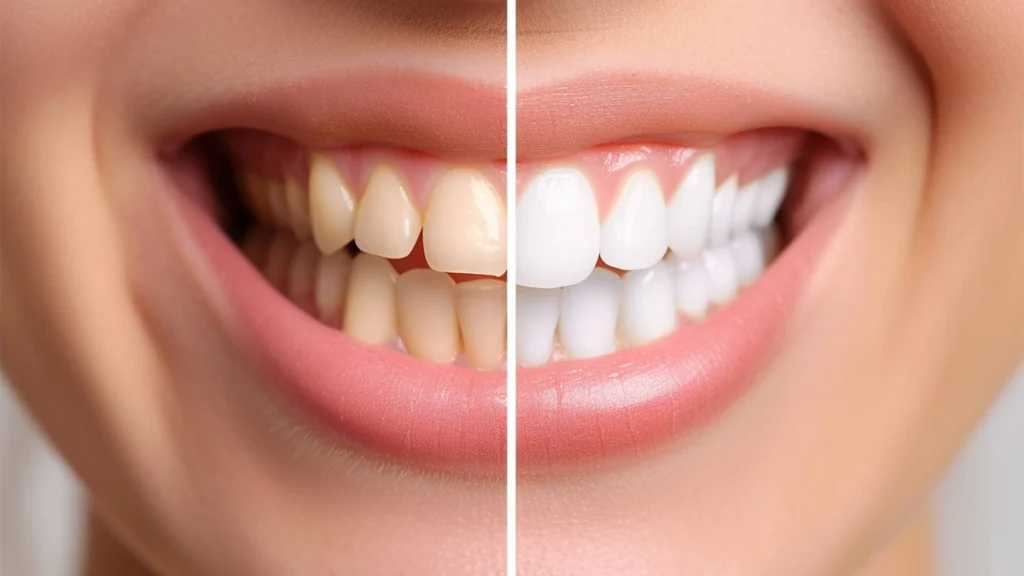
Veneers before and after photos can show dramatic transformations, but the best results are not always the whitest.
The most successful results are balanced, realistic, and personalized.
Realistic Smile Transformation Goals
Patients should decide whether they want a subtle improvement, bright smile makeover, or Hollywood-style result.
Clear goals help the dentist recommend the right shade, material, and tooth shape.
Matching the Veneers to Facial Features
Good veneers should not look separate from the face.
The shade should match the lips, smile line, skin tone, and facial structure.
Creating Long-Term Satisfaction
Patients are usually more satisfied when the veneer shade fits their daily life and personal style.
This is why dentists often recommend personalized shade selection instead of trendy colors.
Common Mistakes Patients Make When Choosing Veneer Colors
Many patients research veneer colors online before treatment. This can help, but photos, filters, lighting, and celebrity images may create unrealistic expectations.
Copying Celebrity Smiles
While celebrity photos can serve as great inspiration, avoid attempting to replicate them precisely. Every individual’s unique features mean that a shade perfectly suited for one person may not be the ideal choice for you.
Choosing the Brightest Shade Available
Opting for the whitest available shade is not automatically the superior decision. Although a brilliant white smile can be stunning with the right design, it risks appearing unnatural if the color does not harmonize with your other facial features.
Ignoring Skin Tone Compatibility
Your skin tone plays a crucial role in how veneer colors are perceived. A specific shade might look subtle and balanced on one person while appearing overly intense on someone with a different complexion.
Prioritizing Whiteness Over Natural Appearance
Concentrating solely on achieving maximum whiteness often results in a less authentic appearance. The ideal veneer color should enhance your smile while seamlessly integrating with your overall natural features.
Read more: How a Hollywood Smile Is Planned Safely in Turkey in 2026: What Dentists Check Before Treatment
Who Is a Good Candidate for Bright White Veneers?
Bright white veneers may be suitable for patients who want a noticeable smile transformation and understand that the result will have a more cosmetic, polished appearance. However, an ultra-white shade is not the best choice for every patient, especially when a softer or more natural look would better match the face.
Patients Who Want a Hollywood Smile
Many people who want a Hollywood smile prefer brighter veneer shades. This look can be attractive when the smile design includes balanced tooth proportions, natural translucency, and harmony with the patient’s facial features.
Patients With High Smile Visibility
When a person shows many teeth while smiling, shade planning becomes especially important. Bright veneers are more visible, so the color should look balanced from the front, side, and in different lighting conditions.
When Natural Shades May Be a Better Choice
Natural veneer shades may be a better option for patients who want a subtle, professional, or more realistic long-term result. A slightly softer white can still improve the smile while blending more naturally with the lips, skin tone, and overall facial appearance.
Read more: Who Should Get a Hollywood Smile in 2026? Candidacy, Risks, and What to Expect
People Also Ask About Veneer Shades
- How do dentists choose veneer color?
- What veneer shade looks most natural?
- What veneer color suits olive skin?
- Should veneers be whiter than natural teeth?
- Are bleach-white veneers a good idea?
Final Insight — The Best Veneer Color Is the One That Fits Your Face
The ideal veneer color is not always the brightest or whitest option. A successful shade should complement your face, skin tone, lips, age, smile line, and personal aesthetic goals.
Smile Design Goes Beyond Tooth Color
A complete smile design considers more than shade alone. Tooth shape, length, width, gum line, lip movement, bite, and facial harmony all influence the final result. Veneer color is important, but it is only one part of the overall design.
Natural Harmony Creates Better Results
A balanced veneer shade should enhance the smile without overpowering the face. When the color works naturally with your features, the smile can look brighter, healthier, and more attractive while still appearing realistic.
Personalized Shade Selection Improves Satisfaction
Many people feel more confident with their results when they understand their shade options before treatment. Digital smile design, trial smiles, and professional dental guidance can help make the final choice clearer and more personalized.
A Great Smile Should Complement Your Appearance
The best veneer result should improve your smile while still matching your natural features. If you are considering veneers in Turkey, ask your dentist to assess your skin tone, facial structure, smile design, and cosmetic goals before choosing the final shade.
Which treatment are you interested in?
FAQ
A1 and B1 are popular for balancing brightness with realism. However, the ideal shade depends on your skin tone, age, and facial features.
Dentists use shade guides, digital smile designs, and mock-ups to evaluate skin tone, facial features, and personal aesthetic goals.
They can appear artificial if they clash with your features, but they look attractive when designed with proper translucency and proportions.
A1 or A2 shades are often preferred for olive skin, while B1 provides more contrast for a brighter effect.
Yes, patients are involved in the selection, though dentists provide guidance based on smile design principles and long-term aesthetics.
Yes, E-max veneers offer various shades and translucency levels to achieve either natural or bright results.
Common causes include excessive whiteness, poor proportions, opacity, or designs that do not harmonize with facial features.
The shade should create a flattering contrast rather than a direct match, ensuring the final smile looks natural.