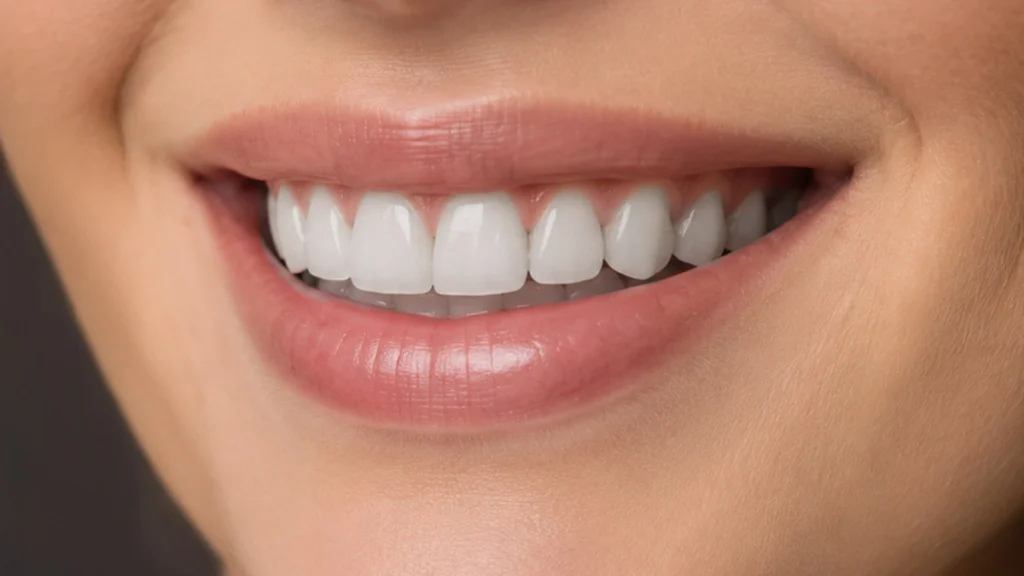
Many people worry that veneers will make their teeth look too square, flat, bulky, or unnaturally white — the look often described as “piano key teeth.” Well-designed veneers should not look fake. Natural-looking results depend on smile design, facial balance, tooth proportions, edge shape, surface texture, translucency, and shade selection. Fake-looking veneers are usually caused by poor shape, thickness, opacity, uniformity, and lack of customization — not color alone.
Why People Are Afraid of Getting “Piano Key Teeth” from Veneers
Veneers can create a beautiful smile, but many patients worry they will look too perfect, too white, or too artificial. This fear often comes from seeing veneers that look bulky, square, or identical from tooth to tooth.
Natural-looking veneers should enhance your smile without making it obvious that dental work was done.
What “Piano Key Teeth” Usually Means in Cosmetic Dentistry
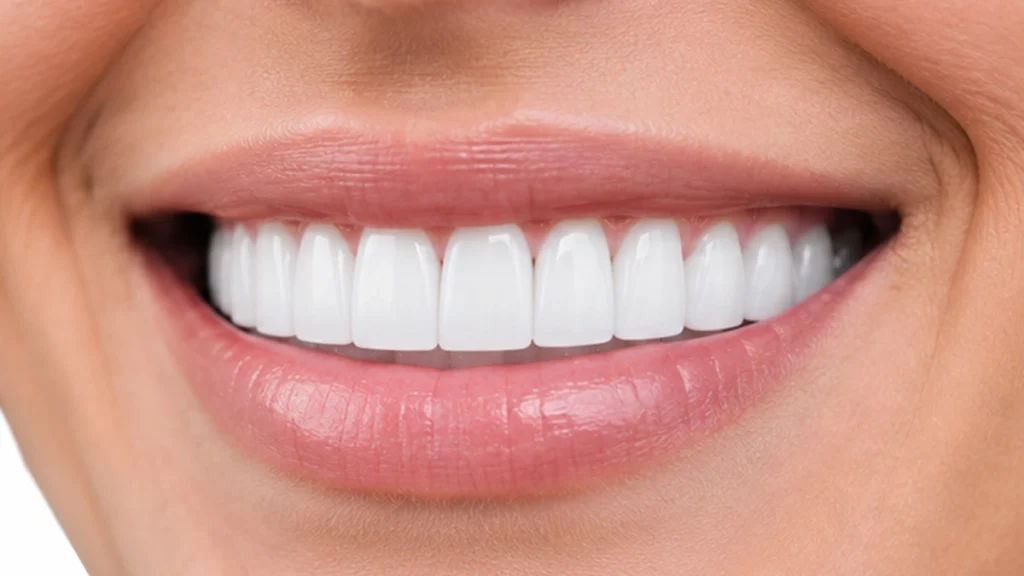
“Piano key teeth” usually refers to veneers that look overly square, flat, bright, and uniform. The teeth may appear lined up like identical white blocks instead of natural teeth with subtle variation.
Why Fake-Looking Veneers Create This Fear
When veneers look fake, they stand out immediately. Natural teeth have small differences in shape, edge design, contour, and texture. When those details are missing, veneers can look artificial.
The Difference Between Bright Veneers and Unnatural Veneers
Bright veneers are not automatically fake-looking. A smile can be white and still look natural when the shape, translucency, and proportions are right.
It Is Not Just the Color
Color matters, but it is only one part of the result. Even a softer shade can look fake if the veneers are too bulky, flat, or square.
Shape, Thickness, and Uniformity Matter More
In many cases, fake-looking veneers are caused more by shape and thickness than shade. Teeth that are too wide, too thick, or too identical can create a blocky veneer appearance.
Start a Conversation
Contact us through the communication method that suits you





What Causes Veneers to Look Like Piano Keys?
The “piano key” look usually happens when several design issues come together: square shapes, flat surfaces, too much bulk, overly opaque porcelain, and little customization.
Veneers That Are Too Square
Natural front teeth are not perfect rectangles. They have gentle curves, softened corners, and different shapes depending on the tooth.
Veneers That Are Too Flat
Flat veneers can look lifeless because they do not reflect light like natural enamel. Natural teeth have contours and surface anatomy that create depth.
Veneers That Are Too Bulky or Overbuilt
Bulky veneers may make the teeth look heavy or oversized. This can happen if the veneers are too thick or if the design adds too much volume.
Veneers That Are Too White for the Face
A very white shade can look beautiful on some people, but it needs to work with the patient’s skin tone, lips, eyes, and facial features.
Veneers That All Look Identical
Natural smiles have balance, but not total sameness. When every tooth has the same shape, size, and edge, the result can look manufactured.
Lack of Natural Edge Variation
Natural tooth edges are not perfectly straight across. Small differences in the biting edges help veneers look more realistic.
Poor Width-to-Length Proportion
If teeth are too wide for their length, they can look square. If they are too long for the face, they can look oversized.
No Translucency or Texture
Natural enamel has depth, surface texture, and slight translucency near the edges. Veneers that are too opaque or too smooth may look flat.
What Natural-Looking Veneers Should Look Like
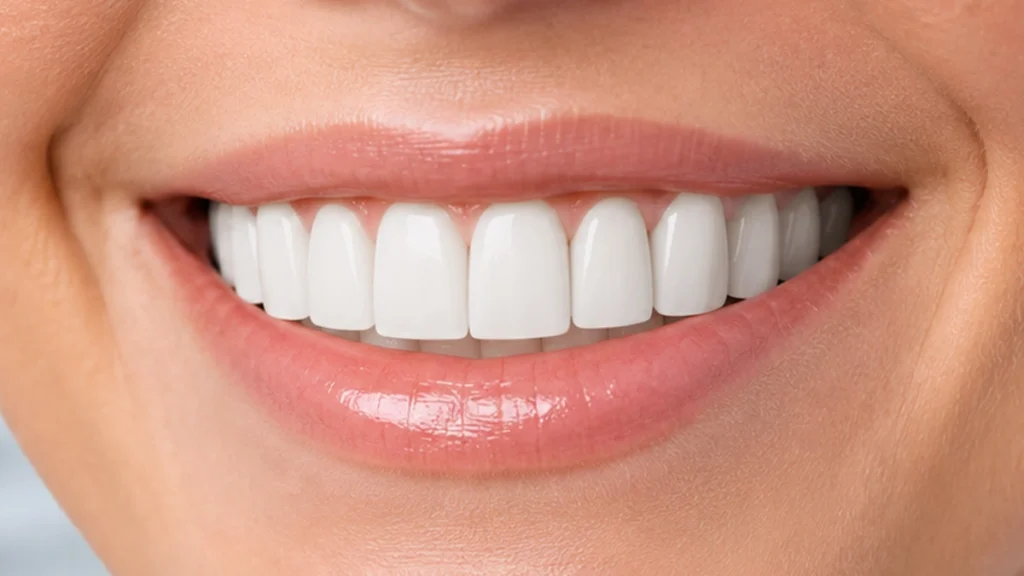
Natural-looking veneers should improve the smile while still fitting the person’s face. The goal is for the smile to look healthier and more balanced, not obviously “done.”
Slight Variation Instead of Total Uniformity
A natural smile has subtle differences between the front teeth, side teeth, and canines. Small variations help veneers look believable.
Softer Line Angles and More Natural Contours
Soft line angles and rounded contours can prevent teeth from looking too square or boxy. These details affect how wide or narrow teeth appear.
Proportions That Fit the Lips and Face
Veneers should be designed around the lips, gumline, smile line, bite, and facial shape. A smile that looks good on one person may not suit another.
Color That Looks Healthy Rather Than Artificial
The best shade is one that looks clean, healthy, and balanced. Some patients want a brighter smile, while others prefer a softer natural look.
Natural Brightness
Natural brightness means the teeth look fresh without appearing chalky, flat, or painted on.
Surface Texture
Subtle texture helps veneers reflect light more like natural enamel.
Incisal Translucency
Incisal translucency is the slight see-through effect near the biting edge. It can make veneers look more lifelike.
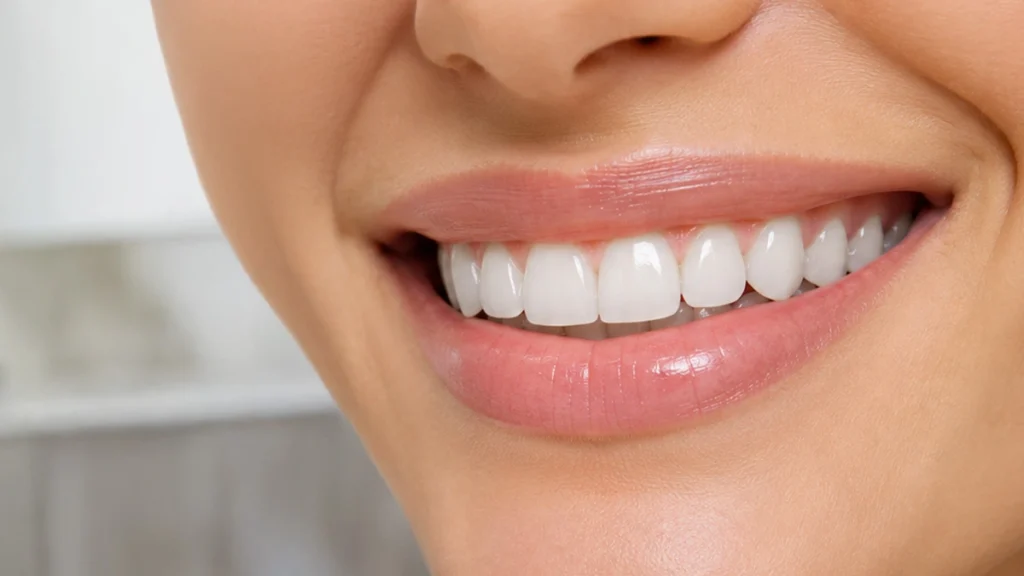
How to Avoid the Piano Key Teeth Veneer Look
Avoiding fake-looking veneers starts with careful planning. Shape, size, shade, and smile design should all be discussed before treatment begins.
Choose a Dentist with Cosmetic Smile Design Experience
Choose a dentist who evaluates your face, lips, gumline, bite, tooth shape, and goals. Natural results require more than simply placing porcelain on the teeth.
Ask to See Real Before-and-After Cases
Before-and-after photos show the dentist’s style. Look for smiles that appear balanced, customized, and natural rather than identical.
Ask for a Wax-Up or Mock-Up Before Treatment
A wax-up or mock-up lets you preview the proposed tooth shape before final veneers are made. This is especially helpful if you worry about veneers looking too square, long, or bulky.
Focus on Shape and Proportion, Not Only Whiteness
Whiteness is only one part of a smile. Tooth length, width, edges, contours, texture, and facial balance are just as important.
Avoid Requesting Overly Large or Overly Uniform Teeth
Many patients want a “perfect” smile, but overly perfect teeth can look fake. Natural smiles usually include small, intentional variations.
Why “Perfectly Even” Can Look Fake
When every tooth is exactly the same length and shape, the smile may look stiff or artificial.
Why Natural Smiles Need Subtle Variation
Subtle variation gives the smile character while still keeping it polished and attractive.
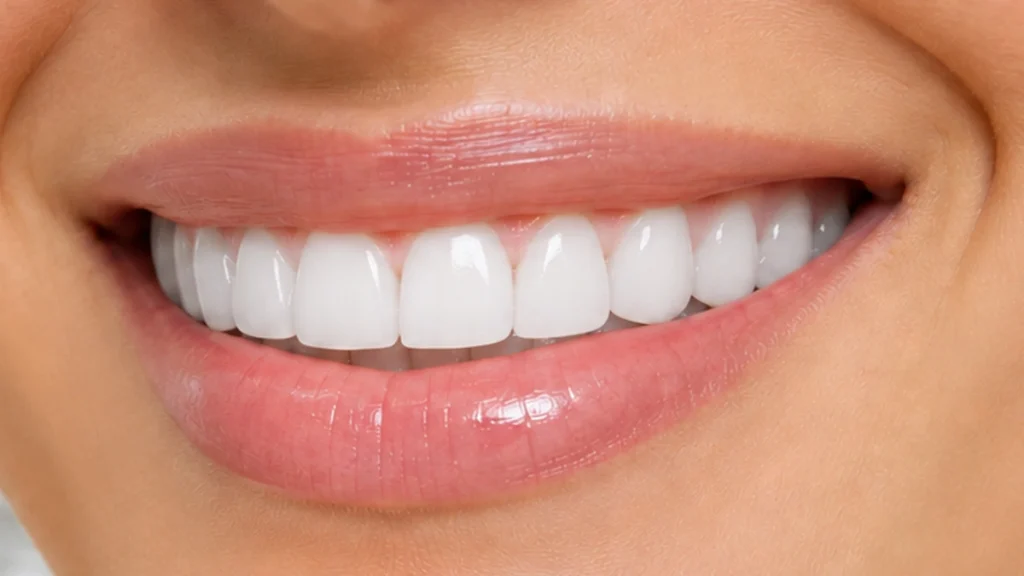
Questions to Ask Before Getting Veneers
A good consultation should give you a chance to ask about shape, shade, preview options, and how the veneers will be customized.
Will the Veneers Look Too Square?
Ask how the dentist plans to avoid a boxy shape. The answer should include proportions, contours, and edge design.
How Will You Make Them Look Natural?
Natural-looking veneers often involve customized shape, shade layering, texture, translucency, and smile design.
Can I Preview the Shape Before Final Placement?
A preview can help you see whether the teeth look too wide, long, flat, or bulky before the final veneers are created.
How Do You Choose the Right Size and Shade?
The right size and shade should be based on your lips, face, gumline, existing teeth, and cosmetic goals.
Ask About Facial Proportions
Your veneers should fit your whole face, not just your teeth.
Ask About the Smile Design Process
Ask whether photos, scans, mock-ups, or lab communication are part of the planning process.
Ask About Texture and Translucency
Texture and translucency are small details that make a big difference in avoiding fake-looking veneers.
Read more: What Are Dental Veneers? Types, Uses, and Who They Are For
Can Naturally “Piano Key” Teeth Be Fixed with Veneers?
Yes, veneers can sometimes improve teeth that are naturally square, flat, or boxy. In this case, veneers may be used to soften the smile rather than create a fake appearance.
Yes, If the Problem Is Tooth Shape
If your natural teeth are wide, short, worn, flat-edged, or square, veneers may help improve their visible shape.
Veneers Can Soften Square, Flat, or Boxy Teeth
Veneers can adjust the outline, length, width, and contour of teeth. This may create a softer and more balanced smile when appropriate.
When Veneers Are a Better Option Than Bonding
Bonding can work well for smaller changes, but veneers may be considered when several teeth need changes in shape, color, and proportion.
When Shape Changes Are Small
Minor chips, uneven edges, or small shape concerns may be improved with bonding or contouring.
When a Full Smile Redesign Is Needed
When many teeth are involved, veneers may offer more control over the final shape and shade.
Read more: Braces vs Veneers in Turkey: 2026 Cost & Best Option
Start a Conversation
Contact us through the communication method that suits you
When Veneers May Not Be the Only Answer
Veneers are not always the right solution. The best treatment depends on the cause of the concern and the health of the teeth and bite.
If Alignment Is Part of the Problem
If teeth are crowded, rotated, or poorly positioned, orthodontics may be recommended before veneers or instead of veneers.
If the Bite Needs Correction First
Flat, worn, or chipped teeth may be related to grinding or bite problems. These concerns should be evaluated before cosmetic treatment.
If Bonding or Contouring May Be Enough
Some patients can get excellent results with smaller treatments such as bonding, enamel contouring, whitening, or replacing old dental work.
Minor Shape Issues
Small irregularities may not require veneers.
Previous Dental Work
Old crowns, fillings, or bonding can affect the smile. Replacing outdated dental work may sometimes be the better first step.
Functional Concerns
If bite stress or grinding is involved, function should be addressed before focusing only on appearance.
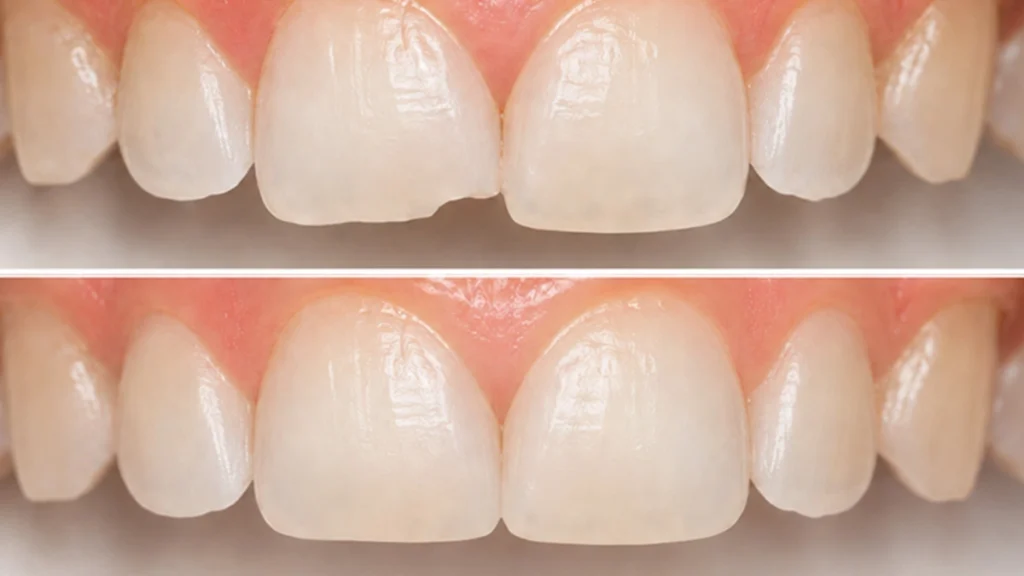
The Difference Between Fake Veneers and Well-Designed Veneers
The difference usually comes down to customization. Fake-looking veneers often follow a one-size-fits-all design. Well-designed veneers are planned for the individual patient.
Why Bad Veneers Stand Out Immediately
Bad veneers may look too white, too thick, too smooth, or too identical. They can appear separate from the rest of the face.
Why Good Veneers Are Hard to Notice
Good veneers blend in. People may notice that your smile looks better, but they should not immediately notice the dental work.
The Role of Customization in Natural Results
Customization helps veneers look like real teeth instead of artificial blocks.
Tooth Shape
Each tooth should have a shape that fits its position in the smile.
Symmetry Without Over-Uniformity
A smile can be balanced without every tooth looking exactly the same.
Shade Layering and Finish
Layered porcelain, thoughtful shade selection, texture, and polish help create a more natural finish.
Read more: Jürgen Klopp’s Smile Transformation: The Hollywood Smile Trend Among Football Stars
Signs Your Veneer Plan May Lead to a Piano Key Look
A preview or mock-up can help reveal design problems early. Speak up if something looks too square, thick, long, or bright.
The Teeth Look Too Long, Too Wide, or Too Thick in the Preview
If the preview feels oversized or bulky, ask whether the design can be adjusted.
Every Tooth Has the Exact Same Shape
Identical teeth may look neat on a model but unnatural in the mouth.
The Chosen Shade Looks Too Opaque
A flat, opaque shade can make veneers look artificial. Ask about translucency and shade layering.
The Plan Ignores Your Face, Lips, and Smile Line
A veneer plan should consider your lips, facial proportions, gumline, smile line, and bite.
Read more: Hollywood Smile in Turkey (2026): Common Risks and Misconceptions Explained
Conclusion
Veneers Should Not Look Like Piano Keys When Designed Properly
Veneers do not have to look fake, bulky, square, or unnaturally white. Natural-looking veneers depend on thoughtful shape, proportion, texture, translucency, shade, and facial balance.
Veneers Can Also Fix Naturally Square or Piano-Key Teeth When Shape Is the Real Problem
If your natural teeth are square, flat, or boxy, veneers may help improve their shape. However, veneers are not the only option, and not every patient is a candidate.
A cosmetic consultation can help determine whether veneers, bonding, contouring, orthodontics, bite correction, or replacing old dental work is the best choice.
People Also Ask
- Why are people afraid of getting piano key teeth from veneers?
- Can veneers look natural?
- How do you avoid the piano key teeth veneer look?
- What causes veneers to look fake?
- Can veneers fix naturally square teeth?
- Are veneers the best option for piano key teeth?
- Do natural-looking veneers have to be less white?
Read more: Veneers and Medical Conditions in Turkey 2026: Safety, Risks & Dentist Guide
Which treatment are you interested in?
FAQ
They usually mean veneers that look too square, too uniform, too bulky, or obviously artificial.
Yes. Poor smile design can create a flat, blocky, overly even appearance that many people describe that way.
Yes. If your natural teeth are too square or boxy, veneers can often improve the shape and make the smile look softer and more natural.
The biggest mistake is focusing only on whiteness while ignoring shape, contour, texture, translucency, and proportion.
You can consider veneers, but review real cases, discuss your shape goals clearly, and ask to preview the design before treatment.
No. Some patients may do better with bonding, contouring, orthodontic treatment, bite correction, or other options depending on the cause.