
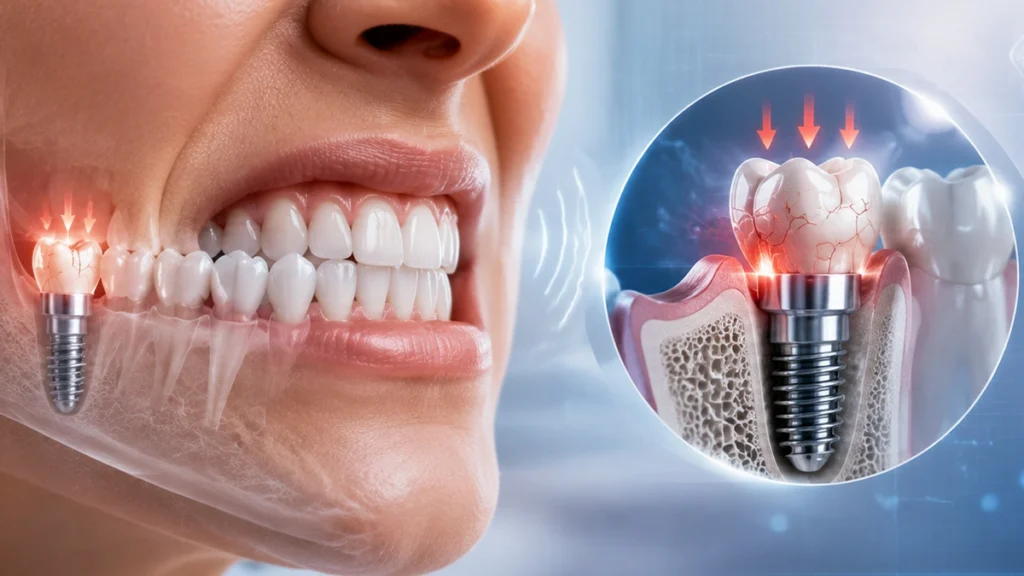
Bruxism and dental implants can seem like a worrying combination, especially if you have already lost teeth or are planning a long-term smile restoration. Teeth grinding places extra force on the teeth, jaw muscles, and dental restorations, so it is natural to ask whether implants can survive under this pressure.
Quick Answer: Can You Get Dental Implants If You Grind Your Teeth?
Yes, many people with bruxism can successfully receive dental implants. Teeth grinding does not automatically prevent implant treatment, but dentists must evaluate bite forces, implant position, bone support, and long-term protection. In many cases, wearing a custom night guard and careful treatment planning can help reduce the risk of implant complications.
What Is Bruxism and How Does It Affect Your Teeth?
Bruxism is more than an occasional habit. When grinding or clenching becomes frequent, it can affect the teeth, jaw joints, muscles, and dental restorations.
Understanding Teeth Grinding
Bruxism means grinding, clenching, or pressing the teeth together, either during sleep or while awake. Some people notice the habit during stressful moments, while others only discover it after a dentist sees signs of tooth wear, jaw tension, or damaged dental work.
Common Signs and Symptoms of Bruxism
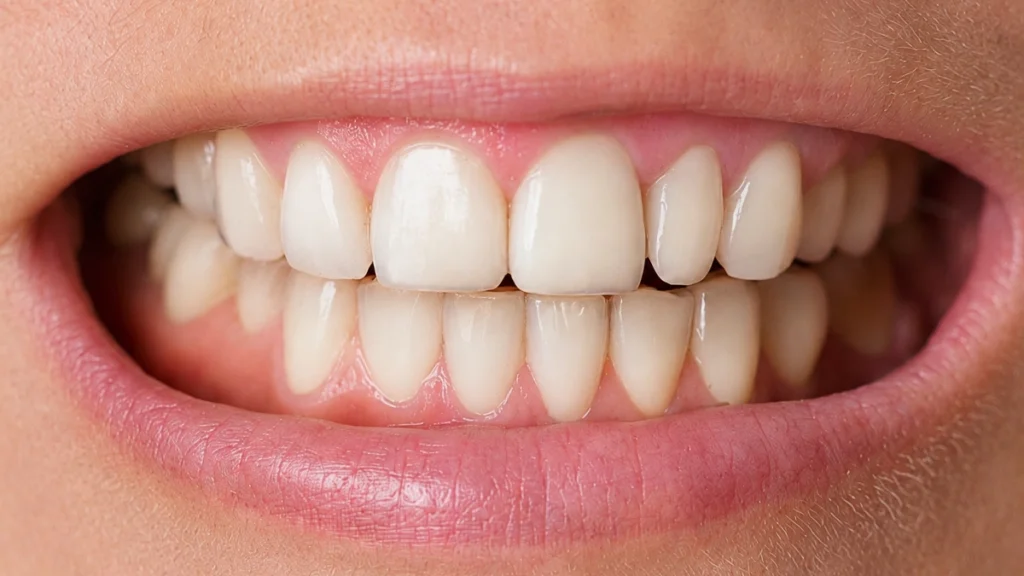
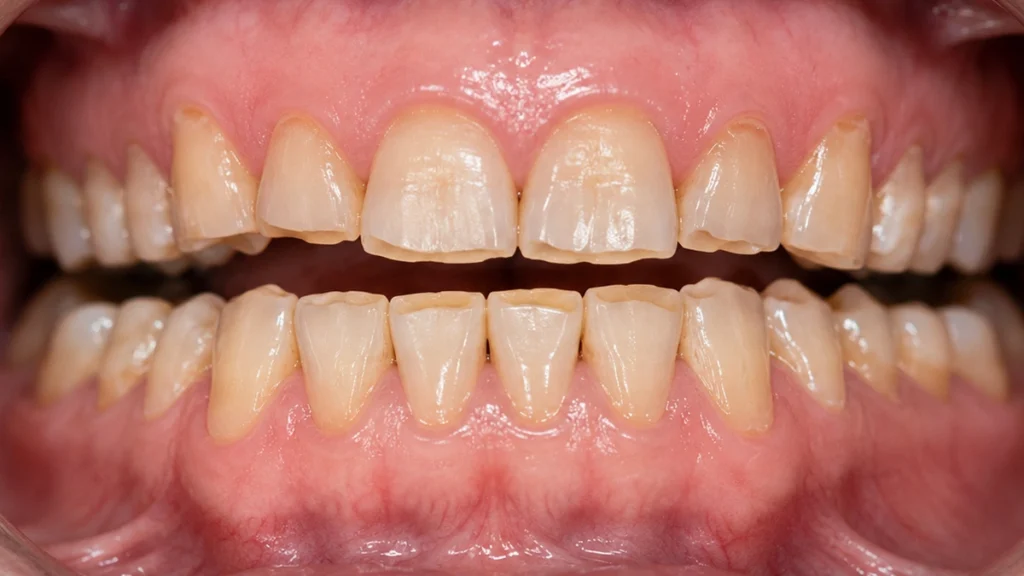
Common signs include worn tooth edges, tooth sensitivity, jaw soreness, morning headaches, facial muscle pain, chipped restorations, and a tired feeling in the jaw. Some patients also hear grinding sounds at night, usually noticed by a partner or family member.
Why Bruxism Can Damage Natural Teeth
Natural teeth are supported by the periodontal ligament, which provides a small amount of cushioning. Even with this support, repeated grinding can wear enamel, create cracks, increase sensitivity, and place stress on the jaw joints.
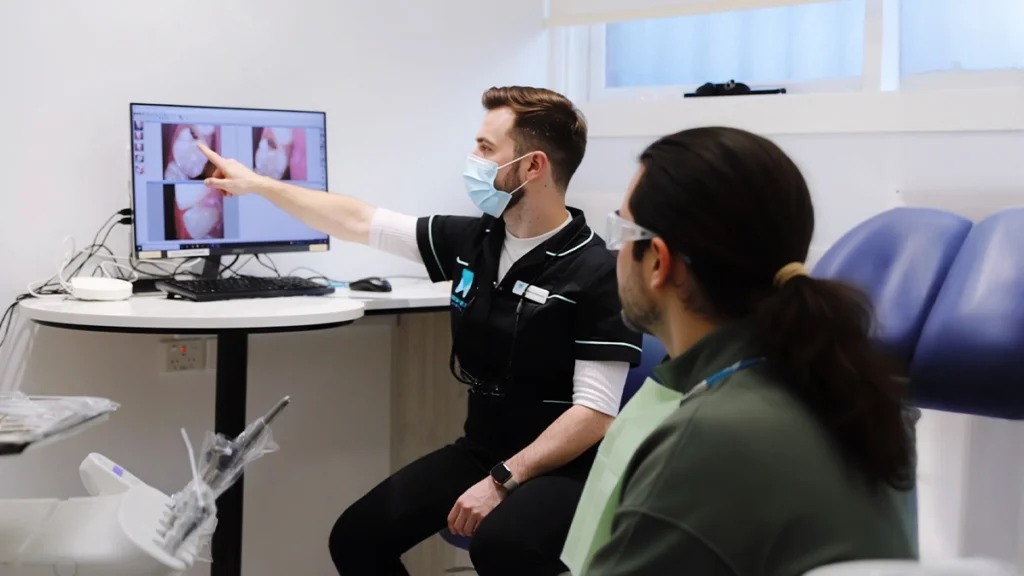
How Dentists Diagnose Bruxism
Dentists diagnose bruxism by looking at several clues, including:
- Tooth wear patterns
- Cracked teeth, fillings, or restorations
- Jaw muscle tenderness or morning jaw soreness
- Bite marks on the cheeks or tongue
- Reports of grinding sounds during sleep
- Headaches or temporomandibular joint symptoms
- Bite imbalance
In some cases, your dentist may also ask about sleep quality, stress, medications, caffeine intake, or symptoms of sleep apnea. If a sleep disorder is suspected, a referral to a physician or sleep specialist may be recommended.
Start a Conversation
Contact us through the communication method that suits you





Can You Get Dental Implants If You Have Bruxism?
Bruxism is a risk factor, not an automatic rejection. The key question is whether the forces can be managed safely.
Why Bruxism Does Not Automatically Rule Out Dental Implants
Dental implants can work well for many patients with bruxism when the treatment plan accounts for extra pressure. The dentist may adjust the number of implants, the position, the bite design, and the type of restoration to improve force distribution.
What Dentists Evaluate Before Implant Treatment
Before treatment, dentists evaluate bone volume, gum health, missing teeth pattern, bite contact, jaw movement, tooth wear, and any history of broken crowns or fillings. These details help determine whether the patient needs protective measures before or after surgery.
Individual Risk Assessment
Two patients with bruxism may have very different risk levels. Mild clenching with healthy bone is not the same as severe night grinding with heavy tooth wear, jaw pain, and previous crown fractures, so the treatment plan must be personalized.
Request pricing
By sending, you agree we may contact you on WhatsApp with pricing.
Got it! We’ll WhatsApp you the pricing shortly.
Does Teeth Grinding Increase Dental Implant Failure Risk?
Teeth grinding may increase the risk of implant complications, especially mechanical problems, but it is rarely the only factor involved.
How Excessive Bite Forces Affect Implants
Unlike natural teeth, implants are directly connected to the bone and do not have the same cushioning ligament. This means heavy grinding forces can transfer more directly to the crown, abutment, screw, implant body, and surrounding bone.
Early vs Long-Term Implant Complications
Early implant problems are often related to healing, infection, bone quality, surgical factors, or medical conditions. Long-term problems in patients with bruxism are more often linked to repeated overload, crown fracture, screw loosening, prosthetic wear, or bone stress around the implant.
Why Implant Failure Has Multiple Causes
It is rarely accurate to say that bruxism alone caused an implant to fail. Most implant complications involve more than one contributing factor.
Possible risk factors include:
- Poor bone quality or gum disease history
- Peri-implantitis
- Smoking or poor oral hygiene
- Uncontrolled diabetes
- Implant misposition
- Poor restoration design or excess cement
- Lack of maintenance visits
- Excessive bite pressure or severe bruxism
Because there are many possible causes, dentists focus on reducing risk from every direction.
What Research Suggests About Bruxism and Implant Success
Current research suggests that bruxism can be associated with higher rates of implant and prosthetic complications, but the relationship is complex. Many patients still achieve successful outcomes when dentists use careful planning, protective appliances, and regular maintenance.
How Dentists Plan Dental Implants for Patients With Bruxism
Planning is the main difference between a routine implant case and an implant case with heavy grinding forces.
Implant Position and Number
Implants must be placed in positions that allow the final crown or bridge to receive pressure evenly. In some cases, using more implants or changing the restoration design can help distribute force more safely.
Bite (Occlusion) Adjustment
The dentist checks how the upper and lower teeth meet during biting and jaw movement. The goal is to reduce high-pressure contact points that could overload the implant crown or create uneven stress on the restoration.
Selecting Appropriate Implant Restorations
Patients with bruxism may need materials and designs that can better tolerate repeated force. The dentist may consider crown material, prosthetic connection, screw-retained or cement-retained design, and whether splinted crowns are more suitable.
Regular Follow-Up Visits
Follow-up visits allow the dentist to detect early signs of wear, looseness, bite changes, inflammation, or crown damage. Small adjustments made early can prevent larger problems later.
How Night Guards Help Protect Dental Implants
A night guard does not cure bruxism, but it can reduce the damage caused by grinding forces during sleep.
Why Night Guards Are Recommended
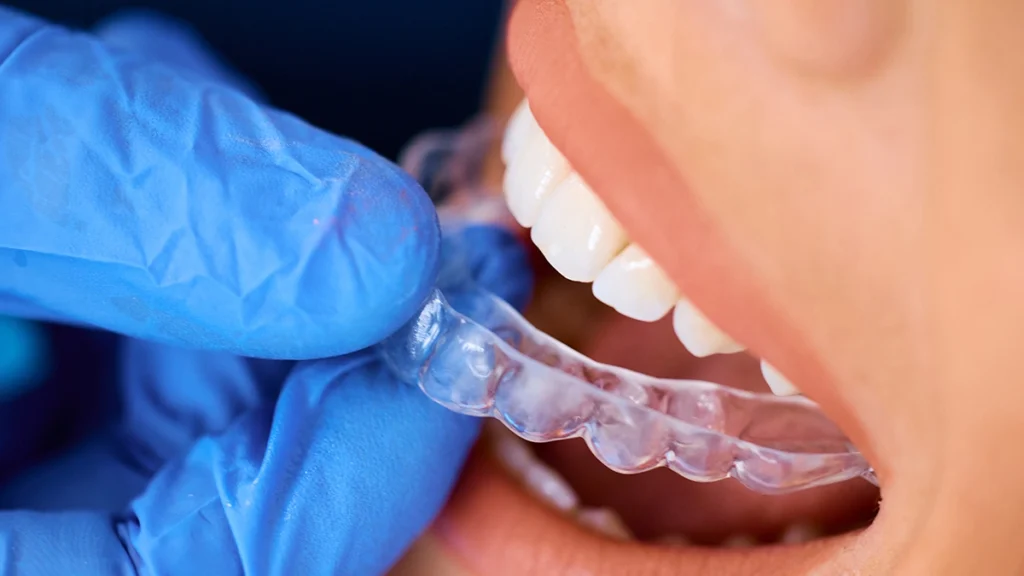
A custom night guard creates a protective barrier between the upper and lower teeth. For implant patients with bruxism, it can help reduce direct overload on crowns, natural teeth, and opposing restorations.
Reducing Pressure During Sleep
Many patients grind more intensely during sleep because they are not aware of the habit. A professionally made guard helps spread pressure more evenly and reduces the risk of concentrated force on one implant crown.
Protecting Implant Crowns
Implant crowns can chip, crack, or wear under repeated pressure, especially when the bite is heavy. A night guard helps protect the crown surface and may reduce the chance of mechanical complications.
Long-Term Maintenance
Night guards need cleaning, adjustment, and replacement when they become worn. Dentists usually check the guard during routine visits to make sure it still fits properly and protects the bite as intended.
Bruxism and Dental Implant Planning
The severity of bruxism can influence the treatment plan and the level of follow-up needed.
| Situation | Treatment Consideration |
| Mild bruxism | Implant treatment may proceed with careful planning. |
| Moderate bruxism | Bite analysis and protective measures are recommended. |
| Severe bruxism | Additional implant planning and long-term monitoring may be required. |
| Bruxism with tooth wear | Occlusal rehabilitation may be considered before or with implant treatment. |
The final decision depends on your bite, bone support, gum health, and treatment goals.
What Dentists Evaluate Before Implant Surgery
A successful implant plan starts before surgery. The dentist needs to understand both the mouth condition and the forces that will affect the implant after healing.
Bone Quality
Good bone support helps stabilize the implant and support long-term function. If the bone is thin, weak, or reduced in volume, bone grafting or a modified treatment plan may be needed.
Gum Health
Healthy gums reduce the risk of inflammation around implants. If gum disease is present, it should be treated before implant placement to lower the risk of peri-implant complications.
Bite Force Distribution
Dentists check whether pressure is balanced across the mouth or concentrated in certain areas. Uneven bite force can increase the risk of crown damage, screw loosening, or overload on specific implants.
Missing Teeth Pattern
Replacing one missing tooth is different from restoring several missing teeth or a full arch. The number and location of missing teeth affect how forces travel through the implant restoration.
Overall Oral Health
Cavities, gum disease, poor hygiene, worn teeth, old restorations, and jaw pain can all influence the treatment plan. The healthier the mouth before surgery, the easier it is to protect the implant afterward.
Upload your photos and receive a free AI-powered preliminary analysis in minutes. No commitment required.
Can Grinding Damage Dental Implants?
Grinding usually does not damage the implant immediately, but repeated force can affect the components and the restoration over time.
Implant Components Under Pressure
A dental implant includes the implant body in the bone, an abutment, and a crown or bridge above it. Heavy grinding can transfer pressure through these parts, especially if the bite is not balanced.
Crown Chipping or Fracture
Crown chipping is one of the more common mechanical concerns in patients with bruxism. The risk may increase when the patient has a strong bite, hard opposing teeth, or does not wear a recommended night guard.
Screw Loosening
Repeated pressure can sometimes loosen the screw that connects the implant restoration. If detected early, the dentist can usually manage it, but ignoring movement or clicking can lead to more complex repairs.
Bone Stress Around Implants
Excessive force may contribute to stress around the implant-bone connection, especially when other risk factors are present. This is why dentists focus on bite balance, restoration design, hygiene, and follow-up care.
Read more: What Are Dental Implants? How They Work and When They Are Needed
How to Reduce the Risk of Implant Problems With Bruxism
The goal is not only to place the implant successfully, but also to protect it for years.
Wear a Custom Night Guard
A custom night guard is often one of the most important protective steps for patients who grind their teeth. It should be made and adjusted by a dentist, especially when implants or complex restorations are present.
Attend Regular Dental Check-Ups
Routine check-ups help detect bite changes, crown wear, screw looseness, gum inflammation, and early implant problems. Patients with bruxism may need more frequent monitoring than patients without grinding habits.
Maintain Excellent Oral Hygiene
Good brushing, interdental cleaning, and professional cleanings help protect the gums and bone around implants. Bruxism affects force, but oral hygiene remains essential for preventing inflammation and peri-implant disease.
Report Changes in Your Bite Early
A new high spot, clicking crown, loose feeling, jaw discomfort, or sudden change in chewing should not be ignored. Early adjustment can help protect the restoration before serious damage develops.
Read more: Daily Oral Hygiene Tips for Healthy Teeth and Gums (2026 Guide)
Who Is a Good Candidate for Dental Implants With Bruxism?
The best candidates are not necessarily people without bruxism, but people whose risk factors can be controlled.
Patients With Healthy Gums
Healthy gums create a better environment for implant healing and long-term stability. If gum disease is active, dentists usually treat it before moving forward with implant surgery.
Stable Bone Support
Stable bone gives the implant a stronger foundation. If bone support is reduced, the dentist may recommend grafting, a different implant position, or another restoration design.
Controlled Grinding Habits
Bruxism does not always disappear, but its effects can often be managed. Patients who use a night guard, follow bite recommendations, and attend check-ups usually have a better long-term outlook.
Commitment to Long-Term Maintenance
Dental implants are not “place and forget” treatments. Patients with bruxism need to commit to cleaning, maintenance visits, guard use, and early reporting of any changes.
People Also Ask About Bruxism and Dental Implants
- Can I get dental implants if I grind my teeth?
- Does bruxism cause implant failure?
- Can a night guard protect dental implants?
- Will implants stop teeth grinding?
- Is bruxism a contraindication for implants?
Final Insight — Bruxism Requires Planning, Not Avoidance
Bruxism should make implant planning more careful, not automatically rule it out. With the right diagnosis and protection, many patients can still receive stable implant restorations.
Teeth Grinding Does Not Automatically Prevent Implant Treatment
Many patients with bruxism can receive implants successfully when the dentist understands the bite pattern, evaluates the risk, and builds protection into the treatment plan.
Personalized Bite Planning Improves Long-Term Success
A balanced bite helps reduce unnecessary pressure on the implant crown, screw, and surrounding bone. This is especially important when replacing several teeth or restoring a full arch.
Protective Appliances Reduce Excessive Forces
Custom night guards and occlusal splints can help protect both implants and natural teeth. They are especially useful for patients who grind during sleep and cannot consciously control the habit.
Ongoing Maintenance Helps Preserve Implant Health
Long-term success depends on regular checks, professional cleaning, bite adjustments, and fast action when symptoms appear. For patients with bruxism, maintenance is part of the treatment, not an optional extra.
Which treatment are you interested in?
FAQ
Yes. Many patients with bruxism are suitable candidates when treatment is carefully planned and their bite is properly managed.
It may increase mechanical stress, but implant success also depends on bone quality, placement, hygiene, and follow-up care.
There is no single failure rate because risk varies by patient, bite force, oral health, and treatment design.
Yes. Severe grinding may damage implant crowns, loosen screws, or place extra stress on surrounding bone.
Many dentists recommend a custom night guard for patients with bruxism to reduce excessive bite forces.
No. Dental implants replace missing teeth, but they do not treat the underlying cause of bruxism.
In many cases, yes, but bite design, prosthesis strength, and long-term maintenance become especially important.
Wear your night guard if prescribed, maintain excellent hygiene, attend check-ups, and report bite changes early.