
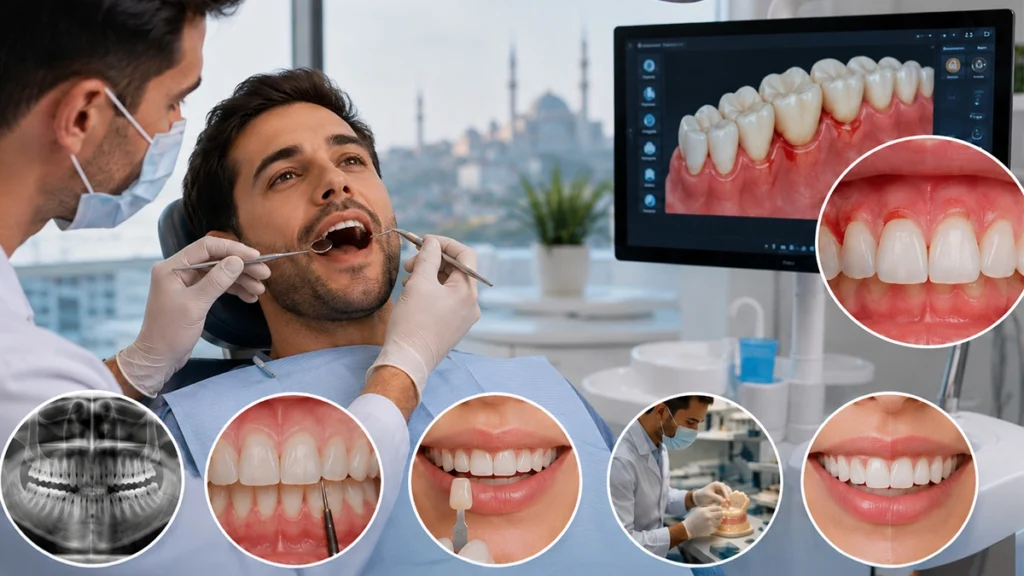
Many patients focus on tooth shape and color before veneers, but gum health is often the most important factor in long-term success.
If gum disease is present, veneers may fail earlier, gums may recede unevenly, and smile aesthetics can become unstable over time. That is why dentists usually evaluate gum condition before starting any Hollywood smile or veneer treatment.
Quick Answer: Is Gum Disease a Problem Before Veneers?
Yes, gum disease can be a serious problem before veneers because inflamed or unstable gums may affect healing, veneer fit, and long-term durability. In many cases, dentists recommend treating gum disease first before proceeding with veneers or a smile makeover.
What Is Gum Disease?
Gum disease, also called periodontal disease, refers to inflammation or infection of the tissues that support the teeth. It often starts when plaque builds up around the gum line. If plaque is not removed properly, it can harden into tartar, which requires professional cleaning. The National Institute of Dental and Craniofacial Research explains that periodontal disease can begin with swollen, red, and bleeding gums and may later affect the bone around the teeth if untreated.
Early Gum Disease: Gingivitis
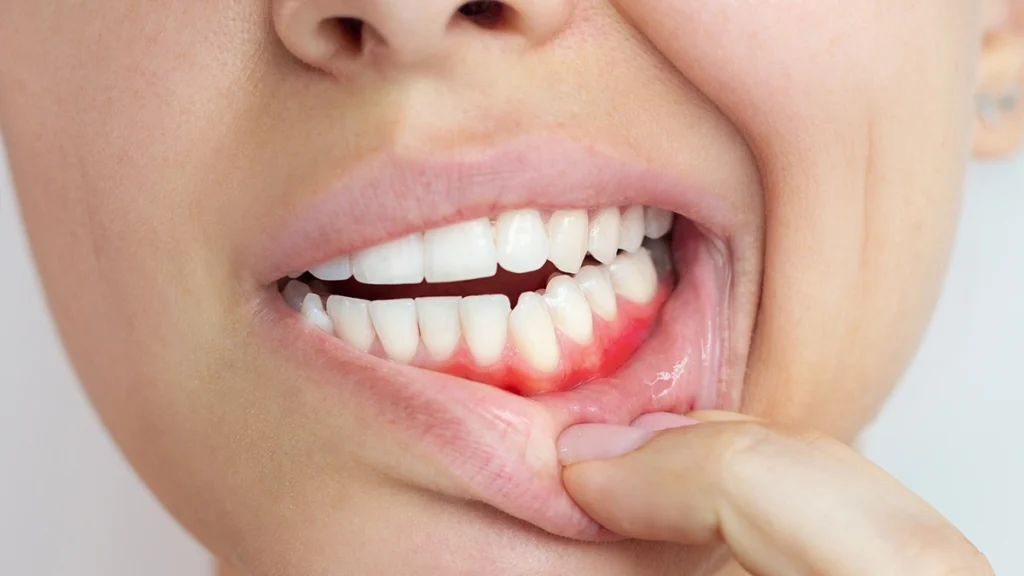
Gingivitis is the early stage of gum disease. At this stage, the gums may look red, swollen, or irritated. Bleeding during brushing or flossing is also common.
The important point is that gingivitis is usually reversible when treated early with professional dental care and improved home oral hygiene. The American Academy of Periodontology describes gingivitis as the mildest form of periodontal disease and notes that it can cause gums to become red, swollen, and bleed easily.
Advanced Gum Disease: Periodontitis
Periodontitis is more serious. It develops when gum inflammation spreads deeper below the gum line and affects the tissues and bone that support the teeth. This may lead to gum recession, deeper gum pockets, bone loss, loose teeth, and long-term instability.
For veneer patients, this matters because veneers are attached to teeth that must remain stable. If the supporting gum and bone structure is unhealthy, the cosmetic result may not remain predictable.
Why Gum Disease Often Goes Unnoticed
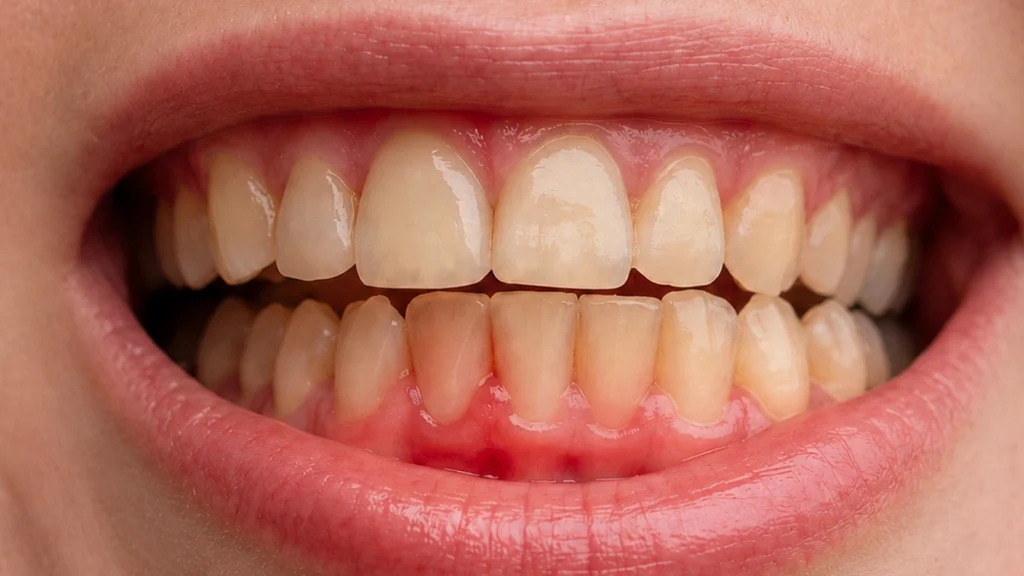
Gum disease does not always cause strong pain in the early stages. Some patients only notice mild bleeding, bad breath, sensitivity, or slight gum swelling. Others may not notice anything until gum recession or tooth mobility develops.
That is why a pre-veneer examination should include more than a visual smile check. A dentist should evaluate the gums, measure gum pockets, assess inflammation, review X-rays when needed, and check whether the teeth have enough support for cosmetic treatment.
Start a Conversation
Contact us through the communication method that suits you





Why Gum Health Matters Before Veneers
Veneers are thin custom-made coverings placed on the front surface of teeth to improve color, shape, size, and alignment. The ADA explains that veneers cover the front surface of a tooth and are commonly used for chipped, stained, crooked, misshapen, or gapped teeth.
However, veneers do not replace healthy foundations. They sit close to the gum line, which means the gums directly affect how natural and stable the final result looks.
Veneers Depend on Stable Gum Margins
The margin of a veneer is designed to meet the tooth near the gum line. If the gum margin is swollen during treatment, it may shrink after inflammation improves. This can expose veneer edges, create uneven lines, or make the restoration look less natural.
Stable gum margins help the dentist plan veneer length, shape, and contour more accurately.
Gum Inflammation Can Affect Veneer Appearance
Inflamed gums may appear red, puffy, or uneven. Even if the veneers themselves are high quality, the smile may not look clean or balanced if the surrounding tissue is unhealthy.
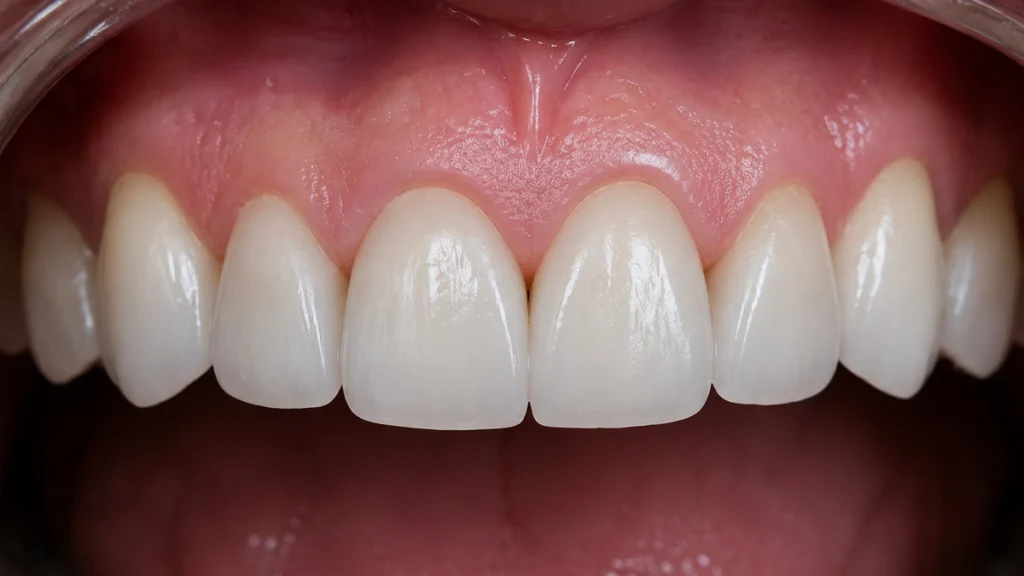
Healthy gums usually look firmer, more even, and more symmetrical. This improves the overall appearance of porcelain veneers, zirconium veneers, Lumineers, and other veneer materials.
Uneven Gums Can Disturb Smile Symmetry
Smile design is not only about teeth. The gum line frames the teeth. If one side of the gum line is higher, lower, swollen, or receding, the smile may appear asymmetric.
This is especially important in Hollywood smile cases, where patients often expect a bright, balanced, camera-ready result.
Why Dentists Evaluate Gums Before Smile Makeover Procedures
Before a smile makeover and veneers, dentists evaluate gum health because the final result depends on both aesthetics and biology. A beautiful veneer placed on an unhealthy foundation may look good at first but become unstable later.
Can You Get Veneers With Gum Disease?
Sometimes, yes — but it depends on the type and severity of the gum disease.
A patient with mild gingivitis may still be able to move forward after cleaning, improved hygiene, and reduced inflammation. A patient with active periodontitis, bone loss, deep periodontal pockets, or uncontrolled bleeding may need periodontal treatment before veneers.
When Veneers May Still Be Possible
Veneers may be possible when gum inflammation is mild and controlled. For example, if a patient has early gingivitis caused by plaque buildup, the dentist may recommend professional cleaning, better brushing technique, flossing, and a short healing period before preparing the teeth.
Once the gums stop bleeding and the tissue becomes stable, veneer planning becomes more predictable.
When Veneers Should Be Delayed
Veneers should usually be delayed when there is active periodontitis, severe gum recession, deep periodontal pockets, tooth mobility, infection, or uncontrolled inflammation.
In these cases, placing veneers too early may lead to poor margins, worsening inflammation, exposed edges, bad odor, gum recession, or early veneer failure.
Clinical insight: Treating gum disease first usually improves long-term veneer success because it creates a healthier and more stable foundation.
Gum Disease and Hollywood Smile Treatment
Hollywood smile treatment often involves multiple cosmetic procedures, such as veneers, crowns, whitening, gum contouring, or bite correction. Because it is a full-smile plan, gum health becomes even more important.
Why Gum Stability Is Critical for Hollywood Smile Cases
A Hollywood smile should look balanced from tooth to tooth. If the gums are inflamed or unstable, the dentist cannot accurately predict the final gum line. This can affect tooth length, veneer shape, smile symmetry, and the final shade appearance.
Gum Shape and Smile Design
Dentists consider the gum contour when designing veneers. A harmonious gum line makes the teeth look more natural. If gum levels are uneven, the dentist may recommend periodontal care or gum reshaping before final veneer placement.
Why Healthy Gums Improve Final Aesthetics
Healthy gums make veneers look cleaner and more natural. They also reduce the risk of redness, swelling, bleeding, and exposed margins after treatment.
For patients researching Hollywood smile and medical conditions, it is important to disclose diabetes, smoking habits, immune conditions, medications, and previous gum problems. NIDCR lists smoking, diabetes, certain illnesses, medications, hormonal changes, and genetics among risk factors that may contribute to gum disease.
Gummy Smile vs Gum Disease — Understanding the Difference
A gummy smile means too much gum tissue shows when smiling. Gum disease means the gum tissue is inflamed, infected, receding, or damaged.
A patient can have a gummy smile without gum disease. A patient can also have gum disease without showing too much gum when smiling. Dentists check both separately because one is mainly an aesthetic issue, while the other is a health issue.
What Dentists Check Before Veneers
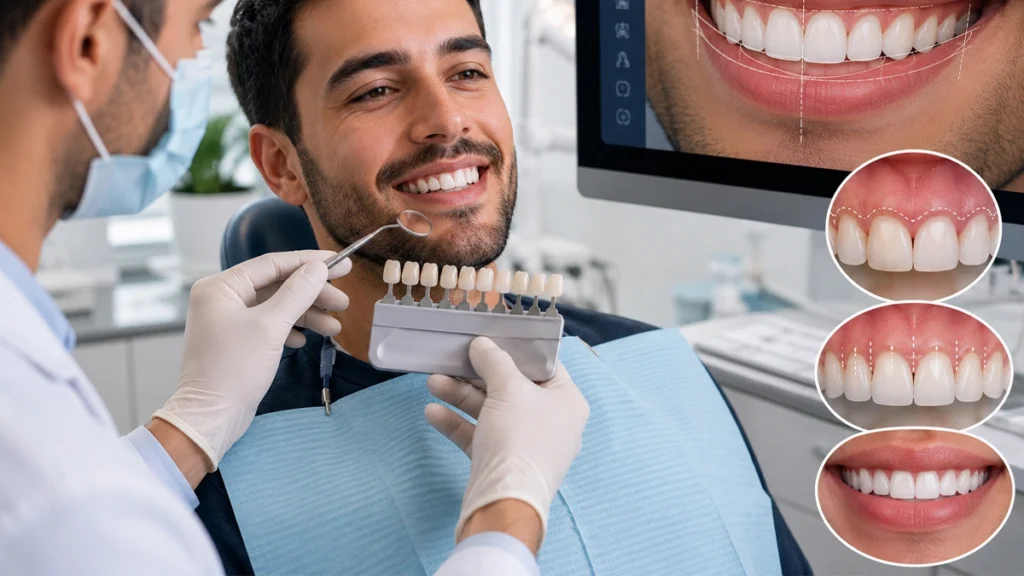
A proper veneer consultation should include a full oral assessment, not just a shade selection. In Turkey, especially for international patients, this step is important because treatment timelines may be shorter and planning must be precise.
Gum Pocket Evaluation
Dentists may use a periodontal probe to measure the depth of spaces between the teeth and gums. According to NIDCR, healthy pockets are usually between 1 and 3 millimeters, while deeper pockets may indicate periodontal disease.
Bone Support Assessment
Veneers need stable teeth. If bone support is reduced because of periodontitis, the dentist may need to treat gum disease first or adjust the cosmetic plan.
Bleeding and Inflammation Signs
Bleeding during probing, brushing, or flossing can suggest active inflammation. Red, swollen, tender, or bleeding gums are common signs of gum disease.
Existing Dental Work and Oral Hygiene
Dentists also check old fillings, crowns, bridges, root canal-treated teeth, plaque levels, tartar buildup, bite pressure, and oral hygiene habits. These factors can affect whether veneers are appropriate and which veneer material is most suitable.
Why X-rays May Be Needed Before Veneers
X-rays help dentists evaluate bone loss, tooth roots, infections, old dental work, and hidden problems. NIDCR states that dental X-rays can show whether bone loss has occurred as a result of gum disease.
Read more: What Are Dental Veneers? Types, Uses, and Who They Are For
Veneer Materials and Gum Compatibility
Different veneers materials can be used depending on the patient’s teeth, bite, gum condition, and aesthetic goals. The material choice should be made after a clinical examination.
Porcelain Veneers and Gum Response
Porcelain veneers are popular because they look natural, resist stains well, and can create a refined cosmetic result. They are often used for standard aesthetic veneer cases when gum health is stable.
Zirconium Veneers and Tissue Compatibility
Zirconium is strong and durable. It may be considered when more structural support is needed or when teeth require stronger restorations. However, the final decision depends on tooth preparation, bite condition, gum health, and the dentist’s plan.
Lumineers Veneers and Minimal Preparation Cases
Lumineers are often described as minimal-preparation veneers. They may be suitable for mild cosmetic changes, but they are not automatically better for every patient. If gums are inflamed or teeth are poorly positioned, even minimal-prep veneers require careful planning.
Veneer Materials and Gum Considerations
| Veneer Type | Gum Response | Best Use |
| Porcelain Veneers | Very good when margins are well designed and gums are healthy | Standard aesthetic cases |
| Zirconium Veneers | Strong and durable; requires careful contouring near gums | Structural support cases |
| Lumineers | Minimal preparation in selected cases | Mild cosmetic changes |
Gum Disease and Veneer Failure — What Can Go Wrong?
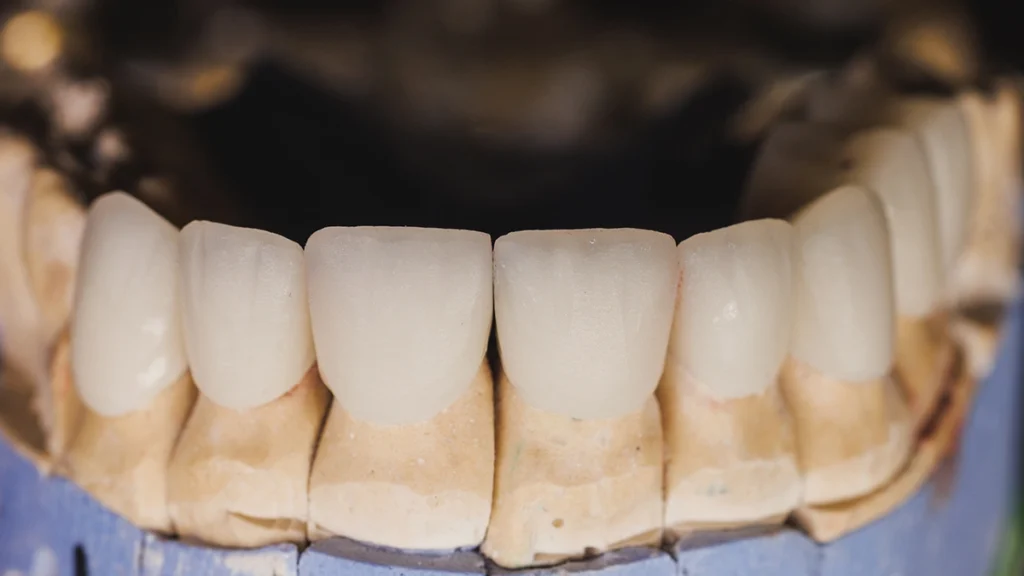
Ignoring gum disease can increase the risk of veneer failure . Veneers may not fail immediately, but the surrounding gums and margins can become unstable over time.
Gum Recession Around Veneers
If gums recede after veneers, the edge of the veneer may become visible. This can make the tooth look longer or create an uneven gum line.
Margin Exposure and Dark Edges
When gum tissue pulls away, the junction between the veneer and natural tooth may show. In some cases, this can create shadowing, dark edges, or visible margins.
Inflammation and Bad Odor
Poorly controlled plaque, deep pockets, or inflamed gums can contribute to bad breath, bleeding, and discomfort around veneers.
Veneer Instability Over Time
If periodontitis affects the bone and tissues supporting the teeth, the teeth may become mobile. A veneer cannot solve this problem. The foundation must be treated first.
Why Ignoring Gum Disease Increases Long-Term Risks
Veneers are cosmetic restorations, but they are placed in a biological environment. If that environment is unhealthy, cosmetic work becomes less predictable. Treating gum disease first helps reduce inflammation, stabilize the gums, and improve the accuracy of the final smile design.
Read more: Veneers in Turkey: Before & After, Prices, and Procedure Explained
Request pricing
By sending, you agree we may contact you on WhatsApp with pricing.
Got it! We’ll WhatsApp you the pricing shortly.
Who Is a Good Candidate for Veneers?
The best veneers candidates usually have healthy gums, stable teeth, good oral hygiene, and realistic expectations.
Healthy Gums and Stable Bone Support
A good candidate should have gums that are not actively bleeding, swollen, or infected. Bone support should also be stable enough to support the teeth long term.
Good Oral Hygiene Habits
Veneers still require daily brushing, flossing, and regular dental checkups. NIDCR recommends brushing twice a day with fluoride toothpaste, cleaning between the teeth, routine professional care, and quitting smoking to help maintain gum health.
Controlled Medical Conditions
Patients with diabetes, immune conditions, or other medical issues may still be candidates, but their condition should be discussed with the dentist. Controlled health conditions usually allow safer and more predictable cosmetic planning.
When a Patient May Not Be a Good Candidate Yet
A patient may not be ready for veneers if they have active periodontitis, severe gum recession, untreated decay, poor oral hygiene, heavy grinding, unstable bite, or untreated infections. In these cases, the dentist may recommend a staged treatment plan.
Read more: Who Should Get a Hollywood Smile in 2026? Candidacy, Risks, and What to Expect
How Gum Disease Is Treated Before Veneers
Treatment depends on the severity of the gum condition.
Professional Cleaning and Scaling
For mild gum inflammation, professional cleaning may remove plaque and tartar around the gum line. This can reduce bleeding and swelling before cosmetic treatment.
Periodontal Therapy
For deeper gum disease, dentists may recommend scaling and root planing, also known as deep cleaning. Johns Hopkins Medicine explains that deep cleaning can remove tartar beneath the gums and infected tissue in early stages of disease, while more advanced disease may require additional treatment.
Gum Stabilization Before Cosmetic Work
After periodontal treatment, dentists often wait for the gums to heal and stabilize before final veneer preparation. This helps ensure that the gum line used for smile design is accurate.
Why Waiting Improves Veneer Longevity
Waiting may feel frustrating for patients who want a quick smile makeover, but it often leads to better results. Stable gums allow better impressions or digital scans, cleaner margins, improved symmetry, and reduced risk of post-treatment recession.
Smile Makeover and Gum Health — Why Planning Matters
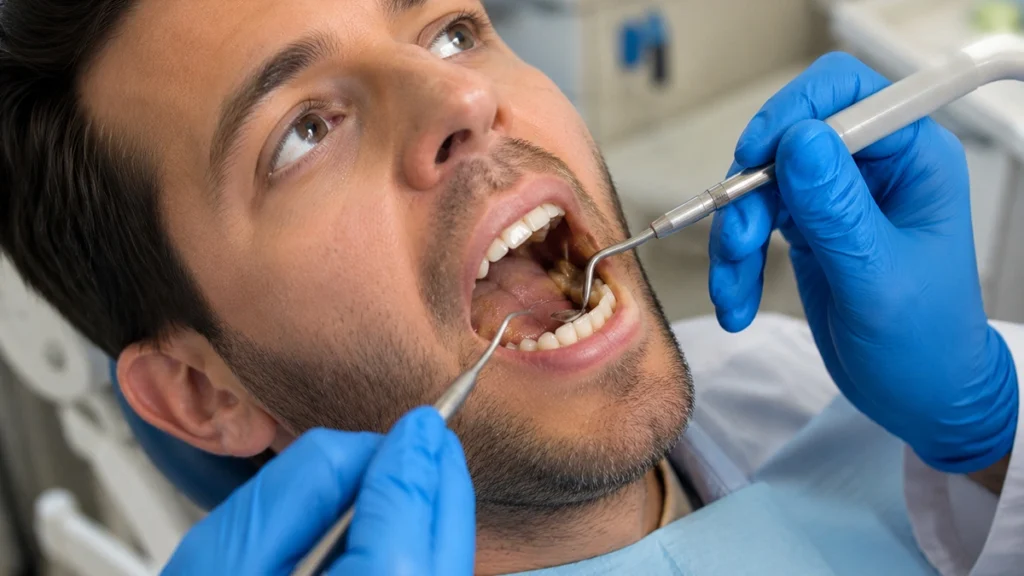
A successful smile makeover and veneers plan should balance beauty, function, and oral health.
Smile Symmetry Depends on Gum Contour
The gums frame the teeth. If the gum line is uneven, the veneers may look uneven even when the ceramic work is technically well made.
Healthy Gums Improve Aesthetic Results
Healthy gums help veneers blend naturally with the smile. They reduce redness and swelling and support a cleaner, more polished final result.
Functional Stability Matters as Much as Appearance
Dentists should also check bite alignment, grinding habits, tooth mobility, and existing restorations. A smile that looks good but does not function well may develop complications later.
Read more: Hollywood Smile vs Smile Makeover: What’s the Real Difference?
What International Patients Should Check in Turkey in 2026
Turkey remains a popular destination for veneers, Hollywood smile treatment, and dental tourism. However, international patients should choose clinics carefully.
For patients coming to Türkiye for healthcare, the Health Türkiye platform states that healthcare facilities and intermediary organizations offering international health tourism services must have an International Health Tourism Authorization Certificate. It also states that authorized facilities are subject to surveillance and improvement processes.
The Turkish Ministry of Health also publishes lists of healthcare providers authorized by the Ministry, including hospitals, medical centers, private practices, and other providers.
Before treatment, patients should ask for:
- A full gum and tooth examination
- X-rays or 3D imaging when needed
- A written treatment plan
- Material information for veneers
- Gum disease treatment recommendations if needed
- Clear aftercare and follow-up instructions
- Confirmation that the clinic is properly authorized for international patients
People Also Ask About Gum Disease and Veneers
Can you get veneers with gum disease?
Do veneers fail if gums are unhealthy?
Can gum disease affect a Hollywood smile?
What happens if gums recede after veneers?
Are Lumineers better for sensitive gums?
Final Insight — Healthy Gums Come Before Cosmetic Dentistry
Gum stability supports veneer longevity. Smile aesthetics depend on healthy tissue. Treating inflammation first improves the quality, accuracy, and predictability of veneer treatment.
Before choosing veneers in Turkey in 2026, patients should focus on more than color and shape. A responsible dentist will check gum pockets, bleeding, bone support, oral hygiene, existing dental work, bite stability, and medical history before starting treatment.
A beautiful smile starts with healthy foundations. Veneers can transform the appearance of teeth, but healthy gums help protect that transformation over time.
Which treatment are you interested in?
FAQ
Sometimes yes, but active gum disease often needs treatment first. Mild gingivitis may be treated quickly, while periodontitis requires more careful periodontal management.
Yes. Unstable gums may affect veneer fit, appearance, gum margins, and long-term durability.
In many cases, veneers can be safely placed once gum health is stabilized and the dentist confirms that the teeth have enough support.
A gummy smile means excess gum tissue shows when smiling. Gum disease involves inflammation, infection, recession, or damage to the tissues supporting the teeth.
There is no single best material for every patient. Porcelain, zirconium, and Lumineers can all be suitable in different cases. The right choice depends on gum health, tooth structure, bite, and the dentist’s evaluation.
Read more: Hollywood Smile in Turkey: Is 4, 6, or 8 Veneers Enough for Your Smile?