
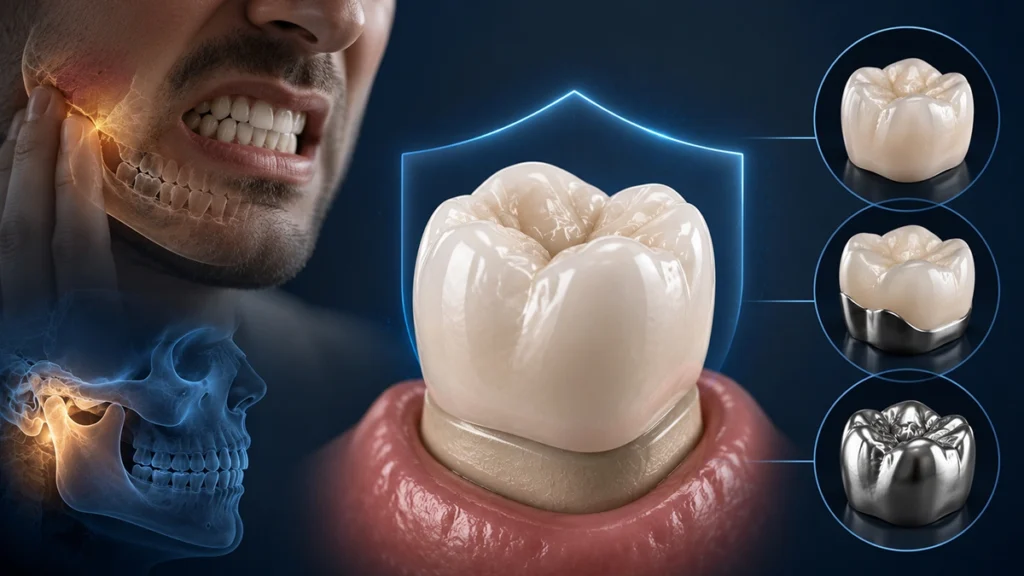
Bruxism can place considerably more pressure on teeth than normal chewing, raising understandable concerns about whether a dental crown will chip, loosen, or wear out prematurely. However, teeth grinding does not necessarily prevent successful crown treatment. With careful bite assessment, appropriate material selection, and long-term protection, a dental crown can restore a damaged tooth while tolerating demanding daily forces.
Quick Answer: Which Dental Crown Is Best for People With Bruxism?
Many people with bruxism can successfully receive dental crowns, but the choice of material is important. Dentists evaluate bite forces, tooth position, grinding severity, and overall oral health before recommending a crown. Strong materials such as zirconia are often considered for patients with heavy grinding, while a custom night guard can help protect both crowns and natural teeth over the long term.
What Is Bruxism and How Does It Affect Your Teeth?
Bruxism refers to repeated teeth grinding, jaw clenching, or prolonged contact between the upper and lower teeth. It may occur during sleep, while awake, or in both situations.
Understanding Teeth Grinding
Sleep bruxism involves involuntary jaw-muscle activity during sleep, while awake bruxism usually appears as clenching or holding the teeth together during stress, concentration, or demanding activities. Many patients are unaware of the habit until a dentist notices tooth wear or someone hears grinding sounds at night.
Signs and Symptoms of Bruxism
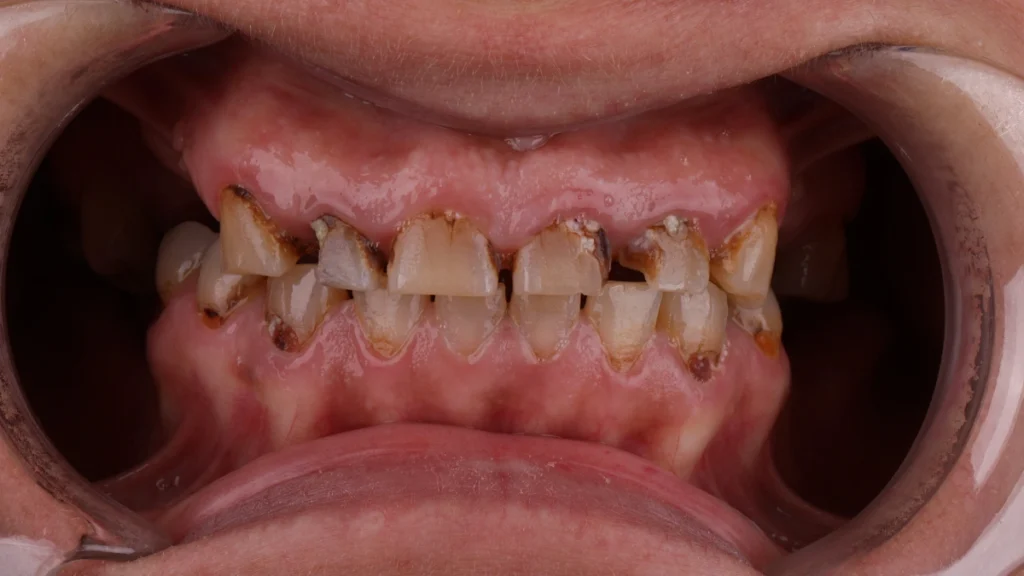
Common signs include flattened or shortened teeth, chipped enamel, cracks, tooth sensitivity, jaw tightness, facial discomfort, morning headaches, and pain around the jaw joints. Existing fillings, veneers, bridges, or crowns may also show repeated damage.
Why Bruxism Can Damage Natural Teeth
Natural teeth are designed to tolerate normal chewing, but repeated grinding can expose them to excessive and prolonged pressure. Over time, enamel may wear away, cracks may develop, and teeth may become shorter, more sensitive, or structurally weaker.
How Dentists Diagnose Bruxism
Dentists examine wear patterns, enamel cracks, tooth mobility, damaged restorations, jaw-muscle tenderness, and the way the teeth meet. They may also ask about sleep, stress, headaches, jaw pain, medications, and previous restoration failures.
Start a Conversation
Contact us through the communication method that suits you





Can You Get Dental Crowns If You Have Bruxism?
Bruxism does not automatically exclude a patient from crown treatment. However, the restoration must be planned to tolerate additional mechanical stress.
Why Bruxism Does Not Automatically Prevent Crown Treatment
A dental crown may be used to rebuild a tooth that is cracked, heavily worn, weakened by a large filling, or treated with root canal therapy. The presence of bruxism changes how the crown is planned, but it does not necessarily make treatment unsuitable.
What Dentists Evaluate Before Choosing a Crown
The dentist considers the location of the tooth, severity of grinding, available crown thickness, remaining healthy tooth structure, bite contacts, opposing teeth, gum health, and any history of fractured restorations.
Individual Treatment Planning
Not every person with bruxism needs the same type of crown. A patient with mild grinding affecting a front tooth may require a different material from someone with severe clenching concentrated on the molars. The final decision should therefore follow a complete clinical examination.
Which Dental Crown Material Is Best for Bruxism?
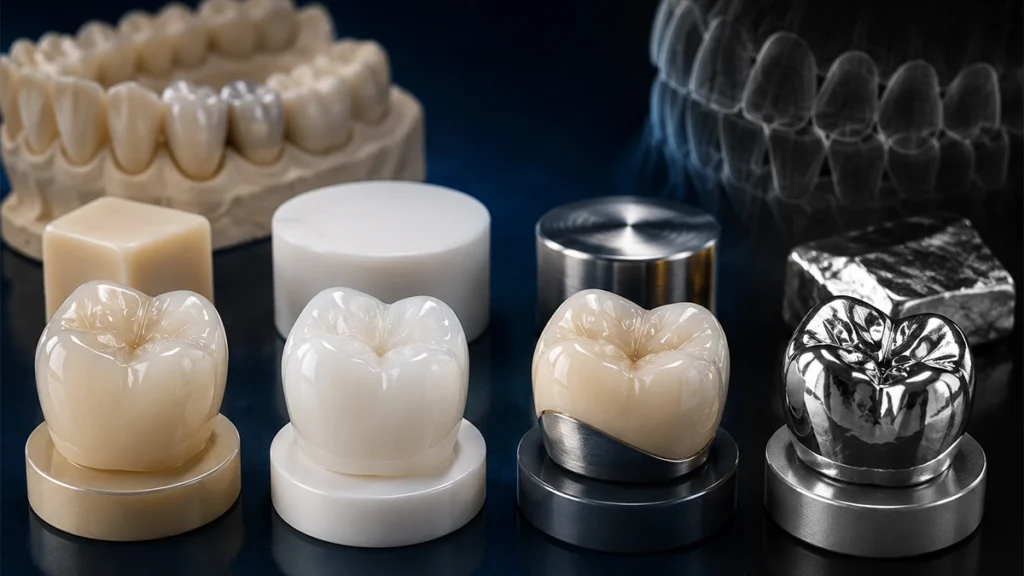
No single material suits every patient with bruxism. Dentists consider strength, appearance, tooth position, bite forces, and available space before recommending a crown.
Zirconia Crowns
Zirconia offers high strength and fracture resistance, making it a common choice for molars and patients with heavy bite forces. Careful polishing and bite adjustment help protect the opposing teeth.
E-max Crowns
E-max provides excellent translucency and natural aesthetics. Dentists may use it for visible teeth and mild or controlled bruxism, but severe grinding may require a stronger option.
Porcelain-Fused-to-Metal Crowns
These crowns combine a durable metal base with an outer porcelain layer. They can work well in selected cases, although heavy grinding may chip the porcelain and expose the metal.
Gold Crowns
Gold crowns tolerate strong bite forces and rarely fracture, making them suitable for some back teeth. Their metallic colour remains their main disadvantage.
How Dentists Choose the Right Material
Dentists weigh strength, aesthetics, tooth preservation, available thickness, bite forces, crown location, and the condition of the opposing teeth. The strongest crown is not always the best choice. The most suitable material is the one that best matches the patient’s complete clinical situation.
Comparison of Crown Materials for Bruxism
The comparison below highlights the main strengths and limitations of each crown material for patients with bruxism.
| Crown material | Strength | Aesthetics | Typical use for bruxism |
| Zirconia | Excellent | Very good | Often considered for high bite forces and back teeth |
| E-max | Very good | Excellent | Suitable for selected cases where aesthetics are important |
| Porcelain-fused-to-metal | Good | Good | May be appropriate depending on tooth position and bite |
| Gold | Excellent | Limited | Often used for back teeth when appearance is not a priority |
Dentists use these differences as a starting point, then select the material according to the tooth’s location, grinding severity, available space, and aesthetic requirements.
Upload your photos and receive a free AI-powered preliminary analysis in minutes. No commitment required.
How Long Will a Dental Crown Last With Bruxism?
A crown’s lifespan cannot be predicted from the material alone. Long-term performance depends on the restoration, supporting tooth, grinding severity, bite pattern, oral hygiene, and protective care.
Factors That Affect Crown Longevity
Important factors include crown material, restoration thickness, tooth preparation, cementation or bonding, remaining tooth structure, gum condition, bite balance, and whether the patient follows maintenance recommendations.
Bite Force and Wear
Repeated clenching creates loading cycles that can gradually weaken the crown or supporting tooth. Uneven contacts may concentrate pressure on one small area, increasing the risk of chipping, cracks, loosening, or wear.
Oral Hygiene and Maintenance
Even a very strong crown can fail if decay develops around its margins. Plaque accumulation may also cause gum inflammation, recession, and difficulty cleaning around the crowned tooth.
Regular Dental Check-Ups
Routine examinations help detect early crown damage, bite changes, cement problems, gum inflammation, or decay. The dentist can also inspect the night guard and replace or adjust it when necessary.
Can Teeth Grinding Damage a Dental Crown?
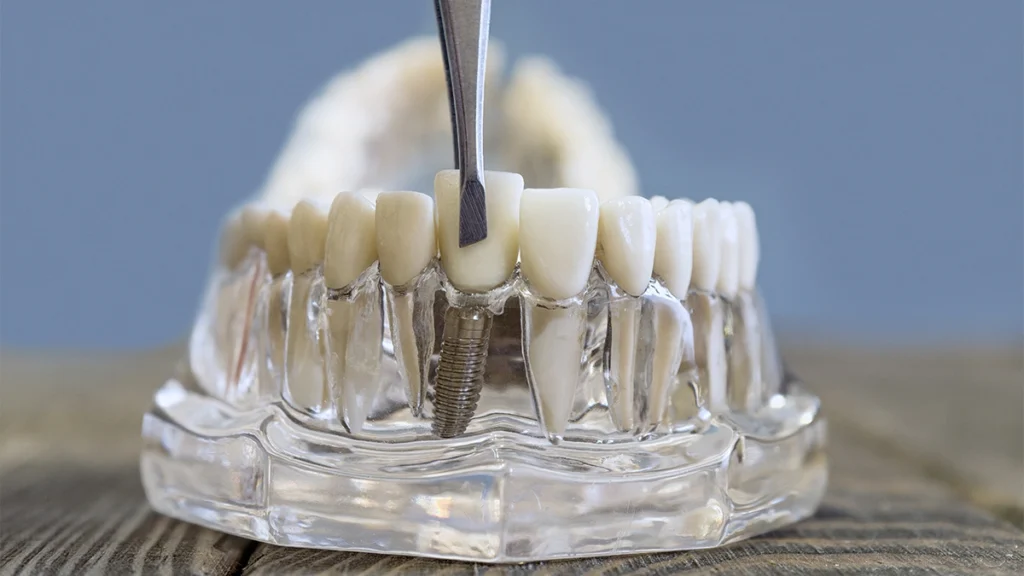
Yes. Severe or unmanaged grinding can damage a crown, the supporting tooth, or both. The type of failure often depends on the crown material, restoration design, and bite pattern.
Crown Fractures
Repeated excessive loading may create cracks or complete fractures, particularly when the crown is too thin, poorly supported, or exposed to concentrated bite contacts.
Chipping of Ceramic
Crowns with a separate ceramic layer may develop small chips under heavy forces. Minor damage can sometimes be polished or repaired, while extensive chipping may require replacement.
Cement Failure
Grinding may produce repeated small movements that weaken the cement seal. A loose crown should be examined promptly because bacteria and food debris may enter underneath it.
Tooth Structure Under the Crown
In some cases, the crown remains intact while the natural tooth underneath develops decay, a crack, or structural failure. Pain, sensitivity, movement, or a change in the bite should therefore be assessed without delay.
Read more: Dental Crowns Explained: When Crowns Are Better Than Veneers
Upload your photos and receive a free AI-powered preliminary analysis in minutes. No commitment required.
How Dentists Protect Dental Crowns From Bruxism
Protecting the crown involves both selecting a suitable restoration and reducing the harmful effects of grinding.
Custom Night Guards
Dentists create custom night guard from impressions or digital scans of the patient’s teeth. The appliance forms a protective barrier between the upper and lower dental arches and helps distribute pressure during sleep.
A custom guard usually fits more accurately than a generic over-the-counter option. The dentist should check it regularly because heavy grinding can gradually wear down or distort the appliance.
Bite Adjustment
After fitting the crown, the dentist checks how it contacts the opposing teeth during normal biting and side-to-side jaw movements. Small adjustments can reduce premature contact and prevent pressure from concentrating on one area.
Selecting Stronger Materials
Dentists may recommend monolithic materials for patients with severe bruxism because these materials do not contain a separate cosmetic porcelain layer. However, they must still use the material at an appropriate thickness and prepare the tooth to provide adequate support.
Regular Monitoring
Natural teeth may continue to wear around a stable crown and gradually change the bite. Regular check-ups help the dentist identify new pressure points, surface roughness, small chips, or signs of night-guard wear.
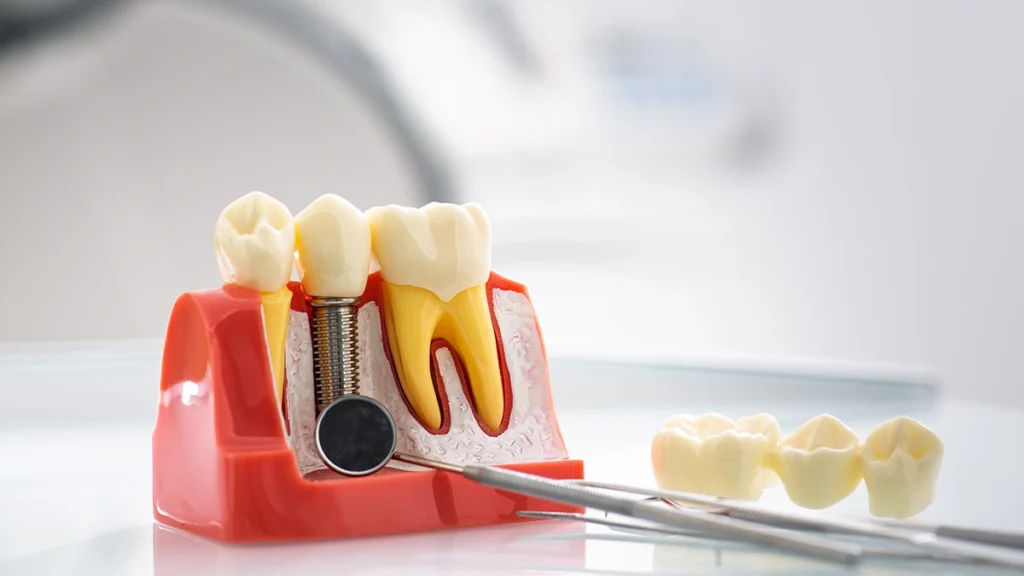
Read more: Bruxism and Dental Implants: Will Teeth Grinding Increase Failure Risk?
What Dentists Consider Before Recommending a Crown
A detailed evaluation helps determine whether a crown is appropriate and how it should be designed.
Tooth Location
Back teeth experience stronger chewing and grinding forces, while front teeth require careful attention to appearance, shape, translucency, and the way they guide jaw movement.
Severity of Bruxism
Mild clenching without visible damage differs from severe grinding that has shortened several teeth or repeatedly broken restorations. Advanced cases may require a more comprehensive rehabilitation plan.
Remaining Tooth Structure
A crown needs sufficient healthy tooth structure for support. If much of the tooth is missing, the dentist may need to rebuild the core, perform root canal treatment, place a post in selected cases, or consider another treatment when a crown cannot restore the tooth predictably.
Smile Aesthetics
Highly translucent ceramics may offer the most natural appearance, but they are not automatically the best option under severe bite pressure. The dentist should explain the balance between aesthetics and mechanical durability.
Long-Term Treatment Goals
The crown should fit within the patient’s wider oral-health plan. Missing teeth, worn enamel, jaw discomfort, gum disease, and older restorations may all influence the final approach.
Read more: Full Mouth Restoration Explained: When Implants, Crowns, and Veneers Are Combined
How to Make Your Dental Crown Last Longer
Daily care and regular monitoring can reduce avoidable stress on a dental crown.
Wear a Night Guard
Use the night guard according to the dentist’s instructions, particularly during sleep. Bring it to check-ups so the dentist can examine its fit and wear patterns.
Maintain Good Oral Hygiene
Brush twice daily with fluoride toothpaste and clean carefully between the teeth. Special attention should be given to the area where the crown meets the natural tooth.
Avoid Excessive Bite Forces
Avoid chewing ice, biting pens, opening packaging with the teeth, or repeatedly testing the crown. These habits add unnecessary pressure to the restoration.
Attend Regular Dental Visits
Do not wait until the crown becomes loose or painful. Early intervention may prevent a small issue from becoming a fracture, infection, or complete crown failure.
Who Is a Good Candidate for Dental Crowns With Bruxism?
Many patients with bruxism are suitable candidates when the tooth can be restored and the patient is willing to protect the result.
Patients With Controlled Grinding
Patients whose bruxism is mild, monitored, or managed with a night guard may have a more predictable outcome. Severe grinding may still be treatable, but it requires careful planning.
Healthy Gums
Stable gum and bone support are important for the long-term success of a crown. Active gum disease should usually be treated before or alongside restorative care.
Good Oral Hygiene
Patients who maintain effective brushing, interdental cleaning, and regular professional care are less likely to develop decay around crown margins.
Commitment to Long-Term Maintenance
Long-term success depends on wearing protective appliances, attending follow-up appointments, and reporting symptoms early. A crown in a patient with bruxism should be viewed as a restoration that requires continued monitoring.
People Also Ask About Bruxism and Dental Crowns
These questions address the most common concerns patients have before receiving a crown:
- What Is the Best Crown for Bruxism?
- Can Teeth Grinding Break a Dental Crown?
- How Long Do Crowns Last With Bruxism?
- Should I Wear a Night Guard After Getting a Crown?
- Is Zirconia Stronger Than E-max for Bruxism?
Final Insight — The Right Crown Material Makes a Difference
Dental crowns can provide reliable treatment for people with bruxism, but success depends on more than choosing the strongest material.
Material Selection Matters
Zirconia may be suitable for many high-force situations, while E-max, porcelain-fused-to-metal, or gold can offer advantages in other cases. Material choice should follow clinical needs rather than a general rule.
Bite Analysis Improves Long-Term Success
A careful bite assessment helps identify where pressure is concentrated. This guides crown shape, thickness, material, and final adjustment.
Protection Is Just as Important as the Crown
The same grinding forces that damaged the natural tooth will continue after the crown is placed. A custom night guard and control of damaging habits are therefore essential parts of treatment.
Regular Follow-Up Helps Prevent Future Problems
Early detection of chips, looseness, wear, decay, or bite changes can prevent more serious complications. Ongoing follow-up also allows the treatment plan to be adjusted as the patient’s bite changes.
Which treatment are you interested in?
FAQ
Dentists often choose zirconia for patients with heavy grinding because of its high strength. However, the best material depends on the tooth’s position, bite forces, aesthetic needs, and available space.
Yes. Severe bruxism can increase the risk of chipping, fracture, loosening, or damage to the supporting tooth, especially when the patient does not control the grinding habit.
Longevity varies according to crown material, bite pressure, oral hygiene, remaining tooth structure, crown design, regular monitoring, and the consistent use of protective measures.
Many dentists recommend a custom night guard for patients with sleep bruxism to reduce direct grinding contact and protect crowns, natural teeth, and other restorations.
Zirconia generally provides greater strength, while E-max offers superior translucency. The appropriate choice depends on the tooth location, severity of grinding, restoration thickness, and aesthetic needs.
Yes. Nightly grinding does not automatically prevent crown treatment, but the dentist may recommend a stronger design, bite adjustment, and a custom protective appliance.
Persistent grinding can increase mechanical stress and wear, potentially shortening crown longevity when the habit is severe, the bite is uneven, or protective recommendations are not followed.
Wear a custom night guard, maintain excellent oral hygiene, avoid biting hard objects, monitor daytime clenching, attend regular examinations, and report changes in the crown promptly.