
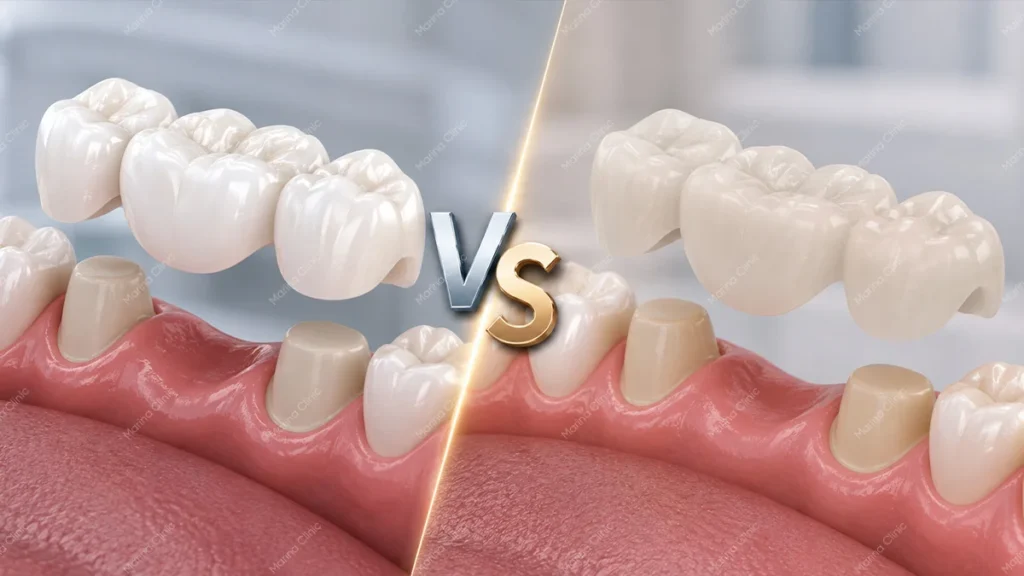
Choosing between a zirconia bridge vs acrylic bridge is an important part of planning full-arch dental implants. Both materials can restore an entire arch of missing or failing teeth, but they differ in strength, weight, appearance, maintenance, repair options, and cost. Zirconia is commonly selected for durable final restorations, while acrylic is often used during healing and may also serve as a definitive option in selected cases. The right choice depends on implant positioning, bite forces, restorative design, oral habits, and long-term goals.
Is a Zirconia or Acrylic Bridge Better for Full-Arch Dental Implants?
Neither option is automatically better for every patient. A zirconia implant bridge offers high strength, wear resistance, and stable aesthetics, making it suitable for many long-term full-arch restorations. An acrylic implant bridge is lighter, easier to modify or repair, and commonly used as a temporary restoration while implants heal. The final choice depends on the complete treatment plan rather than the bridge material alone.
Zirconia Bridge vs Acrylic Bridge: What Is the Main Difference?
The main difference between zirconia and acrylic implant bridges is the restorative material itself. This affects how the bridge handles chewing forces, how much it weighs, how easily it can be repaired, its appearance over time, and the type of maintenance it may require.
Materials Used
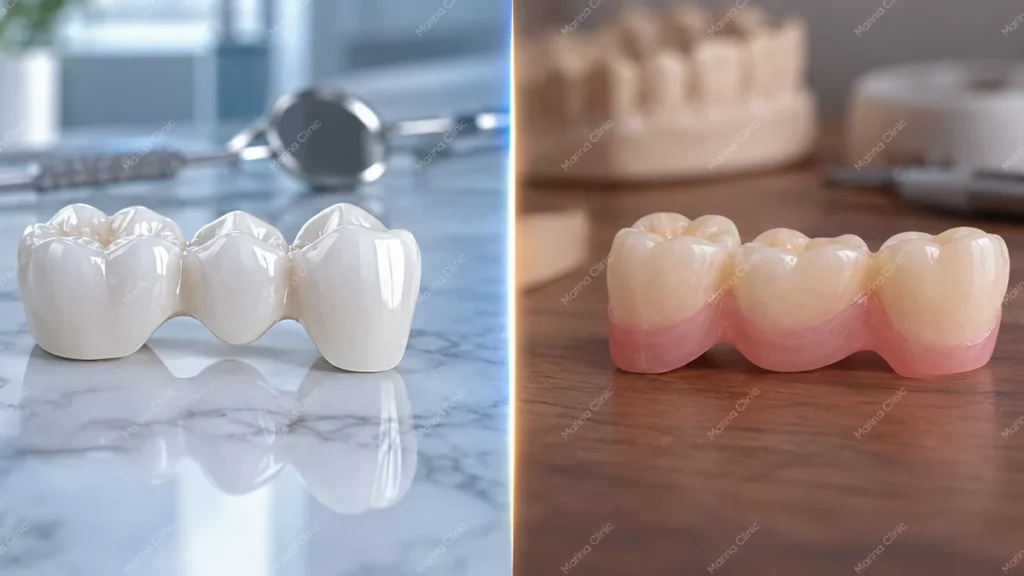
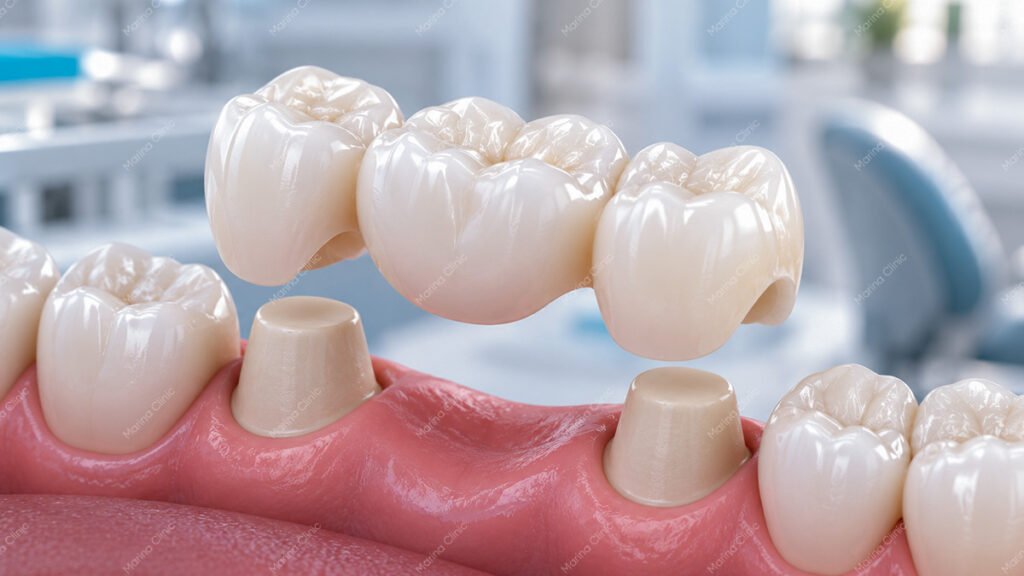
A zirconia bridge is made from high-strength dental zirconia and may be designed as a monolithic restoration or combined with aesthetic layering. Acrylic bridges usually use acrylic or PMMA teeth and gum-colored material, often supported by a metal or titanium framework for greater stability.
How Each Bridge Is Supported
Both restorations can be fixed to dental implants using screws or compatible prosthetic components. The number and position of implants, bridge span, restorative space, and distribution of chewing forces are just as important as the material when planning an implant-supported bridge.
Why Material Choice Matters for Long-Term Success
Material choice influences wear, fracture resistance, repairability, aesthetics, and maintenance. However, even a strong material can develop complications if implant positioning, bridge design, or bite distribution is unsuitable.
Start a Conversation
Contact us through the communication method that suits you





Understanding Zirconia and Acrylic Implant Bridges
Zirconia and acrylic bridges are both used in full-arch dental implants, but they often play different roles during treatment. One may be used during healing, while the other may be selected as the final restoration.
What Is a Zirconia Implant Bridge?
A zirconia implant bridge is a fixed restoration made primarily from dental zirconia and attached to implants placed across the jaw. Its high rigidity, wear resistance, smooth surface, and tooth-like appearance make it a common option for permanent teeth on implants after healing.
What Is an Acrylic Implant Bridge?
An acrylic implant bridge usually consists of acrylic or PMMA teeth and gingival material supported by a reinforced framework. Because it is relatively lightweight and easier to adjust than zirconia, it is widely used during the provisional stage of full-arch treatment.
When Each Material Is Commonly Recommended
Zirconia is commonly considered once the implants are stable and the patient is ready for a durable final restoration. Acrylic is frequently selected for immediate or provisional use after implant placement, although it can also remain a definitive option in selected cases.
Upload your photos and receive a free AI-powered preliminary analysis in minutes. No commitment required.
Which Bridge Material Is Better for Full-Arch Dental Implants?
The better material depends on the needs of the individual case. Zirconia generally offers greater strength, wear resistance, and long-term aesthetic stability, while acrylic is lighter and easier to repair or adjust. Acrylic is also commonly used for provisional restorations, whereas zirconia is frequently selected for the final bridge.
Strength and Fracture Resistance
A full-arch zirconia implant bridge offers high material strength and wear resistance when appropriately designed and supported. Acrylic is softer and more susceptible to chipping or tooth wear, although reinforcement with a titanium or metal framework can improve the stability of the prosthesis.
Appearance and Smile Aesthetics
Zirconia can reproduce natural tooth shape, texture, and color while maintaining good aesthetic stability over time. Acrylic can also create an attractive smile, but the material may gradually show more surface wear or staining depending on oral habits and maintenance.
Comfort and Weight
An acrylic bridge is usually lighter than a comparable zirconia restoration, which some patients may notice during adaptation. Zirconia is more rigid, but comfort also depends on bridge dimensions, bite adjustment, implant position, and the patient’s adaptation.
Bite Force Distribution
Neither material can compensate for poor force distribution. The bridge must be designed so chewing forces are distributed appropriately across the supporting implants, especially in patients with strong bite forces, long bridge extensions, or bruxism.
Long-Term Maintenance
Zirconia generally shows less surface and tooth wear, while acrylic restorations may require periodic repair or replacement of worn prosthetic teeth. Both materials still need professional checks of the screws, implants, bite, and tissues beneath the bridge.
All-on-4 and All-on-6: Choosing the Right Bridge Material
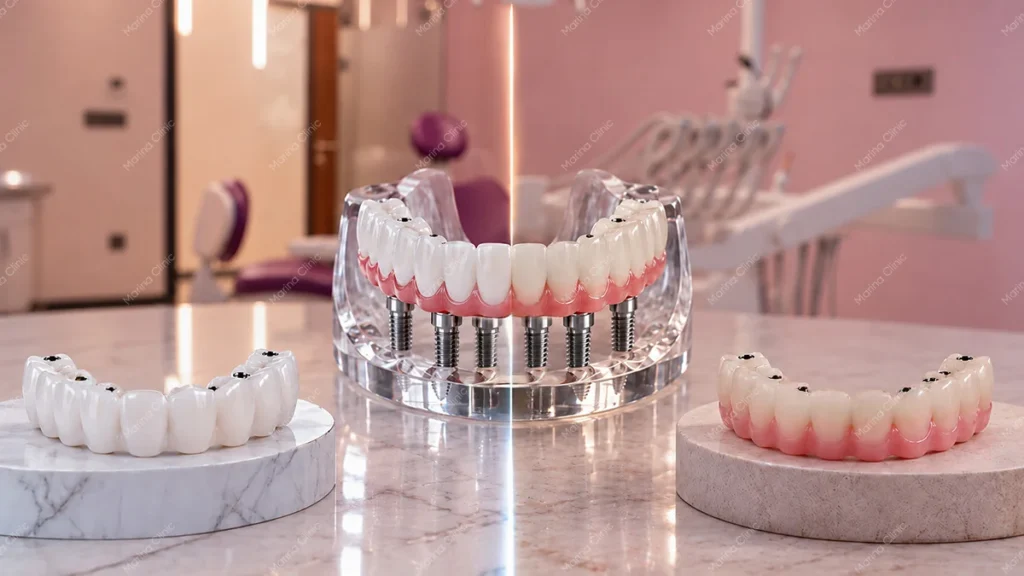
Both acrylic and zirconia can be used in All-on-4 or All-on-6 treatment plans. Implant count alone does not determine the bridge material; implant distribution, bone support, restorative space, bite forces, and prosthetic design also need to be considered.
Zirconia Bridges for All-on-4
An All-on-4 zirconia bridge may be considered after implant integration when four implants are positioned to provide suitable support for the planned restoration. Careful prosthetic design remains important because the full arch is supported by a limited number of implants.
Zirconia Bridges for All-on-6
An All-on-6 zirconia bridge uses six implants when the patient’s anatomy and bone availability allow this configuration. The additional implants may provide wider support in selected cases, but they do not automatically make zirconia the best material for every patient.
Acrylic Bridges During Immediate Loading
Acrylic and PMMA restorations are commonly used as a temporary implant bridge during immediate loading because they are relatively lightweight and easier to adjust as tissues heal and the bite changes.
Why Prosthetic Design Matters More Than Material Alone
Even a durable material can develop problems if the bridge has excessive cantilevers, poor implant distribution, inadequate thickness, unfavorable bite contacts, or insufficient restorative space. Successful treatment depends on coordinating implant placement with prosthetic design from the start.
Read more: All-on-4 vs All-on-6 Dental Implants in Turkey: Which Option Is Right for You?
Zirconia Bridge Cost vs Acrylic Bridge Cost
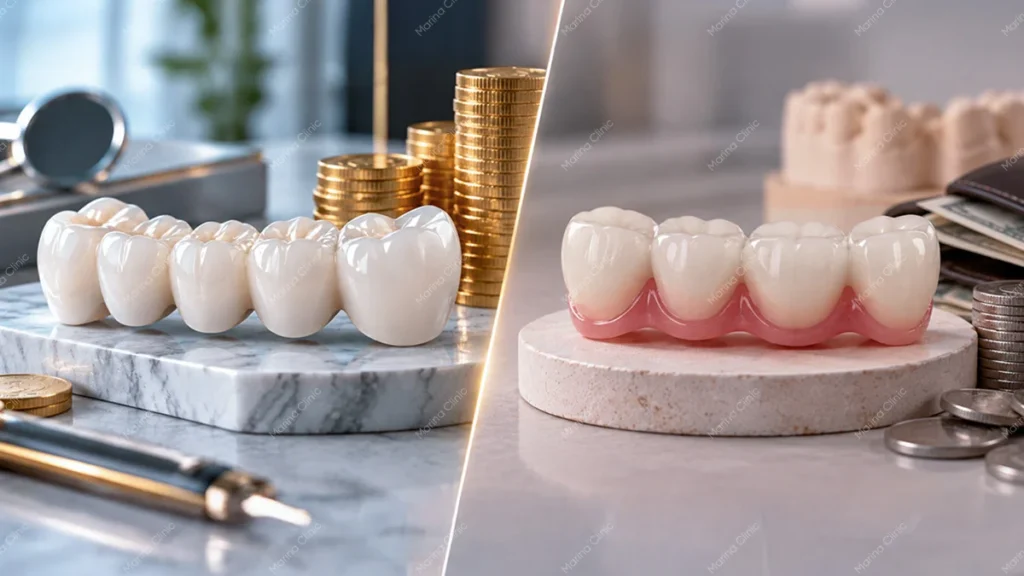
Compared with acrylic bridges, zirconia restorations generally cost more because of differences in materials, digital design, manufacturing, and laboratory work. The overall treatment price may also include implants, temporary teeth, imaging, surgery, and any additional procedures required.
What Influences the Final Cost?
The final cost depends on the number and brand of implants, bridge material, number of arches treated, laboratory complexity, diagnostic imaging, temporary restorations, and any additional surgical procedures.
Laboratory Manufacturing
Zirconia restorations usually involve detailed digital design and computer-controlled manufacturing before finishing. Acrylic bridges can also require advanced laboratory work, particularly when a custom titanium framework is included.
Implant System
Implant brand and prosthetic components can influence the overall treatment cost because different systems use specific connections, screws, abutments, and restorative components.
Temporary and Final Restorations
A treatment quote may include a provisional acrylic bridge followed by a final zirconia bridge, or the two stages may be priced separately. Patients should confirm which materials are included in both stages.
Long-Term Value Rather Than Initial Price
A higher initial price does not automatically mean better value. Long-term value also depends on durability, maintenance needs, repair costs, implant health, laboratory quality, and how well the restoration is designed for the patient’s bite.
Request pricing
By sending, you agree we may contact you on WhatsApp with pricing.
Got it! We’ll WhatsApp you the pricing shortly.
Which Bridge Lasts Longer?
Zirconia generally offers greater resistance to surface wear than acrylic, making it a common long-term option. However, bridge longevity cannot be predicted from material alone because implant health, bite forces, hygiene, prosthetic design, and maintenance all affect performance.
Wear Resistance
Zirconia maintains its shape and surface more effectively under repeated chewing forces, while acrylic teeth may gradually flatten, chip, or wear. This can be especially relevant in patients with stronger bite forces.
Maintenance Requirements
Both materials require professional monitoring, but acrylic bridges may need more frequent repair of worn or fractured teeth. Zirconia still requires regular evaluation of screws, bite contacts, implants, and the surrounding tissues.
Repair Possibilities
Acrylic is generally easier to modify or repair if a prosthetic tooth or section becomes damaged. Zirconia repairs can be more complex, especially when significant structural damage occurs.
Factors That Influence Longevity
Several clinical and lifestyle factors can affect both the bridge and supporting implants:
- Smoking: may affect the tissues surrounding dental implants.
- Bruxism: increases mechanical stress on the bridge, screws, and implants.
- Oral hygiene: helps reduce plaque accumulation around and beneath the restoration.
- Professional maintenance: helps identify mechanical or tissue problems early.
Read more: Bruxism and Dental Implants: Will Teeth Grinding Increase Failure Risk?
Why Some Patients Start With an Acrylic Bridge Before Zirconia
Receiving an acrylic bridge first does not mean the treatment is lower quality. In many full-arch protocols, the temporary implant bridge provides fixed teeth while implants and surrounding tissues heal before the final zirconia restoration is made.
Healing After Implant Placement
After implant surgery, bone and soft tissues continue to change during healing. A provisional bridge allows the dentist to monitor tissue position, bite relationships, implant stability, and cleaning access before finalizing the permanent restoration.
Immediate Function
When immediate loading is clinically appropriate, a provisional acrylic bridge can provide fixed teeth shortly after implant placement while helping control forces during the healing phase.
Transition to the Final Zirconia Bridge
Once healing is satisfactory, new records can be taken to design the final bridge according to the stabilized tissues, implant positions, bite, and aesthetic goals. The patient may then transition to a zirconia full arch bridge if appropriate.
Read more: Full Mouth Dental Implants in Istanbul: Cost and Treatment Process
Upload your photos and receive a free AI-powered preliminary analysis in minutes. No commitment required.
Which Bridge Material Is Right for Your Case?
Choosing between a zirconia bridge vs acrylic requires more than comparing strength or cost. The dentist must evaluate implant support, bite, restorative space, smile design, lifestyle, and long-term expectations together.
Bone Support
Bone quantity and quality influence where implants can be positioned and how the bridge is supported. Material selection should therefore follow a complete clinical and radiographic assessment.
Bite Force
Patients with strong chewing forces or bruxism may require additional attention to implant distribution, bridge thickness, bite adjustment, and protective measures regardless of the material selected.
Smile Design
Tooth proportions, lip movement, gum display, facial features, and the transition between the bridge and natural tissues all influence the final prosthetic design.
Lifestyle
Smoking, oral hygiene, diet, bruxism, and willingness to attend follow-up appointments can affect long-term results and maintenance requirements.
Budget
Acrylic may provide a lower initial restorative cost, while zirconia generally requires a larger investment. The comparison should also consider potential maintenance and repair requirements over time.
Personalized Treatment Planning at Marina Clinic
At Marina Clinic, full-arch treatment planning considers implant position, bone support, bite forces, restorative space, smile design, lifestyle, and budget before the final bridge material is selected.
Final Verdict: Zirconia Bridge vs Acrylic for Full-Arch Dental Implants
The best bridge material is not determined by price alone. Dentists choose between zirconia and acrylic after evaluating bone support, bite forces, implant positioning, smile design, oral habits, and long-term expectations. At Marina Clinic in Istanbul, every full-arch restoration is individually planned to help patients receive the bridge material that best supports long-term function, aesthetics, and durability.
Which treatment are you interested in?
FAQs
Neither is always better. Zirconia is stronger and more wear-resistant, while acrylic is lighter and easier to repair.
Generally, yes. Zirconia offers greater material strength and wear resistance, although implant position, bridge design, and bite forces also influence performance.
A provisional acrylic bridge allows patients to have fixed teeth while implants and tissues heal before the final restoration is designed and manufactured.
It is designed for long-term use, but lifespan depends on hygiene, bite forces, implant health, and maintenance.
It can be. Acrylic is commonly used provisionally, but reinforced acrylic may also be selected as a definitive bridge in certain treatment plans.
It may be for patients who prioritize durability, wear resistance, and aesthetic stability.
Yes, when implant position, bite, space, and healing support the design.
The choice depends on implant position, bite forces, restorative space, maintenance needs, and budget.