
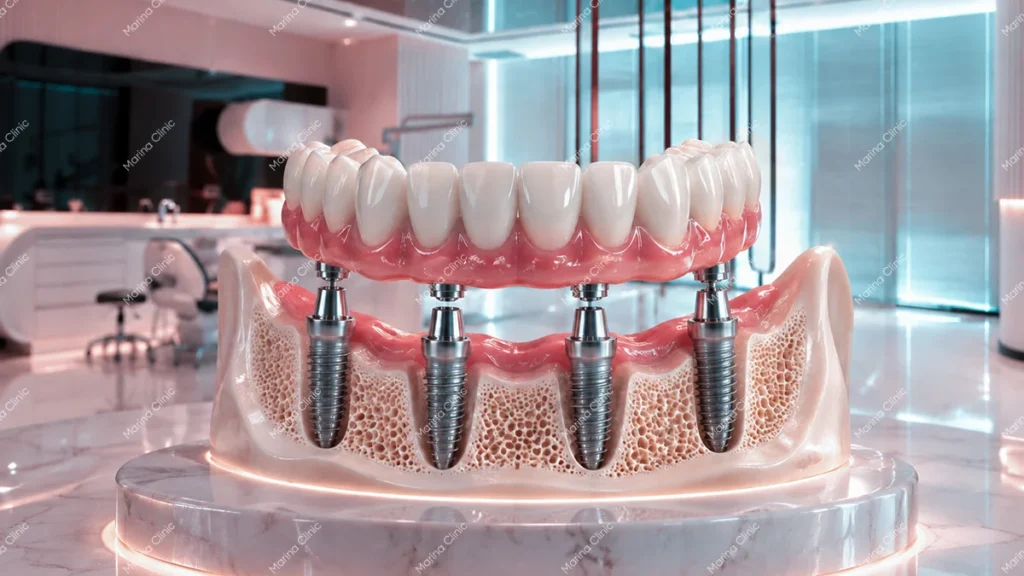
All-on-4 dental implants offer a fixed solution for patients who have lost most or all of their teeth. All-on-4 dental implants cost varies depending on the implant brand, bone condition, and restoration materials. Supported by four implants, this treatment can improve chewing function, comfort, and smile appearance. Understanding the procedure, recovery, and pricing can help you decide whether All-on-4 treatment in Turkey is right for you.
How Much Do All-on-4 Dental Implants Cost and Who Are They For?
All-on-4 dental implants typically cost €3,000–€8,000 per arch in Turkey, depending on the implant brand, bridge material, and additional procedures. This treatment may suit patients with extensive tooth loss or failing teeth who have sufficient bone support. A clinical examination and 3D imaging are necessary to determine suitability and establish the final cost.
How Much Do All-on-4 Dental Implants Cost?
The cost of All-on-4 depends on more than the four implants. A complete quote should account for surgery, prosthetic materials, and restorative treatment.
What Is Included in the Cost?
A comprehensive All-on-4 package may include consultation, CBCT imaging, implant placement, temporary teeth, the final bridge, and follow-up care. However, some clinics advertise only the surgical stage, so patients should confirm exactly what their quotation covers.
Typical Cost in Turkey
All-on-4 dental implants cost approximately €3,000–€8,000 per arch in Turkey. Prices vary according to the implant manufacturer, bridge material, and treatment complexity. Patients requiring both arches should expect a higher total cost.
Marina Clinic Treatment Package
Marina Clinic in Istanbul provides All-on-4 treatment based on each patient’s dental condition and restorative needs. Package details and pricing depend on the selected implants, prosthetic materials, and additional procedures. Patients can request an itemized quotation before treatment.
Why Prices Can Differ Between Clinics
Two clinics may offer different prices because of implant brands, prosthetic materials, laboratory techniques, and included services. Some quotes cover temporary and final teeth, while others exclude them. Comparing complete packages helps avoid unexpected expenses.
Start a Conversation
Contact us through the communication method that suits you





What Is the All-on-4 Procedure?
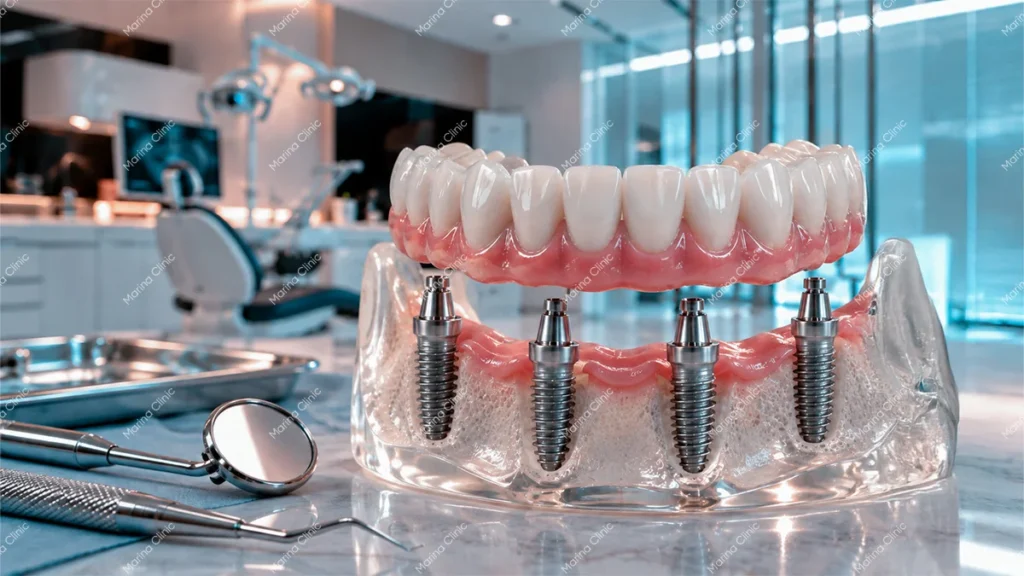
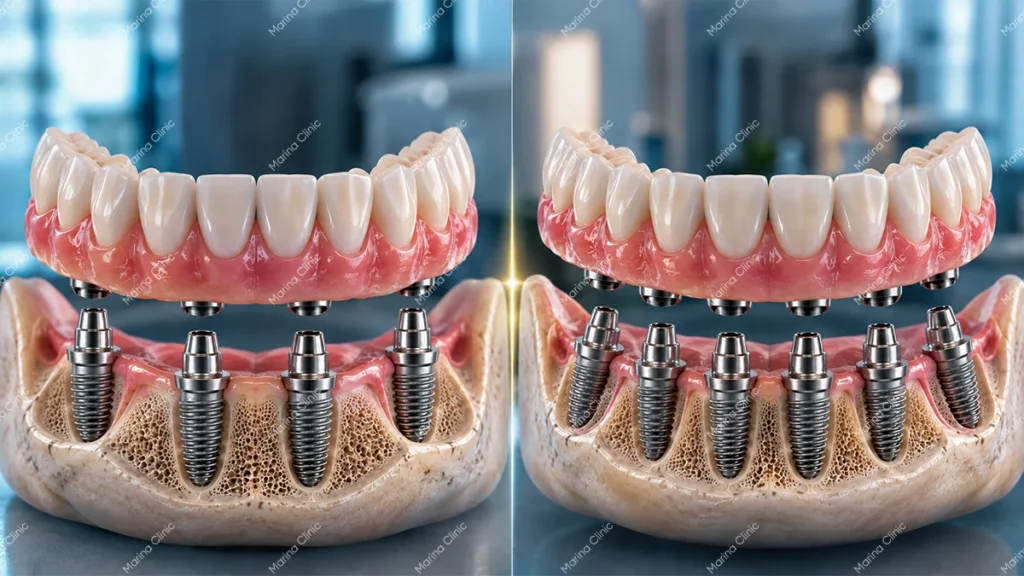
The All-on-4 procedure uses four strategically positioned implants to support a fixed full-arch bridge. Treatment involves digital assessment, implant surgery, healing, and final restoration.
Consultation and Digital Assessment
The dentist examines your remaining teeth, gum health, bite, and medical history. This initial evaluation helps determine whether All-on-4 is suitable or whether preserving existing teeth or choosing another restorative option would provide better results.
CBCT and Treatment Planning
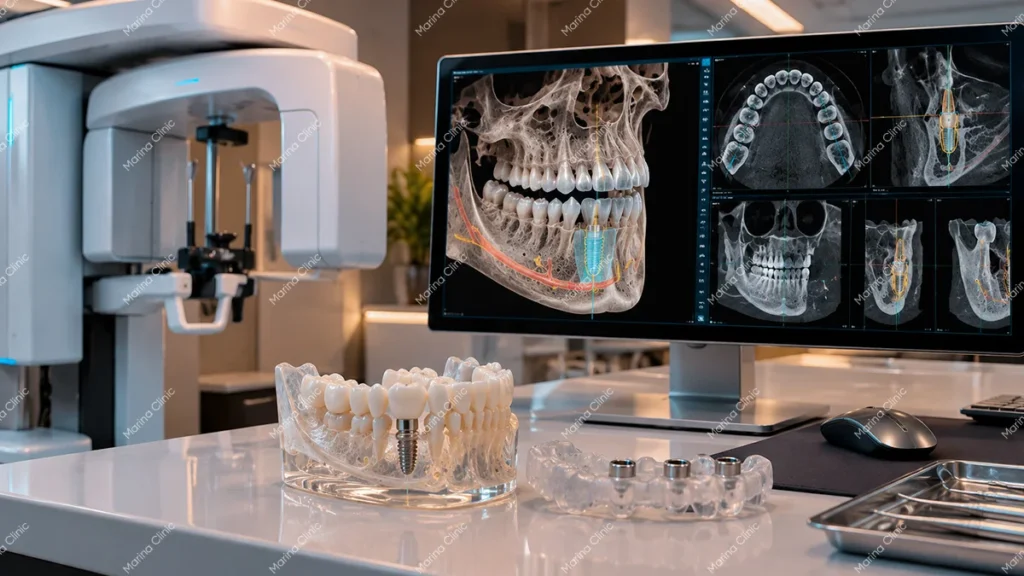
A 3D CBCT scan allows the dentist to examine bone volume, jaw anatomy, and important anatomical structures. These findings help determine suitable implant positions and angulations while planning the support needed for the final bridge.
Tooth Extractions (If Needed)
Severely damaged or failing teeth may require removal before implant placement. In suitable cases, extractions and implant surgery can take place during the same appointment. However, teeth that can be predictably restored should be evaluated for preservation.
Implant Placement
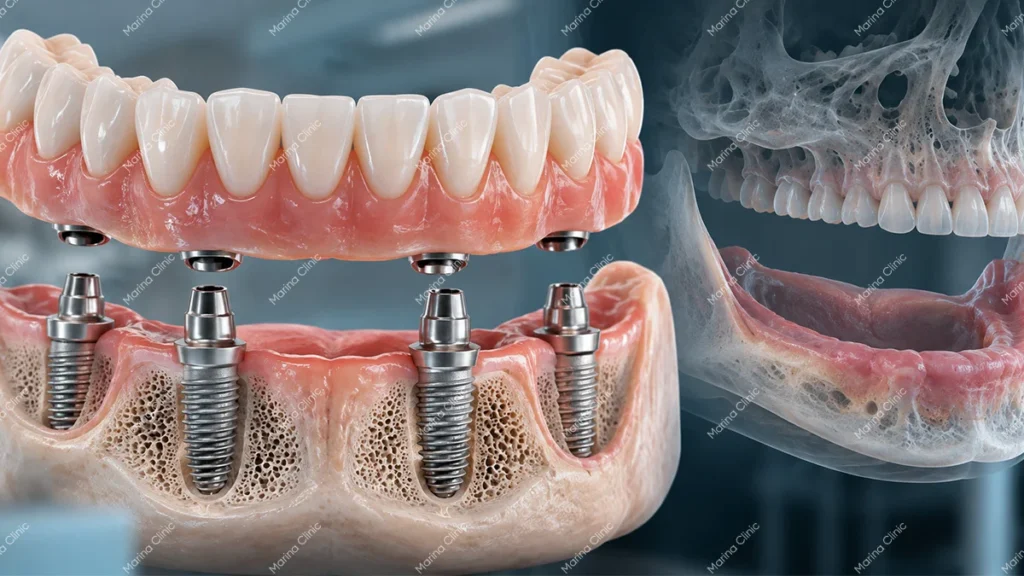
The dentist places four implants in planned positions within the jawbone. The two posterior implants are often angled to maximize available bone support. This approach may reduce the need for extensive bone grafting in suitable patients.
Temporary Fixed Bridge
When the implants achieve sufficient initial stability, a temporary fixed bridge may be attached shortly after surgery. This allows patients to have replacement teeth during healing, although a soft-food diet and careful bite management remain necessary.
Final Prosthesis
After the implants integrate with the jawbone, the dentist fits a customized final bridge. The restoration is designed to provide proper bite function, comfortable cleaning access, and a natural appearance that complements the patient’s smile.
Who Is a Good Candidate for All-on-4 Dental Implants?
All-on-4 may be suitable for patients with extensive tooth loss, but eligibility depends on bone availability, oral health, and several medical factors.
Multiple Missing Teeth
Patients missing several teeth across one dental arch may benefit from All-on-4 when their remaining teeth have a poor prognosis. However, individual implants or conventional bridges may be more appropriate when healthy teeth can be preserved.
Failing Teeth
Patients with extensive tooth damage, advanced gum disease, or multiple failing restorations may require full-arch rehabilitation. All-on-4 can replace teeth that cannot be predictably saved, provided the underlying infection and supporting tissues are properly evaluated.
Full-Arch Tooth Loss
Patients who have lost all their upper or lower teeth may qualify for All-on-4. The fixed bridge provides an alternative to removable dentures and can improve chewing stability, speech, and confidence during everyday activities.
Bone Availability
All-on-4 requires sufficient bone to support the planned implants. Angled posterior implants may help make use of available bone, although severe bone loss can still require grafting or an alternative implant approach.
Smoking and Medical Conditions
Smoking, uncontrolled diabetes, and certain medical conditions can increase the risk of healing problems or implant complications. These factors require individual assessment, and some patients may need medical management or lifestyle changes before treatment.
Bruxism and Bite Forces
Teeth grinding and excessive biting forces can place additional stress on implants and prosthetic components. Dentists should assess these risks during treatment planning and may recommend adjustments to the bridge design or a protective night guard.
Upload your photos and receive a free AI-powered preliminary analysis in minutes. No commitment required.
All-on-4 vs Dentures: Which Is Better?
Both All-on-4 and removable dentures replace missing teeth, but they offer different levels of stability, comfort, and maintenance.
Stability
All-on-4 uses implants anchored in the jawbone to support a fixed restoration, reducing unwanted movement during speaking and eating. Conventional dentures rest on the gums and may become less stable as the underlying jawbone changes.
Chewing Ability
A fixed implant-supported bridge generally provides greater chewing stability than traditional dentures. This can help patients enjoy a wider variety of foods, although chewing performance depends on the restoration design and individual adaptation.
Comfort
All-on-4 may feel more secure because the restoration does not need to be removed daily. Conventional dentures can sometimes cause pressure or movement, but they remain a practical nonsurgical option for many patients.
Daily Maintenance
Removable dentures require regular removal and cleaning. All-on-4 bridges remain fixed but need careful brushing and cleaning underneath the prosthesis to prevent plaque accumulation, gum inflammation, and implant-related complications.
Long-Term Value
All-on-4 usually has a higher initial cost than conventional dentures but offers functional advantages for suitable patients. Both treatments require maintenance, and implant-supported bridges may eventually need adjustments, repairs, or replacement components.

All-on-4 vs All-on-6: What Is the Difference?
Both treatments restore a complete dental arch using implants. The main distinction is the number of implants supporting the bridge and how they distribute forces.
Number of Implants
All-on-4 supports the full arch with four dental implants, while All-on-6 uses six. The additional implants may offer more support points, although the ideal number depends on the patient’s anatomy and restoration requirements.
Bone Requirements
All-on-4 may be suitable for some patients with reduced posterior bone because angled implants can use available bone more efficiently. All-on-6 requires suitable bone at additional implant sites and may involve different surgical considerations.
Support and Load Distribution
Six implants can distribute chewing forces across additional support points, which may benefit certain cases. However, four properly positioned implants can also provide reliable full-arch support when the bone and prosthetic design are suitable.
Cost Differences
All-on-6 generally costs more because it requires two additional implants and their associated components. Nevertheless, the total difference also depends on the implant brand, bridge material, laboratory work, and additional procedures.
How Dentists Decide
Dentists consider bone quality, jaw anatomy, bite forces, and long-term restorative goals when choosing between All-on-4 and All-on-6. Neither approach is automatically better, and treatment should be based on individual clinical findings.
What Affects the Cost of All-on-4 Dental Implants?
All-on-4 dental implants cost more when additional procedures, premium materials, or complex laboratory work are required. Understanding these factors helps patients compare treatment quotations more accurately.
Implant Brand
Implant manufacturers offer different designs, technologies, and restorative components. Premium brands such as Straumann and Nobel Biocare may increase the overall cost, but the best implant choice depends on the patient’s anatomy and clinical requirements.
Temporary Teeth
Temporary fixed teeth allow suitable patients to maintain smile appearance during healing. Their material, manufacturing method, and necessary adjustments influence the price. Patients should confirm whether the temporary bridge is included in the package.
Final Bridge Material
The final bridge may use zirconia, reinforced acrylic, or other restorative materials. These options differ in durability, appearance, repairability, and fabrication cost. Material selection should account for bite forces, hygiene access, and long-term maintenance.
Bone Grafting
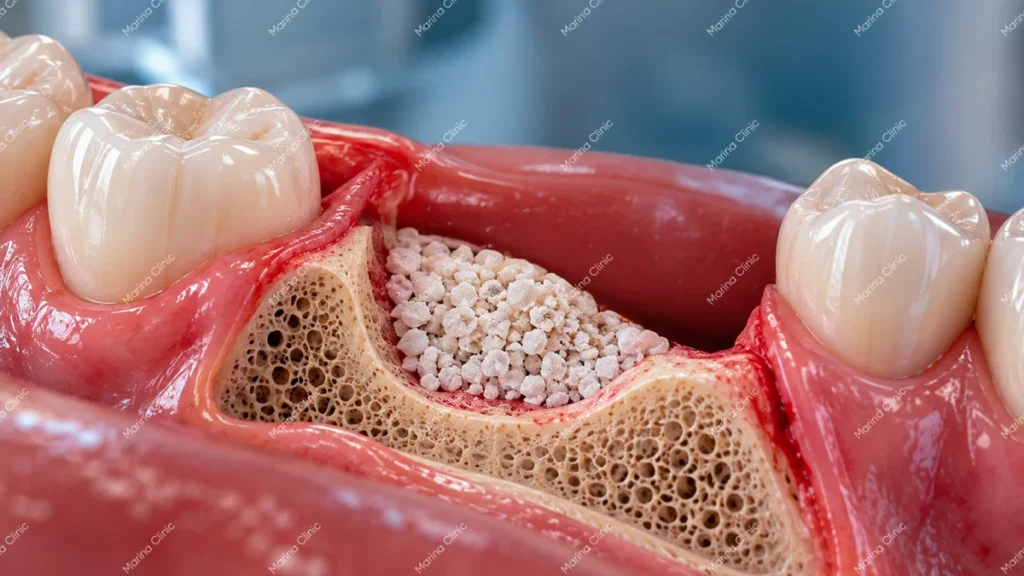
Some patients need bone grafting to create adequate implant support. This adds surgical materials, treatment time, and cost. However, the All-on-4 approach may reduce grafting requirements in selected cases by using angled posterior implants.
Sedation
Implant surgery is commonly performed under local anesthesia, while sedation may be available for anxious patients or complex procedures. Additional sedation can increase the treatment cost because it requires medication, monitoring, and appropriate clinical supervision.
Digital Planning
CBCT imaging, digital impressions, and computer-assisted planning help dentists assess anatomy and design the restoration. These technologies may be included in the package or charged separately, depending on the clinic and treatment requirements.
Laboratory Work
Creating a full-arch bridge involves digital design, precise manufacturing, and fitting adjustments. Costs vary according to the materials, production methods, and complexity of the restoration, particularly when specialized laboratory components are required.
Aftercare
Follow-up examinations, prosthetic adjustments, professional cleaning, and maintenance contribute to long-term treatment success. Patients should check whether these services are included and understand which future repairs or replacement components may involve additional costs.
Request pricing
By sending, you agree we may contact you on WhatsApp with pricing.
Got it! We’ll WhatsApp you the pricing shortly.
How Long Is the Recovery After All-on-4?
Recovery begins immediately after surgery, but complete healing takes several months as the implants integrate with the jawbone.
First Week
Swelling, tenderness, and mild bruising are common during the first few days. Patients should follow their dentist’s instructions, avoid strenuous activity, and eat soft foods to protect the surgical areas and temporary restoration.
Early Healing
During the following weeks, the gums gradually heal while the implants remain protected from excessive pressure. Patients should maintain careful oral hygiene, follow dietary restrictions, and attend scheduled appointments to monitor their progress.
Osseointegration
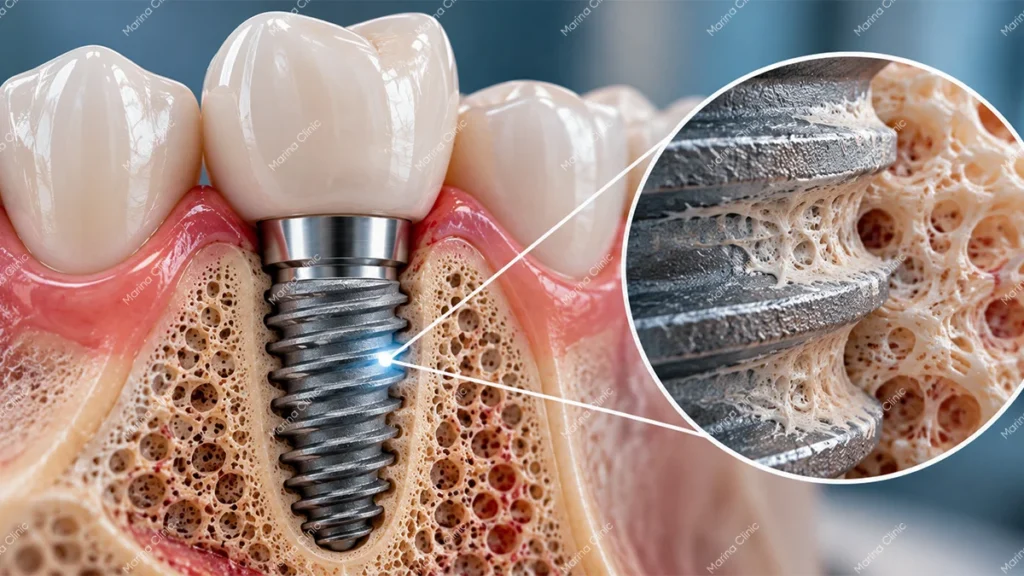
Osseointegration allows the jawbone to gradually bond with the implant surfaces. This process commonly takes three to six months, depending on bone quality, implant stability, general health, and the individual healing response.
Receiving the Final Bridge
Once implant integration is sufficient, the dentist takes final impressions or digital scans and prepares the definitive bridge. The restoration is checked for accurate fit, bite balance, comfort, and appearance before treatment is completed.
Long-Term Maintenance
All-on-4 implants require consistent oral hygiene, regular examinations, and professional maintenance. Cleaning beneath the bridge and monitoring the surrounding gums help reduce complications and protect both the implants and prosthetic components.
What Should International Patients Compare Before Choosing All-on-4 in Turkey?
International patients should review the complete treatment plan, not only the advertised price. Package details can affect the final cost, travel schedule, and follow-up arrangements.
Implant Brand
Ask for the exact implant manufacturer and system included in the quotation. Patients should also receive implant identification records, which can help dentists access compatible components if future maintenance is needed.
Temporary and Final Prosthesis
Confirm whether the price includes both temporary teeth and the final bridge. The quotation should identify the prosthetic materials, any additional laboratory fees, and whether adjustments during treatment are included.
Number of Visits
All-on-4 commonly requires an initial visit for implant placement and a second visit after healing for the final bridge. The number and duration of visits can change if additional procedures or healing time are necessary.
Hotel and Transfers (If Included)
Some clinics provide hotel accommodation, airport transfers, and transportation between the clinic and hotel. Patients should confirm the number of nights included and whether these arrangements cover both treatment visits.
Warranty and Follow-Up
Review the warranty conditions for both implants and prosthetic components. Ask how the clinic manages complications after returning home and whether repairs, follow-up visits, or replacement parts involve additional expenses.
Written Treatment Plan
A detailed written plan should identify the implant system, number of implants, temporary and final restorations, estimated timeline, and total cost. It should also clarify which additional procedures may affect the final quotation.
Read more: Full Mouth Dental Implants in Istanbul: Cost and Treatment Process
Is All-on-4 the Right Full-Arch Treatment for You?
All-on-4 can provide a stable, fixed solution for extensive tooth loss, but the right approach depends on your clinical condition and long-term goals.
Questions to Ask During Your Consultation
Before choosing All-on-4, discuss these questions with your dentist:
- Am I a suitable candidate based on my bone and gum health?
- Which implant brand and final bridge material will you use?
- Will I need extractions, grafting, or additional procedures?
- How many visits are required before receiving my final teeth?
- What does the total treatment price include?
Why Personalized Planning Matters
Successful full-arch treatment requires careful evaluation of bone anatomy, bite forces, gum health, and smile appearance. Personalized planning helps determine implant positions, prosthetic materials, and treatment stages while identifying potential complications before surgery.
Request a Customized Treatment Plan
At Marina Clinic in Istanbul, patients can request an individual All-on-4 assessment and personalized treatment quotation. Contact the clinic to discuss your dental condition, explore suitable restoration options, and understand the expected treatment timeline.
Final Verdict: Is All-on-4 Worth It?
All-on-4 dental implants can offer a reliable fixed solution for patients with extensive tooth loss. However, the long-term outcome depends on more than the number of implants or the advertised price. Bone condition, implant selection, bridge design, and regular maintenance all play important roles.
At Marina Clinic in Istanbul, personalized assessment and treatment planning help determine whether All-on-4, All-on-6, or another restorative option best suits each patient’s needs.
Which treatment are you interested in?
FAQs
All-on-4 treatment typically costs €3,000–€8,000 per arch in Turkey. Prices depend on implant brands, bridge materials, and additional procedures such as extractions or bone grafting.
Packages may include consultation, CBCT imaging, four implants, temporary teeth, the final bridge, and follow-up care. Hotel accommodation and transfers may also be included.
Dentists often place the implants in one surgical visit and may attach temporary teeth shortly afterward. After several months of healing, they fit the final bridge.
All-on-4 generally offers greater stability, chewing support, and comfort than conventional dentures. However, the best option depends on bone condition, medical history, and individual preferences.
All-on-4 uses four implants per arch, while All-on-6 uses six. Dentists choose based on bone availability, bite forces, and restorative requirements.
Initial healing usually takes one to two weeks. Complete implant integration commonly requires three to six months before the final bridge is placed.
Some smokers may qualify, but smoking increases the risk of healing problems and implant complications. Dentists assess individual risk factors and recommend smoking cessation.
Compare implant brands, prosthetic materials, temporary teeth, additional procedures, laboratory work, warranties, and aftercare. A complete written quotation provides a more accurate comparison than the advertised price.