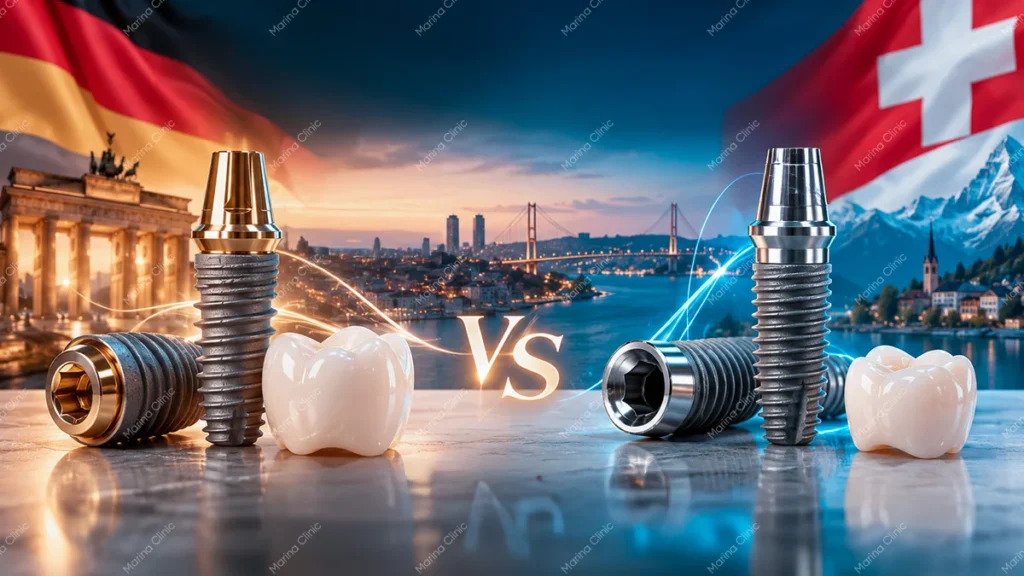
Choosing between German and Swiss dental implant brands can be confusing, especially when both are known for quality and precision. Are Swiss implants worth the higher price? Can German alternatives offer comparable results? For patients considering dental implants in Turkey, the answer goes beyond the country of origin. Implant materials, clinical research, technology, and long-term support all influence treatment outcomes. This guide compares leading brands, explains the factors behind their costs, and helps you understand which option may suit your needs.
Are German or Swiss Dental Implant Brands Better?
German and Swiss dental implant brands are both recognized for high manufacturing standards, advanced engineering, and long-term clinical use. Rather than choosing an implant based only on its country of origin, dentists evaluate bone quality, treatment goals, prosthetic requirements, and the scientific evidence supporting each implant system. The best implant brand is the one that best fits your individual case—not necessarily the one from a particular country.
German vs Swiss Dental Implants: What Is the Main Difference?
German and Swiss dental implants differ mainly in their designs, materials, clinical evidence, and restorative options rather than country of origin.
Manufacturing Standards
Established manufacturers follow strict quality controls and standards such as ISO 13485. However, a brand’s headquarters does not always indicate where its implants are manufactured.
Implant Systems
Straumann, Nobel Biocare, Camlog, and BEGO offer implant systems for different bone conditions and restorations. Their designs, dimensions, and connections vary by product line.
Materials and Surface Technology
Most implants use biocompatible titanium, while some systems offer titanium-zirconium alloys or ceramic alternatives. Specialized surface treatments help support bone integration during healing.
Research and Clinical Evidence
Long-term studies evaluate implant survival, bone stability, and complications. Clinical evidence varies between systems, making research more reliable than general claims about a brand’s origin.
Restorative Ecosystems
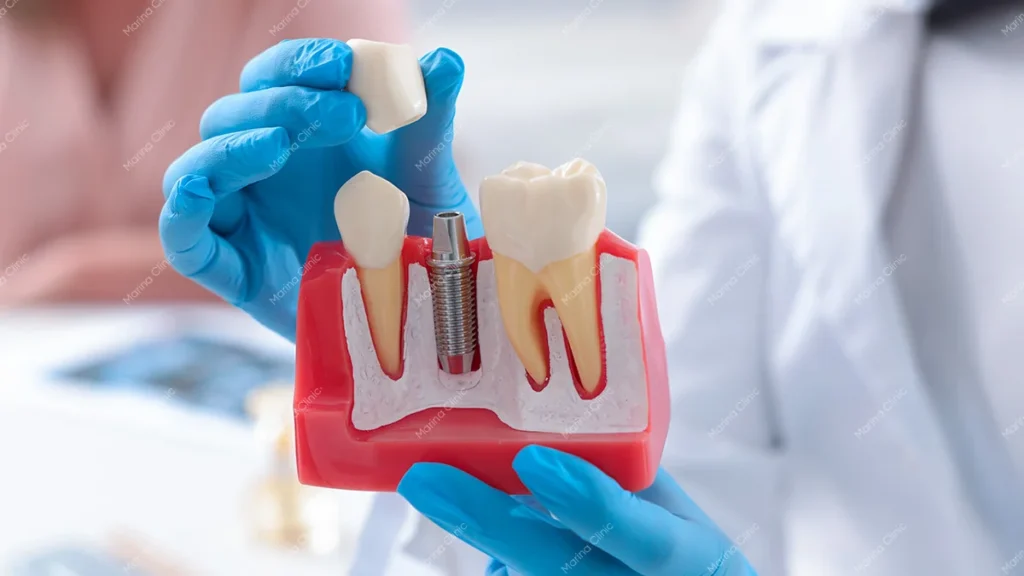
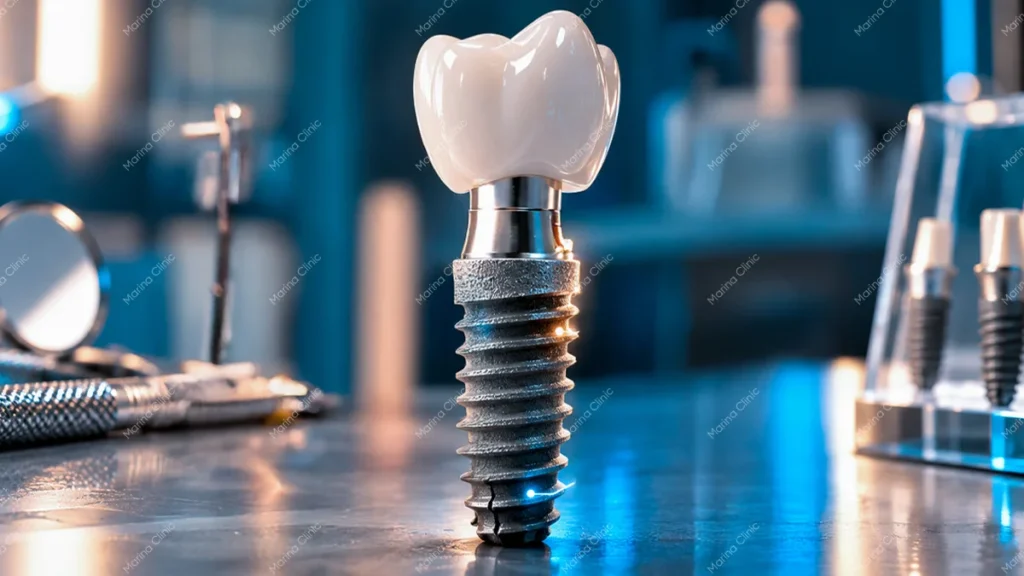
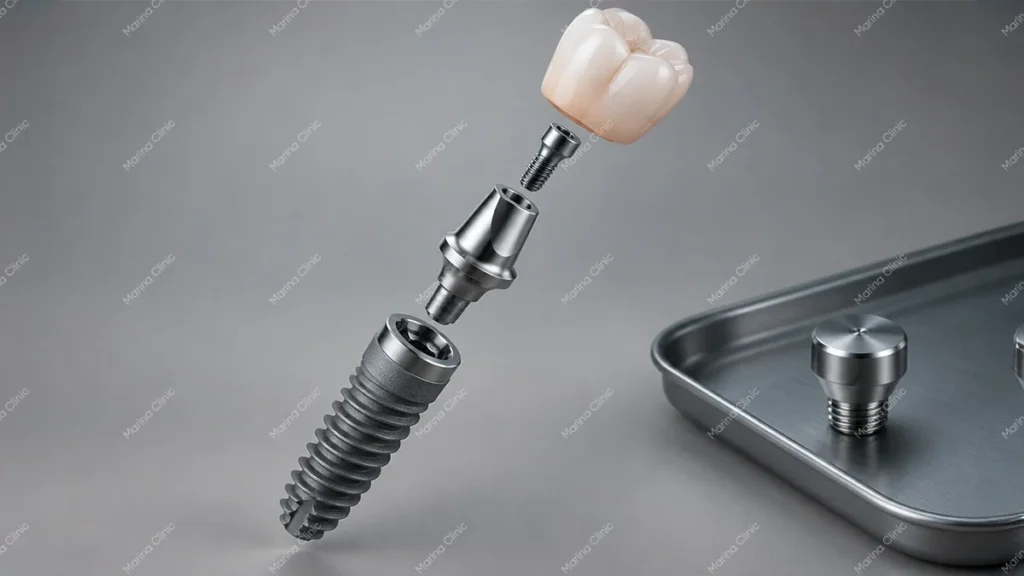
German and Swiss manufacturers provide compatible components that connect the implant to the final replacement tooth. These include:
- Implant fixture: The part placed inside the jawbone.
- Abutment: Connects the implant to the restoration.
- Prosthetic screw: Secures certain restorative components.
- Final restoration: The crown, bridge, or full-arch prosthesis.
Component compatibility matters because future repairs may require parts designed for the exact implant system.
Start a Conversation
Contact us through the communication method that suits you





Which Brands Represent Swiss and German Dental Implants?
Switzerland and Germany are associated with several leading implant manufacturers, although company headquarters and production locations may differ.
Swiss Dental Implant Brands
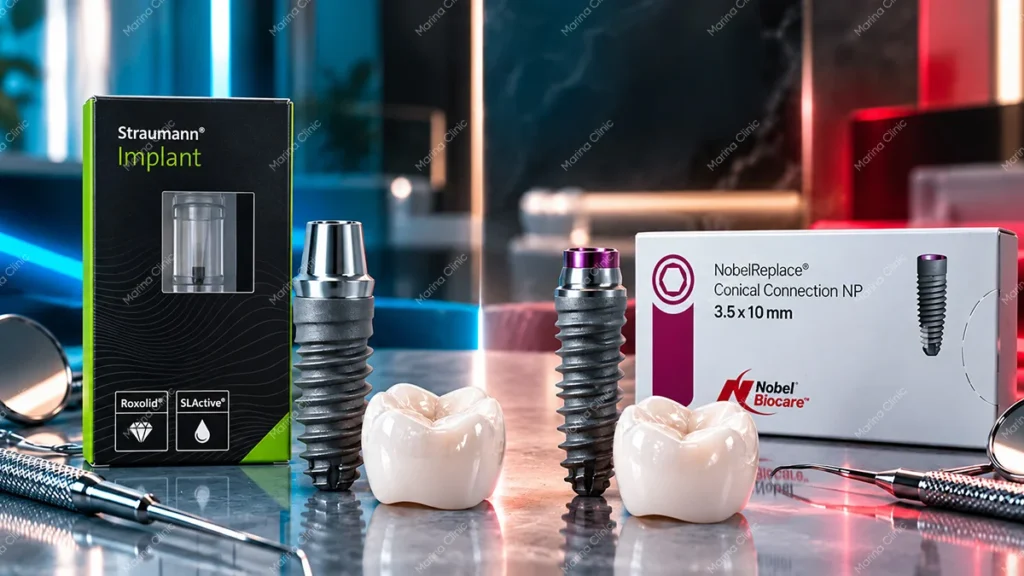
Straumann and Nobel Biocare are leading Swiss-headquartered manufacturers. Straumann offers technologies such as Roxolid and SLActive, while Nobel Biocare provides systems including NobelActive and NobelParallel. Both have extensive clinical research and international distribution networks.
German Dental Implant Brands
Camlog and BEGO are established German implant manufacturers. Camlog produces CAMLOG and CONELOG systems in Germany despite having its headquarters in Switzerland. BEGO offers the Semados implant family and compatible restorative solutions.
What Makes These Brands Popular Worldwide?
These brands are recognized for implant technology, clinical research, and comprehensive restorative options. Their international distribution networks also support component availability and long-term maintenance.
Which Implant Brand Offers Better Technology?
German and Swiss implant manufacturers offer advanced technologies, but their differences become clearer when comparing materials, surfaces, connections, and restorative options.
Implant Materials
Titanium is widely used for its strength and biocompatibility. Straumann also offers Roxolid, a titanium-zirconium alloy, while selected manufacturers provide ceramic alternatives for suitable cases.
Surface Treatments
Implant surfaces support bone integration during healing. Straumann offers SLA and SLActive, Nobel Biocare uses TiUnite and TiUltra, Camlog provides Promote, and BEGO uses TiPure Plus. No single surface is universally superior.
Connection Design
The implant-abutment connection affects stability and restoration compatibility. Manufacturers use different designs, including internal conical connections, to support secure restorations and long-term maintenance.
Digital Prosthetic Workflow
German and Swiss implant systems can support CBCT planning, digital scanning, guided surgery, and CAD/CAM restorations. Compatibility depends on the specific system and laboratory workflow.
Component Availability
Established manufacturers offer international access to replacement components, but availability varies by implant model. Patients traveling to Turkey should confirm whether compatible parts are available in their home country.
Request pricing
By sending, you agree we may contact you on WhatsApp with pricing.
Got it! We’ll WhatsApp you the pricing shortly.
Do Swiss Dental Implants Cost More Than German Dental Implants?
Swiss dental implants often carry premium prices, but the total treatment cost in Turkey depends on the implant system, restoration, and additional procedures.
Implant Brand Positioning
Straumann and Nobel Biocare often occupy premium price segments, while Camlog and BEGO offer alternatives at varying prices. However, costs differ between individual implant systems.
Implant Components
Some implant prices cover only the fixture. Abutments, screws, healing components, and crowns may cost extra, so patients should confirm what their quote includes.
Laboratory Costs
Custom abutments, CAD/CAM restorations, and complex bridges may increase laboratory fees. These costs depend on the restoration’s materials and design rather than the implant’s origin.
Surgical Complexity
Cases involving limited bone, challenging anatomy, or previous complications may require advanced planning and additional surgical procedures, increasing the overall treatment cost.
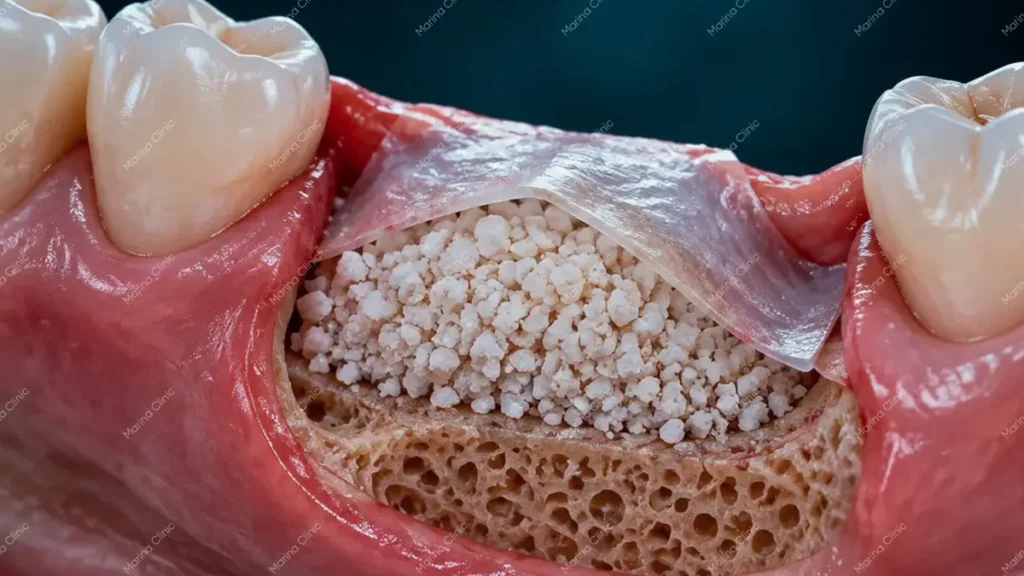
Bone Grafting
Patients with insufficient jawbone may need bone grafting or a sinus lift. These procedures add to the cost regardless of the chosen implant brand.
Final Prosthetic Restoration
A single zirconia crown, implant-supported bridge, and full-arch prosthesis have different costs. The final price depends on the restoration’s material, design, and complexity.
Why Country of Origin Is Only One Pricing Factor
Implant prices reflect the brand, components, surgical requirements, and final restoration. A more expensive Swiss implant does not automatically guarantee better results than a German alternative.
Upload your photos and receive a free AI-powered preliminary analysis in minutes. No commitment required.
Which Brand Is Better for Different Implant Cases?
The right implant system depends on the number of missing teeth, bone condition, and type of restoration needed.
Single-Tooth Replacement
Both German and Swiss implants can replace a single tooth. The dentist selects a suitable system based on bone dimensions, bite forces, and crown requirements.
Multiple Missing Teeth
Several missing teeth may require individual implants or an implant-supported bridge. Proper implant positioning and load distribution matter more than the brand’s country of origin.
Full-Arch Rehabilitation
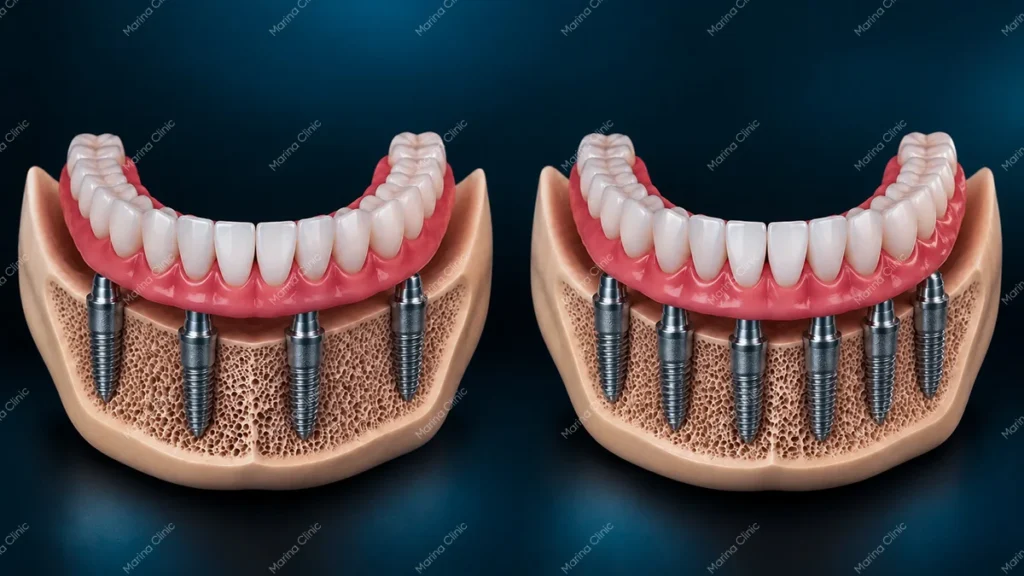
Full-arch treatment replaces all teeth in one dental arch using multiple implants. German and Swiss systems can support these restorations when they meet the required surgical and prosthetic needs.
All-on-4 and All-on-6
Nobel Biocare pioneered the All-on-4 concept, but other suitable systems can support full-arch restorations on four or six implants. The choice depends on bone anatomy, implant positioning, and prosthetic planning.
Immediate Loading Cases
Immediate loading allows a temporary restoration to be attached shortly after implant placement. Selected German and Swiss systems support this approach when bone conditions and initial implant stability are sufficient.
Which Country Makes the Best Dental Implant Brands?
Germany and Switzerland both produce high-quality dental implants, but the best choice depends on clinical evidence, implant design, and individual treatment needs.
Is There a “Best” Country?
Neither country is universally better. Implant quality varies by manufacturer and system, making clinical suitability more important than country of origin.
Why Clinical Evidence Matters More
Long-term studies help dentists assess implant survival, bone stability, and complications. Evidence supporting a specific implant system matters more than a manufacturer’s reputation.
The Importance of Surgeon Experience
Successful treatment depends on accurate planning, proper implant placement, and the dentist’s experience. Even advanced implants cannot compensate for poor surgical technique.
Long-Term Component Support
Implant crowns, screws, and abutments may need maintenance or replacement. Choosing a brand with accessible original components makes future care easier, especially for international patients.
Read more: Dental Implants in Turkey 2026: Types, Prices in EUR & USD, and Best Brands
Request pricing
By sending, you agree we may contact you on WhatsApp with pricing.
Got it! We’ll WhatsApp you the pricing shortly.
What Should Patients Compare Before Choosing an Implant Brand?
Before accepting a dental implant quote in Turkey, patients should review both the implant system and the complete treatment package to understand what they will receive.
Exact Implant System
Ask for the manufacturer’s name and the exact implant model, not simply a description such as “German implant” or “premium Swiss implant.” Different systems from the same brand can have distinct surfaces, connection designs, and clinical indications.
Original Components
Confirm whether the clinic will use original manufacturer-approved abutments and restorative components. Patients should also request the implant’s product information and identification details for their dental records, making future maintenance and compatibility checks easier.
Crown Material
Find out whether the final restoration will use zirconia, metal-ceramic, or another appropriate material. The choice affects appearance, mechanical performance, laboratory requirements, and cost, so it should be included in the treatment plan.
Digital Planning
Ask whether the treatment requires CBCT imaging, intraoral scanning, or computer-guided surgery. These technologies can support diagnosis and planning, but their usefulness depends on the clinical situation and how the dentist applies them.
Bone Grafting
Confirm whether bone grafting, sinus lifting, or other preparatory procedures are necessary. An accurate quote should identify these treatments separately and explain whether they may affect the overall treatment timeline.
Temporary Teeth
For cases involving visible teeth or full-arch rehabilitation, ask whether temporary restorations are included. Their availability depends on implant stability, the treatment approach, and the patient’s needs during healing.
Aftercare
Clarify the follow-up schedule, hygiene instructions, and arrangements for care after returning home. Dental implants require ongoing maintenance, and patients should know whom to contact if complications or restorative problems develop.
Warranty
A dental implant warranty may cover different aspects of treatment depending on the manufacturer and clinic. Before choosing a German or Swiss implant system, patients should understand three important distinctions:
- Manufacturer warranty: May cover qualifying implant defects or replacement products under specific conditions.
- Clinic guarantee: May cover certain treatment-related issues, depending on the clinic’s written policy.
- Exclusions and additional costs: Travel expenses, laboratory fees, corrective procedures, and complications may not be covered.
Always request the warranty terms in writing and confirm how the clinic handles problems after you return home.
German vs Swiss Dental Implants in Turkey: How Do You Choose the Right Brand?
The right decision begins with a personalized examination rather than a brand comparison alone. Your dentist should consider the following factors before recommending an implant system.
Bone Anatomy
CBCT imaging helps the dentist assess available bone, anatomical structures, and potential limitations at the implant site. These findings guide the selection of implant dimensions, positioning, and any additional procedures required.
Functional Needs
Your chewing habits, bite alignment, remaining teeth, and restoration type influence implant selection. The chosen system must support a treatment plan capable of managing functional demands while allowing appropriate long-term maintenance.
Esthetic Expectations
For implants in visible areas, the dentist considers gum contours, available restorative space, and the appearance of the final crown. Careful positioning and prosthetic planning help create a restoration that complements the surrounding teeth.
Budget
Your budget should be considered alongside the complete treatment cost, including the implant, abutment, restoration, additional procedures, and follow-up care. Comparing itemized quotes helps identify meaningful differences without sacrificing clinically necessary treatment.
Personalized Treatment Planning
At Marina Clinic in Istanbul, implant planning begins with evaluating your dental condition, bone anatomy, and restorative needs. Rather than focusing on whether German or Swiss implants are better, the goal is to identify a clinically appropriate system that supports your treatment objectives and long-term oral health.
Which treatment are you interested in?
FAQs
Not necessarily. Both countries are associated with reputable manufacturers. The best implant depends on your bone condition, restorative needs, and treatment plan.
Straumann and Nobel Biocare are among the best-known Swiss-headquartered implant manufacturers, offering established systems for single-tooth, multiple-tooth, and full-arch restorations.
Camlog and BEGO are established names associated with German implant manufacturing, offering systems for different surgical and restorative applications.
Some Swiss systems cost more, but prices vary by product line, clinic, components, and additional treatment requirements.
Nobel Biocare developed the original All-on-4 concept, but other suitable systems support four-implant full-arch restorations. The choice depends on clinical requirements.
Manufacturing quality matters, but country of origin alone does not determine performance. Implant design, clinical evidence, and manufacturing controls provide more useful information.
Compare the exact implant system, original components, abutment, final restoration, additional procedures, temporary teeth, aftercare, and warranty before deciding.
Dentists evaluate bone anatomy, oral health, bite forces, restorative requirements, and clinical evidence to recommend a suitable implant system.