
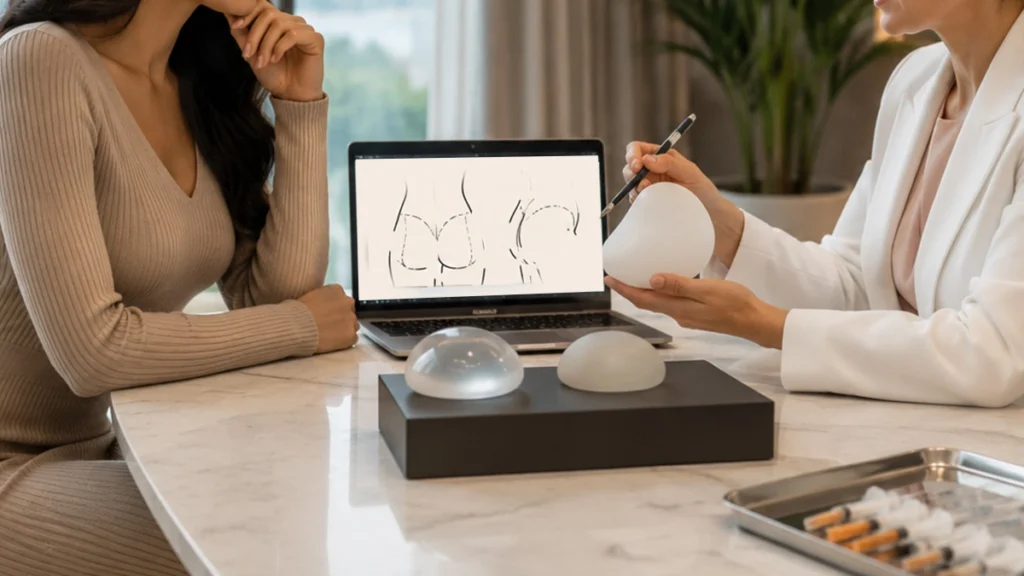
Patients interested in body contouring often ask the same question:
Should I choose a fat transfer BBL or silicone implants?
While both procedures aim to improve body shape and buttock volume, they work very differently. The best option depends on body type, available fat, aesthetic goals, recovery expectations, and overall candidacy. Understanding these differences is essential before choosing a procedure.
Quick Answer: What Is the Difference Between Fat Transfer BBL and Silicone Implants?
A fat transfer BBL uses the patient’s own fat, removed through liposuction and injected into the buttocks to enhance shape and volume naturally. Silicone implants use artificial implants placed surgically to create projection and fullness. Fat transfer usually provides a more natural feel, while implants may be considered for patients with very low body fat or limited donor fat availability.
What Is a Brazilian Butt Lift (BBL)?
A Brazilian Butt Lift, commonly known as a BBL, is a cosmetic body contouring procedure designed to enhance the shape, size, and proportion of the buttocks. In most cases, the procedure is performed using fat transfer, although some patients may consider implants depending on their anatomy and goals.
Definition of BBL Procedure
A BBL typically involves two main steps: liposuction and fat transfer. Fat is removed from selected areas of the body, processed, and then carefully injected into the buttocks.
The aim is not only to increase buttock volume but also to improve the overall silhouette by reshaping surrounding areas such as the waist, abdomen, flanks, or thighs.
Body Contouring and Butt Augmentation Goals
BBL surgery is often chosen by patients who want a fuller, rounder, and more balanced lower body shape. The procedure can help create a more defined waist-to-hip ratio and improve body proportion.
However, a successful BBL is not only about increasing size. Proper planning focuses on symmetry, contour, natural projection, and harmony with the patient’s existing body structure.
Why BBL Became Popular Worldwide
BBL became popular because it combines buttock enhancement with liposuction-based body contouring. Many patients prefer this approach because it uses their own fat rather than artificial material.
For suitable candidates, fat transfer can offer natural-looking results while also improving the shape of areas where unwanted fat is removed.
BBL Is More Than Volume — It Is About Shape and Proportion
A well-planned BBL should enhance the body’s natural proportions. Excessive volume is not always the safest or most aesthetic goal. The best outcome depends on balanced shaping, appropriate fat placement, and realistic expectations.
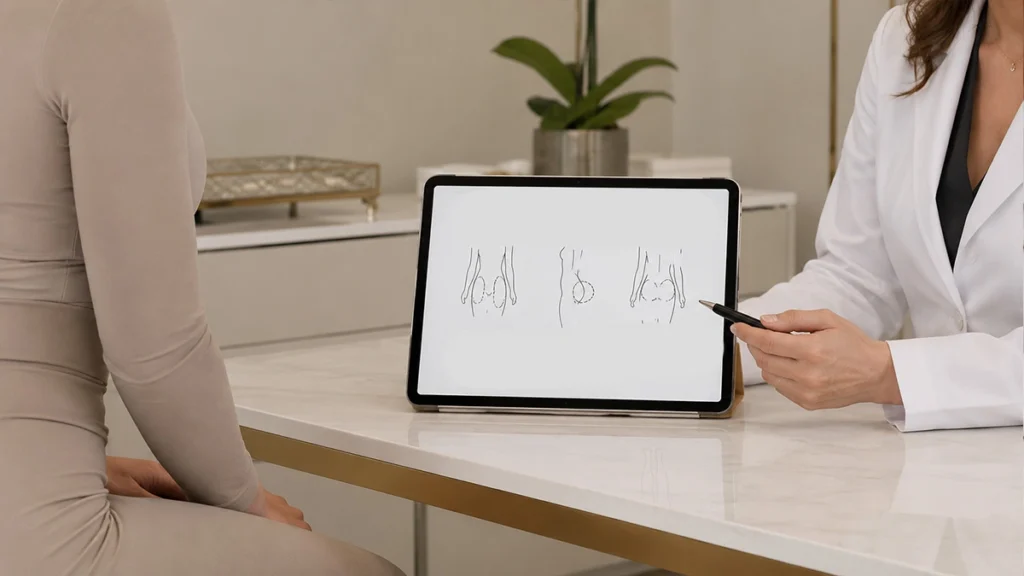
What Is Fat Transfer in a BBL?
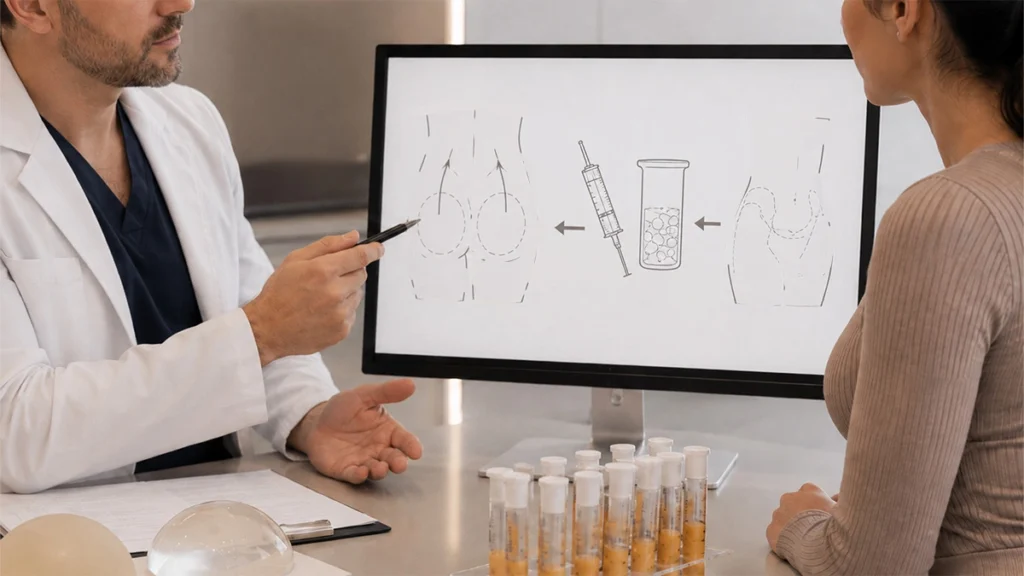
Fat transfer is the most common technique used in Brazilian Butt Lift surgery. It involves removing fat from one area of the body and transferring it to the buttocks.
How Fat Is Removed Through Liposuction
During the procedure, liposuction is used to remove fat from donor areas. Common donor areas include the abdomen, waist, flanks, lower back, thighs, and sometimes the arms.
This step helps contour the body while also collecting fat that may be used for buttock enhancement.
Fat Purification and Reinjection
After fat is removed, it is processed to separate healthy fat cells from excess fluid, blood, and damaged tissue. The purified fat is then injected into the buttocks in carefully selected areas.
Precise fat placement is important because it affects the final shape, symmetry, and natural appearance of the result.
Areas Commonly Used for Fat Harvesting
Fat may be harvested from several areas, depending on the patient’s body type. The most common areas include:
| Donor Area | Purpose |
| Abdomen | Helps flatten the midsection |
| Flanks | Improves waist definition |
| Lower back | Enhances lower-body contour |
| Thighs | May provide additional fat in selected patients |
| Hips | Can help improve overall silhouette |
Why Fat Survival Matters After Transfer
Not all transferred fat survives permanently. Some fat may be naturally absorbed by the body during the healing process. This is why surgical technique, post-operative care, and avoiding pressure on the buttocks during recovery are important.
Final results depend partly on how much fat survives after transfer.
What Are Silicone Implants for Butt Augmentation?
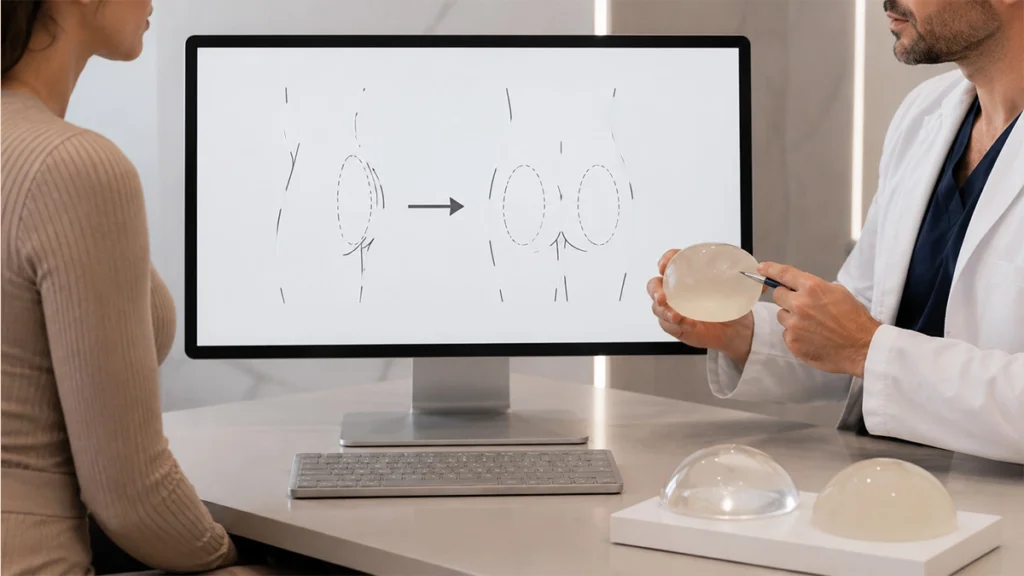
Silicone butt implants are artificial implants designed to increase buttock projection and fullness. They may be considered when a patient does not have enough donor fat for fat transfer.
What Silicone Implants Are
Butt implants are made from medical-grade silicone. Unlike fat transfer, implants do not rely on donor fat availability. This makes them an option for some thin patients who want more volume but do not have enough fat for a traditional BBL.
How Butt Implants Are Surgically Placed
Silicone implants are placed through an incision, usually in the buttock crease. The implant may be positioned within or under the gluteal muscle, depending on surgical planning and patient anatomy.
The placement method is important because it affects comfort, appearance, and long-term stability.
When Implants May Be Recommended
Butt implants may be considered for patients who:
Have very low body fat
Do not have enough donor fat for transfer
Want more predictable projection
Are not suitable candidates for fat transfer alone
Have realistic expectations about implant-based augmentation
Why Implant Positioning Matters
Correct implant positioning is essential for a safe and natural-looking result. Poor placement may increase the risk of visible implant edges, asymmetry, discomfort, or complications. This is why careful evaluation and experienced surgical planning are important.
Fat Transfer vs Silicone Implants — Main Differences
The procedure of Fat transfer BBL and silicone implants can both enhance the buttocks, but they differ in material, feel, recovery, scarring, and suitability.
| Feature | Fat Transfer BBL | Silicone Implants |
| Material | Patient’s own fat | Silicone implant |
| Feel | More natural | Firmer |
| Scarring | Minimal | Larger incision |
| Recovery | Moderate | Often longer |
| Suitable for skinny patients | Limited | More possible |
| Volume potential | Depends on fat availability | More predictable volume |
| Body contouring benefit | Yes, through liposuction | Limited |
| Long-term changes | Affected by weight fluctuation | Implant remains but may require monitoring |
Fat transfer is often preferred by patients who want a natural look and feel. Implants may be considered when fat availability is too limited to create the desired change.
Which BBL Option Looks More Natural?
In many cases, fat transfer can provide a more natural appearance because it uses the patient’s own tissue. However, natural results depend on surgical planning, body proportions, and realistic volume goals.
Fat Transfer and Natural Contour
Fat transfer allows the surgeon to sculpt the body and enhance the buttocks at the same time. Since the transferred material is the patient’s own fat, the result often feels softer and blends naturally with surrounding tissue.
Implant Projection and Shape
Silicone implants can create stronger and more predictable projection, especially in patients with limited body fat. However, implants may feel firmer than natural tissue and may be more noticeable in very thin patients.
Body Shape and Proportion Considerations
The most natural result is not always the largest result. A patient with a petite frame may need a different surgical plan than a patient with wider hips or more available donor fat.
Why Natural Results Depend on Planning, Not Just Volume
A natural-looking BBL depends on fat distribution, waist definition, buttock shape, hip balance, and skin quality. Choosing the right technique is only one part of the process. The surgical plan must match the patient’s anatomy.
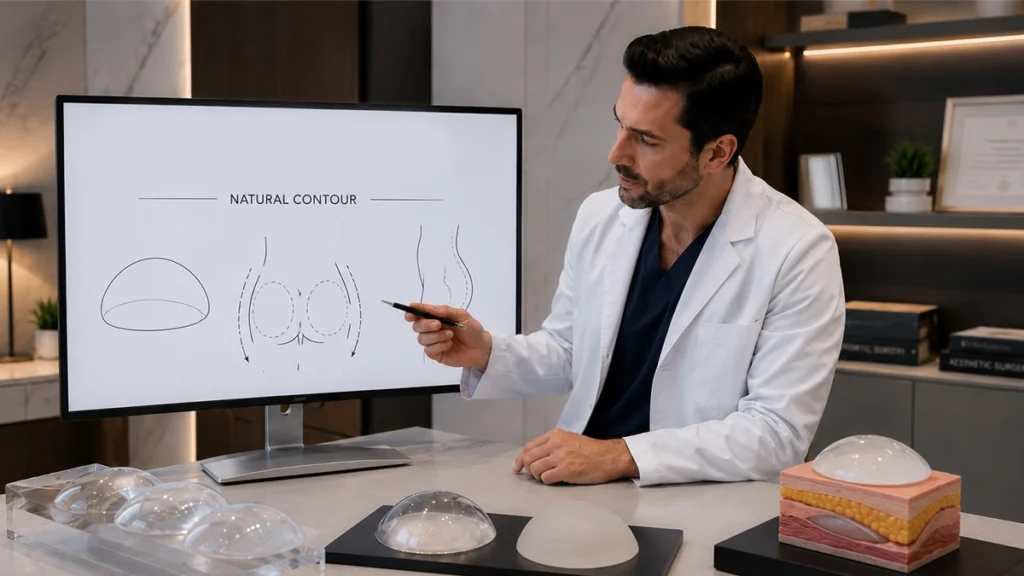
Are Silicone Implants Suitable for Me?
Silicone implants may be suitable for some patients, but they are not the best option for everyone. A full consultation is necessary to determine candidacy.
Skinny Patients With Limited Fat
Patients with a skinny butt or low body fat may not have enough donor fat for a fat transfer BBL. In these cases, silicone implants may be discussed as an alternative.
Patients Seeking Larger Projection
Some patients want more projection than fat transfer alone can provide. If there is not enough fat to achieve this safely, implants may offer a more predictable volume increase.
Cases With Low Donor Fat Availability
Low donor fat availability is one of the main reasons implants may be considered. However, the patient’s skin, muscle structure, and overall health must also be evaluated.
When Implants May Not Be Recommended
Implants may not be recommended for patients with poor healing capacity, active infection, unrealistic expectations, or anatomy that makes implant placement less suitable. A surgeon may also advise against implants if the risk of complications is higher than the expected benefit.
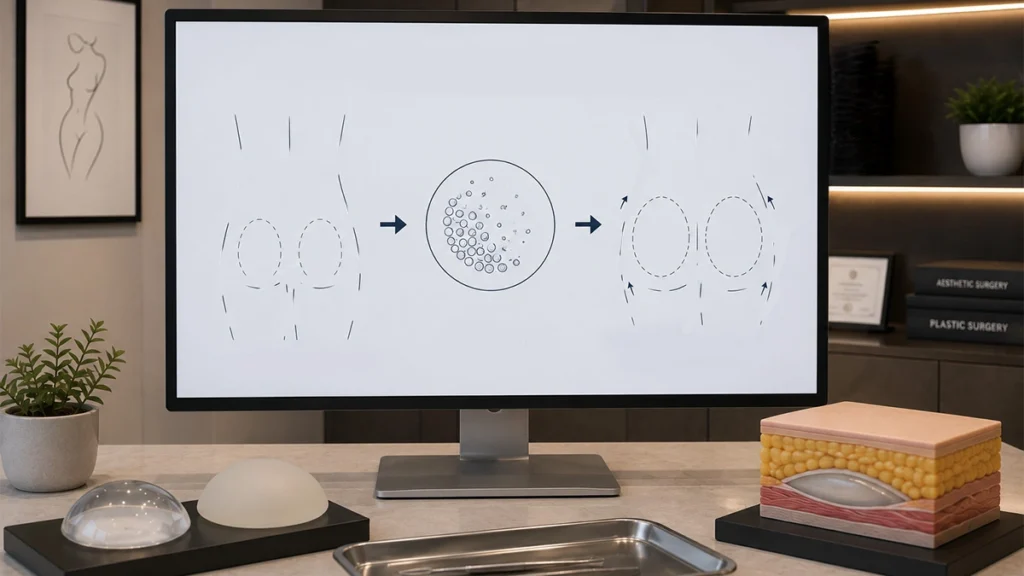
Who Is a Good Candidate for Fat Transfer BBL?
A good candidate for fat transfer BBL usually has enough donor fat, stable weight, good skin elasticity, and realistic expectations.
Patients With Enough Donor Fat
Fat transfer requires sufficient fat from areas such as the abdomen, waist, back, or thighs. Patients with very low body fat may not be ideal candidates for this technique alone.
Stable Weight and Good Skin Elasticity
Stable weight is important because significant weight changes can affect the final result. Good skin elasticity also helps the body adjust to the new contour after liposuction and fat transfer.
Realistic Expectations
Patients should understand that fat transfer results are limited by anatomy and fat availability. The procedure can improve shape and volume, but it should be planned safely and realistically.
When a Patient May Not Be a Suitable Candidate
A patient may not be suitable for fat transfer BBL if they have insufficient donor fat, uncontrolled medical conditions, poor skin quality, or expectations that cannot be achieved safely.
Start a Conversation
Contact us through the communication method that suits you





BBL Procedure in Istanbul — What Patients Should Know
Many international patients consider the BBL procedure in Istanbul because Turkey is a well-known destination for cosmetic surgery. However, choosing a clinic should be based on medical safety, surgeon experience, and proper patient evaluation — not only price.
Consultation and Body Evaluation
Before surgery, the surgeon evaluates body type, fat distribution, skin quality, medical history, and aesthetic goals. This helps determine whether fat transfer, implants, or another approach may be more appropriate.
Fat Distribution Analysis
Fat distribution analysis is especially important for BBL fat transfer. The surgeon must identify whether there is enough donor fat and which areas can be safely treated with liposuction.
Safety Protocols and Surgical Planning
BBL surgery requires careful safety planning. Patients should ask about surgical technique, anesthesia, facility standards, aftercare, and follow-up support.
Why Personalized Planning Is Important in Istanbul Clinics
Every patient has a different body structure. A safe and successful result depends on individualized planning rather than a standard package or one-size-fits-all approach.
Skinny Butt and Limited Fat — What Are the Options?
Patients with a skinny butt often worry that they may not qualify for BBL surgery. In some cases, fat transfer may still be possible, but results may be more limited.
Why Some Patients Lack Enough Donor Fat
Some patients naturally have low body fat or a slim body type. Others may have fat, but not enough in areas suitable for harvesting. In these cases, the surgeon may discuss alternative options.
Implant Consideration for Thin Patients
Silicone implants may be considered for thin patients who want buttock augmentation but do not have enough donor fat. The decision depends on anatomy, skin thickness, muscle structure, and desired outcome.
Hybrid Approaches in Selected Cases
In selected cases, a hybrid approach may be discussed. This may involve implants for projection and fat transfer for contour refinement. However, not every patient is suitable for this approach.
Why Extreme Volume Expectations Can Be Risky
Large-volume goals may increase surgical risks and may not match the patient’s anatomy. Safety, proportion, and long-term results should always be more important than extreme size.
Which treatment are you interested in?
Risks and Safety Considerations in BBL Procedures
BBL and butt implant procedures are surgical treatments and carry risks. Patients should receive a full medical evaluation and understand the potential complications before making a decision.
Fat Embolism Risk Awareness
One of the most serious risks associated with fat transfer BBL is fat embolism. This risk is related to where and how fat is injected. Safe surgical technique and strict anatomical awareness are essential.
Implant-Related Risks
Silicone implants may involve risks such as infection, implant displacement, asymmetry, firmness, discomfort, visible implant edges, or the need for revision surgery.
Infection and Healing Considerations
Any surgical procedure carries a risk of infection, delayed wound healing, bleeding, swelling, and scarring. Patients with certain medical conditions may need additional evaluation before surgery.
Importance of Experienced Surgical Planning
The experience of the surgical team, proper patient selection, and adherence to safety protocols are central to reducing risk.
Why Safety Matters More Than Size
Aesthetic goals should never override medical safety. The best BBL result is one that improves body shape while respecting the patient’s anatomy and minimizing avoidable risk.
Recovery — Fat Transfer vs Silicone Implants
The Recovery differs depending on the technique used. Both procedures require time, aftercare, and temporary restrictions.
Sitting Restrictions After BBL
After fat transfer BBL, patients are usually advised to avoid direct pressure on the buttocks for a certain period. This helps protect the transferred fat during early healing.
Patients with implants may also experience sitting discomfort and need to follow specific positioning instructions.
Swelling and Healing Timeline
Swelling, bruising, and discomfort are common after both procedures. Initial improvements may be visible early, but final results take time as swelling decreases and tissues settle.
Recovery Differences Between Techniques
Implant recovery may be longer or more uncomfortable because it involves implant placement and deeper tissue healing. Fat transfer recovery also requires care, especially in both liposuction and injection areas.
| Recovery Factor | Fat Transfer BBL | Silicone Implants |
| Sitting discomfort | Common | Common |
| Swelling | Moderate | Moderate to high |
| Recovery duration | Moderate | Often longer |
| Return to exercise | Gradual | Slower |
| Main recovery concern | Fat survival and liposuction healing | Implant healing and positioning |
Request pricing
By sending, you agree we may contact you on WhatsApp with pricing.
Got it! We’ll WhatsApp you the pricing shortly.
How Long Do BBL Results Last?
BBL results can be long-lasting, but they depend on the technique used, healing process, lifestyle, and weight stability.
Fat Retention After Transfer
After fat transfer, some of the injected fat may be absorbed by the body. The fat that survives after the healing period can remain long-term, especially if the patient maintains a stable weight.
Implant Longevity
Silicone implants can provide long-term volume, but they may require monitoring over time. Some patients may need revision surgery in the future due to implant-related changes or complications.
Weight Changes and Long-Term Results
Weight gain or weight loss can affect fat transfer results. Since transferred fat behaves like normal body fat, changes in body weight may change the appearance of the buttocks.
Why Lifestyle Affects BBL Outcome
A stable lifestyle, healthy nutrition, and following post-operative instructions can help maintain results. Long-term success depends not only on surgery but also on recovery and weight stability.
Start a Conversation
Contact us through the communication method that suits you
People Also Ask About Brazilian Butt Lift
What is the difference between BBL and implants?
A BBL usually refers to fat transfer butt augmentation, where fat is removed from the patient’s body and injected into the buttocks. Implants use silicone devices placed surgically to create volume and projection.
Is fat transfer safer than silicone implants?
Both procedures have risks. Fat transfer avoids artificial implants but has specific safety concerns, including fat embolism risk. Implants avoid the need for donor fat but carry implant-related risks such as displacement, infection, or revision surgery.
Can skinny patients get a BBL?
Some skinny patients may be candidates, but fat transfer depends on having enough donor fat. If there is not enough fat available, silicone implants or selected hybrid approaches may be considered.
How long do BBL results last?
Fat transfer results can be long-lasting if the transferred fat survives and the patient maintains a stable weight. Implant results may also last long-term, but implants may require monitoring or revision.
Which looks more natural: implants or fat transfer?
Fat transfer often looks and feels more natural because it uses the patient’s own fat. However, natural results depend on body type, surgical planning, and realistic volume goals.
Final Insight — The Best BBL Option Depends on Your Body and Goals
There is no single best butt augmentation method for every patient. Fat transfer and silicone implants serve different purposes.
Fat transfer may be ideal for patients with enough donor fat who want natural contouring and softer results. Silicone implants may be considered for patients with limited body fat or those seeking more predictable projection.
The safest and most suitable choice should be based on body shape, fat availability, medical evaluation, realistic expectations, and careful surgical planning.
Which treatment are you interested in?
FAQ
A Brazilian Butt Lift is a butt augmentation procedure that usually uses fat transfer to improve buttock shape, contour, and volume.
Fat transfer uses the patient’s own fat, while silicone implants use artificial silicone devices surgically placed in the buttocks.
In some cases, yes. Silicone implants may be suitable for patients with limited donor fat, but candidacy must be confirmed through medical evaluation.
Fat transfer often provides a more natural feel and contour because it uses the patient’s own fat.
BBL surgery can carry serious risks. Safety depends on patient selection, surgical technique, medical planning, and proper post-operative care.