
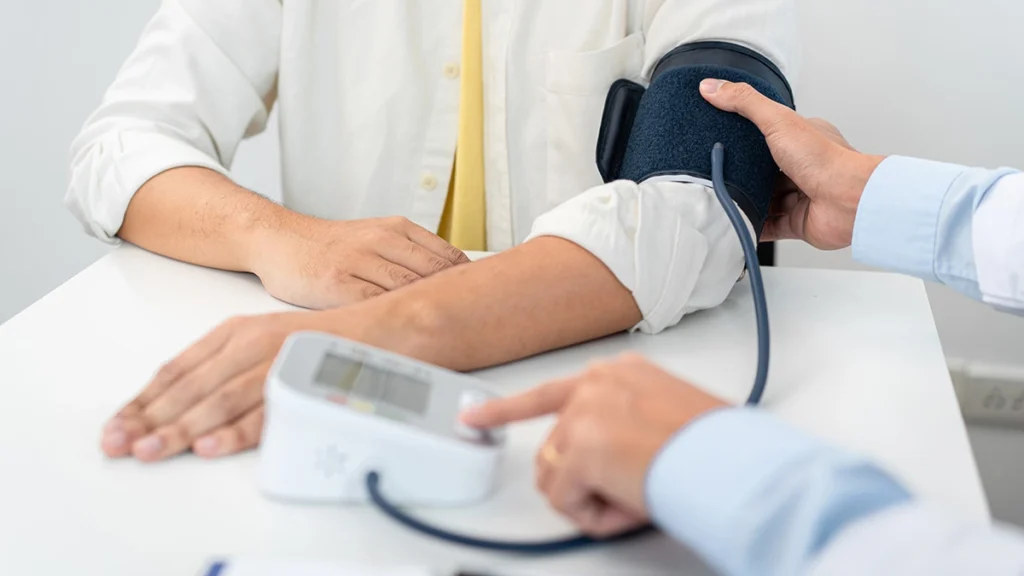
Many patients with high blood pressure wonder: Is it safe to get veneers?
In most cases, people with well-controlled hypertension can undergo cosmetic dental treatments safely. However, dentists usually review blood pressure stability, medications, and stress levels before starting treatment to reduce risks and ensure a smooth procedure.
Quick Answer: Can People With High Blood Pressure Get Veneers?
Yes, many people with controlled high blood pressure can get veneers safely. Dentists typically evaluate blood pressure levels, medications, and overall health before treatment. In some cases, additional precautions or scheduling adjustments may be recommended to ensure patient safety.
Can People With High Blood Pressure Get Veneers?
Yes. High blood pressure does not automatically prevent someone from getting porcelain veneers or composite veneers. The more important question is whether the condition is controlled and whether the patient is medically stable enough for an elective dental procedure.
Veneers are thin coverings placed over the front surfaces of teeth to improve concerns such as staining, chips, gaps, uneven shape, or mild cosmetic misalignment. Some veneers require enamel removal, and dental problems such as decay or gum disease should be treated before veneers are placed.
When Veneers Are Safe for Hypertensive Patients
Veneers are more likely to be appropriate when:
- Blood pressure is controlled.
- The patient is medically stable.
- Prescribed medications are being taken as directed.
- There are no recent cardiovascular symptoms.
- The dentist has reviewed the patient’s health history.
- Medical clearance is obtained when needed.
For many patients, controlled hypertension simply becomes part of the treatment plan. It does not automatically stop cosmetic dental care.
When Extra Precautions Are Needed
Extra precautions may be needed if the patient has uncontrolled hypertension, recent blood pressure spikes, severe dental anxiety, recent medication changes, or recent cardiovascular issues such as chest pain, shortness of breath, fainting, stroke, or heart attack.
A dentist may also be more cautious if the patient takes blood thinners, has diabetes, kidney disease, heart disease, or a history of cardiovascular complications.
Stability matters more than the diagnosis itself. A patient with controlled hypertension may be a better veneer candidate than someone without a formal diagnosis but with very high, unmanaged blood pressure.

Start a Conversation
Contact us through the communication method that suits you





When High Blood Pressure May Affect Cosmetic Dental Treatment
High blood pressure may affect cosmetic dental treatment when it increases the risk of stress-related complications during care. Veneers are usually elective, so dentists often prefer to complete treatment when the patient’s blood pressure is stable and predictable.
Risks During Dental Procedures
Possible concerns during veneer appointments include:
- Temporary blood pressure spikes.
- Increased heart rate from anxiety or discomfort.
- Stress-related cardiovascular strain.
- Greater caution with local anesthesia.
- Difficulty tolerating long appointments.
- Higher risk if hypertension is severe or uncontrolled.
The American Heart Association states that blood pressure higher than 180 systolic and/or 120 diastolic, together with symptoms such as chest pain, shortness of breath, weakness, vision changes, or difficulty speaking requires emergency care.
Impact on Treatment Planning
A dentist may adjust veneer treatment by recommending:
- Shorter appointments.
- Morning scheduling.
- Blood pressure checks before treatment.
- Breaks during longer visits.
- A calm treatment environment.
- Physician communication when needed.
- Modified anesthesia planning when appropriate.
These changes do not mean veneers are unsafe. They mean the dentist is personalizing care to the patient’s health status.
Why Dentists Take a Conservative Approach
Dentists take a conservative approach because veneers are cosmetic and usually not medically urgent. If blood pressure is unstable, delaying treatment can reduce avoidable risk and allow the patient’s physician or dentist to create a safer plan.
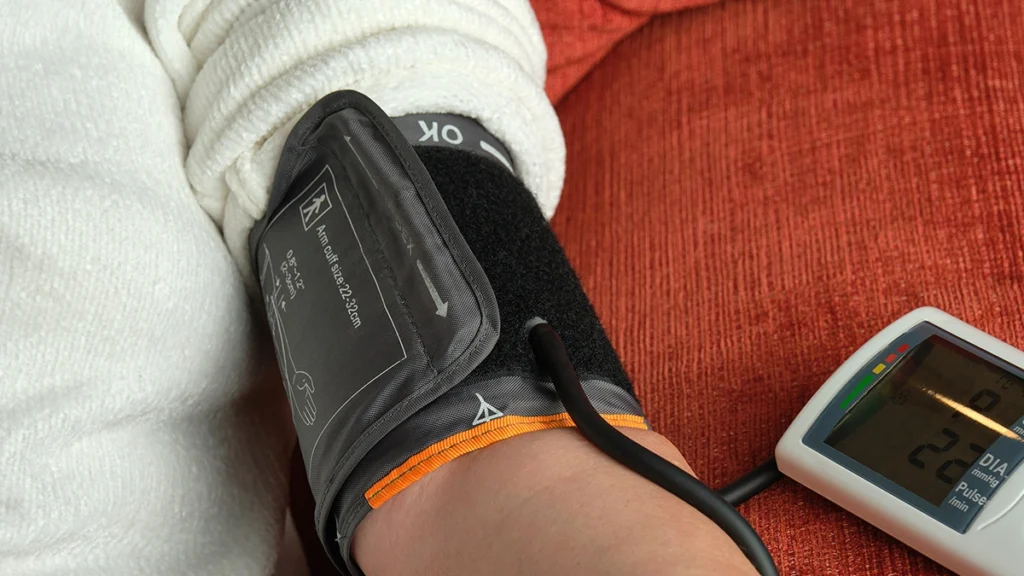
Do Blood Pressure Medications Affect Veneer Planning?
Yes, blood pressure medications can affect veneer planning, although they usually do not prevent treatment. The dentist needs to understand what medications the patient takes, why they take them, and whether those medications could affect bleeding, gum tissue, dry mouth, healing, or dental anesthetic decisions.
The ADA notes that antihypertensive medications may have oral or dentofacial side effects, and vasoconstrictors in local anesthetics are rarely contraindicated but may require caution in patients with cardiovascular compromise.
Common Medication Considerations
Patients with high blood pressure may take:
- Beta blockers.
- Calcium channel blockers.
- ACE inhibitors.
- Angiotensin receptor blockers.
- Diuretics.
- Aspirin.
- Antiplatelet medications.
- Anticoagulant medications.
- Medication for heart rhythm problems.
- Medication for diabetes or kidney disease.
Blood thinners are not prescribed for high blood pressure alone in most cases, but some hypertensive patients take them because of related cardiovascular conditions.
Effects on Dental Treatment
Medication-related considerations may include:
- Bleeding risk during gum manipulation.
- Dry mouth, which may increase cavity risk near veneer margins.
- Gum tissue changes that affect veneer appearance.
- Lightheadedness when sitting up after treatment.
- Healing considerations in medically complex patients.
- Possible interactions with dental medications.
For veneers, bleeding is usually limited compared with oral surgery. However, gum health still matters because veneer margins, impressions, scans, and bonding results can be affected by inflamed or bleeding gum tissue.
Why Medication Disclosure Is Critical
Patients should never stop blood pressure medication or blood thinners before veneer treatment unless their physician specifically tells them to. Skipping or stopping medication may make blood pressure less stable during treatment.
A complete medication list helps the dentist make safer decisions about appointment length, anesthesia, bleeding precautions, and whether medical clearance is needed.

Why Stress and Anxiety Matter During Appointments
Dental anxiety can temporarily raise blood pressure. Even if a patient’s readings are controlled at home, stress in the dental office may cause higher readings during treatment.
How Anxiety Can Raise Blood Pressure
Mayo Clinic notes that stress and anxiety can cause short-term increases in blood pressure because stress hormones may make the heart beat faster and narrow blood vessels temporarily.
During veneer treatment, anxiety may occur because of injections, tooth preparation, drilling sounds, gum retraction, cost concerns, sensitivity, or worry about the final cosmetic result.
Dental Anxiety and Treatment Safety
For patients with hypertension, anxiety management is part of safe treatment planning. If a patient feels nervous, embarrassed, or fearful, they should tell the dentist before treatment begins.
Anxiety does not automatically prevent veneers, but it may change how the appointment is planned.
Techniques to Reduce Stress
A dentist may recommend:
- Short visits.
- A calm environment.
- Clear explanation of each step.
- Breaks during treatment.
- Extra time for numbing.
- Morning appointments.
- Headphones or calming distractions.
- Sedation options when medically appropriate.
Sedation is not automatically right for every patient with high blood pressure. It depends on blood pressure control, medications, cardiovascular history, airway risk, and the dentist’s training and equipment.

Start a Conversation
Contact us through the communication method that suits you
When a Dentist May Postpone Veneer Treatment
A dentist may postpone veneers when treatment is elective and the patient’s medical condition is not stable enough for cosmetic care.
Uncontrolled High Blood Pressure
If blood pressure readings are repeatedly high, unpredictable, or very elevated on the day of treatment, the dentist may delay veneers and recommend medical evaluation.
This is especially likely if the appointment involves tooth preparation, local anesthesia, gum management, or a long treatment visit.
Medical Instability
Veneer treatment may also be delayed if the patient has:
- Recent chest pain.
- Shortness of breath.
- Severe dizziness or fainting.
- Recent stroke or heart attack.
- Severe headache with very high blood pressure.
- Vision changes.
- Recent emergency care for blood pressure.
- New or unstable cardiovascular symptoms.
- Major medication changes.
These signs may require medical attention before elective cosmetic dentistry.
High Risk of Complications
Some patients may need medical clearance before veneers if they have multiple risk factors, such as hypertension combined with diabetes, kidney disease, heart disease, blood thinner use, severe anxiety, or a recent cardiovascular event.
This does not always mean veneers are unsafe. It means the dentist needs more information before proceeding.
Why Delaying Treatment Can Be Safer
Delaying veneers may feel frustrating, but it can protect the patient from avoidable complications. Once blood pressure is controlled and the patient’s health is stable, veneer treatment can often be reconsidered with a safer plan.
Read more: Who Should Get a Hollywood Smile in 2026? Candidacy, Risks, and What to Expect
What to Tell Your Dentist Before Veneers
Before veneer treatment, patients with high blood pressure should give their dentist a complete and honest health history.
Medical History
Tell your dentist if you have:
- High blood pressure.
- Heart disease.
- Prior heart attack or stroke.
- Chest pain or angina.
- Heart rhythm problems.
- Diabetes.
- Kidney disease.
- Sleep apnea.
- Bleeding problems.
- Severe dental anxiety.
- Previous complications with dental anesthesia.
- Recent hospitalization or emergency care.
Current Medications
Bring a current list of:
- Prescription medications.
- Over-the-counter medications.
- Blood pressure medications.
- Aspirin.
- Blood thinners.
- Supplements.
- Herbal products.
- Anxiety medications.
- Recent medication changes.
Blood Pressure Status
Tell your dentist:
- Your usual home blood pressure range.
- Your most recent reading.
- Whether readings have been stable.
- Whether your physician recently changed your medication.
- Whether readings are higher in medical or dental offices.
- Whether you have symptoms such as dizziness, weakness, headache, chest discomfort, or shortness of breath.
Why Transparency Improves Safety
Patients sometimes avoid mentioning health conditions because they worry treatment will be refused. In reality, honesty usually helps the dentist make care safer and more predictable.
The goal is not to disqualify the patient. The goal is to plan correctly.
Read more: What Are Dental Veneers? Types, Uses, and Who They Are For
Request pricing
By sending, you agree we may contact you on WhatsApp with pricing.
Got it! We’ll WhatsApp you the pricing shortly.
How to Prepare for Your Veneers Consultation
Good preparation can make the veneer process safer and more comfortable.
Monitor Blood Pressure Before Appointment
If you monitor blood pressure at home, bring recent readings to your consultation. This helps your dentist understand whether your blood pressure is usually stable or whether an elevated office reading may be related to anxiety.
Follow Medication Schedule
Take prescribed blood pressure medication as directed unless your physician gives different instructions. Do not skip medication because of a dental visit.
Maintain Good Oral Hygiene
Healthy gums are important before veneers. Gum inflammation can interfere with impressions, digital scans, bonding, veneer margins, and the final cosmetic result.
If there is decay, gum disease, or active inflammation, your dentist may recommend treating those issues before placing veneers.
Pre-Appointment Checklist
Before your veneer visit:
- Eat normally unless instructed otherwise.
- Take prescribed medication as directed.
- Bring your medication list.
- Bring recent blood pressure readings if available.
- Avoid excess caffeine if it raises your blood pressure.
- Avoid stress triggers when possible.
- Arrive early so you do not feel rushed.
- Tell the dental team if you feel anxious, dizzy, weak, or unwell.
Start a Conversation
Contact us through the communication method that suits you
Veneers vs Other Cosmetic Options for Hypertensive Patients
Somehow Veneers may be a good choice for some patients with high blood pressure, but they are not the only cosmetic option. The right treatment depends on oral health, enamel condition, bite, gum health, cosmetic goals, budget, and medical stability.
When Veneers Are Suitable
Veneers may be suitable for patients with stable health who want to improve:
- Stained teeth that do not respond well to whitening.
- Small chips.
- Mild gaps.
- Worn edges.
- Uneven tooth shape.
- Teeth that appear short, narrow, or aged.
- Mild cosmetic misalignment.
Patients should also have healthy gums and enough tooth structure for predictable bonding.
Read more: Veneers vs Whitening: Which Treatment Actually Changes Your Smile?
Alternative Treatments
Teeth Whitening
Teeth whitening may be better when the main concern is tooth color and the tooth shape is acceptable. It is more conservative than veneers because it does not involve reshaping the teeth.
However, whitening does not repair chips, close gaps, change tooth shape, or cover every type of discoloration.
Composite Bonding
Composite bonding can repair small chips, close minor gaps, and improve tooth shape. It may require less enamel removal and fewer visits than porcelain veneers.
However, composite bonding may stain, chip, or wear faster than porcelain.
Crowns
Sometimes Crowns may be recommended when teeth are cracked, heavily filled, weakened, or structurally damaged. Crowns cover more tooth structure than veneers and are usually chosen for strength as well as appearance.
For patients with hypertension, the same safety principles apply: blood pressure should be stable, medications should be reviewed, and anxiety should be managed.
Read more: Veneers vs Crowns: How Dentists Decide What Each Tooth Needs
Risks and Considerations for Patients With High Blood Pressure
Most controlled hypertensive patients can receive dental care safely, but veneer treatment still requires thoughtful planning.
Blood Pressure Fluctuations
Blood pressure may rise temporarily because of anxiety, discomfort, injections, caffeine, missed medication, or rushing to the appointment.
A single elevated reading may not tell the whole story, but repeated high readings should be taken seriously.
Stress Response
Stress can increase heart rate and blood pressure for a short time. This is why dentists may recommend calm scheduling, shorter visits, and breaks for patients with hypertension or dental anxiety.
Medication Interactions
Medication history helps the dentist decide whether to adjust appointment length, local anesthetic choice, bleeding precautions, or whether physician coordination is needed.
Veneers and Hypertension — Safety Overview
| Factor | Controlled BP | Uncontrolled BP |
| Treatment eligibility | Usually safe | May be delayed |
| Procedure risk | Low | Higher |
| Monitoring needed | Standard | Increased |
| Healing | Normal | May vary |
When to Schedule Veneer Treatment
The best time to schedule veneers is when blood pressure is stable, medications are being taken consistently, and the patient feels well enough for treatment.
Best Time for Treatment
Veneer treatment is usually best scheduled when:
- Blood pressure is controlled.
- The patient feels calm and prepared.
- Medications are stable.
- There are no recent cardiovascular symptoms.
- The dentist has reviewed the medical history.
- Gum disease or tooth decay has been treated.
- Medical clearance has been obtained if needed.
When to Delay
It may be safer to delay veneers if:
- Blood pressure readings have been unusually high.
- There have been recent blood pressure spikes.
- The patient recently changed medication.
- The patient skipped medication.
- The patient feels dizzy, weak, short of breath, or unwell.
- There has been recent chest pain, fainting, stroke, or heart attack.
- The physician recommends avoiding elective treatment temporarily.
Read more: Veneers in Turkey: Before & After, Prices, and Procedure Explained
Start a Conversation
Contact us through the communication method that suits you
People Also Ask About Veneers and High Blood Pressure
Can you get veneers with high blood pressure?
Do blood pressure medications affect veneers?
Will dentists check blood pressure before veneers?
Can anxiety raise blood pressure during dental treatment?
Final Insight — Safety Depends on Stability, Not Diagnosis
Controlled hypertension does not automatically prevent someone from getting veneers. Many patients with well-managed high blood pressure can complete cosmetic dental treatment safely with proper planning.
The safest approach is individualized. A dentist will consider blood pressure control, medications, stress response, cardiovascular history, oral health, and whether medical clearance is needed.
Proper planning reduces risks. Honest communication improves outcomes. Veneers are elective, so treatment should happen when the patient’s blood pressure, oral health, and overall condition are stable.
Which treatment are you interested in?
FAQ
Yes. If your blood pressure is well controlled and your dentist determines that you are medically stable, veneers may be safely performed.
Generally, yes. Cosmetic dentistry can be safe for many hypertensive patients with proper precautions, medication review, and medical evaluation when needed.
They may affect treatment planning. Some medications can influence bleeding, dry mouth, gum tissue, healing, or dental anesthetic decisions, so disclosure is important.
In many cases, yes, especially if there is a known medical condition such as hypertension, heart disease, anxiety, or a history of cardiovascular concerns.
Yes. Anxiety can temporarily increase blood pressure and heart rate, which is why stress management is important during dental procedures.
There is no single number that applies to every patient, but very high or unstable readings may lead a dentist to postpone elective treatment. Blood pressure above 180/120 mm Hg with emergency symptoms requires urgent medical care.