
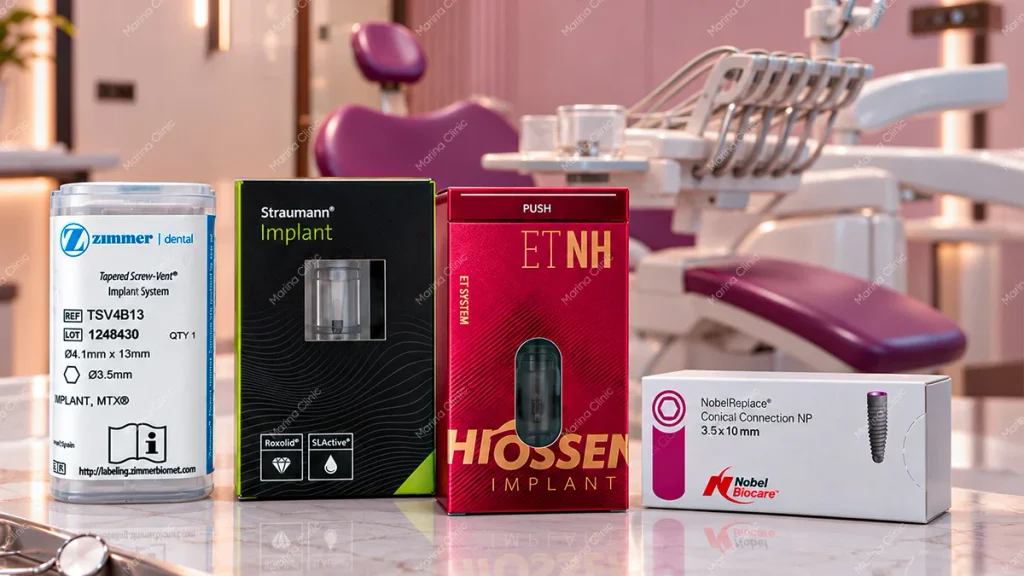
When considering dental implants, you are not just looking to replace a missing tooth. You want a solution that provides comfort and confidence for years. But how long do dental implants actually last? And does their lifespan differ between Straumann, Nobel Biocare, Zimmer, and Hiossen? In this guide, we explain the factors affecting implant and crown longevity, the differences between implant systems, and when repair or replacement may be needed, helping you discuss your options with your dentist and make an informed long-term decision.
How Long Do Dental Implants Last?
Dental implants can last 20 years or longer, and some remain functional for decades with proper care. However, their lifespan depends on jawbone health, implant placement, oral hygiene, smoking, bite forces, and regular checkups. Established brands such as Straumann, Nobel Biocare, Zimmer, and Hiossen offer different implant systems, but none can guarantee lifetime results. It is also important to distinguish between the implant fixture inside the jawbone and the attached crown or bridge. The implant may remain stable for many years, while the restoration may need repair or replacement sooner.
How Long Do Dental Implants Typically Last?
There is no single lifespan that applies to everyone. Some implants function for years without problems, while others may need earlier treatment because of inflammation, bite pressure, or health-related factors.
Average Dental Implant Lifespan
Dental implants are a long-term solution for missing teeth and may last more than 20 years with proper care. Long-term studies have reported that around 93% of implants in certain study populations remained in place after 20 years. However, this does not mean every implant will last equally long. Longevity varies according to jawbone and gum health, daily care, and regular dental checkups.
Implant Fixture vs Crown or Bridge Lifespan
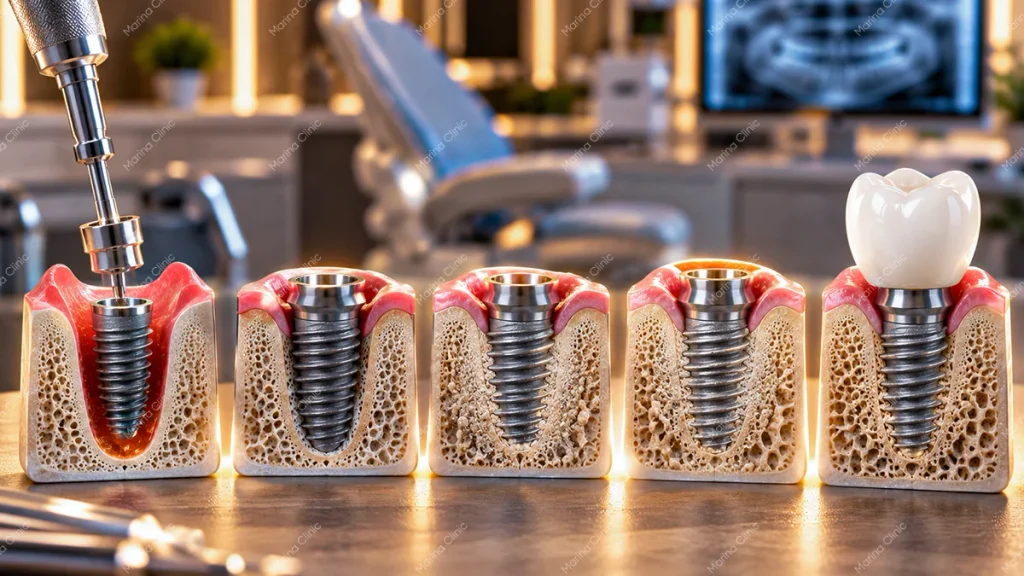
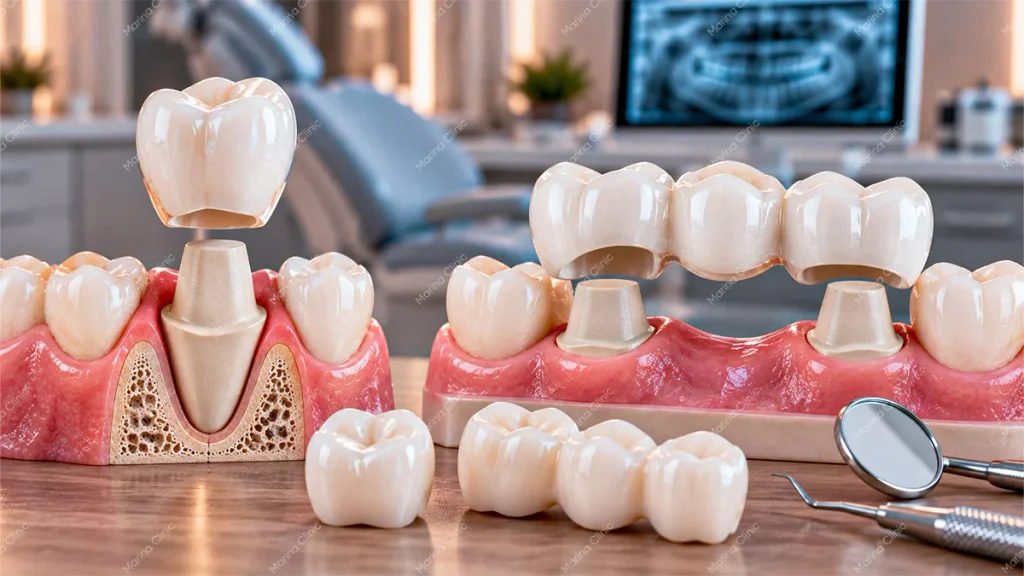
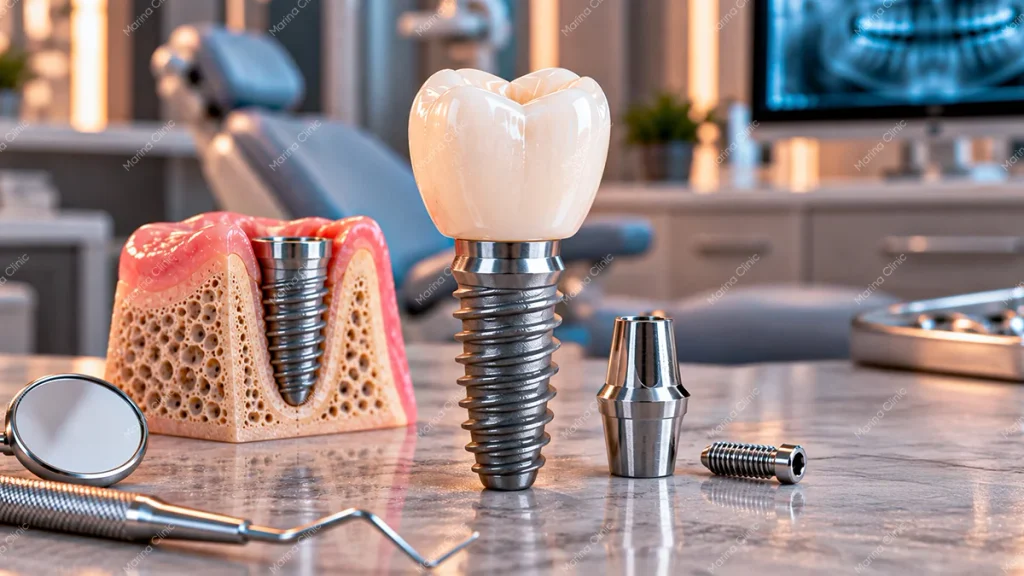
A dental implant usually consists of a fixture inside the jawbone, an abutment connecting it to the restoration, and a crown or bridge replacing the missing teeth. The fixture may remain stable for years, while the crown can wear, fracture, or change in appearance. Sometimes, the crown can be repaired or replaced without additional surgery, provided the implant and surrounding tissues remain healthy.
What Does Dental Implant Survival Rate Actually Mean?
The dental implant survival rate refers to the percentage of implants that remain in place during a specific follow-up period. However, survival does not necessarily mean the implant is free from problems. Surrounding tissues may become inflamed, or the crown may need repair or replacement. Therefore, when comparing results, consider the follow-up period and distinguish implant survival from long-term treatment success.
Read more: Dental Implants in Turkey vs the UK: Cost, Treatment Standards, Travel, and Aftercare Compared
Start a Conversation
Contact us through the communication method that suits you





Does Dental Implant Brand Affect How Long an Implant Lasts?
Implant system characteristics can influence outcomes, but comparing brand names alone cannot determine which implant will last longer for you.
Implant Materials and Surface Technology
Most dental implants are made from titanium, although zirconia systems are also available. Manufacturers use different surface treatments to improve interaction between the implant and bone during healing. These differences may benefit certain cases, but they do not automatically prove that one brand lasts longer than another.
Implant Design and Bone Integration
Implant shape, threads, and placement technique help achieve initial stability before the implant integrates with the bone. This process also depends on bone density, implant size, positioning, and surgical technique. A design suitable for one bone condition may not be ideal for another, even within the same brand.
Prosthetic Connections and Component Compatibility
The abutment connects the implant to the crown, making connection accuracy and future maintenance important. Using original or approved components compatible with the implant model helps reduce fitting problems. Keep a record of the implant system and model number, as this information may be needed if another dentist replaces your crown.
Why Brand Reputation Does Not Guarantee Longevity
A well-known manufacturer may have extensive research, but results from one implant system do not apply to all its products. Studies also differ in patient age, bone condition, smoking habits, and follow-up periods. Rather than relying on claims such as “the world’s best implant,” ask your dentist why a particular model is recommended and what evidence supports it.
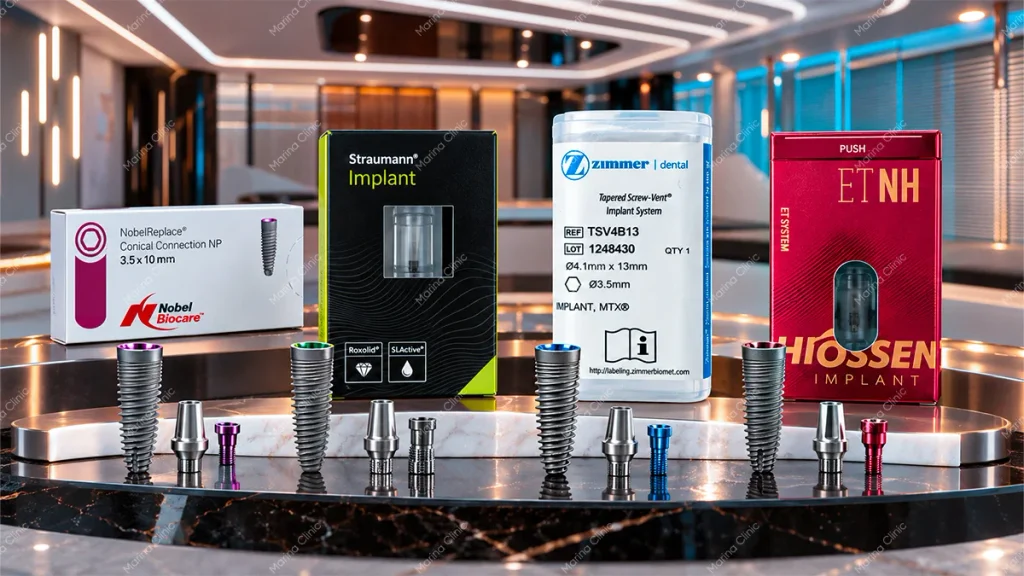
Straumann vs Nobel Biocare vs Zimmer vs Hiossen: Which Implants Last Longer?
There is insufficient comparative evidence to rank these brands by lifespan. A useful comparison focuses on specific implant systems rather than manufacturers’ names.
Straumann Dental Implant Longevity
Straumann offers different implant systems, including implants made from a titanium-zirconium alloy called Roxolid, with surface technologies such as SLA and SLActive. Long-term studies are available for some systems, but their results do not necessarily apply to every model. Implant longevity depends on the selected system and the patient’s condition.
Nobel Biocare Dental Implant Longevity
Nobel Biocare offers several implant systems with surface technologies such as TiUnite and TiUltra. Implant lifespan depends on the specific system and the type of restoration attached, not just the manufacturer’s reputation. An implant supporting a single crown experiences different chewing forces from one supporting a bridge.
Zimmer (ZimVie) Dental Implant Longevity
Zimmer dental implant systems are now associated with the ZimVie brand and include models such as T3, TSV, and TSX, which differ in design and components. Assessing their longevity requires reviewing clinical studies for each system and its follow-up period. Long-term results from older systems cannot automatically be applied to newer models.
Hiossen Dental Implant Longevity
Hiossen offers different implant systems, including ET III SA, which features a sandblasted and acid-etched surface designed to support bone integration. Longevity depends on the selected system and patient condition, while clinical evidence and follow-up periods vary between models. It is important to review the available results and confirm the availability of original components for future maintenance.
| Brand | What to Examine | Important Limitation |
| Straumann | Long-term clinical evidence for the specific implant system | Results cannot be generalized to every Straumann product. |
| Nobel Biocare | Studies reporting implant survival and restorative outcomes | Results may vary by system and study population. |
| Zimmer / ZimVie | Clinical evidence for specific implant designs | Product generations and follow-up periods must be distinguished. |
| Hiossen | Available survival studies and component compatibility | Evidence quantity and follow-up duration may differ by system. |
Upload your photos and receive a free AI-powered preliminary analysis in minutes. No commitment required.
What Factors Affect Dental Implant Lifespan the Most?
If you are wondering how long dental implants last, these factors are often more useful than choosing a brand based on an advertised survival rate.
Bone Quality and Implant Positioning
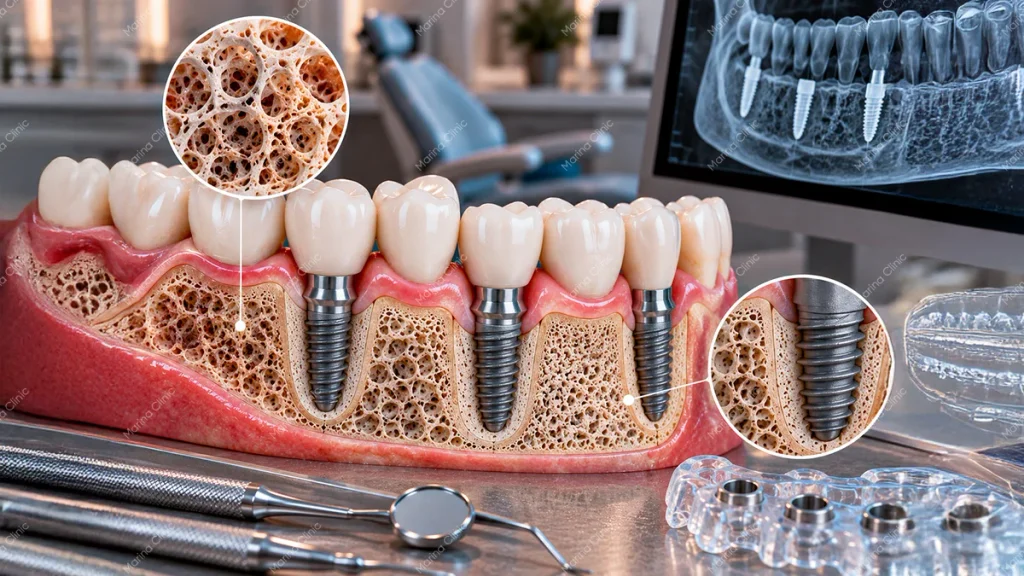
An implant needs sufficient bone and proper support. Your dentist assesses bone volume, density, and nearby nerves and sinuses, using appropriate imaging when needed. Some cases may require bone grafting or treatment adjustments. Implant angle and position also affect chewing force distribution and how easily the restoration can be cleaned.
Gum Health and Peri-Implantitis
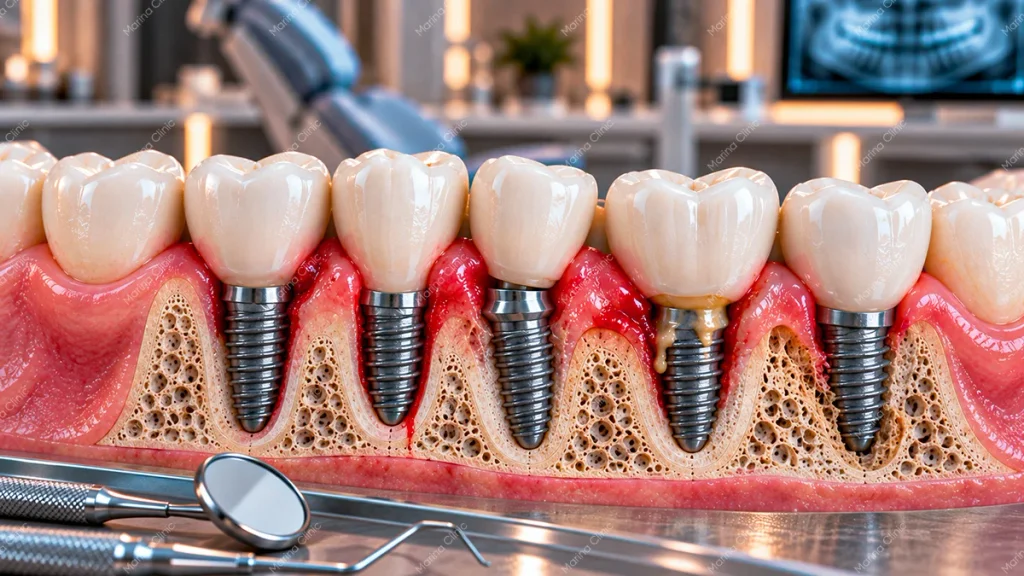
Inflammation around an implant may begin with mild redness and bleeding, then progress to peri-implantitis with supporting bone loss. Pain is not always present, so do not wait for discomfort. Cleaning the area, treating gum disease, and monitoring early changes help protect against later complications.
Smoking, Diabetes, and Other Health Factors
Smoking is associated with increased risks of healing problems and inflammation around implants. Poorly controlled diabetes and previous gum disease may also increase complications. This does not mean every patient with diabetes is unsuitable for implants, but proper assessment, health management, and coordination with their treating doctor are important before and after treatment.
Bruxism and Excessive Bite Forces
If you clench or grind your teeth during sleep, repeated pressure on crowns and connections may loosen screws or crack restorations. Your dentist assesses your bite and distributes chewing forces through the restoration design. A night guard may be recommended for bruxism, but it is not necessary for everyone.
Oral Hygiene and Professional Maintenance
Dental implants cannot develop cavities like natural teeth, but surrounding gums and bone can become diseased. Daily plaque removal, cleaning hard-to-reach areas, and regular checkups remain essential. Professional examinations help detect inflammation or loose components before treatment becomes more complicated.
Request pricing
By sending, you agree we may contact you on WhatsApp with pricing.
Got it! We’ll WhatsApp you the pricing shortly.
Do Dental Implants Last Forever, or Do They Eventually Need Replacement?
Dental implants may last a lifetime for some people, but this is not guaranteed. The implant or attached restoration may eventually need maintenance, repair, or replacement.
Can an Implant Last a Lifetime?
Yes, this is possible when surrounding bone and gums remain healthy and chewing forces are appropriate. However, no dentist can guarantee lifetime results because oral health, habits, and general health can change. Think of an implant as a long-term investment requiring continued care, not a treatment that ends when the crown is fitted.
Why Crowns and Bridges May Need Replacement Earlier
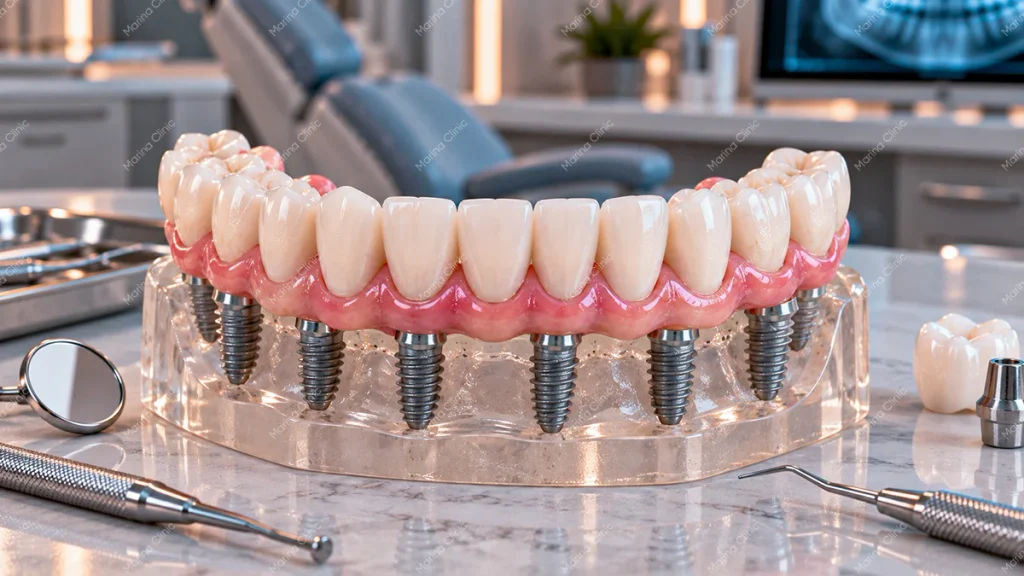
The crown contacts food and opposing teeth, so it may wear, fracture, or change in appearance. Longer bridges may develop problems with screws, covering materials, or cleaning access. There is no fixed replacement period. Your dentist decides based on the restoration’s condition and function, not age alone.
Can an Implant Remain in Place While the Crown Is Replaced?
Usually, yes, if the implant is stable, surrounding bone is healthy, and components are compatible. Your dentist may remove the crown or unscrew the restoration, depending on its attachment, then repair or replace it. Recording the implant type and dimensions is especially helpful when changing clinics or countries.
What Happens When an Implant Fails?
Failure may occur early if the implant does not integrate with bone, or years later because of bone loss or mechanical problems. Your dentist will examine the area, take appropriate images, and identify the cause. Sometimes the tissues or components can be treated, while a genuinely mobile implant may need removal. Replacement may be possible after healing or bone reconstruction, depending on the case.
What Are the Warning Signs of Dental Implant Problems?
Even if your implant has been comfortable for years, watch for changes around it or in how your teeth meet when chewing.
Bleeding, Swelling, and Inflammation Around Implants
Repeated gum bleeding during cleaning, swelling, redness, bad breath, or an unusual taste may indicate inflammation requiring assessment. One symptom does not necessarily mean implant failure, but ignoring it may worsen the problem. Avoid relying only on mouthwash to hide symptoms without checking their cause.
Pain, Mobility, or Changes in Bite
Persistent pain after healing, discomfort while chewing, or changes in how your teeth meet require dental assessment. If the restoration moves, avoid repeatedly pressing or testing it. The cause may be a loose screw or loss of stability in the implant itself.
Loose Crown vs Loose Implant
A crown may move because of a loose screw or failed cement while the implant remains stable inside the jawbone. Movement of the actual implant fixture is different and more serious. It is difficult to distinguish between them at home, so do not tighten or glue the crown yourself. Let your dentist identify the problem.
When Should You Contact a Dentist?
Arrange a dental examination promptly for persistent bleeding, swelling, bite changes, or a loose crown. Seek urgent assessment for severe pain, pus, increasing swelling, or noticeable implant movement, especially with fever. Early treatment may offer simpler options and help protect surrounding tissues.
Request pricing
By sending, you agree we may contact you on WhatsApp with pricing.
Got it! We’ll WhatsApp you the pricing shortly.
How Can You Make Dental Implants Last Longer?
Daily care does not need to be complicated, but consistency matters. These steps help reduce avoidable problems.
Daily Cleaning Around Implants
Brush twice daily with a soft toothbrush, paying attention to the gumline around the crown. Use suitable floss or interdental brushes as directed by your dentist, especially under bridges where debris collects. Avoid sharp metal tools for removing deposits yourself, and ask for advice if an area is difficult to clean.
Regular Dental and Peri-Implant Reviews
During checkups, your dentist examines the gums, stability, and bite, and may recommend X-rays when needed to assess bone. Review intervals depend on previous gum disease, smoking, diabetes, and restoration type. Even if everything feels normal, do not skip follow-ups, as some problems begin without noticeable symptoms.
Managing Bruxism and Bite Forces
Tell your dentist if you wake with jaw discomfort or notice tooth wear. Your bite may need adjustment, or your crown may require a design better suited to the forces involved. If prescribed a night guard, use it as directed and have its fit checked after dental changes.
Protecting Implant-Supported Crowns and Bridges
Avoid opening packages with your teeth or chewing extremely hard objects, and do not ignore small crown cracks. Follow your dentist’s bridge-cleaning instructions and arrange a checkup if food starts collecting in a new area. Timely restoration maintenance may protect the implant and surrounding tissues.
Upload your photos and receive a free AI-powered preliminary analysis in minutes. No commitment required.
Which Dental Implant Brand Is Right for Long-Term Treatment in Turkey?
If you are planning treatment in Istanbul, choosing the right system should begin with a clear clinical assessment and a follow-up plan you can continue after returning home.
Matching the Implant System to Bone and Treatment Requirements
Replacing one front tooth involves different needs from restoring a back-tooth bridge or an entire arch. Your dentist assesses bone volume, implant space, appearance, and bite forces before explaining which system suits you. The most expensive implant is not necessarily the best choice for every case.
Choosing Original and Compatible Prosthetic Components
Ask for the manufacturer and model of the implant, abutment, and crown, and whether the components are original and compatible. Keep your implant card or treatment report showing dimensions and component numbers when available. This makes maintenance outside Turkey easier if you need a new restoration.
Reviewing Clinical Evidence, Warranty, and Component Availability
Ask about studies on the proposed model, their follow-up periods, and future availability of prosthetic parts. Review warranty terms carefully: does coverage include only the implant fixture or other components? Does it cover the procedure cost or just the replacement part? A commercial warranty does not guarantee freedom from medical complications.
Long-Term Follow-Up for International Patients
Before leaving Istanbul, request your treatment plan, necessary X-rays, implant details, and recommended review schedule. Agree on how to contact the clinic if a problem occurs, and arrange regular checkups with a dentist near home. Continued care after travelling is essential for long-term treatment success.
Final Verdict
Dental implants provide long-term tooth replacement, but their lifespan does not depend on brand alone. Straumann, Nobel Biocare, Zimmer/ZimVie, and Hiossen offer systems with different designs, prosthetic components, and clinical evidence. Comparing them requires considering jawbone condition, treatment planning, oral health, and regular maintenance.
At Marina Clinic in Istanbul, Turkey, you can request an individual assessment to understand which implant system best suits your jawbone health and long-term treatment needs. Choosing the right system and maintaining healthy gums and supporting bone matter more than brand reputation alone.
Which treatment are you interested in?
FAQ
Yes. Dental implants can last more than 20 years, and some may function for a lifetime. Longevity depends on gum and jawbone health, accurate placement, daily care, and regular dental checkups.
No brand is the longest-lasting in every case. Implant longevity depends on the specific system, jawbone and gum condition, treatment quality, and the patient’s oral care.
There is insufficient scientific evidence to confirm that Straumann implants last longer than Hiossen implants in all cases. Both offer different systems, and results depend on the model, patient condition, and aftercare.
Nobel Biocare implants are designed for long-term tooth replacement and may last many years. However, lifetime survival cannot be guaranteed because longevity depends on bone and gum health and continued maintenance.
Yes. Implants can fail even after 10 or 20 years of successful function. Common causes include peri-implantitis, supporting bone loss, and complications from excessive chewing forces.
Yes. A crown or bridge may require repair or replacement due to wear or fracture while the implant remains stable in the jawbone. The crown can often be replaced without removing the implant.
It depends on the cause. A loose crown or screw may be repaired or retightened. However, if the implant fixture itself moves inside the jawbone, removal may be necessary.
Regular dental checkups are essential. Your dentist will recommend a schedule based on your oral health and risk factors.


