
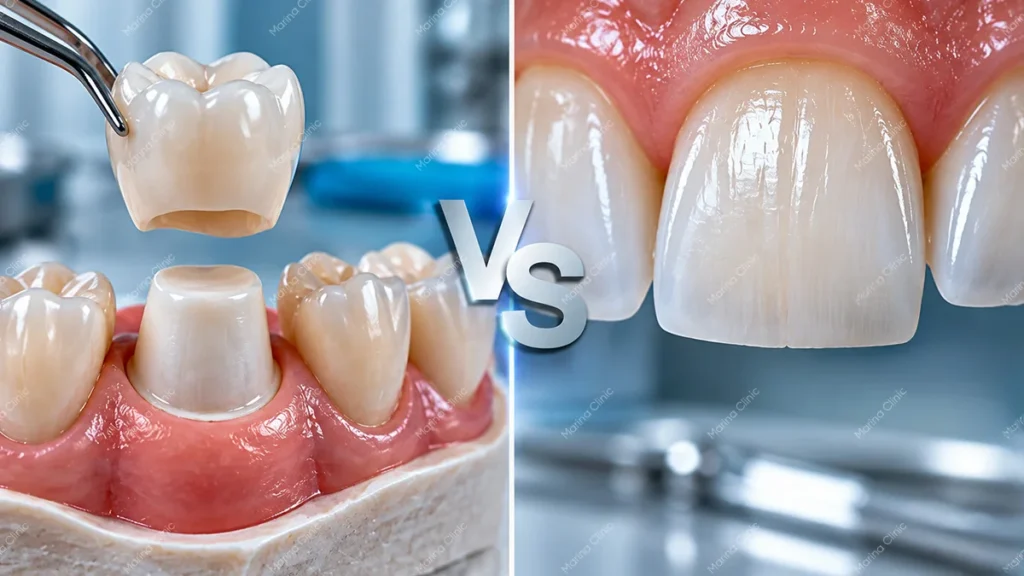
Have you noticed a small chip in your tooth or felt uncertain after your dentist suggested restoring a damaged tooth? Dental bonding and crowns may seem similar, but their differences go beyond appearance. They also affect how much natural tooth structure is preserved, the tooth’s ability to withstand chewing pressure, and the expected cost. Since this decision can affect your dental health for years, understanding your options is important. This article explains the main differences and when each treatment is preferred, helping you discuss the best option with your dentist.
Is Dental Bonding or a Crown Better for Your Tooth?
Dental bonding is generally better for minor chips, small gaps, and cosmetic imperfections when the natural tooth remains structurally healthy. Dental crowns are usually recommended for teeth with extensive damage, large fillings, or significant structural weakness. Bonding preserves more natural tooth structure and typically costs less initially, while crowns provide broader coverage and protection. The right treatment depends on the extent of damage, tooth location, bite forces, and long-term restorative needs.
Crowns vs Dental Bonding: What Is the Main Difference?
Dental bonding adds composite material to a specific area of the tooth, while a crown covers almost its entire visible surface.
How Dental Bonding Works
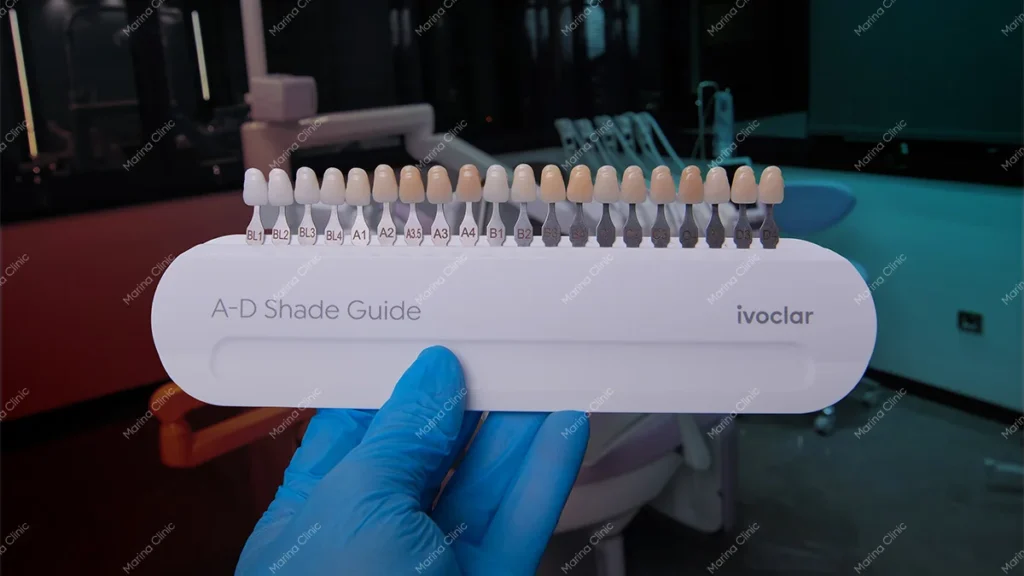
Dental bonding uses a tooth-colored material called composite resin. The dentist selects a suitable shade, prepares the tooth surface, applies and shapes the material, then hardens it with a special light before polishing. The procedure is usually completed in one appointment and may not require anesthesia for minor surface adjustments.
How Dental Crowns Work
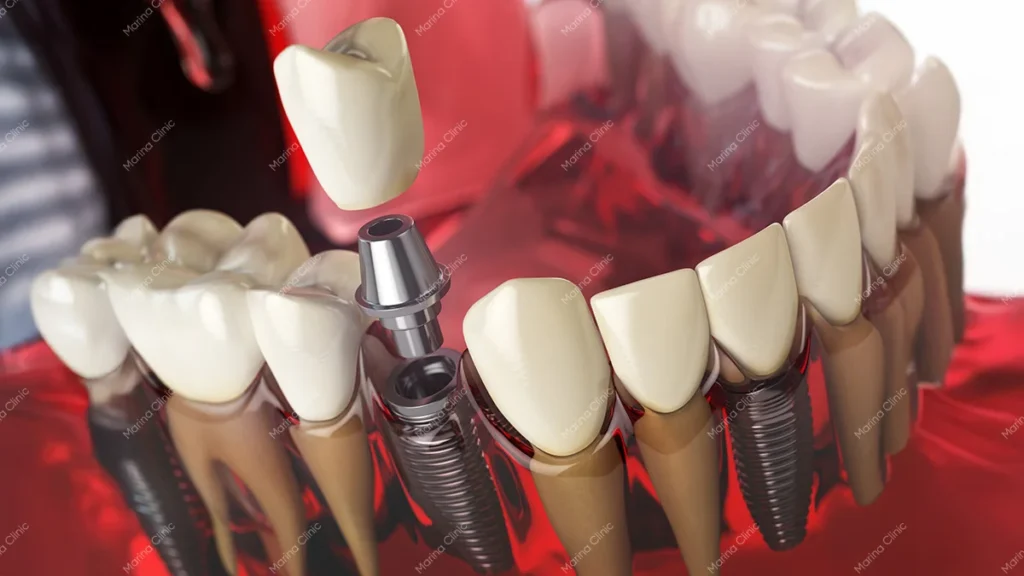
Dental crowns are coverings designed to match the shape and color of natural teeth. The dentist prepares the tooth by removing a measured portion of its surface, then takes an impression or digital scan to create a suitable crown. A temporary crown may be placed until the permanent one is ready for fitting during a second appointment. Some crowns can also be manufactured and fitted on the same day.
Tooth Preparation and Preservation
Dental bonding preserves most of the natural tooth structure, usually requiring minimal enamel preparation. Crowns, however, require removing part of the tooth structure. Therefore, the least invasive treatment is preferred whenever the tooth’s condition allows it.
Strength, Appearance, and Treatment Purpose
Both treatments improve appearance, but bonding suits minor adjustments, while crowns help protect weakened teeth and distribute chewing pressure. However, crowns do not completely prevent decay or fractures, and maintaining healthy gums and tooth roots remains essential.
Start a Conversation
Contact us through the communication method that suits you





When Is Dental Bonding the Better Option?
Composite bonding is suitable for strong teeth with minor imperfections that do not require complete coverage.
Repairing Minor Chips and Small Fractures
If a small part of a front tooth breaks, dental bonding can repair it using material that matches the natural tooth color, often making the restoration barely noticeable. However, if the fracture causes pain when biting or persistent sensitivity, the tooth should be examined before treatment.
Closing Small Gaps Between Teeth
Dental bonding closes small gaps by adding composite material to the sides of teeth, creating a more balanced appearance. Larger gaps or those associated with bite problems may require orthodontic treatment, especially if they appeared recently or are accompanied by bleeding gums.
Correcting Tooth Shape and Cosmetic Imperfections
Dental bonding can reshape short or uneven teeth and conceal certain stains that do not respond to whitening. By adjusting tooth edges and length to match neighboring teeth, bonding helps create a natural, balanced appearance.
When Bonding Is Not Strong Enough
Dental bonding may not suit severely damaged teeth or those exposed to heavy chewing pressure, as it can crack or detach over time. It may also be insufficient for severe discoloration or cracked teeth, making crowns or stronger restorations more appropriate.
When Is a Dental Crown the Better Option?
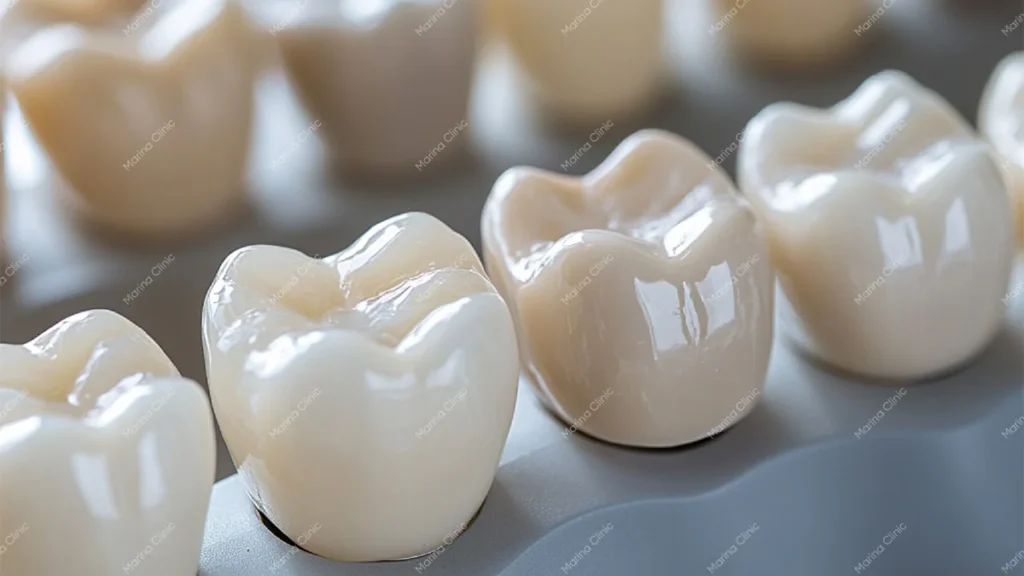
Dental crowns restore teeth that have lost significant strength. When considering a crown for a damaged tooth, the question is whether repairing the visible area is sufficient or the entire tooth needs support.
Teeth With Extensive Decay or Large Fillings
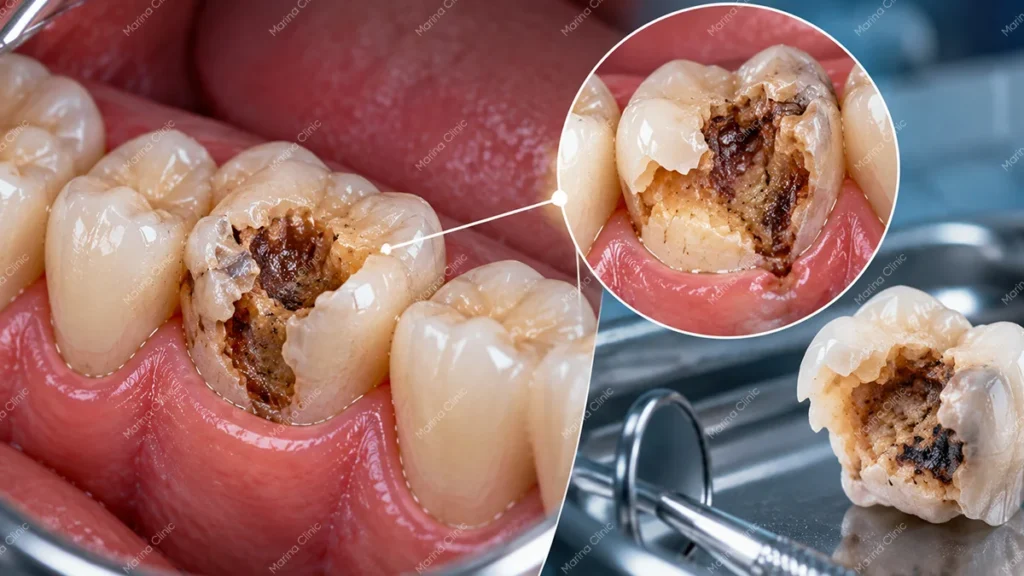
After extensive decay removal or replacement of a large filling, the remaining tooth walls may weaken and become more prone to fractures during chewing. A crown helps protect the tooth and restore function. However, partial restorations may be suitable when sufficient strong tooth structure remains.
Cracked or Fractured Teeth
A crown helps protect cracked or broken teeth and support weakened areas during chewing. However, it may not suit deep fractures extending into the root or below the gumline. Consulting a dentist is important if you experience pain when biting, even when the crack appears minor.
Root Canal-Treated Teeth
After root canal treatment, a tooth needs restoration to protect it and maintain function. Back teeth often require crowns to withstand chewing pressure, while fillings may be enough for front teeth with strong remaining structures. The decision depends on how much healthy tooth structure remains.
When a Crown Provides Better Structural Protection
A crown offers greater protection when tooth walls are weak or at risk of fracturing during chewing, helping restore support, shape, and function.
If the damage is too severe to preserve the tooth, the dentist may recommend other treatments.
Upload your photos and receive a free AI-powered preliminary analysis in minutes. No commitment required.
Dental Bonding Cost vs Dental Crown Cost: Which Is More Affordable?
Several factors influence the cost of dental bonding and crowns, including the extent of treatment, materials used, and any additional procedures. The final price depends on these factors rather than the treatment type alone.
How Much Does Composite Bonding Cost?
Composite bonding is a relatively affordable option because the material is usually applied directly to the tooth without requiring laboratory work. The cost varies depending on the size of the restoration, the number of teeth treated, and the condition of each tooth.
How Much Does a Dental Crown Cost?
Dental crown costs vary depending on the material used. Zirconia crowns range from €140 to €150 per tooth, while E-max ceramic crowns cost between €175 and €190 per tooth. Additional treatments may increase the cost, and the final price is determined after a dental examination.
Why Crown Materials and Laboratory Work Affect Prices
Crown costs depend on materials such as zirconia or porcelain and the manufacturing and design needed to match the tooth’s shape and function. Prices also reflect impressions, laboratory production, and bite adjustments. Root canal treatment or removal of an old crown may increase the total cost.
Initial Cost vs Long-Term Repair and Replacement Costs
Dental bonding generally costs less initially but may need polishing or repairs due to staining, wear, or fractures. Crowns usually cost more but may better protect weakened teeth and reduce repeated repairs. Therefore, long-term maintenance expenses should also be considered.

Request pricing
By sending, you agree we may contact you on WhatsApp with pricing.
Got it! We’ll WhatsApp you the pricing shortly.
Front Tooth Bonding vs Crown: Which Looks More Natural?
For front teeth, color, shape, and translucency significantly affect smile aesthetics. Both bonding and crowns can create a natural, balanced appearance depending on tooth condition and treatment suitability.
Color Matching and Natural Tooth Appearance
The dentist matches the bonding material or crown to natural teeth, considering color variations and edge translucency. Bonding conceals minor imperfections, while crowns allow complete changes to tooth color and shape.
If you plan to whiten your teeth, whitening should be completed before selecting the bonding shade because composite resin does not whiten like natural teeth.
Repairing Chipped or Uneven Front Teeth
Composite bonding repairs small chips and reshapes uneven front teeth without covering the entire tooth. For larger fractures affecting strength or function, a crown may provide more suitable protection.
When a Crown May Be Better for a Front Tooth
Cosmetic crowns may be preferable when a front tooth is severely damaged, contains large fillings, or has discoloration that simpler treatments cannot correct. A crown improves shape and color while protecting the remaining structure. Less invasive treatments remain preferable for healthy teeth.
Preserving Natural Enamel and Smile Aesthetics
Bonding improves appearance while preserving most natural enamel, usually requiring minimal preparation. Crowns require removing some tooth structure, so the least invasive suitable treatment is generally preferred.
Which Lasts Longer: Dental Bonding or a Crown?
Dental bonding typically lasts 3–10 years, while crowns last approximately 5–15 years. Actual lifespan varies with tooth condition, chewing pressure, and oral care.
Strength and Resistance to Wear
Bonding suits minor repairs but is more vulnerable to staining, scratches, and chipped edges than some crown materials. Crowns generally offer greater durability and wear resistance, although performance depends on material, tooth position, and chewing forces.
How Bruxism and Bite Forces Affect Both Treatments
Teeth grinding, or bruxism, and excessive pressure can break bonding or damage crowns. The dentist assesses your bite and may recommend a night guard for protection. If you experience jaw pain or notice tooth wear, inform your dentist before treatment.
Can Dental Bonding Be Repaired?
Dental bonding can often be repaired. Polishing may remove surface roughness or stains, while adding composite material can restore chipped areas without replacing the entire restoration. Repeated fractures require identifying the cause, such as excessive biting pressure or weakened tooth structure.
Can a Damaged Crown Be Repaired or Replaced?
Minor crown damage may be repaired through polishing or treatment of the affected area, depending on its material and condition. Major fractures or leakage around crown edges may require replacement after examining the underlying tooth.
How to Maintain Both Restorations
To extend the lifespan of dental bonding and crowns:
- Brush twice daily with fluoride toothpaste and floss every day.
- Avoid biting ice, opening packages with your teeth, or chewing hard objects with restored teeth.
- Visit your dentist regularly and report sharp edges or changes in your bite.
- Ask about a night guard if you grind your teeth.
Read more: Bruxism and Dental Crowns: Which Crown Type Holds Up Best?
Dental Bonding vs Crown: Which Treatment Is Right for Different Tooth Problems?
The right choice depends on tooth condition. These examples explain common situations but do not replace a dental examination.
Small Chip With Healthy Tooth Structure
For a small chip with healthy remaining tooth structure, bonding may repair the damage while preserving most of the natural tooth. Before treatment, the dentist checks for hidden cracks or excessive chewing pressure that could affect bonding stability.
Large Fracture or Weakened Tooth
When a tooth loses substantial structure or contains a large filling, a crown may protect it from fractures during chewing. In some cases, a partial restoration provides enough protection while preserving more natural tooth structure.
Discolored or Misshapen Front Tooth
Bonding can reshape front teeth and conceal minor stains, while crowns may better address severe discoloration or large restorations. For healthy teeth, dentists may prefer whitening or veneers to preserve natural structure.
Heavily Filled or Root Canal-Treated Tooth
Teeth with large fillings or substantial structural loss after root canal treatment may need crowns to prevent fractures. Fillings may be sufficient for front teeth that retain strong structures. The appropriate treatment is determined through examination.
How Does a Dentist Decide Between Bonding and a Crown?
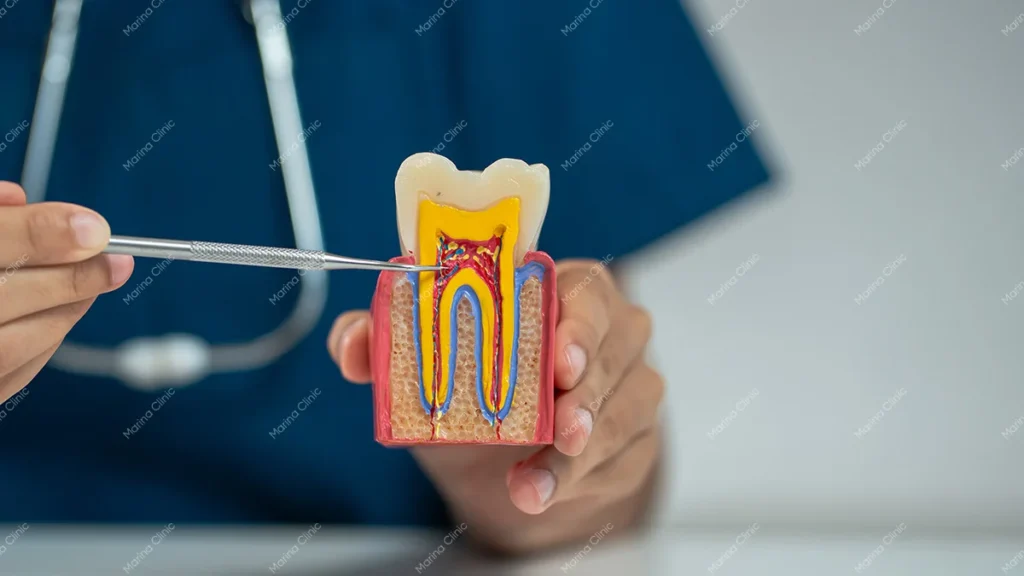
When comparing crowns vs bonding, the dentist first evaluates tooth health, then discusses function, appearance, and cost.
Clinical Examination and X-Rays When Needed
The dentist examines teeth for decay, existing fillings, and fractures while assessing gum health. X-rays may be needed to evaluate roots, surrounding bone, and hidden problems, especially when there is pain or a history of root canal treatment.
Remaining Tooth Structure and Crack Assessment
The dentist assesses the strength of the remaining tooth structure and the depth of any cracks. Bite tests or specialized examination tools may be used when necessary. The results determine whether bonding provides sufficient repair or a crown is needed for greater protection.
Bite Function and Cosmetic Goals
The dentist examines how teeth meet during biting and chewing, checking for excessive pressure or grinding that may affect the restoration. Your desired smile improvements are also discussed to select a treatment that balances natural appearance and proper function.
Cost, Longevity, and Personalized Treatment Planning
Treatment selection considers tooth condition, cost, and expected restoration lifespan. At Marina Clinic in Istanbul, dentists evaluate your teeth and discuss your needs and cosmetic goals to create a suitable treatment plan, including costs, care requirements, and follow-up appointments.
Read more: Why Regular Dental Check-Ups Matter for Your Oral Health (2026 Guide)
Final Verdict
Dental bonding and crowns serve different restorative purposes, and neither is universally better. Bonding may be the more conservative and affordable choice for minor cosmetic concerns, while a crown may offer greater protection when a tooth is extensively damaged or weakened.
At Marina Clinic in Istanbul, Turkey, patients seeking cosmetic and restorative dental treatment can receive a personalized assessment to determine whether composite bonding, dental crowns, or another treatment best suits their oral health, aesthetic goals, and long-term needs.
Which treatment are you interested in?
FAQs
Bonding suits small chips when tooth structure is healthy. Crowns may be better for larger fractures or weakened teeth requiring additional protection.
Yes, bonding generally costs less because it requires less tooth preparation and is usually completed in one appointment without laboratory manufacturing.
Bonding typically lasts 3–10 years, while crowns may last 5–15 years or longer, depending on tooth condition, chewing forces, and daily care.
Bonding may lack sufficient strength for large fractures, especially when substantial tooth structure is missing. A dentist may recommend a crown or another restoration after examination.
Bonding suits minor chips and cosmetic adjustments. Crowns may be preferable for severely damaged or weakened front teeth requiring greater protection.
Yes, if the tooth’s condition requires it. The dentist must examine the remaining structure to confirm whether a crown is necessary and feasible.
Bonding generally does not harm natural teeth when performed correctly. It requires minimal preparation, although limited enamel removal may be necessary in some cases.
Dentists consider damage severity, remaining tooth strength, location, chewing pressure, desired appearance, expected restoration lifespan, and patient preferences.


