
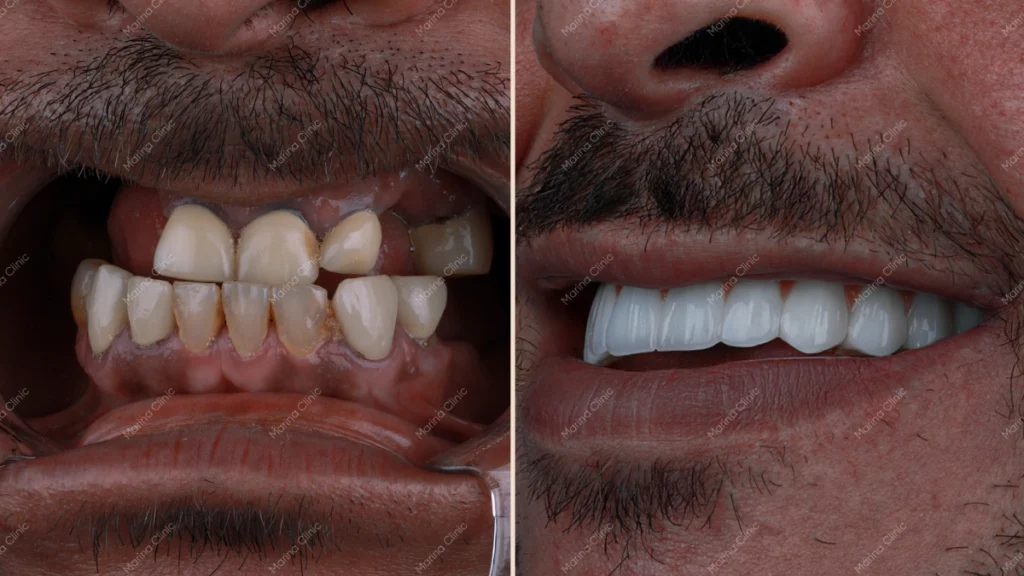
Missing teeth can affect more than the appearance of a smile. They may change how people chew, speak, and feel in everyday situations. Dental implants can replace one tooth, several teeth, or a full arch, yet every treatment differs. These dental implants before and after examples explain how dentists assess the bone and gums, select a restoration, plan procedures, and guide healing. They also show why realistic expectations matter when comparing results and choosing a treatment plan for lasting function and comfort.
What Can You Expect Before and After Dental Implant Treatment?
Dental implant treatment is customized around missing teeth, bone, gum health, bite, and long-term goals. One patient may need a single implant, while another needs a bridge, grafting, or full mouth restoration. Dental implants before and after photos show possible changes, but not the healing and maintenance behind them.
What Can Dental Implants Achieve Before and After Treatment?
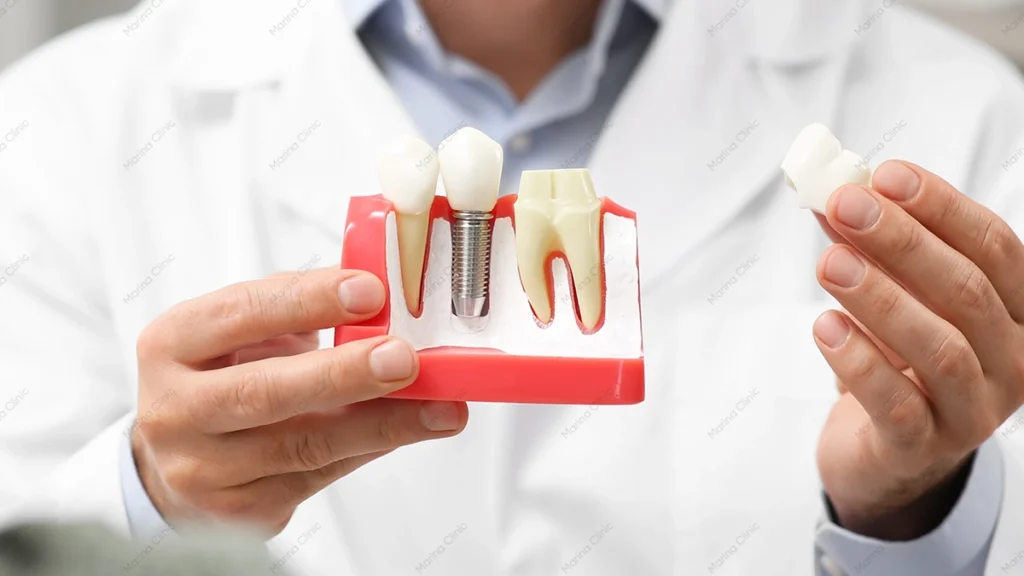
Implants can support a crown, bridge, or full-arch restoration that replaces missing teeth and fits naturally within the bite.
Restoring Missing Teeth
A single tooth dental implant can fill one gap without support from neighboring teeth. A larger gap may require individual implants or an implant-supported bridge. The right missing teeth replacement depends on its location, the bone, and remaining teeth.
Improving Bite Function
Missing or unstable teeth can impair chewing and overload other areas. A well-designed restoration creates a stable surface and distributes forces. Dentists must also assess tooth wear, jaw position, and grinding.
Rebuilding Smile Confidence
Visible gaps or a loose denture may affect eating, speech, and confidence. A smile makeover with implants replaces teeth, but natural results also depend on gums, lips, and crown shape.
Start a Conversation
Contact us through the communication method that suits you





Dental Implant Case Examples and Treatment Plans
These dental implants before and after scenarios are educational examples, not patient records. Actual real dental implant cases require individual diagnosis and cannot predict personal results.
Single Missing Tooth Replacement
- Patient concern: One missing upper premolar created a visible gap.
- Clinical findings: Healthy neighboring teeth and gums, with adequate bone on imaging.
- Why chosen: An implant crown avoided preparing the adjacent teeth for a bridge.
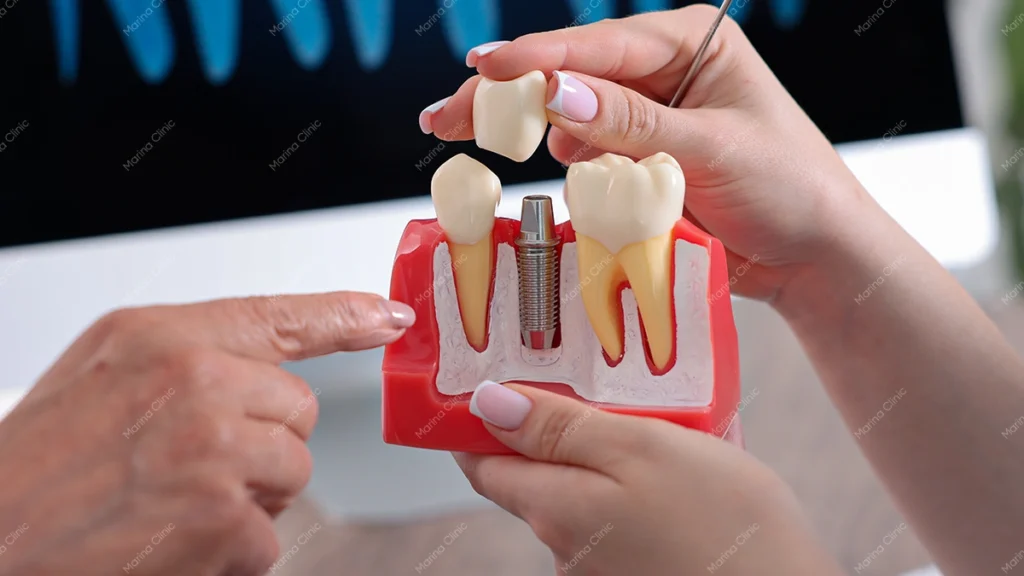
- Implant and restoration: Titanium implant, abutment, and color-matched ceramic crown.
- Additional procedures: No bone graft or sinus lift in this example.
- Timeline: Placement, healing, stability checks, and crown fitting.
- Final outcome: A stable replacement that preserved the neighboring teeth.
Multiple Missing Teeth
- Patient concern: Three missing lower teeth impaired chewing on one side.
- Clinical findings: Stable gums and adequate bone at two implant sites.
- Why chosen: Two implants could support a three-unit implant-supported bridge, so one implant was not required for every tooth.
- Implant and restoration: Titanium implants with a fixed ceramic bridge.
- Additional procedures: Minor grafting could accompany placement if surgical findings confirmed the need.
- Timeline: Healing followed by scans or impressions and fitting checks.
- Final outcome: The bridge restored the chewing area and distributed pressure.
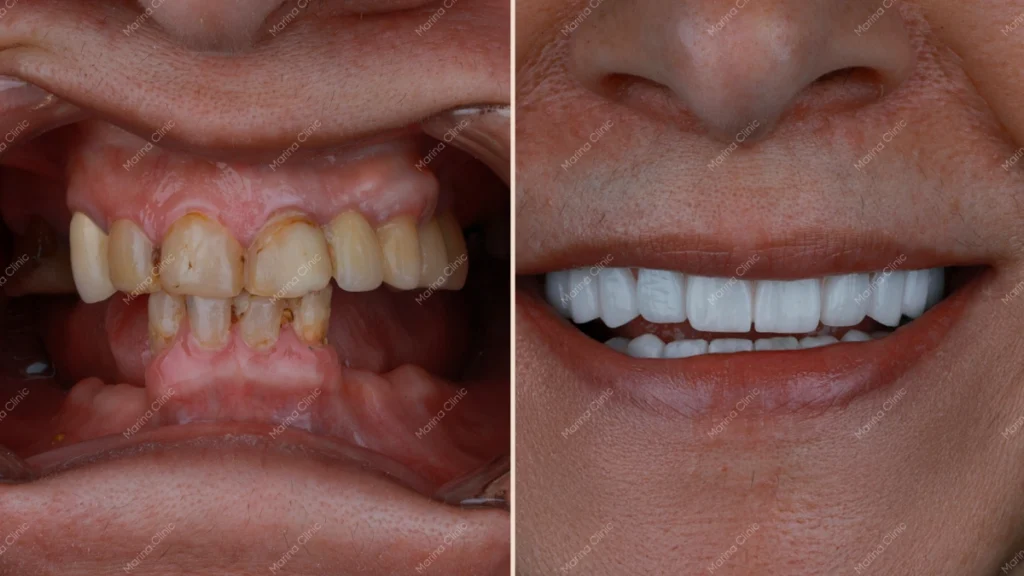
Full Mouth Dental Implants Before and After
- Patient concern: Failing teeth and an unstable denture limited eating and speech.
- Clinical findings: Extensive damage, uneven bone loss, and reduced bite height.
- Why chosen: A staged full mouth restoration could replace non-restorable teeth with implant-supported full-arch teeth.
- Implant and restoration: Titanium implants, provisional teeth, and definitive full-arch restorations, with the number and material individualized.
- Additional procedures: Some sites might need grafting or a sinus lift if posterior upper implants were planned.
- Timeline: Assessment, extractions, implant placement, healing, and final restorations took place in stages over several months.
- Final outcome: Improved stability, chewing, proportions, and lip support. Full mouth dental implants before and after comparisons should include function and tissue health.
Implant-Supported Bridge Rehabilitation
- Patient concern: A missing upper segment and loose partial denture caused discomfort.
- Clinical findings: The nearby sinus left limited bone height.
- Why chosen: A fixed bridge could replace the missing segment without relying on a removable denture.
- Implant and restoration: Titanium implants with a fixed ceramic bridge.
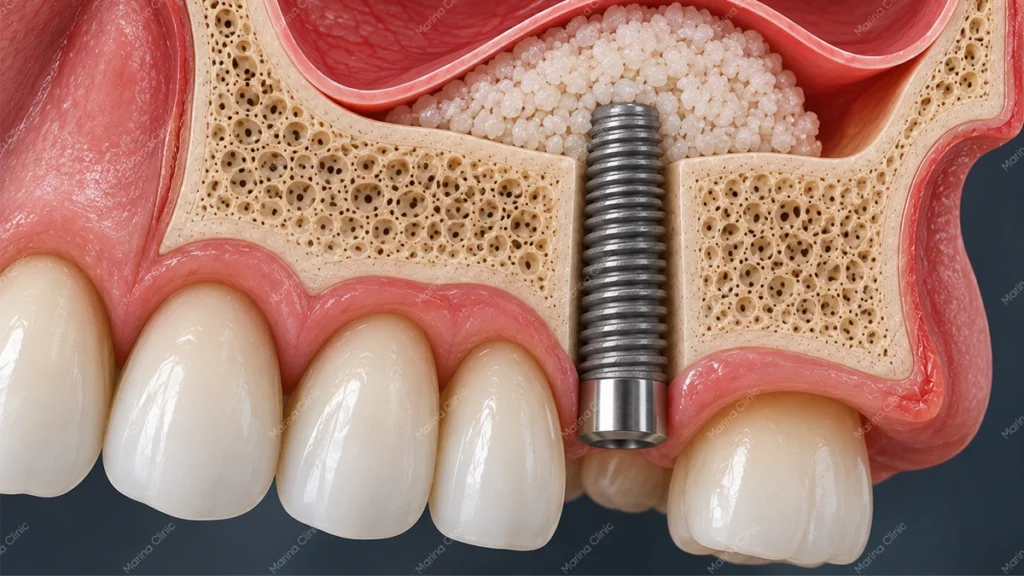
- Additional procedures: A sinus lift before implants was included to develop bone in the upper posterior area.
- Timeline: Grafting and implant placement occurred together or separately, according to the bone. Restoration followed healing.
- Final outcome: The bridge provided a fixed missing teeth replacement after the supporting bone had developed.
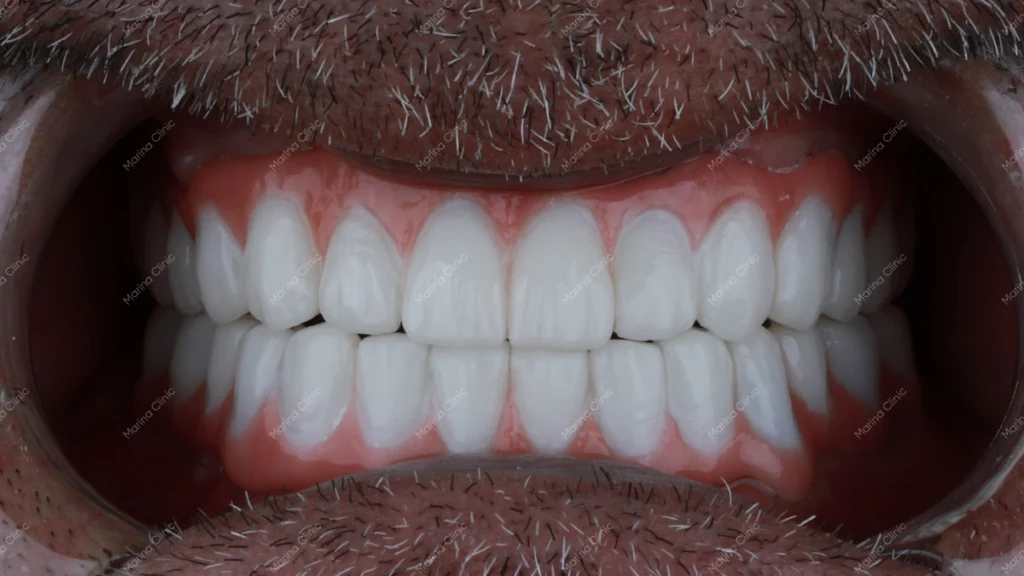
Before and After All-on-4 Dental Implants
All-on-4 uses four implants to support one full arch of replacement teeth. It may suit some patients, but it is not the only full-arch design.
Who May Benefit From All-on-4?
Potential candidates have lost most teeth in one arch, struggle with a loose denture, or have teeth with a poor prognosis. Dentists still assess bone, gums, bite, health, and cleaning ability. Patients comparing before and after All-on-4 dental implants should ask about alternatives.
Treatment Stages
The process begins with examination, imaging, and restorative planning. Treatment may include extractions, implant placement, and a provisional bridge when conditions permit. After healing, the team checks the bite and tissues before making the final restoration. Immediate temporary teeth do not mean healing is complete.
Expected Functional and Aesthetic Results
A suitable restoration may improve stability, chewing, speech, and tooth display. Results vary with anatomy, healing, and design. Before and after All-on-4 dental implants should be assessed with clinical findings, not photographs alone.
Upload your photos and receive a free AI-powered preliminary analysis in minutes. No commitment required.
How Dentists Choose the Right Implant Treatment Plan
A dental implant treatment plan must connect each implant position with the intended crown, bridge, or full-arch restoration.
Number of Missing Teeth
One missing tooth may need an implant crown. Several may require individual implants or a bridge, while complete tooth loss may call for a fixed or removable full arch. More implants do not automatically create a better plan.
Bone Quality and Jaw Anatomy
Dentists evaluate bone dimensions, the sinus, and the lower-jaw nerve. Appropriate imaging guides implant positions and grafting decisions.
Gum Health
Active gum disease or inflammation may need treatment first. The restoration must also allow brushing and cleaning beneath the replacement teeth.
Bite Analysis
Dentists check space, jaw relationships, tooth wear, and chewing forces. Grinding may influence the restoration, implant distribution, and need for a night guard.
Patient Expectations
Some patients prefer fixed teeth, while others choose an easier-to-clean removable option. An implant consultation should cover timing, maintenance, alternatives, and cost.
Read more: Dental Implants and Medical Conditions in Turkey 2026: Safety, Risks & Treatment Guide
Procedures That May Be Needed Before Dental Implants
Preparatory treatment may improve the health, space, or bone support available for implant placement.
Bone Grafting
A bone graft before dental implants may help when the ridge is too narrow, low, or damaged. Small grafts may accompany placement, while larger defects need separate healing. Grafting adds surgery, time, and cost.
Sinus Lift
After upper back tooth loss, limited bone may remain below the sinus. A sinus lift creates space for graft material. Implants may be placed during the procedure or after healing, depending on the bone.
Tooth Extraction
Severe decay, fractures, or periodontal damage may require extraction. Selected sites allow immediate implant placement, but anatomy, infection, bone, and implant stability guide the decision.
Temporary Teeth During Healing
Temporary teeth may be fixed or removable and provide appearance with limited function. Patients must follow diet instructions because a provisional restoration does not permit unrestricted chewing.
Dental Implant Timeline: From Consultation to Final Smile
The dental implant timeline varies and may extend for months when grafting or staged care is required.
Initial Assessment
The team reviews health, medications, smoking, gums, teeth, bite, and goals. Scans, photographs, and suitable radiographs support the diagnosis. The dental implant treatment plan should explain all stages and alternatives.
Implant Placement
The clinician positions each implant according to the surgical and restorative plan. Additional procedures may occur at the same visit. The patient then receives instructions for hygiene, diet, medication, and follow-up.
Healing Phase
Bone gradually forms a stable connection with the implant. Healing varies with the site, stability, grafting, health, and loading. Follow-up visits monitor the tissues before treatment continues.
Final Crown or Bridge Placement
After confirming readiness, the dentist takes a scan or impression. The final crown, bridge, or arch is checked for fit, bite, appearance, and cleaning access.
Request pricing
By sending, you agree we may contact you on WhatsApp with pricing.
Got it! We’ll WhatsApp you the pricing shortly.
What Makes Dental Implant Results Last?
The comparison does not end with the final photograph. Long-term dental implants before and after results depend on planning, home care, and professional maintenance.
Implant Quality
A documented implant system and suitable components support ongoing care. Brand alone cannot compensate for poor diagnosis, positioning, or prosthetic design.
Treatment Planning
Good planning considers bone, gums, aesthetics, bite, hygiene, and maintenance. A clear dental implant treatment plan should also explain additional procedures and possible complications.
Oral Hygiene
Implants cannot develop cavities, but plaque can inflame surrounding tissues. Daily brushing and cleaning around implant crowns, bridges, and full arches remain essential.
Regular Maintenance
Dental visits monitor implants, gums, bone, bite, and components. Recall frequency reflects individual risk. Bleeding, swelling, discomfort, movement, or cleaning difficulty requires assessment.
Which Treatment Plan Is Right for You?
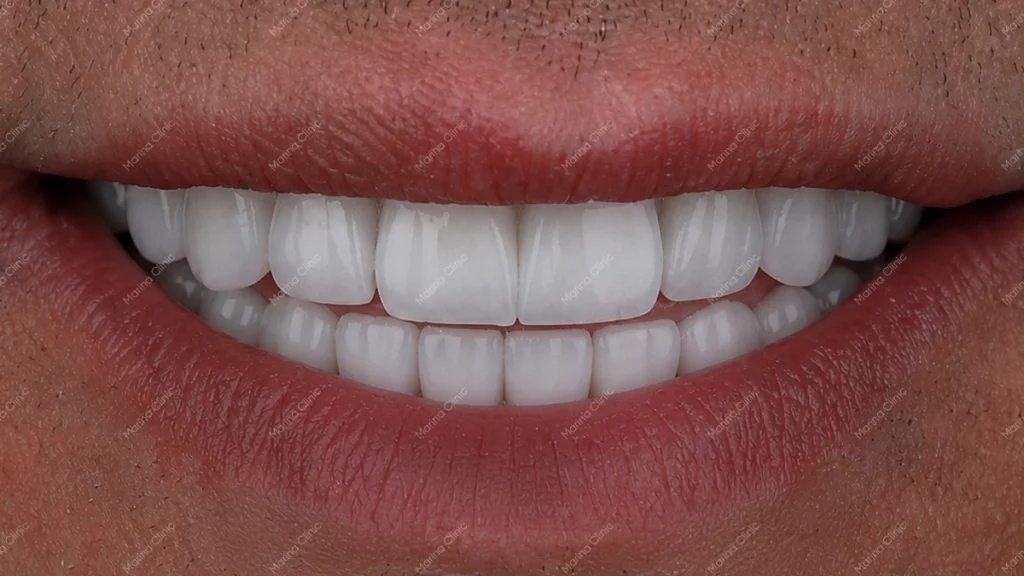
Dental implants before and after photos may illustrate possibilities, but only an examination and appropriate imaging can identify a suitable treatment option.
Single Tooth Replacement
An implant crown may suit one missing tooth when bone, gums, space, and the neighboring teeth support an independent restoration. Gum-line appearance needs particular attention in the front of the mouth.
Multiple Missing Teeth
Multiple dental implants or an implant-supported bridge may restore a larger gap. Implant spacing, bone, bite forces, cleaning access, and neighboring teeth guide the choice.
Full Mouth Rehabilitation
Widespread tooth loss or failing teeth may require a coordinated full mouth restoration. Options include fixed full-arch bridges and implant-retained removable dentures. Full mouth dental implants before and after planning must address speech, lip support, hygiene, and future repairs.
Personalized Implant Consultation
Bring your medical history, medication list, previous records, and questions. Ask what findings support the recommendation, which alternatives exist, what the temporary phase involves, and how maintenance will work. The final plan should reflect your clinical needs and informed priorities.
Start a Conversation
Contact us through the communication method that suits you
Frequently Asked Questions
Before treatment, gaps or failing teeth may affect function and appearance. Afterward, implant-supported teeth should fit the smile, bite, and surrounding tissues.
Timing varies with healing, bone, complexity, and any grafting or sinus augmentation. Some cases take several months.
They can substantially change chewing, tooth display, and appearance in suitable patients. The result still depends on anatomy, planning, healing, and maintenance.
Grafting may be recommended when the available jawbone cannot adequately support the planned implant position or restoration.
All-on-4 supports a full arch on four implants. In contrast, traditional approaches may use individual implants, bridges, or a different number of implants.
First, dentists assess missing teeth, bone and gum health, anatomy, bite, medical history, hygiene, and expectations. Then, they match these findings to the intended final restoration.
They can look natural when color, shape, position, and gum relationships are carefully planned. No clinician should promise an identical result for everyone.
No. Also review the diagnosis, clinician’s experience, implant system, options, hygiene design, follow-up care, and approach to complications.