
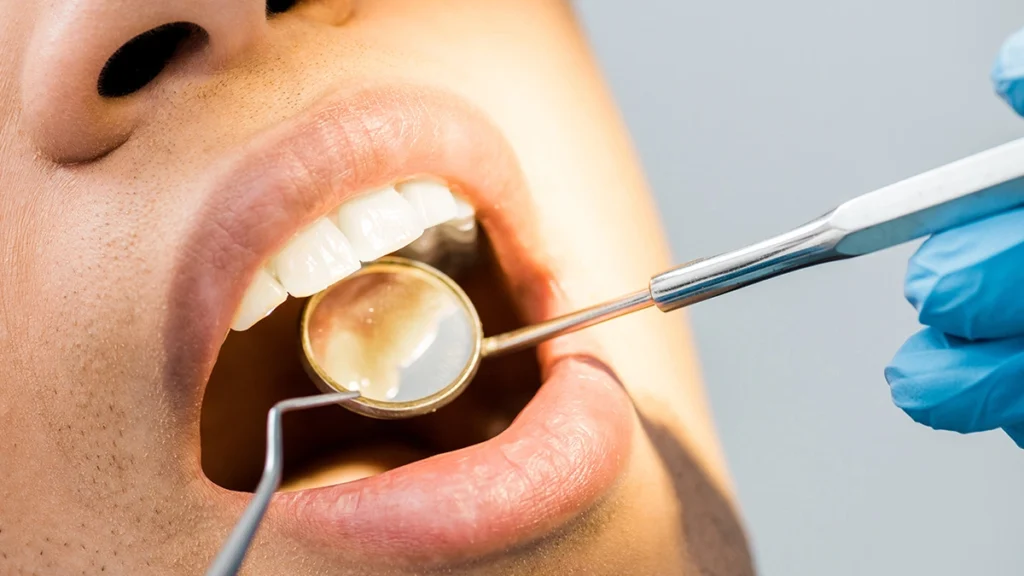
A beautiful smile is not defined by white teeth alone. In many cases, patients need more than a simple Smile Makeover to restore comfort, function, and confidence. This is where full mouth restoration comes into play—a comprehensive dental approach that combines multiple treatments to rebuild both dental health and dental aesthetic at the same time.
This article explains what full mouth restoration really means, when implants, crowns, and veneers are combined, and how dentists create natural, balanced results that improve tooth alignment, bite alignment, and overall oral function.
What Is Full Mouth Restoration?
Full Mouth Restoration Explained in Simple Words
What does full mouth restoration mean?
Full mouth restoration is a personalized dental treatment plan that restores all teeth in the mouth when damage, wear, or tooth loss affects function and appearance. Unlike isolated cosmetic treatments, it addresses chewing ability, bite balance, and long-term dental health, while also improving the smile’s visual harmony.
Because each tooth plays a different role, full mouth restoration combines several procedures instead of relying on a single solution.
How Full Mouth Restoration Differs from a Smile Makeover
A Smile Makeover focuses primarily on appearance—improving tooth color, tooth shape, and visual symmetry. Full mouth restoration goes further by correcting functional issues such as misalignment, missing teeth, and bite instability, making it both a medical and aesthetic solution.
Functional Rehabilitation vs Purely Aesthetic Treatment
While dental aesthetics enhance how a smile looks, functional rehabilitation ensures teeth work together correctly. Full mouth restoration always prioritizes function first, then refines appearance to achieve a natural, confident result that lasts.
Start a Conversation
Contact us through the communication method that suits you





Why Full Mouth Restoration Is Sometimes Necessary
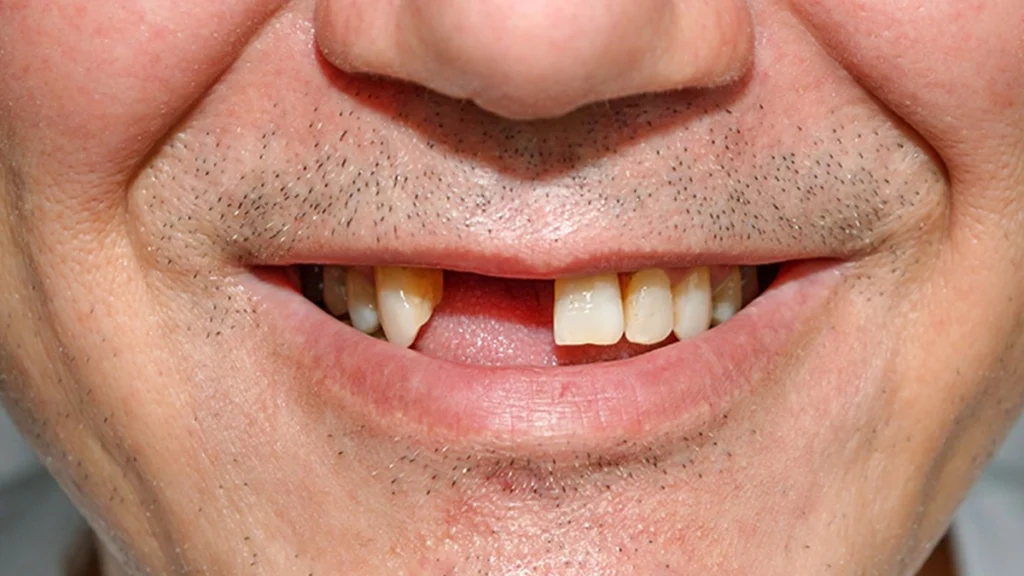
Common Dental Problems That Lead to Full Mouth Restoration
Dentists recommend full mouth restoration when patients experience:
- Extensive tooth loss
- Severe tooth wear or erosion
- Poor bite alignment
- Long-standing dental neglect
- Failed previous dental work
Each of these issues affects how teeth function together, which cannot be solved by cosmetic treatments alone.
How Untreated Dental Issues Progress Over Time
When dental problems remain untreated, they often worsen. Misaligned teeth increase wear, missing teeth lead to bone loss, and an unstable bite can cause jaw discomfort. Over time, these changes affect both oral health and facial balance, making comprehensive treatment necessary.
Request pricing
By sending, you agree we may contact you on WhatsApp with pricing.
Got it! We’ll WhatsApp you the pricing shortly.
The Core Components of Full Mouth Restoration
Dental Implants — Replacing Missing Tooth Roots
Are dental implants always part of full mouth restoration?
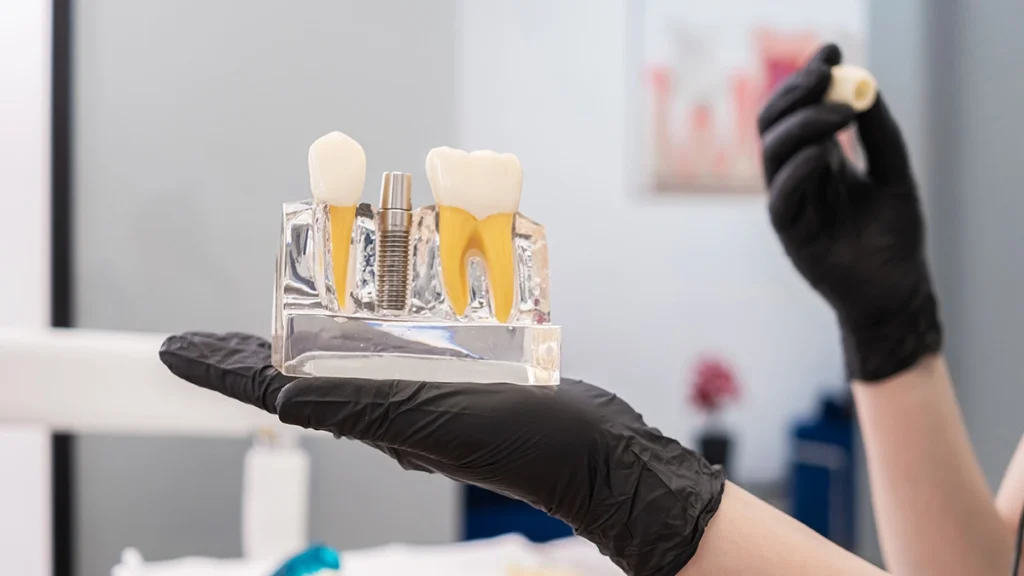
Dental implants replace missing tooth roots and provide a stable foundation for crowns or bridges. They preserve jawbone structure and restore chewing strength, making them essential when tooth loss is present.
Dental Crowns — Restoring Strength and Structure
Crowns protect weakened teeth by covering them completely. They restore strength, correct tooth shape, and help re-establish proper bite alignment, especially in heavily worn or damaged teeth.
Dental Veneers — Refining Shape, Color, and Symmetry
Veneers enhance tooth color, improve tooth shape, and correct minor alignment issues. They are used when teeth are healthy enough but need aesthetic refinement to achieve a balanced smile.
Why Each Component Has a Different Medical Role
Each treatment serves a specific purpose: implants restore roots, crowns rebuild structure, and veneers refine aesthetics. Combining them allows dentists to create a smile that is both functional and visually harmonious.
Which treatment are you interested in?
When Implants, Crowns, and Veneers Are Combined
Treating Each Tooth Individually Within One Plan
In full mouth restoration, dentists evaluate every tooth separately. Some teeth may need implants, others crowns, and others veneers, depending on strength, position, and role in the bite.
Why Not All Teeth Need the Same Treatment
Front teeth often require aesthetic refinement, while back teeth must withstand heavy chewing forces. Using the same treatment everywhere would compromise either function or appearance.
Functional Priority Before Aesthetic Enhancement
Dentists first correct tooth alignment and bite alignment, then focus on dental aesthetics. This approach ensures the final smile looks natural and functions comfortably.
Read more: What Are Dental Implants? How They Work and When They Are Needed
Clinical Planning Process for Full Mouth Restoration
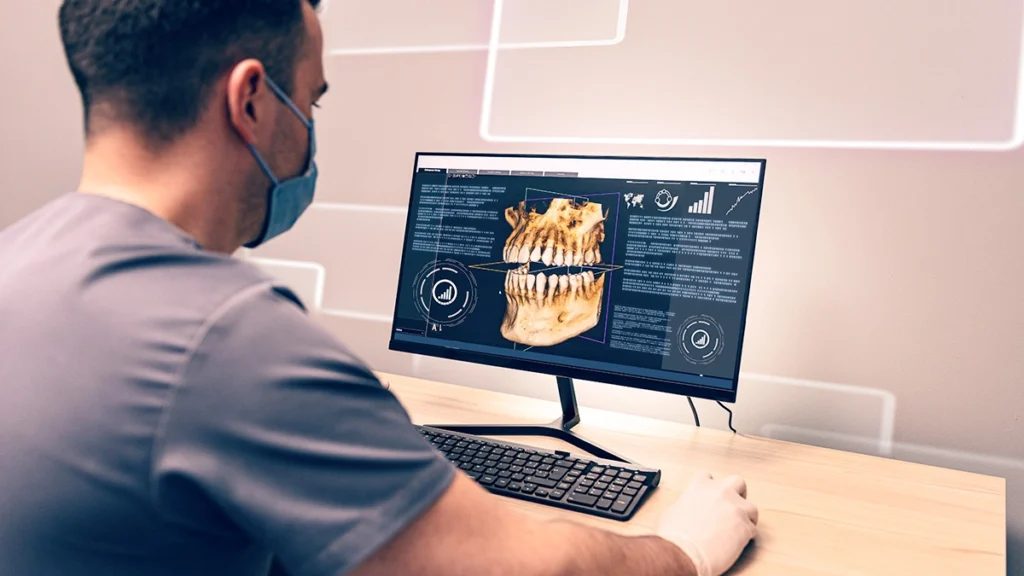
Step 1 — Comprehensive Diagnosis and Imaging
Dentists begin with detailed exams, X-rays, and digital scans to assess teeth, gums, and bone structure accurately.
Step 2 — Bite Analysis and Jaw Function Assessment
Proper bite alignment is critical. Dentists analyze how teeth meet, how forces are distributed, and how jaw joints function during movement.
Step 3 — Digital Smile Design and Functional Mock-Ups
Digital tools allow patients to preview changes in tooth shape, tooth color, and smile proportions before treatment begins.
Why Planning Determines Long-Term Success
How do dentists plan full mouth restoration safely?
Accurate planning prevents future complications, improves durability, and ensures the final result supports both comfort and dental health.
Full Mouth Restoration Treatment Phases
Surgical Phase (If Implants Are Required)
If implants are needed, they are placed first to establish a stable foundation.
Healing and Stabilization Phase
Healing allows implants to integrate with bone and gums to stabilize before final restorations are placed.
Final Restorative and Aesthetic Phase
Crowns, veneers, and finishing details—such as gum contouring—are completed to refine the smile.
Why Treatment Is Staged, Not Rushed
Staging ensures each phase heals properly, which improves comfort, durability, and long-term success.
Start a Conversation
Contact us through the communication method that suits you
Full Mouth Restoration vs Other Dental Treatments
Smile Makeover vs Full Mouth Restoration
A Smile Makeover focuses on visual enhancement, while full mouth restoration addresses both function and aesthetics when dental health is compromised.
Full Mouth Restoration vs Full Arch Implants
Full arch implants replace all teeth with fixed prosthetics, while full mouth restoration preserves and restores natural teeth whenever possible.
Choosing the Right Approach Based on Medical Need
Dentists recommend treatment based on function, not trends, ensuring results are medically sound and aesthetically pleasing.
Comparison Table: Full Mouth Restoration vs Other Solutions
| Treatment | Focus | Implants | Crowns | Veneers | Functional Goal |
| Full Mouth Restoration | Function + Aesthetics | ✔ | ✔ | ✔ | Complete rehabilitation |
| Smile Makeover | Aesthetics | Optional | Sometimes | ✔ | Visual improvement |
| Full Arch Implants | Tooth replacement | ✔ | ✔ | ✖ | Fixed full teeth |
Read more: The Benefits of Dental Implants: Restoring Function and Long-Term Oral Health (2026 Guide)
Request pricing
By sending, you agree we may contact you on WhatsApp with pricing.
Got it! We’ll WhatsApp you the pricing shortly.
Who Is a Good Candidate for Full Mouth Restoration?
Medical and Dental Criteria
Candidates typically have multiple dental issues affecting chewing, comfort, or alignment.
Bite, Bone, and Gum Health Considerations
Healthy gums and sufficient bone support are essential for predictable outcomes.
Why Age Alone Is Not a Limiting Factor
Treatment suitability depends on health and planning, not age, which allows a wide range of patients to benefit.

Risks, Limitations, and Realistic Expectations
Potential Risks and How They Are Minimized
Risks are reduced through proper diagnosis, experienced planning, and ongoing follow-up care.
What Full Mouth Restoration Cannot Fix Alone
Lifestyle factors and ongoing hygiene habits still play a role in long-term success.
Importance of Long-Term Maintenance
Regular check-ups protect both dental health and aesthetic results.
Longevity and Long-Term Outcomes
How Long Full Mouth Restoration Results Last
With proper care, results can last many years or decades.
Factors That Affect Durability
Oral hygiene, bite forces, and maintenance visits influence longevity.
Maintenance vs Replacement Over Time
Most restorations require maintenance rather than replacement when planned correctly.
Which treatment are you interested in?
FAQ
It is designed for long-term results with proper care.
No, implants are used only when teeth are missing.
Treatment duration varies depending on complexity and healing phases.
Discomfort is manageable and temporary.
Yes, when planned carefully, results appear balanced and natural, often described as a refined “star smile” rather than an artificial look.
Read more: Hollywood Smile in Turkey – Updated Cost, Packages & Procedure (2026 Guide)