
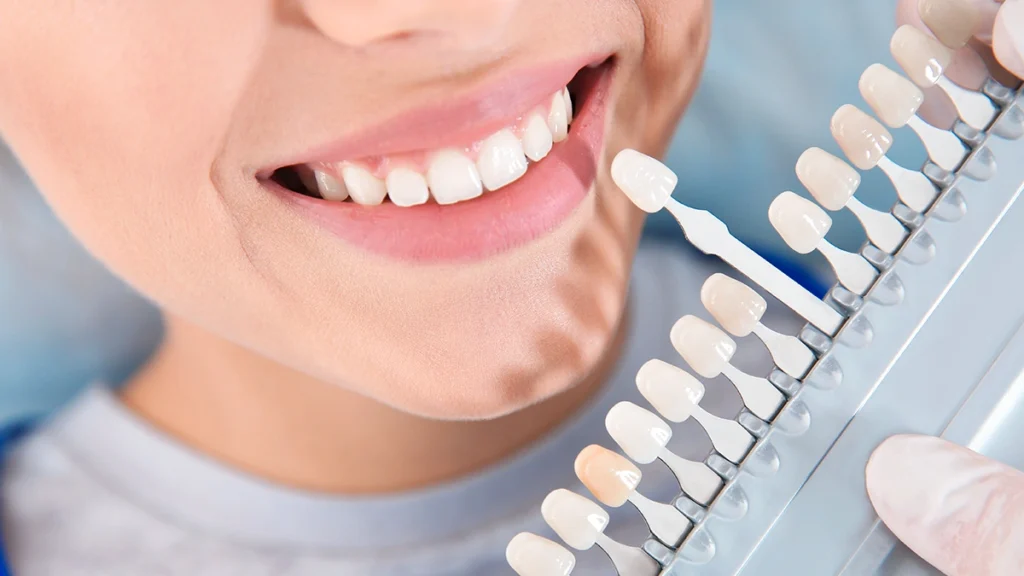
Teeth whitening can brighten your smile noticeably, but the result gradually fades over time. How quickly this happens depends on factors such as your diet, oral hygiene, smoking habits, and the type of whitening treatment you receive. With the right aftercare, however, you can help maintain your results and reduce how often you need another whitening treatment.
Quick Answer: How Long Does Teeth Whitening Last?
Professional teeth whitening results can last from several months to a few years, depending on your oral hygiene, eating habits, smoking, and the whitening method used. Following proper aftercare and scheduling maintenance treatments when recommended can help keep your smile brighter for longer. At experienced dental clinics such as Marina Clinic in Istanbul, dentists also provide personalized aftercare advice to help patients maintain their whitening results safely over time.
How Long Does Teeth Whitening Last?
There is no exact timeframe that applies to everyone. Some patients maintain brighter teeth for years, while others notice staining returning within several months.
Professional Teeth Whitening vs At-Home Whitening
Professional whitening usually creates faster and more noticeable results because treatment is performed or supervised by a dentist. At-home products can also lighten teeth, but they generally work more gradually and vary in strength.
What Affects Whitening Longevity?
Diet, smoking, oral hygiene, and regular dental care all influence whitening longevity. Frequent exposure to staining foods and drinks can gradually darken the teeth again.
Why Results Differ From One Patient to Another
Natural tooth shade, the type of discoloration, age, enamel characteristics, restorations, and lifestyle habits differ between patients. As a result, the same whitening treatment may not produce or maintain identical results for everyone.
Start a Conversation
Contact us through the communication method that suits you





What Affects Professional Teeth Whitening Results?
Professional teeth whitening results depend on both the condition of your teeth before treatment and how you care for them afterward.
The Original Tooth Shade
Yellow-toned and surface stains often respond well to whitening, while deeper discoloration can be harder to lighten. Your natural starting shade also affects how noticeable the final change appears.
The Whitening Technique Used
In-office whitening produces a noticeable result relatively quickly, while dentist-supervised home whitening usually works more gradually. The whitening product, concentration, and application method can all influence the outcome.
Lifestyle and Daily Habits
Frequent coffee, tea, red wine, dark foods, and inconsistent oral hygiene can allow stains to return sooner. Reducing repeated exposure can help your teeth stay brighter.
Smoking and Tobacco Use
Tobacco can cause visible surface staining and shorten the time your teeth remain bright after whitening. Patients who continue smoking may therefore notice discoloration returning more quickly.
Age and Natural Tooth Changes
Teeth naturally become darker with age as enamel changes and the underlying dentin becomes more visible. Whitening can improve their current appearance, but it cannot stop the natural aging process.
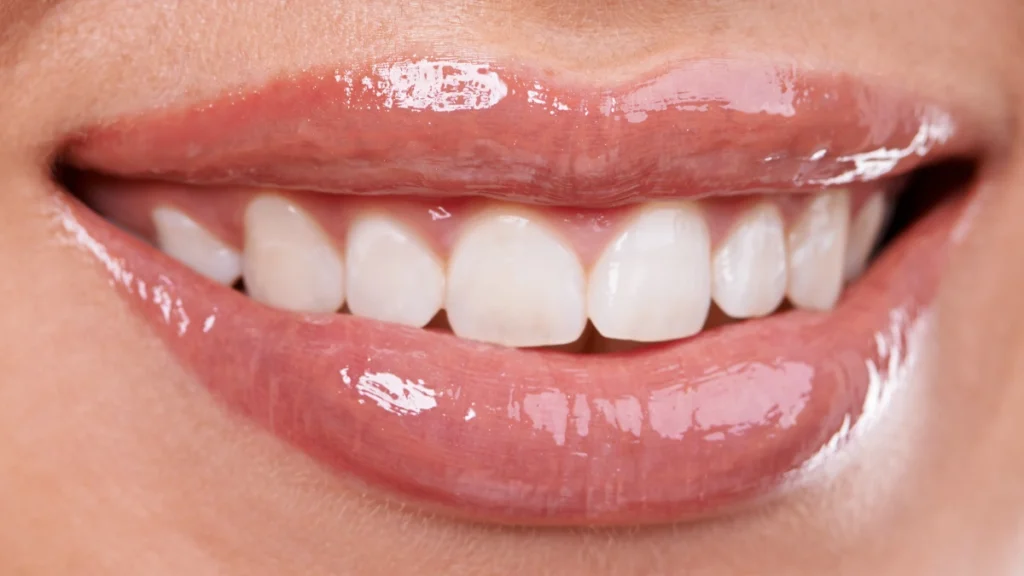
Teeth Whitening Aftercare: How to Keep Your Teeth White
Good teeth whitening aftercare can slow the return of staining and reduce the need for frequent repeat treatments.
The First 24–48 Hours After Whitening
Follow your dentist’s instructions during the first day or two after whitening. Limiting strongly colored foods and drinks during this period may help protect the fresh result.
Daily Oral Hygiene Habits
Brush twice daily with fluoride toothpaste and clean between your teeth regularly. This helps control plaque and surface stains that can make teeth look darker.
Choosing the Right Toothpaste
Fluoride toothpaste is suitable for everyday care, while whitening toothpaste may help remove mild surface stains. If you experience temporary sensitivity, a toothpaste designed for sensitive teeth may be more comfortable.
Regular Professional Dental Cleaning
Professional cleaning removes plaque, tartar, and some external stains that brushing cannot eliminate. In some cases, cleaning alone can noticeably refresh the appearance of the teeth.

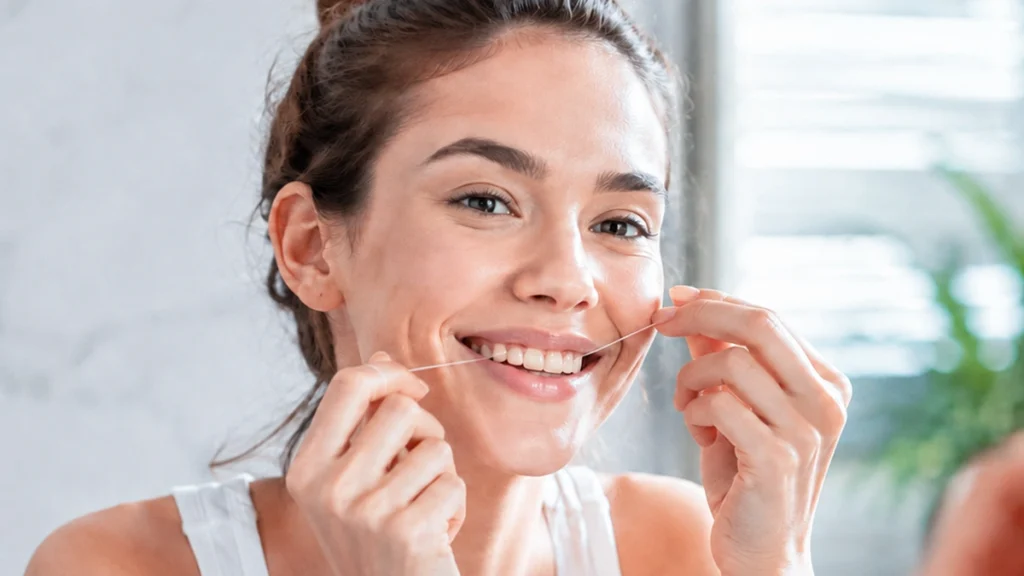
Read more: The Importance of Flossing: Techniques for Healthy Teeth and Gums (2026 Guide)
Foods and Drinks to Avoid After Teeth Whitening
You do not need to permanently avoid colored foods and drinks, but limiting frequent exposure to strong pigments can help whitening results last longer.
Coffee and Tea
Regular coffee and tea consumption can gradually stain teeth. Reducing intake or rinsing with water afterward may help limit discoloration.
Red Wine
Red wine contains strong pigments that can contribute to surface staining. Drinking it less frequently can make a brighter tooth shade easier to maintain.
Dark-Colored Foods
Berries, dark sauces, and other highly pigmented foods may gradually stain the teeth. Rinsing with water afterward can help reduce prolonged contact with staining pigments.
Smoking and Nicotine Products
Tobacco can quickly affect the appearance of whitened teeth. Avoiding smoking is one of the most effective ways to protect both tooth color and overall oral health.
The “White Diet” During the First Days
A white diet means choosing foods and drinks with fewer strong pigments during the first days after whitening. It is not meant to be a strict or restrictive diet, but rather a temporary way to reduce exposure to staining when recommended by your dentist. You can simply focus on:
- Water and light-colored, non-staining drinks.
- Simple foods with minimal strong pigments.
- Limiting coffee, tea, dark sauces, and other highly colored foods during the first days.

Request pricing
By sending, you agree we may contact you on WhatsApp with pricing.
Got it! We’ll WhatsApp you the pricing shortly.
How to Maintain Teeth Whitening Results Longer
Long-term results depend mainly on consistent oral care and limiting the habits that cause new staining.
Consistent Oral Hygiene
Brush and clean between your teeth every day to reduce plaque and surface discoloration. Maintaining healthy teeth and gums is also important before any future whitening treatment.
Professional Maintenance Treatments
A full whitening session is not always necessary when the shade starts to fade. Some patients may only need an occasional touch-up to refresh mild discoloration.
Limiting Staining Foods and Drinks
You can still enjoy coffee, tea, and dark foods after whitening. However, reducing how frequently your teeth are exposed to strong pigments can help maintain the result.
Lifestyle Changes That Protect Your Smile
Avoiding tobacco, maintaining regular dental visits, and following a consistent oral hygiene routine can protect both your whitening result and your overall dental health.
How Often Can You Whiten Your Teeth?
There is no single whitening schedule suitable for every patient. The right timing depends on your oral health, sensitivity, whitening method, and how quickly discoloration returns.
Professional Whitening Frequency
Professional whitening should generally be repeated according to your needs rather than at fixed intervals. A dentist can assess whether another full treatment is appropriate.
Touch-Up Treatments
If only mild staining has returned, a touch-up may be enough to restore brightness. This can reduce the need to repeat the entire whitening treatment.
Why Over-Whitening Should Be Avoided
Whitening more frequently than recommended can increase tooth sensitivity and gum irritation. Products should therefore be used according to professional or manufacturer instructions.
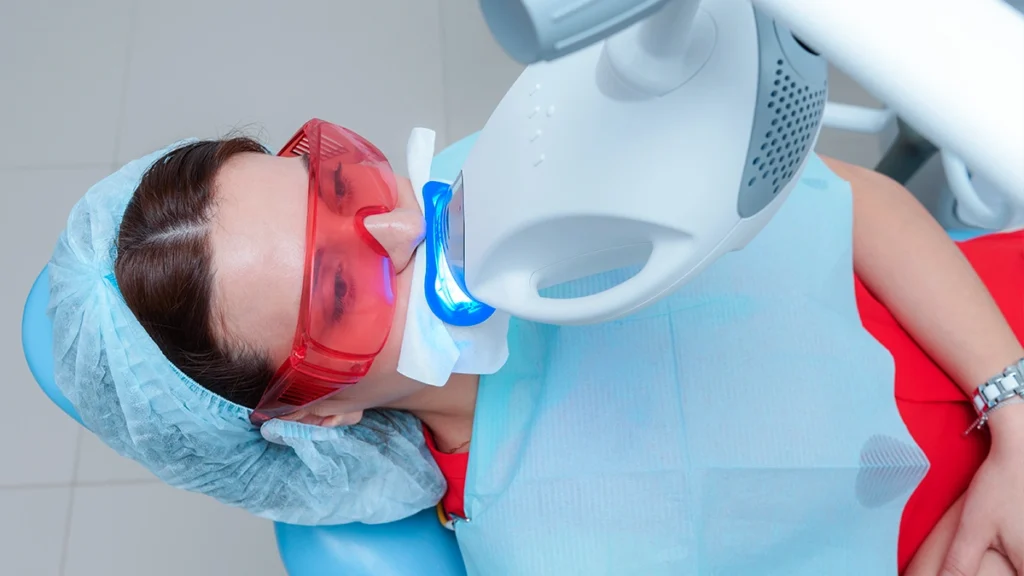
Upload your photos and receive a free AI-powered preliminary analysis in minutes. No commitment required.
When Should You Repeat Teeth Whitening?
Whitening is usually worth reconsidering when noticeable discoloration has returned rather than simply because a certain amount of time has passed.
Signs Your Whitening Is Fading
Gradual yellowing, reduced brightness, or renewed surface staining may indicate that the whitening effect is fading. Sometimes professional cleaning can improve the appearance before further whitening is needed.
Who May Need More Frequent Touch-Ups?
People who frequently drink coffee, tea, or red wine or who smoke may notice staining sooner. They may therefore need maintenance more often than patients with fewer staining habits.
Creating a Long-Term Whitening Plan
A practical maintenance plan may combine good oral hygiene, regular professional cleaning, reduced exposure to stains, and occasional whitening when necessary. This helps maintain the result without treating the teeth more often than needed.
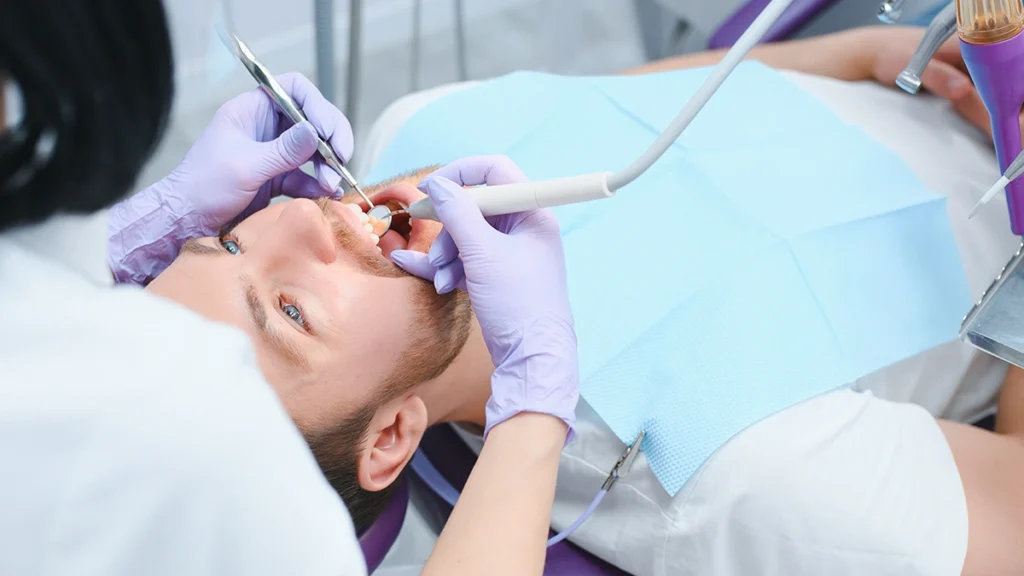
Professional Whitening vs Whitening Products at Home
Professional and at-home options can both improve tooth color, but they differ in strength, supervision, speed, and customization.
Whitening Toothpaste
Whitening toothpaste mainly removes external surface stains. It can help maintain a cleaner appearance but usually does not change tooth color as much as bleaching treatments.
Whitening Strips
Whitening strips usually contain peroxide and gradually lighten natural teeth. Results depend on the product, application time, and consistency of use.
Whitening Kits
Whitening kits may use trays, gels, or other application methods. Dentist-supervised kits can offer greater customization than standard over-the-counter products.
Why Professional Whitening Usually Lasts Longer
Professional whitening often creates a stronger initial improvement and allows maintenance to be tailored to the patient. However, long-term results still depend heavily on daily habits.
| Factor | Professional Whitening | At-Home Whitening |
| Supervision | Dentist supervised | Usually self-administered |
| Results | Faster | More gradual |
| Customization | High | Limited |
| Strength | Professionally selected | Product dependent |
| Maintenance | Personalized | Self-managed |
In general, in-office treatment provides faster, more controlled results, while at-home products work more gradually.
Read more: Best Teeth Whitening Methods in 2026: Professional vs Home Options, Cost & Results
How Dentists Help Patients Maintain a Brighter Smile
Dental supervision can help determine whether fading results require cleaning, a touch-up, or another whitening treatment.
Personalized Whitening Plans
A dentist can assess your tooth shade, staining, sensitivity, and existing dental work before treatment. This is important because whitening does not change the color of crowns, veneers, or fillings.
Regular Dental Check-Ups
Routine check-ups can identify cavities, gum problems, or sensitivity before additional whitening is considered. Healthy teeth and gums should always remain the priority.
Professional Cleaning Before Maintenance
Surface buildup can sometimes make teeth appear darker even when the underlying shade has changed very little. Professional cleaning can help determine whether further whitening is actually necessary.
Monitoring Tooth Sensitivity
Temporary sensitivity can occur after whitening. If it becomes uncomfortable, a dentist can adjust the treatment or maintenance schedule accordingly.
Read more: Teeth Sensitivity: Causes, Treatments, and Prevention Strategies (2026 Guide)
Is Professional Teeth Whitening Worth Repeating?
Professional whitening may be worth repeating when discoloration returns and your teeth and gums remain healthy enough for treatment.
Benefits of Maintenance Whitening
Occasional maintenance can refresh mild discoloration before stains become more noticeable. A smaller touch-up may sometimes provide enough improvement without repeating the full procedure.
Protecting Natural Tooth Enamel
Whitening should always follow professional or product instructions. Excessive or unnecessarily frequent use can increase sensitivity and gum irritation without guaranteeing better results.
Long-Term Smile Confidence
A natural-looking shade that can be comfortably maintained often provides better long-term satisfaction than repeatedly trying to make the teeth as white as possible.
Why Choose Professional Teeth Whitening in Istanbul?
Professional teeth whitening in Istanbul allows patients to receive a dental assessment, supervised treatment, and personalized aftercare instead of relying entirely on over-the-counter products.
Personalized Treatment Planning at Marina Clinic
At Marina Clinic in Istanbul, whitening treatment can be planned according to your natural tooth shade, type of staining, dental condition, sensitivity, and desired result.
Safe Whitening Under Professional Supervision
A dentist can examine your teeth and gums before treatment and select an appropriate whitening approach. Professional supervision is especially helpful for patients with sensitivity or existing restorations.
Long-Term Aftercare Recommendations
Aftercare advice can be adapted to your diet, smoking habits, oral hygiene, and sensitivity. This helps address the factors most likely to affect your individual results.
Helping Patients Maintain Natural-Looking Results
Professional whitening aims to brighten the teeth while keeping the result balanced and natural. The goal is a healthier-looking smile rather than simply achieving the lightest possible shade.
Which treatment are you interested in?
FAQ
Professional teeth whitening can last from several months to a few years. Diet, smoking, oral hygiene, natural tooth shade, and maintenance habits all influence how long results remain visible.
There is no fixed schedule for everyone. Your dentist can recommend appropriate timing based on your oral health, sensitivity, whitening method, and previous results.
During the first 24–48 hours, limiting coffee, tea, red wine, dark sauces, berries, and other strongly colored foods may help protect your whitening result.
Yes. Tobacco can create surface stains and may cause teeth to lose their brighter appearance more quickly after whitening.
It is best to limit coffee immediately after treatment. Later, reducing intake and rinsing with water afterward may help minimize recurring surface staining.
Professional whitening usually produces faster results under dental supervision. Whitening strips can also lighten natural teeth, but their results are generally more gradual.
Maintain good oral hygiene, attend regular dental cleanings, limit frequent exposure to staining foods and drinks, avoid tobacco, and follow your dentist’s aftercare advice.
Consider maintenance when noticeable discoloration returns. Your dentist can determine whether you need another whitening session, a smaller touch-up, or simply professional cleaning.