
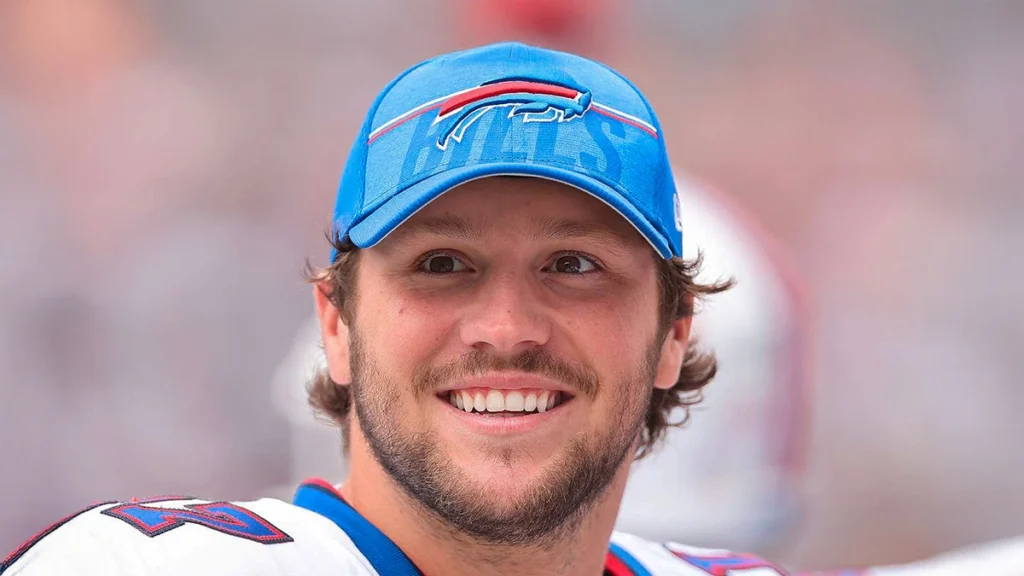
Josh Allen’s rise has made his public image more visible, including his smile. Fans may notice differences between photographs, but appearance does not provide a dental diagnosis. This article separates observation from speculation while explaining why oral health, injury prevention, and confidence matter for contact-sport athletes.
Have Fans Noticed Changes in Josh Allen’s Smile?
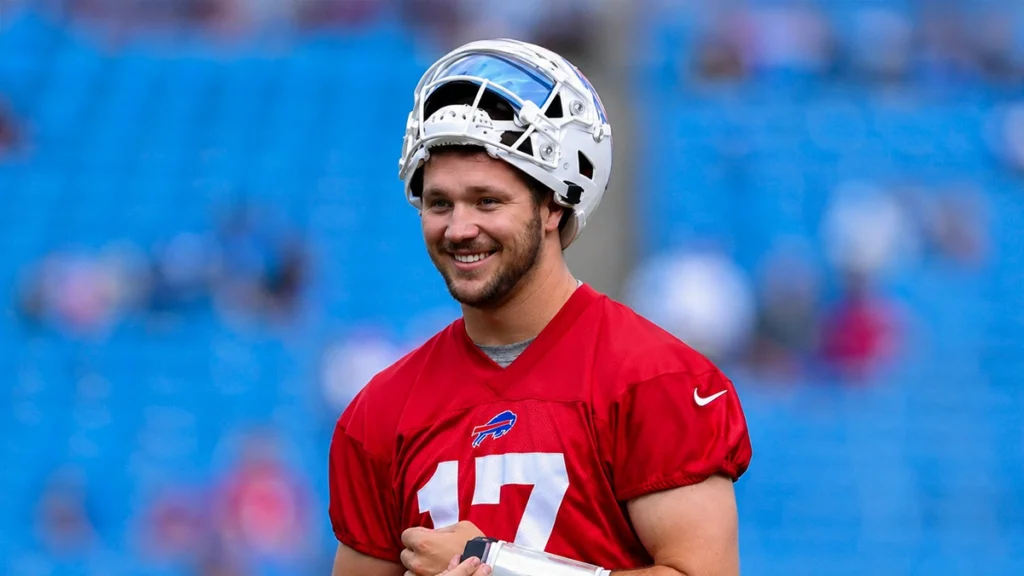
Josh Allen’s smile has become more recognizable as his NFL career has progressed, leading many fans to notice subtle changes in his appearance over the years. While there is no public confirmation of cosmetic dental treatment, his confident smile highlights the importance of oral health, preventive dental care, and healthy teeth for professional athletes who regularly appear in the public eye.
Start a Conversation
Contact us through the communication method that suits you





Why Fans Search for Josh Allen’s Smile
Interest in Josh Allen’s smile reflects the attention surrounding a successful athlete. Frequent media exposure makes small differences in appearance easier to notice.
One of the NFL’s Most Recognizable Quarterbacks
Allen entered the NFL in 2018 and became a prominent Buffalo Bills quarterback. Games, interviews, advertisements, and social media have made his expressions familiar to football fans.
How Public Image Evolves Throughout an Athlete’s Career
Early and recent photographs may differ in lighting, camera quality, facial hair, and expression. Professional photography and greater confidence can also change someone’s appearance without indicating dental treatment.
Why Smiles Become Part of an Athlete’s Identity
A smile can communicate energy and approachability. When fans repeatedly see an athlete celebrating or answering questions, that expression becomes part of the player’s public identity.
Have There Been Noticeable Changes in Josh Allen’s Smile?
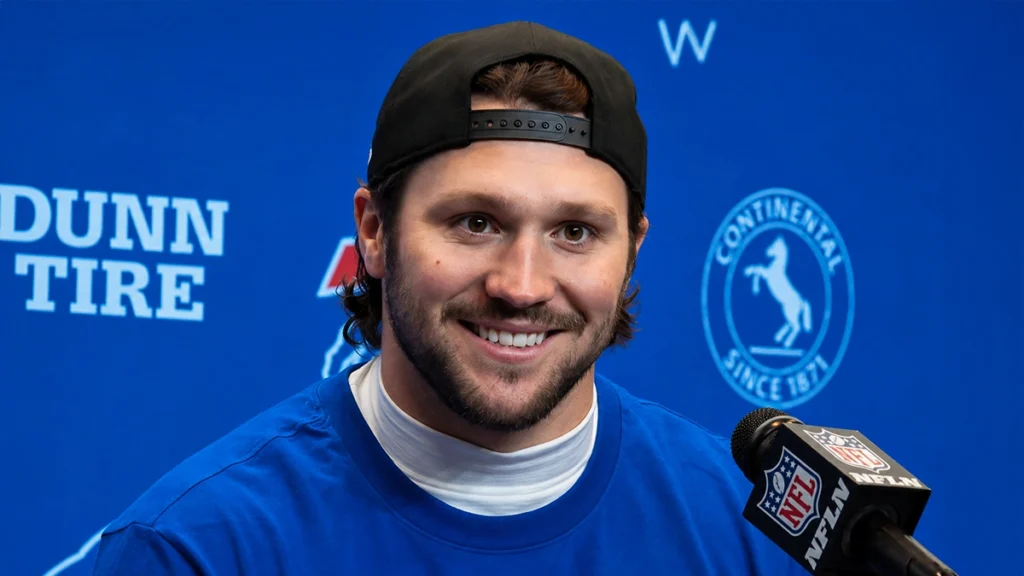
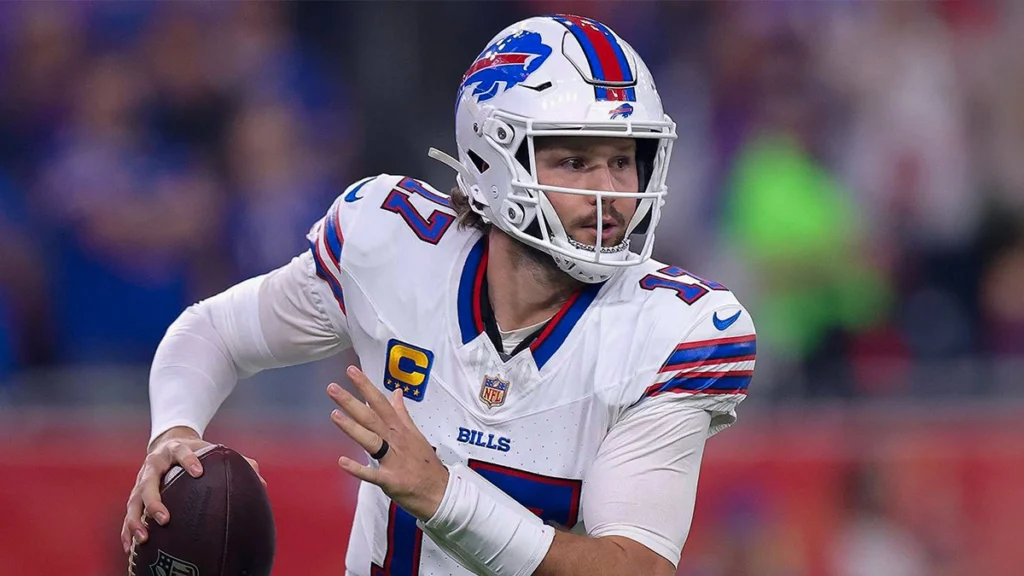
Some viewers see changes in Josh Allen’s smile across different career stages. These comparisons remain subjective and cannot establish the cause of any perceived difference.
Comparing Early Career and Recent Appearances
Recent images may make Allen’s teeth appear brighter than in older photographs. Yet image quality, angles, editing, lighting, and expression can all affect that impression.
Natural Changes vs Professional Dental Care
Natural aging, improved hygiene, professional cleanings, dental care, and different posing can change a smile. Whitening or orthodontics can too, but images cannot distinguish among these possibilities.
Why Appearance Alone Cannot Confirm Dental Treatment
Dentists need an examination, history, and sometimes imaging to identify treatment accurately. Photographs cannot reveal bite function, restorations, or gum health, making specific procedural claims speculative.
Why Oral Health Matters for NFL Quarterbacks
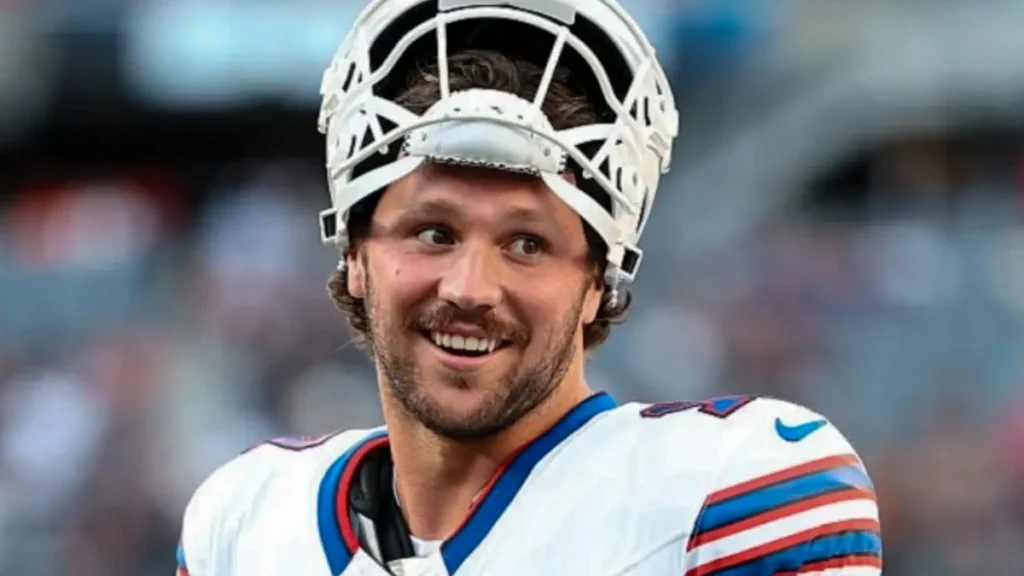
Oral health is one part of athletic well-being. Although it cannot determine performance, pain, infection, or injury can cause avoidable discomfort and distraction.
Communication on the Field
Quarterbacks call plays and adjust protections in noisy stadiums. Healthy teeth, gums, and jaw movement support comfortable speech, while pain or a poor-fitting appliance may interfere.
Nutrition and Recovery
Athletes must eat consistently to support training and recovery. Sensitivity, chewing pain, or inflamed gums may limit food choices, making timely dental care important.
Confidence During Interviews and Public Events
Quarterbacks regularly face reporters, attend events, and represent partners. Feeling comfortable with their smile may support confidence, although many personal and professional factors shape it.
Long-Term Oral Health for Professional Athletes
A playing career covers only part of adult life, but teeth need lifelong care. Daily hygiene, preventive visits, and early treatment protect oral health beyond the final season.
How NFL Players Protect Their Teeth Throughout the Season
Football exposes players to contact, falls, and sudden impacts. Protective habits and professional care can lower dental risks during practices and games.
Custom Sports Mouthguards
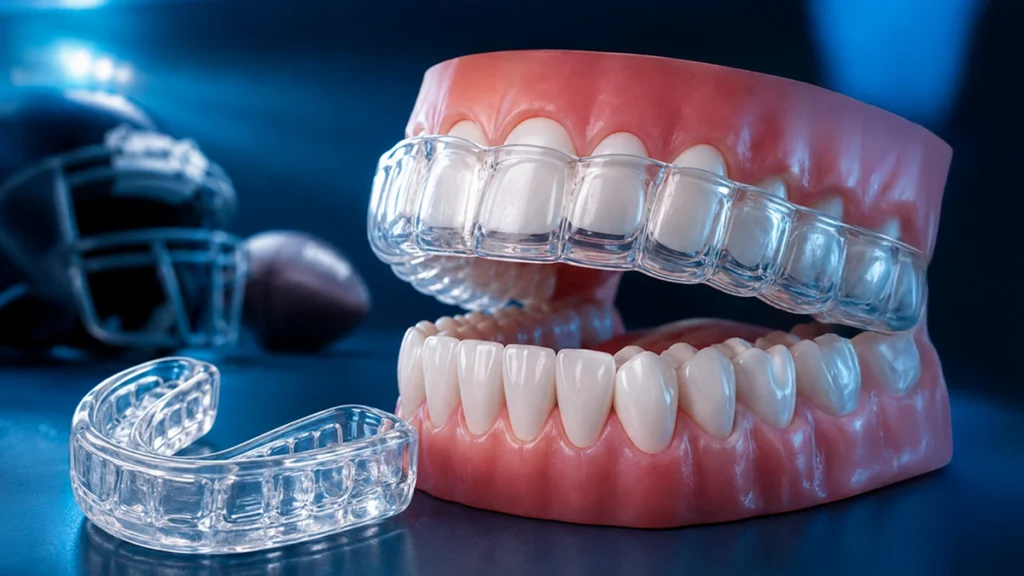
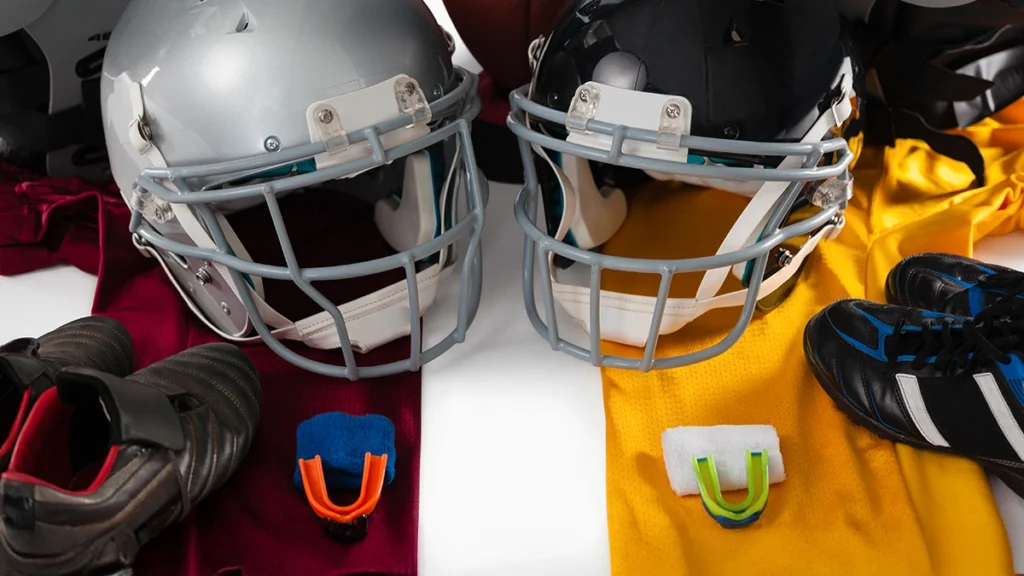
A well-fitted sports mouthguard protects vulnerable teeth. The American Dental Association recommends properly fitted mouthguards for activities with a meaningful risk of dental or facial trauma.
Preventing Dental Trauma
Mouthguards cannot prevent every injury or guarantee protection against concussion. However, consistent use can reduce dental trauma, while a secure fit improves comfort and stability.
Routine Dental Check-Ups
Regular examinations identify decay, gum inflammation, cracks, bite changes, and wear. A preseason visit creates time to manage concerns before competition intensifies.
Early Management of Dental Injuries
A chipped, displaced, or knocked-out tooth needs prompt attention. The ADA’s dental emergency guidance recommends contacting a dentist immediately. Until help is available:
- Stop playing and report the injury.
- Avoid touching the root of a knocked-out permanent tooth.
- Keep the tooth moist in milk or an approved preservation product.
- Seek emergency dental care without delay.
Can Professional Athletes Benefit From Orthodontic Treatment?
Athletes may seek orthodontic care for functional or aesthetic reasons. Interest in topics such as Josh Allen’s smile also shows how dental appearance can become part of an athlete’s public image. Treatment, however, requires planning around oral health, contact risk, and training schedules.
Smile Alignment and Bite Function
Orthodontic treatment can correct crowding, spacing, and certain bite problems. Better alignment may simplify cleaning, although functional benefits depend on the person’s teeth, jaws, and goals.
Invisalign and Clear Aligners for Adults
Clear aligners offer a removable option for suitable cases. Athletes should follow wear instructions and use a dedicated sports mouthguard during contact play when professionally advised.
Orthodontic Treatment Around Training Schedules
Appointments, minor discomfort, hygiene, and mouthguard fit require coordination. As teeth move, a mouthguard may stop fitting correctly and require professional replacement.
Why Treatment Should Always Be Individualized
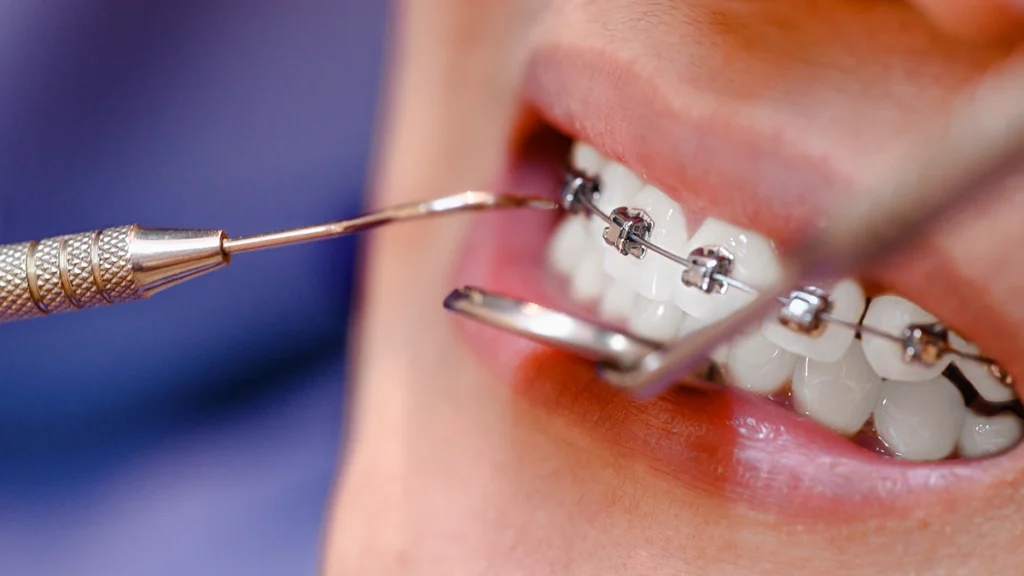
Each alignment concern requires an individual plan. Bite function, gum health, contact exposure, restorations, and personal goals guide the choice between aligners, braces, or no treatment.
Smile Confidence and Athletic Performance
A healthy smile may support comfort and self-assurance, but it cannot guarantee athletic success. Performance depends on training, skill, preparation, health, and teamwork.
Confidence Beyond the Playing Field
Athletes interact with teammates, supporters, and communities. Feeling comfortable while speaking and smiling may make those interactions easier, but photographs cannot measure confidence.
Public Speaking and Media Appearances
Interviews and press conferences place quarterbacks under close attention. Healthy teeth may reduce worries about pain or appearance, helping them focus on the conversation.
Personal Branding and Sponsorships
Elite players often appear in advertising campaigns. A recognizable smile can join a voice or celebration as part of a personal brand, but it does not prove cosmetic treatment.
The Value of a Healthy Smile
A valuable smile is comfortable, functional, and supported by healthy gums. Brightness may matter to some patients, but oral health should precede elective aesthetic improvements.
Read more: Why Dental Health Is Essential for Athletic Performance
Upload your photos and receive a free AI-powered preliminary analysis in minutes. No commitment required.
What Dentists Evaluate Before Improving a Smile
Smile improvement begins with assessment. Dentists examine appearance, health, and function before developing a personalized plan.
Tooth Alignment
The dentist reviews crowding, spacing, rotations, and tooth positions. Minor irregularities may offer several solutions, while complex movement may require comprehensive orthodontic treatment.
Bite Function
An attractive result should allow comfortable chewing and balanced tooth contact. Bite problems, jaw symptoms, or heavy wear may change the plan and rule out simple cosmetic fixes.
Tooth Color
Natural shade, staining, fillings, and crowns influence color planning. Because restorations do not whiten like natural teeth, existing dental work must guide treatment and shade selection.
Gum Health
Swollen, bleeding, or receding gums affect comfort and appearance. Dentists generally manage active disease and plaque control before beginning elective cosmetic or orthodontic care.
Personalized Smile Planning
A plan may involve prevention, whitening, orthodontics, restorations, or no intervention. It should reflect clinical findings and personal goals, not an attempt to copy Josh Allen’s smile.
Read more: What Can Invisalign Fix? Overbites, Crowded Teeth, Gaps, and More
Request pricing
By sending, you agree we may contact you on WhatsApp with pricing.
Got it! We’ll WhatsApp you the pricing shortly.
What Young Athletes Can Learn From Josh Allen
The lesson is not to pursue a celebrity’s appearance. Young athletes should adopt habits that protect their teeth and long-term health.
Protecting Teeth During Contact Sports
Contact sports carry a real risk of dental trauma. Athletes should wear a properly fitted mouthguard as advised and inspect it regularly for damage or poor fit.
Maintaining Daily Oral Hygiene
Brushing twice daily with fluoride toothpaste and cleaning between teeth control plaque. These habits remain important during travel and busy training weeks.
Wearing Protective Equipment
A mouthguard is one part of a wider safety system. Helmets, face protection, and mouthguards must fit correctly and suit the sport’s contact level.
Regular Preventive Dental Care
Young players should not wait for pain. Preventive visits identify decay, gum problems, tooth wear, and mouthguard issues, with guidance adapted to their dental development.
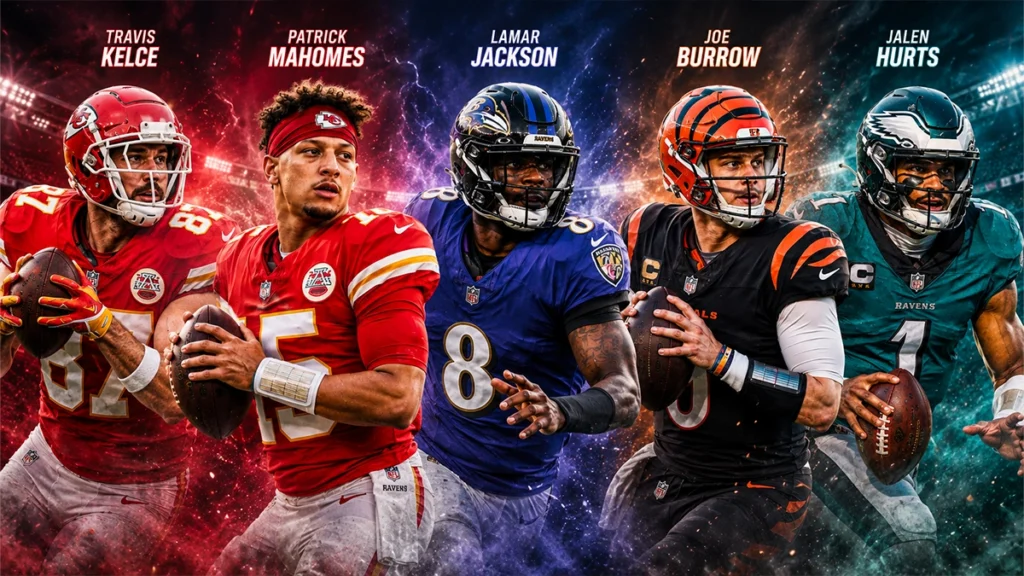
NFL Players Who Highlight the Importance of Oral Health
Several other high-profile NFL players attract attention for their smiles and public appearances. Their visibility creates natural opportunities to discuss confidence and oral health without making assumptions about private dental treatment.
Travis Kelce
Known for his expressive personality, Travis Kelce frequently smiles during interviews, celebrations, and entertainment appearances. This visibility has made his smile a recognizable part of his public image.
Patrick Mahomes
Regular appearances in interviews and advertising campaigns have made Patrick Mahomes familiar far beyond football. His public image demonstrates how closely fans may notice an athlete’s smile over time.
Lamar Jackson
During games and press conferences, cameras regularly focus on Lamar Jackson. These appearances can encourage conversations about mouthguards and preventive dental care without suggesting that he has undergone cosmetic treatment.
Joe Burrow
Fashion coverage and off-field media attention place Joe Burrow in the public eye throughout the year. As with Josh Allen’s smile, photographs may attract comparisons but cannot confirm a dental treatment history.
Jalen Hurts
Calm leadership and high-pressure interviews have helped shape Jalen Hurts’ recognizable public image. His visibility reinforces the value of confidence, oral comfort, and proper dental protection for professional athletes.
Final Perspective: A Healthy Smile Supports Confidence On and Off the Field
Interest in Josh Allen’s smile connects sports, health, and public image. The responsible conclusion emphasizes prevention without turning visual impressions into medical claims.
Oral Health Is Part of Athletic Well-Being
Healthy teeth and gums support eating, speaking, and daily comfort. Oral care belongs within an athlete’s wider health routine.
Prevention Protects Long-Term Dental Health
Mouthguards, hygiene, and examinations work together. They cannot remove every risk, but may reduce injuries and reveal manageable problems.
Confidence Begins With Healthy Teeth
Cosmetic changes are optional; health and function come first. Anyone wanting a brighter or straighter smile should start with an assessment and realistic expectations.
Professional Care Helps Maintain Every Smile
Dental advice remains personal for NFL quarterbacks and young players alike. A dentist can assess risks and recommend suitable care.
Which treatment are you interested in?
Frequently Asked Questions
No reliable public source confirms cosmetic dental treatment. Photographs alone cannot establish whether he has received veneers, whitening, orthodontics, or another procedure.
Publicly available information does not reliably confirm his consistent mouthguard use or the type. Football players can reduce dental injury risk with a properly fitted mouthguard.
Healthy teeth and gums support comfortable speaking, eating, and daily function while reducing avoidable pain or distraction during a demanding season.
Many can use clear aligners if clinically suitable. For contact sport, aligners should not replace a properly fitted sports mouthguard, and professional guidance is essential.
Many include preventive dental care in their health routines, although individual schedules remain private. Check-ups help identify problems before they become more disruptive.
Correcting alignment or bite concerns may improve confidence for some people. Results and emotional benefits vary, so treatment should reflect individual clinical needs and goals.
Years of photographs, changing lighting, natural aging, improved hygiene, and possible dental care can alter appearances. Images alone cannot identify the cause.
They can prioritize mouthguards, daily hygiene, preventive visits, and prompt injury care. These principles protect health without relying on assumptions about Allen’s personal treatment.