

Some medications can affect dental implant treatment by influencing bleeding, bone healing, immune response, or infection risk. However, this does not mean patients should stop prescribed medication before implant surgery. Blood thinners, bisphosphonates, long-term steroids, and immunosuppressive medications may require additional planning or medical coordination. Patients should give their dentist a complete medication history, including the drug name, dose, duration, and reason for use, before treatment begins.
Which Medications Can Affect Dental Implant Treatment?
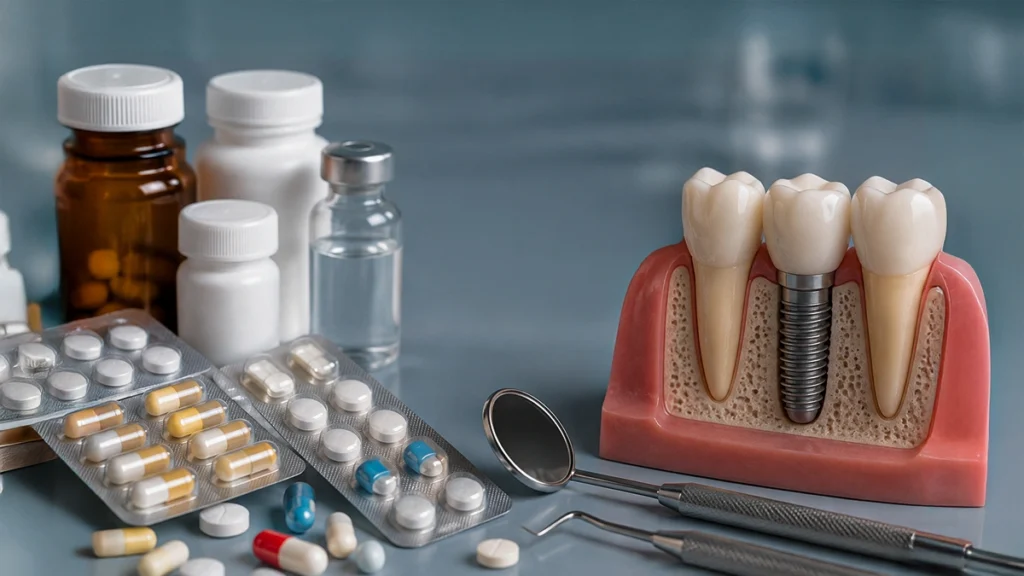
Several medication groups can affect dental implant planning, although taking one of them does not automatically make implant treatment unsafe. The main concerns involve controlling bleeding during surgery, allowing the bone and gums to heal properly, and assessing conditions or treatments that may increase the risk of infection or bone complications.
Blood thinners and antiplatelet medications mainly affect bleeding management. Bisphosphonates and other antiresorptive drugs require assessment because they change bone remodeling. Long-term corticosteroids, immunosuppressive medications, and some cancer treatments may also influence healing or immune response. What matters is not simply the medication name, but how and why the patient uses it.
Why Medication Type, Dose, and Duration Matter
Two patients taking medication from the same drug class may have very different treatment considerations. A short course at a low dose may have little relevance to implant surgery, while prolonged or higher-dose treatment can require closer evaluation.
Dentists also consider whether the medication is taken orally, injected, or given intravenously, as well as the condition being treated. Other medications and medical problems can change the overall risk, so implant planning should be based on the patient’s complete health history rather than a single drug.
Start a Conversation
Contact us through the communication method that suits you





Should You Stop Any Medication Before Dental Implant Surgery?
Patients should not stop, reduce, or change prescribed medication before dental implant surgery unless their prescribing clinician and implant dentist advise them to do so. In many cases, dental implant treatment can be planned safely while medication continues.
Stopping medication without medical guidance can create risks that are more serious than the dental procedure itself. Interrupting anticoagulant treatment may increase the risk of blood clots, while suddenly stopping long-term corticosteroids can cause withdrawal problems. Changing immunosuppressive therapy may also trigger an autoimmune flare or reduce control of the condition for which the medication was prescribed.
When Medication Planning May Need to Change
Medication-related planning does not always mean changing the drug itself. The dentist may adjust the timing or extent of surgery, use additional methods to control local bleeding, or consult the patient’s physician or specialist before treatment.
In some situations, an elective implant procedure may be delayed until a medical condition or treatment phase is more favorable. The decision depends on the individual risk rather than a universal stopping period.
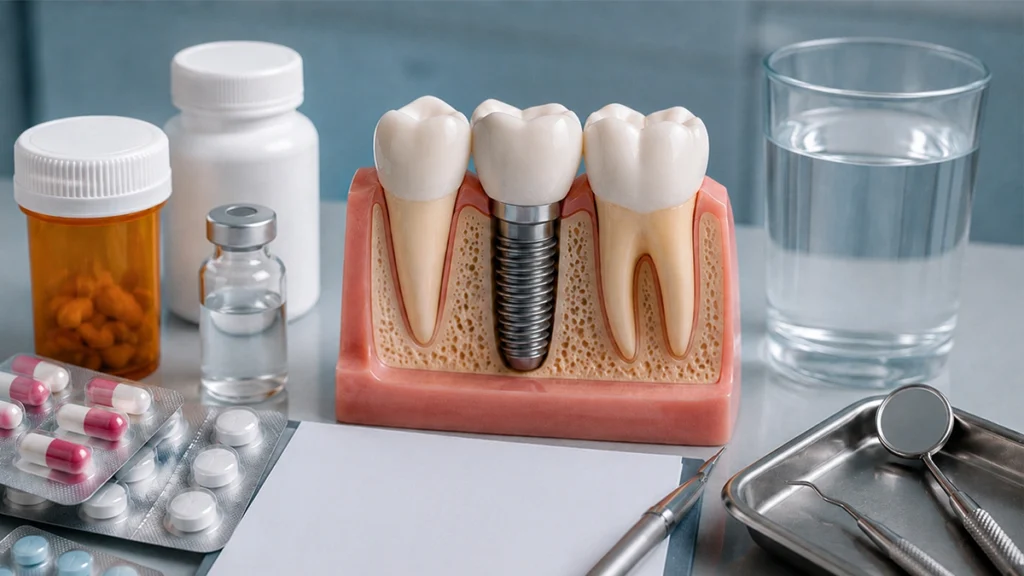
Can Blood Thinners, Bisphosphonates, Steroids, or Immunosuppressants Affect Dental Implants?
These medications can affect different parts of implant treatment, but dentists assess each group differently. Blood thinners mainly affect bleeding risk, while antiresorptive drugs, steroids, and immunosuppressants raise different concerns about bone or soft-tissue healing.
Blood Thinners
Patients who take blood thinners may experience more bleeding during or shortly after implant surgery, but these medications do not automatically prevent dental implant placement. In many cases, the dentist can control bleeding with careful surgical techniques and local measures.
Dentists must balance bleeding risk against the risk of harmful blood clots. Patients should therefore tell the dentist exactly which anticoagulant or antiplatelet drug they take and must never stop it on their own before surgery.
Bisphosphonates and Other Antiresorptive Drugs
Doctors commonly prescribe bisphosphonates and similar antiresorptive medications for osteoporosis and some cancer-related bone conditions. These drugs slow bone breakdown and can influence implant planning because invasive dental procedures carry a rare risk of medication-related osteonecrosis of the jaw, or MRONJ.
Risk varies from one patient to another. Someone taking antiresorptive medication for osteoporosis generally has a different risk profile from a patient receiving higher-dose therapy for cancer. The dentist considers the specific drug, treatment duration, route, and medical indication when planning implant surgery.
Taking bisphosphonates does not automatically rule out dental implants, but the dentist must assess each patient’s risk individually.
Long-Term Steroids and Immunosuppressants
Long-term systemic corticosteroids and other immunosuppressive medications may affect wound healing and the body’s ability to respond to infection. Their importance depends heavily on the dose, treatment duration, and underlying medical condition.
A patient taking a short steroid course therefore has a different risk profile from someone using these medications long term for an autoimmune or inflammatory disease. Dentists may also consider other medicines the patient takes and whether the underlying condition itself could affect healing.

What Factors Affect Dental Implant Success?
Medication is only one part of implant success. Healthy bone and gums provide the foundation for healing, while surgical planning determines whether the implant can be positioned and stabilized appropriately.
Lifestyle and long-term care matter as well. Smoking can interfere with healing, and poorly controlled systemic disease may increase complications. After treatment, oral hygiene, bite forces, and professional maintenance continue to influence the health of the tissues around the implant.
The Main Factors Dentists Evaluate
Dentists consider several factors before deciding whether an implant can be placed safely and predictably.
Bone and periodontal health: There must be enough healthy bone to support the implant. Active gum disease or infection also needs attention because healthy surrounding tissues are important for long-term implant support.
Healing and systemic health: Smoking can interfere with healing, while conditions such as diabetes require individual assessment based on how well they are controlled and the patient’s overall health.
Stability and bite forces: Good implant stability is especially important during early healing, when the implant is integrating with the bone. Bruxism can also place excessive pressure on the implant and final restoration.
Oral hygiene: Consistent brushing, interdental cleaning, and professional follow-up help protect the gums and bone around the implant after treatment.
Read more: How Long Do Dental Implants Last? Brands, Costs, and What Affects Longevity
Upload your photos and receive a free AI-powered preliminary analysis in minutes. No commitment required.
What Are the Most Common Causes of Dental Implant Failure?
A failed dental implant rarely has one universal explanation. The causes of dental implant failure differ according to when the problem develops, the condition of the surrounding tissues, mechanical forces, healing, and the patient’s overall risk profile. Medications and dental implants may also be relevant because some treatments can influence bone healing, immune response, bleeding, or infection risk.
Early vs Late Implant Failure
Early implant failure occurs before the implant has successfully integrated with the surrounding bone. Poor osseointegration, infection, inadequate stability, or excessive loading during the healing period can prevent the implant from establishing a strong foundation. Certain medical conditions and medications may also affect healing and should be considered during treatment planning.
Late failure develops after dental implants have already been functioning. Peri-implantitis and progressive bone loss are important causes, while poor maintenance or excessive bite forces can worsen long-term problems. Regular monitoring helps identify changes around the implant before extensive damage develops.
Read more: Smoking and Dental Implants: Healing, Failure Risk, and When to Quit
What Are the Signs of Dental Implant Failure?
Some discomfort and swelling are expected during the early healing period, so symptoms must be interpreted according to when they occur and whether they are improving. Signs of dental implant failure or another implant complication become more concerning when they persist, worsen, or appear after the area had previously been stable.
Symptoms that should prompt a dental evaluation include:
- Implant mobility: a dental implant itself should not feel loose once it has integrated.
- Persistent or increasing pain: discomfort that becomes worse instead of gradually improving needs assessment.
- Swelling, pus, or discharge: these can indicate infection or significant inflammation around the implant.
- Recurring bleeding or persistent gum inflammation: ongoing bleeding may signal disease in the tissues surrounding the implant.
- Gum recession or increasing difficulty chewing: visible tissue changes or altered function can indicate biological or mechanical problems.
These failed dental implant symptoms do not confirm failure on their own. The dentist may need a clinical examination, imaging, assessment of implant stability, and evaluation of the surrounding gum and bone before determining the cause.
Does Pain Always Mean an Implant Is Failing?
No. Some discomfort is normal during healing. Pain can also come from the gums, your bite, nearby teeth, or surrounding tissues.
Contact your implant dentist if the pain becomes stronger instead of improving, returns after the area had settled, or occurs with swelling, discharge, or implant mobility.
Read more: Can You Get Dental Implants with Gum Disease? What to Know Before Treatment
Request pricing
By sending, you agree we may contact you on WhatsApp with pricing.
Got it! We’ll WhatsApp you the pricing shortly.
How Can Patients Reduce the Risk of Dental Implant Failure?
Patients can reduce the risk of dental implant failure by preparing properly before surgery, following healing instructions, and maintaining good oral health over time.
Before treatment: Tell your dentist about your medical history and all medications you take. Discuss medications and dental implants before surgery because some drugs may affect bleeding, healing, or bone health. Your dentist should also treat active infections or gum disease and confirm that enough bone is available to support the implant.
During healing: Follow postoperative instructions, keep the area clean, and attend scheduled reviews. Contact your dental team if pain, swelling, bleeding, or discharge increases instead of gradually improving.
Long term: Control plaque around the implant, attend regular dental check-ups, and avoid smoking when possible. Patients who grind or clench their teeth may also need treatment to reduce excessive forces on the implant.
Successful dental implants depend on good surgery, healthy gums, proper oral hygiene, controlled risk factors, and regular professional care.
How Successful Are Dental Implants?
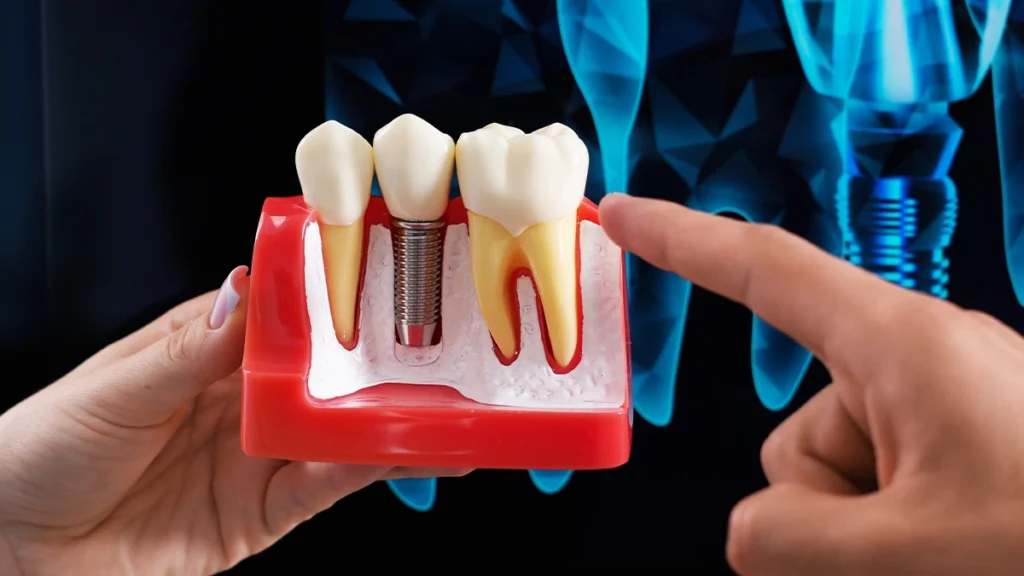
Dental implants generally have high long-term survival when patients are appropriately selected and treatment is carefully planned. However, there is no single percentage that accurately predicts the outcome for every person.
Results vary according to the implant site, available bone, general health, smoking, periodontal history, and long-term maintenance. A well-integrated implant can remain functional for many years, but it still requires routine cleaning and dental monitoring because the tissues around implants can develop disease.
Implant Survival vs Implant Success
Survival means the dental implant remains in place. By contrast, success considers whether it stays stable, healthy, functional, comfortable, and free from significant complications.
Long-term outcomes can vary with patient health, implant location, bone quality, smoking, periodontal history, and maintenance.
Can You Still Get Dental Implants If You Take Medication?
Yes, many people who take prescription medication can still receive dental implants. The important issue is whether the medication or the condition being treated changes the surgical, healing, bleeding, or infection risk enough to require additional planning.
Medication disclosure is more important than independently trying to stop medication. Give the dentist an accurate list of prescription drugs, over-the-counter medicines, injections, and relevant supplements, including the dose and reason for treatment. When necessary, the implant dentist can coordinate with the prescribing clinician before deciding how and when to proceed.
Which treatment are you interested in?
Frequently Asked Questions
Usually possible depending on the medication, medical condition, bleeding risk, and surgical procedure. Patients should never stop blood thinners without guidance from the clinician managing the medication.
They can affect treatment planning because of their effects on bone metabolism and MRONJ risk, but taking bisphosphonates does not automatically mean an implant will fail.
There is no universal stopping period. Patients should not arrange a medication holiday themselves. The dentist and prescribing clinician should assess the individual situation.
Long-term systemic steroid therapy may affect healing, immune response, and bone health. The clinical significance depends on dose, duration, underlying disease, and other medications.
Persistent pain, mobility, swelling, discharge, recurring bleeding, or worsening gum inflammation can signal a problem. Contact your dentist if you notice these symptoms, but remember that symptoms alone cannot confirm implant failure.
Several factors can contribute to implant failure, including poor bone healing, infection, insufficient stability, smoking, systemic health conditions, excessive loading, or peri-implant disease. In some cases, the dentist may not find one clear cause.