
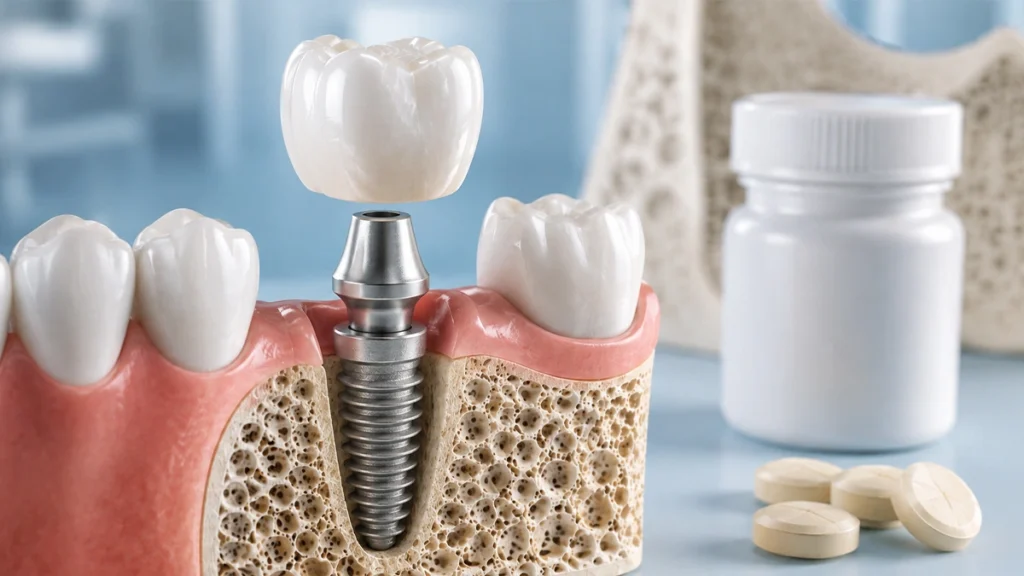
Osteoporosis affects bone strength, so it is understandable to wonder whether it can also affect dental treatment. In most cases, people with osteoporosis can safely receive dental crowns because the procedure restores an existing natural tooth and does not usually involve surgery in the jawbone. Osteoporosis medications also rarely prevent routine crown treatment, although additional planning may be necessary if the tooth requires extraction or another invasive procedure first.
Quick Answer: Can You Get Dental Crowns With Osteoporosis?
Yes. Most people with osteoporosis can safely receive dental crowns because crown treatment usually does not involve surgery in the jawbone. However, your dentist will review your medical history, medications, tooth condition, and overall oral health before treatment. If a tooth requires extraction or another surgical procedure before a crown can be placed, additional planning may be needed, especially for patients taking osteoporosis medications.
Can You Get Dental Crowns With Osteoporosis?
Osteoporosis usually does not prevent crown treatment. The main concern is whether the tooth has enough healthy structure and support to hold the crown.
Why Osteoporosis Does Not Usually Prevent Crown Treatment
A crown is placed over the visible part of a damaged tooth and normally does not involve the jawbone. Since osteoporosis mainly affects bone density, routine crown treatment is usually possible.
When Patients With Osteoporosis Are Good Candidates
Patients are often suitable candidates when the tooth has a stable root, enough remaining structure and healthy gums. Crowns may restore cracked, worn or root canal-treated teeth.
Why Individual Assessment Is Still Important
Every patient still needs an individual assessment. The dentist will check the tooth, gums, bite, infection risk and whether any additional treatment is needed first.
Start a Conversation
Contact us through the communication method that suits you





Does Osteoporosis Affect Dental Crown Treatment?
Osteoporosis usually has little effect on a standard crown procedure because the restoration is supported by the natural tooth. Bone health becomes more important when treatment includes extraction, bone grafting or implant placement.
Bone Health vs Tooth Structure
The success of a crown depends mainly on the amount of healthy tooth structure remaining, the condition of the root and the health of the surrounding gums. Osteoporosis affects the jawbone, but it does not usually weaken the tooth material being prepared for the crown in the same way.
Why Crowns Are Different From Dental Implants
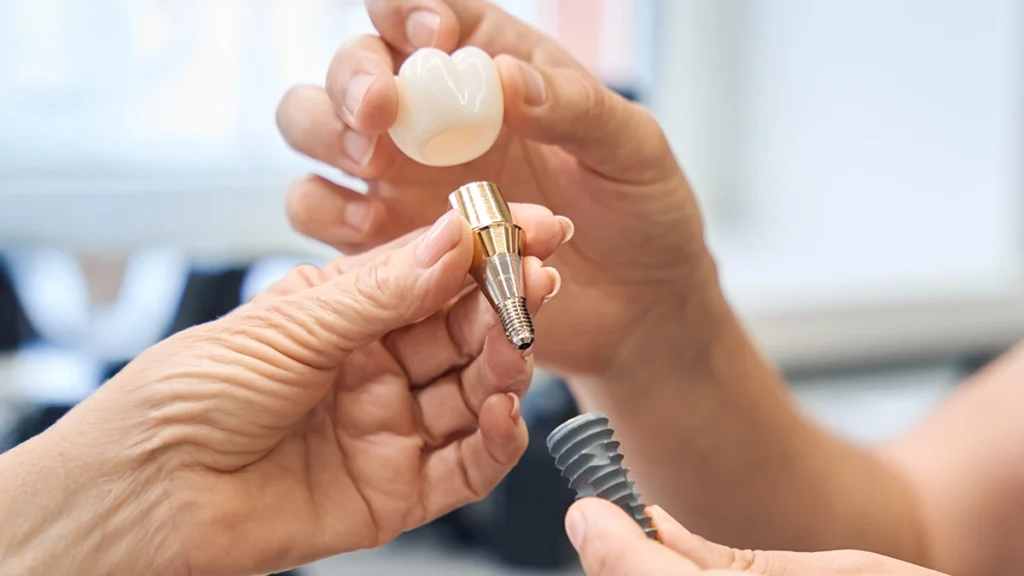
A conventional crown is bonded over a prepared natural tooth, while a dental implant is surgically inserted into the jawbone. Implant treatment therefore depends more directly on bone quality and healing, while a crown on a natural tooth normally avoids these concerns.
Restoring Damaged Teeth Without Jaw Surgery
When possible, saving a damaged tooth with a crown or root canal treatment may help avoid extraction and replacement. This conservative approach can be especially helpful for patients whose medications require additional consideration before procedures involving the jawbone.
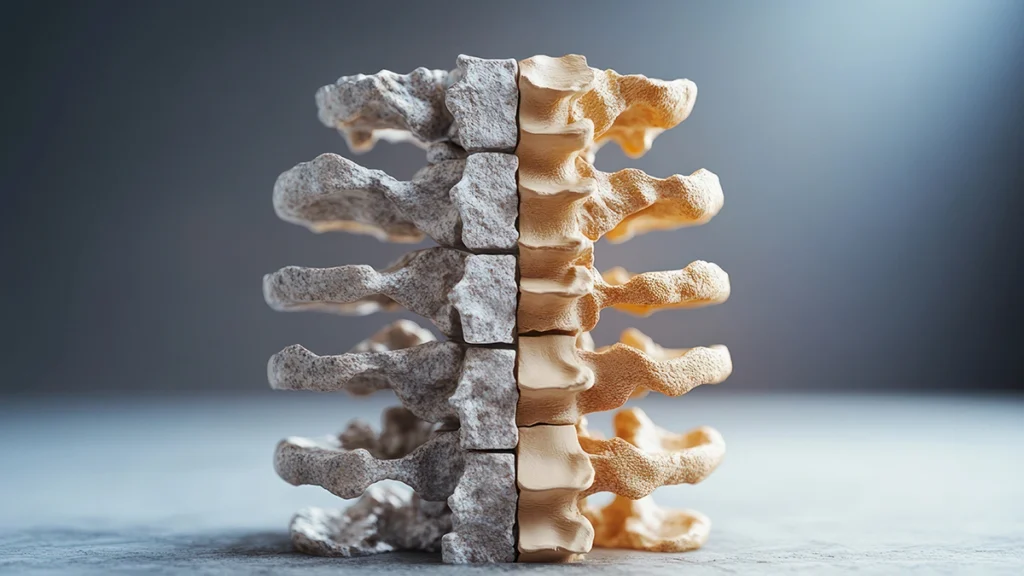
Osteoporosis and Dental Crowns: What Your Dentist Evaluates
Before recommending a crown, your dentist will check the tooth, gums, bite, oral health and medications to confirm that the restoration has a stable foundation.
Remaining Tooth Structure
The tooth needs enough healthy structure to hold the crown. If much of it is damaged, a core buildup may be needed first.
Gum Health
Healthy gums support a proper crown fit. Gum inflammation or periodontal disease may need treatment before placement.
Bite Function
Clenching, grinding or heavy bite pressure can place extra stress on the crown and the tooth underneath.
Overall Oral Health
Decay, gum disease and infection should be treated before crown placement to reduce future complications.
Medical History and Current Medications
Tell your dentist about all medications, injections, supplements and previous osteoporosis treatments, including the dose and duration.
Request pricing
By sending, you agree we may contact you on WhatsApp with pricing.
Got it! We’ll WhatsApp you the pricing shortly.
Crowns and Osteoporosis Medication: Does It Change the Procedure?
Osteoporosis medication usually does not change the steps of a routine crown procedure. It becomes more relevant when the tooth needs extraction, periodontal surgery, implant placement or another treatment involving bone healing.
Bisphosphonates
Bisphosphonates such as alendronate, risedronate, ibandronate and zoledronic acid reduce bone loss and help lower fracture risk. They are associated with a rare jaw complication called medication-related osteonecrosis of the jaw, but the concern is mainly connected with invasive procedures rather than standard crown preparation.
Denosumab (Prolia)
Denosumab is another medication used to reduce bone loss and fracture risk. It does not usually interfere with routine crown placement, although special planning may be needed if surgery is required. Patients should not stop or delay denosumab without guidance from the clinician who prescribed it.
Oral vs Intravenous Medications
The level of dental risk is not determined only by whether the medication is taken orally or given by injection. Dentists also consider the dose, frequency, duration of treatment, medical reason for use, overall health and the type of dental procedure being planned.
Why Medication History Matters
A complete medication history allows the dentist to identify whether the treatment is a simple restorative procedure or whether medical coordination may be appropriate. Patients should never stop osteoporosis medication or take a treatment break without discussing it with their physician.

When Additional Treatment May Be Needed Before a Crown
Some teeth need additional care before the dentist can place a crown. The dentist must remove active disease, manage infection, and confirm that the tooth has a reasonable long-term prognosis.
Tooth Decay Below the Gumline
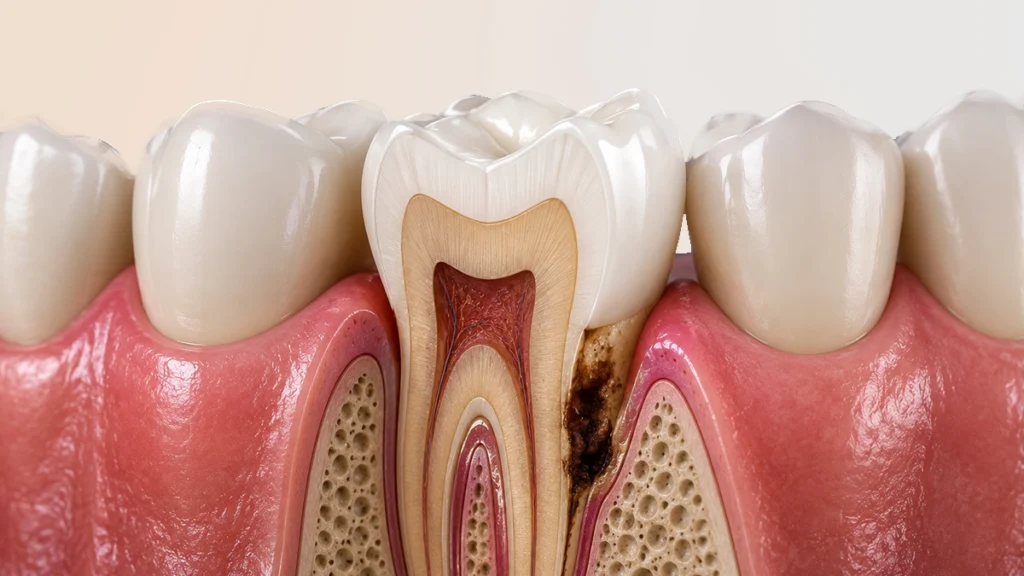
Decay that extends below the gumline can make it difficult to create a clean and well-sealed crown margin. The dentist will determine whether they can remove the decay and whether enough healthy tooth remains above or near the gumline to support the restoration.
Root Canal Treatment
The dentist may recommend root canal treatment if decay, trauma, or a crack affects the dental pulp inside the tooth. After treating the infected or damaged tissue, the dentist can often place a crown to protect the weakened tooth and restore its function.
Tooth Extraction Before Restoration
If a tooth has severe damage and cannot support a restoration, the dentist may recommend extraction instead of a crown. The dentist can then discuss replacement options such as a dental bridge, removable denture, or dental implant. Each option requires an individual evaluation.
When Surgery Changes the Treatment Plan
Extraction, implant placement, bone grafting, and some periodontal procedures involve direct contact with the jawbone. Dentists may therefore recommend a more detailed assessment or medical consultation for patients who take medications that affect bone turnover before proceeding with these treatments.
Upload your photos and receive a free AI-powered preliminary analysis in minutes. No commitment required.
Which Crown Materials Are Suitable for Patients With Osteoporosis?
Osteoporosis does not usually determine the crown material. The dentist chooses the most appropriate option based on the tooth’s location, appearance, bite forces, available space and remaining tooth structure.
Zirconia Crowns
Zirconia crowns are strong, tooth-coloured restorations that can tolerate considerable chewing pressure. They are commonly used for back teeth and may also be selected for visible areas depending on the appearance required.
E-max Crowns
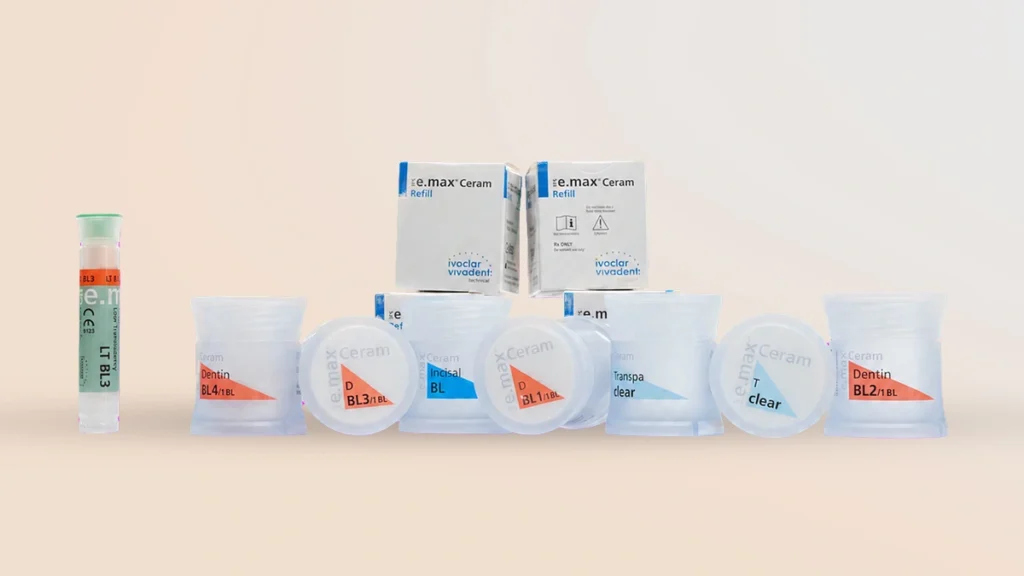
E-max crowns are made from a highly aesthetic ceramic material that can closely resemble natural enamel. They may be suitable for front teeth and other visible areas when the bite and available tooth structure allow.
Porcelain-Fused-to-Metal Crowns
Porcelain-fused-to-metal crowns have a metal base covered with tooth-coloured porcelain. They offer strength and a natural appearance, although the porcelain may chip over time and the metal edge may become visible if the gum recedes.
How Dentists Choose the Right Material
The dentist will consider tooth position, cosmetic expectations, grinding habits, bite strength and the amount of healthy tooth remaining. Osteoporosis alone rarely requires the use of a specific crown material.
Can Osteoporosis Affect the Lifespan of a Dental Crown?
Osteoporosis itself does not usually shorten the lifespan of a properly planned crown. Longevity depends more on the strength of the supporting tooth, bite pressure, oral hygiene and regular dental maintenance.
Tooth Strength
Even a strong crown depends on the natural tooth underneath it. Deep cracks, extensive decay, weak remaining structure or root problems may reduce the long-term prognosis of the restoration.
Bite Forces
Clenching, grinding and heavy chewing pressure can place repeated stress on the crown. A protective night guard may be recommended to reduce the risk of chipping, loosening or fracture.
Oral Hygiene
Plaque can collect around the edge of a crown and cause decay or gum inflammation. Brushing with fluoride toothpaste and cleaning between the teeth are important for protecting the crown margin and the remaining natural tooth.
Regular Dental Check-Ups
Routine dental examinations help the dentist check the crown, gums, and bite. The dentist can often identify and treat early signs of decay, looseness, or inflammation before they develop into more serious problems.
Read more: Bruxism and Dental Crowns: Which Crown Type Holds Up Best?
Restorative Dentistry for Patients With Osteoporosis
People with osteoporosis can usually receive fillings, crowns and root canal treatment safely. Conservative restorative care may also help preserve natural teeth and reduce the need for surgical treatment.
Conservative Treatment Whenever Possible
Dentists generally aim to remove only the damaged tissue required to control disease and create a stable restoration. Treating decay or cracks early may prevent the tooth from becoming too damaged to save.
Preserving Natural Teeth
When a tooth has a reasonable prognosis, restoring it can help maintain chewing function and avoid extraction. Preserving natural teeth may be especially valuable when limiting unnecessary jaw surgery is part of the treatment plan.
Long-Term Oral Health Planning
Regular dental visits, professional cleaning, good gum care and early treatment of decay can reduce the risk of infection and future complications. These preventive measures are important for maintaining oral health during osteoporosis treatment.
Read more: Composite Fillings vs Amalgam Fillings: Which Is Right for Your Tooth?
What Dentists Consider Before Recommending a Dental Crown
Dentists recommend a crown only after assessing the overall condition of the tooth and the patient’s health. They consider osteoporosis as part of the medical history, but it rarely serves as the only factor that influences treatment.
Tooth Condition
The dentist checks for decay, fractures, previous restorations, root problems, and the amount of healthy tooth remaining. They may also take dental X-rays to assess areas that they cannot see during the clinical examination.
Medical Conditions
Medical conditions affecting healing, immunity or infection risk may influence the treatment plan. Patients should provide a complete and accurate medical history before the crown procedure begins.
Current Medications
Your dentist should receive a full list of prescription medications, injections, over-the-counter products and supplements. Previous osteoporosis medications may also be relevant, even if they are no longer being taken.
Gum Health
Healthy gums support an accurate crown fit and help keep the restoration clean. The dentist may need to control gum disease before preparing the tooth or placing the permanent crown.
Long-Term Prognosis
A crown is most appropriate when the tooth has a reasonable chance of remaining comfortable and functional. If the prognosis is poor, the dentist may discuss a different restoration or tooth replacement option.
Upload your photos and receive a free AI-powered preliminary analysis in minutes. No commitment required.
Questions to Ask Before Getting a Dental Crown
Discussing your health and treatment openly can help you understand whether you can follow the standard crown procedure or whether your dentist needs to plan additional steps.
- Will osteoporosis affect my crown treatment?
- Should I tell my dentist about all current and previous medications?
- Does the tooth need root canal treatment before the crown?
- Is there enough healthy tooth structure to support a crown?
- Will any part of the treatment involve the jawbone?
- Which crown material is most suitable for the tooth?
- What can I do to improve the long-term success of the crown?
Why Personalized Treatment Planning Matters
The safest treatment plan considers the condition of the tooth, the patient’s medical history, current medications and whether the procedure will involve bone healing. This allows the dentist to recommend care that is both conservative and predictable.
Coordinating With Your Physician When Needed
You do not usually need a medical consultation for a straightforward crown. However, your dentist may recommend one if you need surgery or have a complex medication history. Your dentist and physician can coordinate your treatment, and you should not stop any medication unless your doctor advises you to do so.
Individual Risk Assessment
There is no single test that can predict every jaw-healing complication. Dentists therefore consider the medication type, treatment duration, gum health, active infection, medical conditions and extent of the planned procedure.
Modern Restorative Dentistry
Digital scans, modern bonding techniques and advanced ceramic materials allow dentists to create durable crowns while preserving more natural tooth structure. These developments can make treatment more accurate, comfortable and conservative.
Long-Term Follow-Up
Regular follow-up appointments help identify decay, gum inflammation, bite problems or crown damage early. Patients should contact their dentist if the crown becomes loose, painful, chipped or difficult to clean.
Which treatment are you interested in?
FAQ
Yes. Most patients with osteoporosis can safely get dental crowns because dentists usually restore an existing tooth without performing surgery on the jawbone.
Osteoporosis medications generally do not prevent routine crown treatment. Dentists need to consider them more carefully if you require an extraction, implant placement, or another invasive procedure.
Bisphosphonates mainly raise concerns when a procedure requires jawbone healing. Dentists can usually perform restorative treatments such as fillings, crowns, and conventional root canal treatment without major changes.
Yes. Zirconia crowns may suit patients with osteoporosis because they offer strength and durability. Dentists usually base the choice on the tooth’s location, bite forces, and remaining structure rather than osteoporosis alone.
Osteoporosis does not usually shorten the life of a dental crown. The condition of the supporting tooth, oral hygiene, bite pressure, and regular dental care have a greater effect on crown longevity.
Yes. Give your dentist a complete list of your current and previous medications, including tablets and injections, so your dentist can plan your treatment appropriately.
In most cases, dentists follow the same crown procedure. They may need additional planning only if your treatment includes an extraction, implant placement, or another procedure that affects the jawbone.
Yes. Dentists can usually provide fillings, crowns, and root canal treatment safely after reviewing your dental and medical health.