
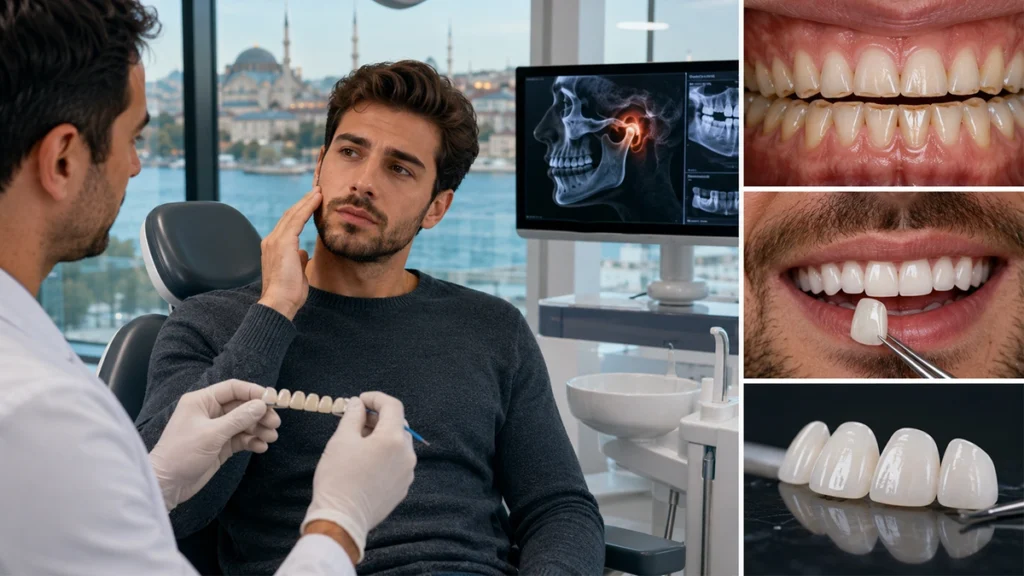
Many patients with jaw pain, teeth grinding, or bite problems wonder whether veneers are still possible.
The answer depends on how stable the bite is, how severe the grinding habit is, and whether the jaw joints (TMJ) are functioning properly. In some cases, veneers can be successful with careful planning, while in others, untreated bruxism or TMJ dysfunction may increase the risk of veneer damage or failure.
Quick Answer: Can TMJ or Bruxism Patients Get Veneers?
Yes, some patients with TMJ disorders or bruxism can still get veneers, but dentists usually evaluate bite alignment, grinding severity, jaw function, and tooth wear first. In many cases, treating bite instability or controlling grinding habits is important before starting veneers or a Hollywood smile treatment.
What Are TMJ Disorders and Bruxism?
TMJ disorders and bruxism are common conditions that can affect the success of cosmetic dental treatments, including veneers.
What Is TMJ?
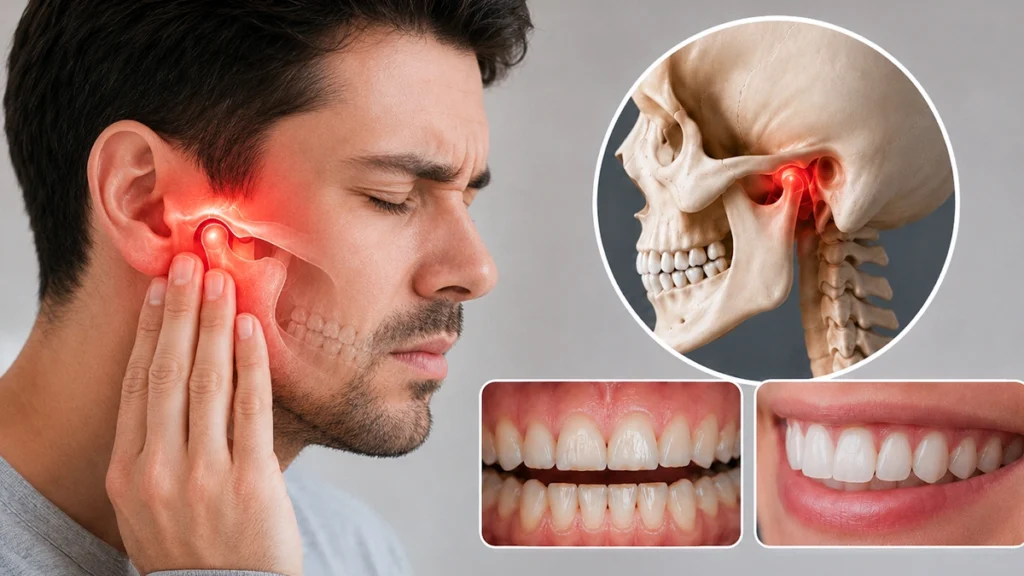
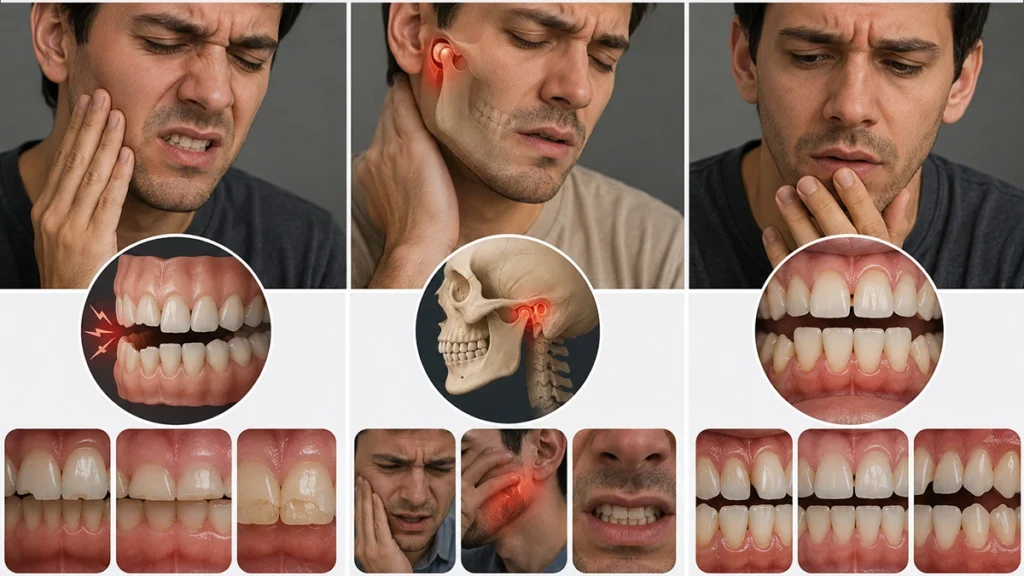
TMJ refers to the temporomandibular joint, which connects the lower jaw to the skull. This joint allows the mouth to open, close, chew, speak, and move side to side. When the joint, muscles, or bite system do not function properly, patients may experience symptoms known as TMJ disorders or temporomandibular dysfunction.
Common TMJ symptoms may include:
- Jaw pain or tenderness
- Clicking or popping sounds
- Difficulty opening the mouth fully
- Pain while chewing
- Headaches or facial muscle tension
- Ear-area discomfort without an ear infection
- Jaw locking or stiffness
Not every clicking jaw is a serious problem. Some patients have mild joint sounds without pain or functional limitation. However, active pain, restricted jaw movement, or unstable bite changes require careful evaluation before cosmetic dentistry.
What Is Bruxism?
Bruxism means teeth grinding or jaw clenching. It may happen during sleep, during periods of stress, or unconsciously during the day. Many patients do not know they grind their teeth until a dentist identifies signs of enamel wear, flattened tooth edges, cracks, muscle tension, or jaw soreness.
Bruxism can create strong forces on the teeth and restorations. These forces may be much higher than normal chewing pressure, which is why veneers in bruxism patients require extra planning.
Why Many Patients Do Not Realize They Grind Their Teeth
Bruxism often happens during sleep, so patients may not notice it directly. Instead, they may wake up with jaw tightness, headaches, sensitive teeth, or tired facial muscles. In some cases, a partner may hear grinding sounds at night. In other cases, the dentist is the first person to recognize the condition during an examination.
Why Bite Stability Matters Before Veneers
Veneers are thin restorations placed on the front surface of the teeth to improve color, shape, length, and smile symmetry. Although they are often discussed as cosmetic treatments, they still need to function safely within the patient’s bite.
Veneers Depend on Balanced Bite Forces
A stable bite allows chewing forces to be distributed more evenly across the teeth. When the bite is balanced, veneers are less likely to experience excessive pressure in one area. This is especially important for patients with bruxism, TMJ symptoms, tooth wear, or bite problems.
Uneven Pressure Can Damage Veneers
If one veneer receives too much pressure during biting, chewing, or grinding, it may be more likely to chip, crack, loosen, or wear down. Problems may occur if the patient has:
- Uneven bite contact
- Deep bite
- Crossbite
- Severe crowding
- Edge-to-edge bite
- Tooth grinding
- Jaw clenching
- Unstable jaw movement
For this reason, dentists do not only look at tooth color and shape before veneers. They also evaluate how the upper and lower teeth meet.
Tooth Alignment and Jaw Function Relationship
Tooth alignment affects how the jaw moves. When teeth are misaligned, the jaw may shift during closing or chewing. Over time, this may contribute to muscle tension, tooth wear, or joint discomfort in some patients.
Why Cosmetic Dentistry Requires Functional Stability
A beautiful smile should also be functional. If veneers are placed on teeth without considering bite balance, the result may look good at first but fail earlier than expected. Functional planning helps protect both the veneers and the natural teeth underneath.
Can TMJ Patients Have Veneers?
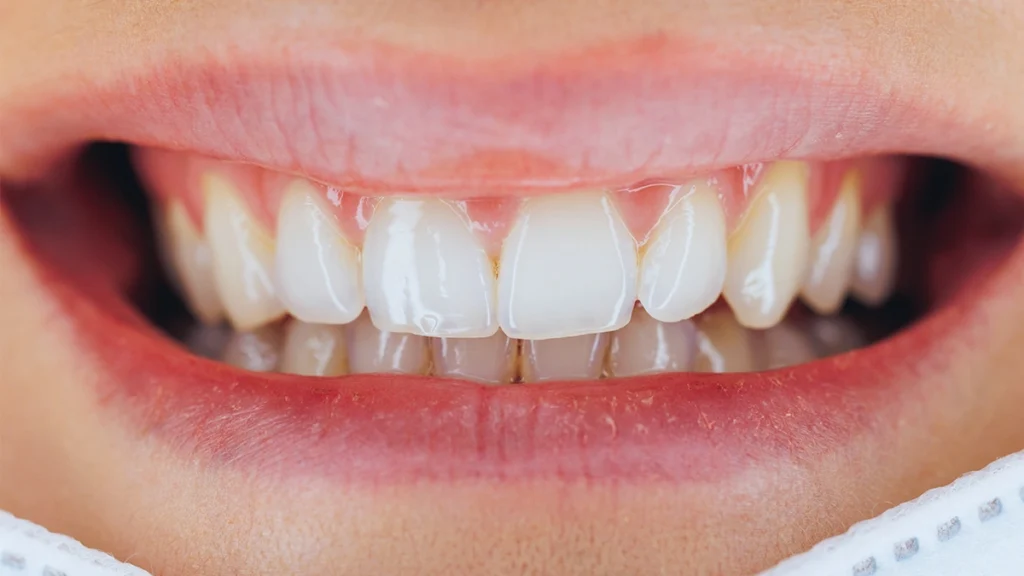
Some TMJ patients can have veneers, but the decision depends on the severity and stability of the condition.
When Veneers May Still Be Possible
Veneers may be possible when TMJ symptoms are mild, controlled, or not related to active bite instability. For example, a patient with occasional jaw clicking but no pain, no restricted movement, and a stable bite may still be a candidate after examination.
Veneers may also be considered if:
- Jaw opening is normal
- There is no severe joint pain
- Bite contacts are stable
- Tooth wear is not advanced
- Muscle tension is controlled
- The patient understands the need for protection
In these cases, the dentist may proceed with cosmetic planning while taking precautions to reduce stress on the veneers.
When TMJ Problems Need Treatment First
TMJ problems may need treatment before veneers if the patient has active or severe symptoms. These may include:
- Severe jaw pain
- Limited mouth opening
- Jaw locking
- Pain during chewing
- Unstable bite changes
- Strong muscle spasms
- Significant facial pain
- Ongoing inflammation or dysfunction
In such cases, veneers should usually be delayed until the jaw condition is better understood and stabilized.
Why Untreated TMJ May Affect Veneer Longevity
If the jaw joint does not move properly or the bite is unstable, veneers may be exposed to abnormal pressure. This can reduce their longevity and increase the risk of complications. Veneers can improve the appearance of teeth, but they do not correct the underlying joint problem.
Read more: What Are Dental Veneers? Types, Uses, and Who They Are For
Can Bruxism Patients Have Veneers?
Bruxism patients may be able to have veneers, but the grinding habit must be evaluated carefully. The stronger and more frequent the grinding, the higher the risk for veneers.
How Teeth Grinding Affects Veneers
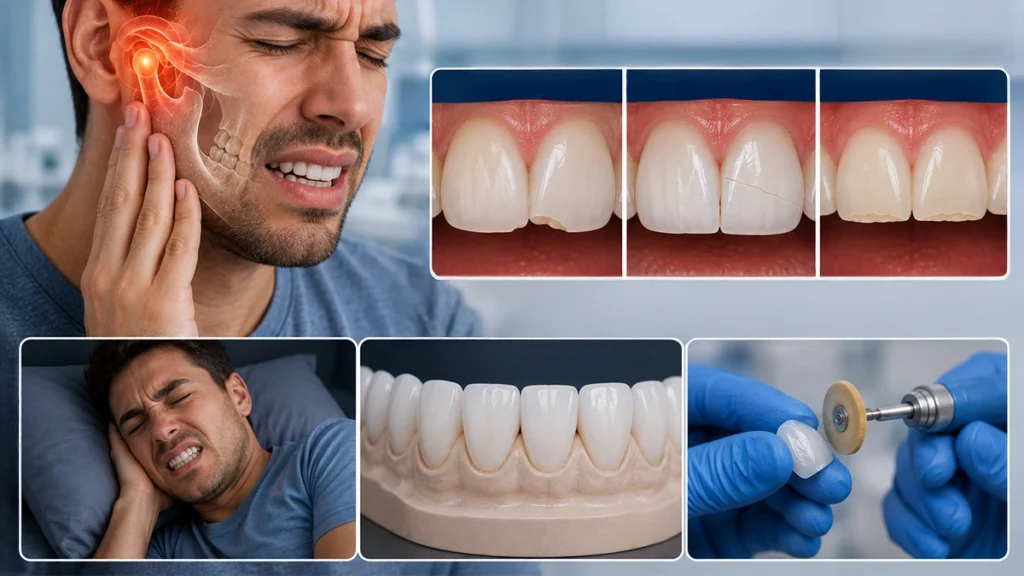
Teeth grinding can damage natural teeth and dental restorations. Veneers may be affected by:
- Chipping at the edges
- Small fractures
- Surface wear
- Debonding or loosening
- Pressure cracks
- Shortened restoration lifespan
Grinding pressure is especially risky during sleep because patients cannot consciously control it.
Signs of Bruxism Dentists Look For
Before planning veneers, dentists often look for signs such as:
- Flattened tooth edges
- Enamel wear
- Cracks or craze lines
- Gum recession related to pressure
- Sensitive teeth
- Enlarged jaw muscles
- Morning jaw soreness
- Headaches
- Broken fillings or restorations
These signs help the dentist estimate how much force the teeth and veneers may be exposed to.
Why Night Grinding Can Damage Smile Makeovers
A Hollywood smile or veneer treatment changes the visible teeth, but if night grinding continues without protection, the new restorations may be damaged. This is why many bruxism patients need a night guard after veneers.
Problems With Teeth Alignment Before Veneers
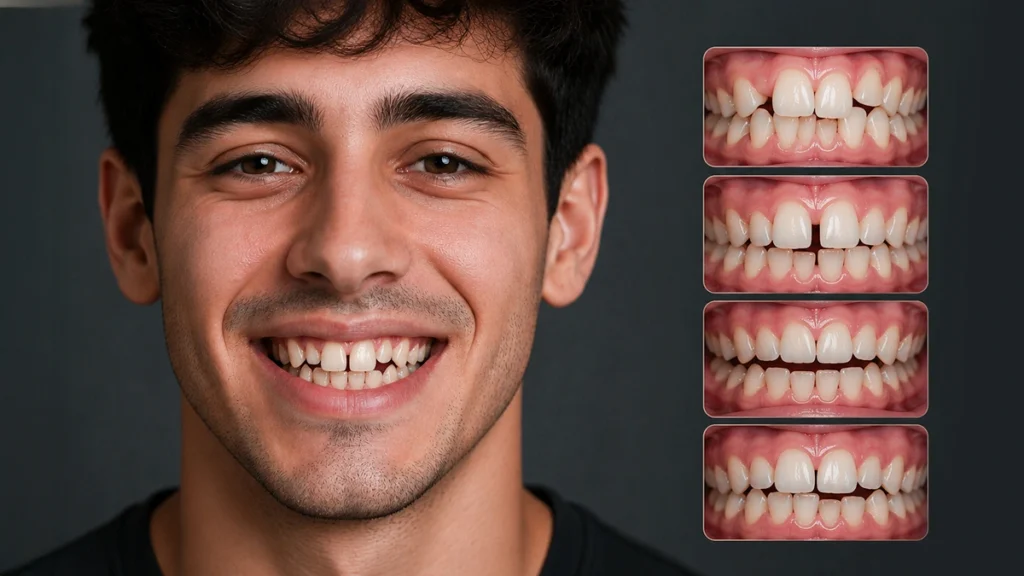
Tooth alignment is an important part of veneer planning. Some mild alignment problems can be improved with veneers, but severe bite problems may need orthodontic treatment first.
Mild Alignment Issues vs Severe Bite Problems
Veneers can sometimes improve the appearance of mildly rotated, uneven, small, or spaced teeth. However, veneers are not a replacement for orthodontics in all cases.
Mild cosmetic concerns may include:
- Small gaps
- Slight rotations
- Minor uneven edges
- Mild tooth size differences
More serious bite issues may include:
- Deep overbite
- Crossbite
- Severe crowding
- Open bite
- Edge-to-edge bite
- Major jaw misalignment
Severe problems may place excessive pressure on veneers if not corrected.
Crossbite, Overbite, and Uneven Pressure
A crossbite or deep overbite can create uneven forces during chewing and jaw movement. If veneers are placed without correcting or managing these forces, the restorations may be more likely to fracture or wear.
Why Orthodontic Treatment May Sometimes Be Recommended First
In some patients, orthodontic treatment may be recommended before veneers to improve tooth position and bite stability. This can reduce the need for aggressive tooth preparation and improve the long-term safety of the cosmetic result.
Veneers vs Orthodontics — Which Comes First?
If the main issue is tooth color, shape, or minor spacing, veneers may be suitable. If the main issue is tooth position or bite instability, orthodontics may need to come first. In complex cases, orthodontics and veneers may be combined in a staged treatment plan.
How Dentists Evaluate Veneer Candidates With TMJ or Bruxism
Patients with TMJ symptoms or bruxism need a more detailed evaluation before veneers.
Bite Analysis and Occlusion Check
The dentist checks how the upper and lower teeth contact each other. This includes bite pressure, chewing movement, side movements, and areas of premature contact.
Jaw Joint Examination
The jaw joints may be examined for clicking, tenderness, pain, deviation, locking, or limited movement. This helps determine whether the TMJ condition is stable or active.
Muscle Tension Evaluation
Bruxism and TMJ disorders often involve the chewing muscles. The dentist may check for muscle tenderness, tightness, enlargement, or pain during jaw movement.
Tooth Wear Assessment
Tooth wear patterns can reveal whether the patient grinds or clenches. The dentist may examine enamel loss, edge flattening, cracks, shortened teeth, and previous restoration damage.
Why Digital Smile Planning Includes Bite Evaluation
Digital smile planning is not only about designing the appearance of the smile. In well-planned cases, it also helps dentists consider tooth proportions, bite contact, jaw movement, and restoration thickness. This is especially important for patients with bruxism, TMJ symptoms, or bite problems.
Read more: Veneers and Medical Conditions in Turkey 2026: Safety, Risks & Dentist Guide
Veneers and Hollywood Smile Treatment in Istanbul
Many international patients travel to Turkey, especially Istanbul, for veneers or Hollywood smile treatment. In 2026, patients with TMJ disorders, bruxism, or bite instability should not choose treatment based only on smile design or cost. While aesthetic design is important, functional planning is essential before veneers are placed.
Why Functional Planning Matters in Smile Design
A Hollywood smile should not be planned only according to tooth color and shape. The dentist should also evaluate how the teeth function during biting and chewing. This is especially important when multiple veneers or full smile makeovers are planned.
Combining Aesthetics With Bite Protection
For bruxism patients, treatment may include both cosmetic restorations and protective measures. These may include night guards, conservative veneer design, careful material selection, and occlusal adjustment where appropriate.
Why Some Cases Need Multi-Step Planning
Some patients may not be ready for veneers immediately. Treatment may need to be staged, especially if there is active grinding, severe wear, jaw pain, or bite instability. A multi-step plan may include bite stabilization, orthodontics, temporary restorations, night guard planning, and final veneers.
Why Veneers Alone Do Not Fix TMJ Disorders
Veneers are cosmetic restorations. They can improve the appearance of teeth, but they do not directly treat TMJ disorders. If jaw pain, joint dysfunction, or muscle problems are present, these issues should be evaluated separately.
Read more: What Is a Hollywood Smile? Understanding Veneers, Crowns, Implants, Gum Contouring, and Whitening
Request pricing
By sending, you agree we may contact you on WhatsApp with pricing.
Got it! We’ll WhatsApp you the pricing shortly.
What Precautions Are Used for Bruxism Patients?
Bruxism does not always prevent veneer treatment, but it usually requires extra precautions.
Night Guards After Veneers
A custom night guard is often recommended for patients who grind or clench their teeth. It helps reduce direct pressure on veneers during sleep and may lower the risk of chipping or fracture.
Conservative Veneer Design
The dentist may design veneers with stronger edges, smoother bite contacts, and less risky shapes. Extremely long or thin veneer edges may be avoided in patients with heavy grinding.
Material Selection for Durability
Material choice depends on the patient’s bite, tooth condition, aesthetic goals, and grinding severity. Porcelain veneers may provide excellent aesthetics, but stronger ceramic options may be considered when bite forces are high. In some cases, what patients call “zirconium veneers” may actually refer to zirconia-based crowns or restorations, which may require different tooth preparation.
Veneer Materials and Bruxism Considerations
| Veneer Type | Durability | Bruxism Suitability |
| Porcelain Veneers | High aesthetics and good durability | May be suitable in mild or controlled bruxism with protection |
| Zirconium / Zirconia Restorations | Higher strength, often used for stronger bite demands | May be considered for stronger bite forces, depending on case design |
| Composite Veneers | Lower durability and more prone to staining or wear | Usually less ideal for moderate to severe bruxism |
Material alone does not guarantee success. Bite stability, restoration design, bonding quality, and night guard use are also important.
Start a Conversation
Contact us through the communication method that suits you





When Veneers May Need to Be Delayed
Veneers may need to be postponed if there is a high risk of failure or worsening symptoms.
Severe Active Bruxism
Patients with severe active grinding may need bruxism management before veneers. Otherwise, the restorations may chip, crack, or wear quickly.
Untreated TMJ Dysfunction
If the patient has active jaw pain, locking, limited opening, or unstable joint symptoms, TMJ evaluation should come before cosmetic treatment.
Major Bite Instability
If the bite is unstable or forces are uneven, veneers may be placed under excessive stress. Orthodontics, bite adjustment, or other functional treatments may be needed first.
Why Stabilizing the Bite First Improves Results
A stable bite protects both natural teeth and restorations. When the jaw, muscles, and tooth contacts are working more harmoniously, veneers have a better chance of lasting longer and functioning comfortably.
People Also Ask About TMJ, Bruxism, and Veneers
Can patients with TMJ get veneers?
Can veneers break from bruxism?
Are veneers safe for teeth grinders?
Should TMJ be treated before veneers?
Can veneers correct bite problems?
Final Insight — Veneers Need Functional Stability, Not Just Aesthetics
Veneers can be a successful option for some patients with TMJ symptoms or bruxism, but they require careful diagnosis and planning. Bite balance affects veneer longevity, bruxism increases pressure on restorations, and TMJ stability matters before cosmetic dental work.
For patients considering veneers or Hollywood smile treatment in Turkey, the safest approach is not to focus only on tooth color and smile design. A complete examination should include bite analysis, jaw joint assessment, muscle evaluation, tooth wear inspection, and a realistic treatment plan.
When the bite is stable, grinding is controlled, and restorations are properly protected, veneers may provide both aesthetic improvement and long-term functional comfort. When these factors are ignored, the risk of veneer damage or failure becomes significantly higher.
Which treatment are you interested in?
FAQ
Yes, in some cases. Patients with stable jaw function and mild symptoms may still be candidates for veneers after a dental evaluation.
Yes. Strong grinding pressure can damage veneers over time, especially if the patient does not use a protective night guard.
Usually yes, especially in moderate or severe grinding cases. Controlling bruxism helps protect veneers and natural teeth.
Zirconia-based restorations may offer greater strength in some cases, but they are not automatically the best option for every patient. Material choice depends on bite force, tooth structure, aesthetic goals, and clinical evaluation.
No. Veneers are cosmetic restorations and do not directly treat TMJ disorders. Jaw pain, joint dysfunction, or bite instability should be evaluated separately before cosmetic treatment.