
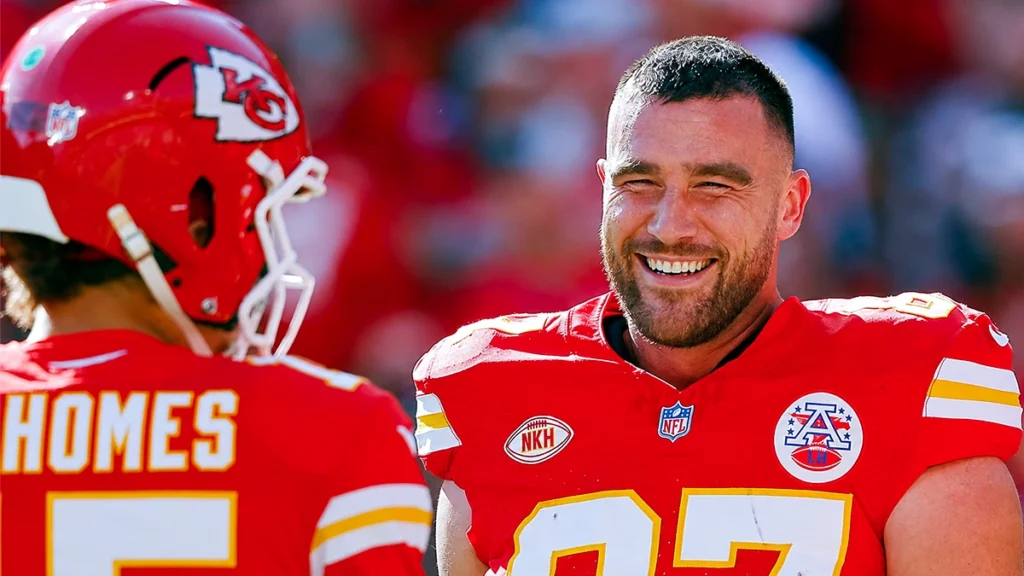
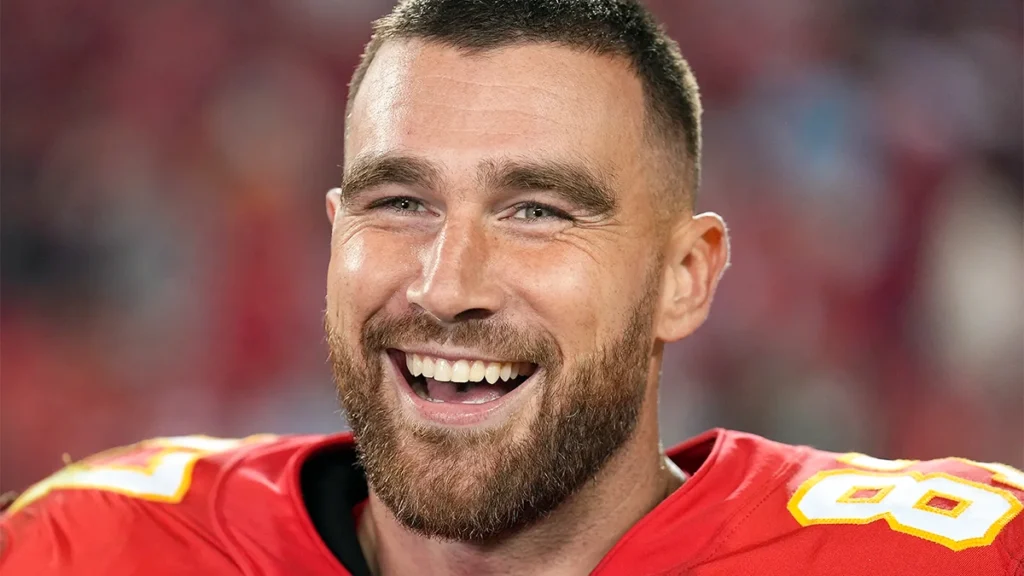
Travis Kelce is known not only for his performance on the football field but also for his confident personality and recognizable smile. As one of the NFL’s most visible players, his appearance naturally attracts attention from fans. However, there is no confirmed public information showing that Kelce has undergone Invisalign, braces, or another specific cosmetic dental treatment. Instead, his smile provides a useful opportunity to discuss why oral health, dental protection, and smile confidence matter for professional athletes.
Quick Answer: Why Do Fans Notice Travis Kelce’s Smile?
Travis Kelce’s smile is often visible during interviews, celebrations, podcasts, and public appearances. Over time, it has become part of the image fans associate with him. However, photographs cannot confirm someone’s dental history. For professional athletes, healthy teeth and proper protection matter more than appearance alone.
Why Fans Search for Travis Kelce’s Smile
Kelce’s visibility extends far beyond football. It is natural that fans notice features such as his smile.
One of the NFL’s Most Recognizable Personalities
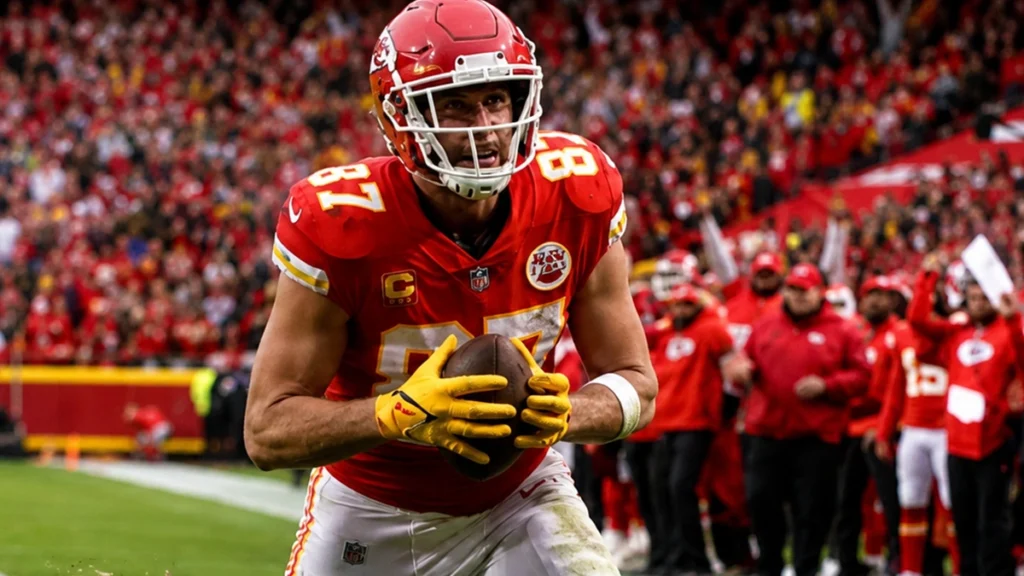
Kelce appears regularly in games, interviews, podcasts, advertisements, and public events. His strong media presence makes his smile familiar to a wide audience.
How His Smile Became Part of His Public Image
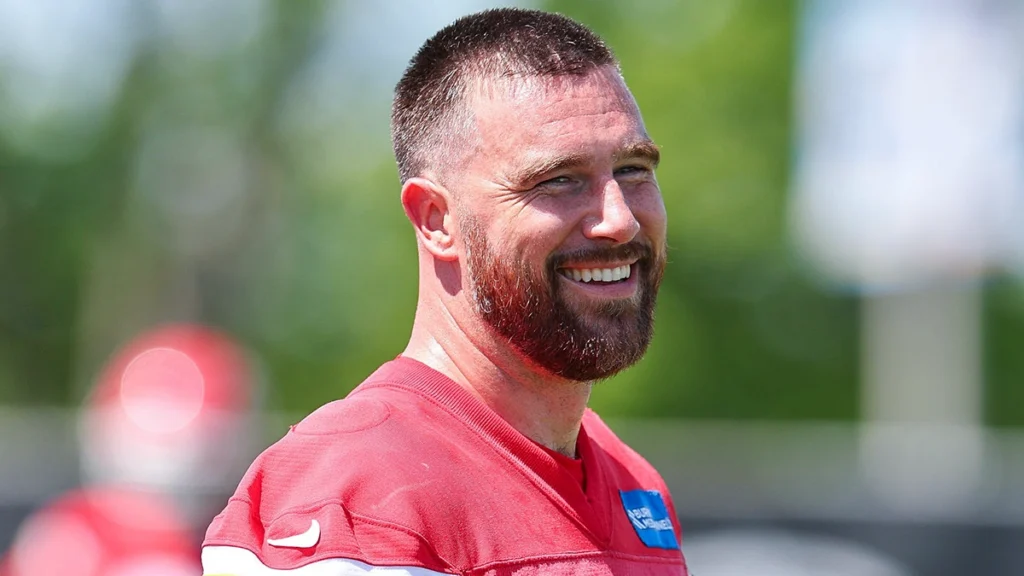
Kelce is often photographed laughing, celebrating, or speaking directly to cameras. This makes his teeth especially noticeable. Still, visibility does not confirm any specific dental treatment.
Why Athletes’ Smiles Attract Public Attention
Professional athletes are also media personalities and brand ambassadors. Their appearance receives attention both during and outside competition. Teeth and smile alignment can easily become part of that discussion.
Start a Conversation
Contact us through the communication method that suits you





Why Oral Health Matters for NFL Players
Football exposes the teeth and jaws to repeated physical contact. Preventive dental care is therefore especially important during the season.
High-Impact Contact Sports and Dental Injuries
Tackles, falls, and collisions can damage the teeth. Injuries may include chips, fractures, displacement, or even tooth loss. Proper protection can reduce some of these risks.
Nutrition and Recovery Throughout the Season
Athletes rely on consistent nutrition during training and recovery. Tooth pain or difficulty chewing can make eating uncomfortable. Dental problems can also become an unwanted distraction during the season.
Communication on the Field
Football requires constant communication between teammates. Players need to call plays and make quick adjustments. Dental pain or jaw discomfort may make this more difficult.
Long-Term Oral Health for Professional Athletes
An NFL career may last only part of a person’s life. Natural teeth, however, need to remain healthy for decades. Preventive care can support oral health long after professional competition ends.
Can NFL Players Benefit From Orthodontic Treatment?
Orthodontics is not only about creating straighter-looking teeth. Treatment may also support bite function, easier cleaning, and long-term oral health.
Why Smile Alignment Matters Beyond Appearance
Crowded or overlapping teeth can be harder to clean properly. Improving alignment may make brushing and flossing easier. It can also create a more balanced smile.
Orthodontics and Bite Function
Orthodontists examine how the upper and lower teeth meet. They may check for overbite, underbite, crossbite, or open bite. These concerns should be evaluated individually.
Healthy Teeth Support Long-Term Oral Health
Healthy gums and good oral hygiene are important during orthodontic treatment. Moving the teeth does not replace regular dental care or routine check-ups.
Orthodontic Evaluation for Athletes
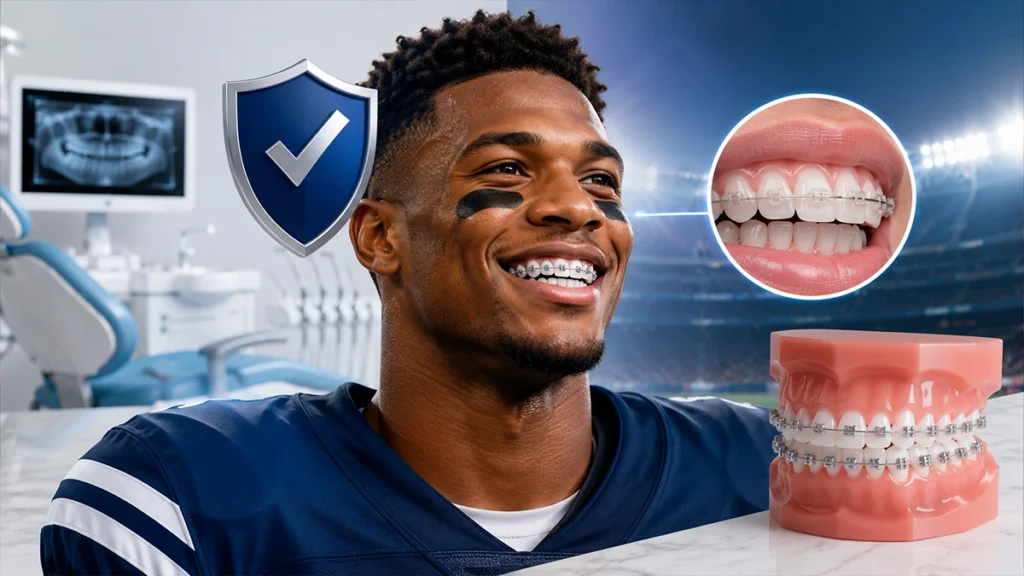
Athletes may need treatment plans that consider training, travel, contact sports, and protective equipment. A professional evaluation helps determine whether braces, Invisalign, or another approach is suitable.
Read more: What Is Orthodontic Treatment? Types, Benefits, Costs, and How It Works
Invisalign and Professional Athletes
Clear aligners offer discreet orthodontic treatment for adults, but they are not suitable for every case. Interest in the Travis Kelce smile highlights how a confident smile attracts attention, especially among professional athletes.
Why Athletes Choose Clear Aligners
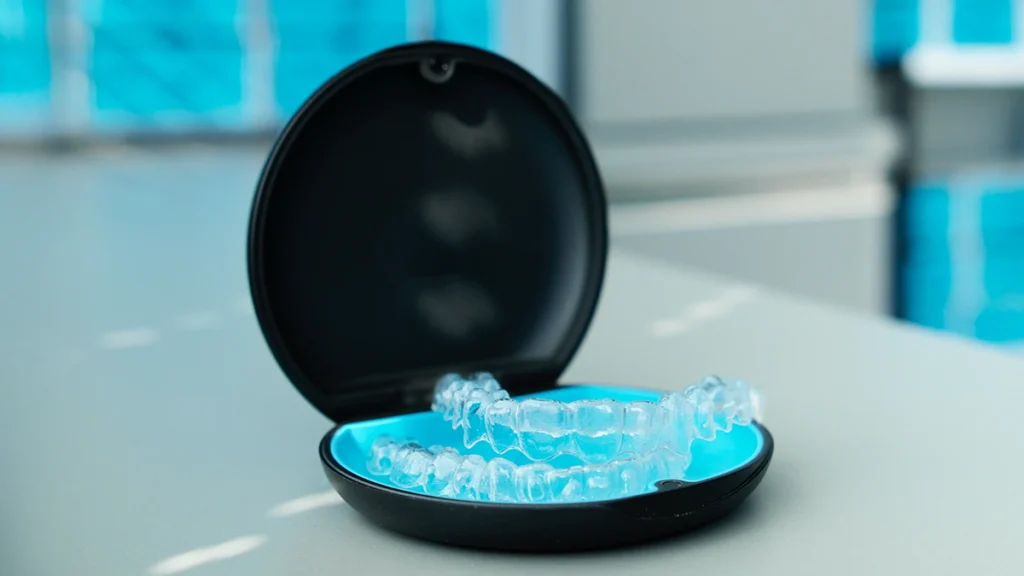
Clear aligners are removable and less noticeable than traditional braces. This can make them easier to manage around interviews, travel, training schedules, and public appearances.
Invisalign vs Traditional Braces for Adults
Invisalign uses removable aligners to move the teeth. Traditional braces use fixed brackets and wires. The better option depends on the bite, treatment goals, and complexity of the case.
Can Athletes Train While Wearing Invisalign?
Most athletes can continue normal training during clear aligner treatment. Clear aligners do not replace a sports mouthguard during contact sports. Athletes should follow professional advice about protection.
Maintaining Treatment During a Competitive Season
Athletes still need to follow the recommended aligner schedule. Meals, practices, travel, and competitions can make this more challenging. Consistency is important for treatment to progress as planned.
Read more: What Can Invisalign Fix? Overbites, Crowded Teeth, Gaps, and More
Request pricing
By sending, you agree we may contact you on WhatsApp with pricing.
Got it! We’ll WhatsApp you the pricing shortly.
How NFL Players Protect Their Teeth During Every Season
Good dental protection starts before an injury occurs. Athletes need appropriate equipment, preventive care, and quick treatment when problems happen.
Custom Sports Mouthguards
A custom sports mouthguard is shaped around the athlete’s teeth. This can provide a secure and comfortable fit during contact sports. It also helps create a protective barrier around the teeth.
Preventing Dental Trauma
No mouthguard can prevent every dental injury. However, proper protection can reduce the severity of many impacts involving the mouth and teeth.
Regular Dental Check-Ups
Routine examinations help dentists detect problems early. These may include cavities, gum problems, or damaged restorations. Early care can prevent an issue from becoming an emergency during the season.
Early Treatment for Dental Injuries
Dental injuries should be assessed, especially when they involve:
- A broken or chipped tooth
- A loose or displaced tooth
- A knocked-out tooth
- Significant bleeding or trauma to the mouth
Professional attention can improve the chances of preserving the tooth and reducing complications, depending on the type and severity of the injury.
Upload your photos and receive a free AI-powered preliminary analysis in minutes. No commitment required.
Smile Confidence and Athletic Performance
A healthy smile doesn’t directly affect athletic performance, but it can boost confidence for public-facing athletes. Interest in the Travis Kelce smile shows how closely fans notice athletes’ appearance on and off the field.
Confidence During Interviews
Professional players often speak to reporters immediately after games. Feeling comfortable with their teeth can make smiling and speaking feel more natural.
Personal Branding and Sponsorships
For high-profile athletes, public image often extends into advertising and sponsorships. A healthy smile may become one part of how they present themselves.
Public Appearances Beyond the Game
NFL players often attend charity events, television programs, and award ceremonies. Their smiles remain visible even when they are away from the stadium.
Why a Healthy Smile Supports Athlete Confidence
Confidence cannot be judged by how straight someone’s teeth look. Still, healthy and comfortable teeth can make everyday communication easier.
How Dentists Evaluate Smile Alignment
A professional smile assessment involves more than looking at photographs. Dentists and orthodontists examine alignment, bite, and facial balance before recommending treatment.
Tooth Alignment
Dentists and orthodontists check crowding, gaps, rotations, and dental midlines. They also look at the overall position of the teeth.
Bite Relationship
Teeth can look straight while a bite problem is still present. Overbite, underbite, crossbite, and open bite may all require closer evaluation.
Facial Balance
Smile planning also considers the lips and surrounding facial features. The goal is to create a result that looks natural for the individual patient.
Functional vs Cosmetic Improvements
Some patients mainly want straighter teeth. Others have bite or functional concerns. Orthodontic treatment may address both goals at the same time.
What Every Athlete Can Learn From Travis Kelce
The lesson is not that athletes need perfect teeth. Long-term dental health depends more on prevention, protection, and good daily habits.
Prevention Is Better Than Treatment
A dental injury can happen in seconds. Repairing the damage may require several appointments. Proper protection can help prevent avoidable problems.
Protecting Teeth During Sports
Athletes in contact sports should use an appropriate mouthguard. Those with braces or aligners may need extra guidance to protect their teeth and appliances.
Daily Oral Hygiene Habits
Even with demanding training and travel schedules, athletes should maintain consistent daily oral care habits, including:
- Brushing twice daily with fluoride toothpaste
- Cleaning between the teeth every day
- Maintaining balanced nutrition and good hydration
- Following personalized advice from a dental professional
These habits help protect the teeth and gums and support long-term oral health throughout the athletic season.
The Importance of Regular Dental Visits
Regular examinations help identify dental problems early. They also give athletes a chance to discuss mouthguards, previous injuries, or orthodontic treatment.
Final Perspective — A Healthy Smile Is Part of Athletic Success
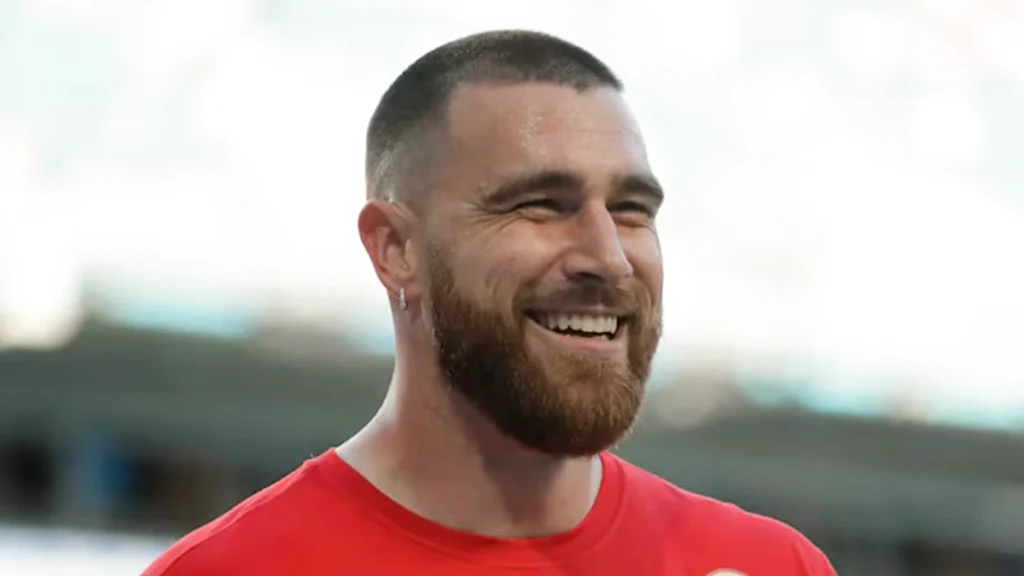
Travis Kelce’s smile may attract attention from fans, but the wider lesson is simple. Athletes need to protect their teeth as part of their long-term health and sports safety.
Oral Health Supports Performance
Healthy teeth help athletes eat, speak, and train without avoidable dental discomfort. Oral health is one part of overall health. However, it does not directly improve speed, strength, or athletic skill.
Confidence Extends Beyond Competition
An athlete’s career includes more than game day. Interviews, sponsorships, public events, and daily social life can all make smile confidence personally important.
Prevention Protects Long-Term Health
Mouthguards, good oral hygiene, regular dental visits, and early care after injuries can help reduce avoidable dental problems. These habits remain useful during an athletic career and after retirement.
Every Athlete Benefits From Professional Dental Care
An athlete may need orthodontic advice, a new mouthguard, injury care, or routine dental treatment. A dental professional can create a plan based on that person’s needs rather than assumptions about someone else’s smile.
Which treatment are you interested in?
FAQ
There is no publicly confirmed information showing that Travis Kelce has had Invisalign or braces. His orthodontic history cannot be determined reliably from photographs.
His exact mouthguard routine is not clearly documented publicly. In general, sports mouthguards can help reduce the severity of dental injuries during contact sports.
Healthy teeth and gums support eating, speaking, and everyday comfort. They also help athletes manage the dental risks linked to repeated physical contact.
Many athletes can continue Invisalign treatment while training and competing. During contact sports, they may need to remove the aligners and wear a suitable mouthguard.
Orthodontic treatment does not directly improve athletic performance. Its main goals are better alignment, bite function, oral health, and sometimes smile appearance.
Proper alignment can make oral hygiene easier and improve certain bite problems. It may also support confidence during interviews and public appearances.
Dental protection can include mouthguards, regular check-ups, good oral hygiene, and prompt treatment after an injury.
Young athletes should focus on protecting their natural teeth. Proper mouthguards, daily oral hygiene, regular dental visits, and professional advice are the habits that matter most.