
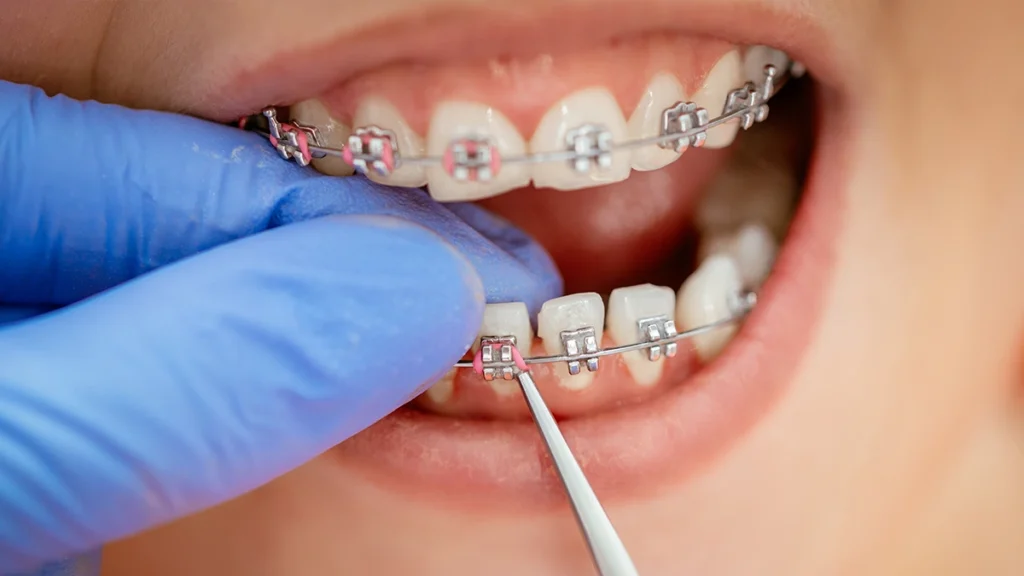
Orthodontic treatment corrects crooked teeth, crowding, gaps, bite problems, and certain jaw alignment concerns. Treatment may involve metal braces, ceramic braces, clear aligners, retainers, or other orthodontic appliances. The aim is not only to improve the appearance of the smile but also to create a healthier bite, make the teeth easier to clean, and support comfortable chewing and long-term oral health.
Quick Answer: What Is Orthodontic Treatment?
Orthodontic treatment is a dental specialty that corrects misaligned teeth, bite problems, and jaw irregularities using braces, clear aligners, and other orthodontic appliances. The goal is to improve oral health, chewing function, speech, and smile appearance while creating a more balanced bite for long-term dental health.
What Is Orthodontic Treatment?
Orthodontic treatment uses controlled forces to move teeth into healthier positions and improve the relationship between the upper and lower jaws. The treatment plan depends on the patient’s teeth, bite, jaw development, and oral health.
What Is Orthodontics?
Orthodontics is the branch of dentistry focused on diagnosing and treating problems involving the position of the teeth and jaws. Treatment may involve braces, clear aligners, or other orthodontic appliances.
How Orthodontic Treatment Works
Braces and aligners apply gentle pressure that gradually moves the teeth while the surrounding bone adapts. Regular appointments allow the orthodontist to monitor progress and adjust treatment when needed.
What Orthodontists Correct
Orthodontists treat crooked teeth, crowding, gaps, protruding teeth, impacted teeth, and bite problems. They may also manage certain jaw growth and alignment concerns.
Start a Conversation
Contact us through the communication method that suits you





Who Needs Orthodontic Treatment?
Orthodontic treatment may be recommended when tooth or jaw alignment affects appearance, cleaning, chewing, or bite function. A clinical examination is needed to determine whether treatment is necessary.
Crooked Teeth
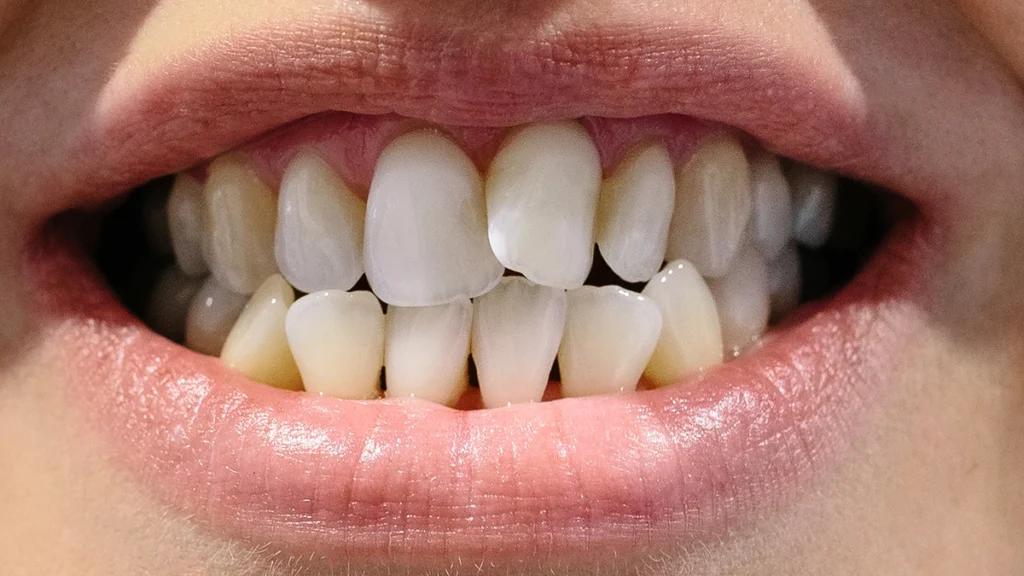
Crooked teeth may be rotated, tilted, or positioned outside the normal dental arch. Orthodontic treatment can move them into more organized positions and make daily cleaning easier.
Crowded Teeth
Crowding occurs when there is not enough space for the teeth to align properly. Treatment may involve creating or redistributing space so the teeth can move into better positions.
Gaps Between Teeth
Spaces may result from missing teeth, small teeth, or differences between tooth and jaw size. Braces or aligners may close suitable gaps or prepare space for another dental restoration.
Overbite, Underbite, Crossbite, and Open Bite
An overbite involves excessive overlap of the front teeth, while an underbite places the lower teeth in front of the upper teeth. Crossbites and open bites also affect how the teeth meet and may require orthodontic correction.
Jaw Alignment Problems
Jaw size or position can affect the bite. Some growing patients may benefit from growth-guiding appliances, while significant adult jaw problems may require orthodontics combined with surgery.
Types of Orthodontic Treatment
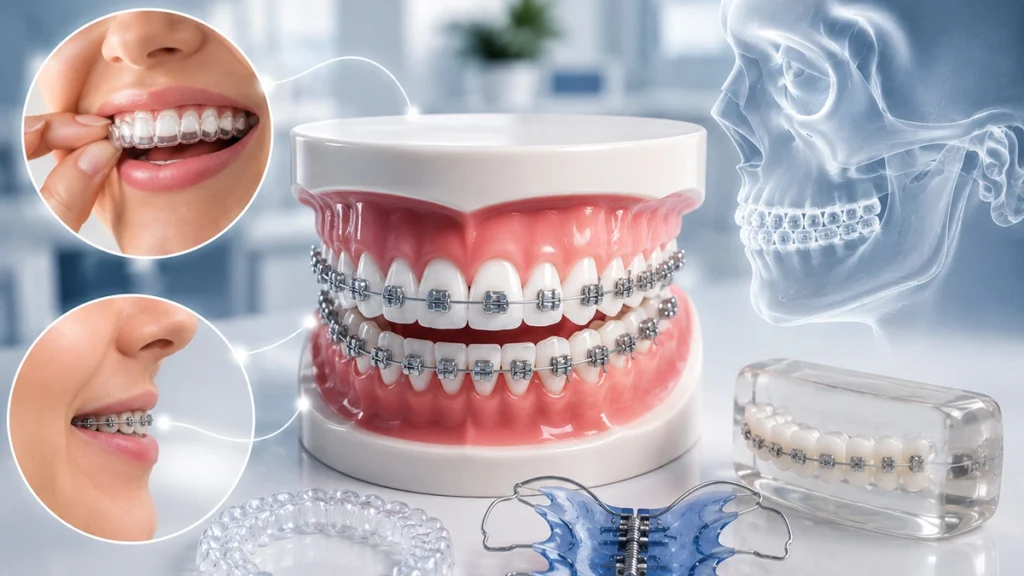
Orthodontic treatments differ in appearance, removability, and the amount of control they provide. The best option depends on the required tooth movements, bite complexity, and patient preferences.
Traditional Metal Braces
Metal braces use brackets and wires to move the teeth gradually. They can treat a wide range of cases, including severe crowding, spacing, and complex bite problems.
Ceramic Braces
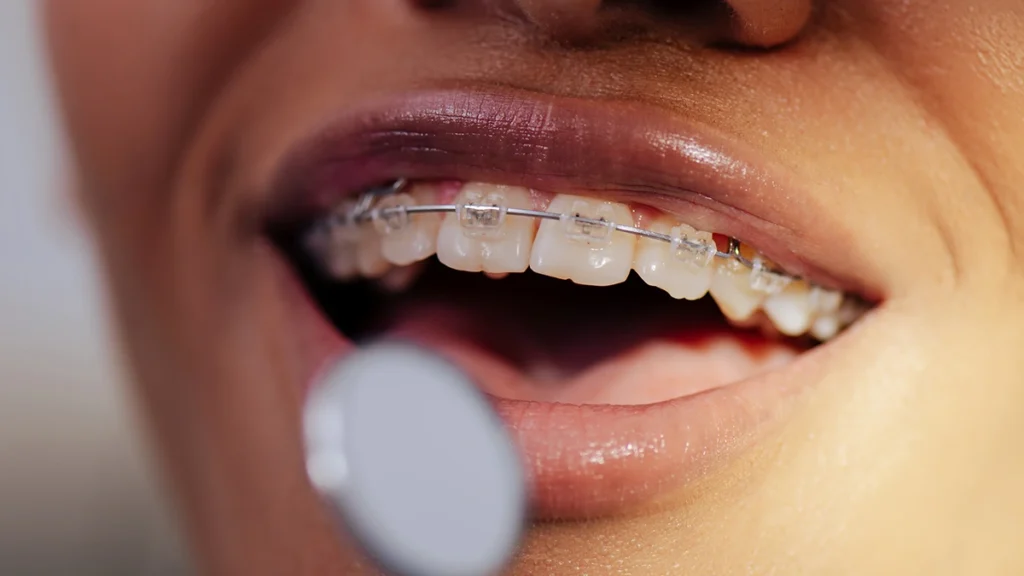
Ceramic braces work like metal braces but use clear or tooth-coloured brackets. They are less noticeable and may suit patients who want a more discreet fixed option.
Lingual Braces
Lingual braces are placed behind the teeth, making them difficult to see from the front. They are suitable only for selected cases and usually require specialized experience.
Clear Aligners
Clear aligners are removable transparent trays that move the teeth through planned stages. They may be suitable for mild to moderate problems and selected complex cases.
Retainers After Treatment
Retainers help keep the teeth in their new positions after active orthodontic treatment. They may be fixed or removable and are important for reducing future tooth movement.
| Treatment | Visibility | Commonly Suitable For | Removable |
| Metal braces | Visible | Mild to complex cases | No |
| Ceramic braces | Less visible | Moderate to complex cases | No |
| Lingual braces | Hidden | Selected cases | No |
| Clear aligners | Nearly invisible | Mild to moderate cases | Yes |
What Problems Can Orthodontics Correct?
Orthodontic treatment can improve both tooth alignment and bite function. The result depends on the severity of the problem and whether it mainly involves the teeth, jaws, or both.
Bite Problems
Orthodontics can improve many overbites, underbites, crossbites, and open bites. More severe jaw-related problems may require additional specialist treatment.
Tooth Crowding
Crowded teeth can be moved into better positions, reducing overlap and making brushing and cleaning between the teeth easier.
Tooth Spacing
Braces or aligners may close spaces between teeth when appropriate. Missing teeth or unusual tooth size may also need to be considered during planning.
Jaw Alignment
Orthodontic treatment may help manage certain jaw relationships, particularly in growing patients. Severe adult skeletal problems may require surgical treatment.
Smile Symmetry
Improving tooth position, spacing, and dental midlines may create a more balanced smile. The final appearance also depends on the gums, lips, and facial structure.
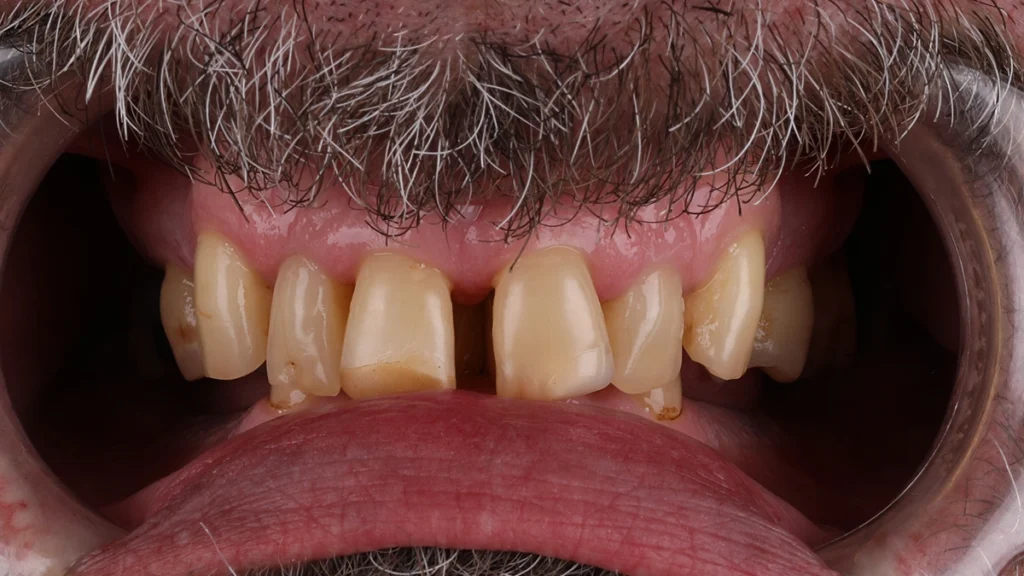
Braces vs Clear Aligners: Which Is Better?
Both braces and clear aligners can be effective, but the best choice depends on case complexity, required tooth movements, lifestyle, and patient cooperation.
Appearance
Clear aligners are almost transparent, while ceramic and lingual braces provide less visible alternatives to traditional metal braces.
Comfort
Both treatments can cause temporary pressure or tenderness. Braces may irritate the cheeks, while new aligners may feel tight for a short period.
Treatment Time
Treatment time depends mainly on the complexity of the case. Braces may provide better control for certain movements, while aligners can work efficiently in suitable cases.
Oral Hygiene
Aligners can be removed for brushing and flossing, while braces require more careful cleaning around brackets and wires.
Lifestyle Considerations
Aligners require consistent wear, while braces require dietary care to avoid damaging brackets or wires. The best option should fit both clinical needs and daily routine.
Read more: Braces vs Veneers in Turkey: 2026 Cost & Best Option
How Long Does Orthodontic Treatment Take?
Treatment time varies depending on the amount of tooth movement required, the complexity of the bite, and how closely the patient follows instructions.
Mild Cases
Minor alignment or spacing problems may sometimes be treated in less than 12 months, especially when only a limited number of teeth need correction.
Moderate Cases
Many moderate orthodontic cases take around 12 to 24 months and may involve crowding, spacing, rotations, or moderate bite concerns.
Complex Cases
Severe crowding, impacted teeth, major bite problems, or surgical cases may require more than two years of treatment.
Factors That Influence Treatment Time
Age, jaw growth, appliance type, missed appointments, broken braces, aligner wear, and case complexity can all affect the total treatment time.
Upload your photos and receive a free AI-powered preliminary analysis in minutes. No commitment required.
How Much Does Orthodontic Treatment Cost?
Orthodontic treatment costs vary because each plan is based on the patient’s bite, appliance, case complexity, and expected treatment duration.
What Affects Treatment Cost?
The total price may depend on the appliance, treatment length, diagnostic records, follow-up visits, retainers, and whether additional dental procedures are required.
Braces vs Aligners
Metal braces, ceramic braces, lingual braces, and aligners have different material and planning costs. The most discreet option is not always the most suitable.
Case Complexity
Simple alignment problems usually require less treatment than severe crowding, impacted teeth, or major bite correction, which may increase the overall cost.
Follow-Up Visits
Regular appointments are needed to monitor movement and adjust treatment. Patients should ask which visits, retainers, and replacement appliances are included in the quoted price.
Why Individual Evaluation Matters
An orthodontic consultation provides the most accurate estimate because it considers the patient’s actual treatment needs rather than relying on a general advertised price.
Read more: Behind Patrick Mahomes’ Smile: How NFL Athletes Protect Their Teeth During Every Season
Request pricing
By sending, you agree we may contact you on WhatsApp with pricing.
Got it! We’ll WhatsApp you the pricing shortly.
What Happens During an Orthodontic Consultation?
An orthodontic consultation allows the dentist or orthodontist to examine the teeth and bite, discuss the patient’s concerns, and decide which treatment options may be suitable.
Clinical Examination
The teeth, gums, bite, and jaw relationship are examined. Existing decay, gum disease, or infection may need treatment before orthodontic care starts.
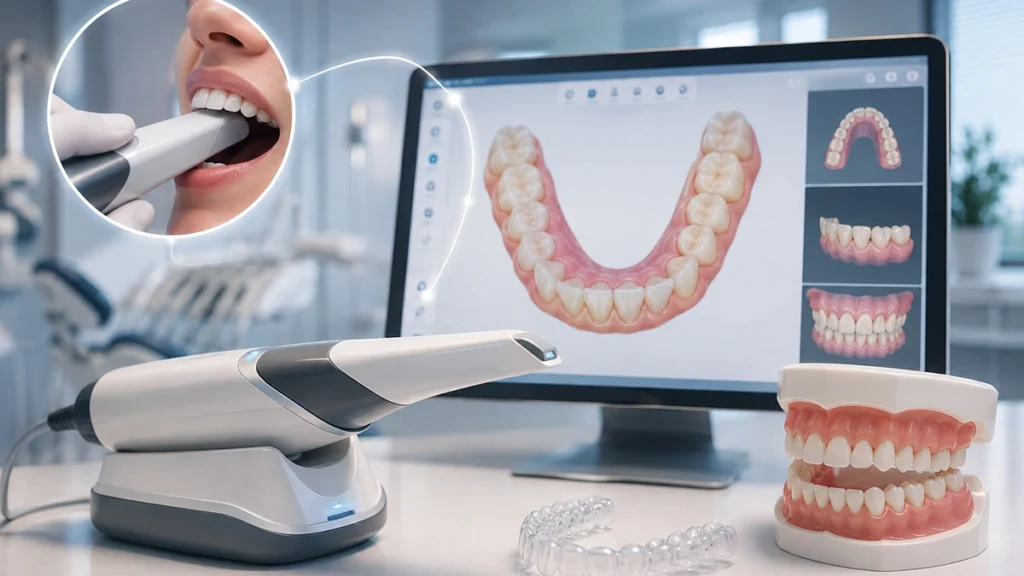
Digital Scans
Digital scans may be used to create a three-dimensional model of the teeth for treatment planning, appliance design, and progress monitoring.
X-Rays
X-rays may be used to assess tooth roots, unerupted teeth, bone levels, and jaw relationships that cannot be fully evaluated during the clinical examination.
Personalized Treatment Plan
The treatment plan explains the recommended appliance, expected duration, possible limitations, retention needs, and estimated cost.
Benefits of Orthodontic Treatment
Orthodontic treatment may provide cosmetic and functional benefits while supporting easier oral hygiene and a more balanced bite. In addition, better alignment may help protect the teeth from uneven pressure over time.
Better Oral Health
Straighter teeth may reduce difficult-to-clean areas where plaque and food collect. As a result, daily oral hygiene may become easier.
Improved Bite Function
Improving how the upper and lower teeth meet may make chewing more comfortable and also help distribute pressure more evenly.
Easier Cleaning
Correcting overlapping or rotated teeth can make brushing, flossing, and cleaning between the teeth easier.
Smile Confidence
Improved tooth alignment can create a more balanced smile and, as a result, may help patients feel more comfortable with their appearance.
Long-Term Tooth Preservation
In addition, correcting certain bite and alignment problems may reduce uneven wear and excessive pressure on individual teeth over time.
Can Adults Get Orthodontic Treatment?
Yes. Adults can usually receive orthodontic treatment as long as their teeth, gums, and supporting bone are healthy enough for controlled tooth movement.
Orthodontics for Adults
Adults can use braces or clear aligners to correct crowding, spacing, bite problems, or teeth that have shifted over time. In addition, orthodontic treatment can help improve both dental alignment and bite function.
Orthodontics for Teenagers
Teenagers can use braces, aligners, or growth-guiding appliances depending on their dental development and orthodontic needs. Therefore, the orthodontist chooses the most suitable option based on each teenager’s stage of growth and specific alignment concerns.
Is There an Age Limit?
There is no fixed upper age limit for orthodontic treatment. Oral health, gum condition, and bone support are generally more important than age.
Read more: The Secret Behind Lamine Yamal’s Smile: Before and After, Orthodontics and Football Star Dental Care
How to Care for Your Teeth During Orthodontic Treatment
Good oral hygiene and careful appliance maintenance help protect the teeth and gums and reduce unnecessary treatment delays.
Daily Brushing and Flossing
Patients should clean carefully around braces or remove aligners before brushing and flossing. Interdental brushes or other cleaning tools may also be recommended.
Foods to Avoid
Hard and sticky foods can damage braces, while aligners should usually be removed before eating or drinking anything other than water.
Regular Dental Check-Ups
Patients should continue routine dental visits for examinations and professional cleaning because orthodontic appointments do not replace general dental care.
Wearing Retainers After Treatment
Retainers should be worn as instructed because teeth can gradually shift after braces or aligners are completed.
Upload your photos and receive a free AI-powered preliminary analysis in minutes. No commitment required.
How Dentists Decide Which Orthodontic Treatment Is Best
The recommended treatment depends on the diagnosis, the tooth movements required, bite complexity, jaw development, patient lifestyle, and long-term goals.
Bite Analysis
The orthodontist examines how the upper and lower teeth meet and whether the problem mainly involves tooth position, jaw position, or both.
Tooth Movement Needed
The type and amount of tooth movement influence whether braces, aligners, or another appliance can provide the most predictable result.
Jaw Growth
Jaw growth is particularly important in children and teenagers because treatment timing may affect which orthodontic options are available.
Patient Lifestyle
Clear aligners require consistent wear, while fixed braces require careful cleaning and dietary changes. The chosen appliance should be realistic for the patient to manage.
Treatment Goals
Some patients need limited cosmetic alignment, while others require complete bite correction. The treatment plan should reflect the patient’s clinical needs and expectations.
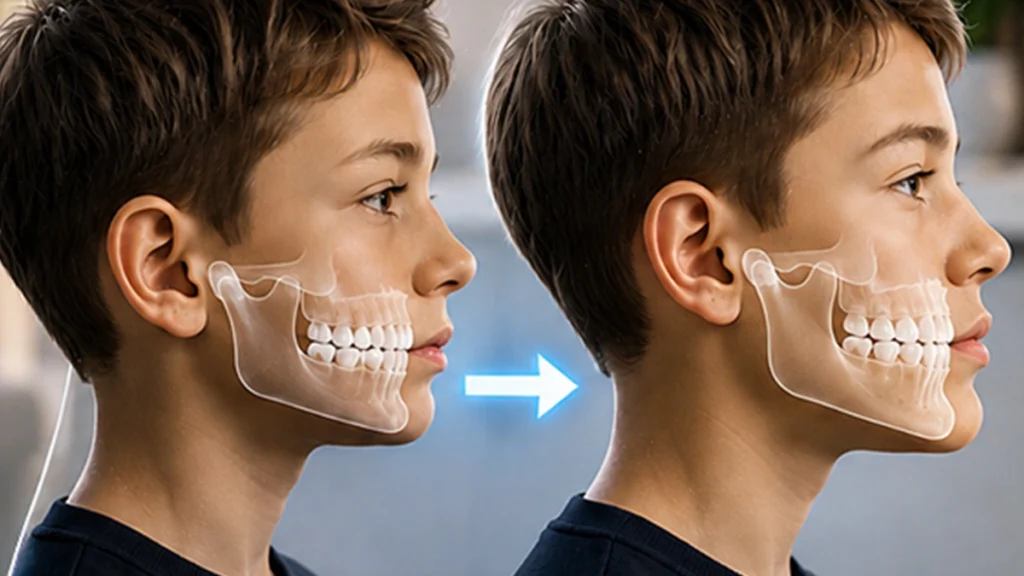
Why Early Orthodontic Evaluation Matters
Early orthodontic evaluation can identify developing problems and help determine whether treatment is needed immediately or whether the patient should simply be monitored.
Preventing Future Dental Problems
Early assessment may identify crossbites, crowding, abnormal eruption, protruding teeth, or jaw growth concerns before they become more difficult to manage.
Improving Long-Term Oral Health
Monitoring tooth eruption and jaw development can help the orthodontist plan treatment at an appropriate stage of growth.
Reducing Future Restorative Treatment
Improving tooth position early may reduce excessive wear or damage and may simplify future dental treatment in selected patients.
Which treatment are you interested in?
Frequently Asked Questions
Orthodontic treatment helps correct crooked teeth, crowding, gaps, bite problems, and certain jaw alignment concerns. Therefore, depending on the case, orthodontists may use braces, clear aligners, or other appliances to gradually guide the teeth into better positions.
Braces stay attached to the teeth throughout treatment, while clear aligners use removable, transparent trays. However, the best option depends on the complexity of the case and the type of tooth movement the patient needs.
Many patients complete treatment within one to two years, although mild cases may be shorter and complex cases may require more time.
Yes. Adults can receive orthodontic treatment when their teeth, gums, and supporting bone are healthy enough.
Patients may feel mild pressure or tenderness after an orthodontist adjusts the braces or when they switch to a new set of aligners. Fortunately, this discomfort usually improves within a few days.
The cost of orthodontic treatment varies depending on the type of appliance, treatment duration, case complexity, follow-up care, and clinic location. Therefore, patients need a consultation to receive an accurate quotation.
Yes. Better tooth alignment can make brushing and flossing easier. In addition, it may improve bite function and help reduce uneven tooth wear.
After completing orthodontic treatment, most patients need to wear retainers. In addition, retainers help keep the teeth in their new positions and, as a result, reduce the risk of shifting over time.