
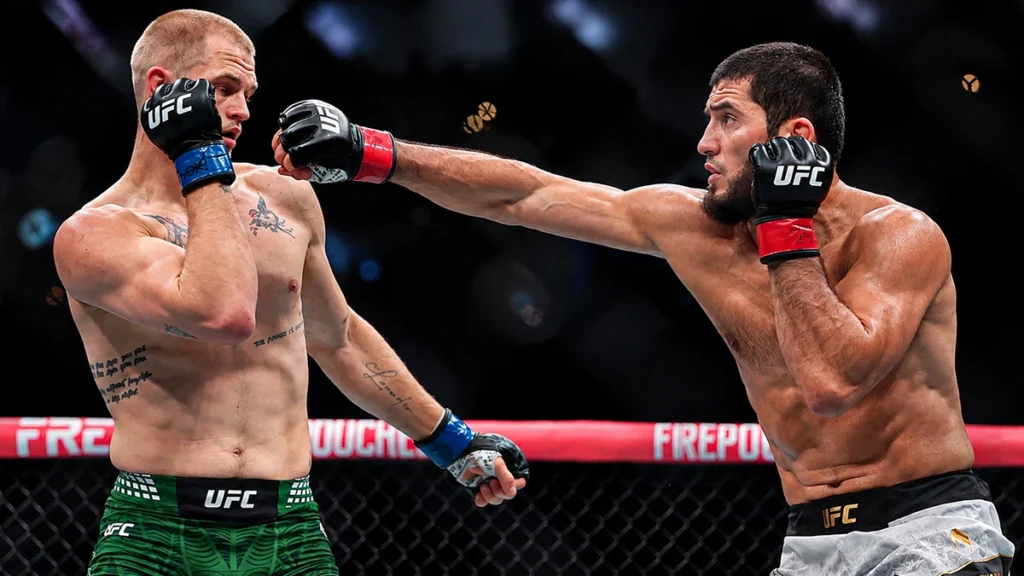
Punches, kicks, elbows, takedowns, and collisions make protecting UFC fighters’ teeth an important part of combat sports. Mouthguards reduce the risk of serious dental trauma, but they cannot prevent every injury. When damage occurs, modern dentistry can often repair broken teeth or replace teeth that cannot be saved.
Quick Answer: How Do UFC Fighters Protect Their Teeth?
The main way to protect UFC fighters’ teeth is with a properly fitted sports mouthguard that cushions impact and reduces the risk of chipped, fractured, displaced, or knocked-out teeth. Custom-fitted guards are especially useful because they combine secure retention with comfort during breathing and movement.
How Do UFC Fighters Protect Their Teeth?
Protecting UFC fighters’ teeth starts with a sports mouthguard designed to reduce the force transferred to the teeth, gums, lips, and surrounding tissues during punches, kicks, and accidental collisions.
Why Dental Protection Is Essential in MMA
MMA exposes the mouth to punches, kicks, elbows, knees, takedowns, and sudden contact. Without adequate protection, these forces can chip or loosen teeth, damage soft tissues, or cause more serious dental trauma.
How Mouthguards Reduce Dental Injuries
A mouthguard creates a protective layer around the teeth that absorbs and distributes some of the force produced by an impact, reducing the likelihood and severity of sports-related dental injuries.
Why Protection Cannot Eliminate Every Risk
A mouthguard reduces risk but cannot make teeth injury-proof. Powerful blows can still fracture or displace teeth, damage existing dental work, or injure the jaw and surrounding tissues.
Start a Conversation
Contact us through the communication method that suits you





What Mouthguards Do UFC and MMA Fighters Use?
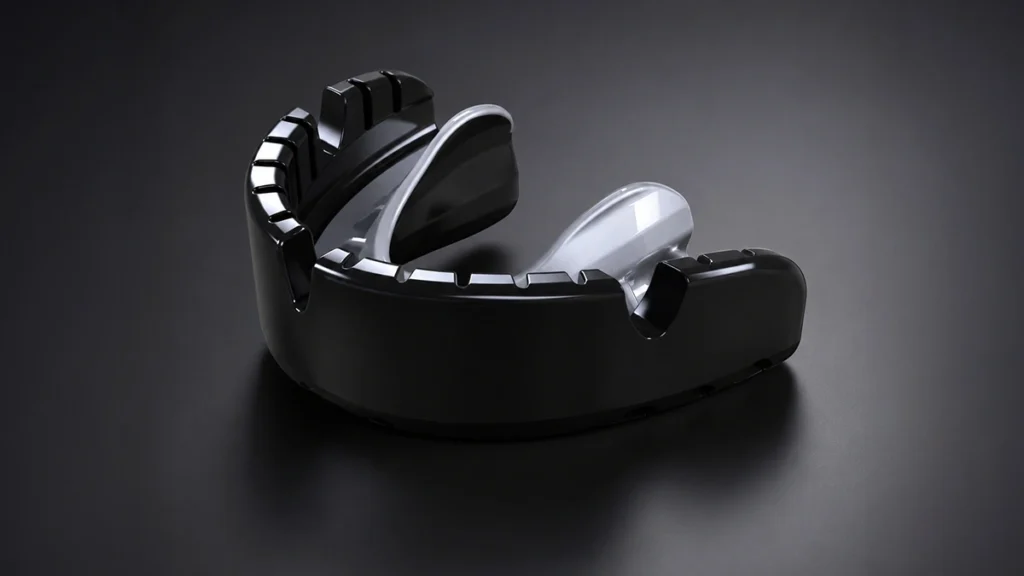
MMA and UFC fighters often prefer custom mouthguards because they provide a more precise fit and reliable protection for their teeth. Boil-and-bite guards can also help protect the teeth when the athlete fits them correctly.
Custom-Fitted Mouthguards
A dentist creates custom mouthguards from an impression or digital model of the athlete’s teeth and adjusts the fit, thickness, and coverage to match the bite and existing dental work.
Boil-and-Bite Mouthguards
Boil-and-bite mouthguards soften in hot water, allowing the athlete to mold them around the teeth at home. They cost less but usually offer a less precise fit than professionally made custom guards.
Comfort, Retention, and Breathing
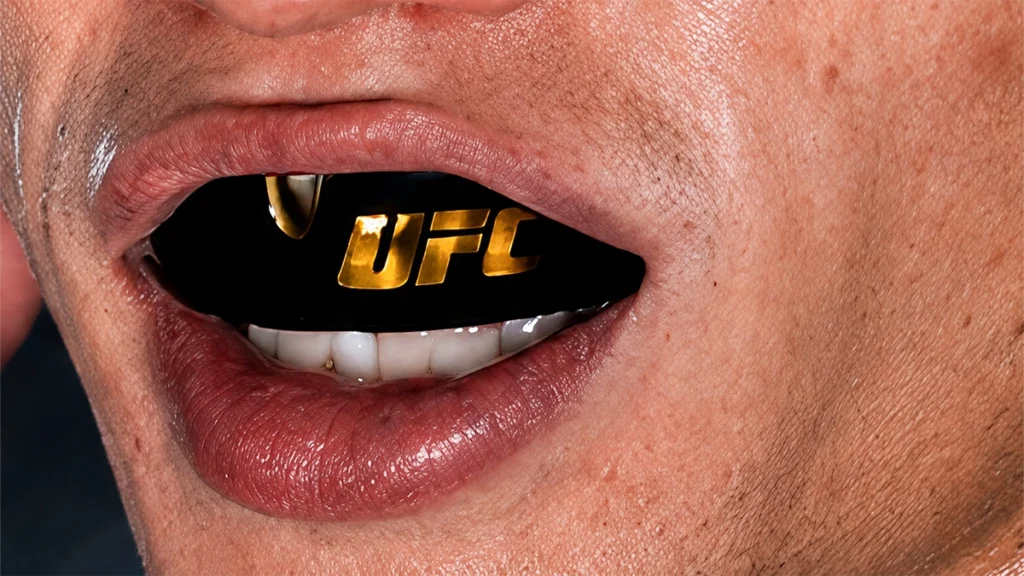
A good mouthguard should remain secure without forcing the fighter to constantly bite down. Proper retention makes breathing, speaking, swallowing, and concentrating during intense rounds easier.
Shock Absorption During Impact
Sports mouthguards use resilient materials to absorb and redistribute some of the energy generated by a blow, helping reduce the amount of force transferred directly to the teeth.
What Is the Best Mouthguard for MMA?
The best MMA mouthguard should fit securely, provide enough coverage and impact protection, remain comfortable during heavy breathing, and stay stable throughout training and competition.
Features of a High-Quality Sports Mouthguard
A quality mouthguard should closely fit the teeth, resist tearing, remain stable during movement, and provide enough thickness to cushion impact without becoming unnecessarily bulky.
Protection vs Comfort
Greater thickness does not always mean better practical protection. If a mouthguard is uncomfortable or interferes with breathing, the athlete may repeatedly adjust it or avoid wearing it consistently.
Why Dentist-Made Mouthguards Offer Better Fit
Dentist-made mouthguards are shaped around the athlete’s individual teeth and bite, allowing better control over retention, thickness, coverage, and comfort than generic designs.
Choosing the Right Mouthguard for Your Sport
The ideal design depends on contact level, training frequency, dental restorations, orthodontic treatment, and bite. Regular MMA sparring usually requires more secure protection than low-contact activities.
Custom Mouthguard vs Store-Bought Mouthguard
Both options can reduce injuries when fitted correctly, but custom guards provide greater control over fit, retention, thickness, and accommodation of existing dental work.
Fit and Stability
Custom mouthguards generally remain more stable during breathing, grappling, and striking. Boil-and-bite guards offer some customization, while stock guards provide the least precise fit.
Protection Level
Protection depends on material, thickness, coverage, fit, and consistent use. Custom designs allow these factors to be tailored more closely to the athlete.
Durability
All mouthguards should be checked regularly for tears, thinning, chewing damage, or looseness. Changes in tooth position or dental work can also affect how well they fit.
Long-Term Value
Custom mouthguards cost more initially but can offer better comfort, fit, and customization for frequent combat athletes. Store-bought options remain practical for occasional use.
| Feature | Custom Mouthguard | Boil-and-Bite Mouthguard | Stock Mouthguard |
| Fit | Individually fitted | Molded at home | Generic |
| Retention | Usually high | Variable | Usually lower |
| Comfort | Highly customizable | Moderate | Variable |
| Dental-work accommodation | Can be planned individually | Limited | Minimal |
| Cost | Higher | Moderate | Lower |
| Best suited for | Frequent combat athletes | General sports use | Basic protection |
Request pricing
By sending, you agree we may contact you on WhatsApp with pricing.
Got it! We’ll WhatsApp you the pricing shortly.
Do UFC Fighters Lose or Break Teeth?
Yes. UFC and MMA fighters can still suffer dental injuries even when they wear mouthguards because powerful facial impacts can overwhelm the protection they provide.
Why Dental Injuries Happen
Direct strikes, sudden jaw closure, falls against the canvas, and collisions during takedowns or grappling exchanges can all damage the teeth.
Chipped vs Knocked-Out Teeth
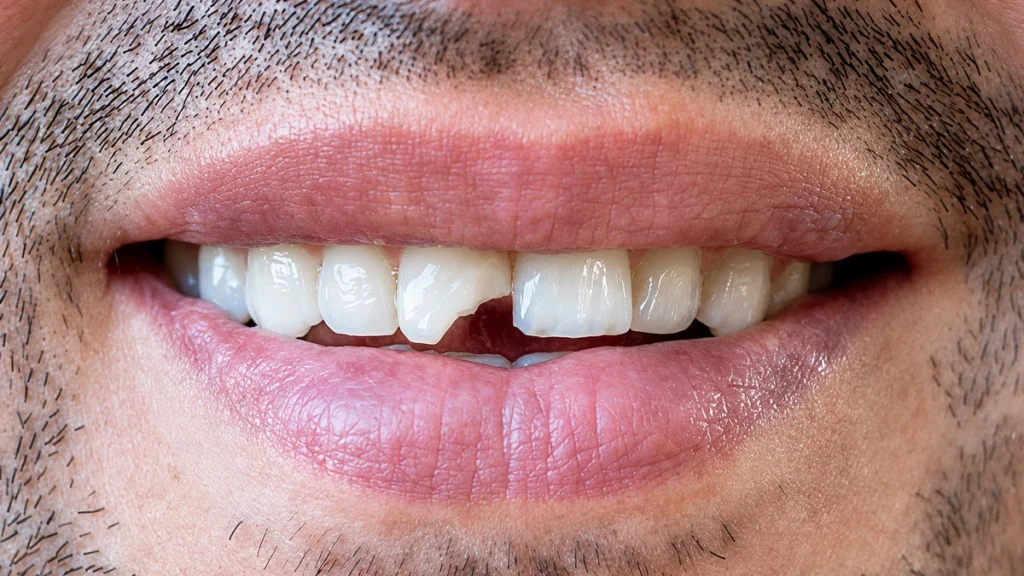
A chipped tooth loses part of its enamel or deeper structure, while a knocked-out tooth leaves its socket completely and needs immediate attention.
Real Examples From Professional MMA
Professional fights demonstrate how much force elite athletes can absorb around the head and face. These examples show why mouth protection matters without suggesting undocumented dental injuries.
Islam Makhachev and High-Impact Championship Fights
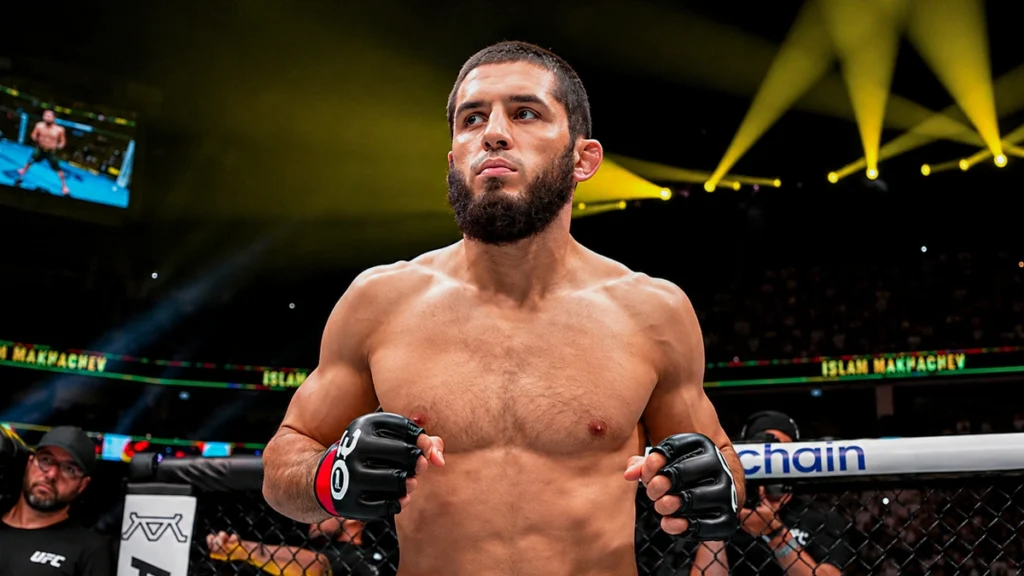
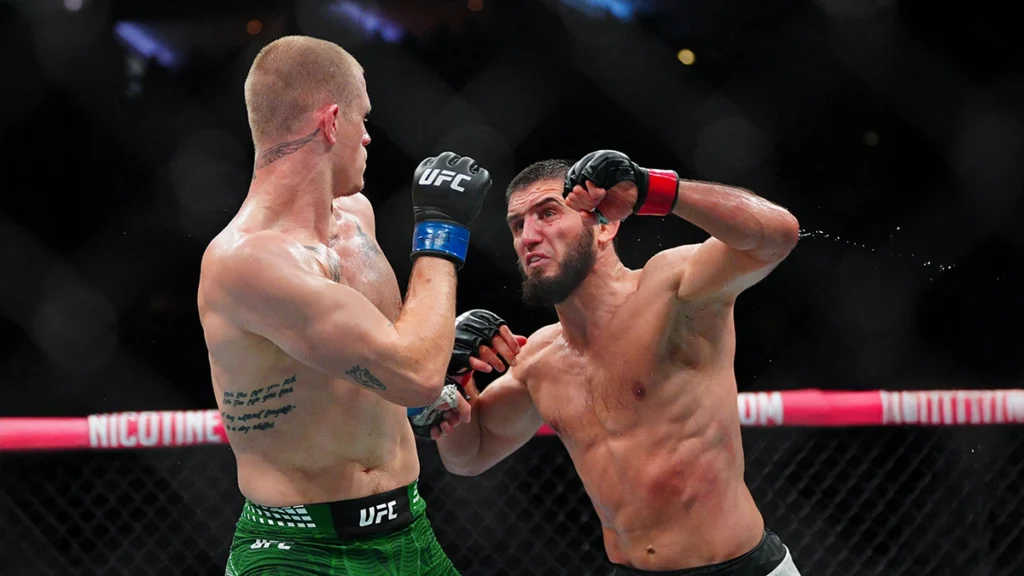
Islam Makhachev’s first fight with Alexander Volkanovski lasted five rounds and included repeated striking exchanges, demonstrating the level of facial impact possible in elite MMA without implying that Makhachev suffered dental damage.
Khamzat Chimaev and Facial Trauma During Competition
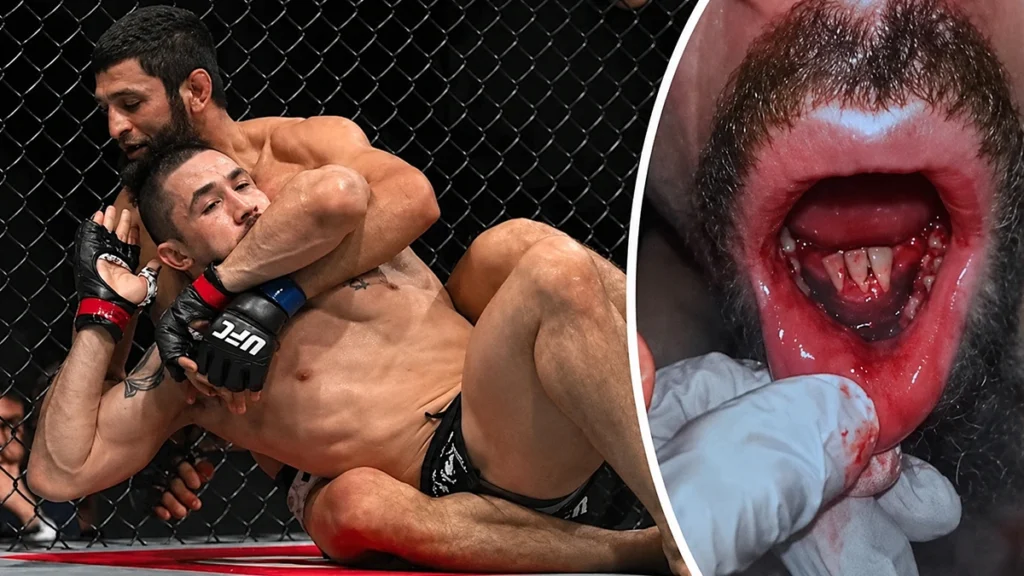
Khamzat Chimaev’s fight with Gilbert Burns featured several heavy striking exchanges in which both fighters absorbed substantial impact, illustrating why secure mouth protection is essential.
Conor McGregor vs Khabib Nurmagomedov: Why Mouth Protection Matters
At UFC 229, Khabib Nurmagomedov dropped Conor McGregor and followed with ground strikes, while McGregor also absorbed repeated facial contact. The fight clearly demonstrates the forces a mouthguard must help manage.
Common Dental Injuries in Combat Sports
Injuries affecting UFC fighters’ teeth and other combat athletes can range from minor enamel chips to fractures, tooth mobility, complete tooth loss, and trauma involving the jaw.
Chipped Teeth
Small chips may affect only the enamel and mainly change the tooth’s appearance, while deeper chips can expose dentin and cause sensitivity.
Fractured Teeth
A fracture may extend through the enamel and dentin or reach the dental pulp. Deeper fractures require prompt assessment because they can determine whether a dentist can preserve the tooth.
Knocked-Out Teeth
A completely knocked-out permanent tooth is a dental emergency. Fast professional treatment generally increases the chance of saving the tooth.
Tooth Mobility
Trauma may loosen a tooth without forcing it out of its socket. This can indicate damage to the supporting tissues and may require stabilization and follow-up care.
Soft Tissue Injuries
Impact can compress the lips, cheeks, tongue, and gums against the teeth, causing cuts or bruising.
Jaw Trauma
Jaw injuries can cause pain, swelling, limited movement, or changes in how the teeth meet. Significant symptoms require professional evaluation.
How Is a Broken Tooth Repaired After a Fight?
The dentist chooses treatment based on the depth of the fracture, whether it involves the pulp or root, and how much healthy tooth structure remains.
Composite Bonding
For small chips, a dentist can often use tooth-colored composite resin to replace the missing area while preserving most of the natural tooth.
Dental Crowns
A dentist may recommend a crown when a large part of the tooth has fractured or when the remaining structure needs additional strength and protection.
Root Canal Treatment
Trauma that exposes or seriously damages the dental pulp may require root canal treatment. Afterward, the dentist can restore the tooth, often with a crown.
Veneers for Selected Cases
Veneers may suit cases where the damage is mainly cosmetic and enough healthy tooth structure remains. However, dentists generally do not use them for severely fractured teeth.
When Tooth Extraction Is Necessary
A dentist may need to extract the tooth when the fracture extends too deeply for predictable repair or when a severe split makes preservation impossible.
How Can Missing Teeth Be Replaced After a Sports Injury?
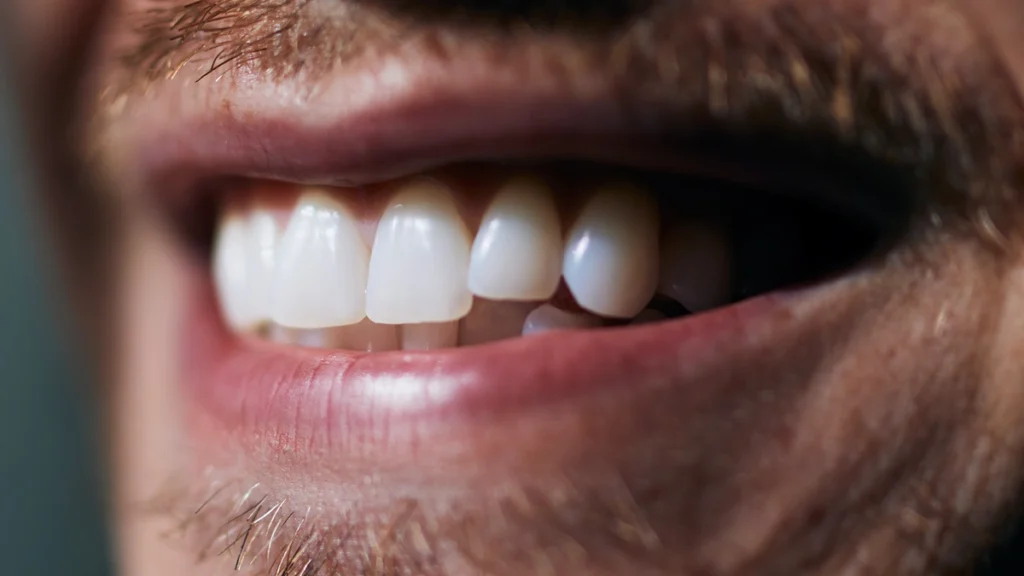
Severe trauma can sometimes cause tooth loss in UFC fighters and other contact-sport athletes. When an injured tooth cannot be saved, replacing it can restore appearance, chewing ability, and bite stability while helping prevent nearby teeth from shifting.
Dental Implants
A dental implant replaces the missing root and supports a crown. Treatment timing depends on bone condition, gum health, and how well the injured area has healed.
Dental Bridges
A dental bridge replaces the missing tooth using neighboring teeth or other supports and may be considered when implant treatment is not the most suitable option.
Temporary Tooth Replacement
A temporary tooth can maintain appearance while tissues heal or while the patient waits for a permanent implant, bridge, or another restoration.
Choosing the Right Solution
The best option depends on bone and gum health, neighboring teeth, bite forces, age, healing, and the athlete’s future participation in contact sports.
Can Veneers or Crowns Restore a Fighter’s Smile?
Both veneers and crowns can restore damaged teeth, but the right choice depends on how much healthy tooth remains and whether the main problem is cosmetic or structural.
Cosmetic Restoration
Veneers can improve certain chips, discoloration, and shape irregularities in front teeth when the underlying tooth remains healthy and strong.
Functional Restoration
Crowns provide greater coverage and may be needed when a tooth has lost significant structure or requires additional protection after trauma.
Which Treatment Is More Appropriate?
Veneers generally suit minor cosmetic damage, while crowns are more appropriate for larger fractures or weakened teeth. Examination and imaging help determine the safer option.
Read more: Veneers vs Crowns: Which Is Better for a Perfect Smile in 2026?
Upload your photos and receive a free AI-powered preliminary analysis in minutes. No commitment required.
Can Fighters Wear Invisalign?
Fighters can undergo Invisalign treatment, but clear aligners should not replace protective sports mouthguards during sparring, competition, or other high-contact training.
Invisalign for Bite Correction
Invisalign can correct many cases of crowding, spacing, and bite misalignment depending on the complexity of the orthodontic problem.
Wearing Aligners Outside Training
Fighters can usually wear their aligners during normal daily activities and remove them before contact training or competition.
Why Mouthguards Remain Essential
Clear aligners move teeth but are not designed to absorb punches or kicks. During contact sports, athletes should use a properly fitted sports mouthguard instead.
Orthodontic Planning for Active Athletes
Athletes should tell their orthodontist how often they train because ongoing tooth movement can gradually change the fit of a sports mouthguard.
Read more: What Can Invisalign Fix? Overbites, Crowded Teeth, Gaps, and More
Protecting Dental Work During Training and Competition
For UFC fighters with crowns, veneers, implants, or bonded restorations, proper mouthguard protection is especially important because contact sports can damage both natural teeth and dental work.
Crowns
Crowns can withstand normal chewing, but a strong blow may fracture or loosen them. A properly fitted mouthguard helps reduce the force of direct impact.
Veneers
Heavy facial trauma can chip or dislodge veneers, so athletes should protect them with a mouthguard during contact sports.
Dental Implants
Even though implants anchor firmly in the bone, trauma can still damage the crown, abutment, surrounding bone, or soft tissues.
Bonded Teeth
Composite bonding can repair chipped teeth effectively, but repeated direct impacts may still damage the restored edge.
Orthodontic Results
After orthodontic treatment, retainers help maintain tooth position, while mouthguards protect the teeth during sports. Athletes should use both according to professional guidance.
Read more: Why Dental Health Is Essential for Athletic Performance
When Should a Fighter See a Dentist?
Any significant change in the teeth, bite, or jaw after an impact should be evaluated because some dental injuries may not be immediately visible.
Tooth Mobility
A loose permanent tooth should be examined promptly because the tissues supporting it may have been damaged.
Persistent Tooth Pain
Pain or sensitivity that continues after an impact may indicate a fracture or injury to the dental pulp, even if the tooth looks normal.
Bite Changes
If the teeth suddenly stop meeting normally, there may be tooth displacement or jaw trauma that requires professional evaluation.
Knocked-Out Tooth
A knocked-out permanent tooth requires immediate dental care because the chance of saving it decreases as treatment is delayed.
- Hold the tooth by the crown, not the root.
- Do not scrub the root surface.
- Keep the tooth moist.
- Seek emergency dental care immediately.
Bleeding or Swelling
Persistent bleeding, significant swelling, deep cuts, or rapidly increasing facial swelling should be assessed promptly.
Difficulty Closing the Bite
Difficulty closing the mouth, severe jaw pain, restricted movement, or facial asymmetry may indicate a more serious jaw injury.
Why Sports Dentistry Matters for Every Combat Athlete
Sports dentistry helps protect UFC fighters’ teeth before competition and restore function after dental trauma by combining prevention, emergency care, rehabilitation, and long-term protection.
Prevention Before Competition
Prevention includes maintaining healthy teeth and gums, treating existing dental problems, attending routine examinations, and wearing a properly fitted sports mouthguard.
Immediate Care After Injury
Fast assessment can improve the chance of saving an injured tooth. Chips, displacement, persistent pain, or mobility should not simply be ignored after a fight.
Long-Term Smile Rehabilitation
Bonding, crowns, root canal treatment, veneers, bridges, and dental implants can restore damaged or missing teeth depending on the severity of the injury.
Returning to Training Safely
Return to contact training depends on the injury, treatment, healing, and whether the mouthguard still fits correctly after dental care.
Which treatment are you interested in?
FAQ
Mouthguards help absorb and distribute some of the force produced during impact, significantly reducing the likelihood of severe dental trauma without eliminating the risk completely.
Many professional fighters prefer custom-fitted mouthguards because they provide secure retention, comfort, and individualized protection during high-impact training and competition.
A well-fitted mouthguard can reduce the risk and severity of dental trauma, but it cannot guarantee complete protection against a knocked-out tooth.
A dentist may repair minor fractures with bonding, while larger injuries may require a crown, root canal treatment, or extraction when the tooth cannot be preserved.
Yes. A dentist can replace a missing tooth with a dental implant after confirming that the bone, gums, and injured area can support treatment.
Fighters can continue Invisalign treatment, but they should remove the aligners during contact sports and wear a properly fitted sports mouthguard instead.
Veneers may suit minor cosmetic damage when enough healthy tooth remains. Larger fractures or weakened teeth often require crowns or another restorative treatment.
Seek prompt care for a loose, broken, displaced, or knocked-out tooth, persistent pain, bite changes, significant swelling, bleeding, or difficulty closing the mouth.