
Has your dentist told you that you don’t have enough jawbone for a dental implant? A bone graft for dental implant placement may help rebuild the bone needed to support an implant. However, not every patient needs bone grafting, and insufficient jawbone doesn’t always mean dental implants are impossible. This guide explains when bone grafting is necessary, the different types, costs, healing time, and whether bone grafting and implant placement can be performed together.
When Is a Bone Graft Needed Before Dental Implants?
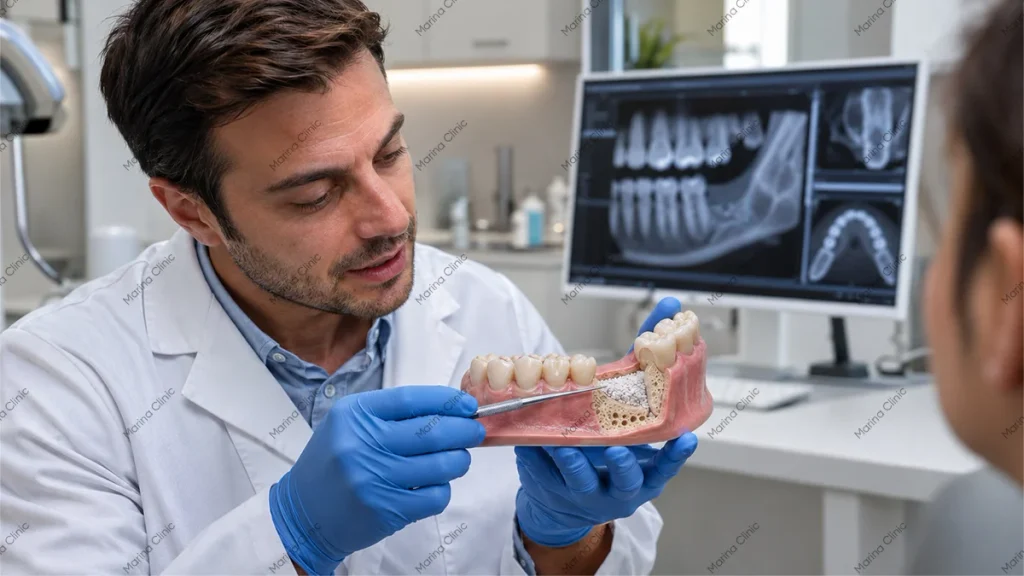
A dental bone graft may be needed when the jawbone lacks sufficient volume to support an implant in the correct position. Bone loss can occur after tooth extraction, gum disease, injury, or long-term tooth loss. Grafting helps rebuild or preserve the jawbone, but not every patient needs it. Dentists assess bone dimensions and nearby anatomical structures through examination and imaging, including CBCT scans when necessary.
Dental Bone Grafts Explained: Purpose and Role in Implant Treatment
A dental bone graft is a procedure used to prepare the jaw for implant placement when the existing bone cannot provide adequate support. The technique depends on the location and extent of bone loss.
How Bone Grafting Supports Dental Implant Placement
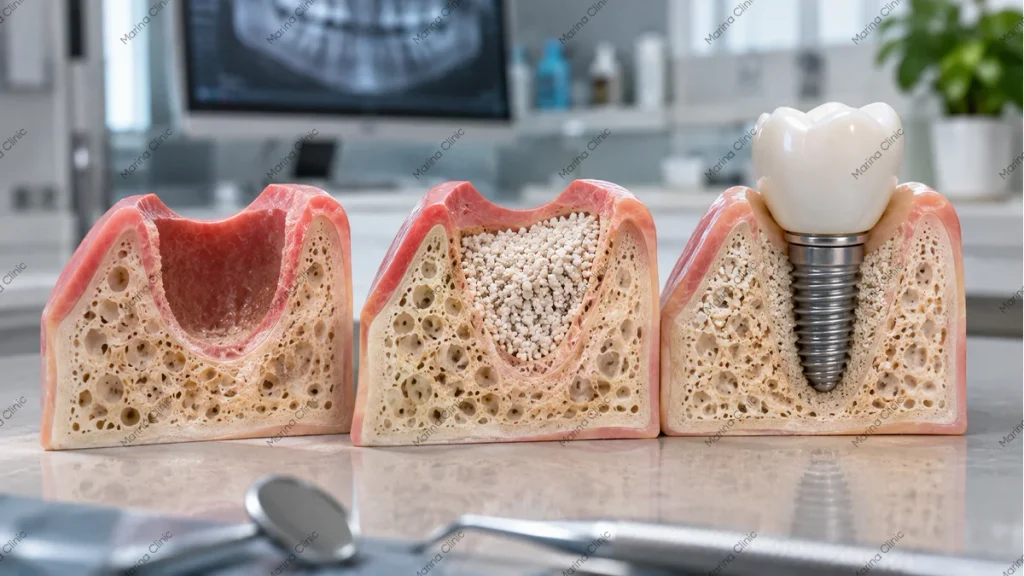
The dentist places natural bone or a suitable bone substitute in the affected area to encourage new bone formation. The goal is to provide enough bone to support the implant in its planned position, rather than simply filling the missing area. A protective membrane may also be used to support bone regeneration.
Bone Volume, Implant Position and Long-Term Support
Bone height and width must allow the implant to be placed at a suitable angle while considering nearby teeth, nerves, and sinuses. Correct positioning also supports the final crown and makes cleaning easier. Therefore, treatment planning considers the jaw’s anatomy and the intended restoration, not just the amount of bone needed.
Start a Conversation
Contact us through the communication method that suits you





When a Bone Graft Is Needed Before Dental Implants
A bone graft before dental implant placement may be necessary when insufficient bone prevents safe and stable implant positioning. The cause and extent of bone loss differ between patients.
Jawbone Loss After Missing Teeth or Periodontal Disease
After tooth extraction, the surrounding jawbone gradually shrinks, especially when teeth remain missing for long periods. Advanced periodontal disease can also damage the bone supporting natural teeth. If the remaining bone is insufficient, the dentist may recommend grafting after controlling any active gum disease.
Bone Defects, Trauma and Anatomical Limitations
Bone deficiency may result from injury, infection, or irregular jawbone anatomy. In some cases, the available bone is limited by the position of the lower jaw nerve or maxillary sinus. These factors influence whether grafting is needed and which technique is suitable.
CBCT Assessment and Implant Treatment Planning
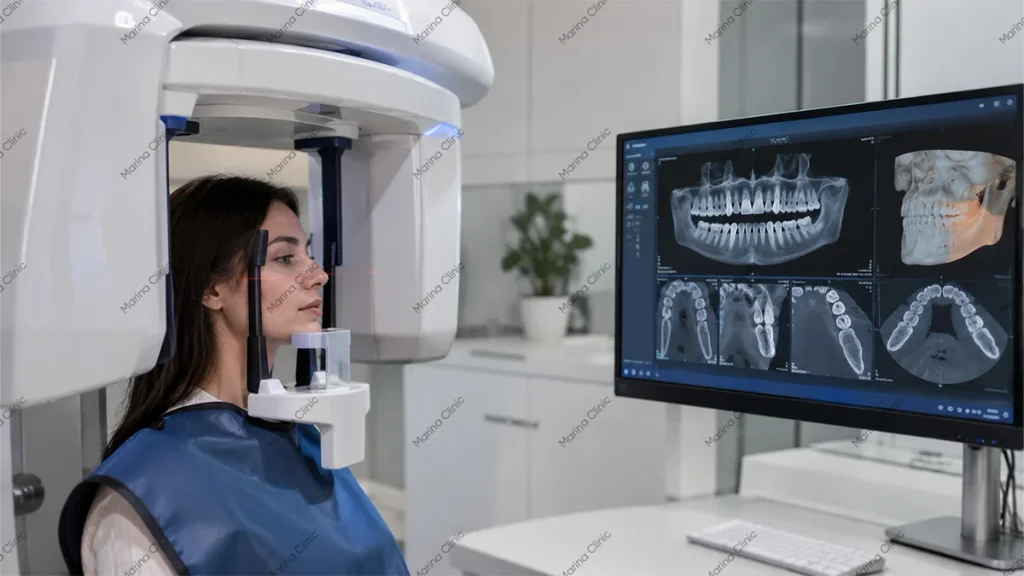
A CBCT scan provides three-dimensional images that help assess jawbone height, width, and proximity to nerves and sinuses. These findings help the dentist determine whether grafting is required and select the appropriate implant position. CBCT imaging is used when clinically necessary rather than for every patient.
Dental Bone Graft Cost: Prices and Treatment Factors
The extent of bone loss, the type of procedure, and the materials used all affect dental bone graft costs. Your dentist will usually calculate the final price as part of your overall dental implant treatment plan.
Dental Bone Graft Cost in Turkey
In Turkey, bone grafting may be included in comprehensive dental implant packages, such as All-on-4 or All-on-6, when required and covered by the quotation. The final cost depends on the patient’s condition and treatment requirements, so it is important to confirm which procedures are included before starting treatment.
Graft Materials, Membranes and Surgical Complexity
Costs vary according to the amount and type of grafting material needed. A minor graft after extraction generally differs in cost from extensive jawbone reconstruction. Protective membranes or additional procedures, such as sinus lifting, may also increase the total price.
Additional Costs and Complete Implant Treatment Quotes
Patients should review their treatment quotation to understand which services are included:
- Consultation and imaging: Dental examination and diagnostic scans.
- Bone grafting: Graft materials, membranes, and related surgical procedures.
- Dental implants: Implant fixtures, abutments, and final restorations.
- Additional procedures: Extractions, sinus lifting, and follow-up appointments.
A detailed quotation helps patients understand the overall cost and avoid unexpected expenses.
Read more: All-on-4 Dental Implants Cost and Procedure: Is This the Right Full-Arch Treatment for You?
Request pricing
By sending, you agree we may contact you on WhatsApp with pricing.
Got it! We’ll WhatsApp you the pricing shortly.
Types of Dental Bone Grafts and Grafting Materials
There are several types of dental bone grafts, and the appropriate technique depends on the location, size, and extent of bone loss.
Socket Preservation and Particulate Bone Grafts
After extraction, the dentist may place small bone graft granules into the empty socket to help preserve jawbone volume and reduce shrinkage. Particulate grafts can also restore localized defects around implants, sometimes with a protective membrane to support healing.
Ridge Augmentation and Block Bone Grafts
When the jawbone is too narrow or lacks sufficient height, ridge augmentation may be used to increase its dimensions. Larger defects may require a solid block of bone secured to the affected area. These procedures need careful planning and sufficient healing before implant placement.
Autografts, Allografts, Xenografts and Synthetic Materials
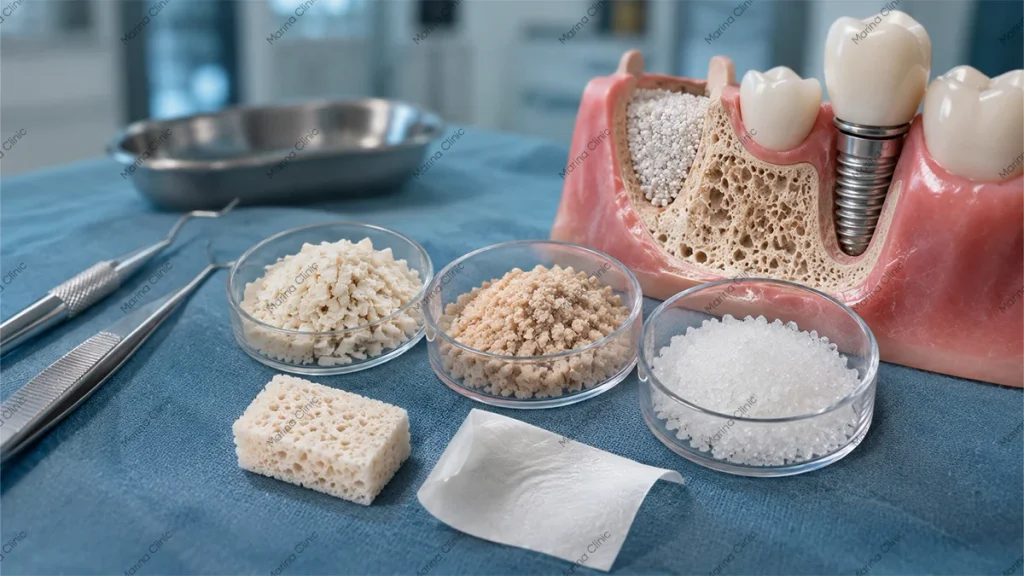
Dental bone graft materials are classified into four main types:
- Autografts: Bone taken from the patient’s own body.
- Allografts: Processed human donor bone prepared for medical use.
- Xenografts: Processed animal-derived materials, commonly from bovine sources.
- Synthetic materials: Manufactured bone substitutes that support new bone formation.
The dentist selects the most appropriate material based on the bone condition, graft size, and implant treatment plan.
Upload your photos and receive a free AI-powered preliminary analysis in minutes. No commitment required.
Bone Grafting After Tooth Extraction and Before Implant Placement
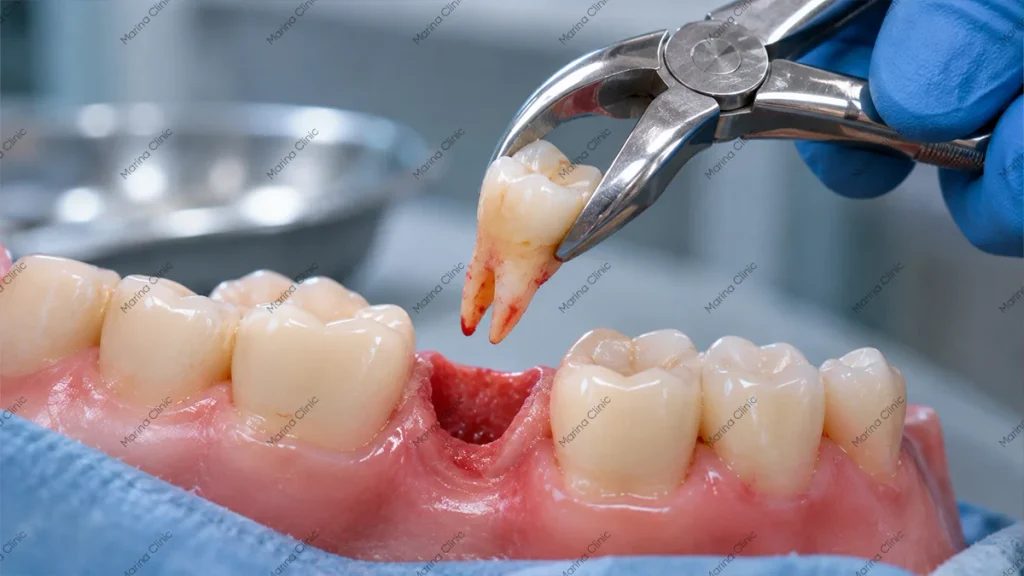
A bone graft after tooth extraction may help preserve the jawbone for future implant placement. However, grafting is not necessary after every extraction.
Socket Preservation After Tooth Removal
If an implant is planned, the dentist may recommend placing graft material immediately after extraction to help maintain bone volume. This is particularly useful when the socket walls are thin or significant shrinkage is expected. However, it does not prevent all natural bone changes or guarantee that further grafting will be unnecessary.
Immediate vs Delayed Bone Grafting
Immediate grafting takes place during the same appointment as tooth extraction, potentially reducing the need for additional surgery. Delayed grafting is performed after a healing period or after treating an existing infection. The dentist determines the timing based on bone condition, gum health, and treatment requirements.
When Extraction Does Not Require a Bone Graft
Grafting may not be needed when sufficient jawbone remains for the planned implant or when ridge preservation is unnecessary. In some cases, an implant can be placed immediately without grafting. The dentist considers the benefits, costs, and risks rather than recommending grafting routinely.
Read more: Dental Implants and Osteoporosis: Are You Still a Candidate?
Dental Bone Graft Healing Time and Implant Placement Timeline
Dental bone graft healing time varies depending on the graft size, procedure, and patient’s health. Implant placement depends on adequate bone regeneration, not only gum healing.
Initial Gum Healing and Bone Regeneration
Pain and swelling usually improve within one to two weeks, while the bone requires longer to regenerate. Patients may be advised to eat soft foods, clean the area gently, avoid smoking, and prevent pressure on the graft. Even when discomfort disappears, follow-up is needed to assess bone healing.
Bone Maturation Before Implant Placement
Bone regeneration commonly takes 3 to 6 months, although complex grafting procedures may require 9 to 12 months. Once examination and imaging confirm sufficient healing, implant placement can proceed. The implant then needs additional time to integrate with the bone before the final crown is fitted.
Factors That Can Delay Graft Healing
Smoking, poorly controlled diabetes, gum infections, and extensive bone reconstruction may delay healing. Early pressure on the graft can also affect recovery. Patients should follow postoperative instructions and contact their dentist if pain or swelling worsens or if fever or pus-like discharge occurs.
Sinus Lift vs Bone Graft: Procedures for Upper Jaw Bone Loss
A sinus lift is a specialized bone grafting procedure used to increase bone height in the back of the upper jaw. Other grafting techniques address bone deficiencies in different areas.
Sinus Lift as a Specialized Bone Grafting Procedure
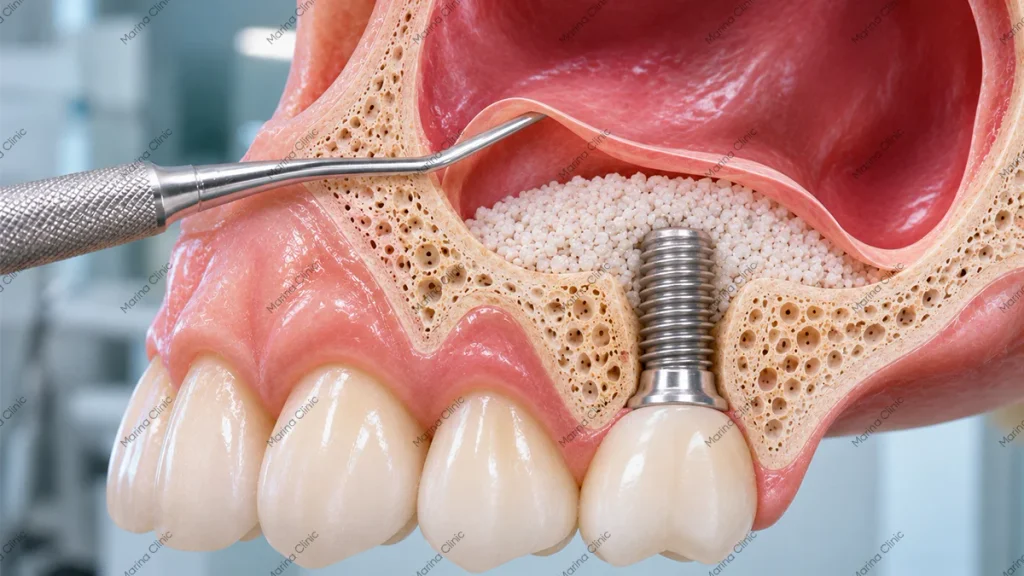
During a sinus lift, the surgeon carefully raises the membrane lining the maxillary sinus and places graft material beneath it. This creates space for new bone formation to support dental implants. The technique depends on the patient’s anatomy and available bone.
Bone Height and Sinus Anatomy in Upper Back Teeth
After upper molars are lost, the surrounding bone may shrink while the maxillary sinus expands, reducing available bone height. The dentist assesses the remaining bone and sinus anatomy to determine whether a minor or more extensive sinus lift is necessary.
Sinus Lift vs Ridge Augmentation: Treatment Selection
A sinus lift is used when bone height beneath the maxillary sinus is insufficient. Ridge augmentation increases jawbone width or height in other deficient areas. Some patients may require both procedures, depending on their anatomy and implant treatment plan.
Request pricing
By sending, you agree we may contact you on WhatsApp with pricing.
Got it! We’ll WhatsApp you the pricing shortly.
Bone Grafting and Dental Implant Placement: Same-Day vs Staged Treatment
Dentists can sometimes perform bone grafting and dental implant placement during the same appointment. However, patients with extensive bone loss may need separate treatment stages.
Simultaneous Bone Grafting and Implant Placement
If sufficient natural bone is available to stabilize the implant, the dentist may place the implant and perform a limited graft around it during the same procedure. This can reduce the number of surgeries but does not mean healing is complete or that the final crown can be fitted immediately.
Staged Bone Grafting Before Implant Surgery
When the jawbone cannot adequately stabilize an implant, grafting may be performed first. The area is then allowed to heal until enough bone develops for implant placement. Although this extends treatment time, it helps create suitable conditions for positioning the implant.
Choosing the Right Treatment Plan for Bone Loss
Treatment planning considers gum health, medical history, bone dimensions, and the planned restoration. Alternatives may include changing the implant position, choosing a different implant design, or considering another restorative option. The dentist explains the available choices according to the patient’s needs.
Dental Bone Graft Assessment at Marina Clinic in Istanbul
At Marina Clinic in Istanbul, assessing the need for bone grafting begins with examining the teeth and gums and evaluating jawbone dimensions through appropriate imaging, including CBCT when necessary. Based on the findings, the dental team can determine whether grafting is required and plan the suitable technique and implant placement timing.
Read more: Full Mouth Restoration Explained: When Implants, Crowns, and Veneers Are Combined
Final Verdict: Is a Bone Graft Necessary Before Dental Implants?
A dental bone graft can be an important part of implant treatment when the jawbone does not provide sufficient support for the planned implant. However, bone grafting is not required for every patient, and the appropriate procedure depends on the location and extent of bone loss.
Socket preservation, ridge augmentation, and sinus lift procedures address different anatomical needs. The choice of grafting technique, material, and healing period should follow a detailed examination and individualized implant treatment plan.
In some cases, bone grafting and implant placement can be completed during the same procedure. Other patients may require staged treatment to allow sufficient bone regeneration before implant surgery.
For international patients considering dental implants in Turkey, Marina Clinic in Istanbul is an option for individualized implant treatment planning, including assessment of bone conditions and the potential need for additional procedures.
The goal of bone grafting is not simply to add more bone, but to create suitable anatomical conditions for stable, appropriately positioned dental implants.
Which treatment are you interested in?
FAQs
No. Grafting is considered when the existing jawbone is insufficient to support the planned implant in the correct position.
Costs depend on the bone condition, grafting technique, and materials. In Turkey, grafting may be included in implant packages such as All-on-4 or All-on-6, depending on the treatment plan.
Initial gum healing takes a few weeks, while bone regeneration commonly requires 3 to 6 months. Extensive grafts may take longer.
Yes. If sufficient jawbone height and width are available, implants can be placed without grafting.
Not always. Grafting may be recommended to preserve jawbone volume, particularly when future implant placement is planned.
A sinus lift is a specialized bone augmentation procedure commonly using graft material to increase bone height in the upper posterior jaw.
Yes. Both procedures may be performed together when sufficient bone is available for initial implant stability.
The dentist may recommend bone grafting or consider a different implant design, position, or restorative approach based on the patient’s condition.