
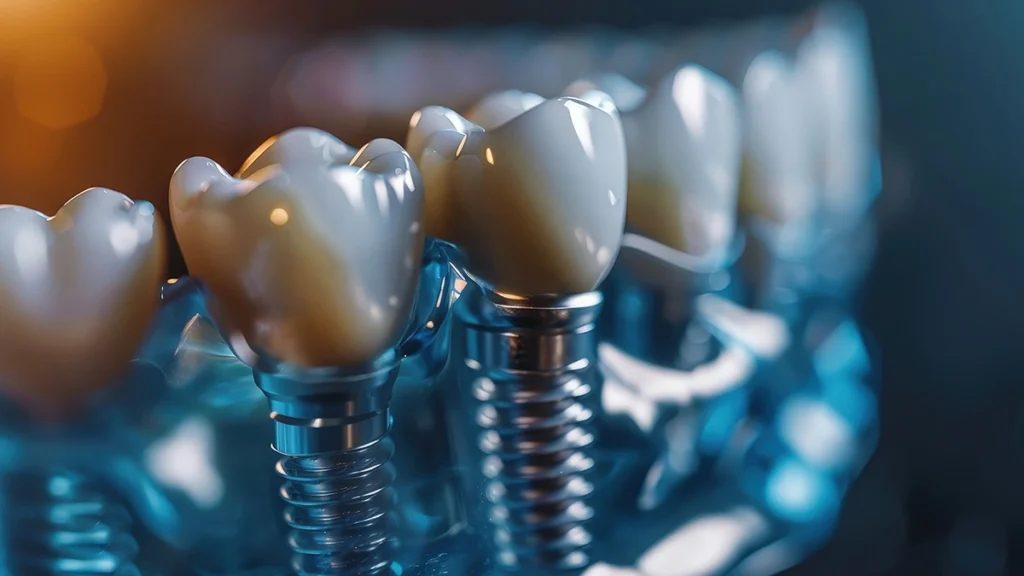
Missing teeth can change how you chew, affect your bite, and place extra pressure on the jaw. This may increase jaw fatigue or worsen existing TMJ symptoms. So, can dental implants help TMJ? They may improve oral function by restoring missing teeth, but the outcome depends on the cause of the symptoms and the condition of the bite.
Quick Answer: Can Dental Implants Help TMJ?
Dental implants may help some patients with TMJ symptoms when missing teeth have changed the way the bite functions. By restoring chewing ability and improving bite stability, implants can reduce excessive stress on the jaw in selected cases. However, dental implants are not a direct treatment for temporomandibular joint disorders, and every patient requires a thorough evaluation before implant surgery.
Can Dental Implants Help TMJ?
Dental implants may improve jaw function when tooth loss is contributing to uneven chewing or reduced bite support.
The Relationship Between Missing Teeth and TMJ
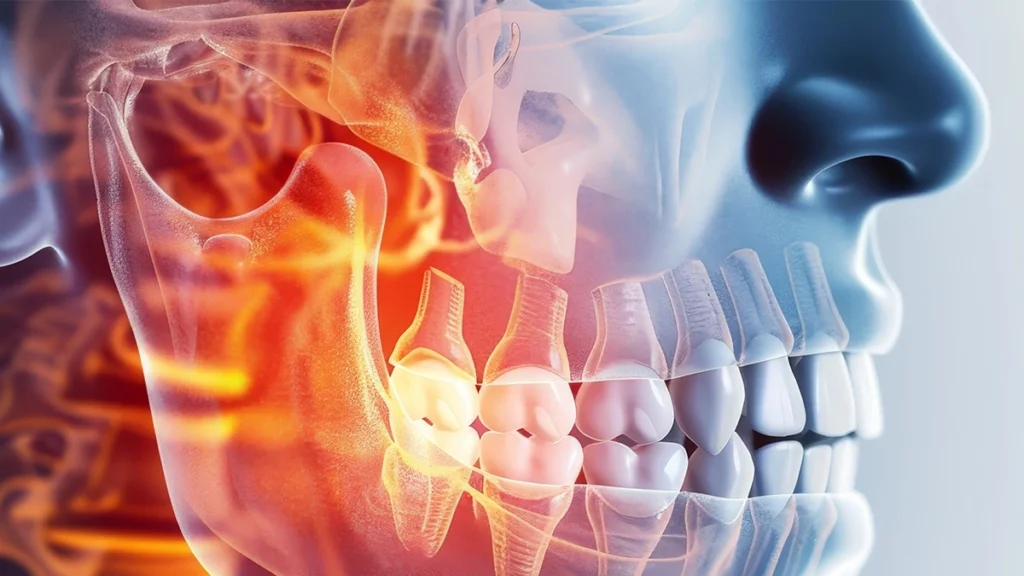
The teeth, chewing muscles, and jaw joints work together during biting, speaking, and mouth opening. When molars are missing, patients may chew on one side or move the jaw differently. This can increase fatigue and make existing symptoms more noticeable.
How Restoring Missing Teeth Can Improve Bite Function
An implant-supported crown, bridge, or denture restores missing chewing surfaces. This can improve tooth contact, make chewing easier, and distribute pressure more evenly. Careful design and adjustment are still necessary to avoid high bite contacts.
Why Dental Implants Are Not a Direct TMJ Treatment
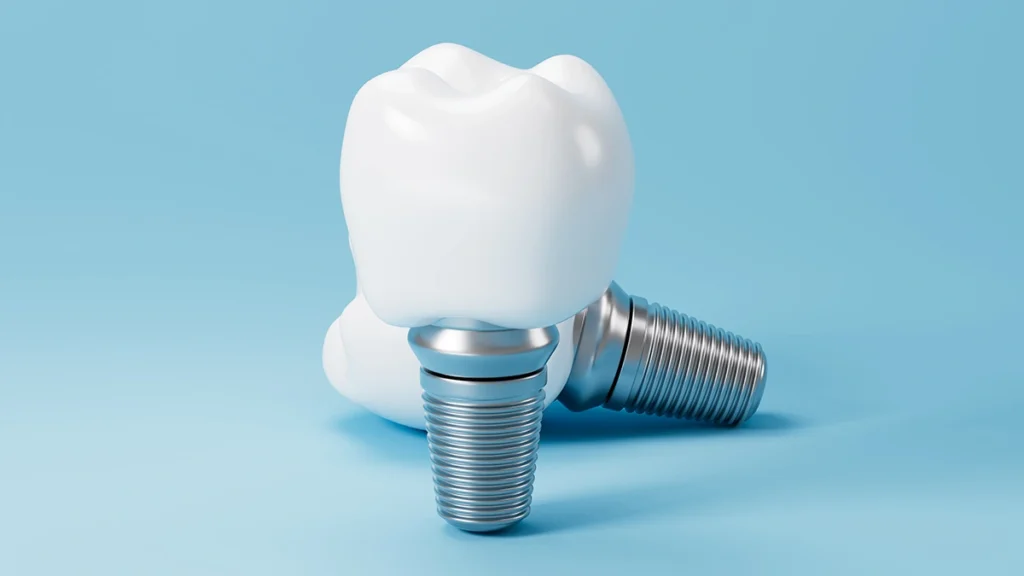
An implant replaces a missing tooth root and supports a restoration. It does not repair the joint, reposition a displaced disc, stop clenching, or treat arthritis. It may improve function when tooth loss contributes to symptoms, but it is not a TMJ cure.
Start a Conversation
Contact us through the communication method that suits you





Can You Get Dental Implants If You Have TMJ?
TMJ symptoms do not automatically prevent implant treatment, but the joints, muscles, bite, bone, and gums must be assessed first.
When Patients With TMJ Are Good Candidates
Many patients can receive implants when they have healthy gums, enough bone, controlled dental disease, and stable symptoms. Mild painless clicking may not affect treatment. Severe pain, locking, grinding, or limited opening may require further evaluation first.
Medical and Dental Evaluation Before Surgery
The dentist reviews medical history, medications, smoking, healing ability, gum health, bone volume, and previous treatment. Jaw pain, clicking, clenching, grinding, locking, and mouth opening are also assessed to identify risks and determine whether specialist input is needed.
When Implant Treatment May Need Additional Planning
More detailed planning may be necessary when the patient has:
- Severe grinding or clenching
- Extensive tooth wear
- Several missing teeth
- Significant bone loss
- An unstable bite
- Ongoing pain or restricted movement
Treatment may involve grafting, temporary restorations, bite records, orthodontic correction, a night guard, symptom stabilization, or specialist consultation.
How Missing Teeth Can Affect Your Bite and TMJ Symptoms
Tooth loss can gradually change how the remaining teeth meet and how the jaw muscles guide movement.
Bite Changes Over Time
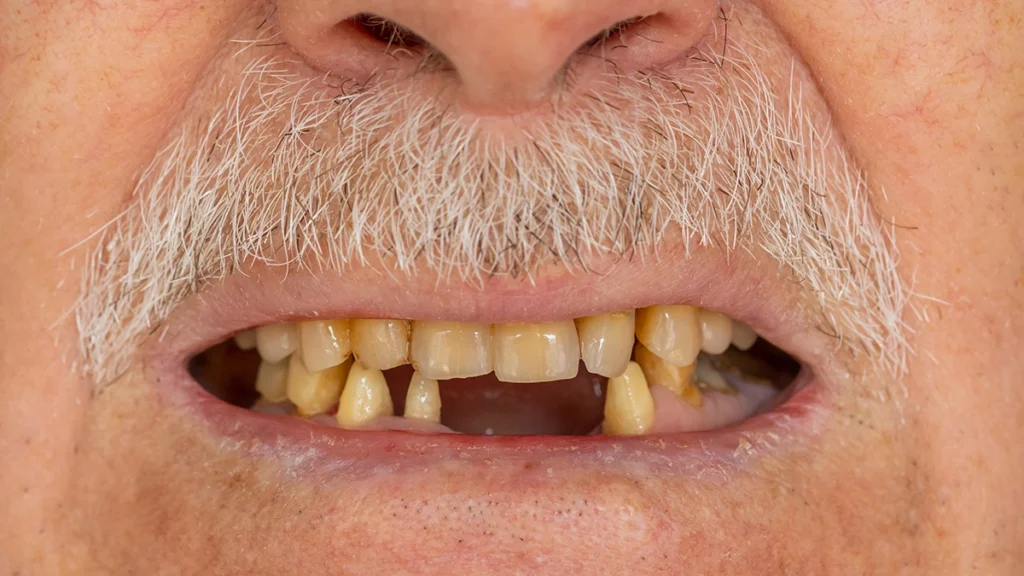
Every tooth helps maintain bite stability. After tooth loss, the patient may avoid the gap or close the jaw differently. When several back teeth are missing, the remaining teeth may receive more pressure and the bite may become unstable.
Uneven Chewing Forces
Missing molars reduce the surface available for chewing. Patients may depend on the opposite side or overload the front teeth. This uneven distribution can increase wear, fatigue, and discomfort.
Tooth Movement
Teeth beside a gap may tilt toward it, while the opposing tooth may move into the space. This can alter bite contact and reduce room for an implant. Orthodontic or restorative correction may be needed first.
Increased Jaw Muscle Strain
When chewing becomes less efficient, the muscles may work harder or guide the jaw differently. One-sided chewing can contribute to fatigue and tenderness, although stress, posture, grinding, or a joint condition may cause similar symptoms.
When Dental Implants May Help TMJ Symptoms
Implants are most likely to help when tooth loss has clearly reduced chewing support or encouraged one-sided chewing.
Restoring Bite Balance
Replacing missing teeth adds support where chewing force has been lost. This may reduce one-sided chewing and help the remaining teeth share pressure more evenly. The goal is stable function, not a forced jaw position.
Improving Chewing Efficiency
A well-designed implant restoration can make chewing on both sides easier. When the patient no longer compensates for a missing tooth, the muscles may work more efficiently and unnecessary movements may decrease.
Supporting Long-Term Oral Function
Implants can replace one tooth or support a larger restoration without relying entirely on neighboring teeth. They may reduce overload, but long-term success still requires healthy gums, good hygiene, regular check-ups, and control of grinding.
Preventing Further Bite Changes
Replacing a missing tooth may limit further movement and preserve space for proper contact. However, implants cannot reverse existing changes, so orthodontic or restorative correction may be required first.

When Dental Implants May Not Improve TMJ Symptoms
Implants may restore missing teeth successfully without reducing jaw pain when another condition is the main cause.
Existing Bite Disorders
Severe wear, poorly positioned teeth, damaged restorations, or an unstable bite may affect the whole mouth. Replacing one tooth may improve local support without correcting the wider problem, so broader treatment may be necessary.
Complex TMJ Conditions
Implants are unlikely to resolve symptoms caused mainly by arthritis, joint injury, disc displacement, chronic pain, or severe muscle disorders. These conditions may require physical therapy, an oral appliance, medication, or specialist care.
Incorrect Bite Adjustment
A crown that is too high may contact first, causing discomfort, excessive implant pressure, and muscle tension. Bite contacts should be checked when the crown is fitted and during follow-up.
Why Proper Diagnosis Matters
Jaw pain may come from several sources:
- Cracked or infected teeth
- Gum disease
- Muscle tension
- Nerve-related pain
- Headaches or migraines
- Ear or sinus conditions
- Clenching or grinding
- Joint inflammation or injury
Correct diagnosis helps determine whether implants may improve function or whether separate TMJ care is needed, while preventing unnecessary treatment and setting realistic expectations.
Read more: Bruxism and Dental Implants: Will Teeth Grinding Increase Failure Risk?
Upload your photos and receive a free AI-powered preliminary analysis in minutes. No commitment required.
Do Dental Implants Affect TMJ or Jaw Alignment?
Well-planned implants should restore missing teeth without forcing the jaw into an unnatural position.
Bite Forces After Implant Placement
Natural teeth have a flexible ligament that allows slight movement and helps sense pressure. Implants connect directly to bone, so their crowns must manage force carefully, especially in patients who grind or clench.
Occlusion and Jaw Function
Occlusion describes how the teeth meet during closing and movement. An implant restoration should not create early contact or interfere with jaw motion. The aim is stable function, not permanent bite alteration for TMJ.
Why Implant Position Matters
Implant position and angle affect crown shape, cleaning access, and force distribution. Poor positioning may create unwanted pressure. Three-dimensional imaging and digital planning support safer placement.
Read more: Full Mouth Restoration Explained: When Implants, Crowns, and Veneers Are Combined
Is TMJ Pain After Dental Implant Surgery Normal?
Temporary jaw discomfort may occur after surgery, particularly after a long appointment or in patients with existing sensitivity.
Temporary Muscle Soreness
The muscles may feel tired or stiff because the mouth remains open during treatment. Mild soreness usually improves with rest, soft foods, limited wide opening, and proper aftercare.
Healing After Surgery
Mild swelling, tenderness, and local discomfort are common during early healing. Symptoms vary with the procedure but should gradually improve. Prescribed medication should be taken as directed.
When Pain Needs Further Evaluation
Contact the dental team if pain worsens or occurs with:
- Increasing swelling
- Fever or discharge
- Persistent numbness
- Difficulty opening the mouth
- Jaw locking
- Severe ear-area pain
- A sudden bite change
These symptoms require prompt evaluation.
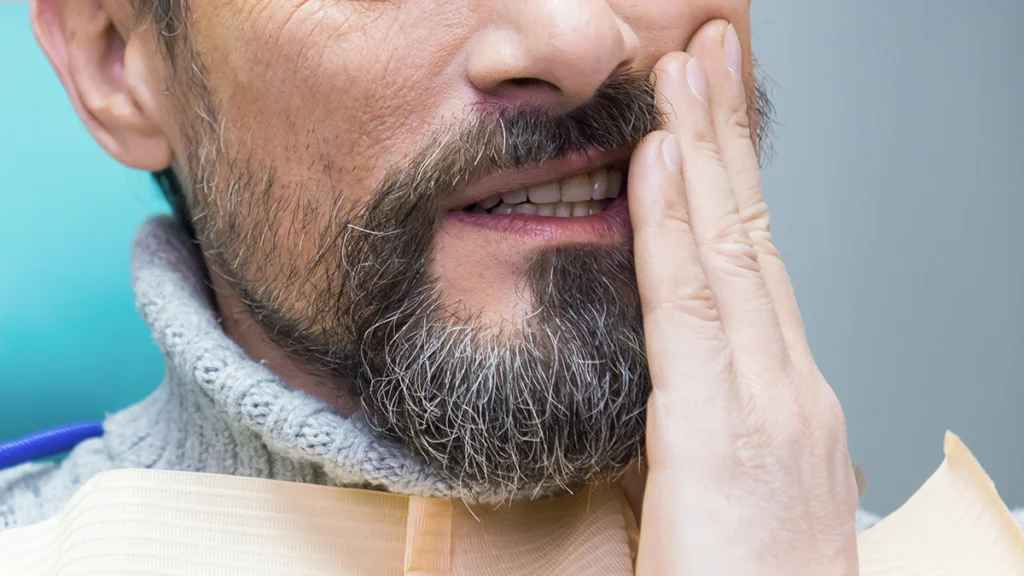
How Dentists Evaluate Implant Candidacy for Patients With TMJ
A complete assessment examines the teeth, gums, bone, bite, jaw movement, symptoms, and general health.
Clinical Examination
The dentist examines the missing spaces, gums, remaining teeth, restorations, and signs of grinding. The jaw joints and chewing muscles are checked for tenderness, clicking, pain, or restricted movement while the patient opens, closes, and moves the jaw.
Digital Imaging
Dental X-rays show bone height, nearby teeth, and possible infection. Cone-beam imaging provides three-dimensional details about the implant site. Separate joint imaging may be recommended when structural damage is suspected.
Bite Analysis
The dentist checks where the teeth contact and whether pressure is concentrated in certain areas. Digital scans, photographs, bite records, or models may support the assessment, especially when several teeth are missing or grinding has changed the bite.
Jaw Joint Assessment
The dentist asks about pain, clicking, locking, headaches, grinding, and mouth opening. Painless joint sounds are not always serious, but continuing discomfort, restricted movement, or frequent locking may require referral.
Treatment Planning
The plan considers implant position, bone quality, gum health, bite forces, restoration design, medical history, and jaw condition. Some patients can proceed directly, while others may need grafting, orthodontics, a night guard, or TMJ stabilization first.
Upload your photos and receive a free AI-powered preliminary analysis in minutes. No commitment required.
Dental Implants vs Bridges for Patients With TMJ
Both implants and bridges can restore missing teeth. The best choice depends on the bone, neighboring teeth, bite, and jaw function.
Bite Support
An implant crown does not use adjacent teeth for support, while a bridge relies on the teeth beside the gap. Both can restore chewing contact, but grinding or bite instability may require extra protection.
Long-Term Bone Health
Bone in an empty space may gradually shrink. An implant transfers functional pressure into the area and may help maintain surrounding bone, while a bridge does not replace the missing root.
Load Distribution
Implants add support where chewing force has been lost. Bridge forces pass through the supporting teeth, which must be healthy and strong enough to carry the expected load.
Choosing the Right Option
The decision should consider:
- Bone volume and gum health
- Condition of neighboring teeth
- Bite stability and grinding habits
- Medical history
- Treatment time and hygiene
- Cost and patient preference
Neither treatment is automatically better for every patient with TMJ.
Read more: Dental Implants vs Bridges: Which Is the Better Long-Term Solution?
Questions to Ask Before Implant Treatment if You Have TMJ
Before starting treatment, ask your dentist:
- Am I a suitable implant candidate?
- Could implants improve my bite?
- Should my TMJ be treated first?
- Will I need additional bite analysis?
- What imaging will be performed?
These questions clarify what implants may improve and what symptoms may need separate care.
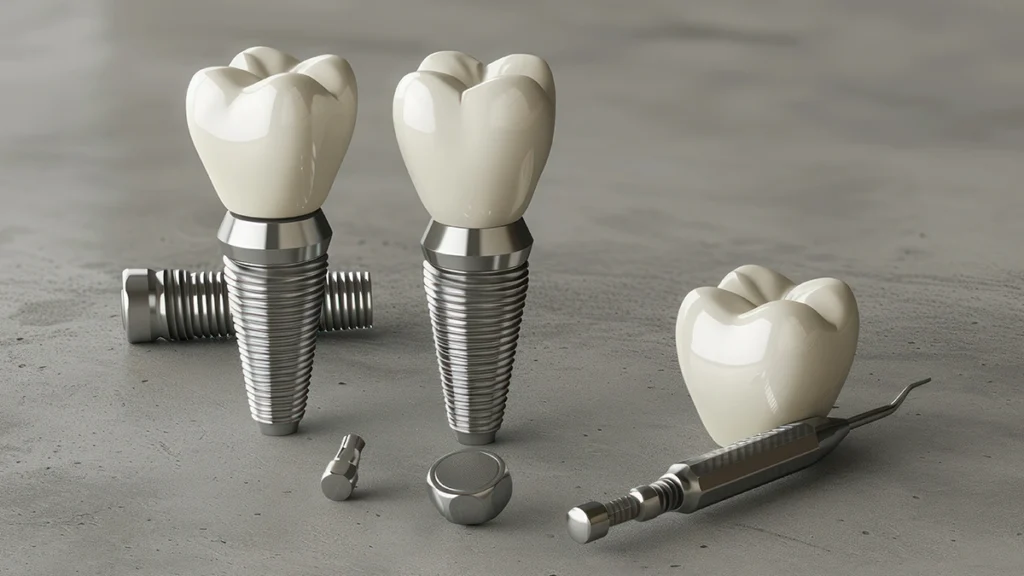
Why Choose an Experienced Implant Team for Patients With TMJ?
Patients with missing teeth and TMJ symptoms may require more detailed diagnosis, planning, and follow-up.
Personalized Diagnosis
An experienced team does not assume that every case of jaw pain comes from missing teeth. Clinicians assess symptoms, jaw movement, muscle function, oral health, and medical history to distinguish problems that may improve with replacement from those requiring separate care.
Digital Bite Analysis
Digital scans, photographs, bite records, and imaging provide information about tooth position, space, and restoration design. These tools support planning but do not replace clinical judgment. Their findings must be interpreted together with the patient’s symptoms, jaw movement, and clinical examination.
Implant Planning
Careful planning determines implant number, size, angle, and position. It also allows the clinical and laboratory teams to design the final restoration before surgery and reduce excessive pressure.
Long-Term Follow-Up
After treatment, the team should monitor the gums, bone, implant stability, bite, and restorations. Patients who grind may need a night guard. Continuing TMJ symptoms should be investigated rather than managed through repeated adjustments without a diagnosis.
Which treatment are you interested in?
FAQ
They may improve bite stability when symptoms are related to missing teeth, uneven chewing, or reduced support, but they do not directly treat every TMJ disorder.
Yes. Many patients can receive implants after their joints, muscles, bite, bone, gums, and general health have been carefully evaluated.
Properly planned implants should restore chewing support without harming the jaw joint or forcing the jaw into an unnatural position.
They do not usually worsen TMJ, but symptoms may continue if existing bite, muscle, or joint problems are not properly assessed.
Mild soreness or stiffness may occur for a few days after surgery and should gradually improve during healing.
Complex, painful, or unstable symptoms may need treatment or stabilization first, depending on their cause and severity.
Neither is always better. The right option depends on bone, bite stability, neighboring teeth, oral health, grinding habits, and treatment needs.
Missing teeth may contribute to uneven chewing, bite changes, and muscle strain, but TMJ symptoms often have several possible causes.