
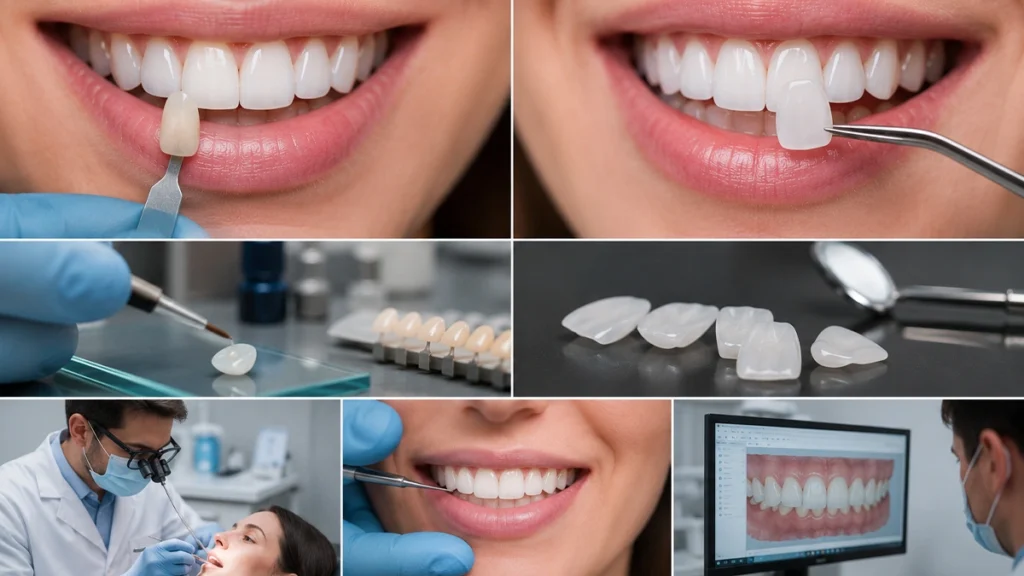
Many patients looking to improve chipped, stained, uneven, or worn teeth compare composite bonding vs veneers. Both treatments can improve smile appearance, but they are used differently. Composite bonding is usually more conservative and often requires little or no tooth preparation, while veneers may offer greater durability, stain resistance, and smile makeover potential. The best choice depends on tooth condition, cosmetic goals, bite function, and long-term expectations.
Quick Answer: Should You Choose Composite Bonding or Veneers?
Composite bonding and veneers can both improve the appearance of chipped, stained, uneven, or worn teeth. Composite bonding is usually more conservative and often requires little or no tooth preparation, while veneers may provide greater durability, stain resistance, and smile transformation potential. The right option depends on tooth condition, aesthetic goals, bite function, material choice, and long-term expectations.
What Is Composite Bonding?
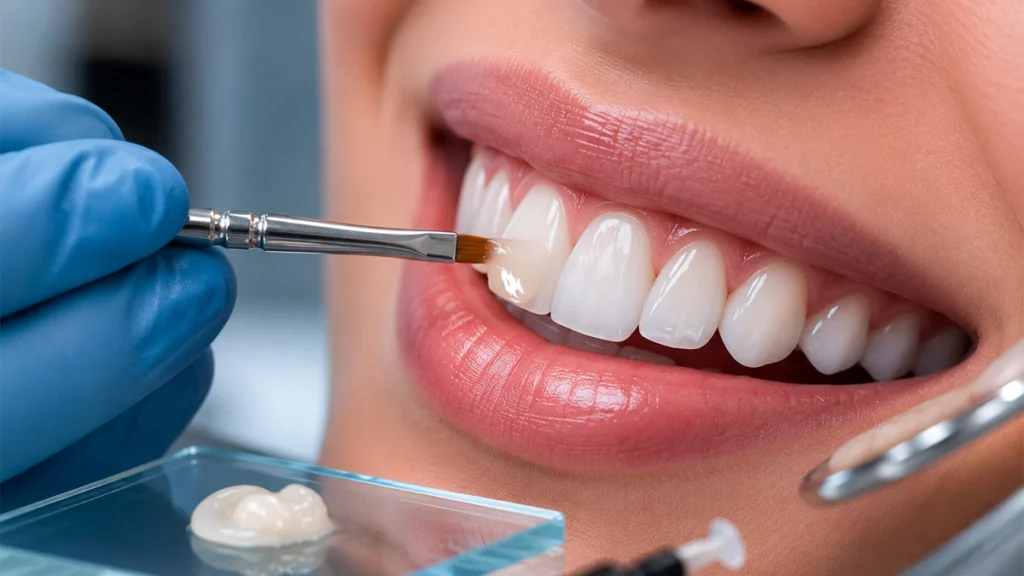
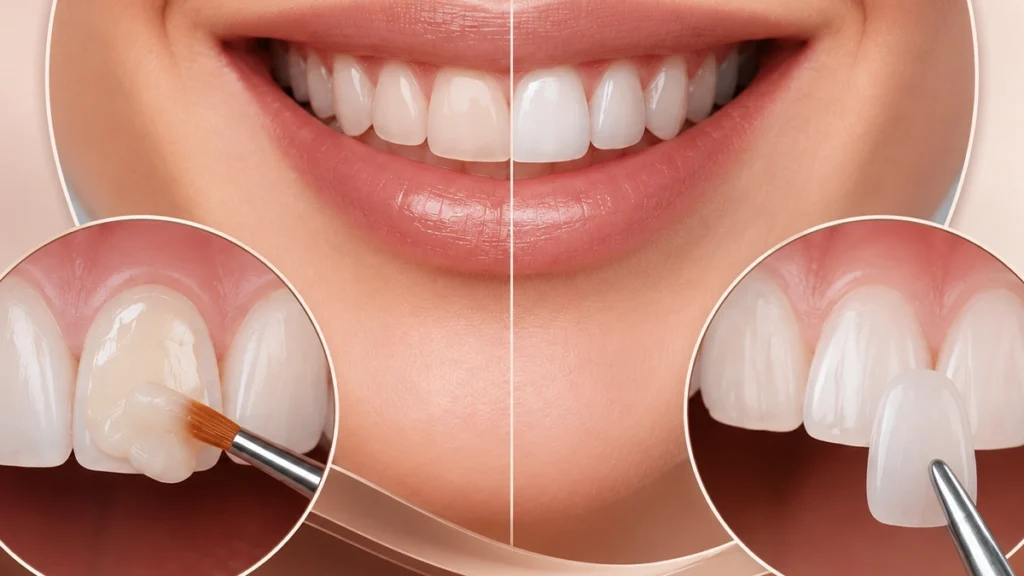
Composite bonding is a cosmetic dental treatment that uses a tooth-colored resin material to improve the shape, color, or surface appearance of teeth. The material is applied directly to the tooth, sculpted by the dentist, and hardened with a special curing light.
This treatment is commonly used for smaller cosmetic corrections and is often appealing to patients who want a less invasive option.
How Composite Bonding Works
During composite bonding, the dentist prepares the tooth surface so the bonding material can adhere properly. A shade-matched composite resin is then layered onto the tooth and shaped to improve its appearance. After the material is cured and polished, the tooth can look smoother, more even, and better blended with the surrounding smile.
In many cases, treatment can be completed in one visit, depending on how many teeth are involved and the complexity of the cosmetic correction.
Problems Composite Bonding Can Correct
Composite bonding may help improve:
- Small chips
- Minor gaps between teeth
- Slight irregularities in shape
- Superficial discoloration
- Worn edges
- Mild asymmetry
- Some visible enamel lines or surface flaws
Because the material is placed directly onto the tooth, it can be a flexible option for subtle changes.
Advantages of Composite Bonding
One reason many patients ask about composite bonding vs veneers is that bonding is generally more conservative. Advantages may include:
- Little or no enamel removal in some cases
- Faster treatment
- Lower initial cost compared to many veneer cases
- Easier repair if a small area chips
- Good option for smaller corrections
- Often suitable for younger patients seeking conservative treatment
Limitations of Composite Bonding
Although bonding can produce attractive results, it also has limitations. Composite resin is generally less stain-resistant than porcelain and may wear more quickly over time. It may also be less ideal for major smile transformations or for patients who want highly uniform, long-lasting cosmetic changes across multiple front teeth.
Start a Conversation
Contact us through the communication method that suits you





What Are Veneers?
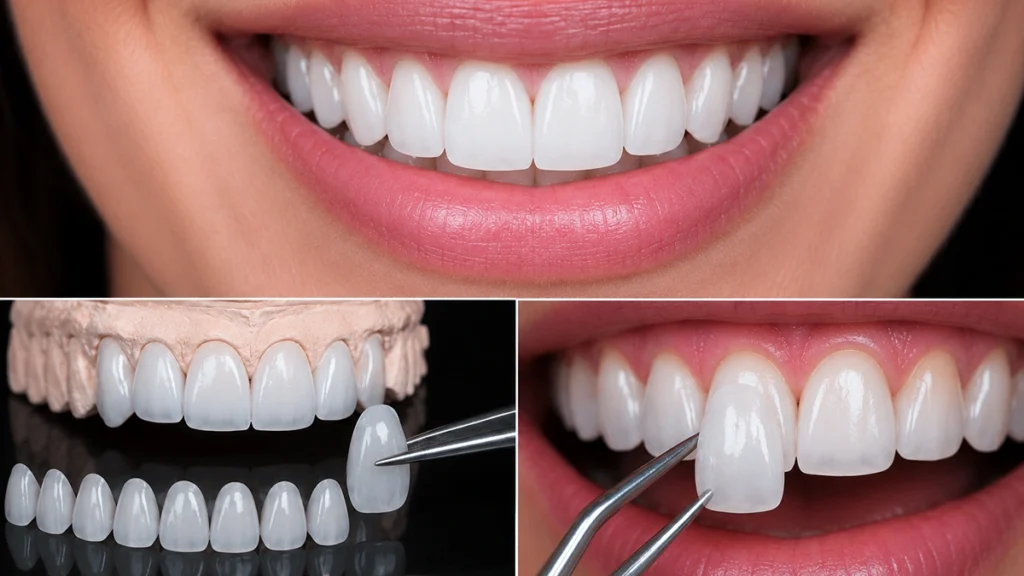
Veneers are thin coverings placed over the front surface of teeth to improve their color, shape, size, and overall appearance. They are often made from porcelain, though other materials may be used in selected cases.
Porcelain veneers are frequently chosen for patients who want a more comprehensive aesthetic improvement and a material that offers greater stain resistance and long-term surface stability.
How Veneers Improve Smile Appearance
Veneers can create a more even, symmetrical, and brighter smile by covering cosmetic flaws on the visible front surfaces of teeth. They may be used to address:
- Deep discoloration
- Uneven tooth shape
- Minor spacing issues
- Worn enamel
- Chipped edges
- Slightly misaligned appearance
- Multiple cosmetic concerns at once
Because veneers are custom-designed, they can be used to create a more coordinated smile design.
Common Reasons Patients Choose Veneers
Patients often choose veneers when they want:
- A whiter smile that is difficult to achieve with whitening alone
- More uniform tooth shape and size
- Improvement across several front teeth
- A longer-lasting cosmetic material
- A more polished smile makeover result
Veneers as Part of a Smile Makeover
Veneers are commonly included in smile makeover treatment planning because they allow dentists to change several visible characteristics at once. A patient who has discoloration, minor wear, uneven edges, and small spacing concerns may benefit from veneers when multiple issues need to be addressed in a coordinated way.
Why Veneers Are Considered a Long-Term Solution
Porcelain veneers are often considered a long-term cosmetic solution because they are durable, stain-resistant, and capable of maintaining their appearance well with appropriate care. However, they are still a dental restoration, not a lifetime guarantee. They require ongoing maintenance, routine monitoring, and may eventually need replacement.
Read more: What Are Dental Veneers? Types, Uses, and Who They Are For
Composite Bonding vs Veneers — Key Differences
Patients comparing composite bonding vs veneers usually want to understand how the two treatments differ in preparation, durability, appearance, and maintenance.
Tooth Preparation Requirements
Composite bonding usually involves minimal tooth preparation. In some cases, little or no enamel removal is necessary.
Veneers often require some degree of tooth preparation so the restoration can fit naturally and avoid looking bulky. The amount of preparation depends on tooth position, smile design, material thickness, and the type of veneer being used.
Durability and Longevity
Veneers, especially porcelain veneers, are generally more durable than composite bonding and may hold their appearance longer under normal conditions. Composite bonding can still perform well, but it may be more prone to wear, edge chipping, or surface dullness over time.
Stain Resistance
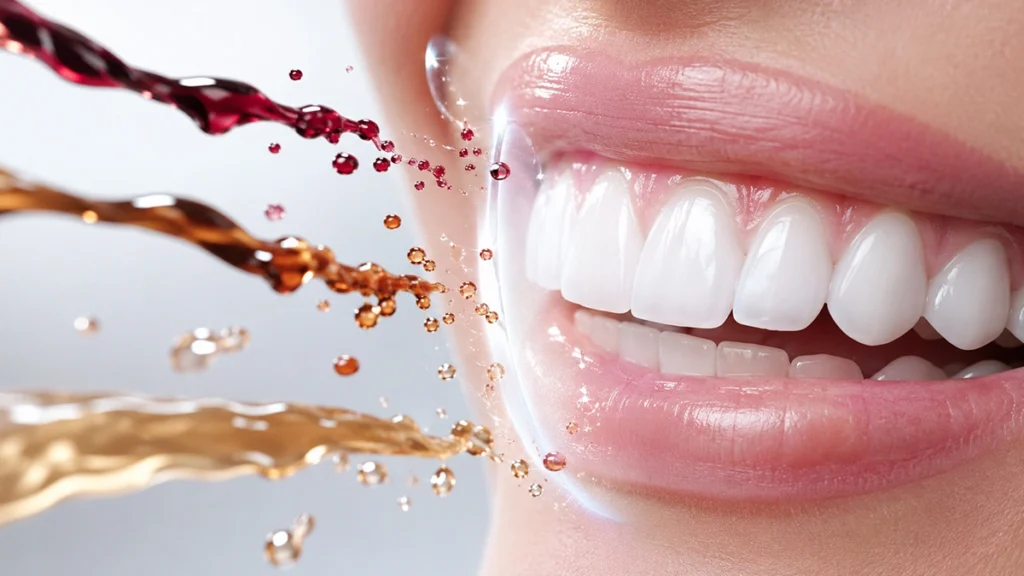
Composite resin can stain more easily from coffee, tea, red wine, tobacco, and other pigments. Porcelain veneers are usually more stain-resistant, which is one reason they are often chosen by patients who prioritize long-term brightness.
Repairability
One advantage of bonding is that it is often easier to repair directly if a small section chips or wears down. Veneer repair can be more complex. In some cases, a damaged veneer may need replacement rather than a simple touch-up.
Aesthetic Potential
Composite bonding can look very natural in the right case, especially for minor corrections. Veneers usually offer greater aesthetic control when a patient wants a more dramatic smile upgrade, including changes in tooth brightness, alignment illusion, length, and symmetry.
Comparison Table
| Feature | Composite Bonding | Veneers |
| Tooth preparation | Minimal | Often required |
| Stain resistance | Moderate | Higher |
| Durability | Moderate | Higher |
| Repairability | Easier | More complex |
| Smile transformation | Moderate | Greater |
Cracked Lines in Teeth — What Causes Them?
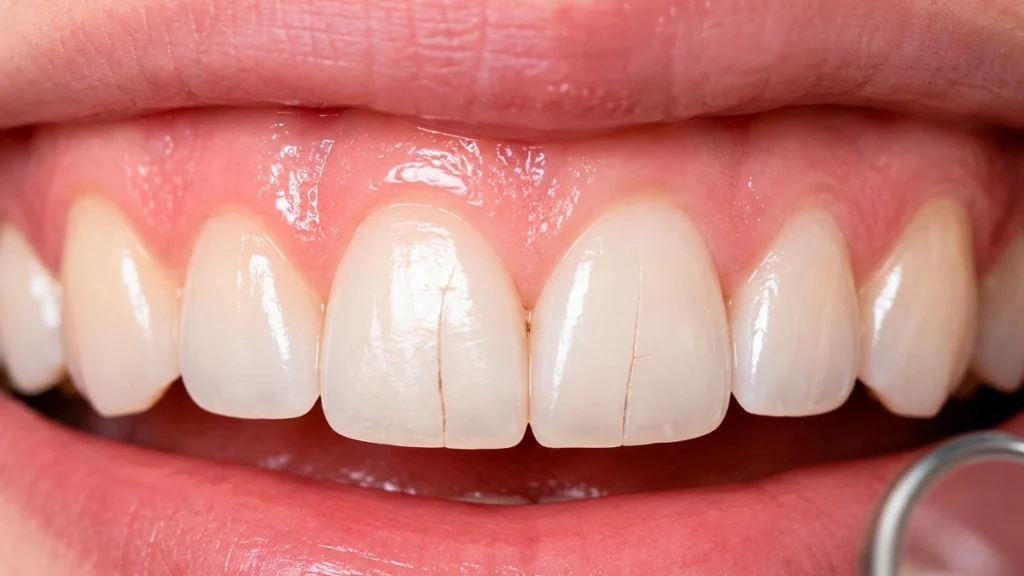
Many patients search for answers about cracked lines in teeth when they notice faint vertical lines in the enamel. These lines are often harmless, but they can still become a cosmetic concern.
Natural Enamel Craze Lines
Small superficial lines in enamel are sometimes called craze lines. These can appear over time from normal use and may become more visible as light reflects off the tooth surface.
Tooth Wear and Aging
As enamel ages and experiences years of chewing forces, temperature changes, and daily use, fine surface lines may become more noticeable. This does not always mean the tooth is structurally compromised.
Teeth Grinding and Bite Pressure
Grinding and clenching can place repeated pressure on the teeth. Over time, this may contribute to enamel stress, wear, or visible lines that patients notice in the mirror.
When Cracked Lines Become a Cosmetic Concern
Not every enamel line needs treatment. However, if lines become visible when smiling or are associated with discoloration, roughness, or aesthetic dissatisfaction, patients may ask whether bonding or veneers can improve the appearance.
Can Composite Bonding or Veneers Hide Cracked Lines?
In selected cases, both composite bonding and veneers may help reduce the appearance of cracked lines in teeth. The correct treatment depends on whether the lines are superficial, whether the tooth is structurally sound, and whether there are additional cosmetic concerns.
When Composite Bonding May Be Enough
Composite bonding may be appropriate when:
- The lines are superficial
- The concern is limited to one or two teeth
- The patient wants conservative treatment
- The tooth structure is otherwise healthy
- Only small cosmetic improvement is needed
When Veneers May Be Recommended
Veneers may be recommended when cracked lines are only one part of a broader cosmetic concern, such as staining, shape irregularity, wear, or multiple visible imperfections. In these situations, veneers may provide a more complete aesthetic result.
Why Proper Diagnosis Matters
Not all tooth cracks are cosmetic. Some may indicate deeper structural issues, bite-related stress, or existing damage that needs evaluation. Proper diagnosis helps determine whether the concern is only visual or whether the tooth needs restorative or protective treatment first.
Why Do Teeth Become Stained?
Tooth staining can happen for many reasons. Some stains are external and build up on the enamel surface, while others develop within the tooth structure.
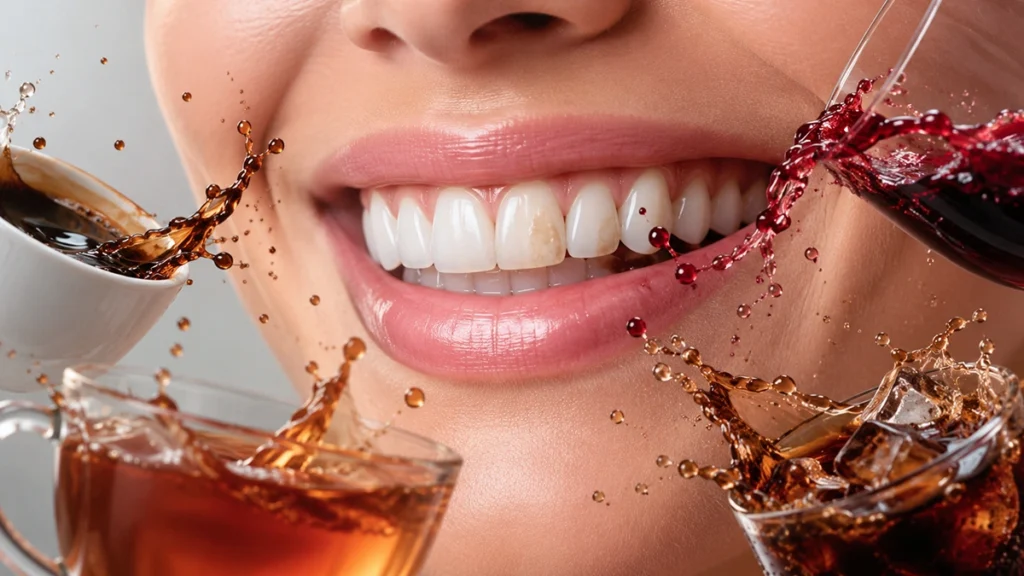
Food and Beverage Stains
Coffee, tea, red wine, curry, cola, and strongly pigmented foods can gradually stain teeth over time. Dark beverages are especially common contributors.
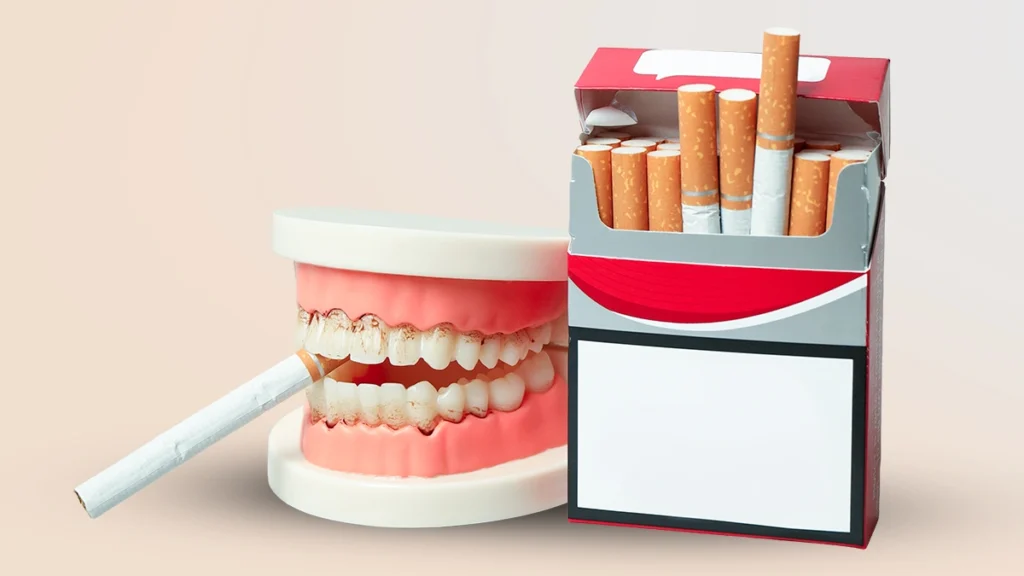
Smoking and Tobacco Use
Smoking and tobacco products can lead to persistent yellow or brown discoloration. These stains may become more difficult to remove with time.
Aging and Enamel Changes
As enamel naturally wears down with age, the darker inner dentin can show through more clearly. This can make teeth appear more yellow, dull, or uneven in tone.
Internal Tooth Discoloration
Some discoloration begins inside the tooth. This may result from trauma, prior dental treatment, medications, or developmental factors. Internal discoloration may not respond well to ordinary whitening, which is one reason some patients consider veneers instead.
How to Avoid Stains After Cosmetic Dental Treatment
After cosmetic treatment, patients often want to protect their results for as long as possible. Good maintenance habits matter whether the treatment is composite bonding or veneers.
Daily Oral Hygiene Habits
Brushing regularly, flossing daily, and attending routine dental visits can help reduce surface buildup and support long-term smile appearance.
Foods and Drinks That Cause Staining
Reducing frequent exposure to highly pigmented foods and drinks may help preserve brightness, especially after bonding. Drinking water after dark beverages and avoiding prolonged contact with staining substances can also be helpful.
Professional Cleaning and Maintenance
Regular professional cleanings help remove buildup and allow the dentist to monitor the condition of bonding or veneers. Maintenance visits also help identify early wear, edge changes, or areas that may benefit from polishing or repair.
Why Veneers Resist Stains Better Than Composite
Porcelain veneers generally resist staining better than composite resin because porcelain is less porous and maintains a smoother surface over time. Composite bonding can still look attractive, but it often requires more attention to polishing and stain prevention.
Do Veneers Require Teeth Shaving?
This is one of the most common high-intent cosmetic dentistry questions. The answer is that some veneers do require tooth preparation, but the amount depends on the case.
Why Some Veneers Need Tooth Preparation
Preparation may be needed to create space for the veneer so it fits naturally and does not appear too bulky. It can also help improve margin placement, shade blending, and overall smile proportions.
How Much Tooth Structure Is Usually Removed
The amount varies from case to case. In conservative veneer planning, dentists typically aim to preserve as much natural tooth structure as possible. Some cases require minimal reduction, while others may require more preparation due to tooth position, protrusion, discoloration, or the desired cosmetic outcome.
Cases That Require Minimal Preparation
Patients with small teeth, spacing, minor shape concerns, or favorable tooth positioning may qualify for more conservative or minimal-prep veneer treatment. Careful case selection is important.
No-Prep Options Such as Lumineers
Some systems, such as Lumineers, are marketed as no-prep or minimal-prep veneer options. While these may be suitable in selected cases, not every patient is an ideal candidate. The final decision depends on smile design goals, bite, existing tooth shape, and whether adding material without preparation would create bulk.
E-max Veneers vs Composite Bonding
Patients often compare E-max veneers vs composite bonding when they want to understand whether premium porcelain offers advantages over direct resin treatment.
What Are E-max Veneers?
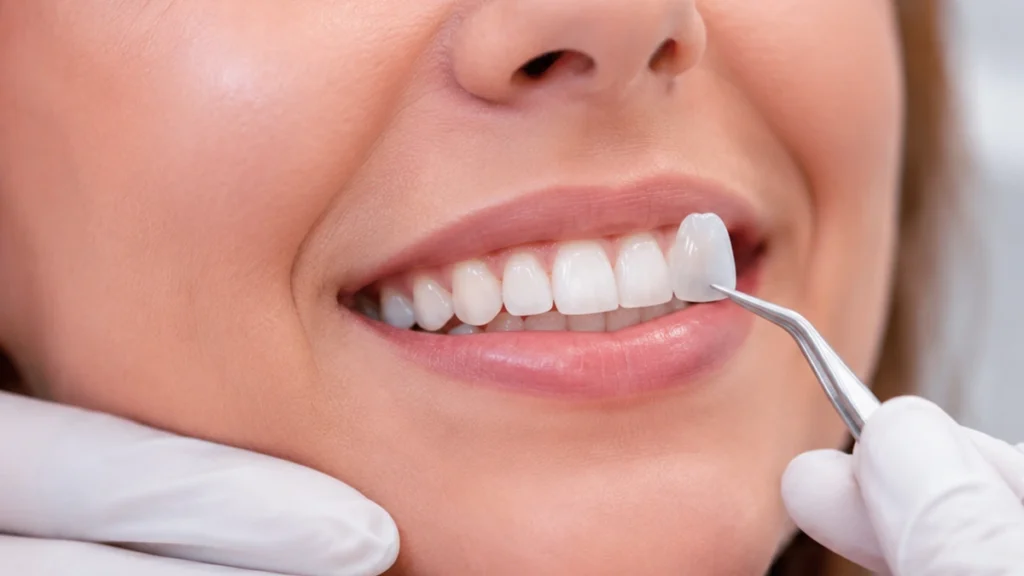
E-max veneers are porcelain veneers made from lithium disilicate ceramic. This material is known for combining strength with attractive light-transmitting properties that can create a natural-looking result.
Strength and Aesthetic Benefits
E-max veneers are often chosen for their balance of aesthetics and durability. They can offer a refined surface finish, natural translucency, and strong cosmetic performance when properly planned and bonded.
When Dentists Prefer E-max
Dentists may prefer E-max veneers when patients want:
- A highly aesthetic porcelain option
- Long-term stain resistance
- A smile makeover across multiple visible teeth
- Stronger material performance than composite alone may provide in that case
The right material choice still depends on bite forces, tooth position, enamel availability, and overall treatment goals.
Lumineers vs Composite Bonding
Lumineers vs composite bonding is another common comparison, especially for patients who want conservative cosmetic treatment.
Minimal Preparation Philosophy
Both Lumineers and composite bonding appeal to patients who want to preserve tooth structure. Bonding often requires little preparation, and Lumineers are promoted as a minimal-prep or no-prep veneer option in selected cases.
Advantages and Limitations
Composite bonding may be completed quickly, repaired more easily, and used for smaller corrections. Lumineers may provide greater stain resistance and a veneer-style result, but they are not ideal in every situation. In some smiles, minimal-prep veneers can look too prominent if case selection is not appropriate.
Who May Be a Candidate
Patients with smaller teeth, slight spacing, or limited cosmetic issues may be considered for minimal-prep veneer concepts. Others may be better suited to traditional veneers or bonding, depending on facial aesthetics, tooth projection, and smile design needs.
Read more: Veneers Price in Turkey 2026: Cost per Tooth in Istanbul
How Dentists Decide Between Bonding and Veneers
The decision between composite bonding and veneers is not based on one factor alone. Dentists look at the whole clinical picture.
Tooth Structure Evaluation
Healthy enamel, existing wear, previous damage, and the size of the cosmetic issue all affect treatment choice. Small isolated concerns may be well suited to bonding, while broader cosmetic changes may point toward veneers.
Existing Restorations
Teeth that already have large fillings, prior bonding, or restorative work may influence the treatment plan. The existing condition of the teeth helps determine what will bond predictably and what type of restoration may be more appropriate.
Bite and Functional Assessment
Bite forces matter. Patients who grind or clench may place more stress on front teeth and cosmetic restorations. Functional assessment helps dentists decide whether a conservative material is likely to hold up well or whether additional protection or a different treatment approach is needed.
Smile Design Goals
Some patients want only a small improvement. Others want a brighter, more symmetrical smile makeover. The desired level of transformation is one of the biggest factors in choosing between composite bonding vs veneers.
Long-Term Expectations
Patients should also consider whether they are seeking a short- to medium-term conservative option or a more durable long-term cosmetic solution. Maintenance expectations, repair tolerance, and future replacement planning all matter.
Who Is a Good Candidate for Composite Bonding?
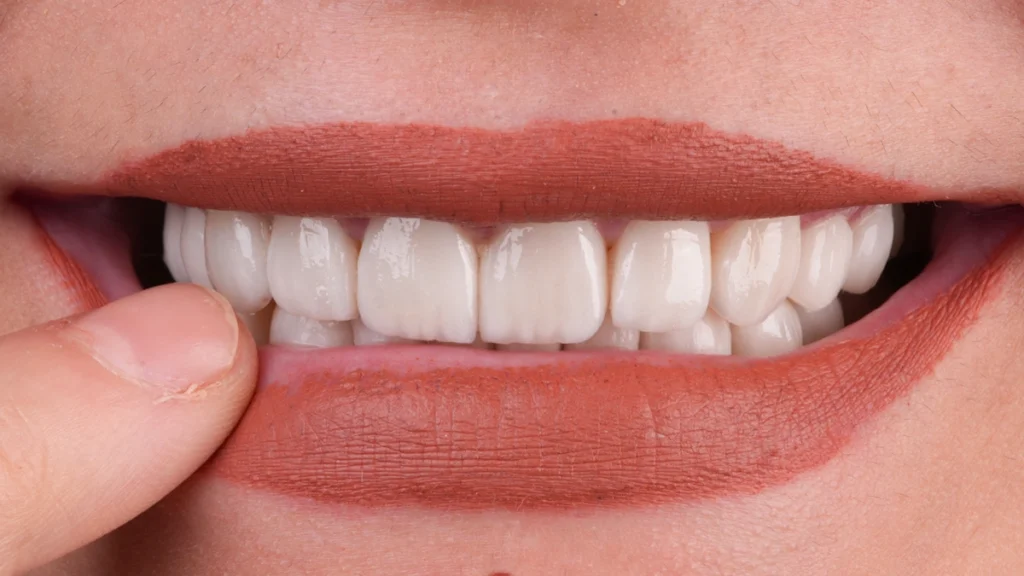
Composite bonding may be a good option for patients who want conservative cosmetic improvement without major treatment.
Small Cosmetic Corrections
Bonding is commonly used for one or two teeth that need subtle enhancement rather than full smile redesign.
Minor Chips and Gaps
Patients with small chips, slight edge wear, or narrow spaces between teeth may benefit from bonding if the bite and tooth condition are favorable.
Younger Patients Seeking Conservative Treatment
Younger patients often prefer preserving natural tooth structure whenever possible. Composite bonding can be a useful option when the goal is improvement with minimal intervention.
Request pricing
By sending, you agree we may contact you on WhatsApp with pricing.
Got it! We’ll WhatsApp you the pricing shortly.
Who Is a Good Candidate for Veneers?
Veneers candidacy depends on aesthetic goals, tooth condition, and treatment expectations.
Multiple Aesthetic Concerns
Patients with several concerns at once, such as staining, wear, shape irregularities, and asymmetry, may be better candidates for veneers.
Significant Color Changes
When whitening alone is unlikely to create the desired brightness, veneers may provide a more reliable cosmetic solution.
Smile Makeover Candidates
Patients seeking a comprehensive transformation across multiple front teeth often choose veneers because they allow more control over shape, shade, proportion, and overall smile harmony.
Patients Seeking Long-Term Results
Those who prioritize long-term stain resistance and a more durable cosmetic material may prefer porcelain veneers after proper evaluation.
Read more: Veneers and Medical Conditions in Turkey 2026: Safety, Risks & Dentist Guide
Composite Bonding vs Veneers Cost Considerations
Cost is an important part of treatment planning, but the lowest initial fee does not always reflect the long-term investment.
Initial Cost
Composite bonding typically has a lower initial cost than porcelain veneers because it can often be completed directly in the clinic without custom lab fabrication.
Long-Term Maintenance Costs
Bonding may require more polishing, repairs, or replacement over time, depending on habits, staining exposure, and wear. Veneers usually have a higher upfront cost, but some patients value their durability and stain resistance over the long term.
Replacement and Repairs
Composite bonding is often easier and less expensive to repair in small areas. Veneers may be more expensive to replace if damaged. Long-term value depends on the case, maintenance, and patient goals rather than price alone.
Read more: Veneers vs Crowns: Which Is Better for a Perfect Smile in 2026?
Request pricing
By sending, you agree we may contact you on WhatsApp with pricing.
Got it! We’ll WhatsApp you the pricing shortly.
People Also Ask
Is composite bonding better than veneers?
Do veneers require shaving healthy teeth?
Can composite bonding fix cracked lines?
Which lasts longer: veneers or bonding?
Do veneers stain over time?
Are Lumineers better than veneers?
Final Perspective — The Best Treatment Depends on Your Smile Goals
There is no one-size-fits-all answer in the composite bonding vs veneers discussion. Both treatments can play an important role in cosmetic dentistry, but they serve different purposes.
Conservative Treatment vs Full Smile Transformation
Composite bonding is often a good fit for conservative improvements and small corrections. Veneers may be more appropriate when patients want a broader smile makeover with more control over shape, shade, and uniformity.
Long-Term Expectations Matter
A patient who wants minimal intervention today may choose bonding. A patient focused on long-term stain resistance and a more dramatic cosmetic upgrade may lean toward veneers. The best treatment depends on priorities, not trends.
Proper Evaluation Improves Results
A careful dental examination helps identify whether cosmetic concerns are superficial, whether tooth structure is healthy, and whether bite forces could affect outcome longevity.
Personalized Treatment Planning Is Essential
The most appropriate cosmetic solution is the one that matches the patient’s tooth condition, facial aesthetics, functional needs, and long-term goals. Personalized treatment planning helps create results that look natural, feel comfortable, and remain practical to maintain.
Read more: Veneers vs Crowns: How Dentists Decide What Each Tooth Needs
Which treatment are you interested in?
FAQ
It depends on the condition of the teeth and the desired result. Bonding may be sufficient for minor corrections, while veneers may be preferred for larger aesthetic changes.
Yes, in some cases bonding can improve the appearance of superficial enamel lines.
The amount varies by case and veneer type. Some cases require minimal preparation, while others may need more reduction.
They may result from natural enamel aging, bite pressure, grinding, or everyday wear.
Porcelain veneers are generally more stain-resistant than natural enamel and composite materials.
Some Lumineers cases may require little or no tooth preparation, depending on the patient’s smile design.
Dentists evaluate tooth condition, aesthetics, bite function, durability needs, and long-term treatment goals.